Optimizing the Integration of Solid and Hydraulic Gravity Energy Storage in Sustainable Urban Building Networks and Districts
Energy and Environment
Description
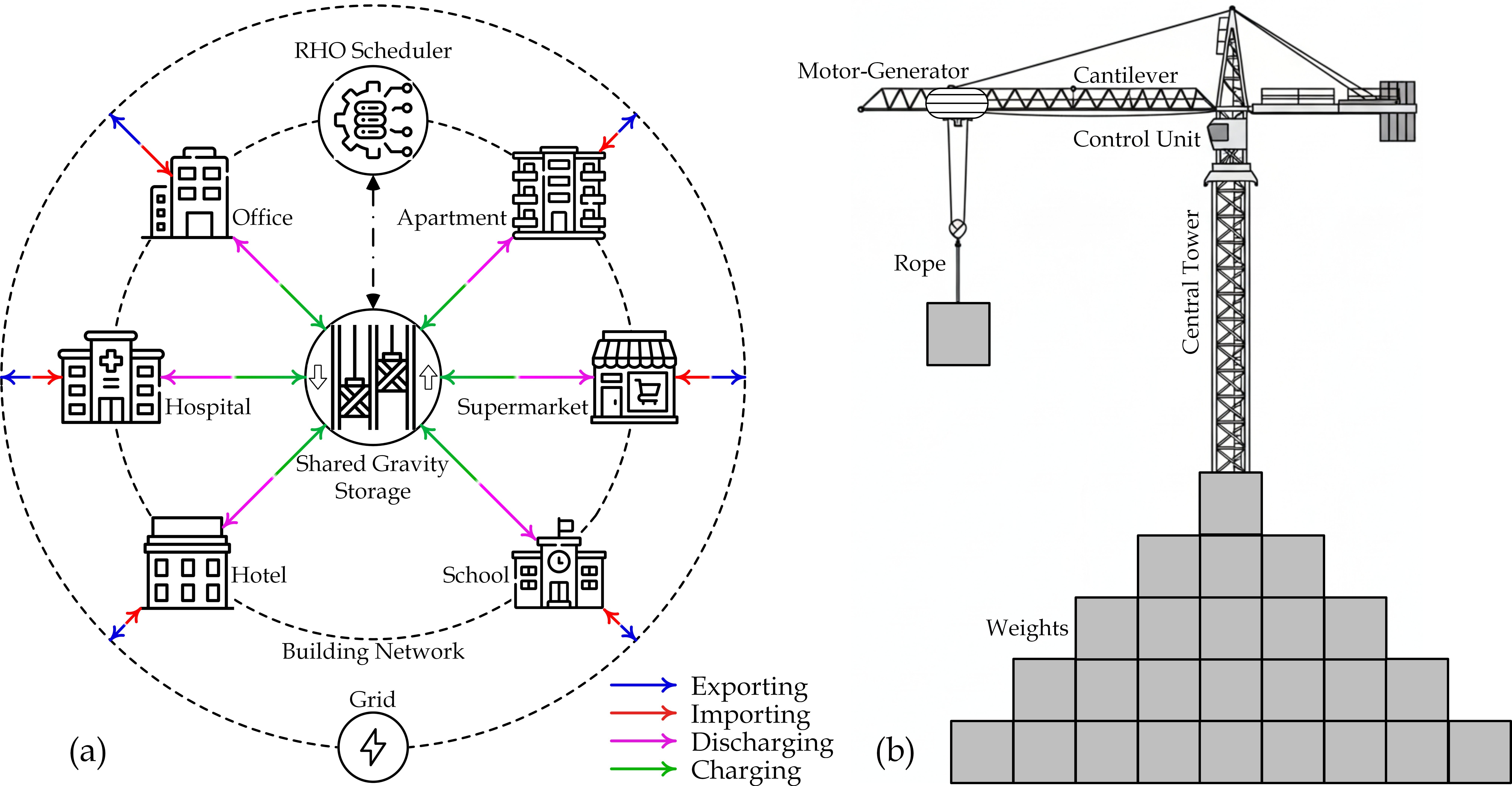
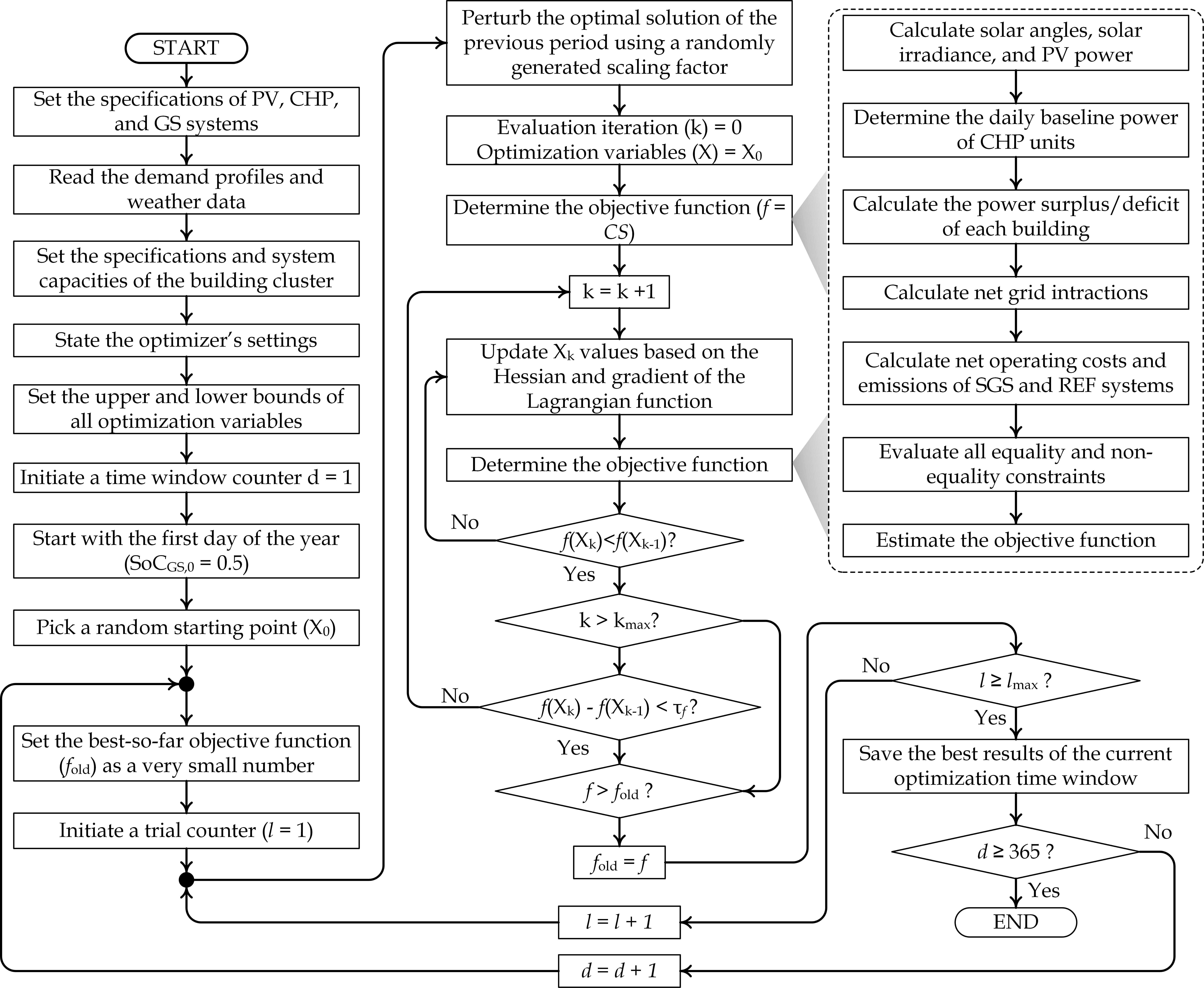
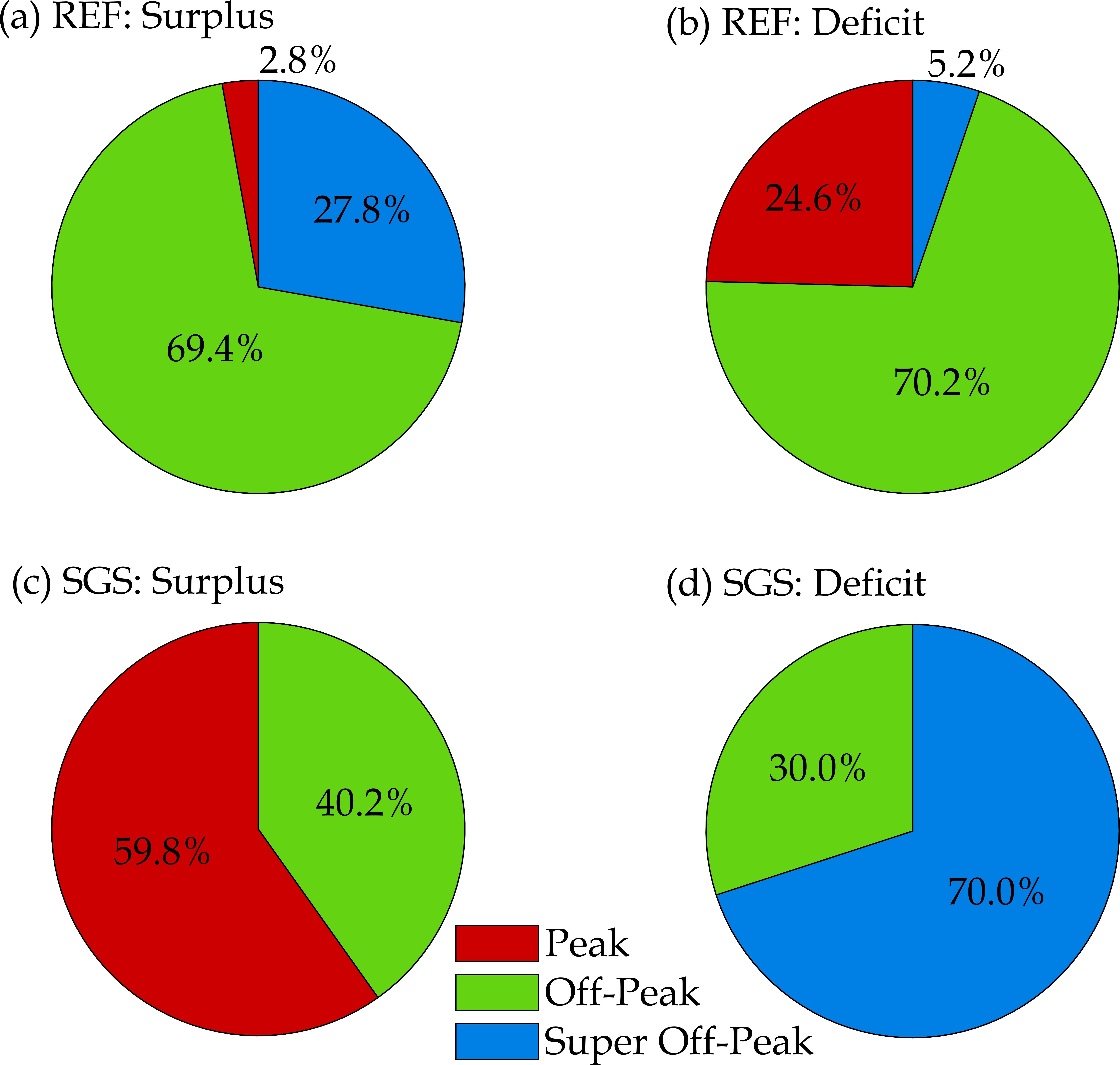
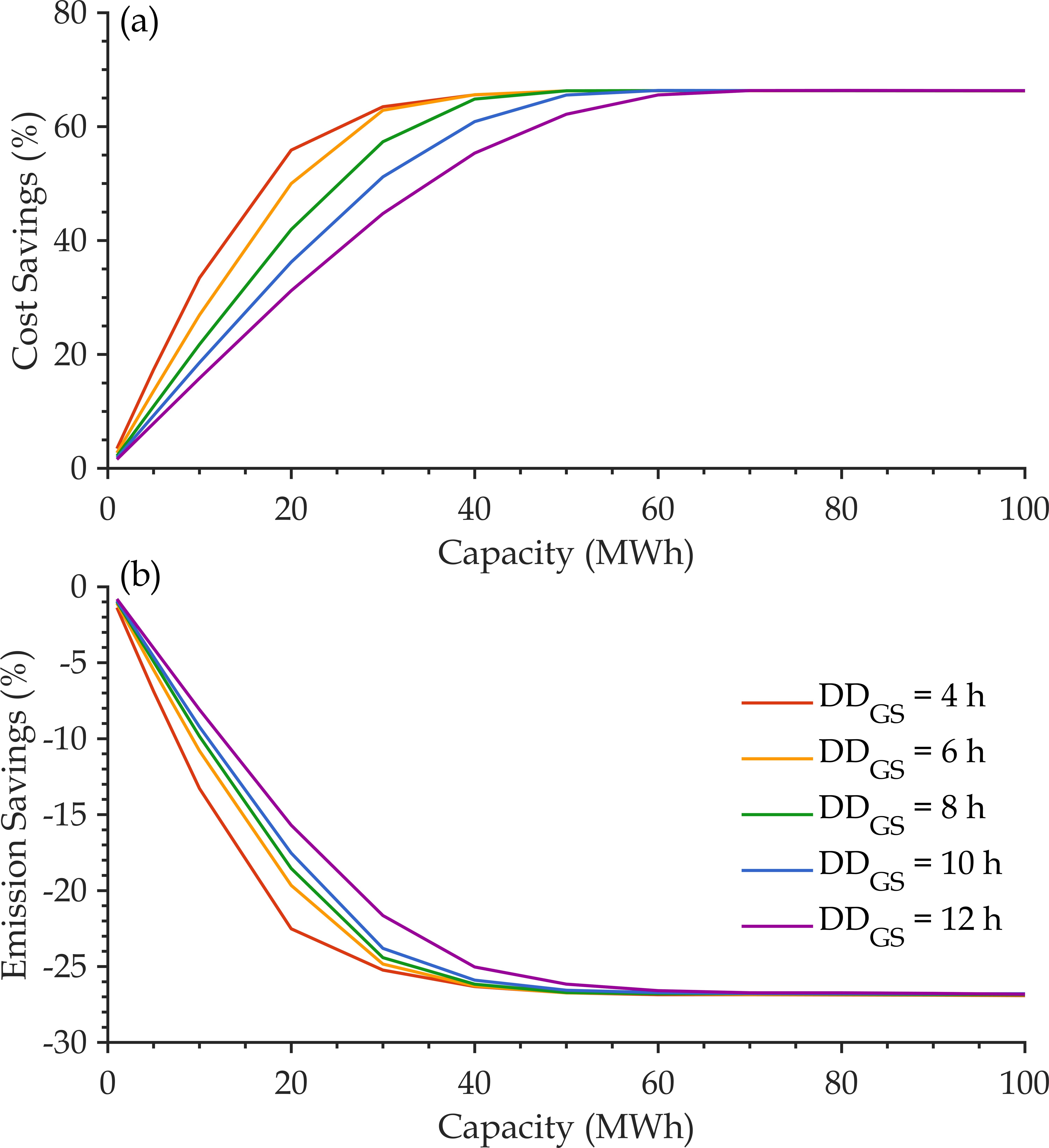
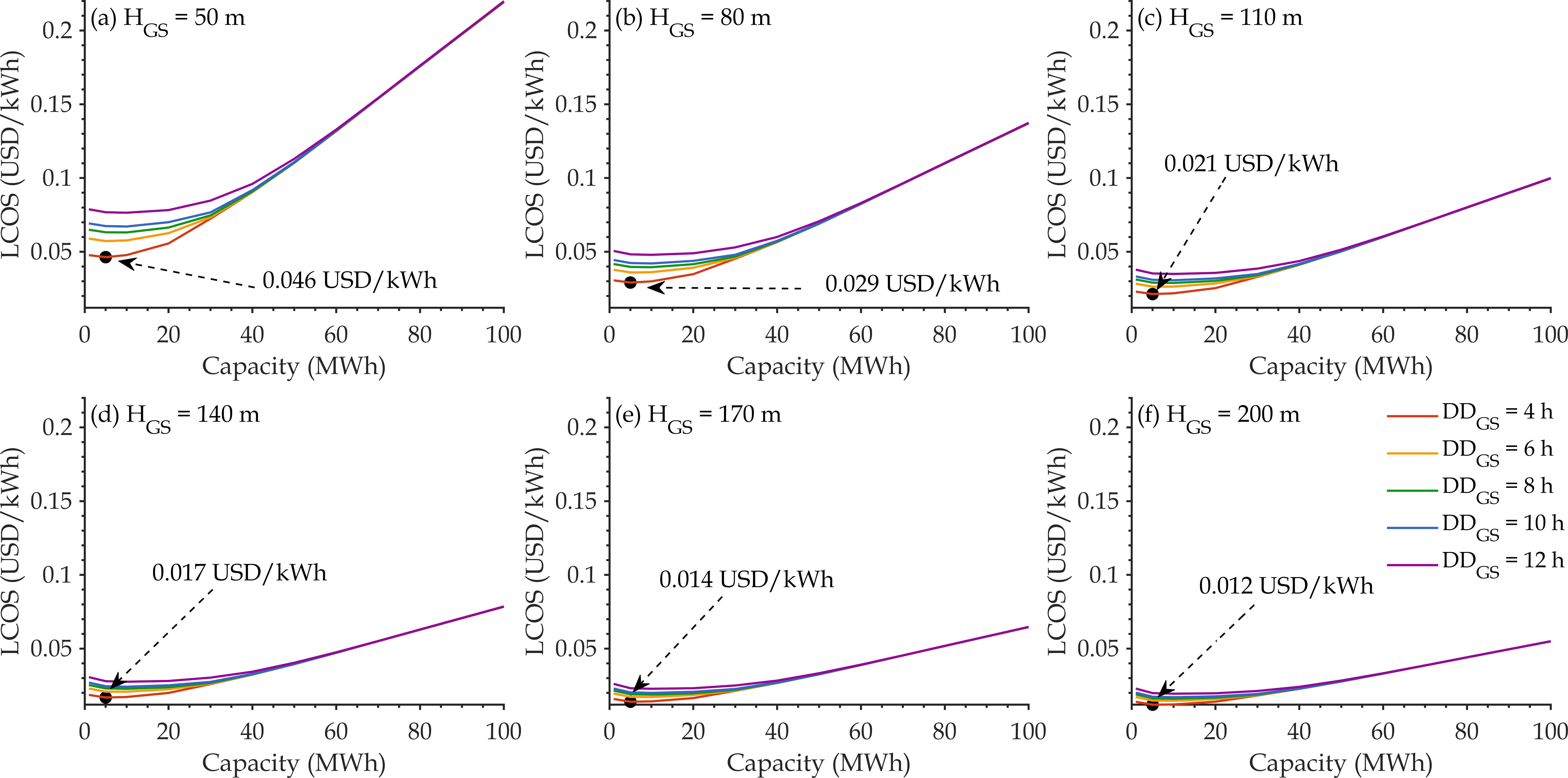
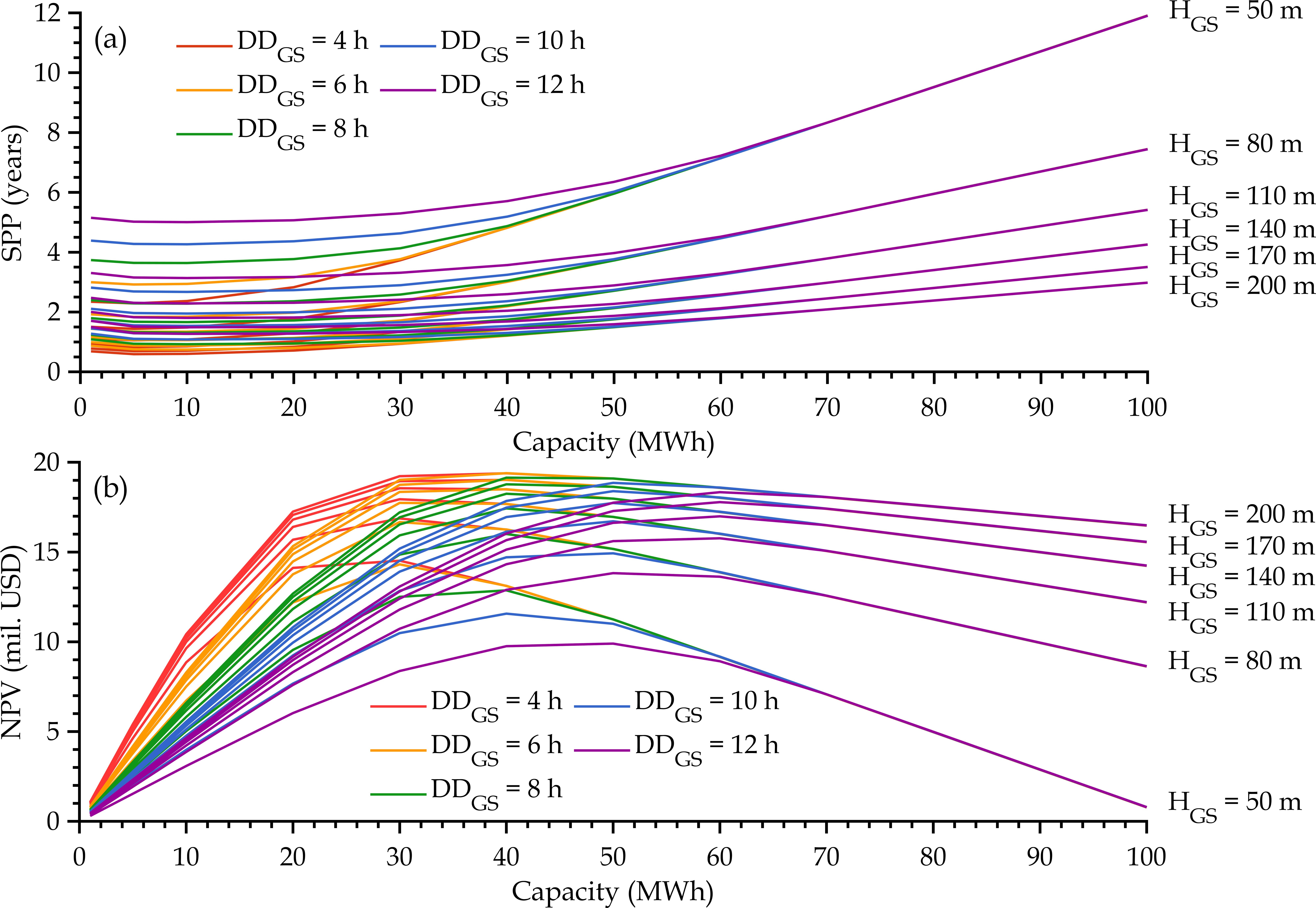
Decarbonizing urban environments requires sustainable alternatives to conventional chemical batteries that can bridge the gap between intermittent renewable energy supply and fluctuating demand. This project investigates the feasibility and optimization of various gravity energy storage (GS) technologies, including rope-hoist-based solid gravity storage (SGS) and hydraulic hydro storage (HHS), and their integration with solar and wind power. Utilizing multi-objective and non-linear optimization frameworks, the research explores how building morphology, network sharing, and geographic location influence system performance across hundreds of configurations and locations. Key findings demonstrate that gravity storage systems can significantly reduce annual operating costs (up to 63.49%), achieve competitive levelized electricity costs (as low as 0.051 USD/kWh), and shift energy imports to optimize grid independence. Ultimately, this project positions gravity storage as a technically viable and cost-effective pathway for enhancing the resilience and sustainability of self-sufficient, low-carbon urban energy grids.