To map the techno-economic feasibility and life-cycle carbon intensity of solar- and wind-driven renewable hydrogen production for the MENA region
Energy & Environment
Description
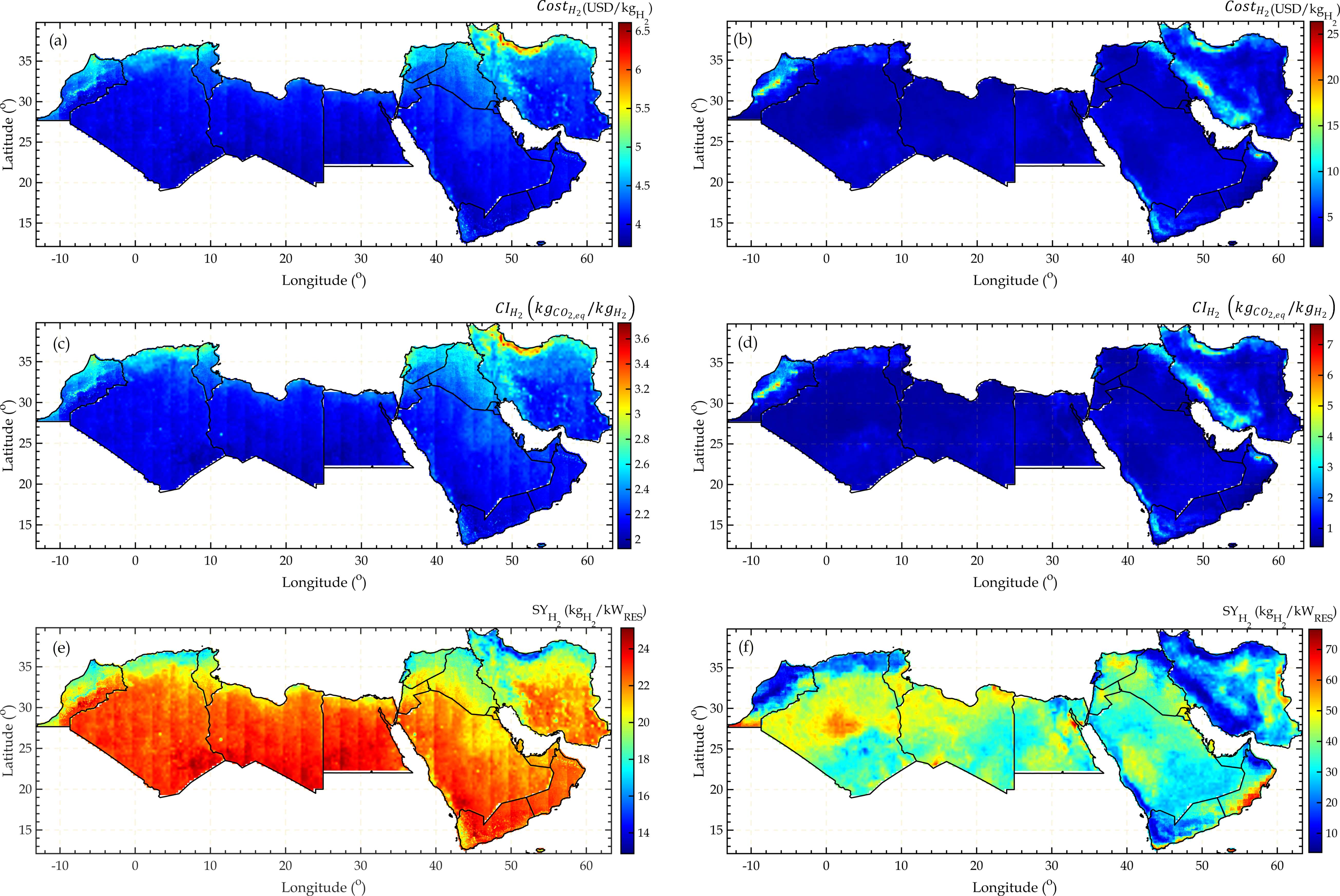
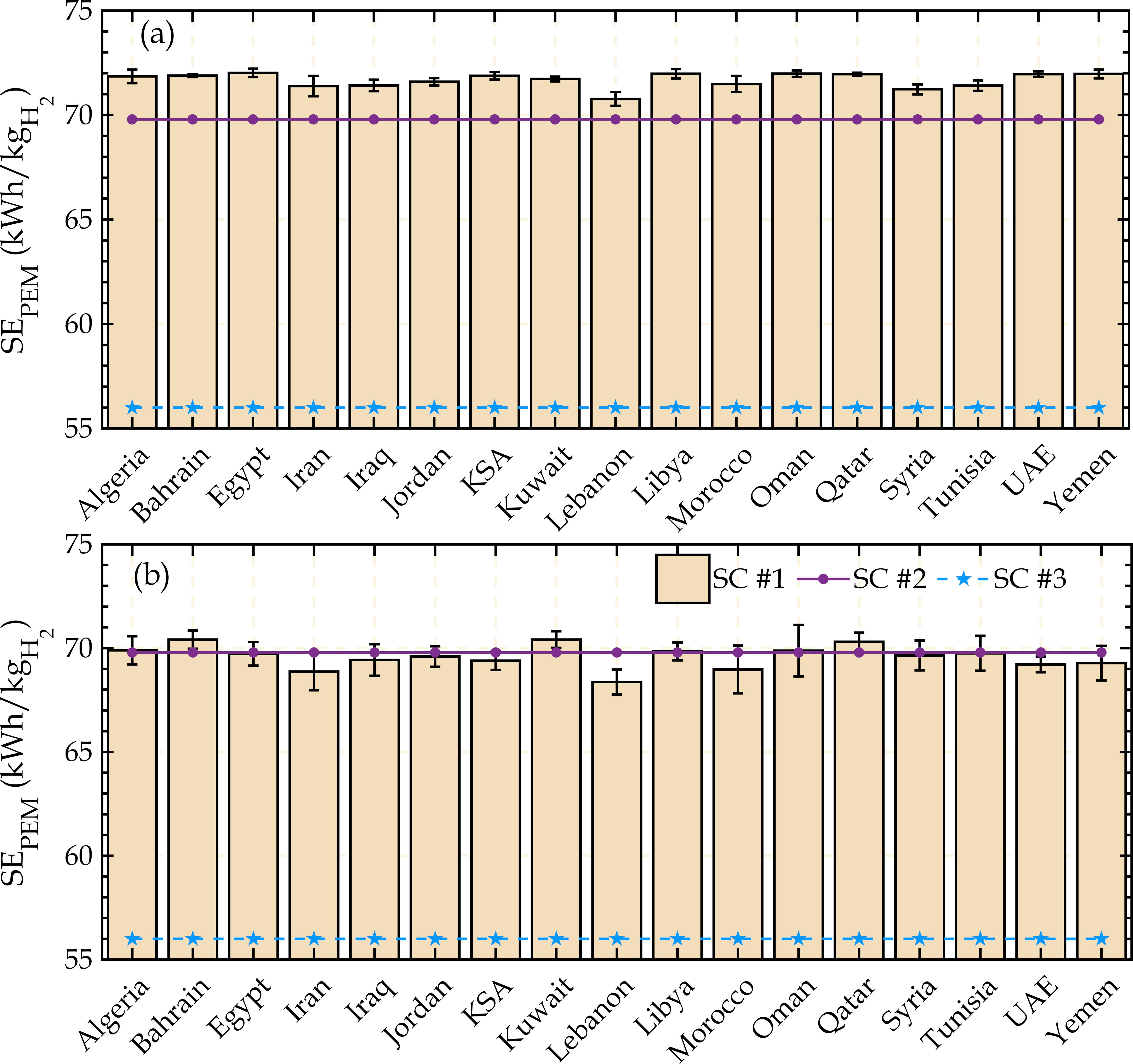
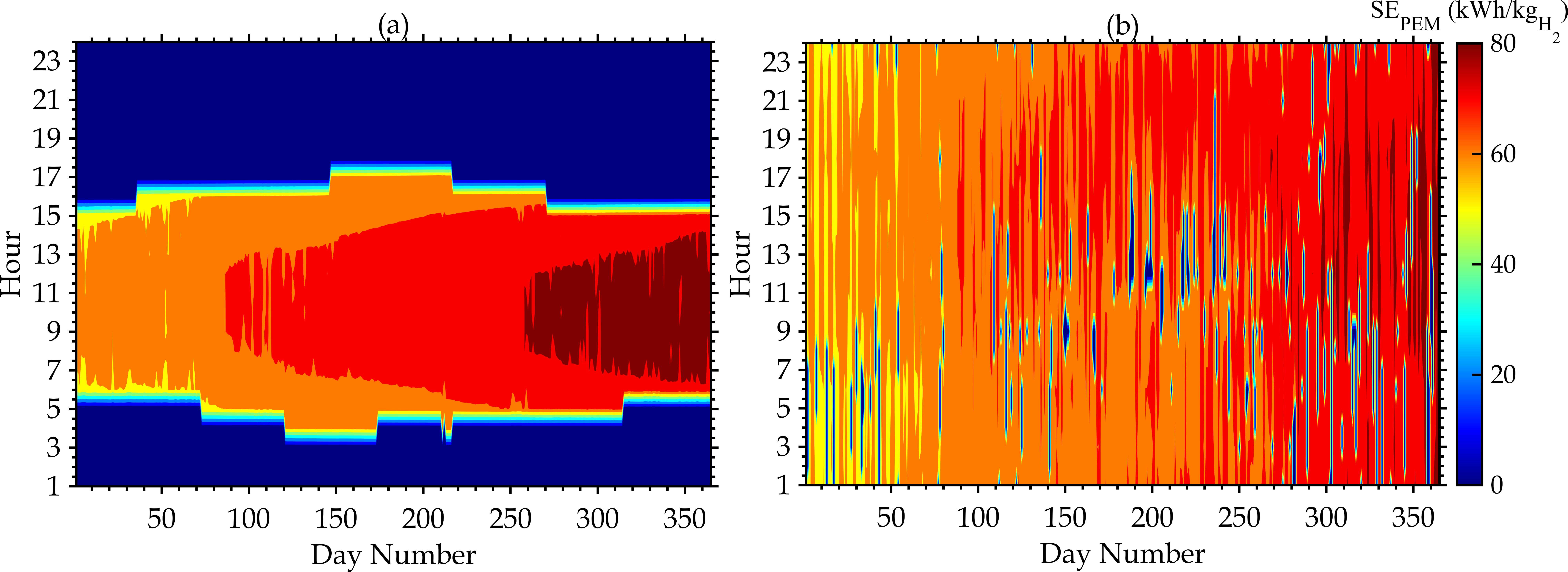
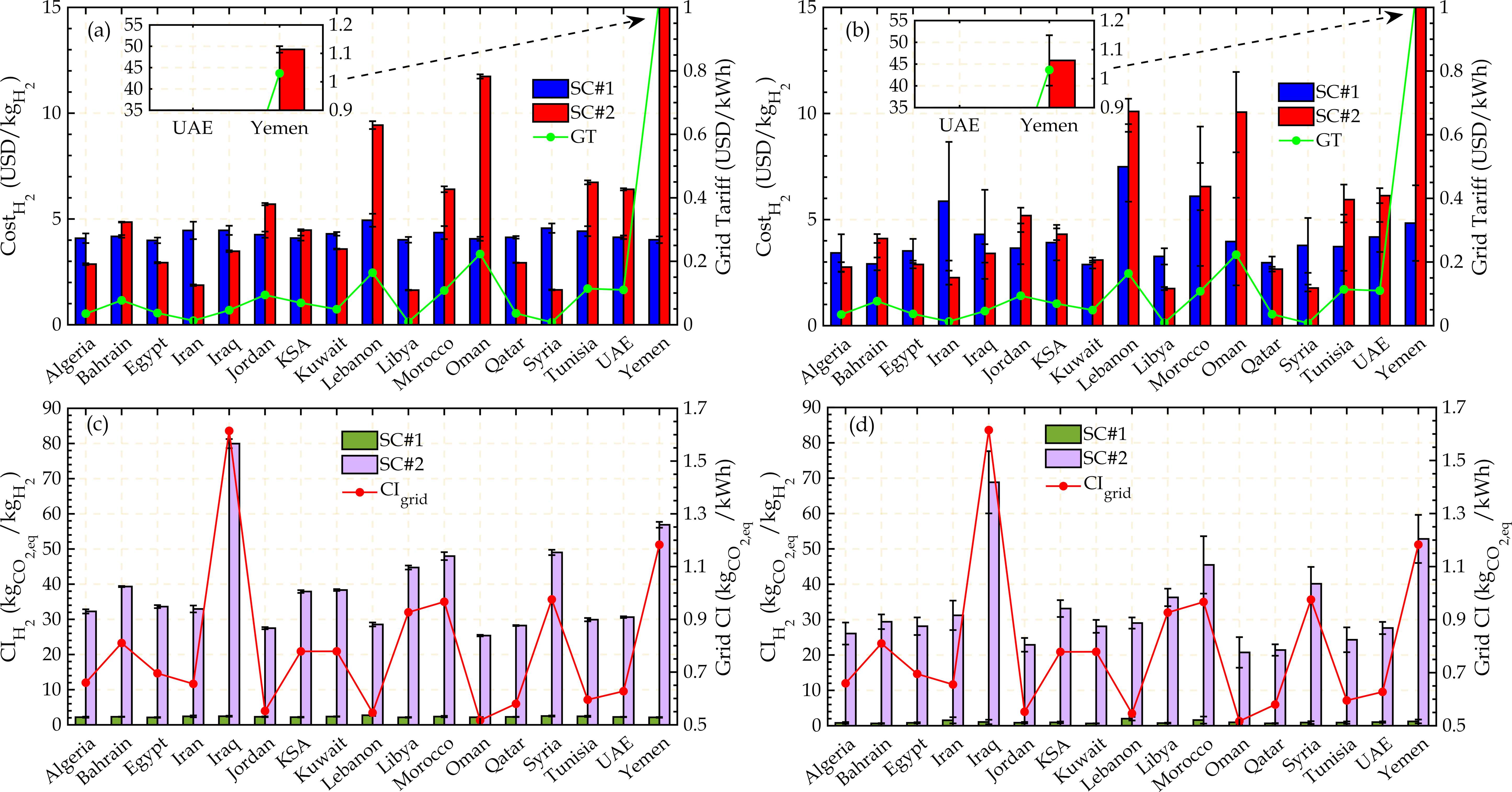
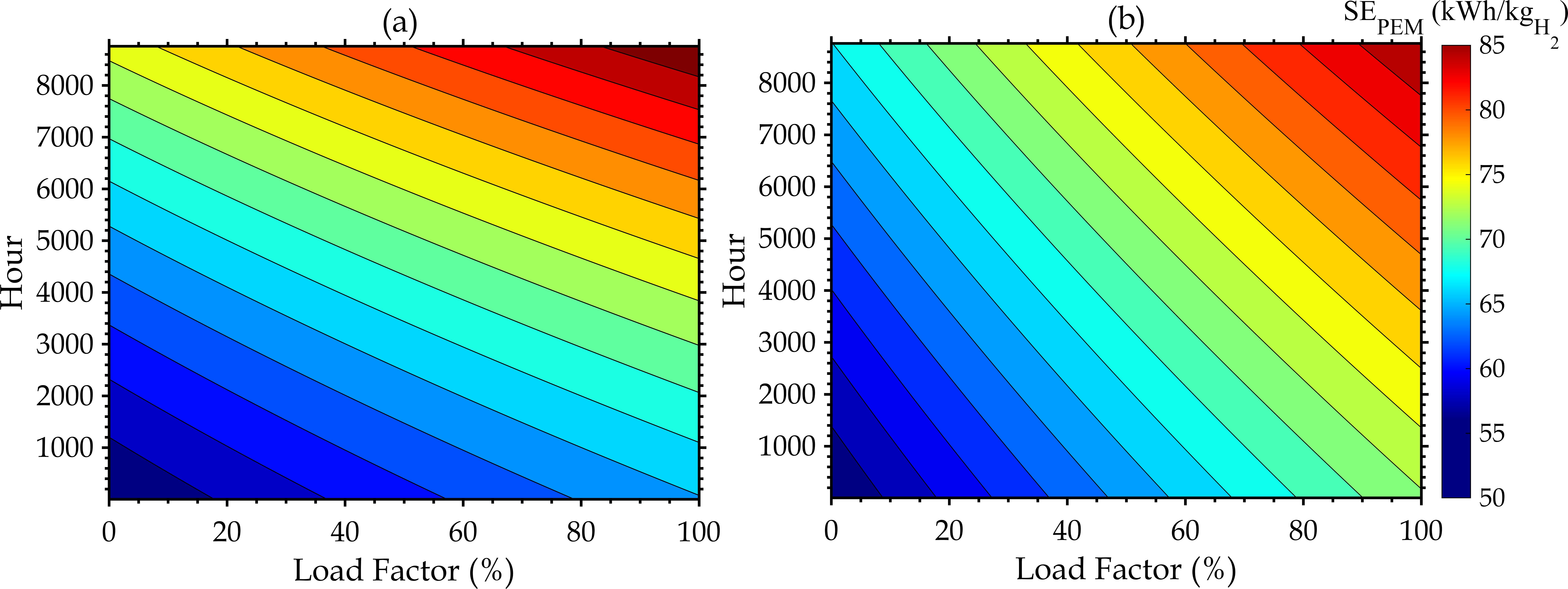
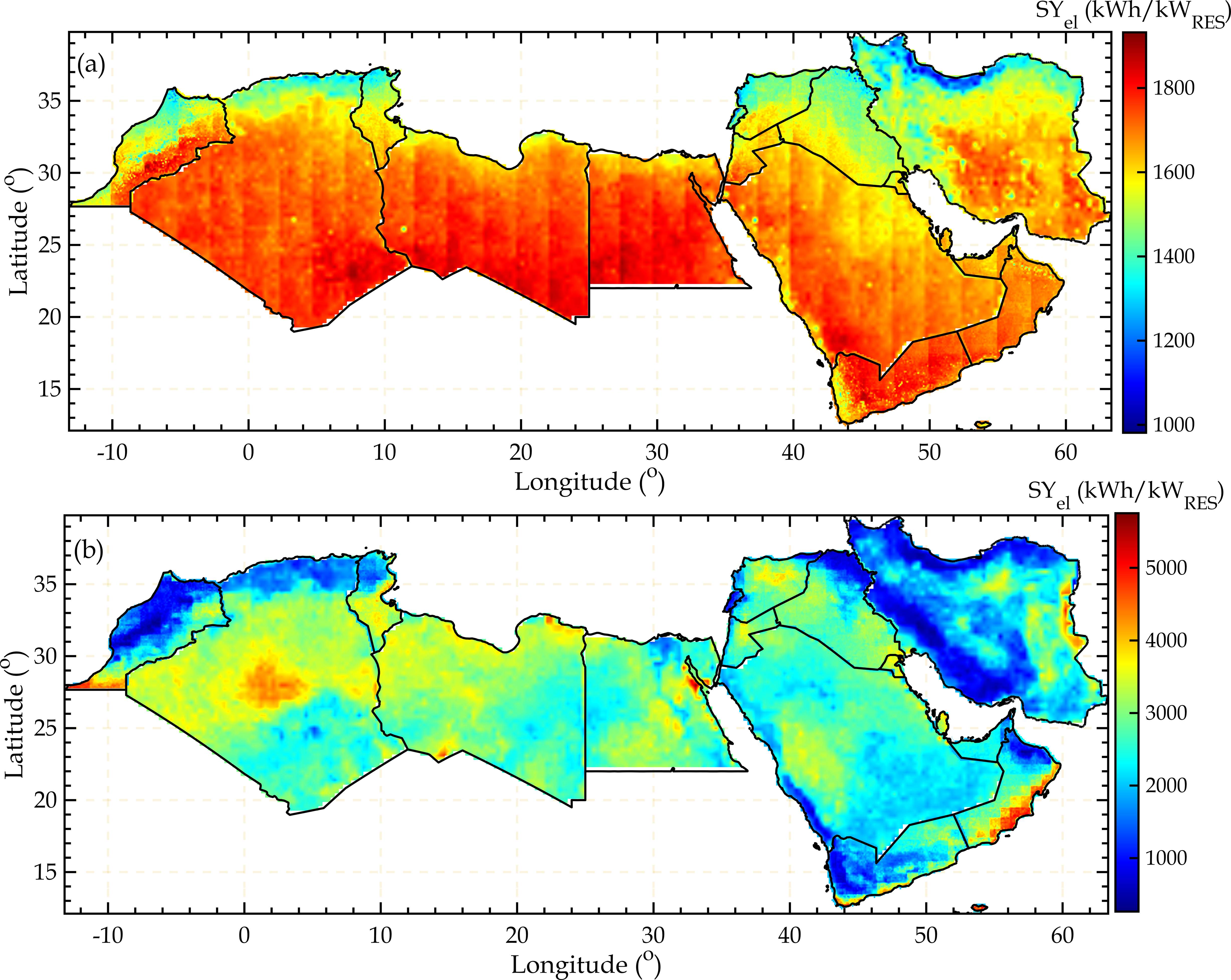
This project investigates the geospatial techno-economic feasibility and life-cycle greenhouse gas performance of renewable hydrogen production across the Middle East and North Africa (MENA) region. Motivated by hydrogen's growing role as a flexible energy carrier for transportation, industry, and long-duration energy storage, the work maps how production cost and carbon intensity vary with local solar and wind resources, supply-chain dynamics, and grid availability. Proton-exchange membrane (PEM) electrolyzers are optimally sized against hourly photovoltaic (PV) and wind generation, explicitly accounting for performance degradation under partial and cyclic loading, while standalone and grid-connected configurations are compared. High-resolution geospatial resource data are coupled with hourly energy-system simulation and multi-objective optimization to resolve techno-economic and environmental performance at the country and sub-regional scale. Typical meteorological year data and a life-cycle assessment framework are combined to quantify embodied emissions alongside the levelized cost of hydrogen. The analysis identifies optimal PEM-to-renewable capacity ratios of roughly 52-63% for PV systems and 28-82% for wind, with hydrogen costs of about $3.8-4.8/kg for PV and $2.0-7.0/kg for wind, and carbon intensities spanning 1.9-3.7 and 0.4-7.7 kg CO2-eq per kg of hydrogen, respectively. The most promising sites are pinpointed across Egypt, Libya, Algeria, Morocco, Tunisia, Saudi Arabia, Oman, and Jordan. The project further demonstrates the substantial cost and carbon reductions achievable through technological advancement and co-product revenue from oxygen and surplus electricity sales. Collectively, the outcomes deliver a spatially resolved, decision-support basis for siting, sizing, and prioritizing green hydrogen investments throughout the MENA region under realistic operating constraints.