Thermal imaging of the eye
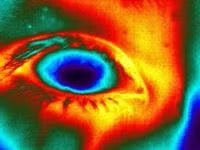
Ocular surface temperature has been observed for many years, but until recently the technology to observe the eye and the computing power to process the data limited the speed of assessment. Modern instruments produce a large amount of data, and the challenge is to find useful ways to manipulate this data. Our lab is using new imaging methods, coupled with the power of machine learning (AI), to develop new ways of looking at the eye using thermal imaging and of managing the data produced. We test our methods by investigating the change in ocular surface temperature in normal subjects, in contact lens wearers, in dry eye subjects, and as a tool to assess other instruments, such as an aesthesiometer or evaporimeter.
Cornea sensation
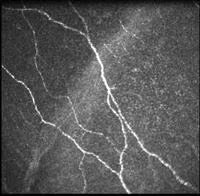
We are interested in understanding the foundational aspects of ocular surface sensation, such as normal variation over the day or temporal/spatial, summation of stimulation , as well as the interaction of corneal sensation with the tear film. We have previously developed an internationally-adopted instrument (the Non-contact Corneal Aesthesiometer) and are working on modifications to this design to allow more extended stimulation modes.
Dry Eye and the Environment
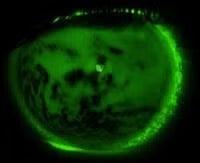
The modern office working environment, with centralized control over temperature, humidity and airflow, presents a significant challenge to the worker using computer. Decreased blink-rates, alongside these environmental factors, provokes increased evaporation from the ocular surface and symptoms of dry eye, that combine to reduce quality of life and work performance. Initially we are attempting to describe the incidence of these symptoms, to develop new methods of managing the problem. This work is in collaboration with Mirjam van Tilborg (Utrecht) and Dr. Katharine Evans (Cardiff).
Eye surface sensation measurement
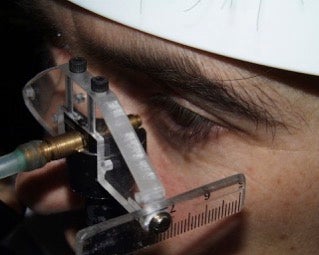
We are interested in understanding the foundational aspects of ocular surface sensation, such as normal variation over the day or temporal/spatial summation of stimulation, as well as the interaction of corneal sensation with the tear film. We have previously developed an the Non-Contact Corneal Aesthesiometer and are working on modifications to this design to allow more extended stimulation modes.
Evaporimetry
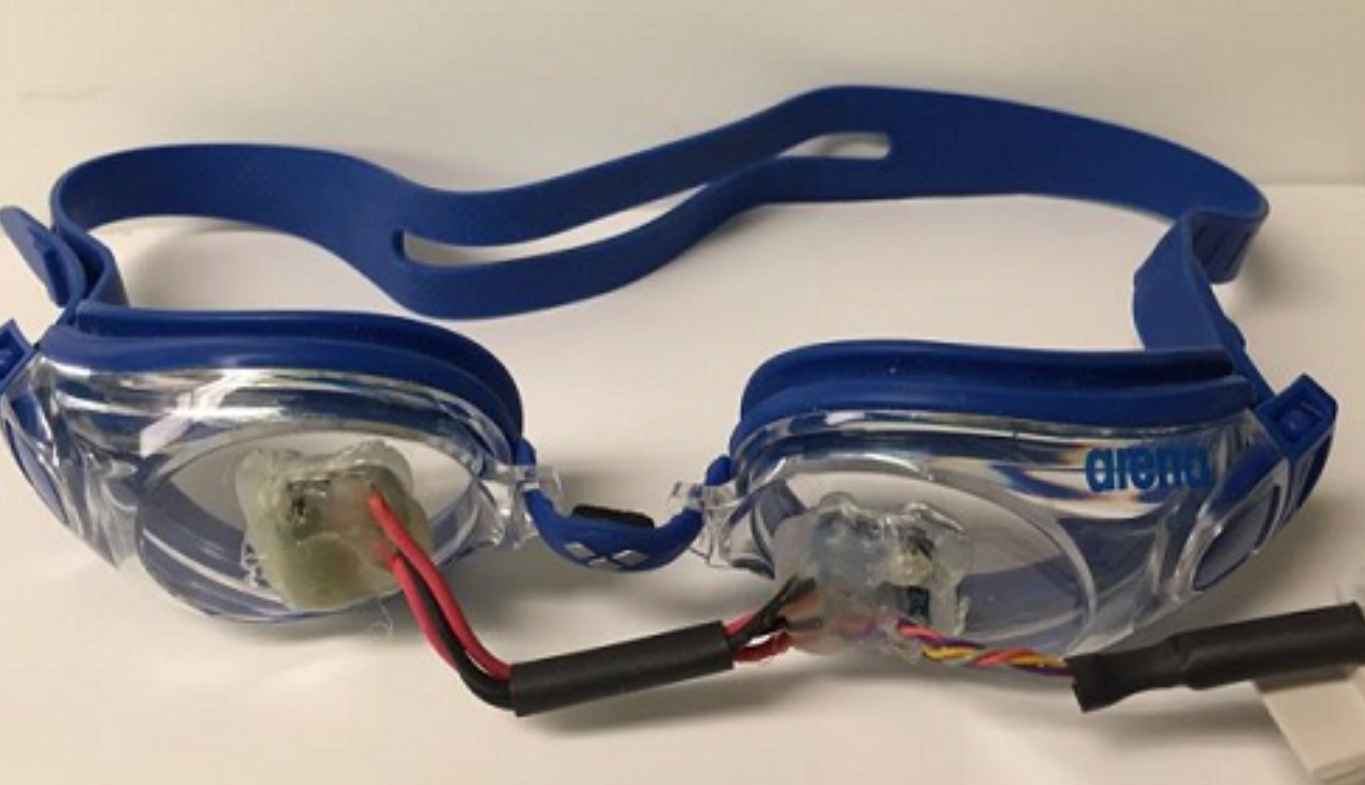
When the tear film becomes unstable, a key sign that changes are happening to the tear film is that the rate of tear evaporation increases. We have developed a binocular evaporimeter that can measure the tear in evaporation rate in healthy subjects, and in those subjects with a deficiency in their tear film. We use these results to better understand the role of different treatments for dry eye disease, as well as the to better understand the effect of contact lenses on the tear film.
Ocular surface anatomy
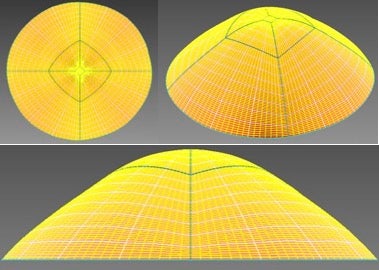
Successful fitting of contact lenses, particularly large diameter rigid lens designs, needs a close association between the shape of the contact lens and the shape of the anterior ocular surface. Using eye mould impression techniques, we have developed a database of ocular surface shape which can be manipulated to derive an average ocular surface shape for different refractive errors. This work is in collaboration with Dr Jennifer Turner at Cardiff University.