Alumni thrive in unexpected careers
What does it mean to go beyond expectations at work? Here are a few examples to inspire you.
Some people follow the career paths they began with, but many end up in places they never could have imagined. Keep reading to see how Waterloo alumni are making their mark on their industries.
Waterloo alumnus Chris Fleming (BES ’70) decided he wanted to make life easier for students travelling home on weekends. He employed the help of his twin brother, Don (BES ’70), and trusty friend Larry Hundt to create a service now known as the Fed Bus. From there, more of Chris’ ideas became reality.
“The pursuit of science is an important one, and one that must be done in conjunction with historical and philosophical examinations of science and the science-society relationship,” says Douglas, a professor of philosophy and the Waterloo Chair in Science and Society. “My work centers on this relationship and how it should be understood, particularly for democratic societies.”
From investment banker to empowering women through finance
Understanding the need for female-oriented financial advice after spending seven years in venture capital and investment banking, Michelle Hung (BMath ’08) decided to make a change. Now self-employed, she is helping women take big steps towards their savings goals.
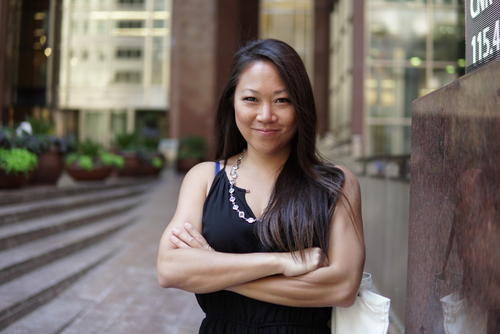
Everyone has their own journey in life, so don’t get caught comparing your life to others.— Michelle Hung (BMath ’08)

An office perched atop the mountains
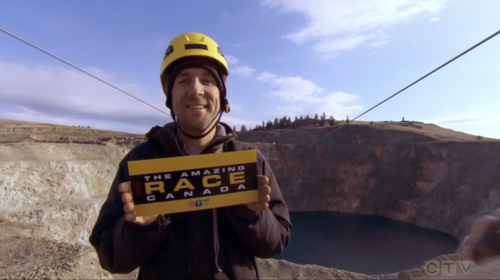
Brent Plumley (BSc ’08) was enjoying a great career in software engineering — until he fell in love with high lining. Since then, Brent’s company SlacklifeBC has helped make wedding dreams and adventure races come to life.
Engineers need writing skills too
Becoming employed by an engineering firm was not the original goal for Sara Kannan (BA ’16), who has a strong passion for writing. In an unexpected change, Sara now helps engineers learn practical skills they will utilize in the workplace.
“The pursuit of science is an important one, and one that must be done in conjunction with historical and philosophical examinations of science and the science-society relationship,” says Douglas, a professor of philosophy and the Waterloo Chair in Science and Society. “My work centers on this relationship and how it should be understood, particularly for democratic societies.”