Sustainable Futures

Tuesday, April 19, 2022

Q and A with the experts: Earth Day and the climate crisis

by Media Relations

Many view the first Earth Day as the beginning of the modern environmental movement. Sarah Burch, a professor at the University of Waterloo and Canada Research Chair in Sustainability Governance and Innovation, discusses its relevance more than 50 years on. She is the executive director of Waterloo's Interdisciplinary Centre on Climate Change and a lead author of the recently released report of the Intergovernmental Panel on Climate Change (IPCC), the UN body that assesses the science related to our changing climate.  

Monday, April 18, 2022

Recognizing Earth Day with Hope and Awareness

by Chantal Vallis, Interdisciplinary Centre on Climate Change

Linda Mortsch, Robert McLeman  and Luna Khirfan are University of Waterloo Interdisciplinary Centre on Climate Change (IC3) members and lead authors in the recently published  Climate Change 2022: Impacts, Adaptation and Vulnerability report for the Intergovernmental Panel on Climate Change’s sixth major assessment. The findings of this assessment on the science of climate change are clear — urgent action is required to deal with the increasing risks of a warming planet.

Wednesday, January 26, 2022

The future of talent and innovation

by Claire Mastrangelo, Office of Advancement

Diversity in STEM is expanding with help from one of Canada’s largest financial institutions.

With a contribution of $1.04 million to the University of Waterloo, Scotiabank is providing support for talented researchers and students, including scholarships for students who are underrepresented in STEM fields. The investment is part of ScotiaRISE, the bank’s 10-year, $500 million initiative to promote economic resilience among disadvantaged groups.

Wednesday, January 19, 2022

Valuing water for our shared sustainable future

by Sam Toman , Faculty of Environment

Today the planet is straining under the weight of human development and governments and institutions are searching for innovative answers to protect our planet.

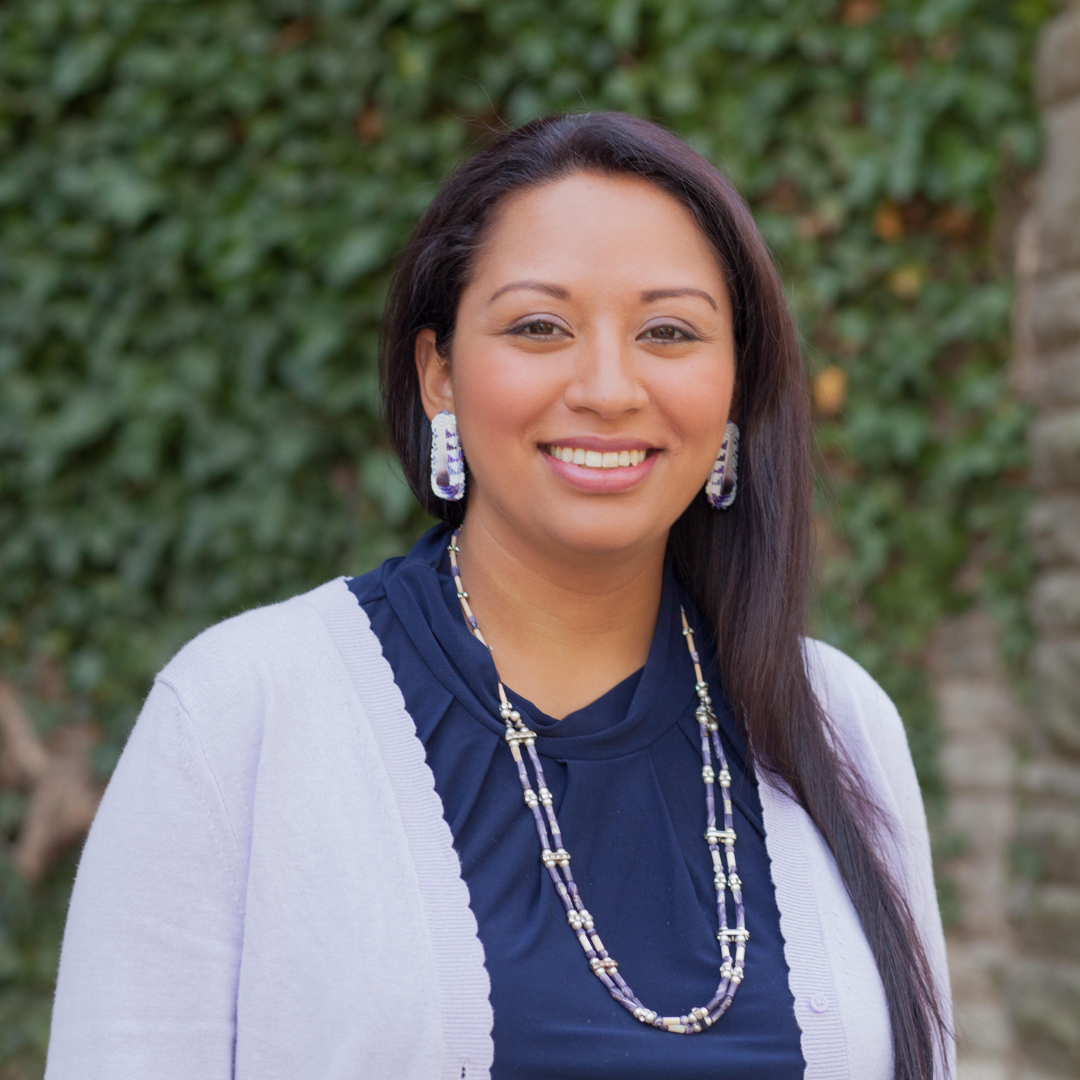
Portrait photo of Kelsey Leonard wearing a blue blouse and white cardigan

Kelsey Leonard
Professor, Faculty of Environment
> Canada Research Chair in Indigenous Waters, Climate and Sustainability
> Water Institute

Monday, February 8, 2021

Our options for saving the Earth are becoming riskier

by Sam Toman , Faculty of Environment

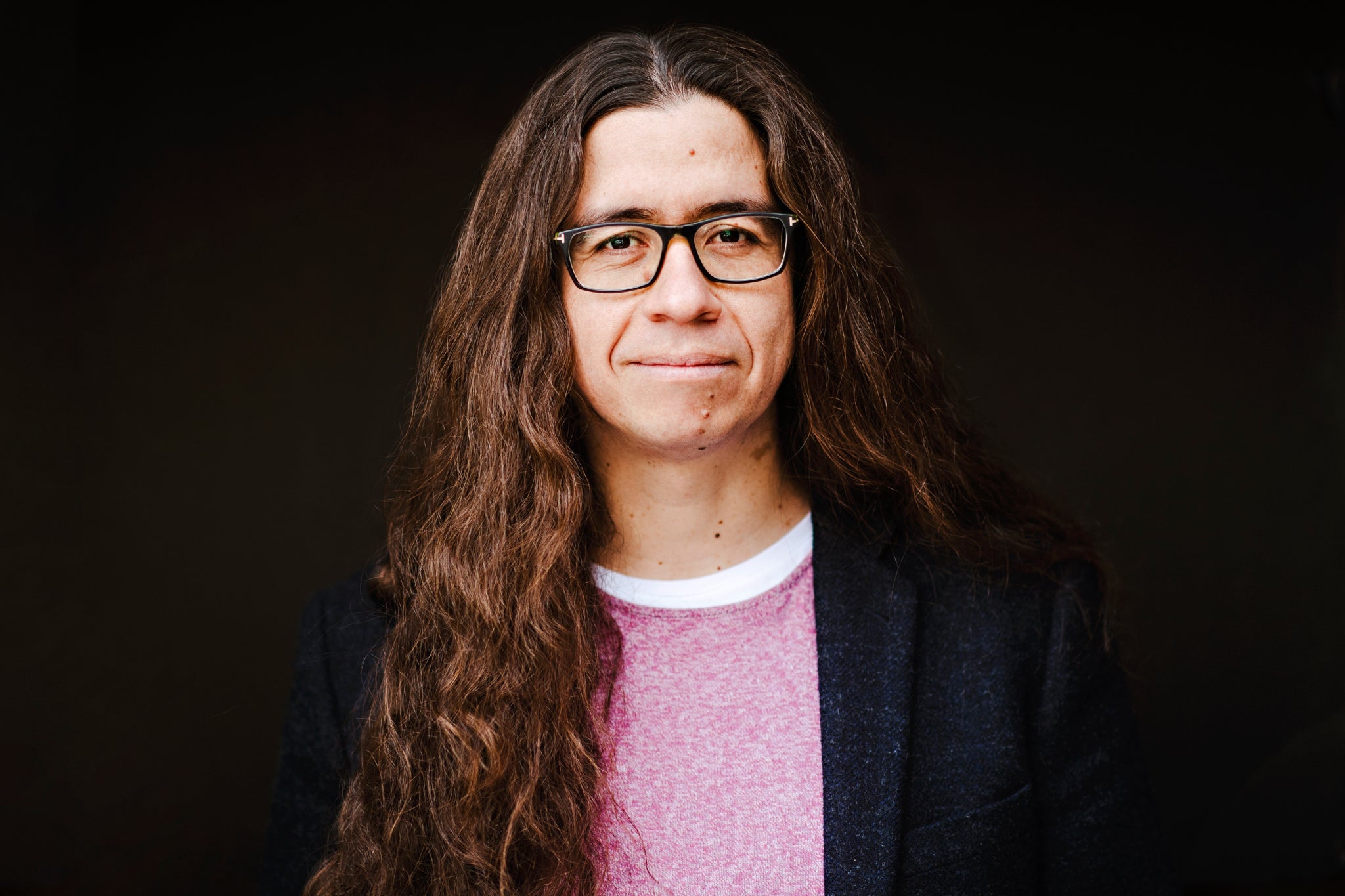
With everything else going on, it’s easy to forget the climate crisis. Juan Moreno-Cruz, a researcher in the Faculty of Environment and a Canada Research Chair in Energy Transitions, has a not-so-gentle reminder.  

Juan Moreno-Cruz

Juan Moreno-Cruz
Professor, Faculty of Environment 
> Canada Research Chair in Energy Transitions
> University of California, San Diego research collaboration

Monday, February 8, 2021

After the flood: 49 reasons your community may be more vulnerable

by Heather Bean, University Relations

When a flood hits a Canadian community and rising waters wash out roads, governments at all levels respond with heroic evacuations of vulnerable residents and emergency food and shelter.  

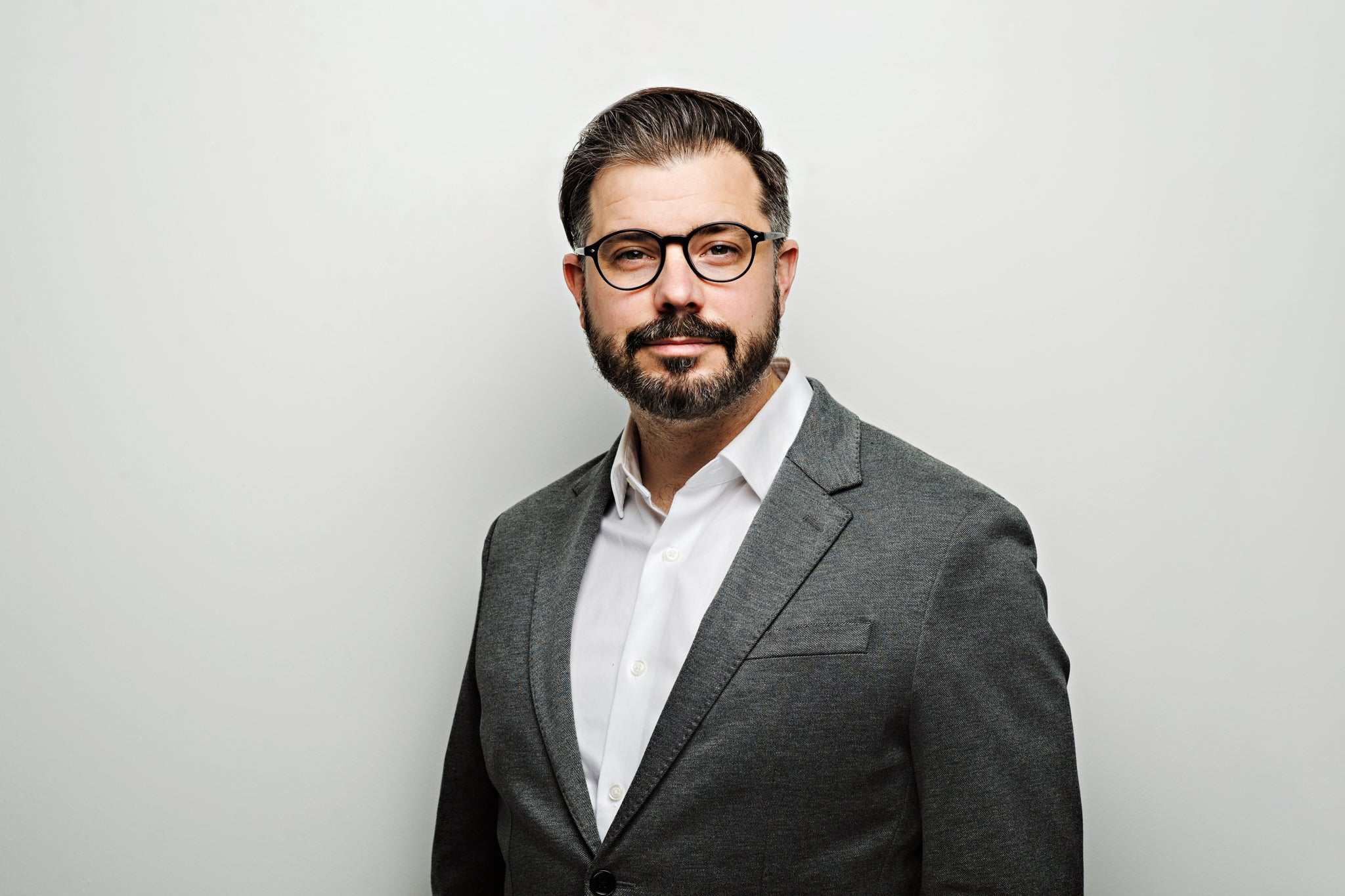
Jason Thistlethwaite

Jason Thistlethwaite
Professor, Faculty of Environment 
> JBA Risk Management
> Climate Risk Research Group (CRRG)

Monday, January 25, 2021

The Dark Zone of Greenland

by Elizabeth Kleisath, Faculty of Science

Greenland is the world’s largest “non-continental” island, and about 80 per cent of this island is covered by the Greenland Ice Sheet. In recent years, however, the melting of this ice sheet has accelerated, leading to an increased contribution to rising sea levels.