Environmental solutions we can’t see
Waterloo researchers across the Faculty of Science are using tiny organisms to address the health of our planet
The most powerful environmental solutions might come from organisms too small to see. Microbes are everywhere — in soil, water, waste sites and ecosystems, and Waterloo researchers across the Faculty of Science are working to uncover how these tiny organisms can be harnessed as tools to address complex environmental challenges and drive lasting global impact.
Microbes fighting landfill emissions
Methane is 20 times as potent as carbon dioxide as a greenhouse gas, but it breaks down much faster in the atmosphere. As a result, reducing methane emissions is an important lever to tackle climate change.
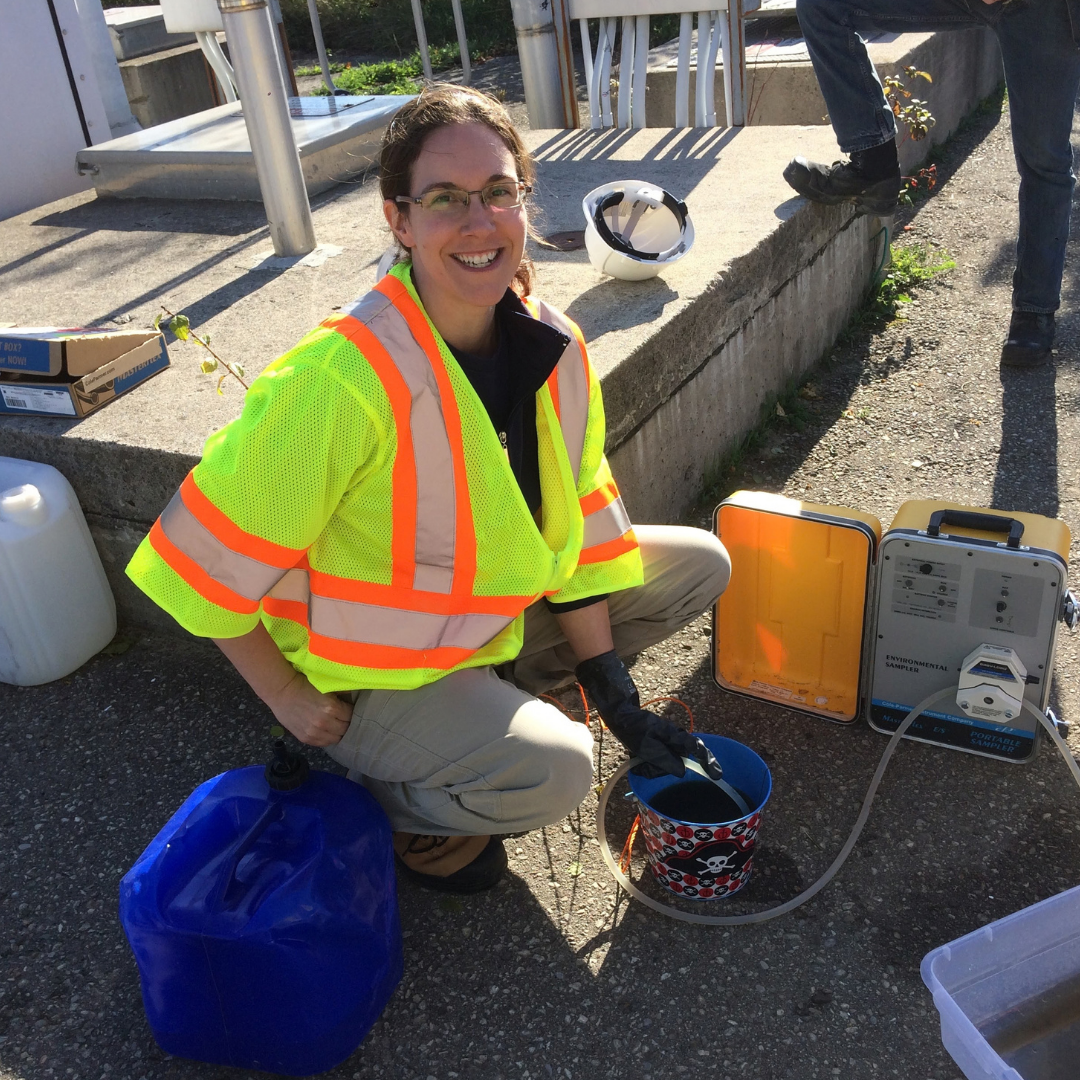
In the Hug Research Group in the Department of Biology, Dr. Laura Hug’s goal is to address “legacy” methane from older landfilled waste, where research suggests microbial solutions could substantially reduce emissions. The lab aims to fill gaps in existing mitigation approaches and identify areas where conventional tools have been ineffective, and where microbial solutions could make a significant difference.
“Microbial communities use waste contaminants as energy,” Hug says. “Within these communities live groups of microorganisms performing useful functions, including oxidizing methane that will otherwise be emitted to the atmosphere. We’re also working with organisms that can degrade bioplastics and break down industrial solvents.”
Hug’s lab has maintained a decade-long collaboration with the Region of Waterloo’s Division of Waste Management to collect samples. The team is using the samples to develop tools to control, degrade or transform contaminants that are pervasive in the environment and have long-term impacts on climate change, human health, and ecosystems. By utilizing these natural processes, the team aims to develop innovative strategies to reduce greenhouse gas emissions from landfills in our community.
Microbes protecting freshwater systems
Dr. Jozef Nissimov leads the University of Waterloo’s Environmental Virology and Ecology Research Group in the Department of Biology, where his team investigates whether microbial communities help control harmful algal blooms (HABs) or worsen them.
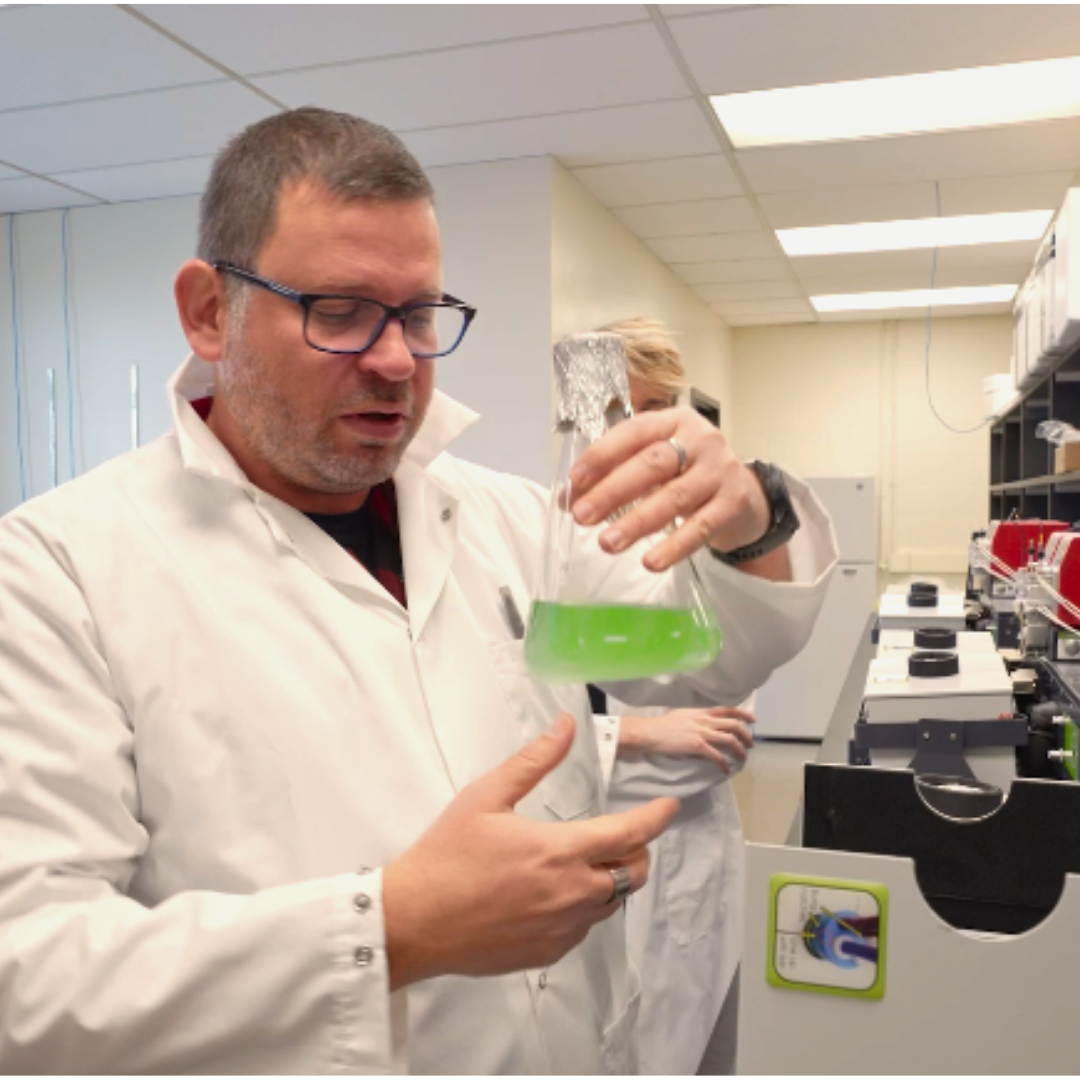
Scientists have long assumed that viruses that infect bacteria and algae act as natural population control, killing off bloom-forming species and keeping them in check. However, Nissimov’s lab has shown experimentally that when a virus infects and kills the common bloom-forming cyanobacterium, such as Microcystis aeruginosa, it can trigger a spike in the liver toxin microcystin, releasing levels many times higher than safe drinking-water limits, even when the water looks clear again. The lab also investigates the mechanisms that trigger the emergence of virus resistance in this species. Nissimov aims to change how HABs are predicted and managed by revealing blind spots in basic understanding of these host-virus systems and current monitoring practices.
“We are exploring whether manipulating these virus-algae relationships could someday help manage blooms rather than simply react to them," Nissimov says. “It could turn a naturally occurring microbial process into a deliberate tool for protecting freshwater.”
Samples are collected from freshwater systems under Waterloo’s collaborative forWater Network and the Water Institute, as well as lakes located in the IISD Experimental Lakes Area. The team then uses photobioreactors and other culturing methods to recreate lake conditions and examine specific virus-host interactions that occur during blooms, in hopes of developing innovative strategies to protect freshwater systems.
Mine site microbes for remediation
When a mine closes, environmental risks can persist years later. Canada has more than 10,000 abandoned mines that predate current closure and reclamation requirements. Many are still leaching acidic, metal-rich drainage into surrounding land and water.
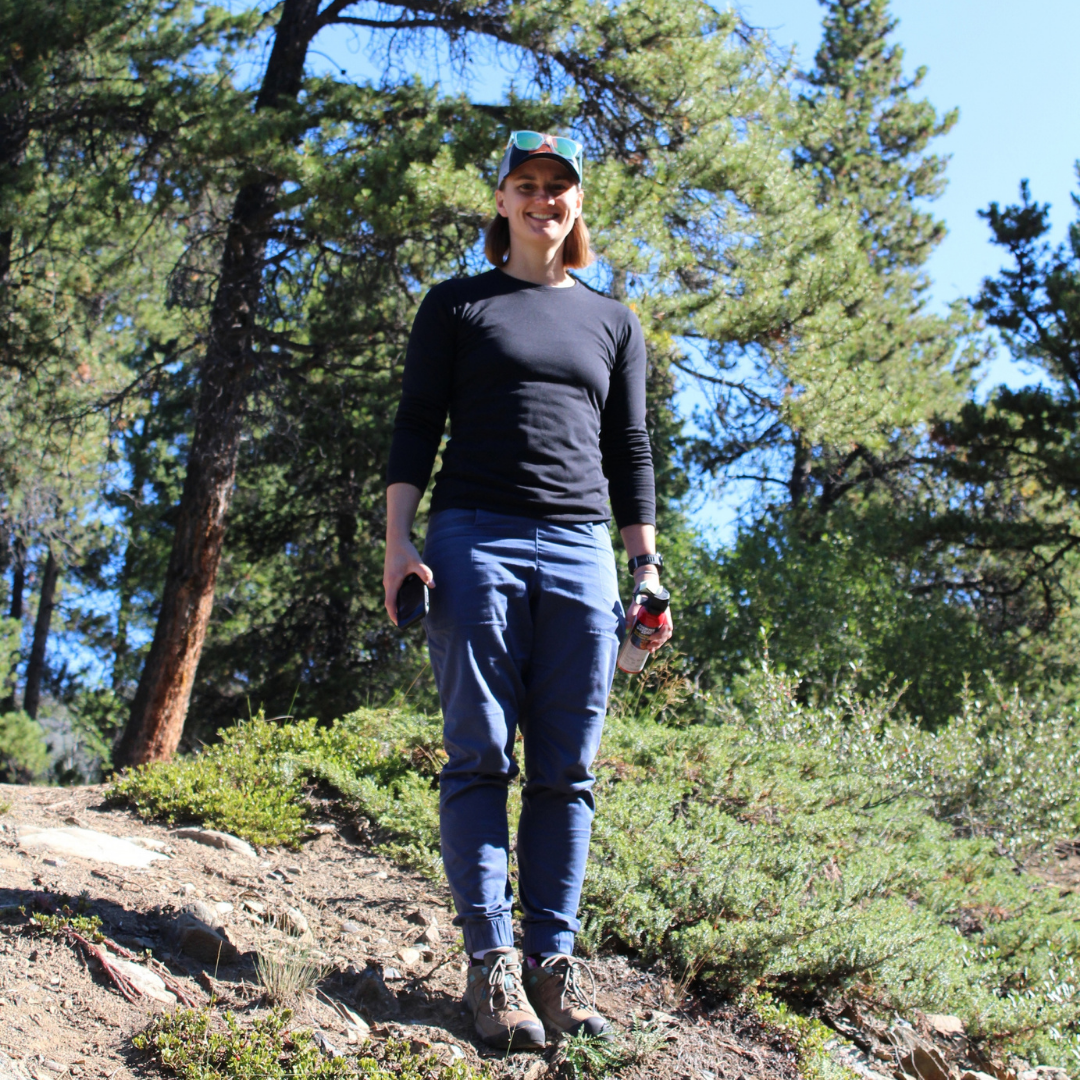
In Dr. Jenine McCutcheon’s lab in the Department of Earth and Environmental Sciences, their goal is to encourage natural microbial processes that improve water quality and reduce contamination while suppressing processes that worsen site conditions.
The research team visits both active and historic mine sites throughout Canada to better understand these microbial processes. The team collects water, rock, and biofilm samples to characterize the microbial communities and how they impact the site’s geology and geochemistry. Samples are also collected at natural sites, such as wetlands, to see how the biogeochemical processes in these systems can help develop mine site remediation strategies.
“Microbial activity in mine waste can both help and hinder remediation processes,” McCutcheon says. “Some organisms help remove contaminants from the water by storing them in minerals, through a process called biomineralization. Other organisms accelerate the release of contaminants from mine waste, making the problem worse.”
McCutcheon aims to fully understand the balance between the two to develop solutions that utilize microbial processes for mine waste remediation.


