Community

Monday, November 24, 2014

Waterloo students engineer microbe to weaken superbug

by Ziwei Chen , Faculty of Science

Waterloo students have designed a synthetic organism that may one day help doctors treat MRSA, an antibiotic-resistant superbug.

The synthetic bacterium, Staphylocide, “turns off” the antibiotic-resistance gene in MRSA, making it sensitive again to antibiotics and easier for doctors to treat. MRSA - methicillin-resistant Staphylococcus aureus - is a superbug at the core of many skin infections that spread easily and can cause serious, untreatable infections for hospital patients.

Wednesday, November 19, 2014

Experiential learning: Waterloo students host community event

by Christine Bezruki, Marketing and Strategic Communications

When it comes to planning an event, liquid nitrogen and spoons don’t usually top the list of supplies — unless you are a student in Zara Rafferty’s Recreation and Leisure Studies class.

This Saturday, students in her program management and evaluation course will put their event planning — and ice cream making — skills to the test as they host a day of free family activities at the Stork Family YMCA and Harper Library.

Children participating in activities

Today, Velocity announces the 10 finalists for its Fall 2014 Velocity Fund Finals, taking place later this month. The entrepreneurship program from the

Velocity logo
University of Waterloo will host the Fall 2014 Velocity Fund Finals on November 27, where companies will compete for more grant funding than ever before as well as workspace at the Velocity Garage or Velocity Foundry.

Wednesday, November 12, 2014

Waterloo’s satellite data key to tracking ozone recovery

by Victoria Van Cappellen, Faculty of Science

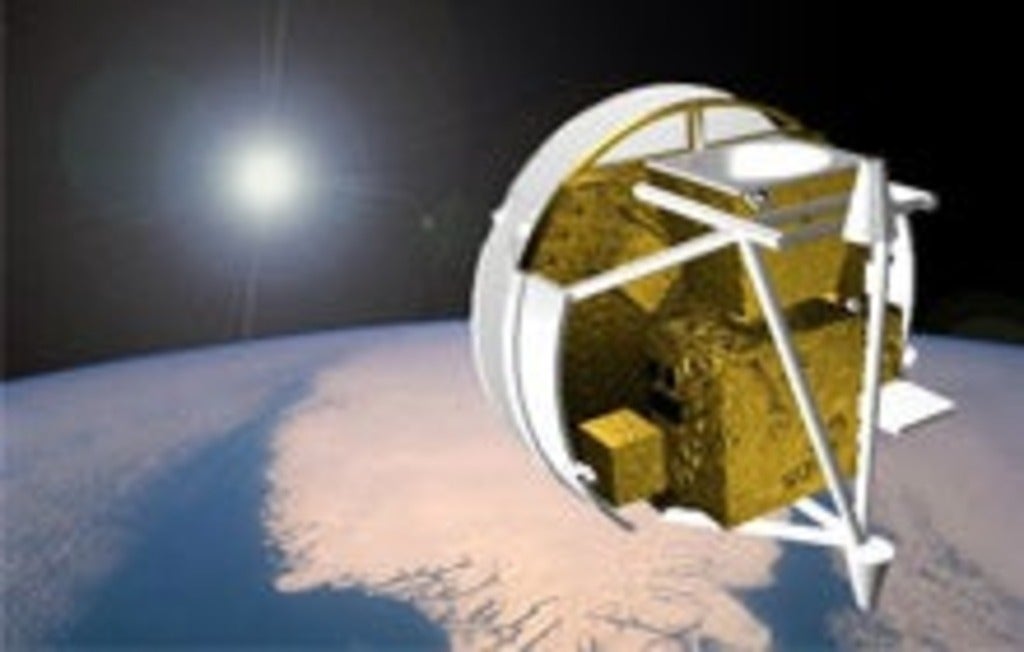
An atmospheric research project based at the University of Waterloo is helping a global team of researchers uncover the mysteries of the Earth’s ozone layer.

Satellite data gathered, in part, by Waterloo’s Atmospheric Chemistry Experiment (ACE) are helping scientists understand why an ozone-depleting gas in our upper atmosphere increased recently after many years of falling concentrations.