Planting the seeds for innovation and curiosity
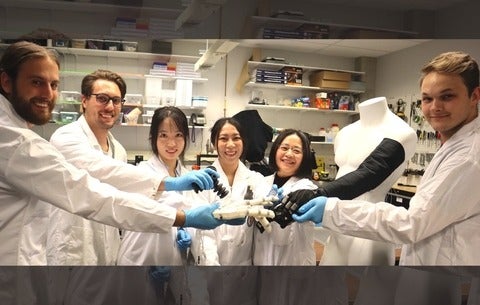
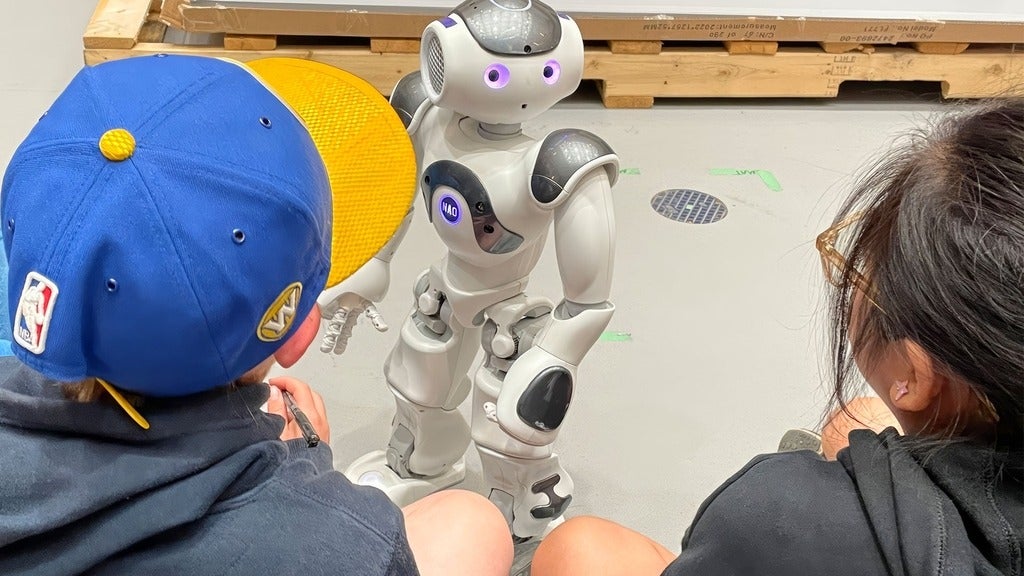
Ask a 10-year-old in Waterloo region about the University of Waterloo and they may tell you about the time they played with Nao or Talos, the humanoid robots housed in Waterloo Engineering’s RoboHub.

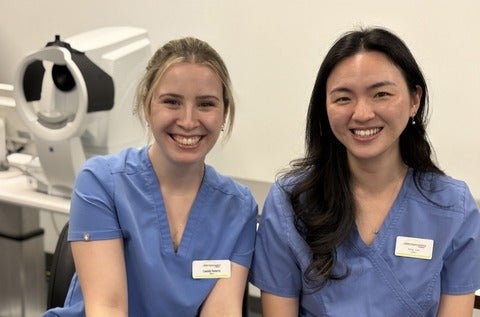
Second-year Biomedical Sciences student Talina Papazian
“My wife hasn’t seen my eyes in five years,” the patient told University of Waterloo student Nina Yan on her first day working in an optometry practice. After suffering a concussion, the man was forced to wear dark sunglasses constantly to alleviate the pain of extreme light sensitivity.
When University of Waterloo professor Dr. Carolyn Ren was a child, her father came home one day with a tape cassette recorder. This was China in the early 1980s and such devices were hard to come by, particularly in their rural village. Everyone was curious to see it, no one more so than Ren who was transfixed by its ability to play music as if by magic. She had to understand how it worked so took the device apart. Unfortunately, she couldn’t put it back together again. Determined to never get stuck in such a situation again, the young Ren set her sights on becoming an engineer.
New research from the University of Waterloo suggests increasing the ratio of dietary potassium to sodium intake may be more effective for lowering blood pressure than simply reducing sodium intake.
A University of Waterloo professor is part of an international coalition revolutionizing vaccine production with new health-care technology. The tech aims to support local vaccine production, cutting the vaccine production time from nine days to just one day, and save millions of lives and dollars as a result.
The rapid evolution of digital health holds immense potential to transform patient care and improve global health outcomes. Building disruptive technologies is at the core of what we do, and since our inception, the University of Waterloo has been harnessing our expertise in health, technology and entrepreneurship and collaborating with partners to commercialize health-care solutions for real-world impact.
Researchers led by the University of Waterloo have discovered how to turn common bacteria into high-efficiency factories capable of producing tiny, powerful particles for drug delivery, cancer therapy, vaccine development and other biomedical uses.
Led by Dr. Yilan Liu, a Waterloo chemical engineering professor, the international research team altered bacteria found in the human gut, or gastrointestinal tract, to dramatically increase the number of bubble-shaped nanoparticles they secrete.

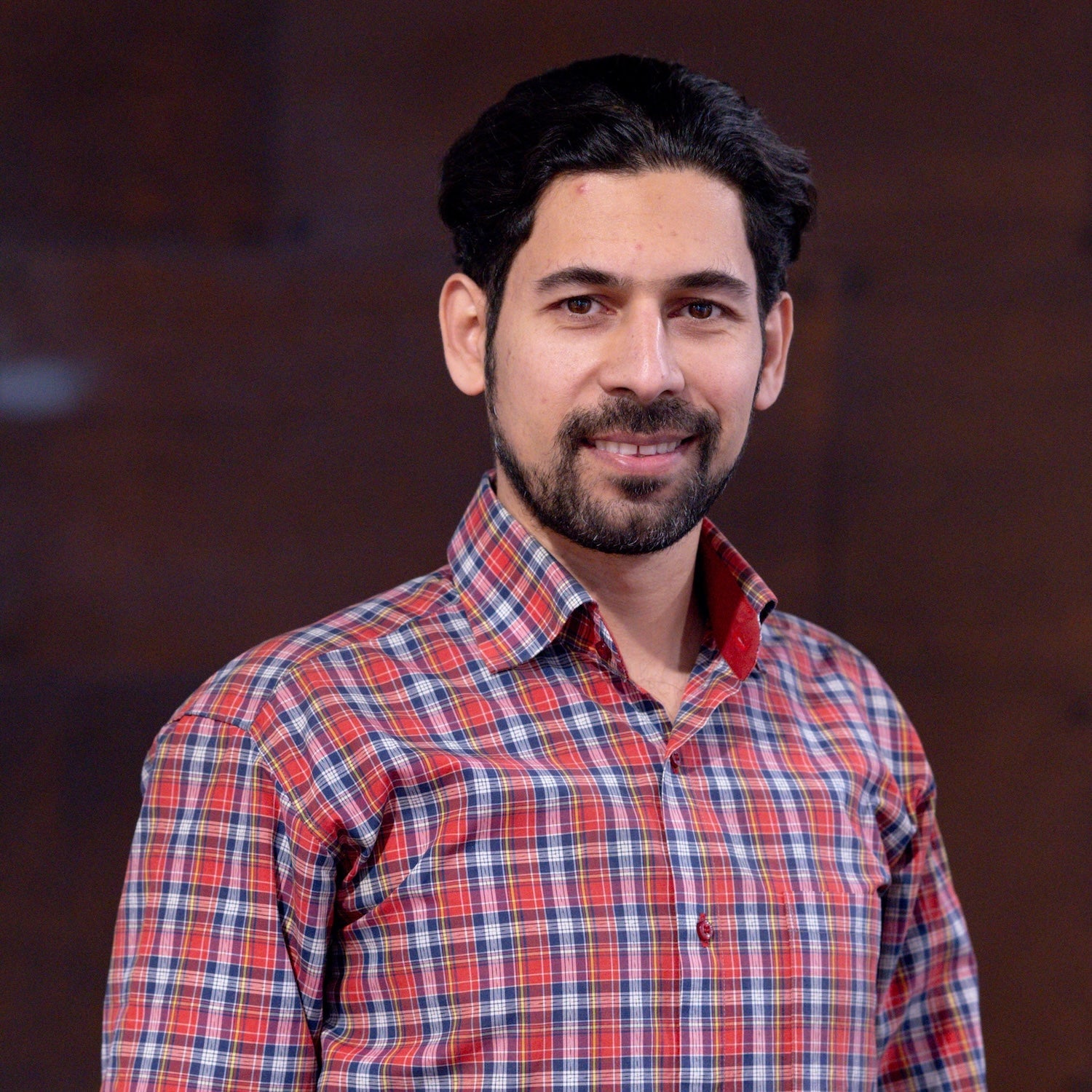
Dr. Sadegh Raeisi (PhD ‘14)
Alum, Faculty of Science
> Co-founder and CEO of Foqus Technologies
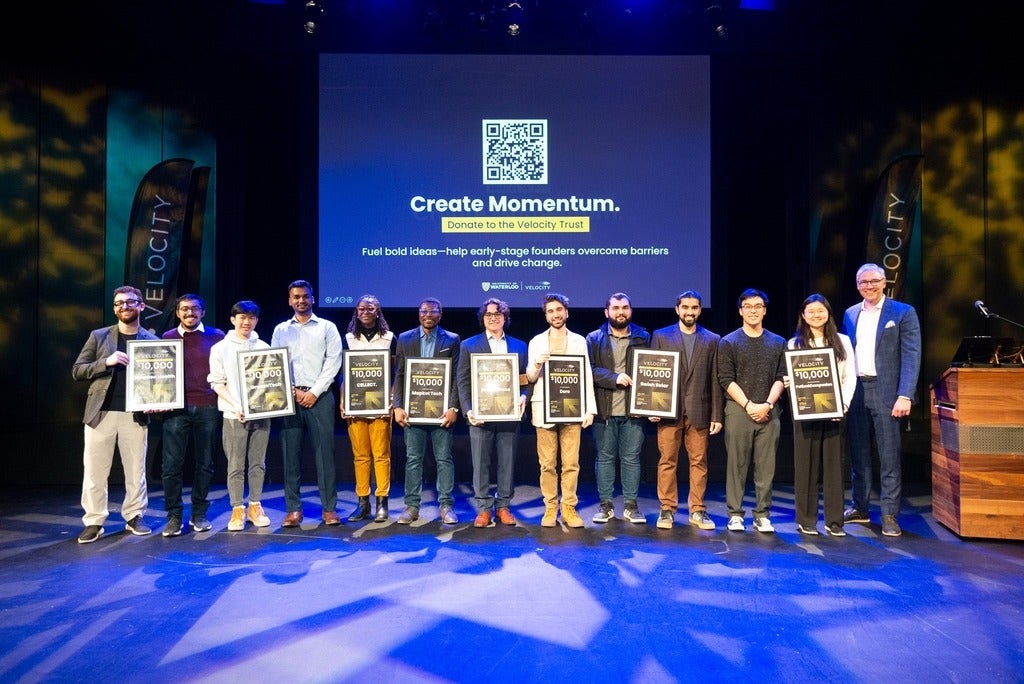
Many founders find it challenging in the early stages of their business due to limited access to non-dilutive funding. Here enters Velocity — the centre of entrepreneurship at the University of Waterloo — with a solution to the problem since 2008.