Technological Futures

Thursday, September 5, 2024

Using 3D imaging to transform plastic waste recycling

by Media Relations

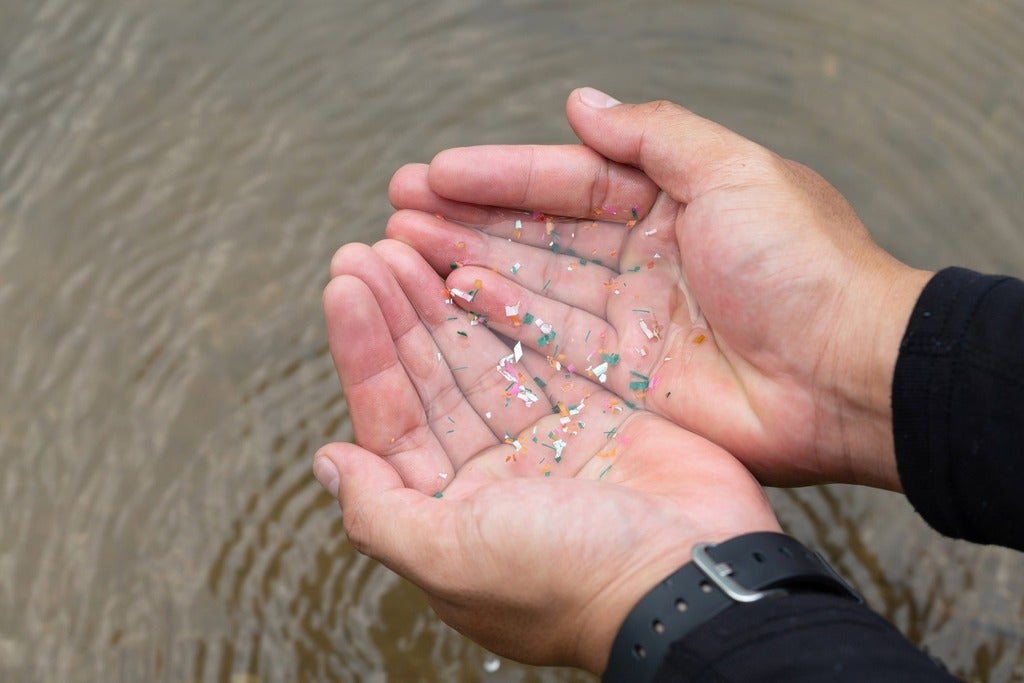
In a global first, University of Waterloo researchers have used 3D imaging technology to understand the fine details of microplastics, paving the way for more effective methods of plastic waste recycling.

Micro and nanoplastics, tiny particles of plastic that come from the breakdown of larger plastic items, have become an exponentially worsening environmental crisis. Due to their difficulties in safely decomposing, plastic pollution poses significant threats to ecosystems, wildlife and human health.

Tuesday, September 3, 2024

New material aims to transform oil spill cleanup

by Media Relations

University of Waterloo researchers have developed a new material that can absorb more than eight times its weight in oil, offering a new solution in preventing groundwater contamination from spills or accidents.

“The current technology for oil capture is lagging,” said Tizazu Mekonnen, a professor at Waterloo’s Department of Chemical Engineering. “Preserving our environment is crucial, which is why developing advanced technologies like this polymer is essential for remediating future groundwater contaminants that involve oil.”

Tuesday, August 27, 2024

Solving the crisis: Crumbling invisible infrastructure

by Jordan Flemming, University Relations

The "Solving the crisis:" series explores the pressing challenges of our time, including climate change, biodiversity collapse, housing affordability and more. Each article highlights how Waterloo, a hub of research, innovation and creative thinking, is uniquely positioned to address these issues. Through this series, we highlight the dedication of researchers to tackling global crises and shaping a better future for all.

Monday, August 26, 2024

Building new bones with help from 3D printing

by Media Relations

A research team from the University of Waterloo has developed a new material that shares many of the same traits as bone tissue. Using it in 3D printers provides a new and innovative treatment option for patients undergoing major skeletal repair and reconstructive surgery.

Surgical reconstruction in these cases currently involves metal implants and donated bone. Surgeons request a specific size and type from tissue banks to best match their patient’s anatomy, but it’s rarely a perfect fit. A recipient’s body may also reject donated bone.

Thursday, August 22, 2024

Waterloo researchers advance nanoscale imaging capabilities

by Lubaba Hoque, Institute for Quantum Computing (IQC)

Dynamic nuclear polarization (DNP) has revolutionized the field of nanoscale nuclear magnetic resonance (NMR), making it possible to study a wider range of materials, biomolecules and complex dynamic processes such as how proteins fold and change shape inside a cell.

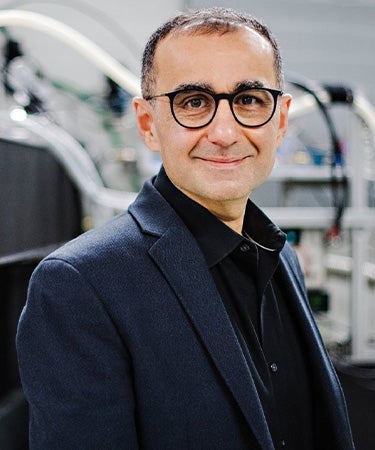
 raffi budakian

Dr. Raffi Budakian

Wednesday, August 21, 2024

Solving the crisis: Mental health on the edge

by Angelica Marie Sanchez, University Relations

The "Solving the crisis:" series explores the pressing challenges of our time, including climate change, access to health care, housing affordability and more. Each article highlights how Waterloo, a hub of research, innovation and creative thinking, is uniquely positioned to address these issues. Through this series, we highlight the dedication of researchers to tackling global crises and shaping a better future for all.

Wednesday, August 14, 2024

Power up your health with self-sustaining electronics

by Media Relations

Imagine a coat that captures solar energy to keep you cozy on a chilly winter walk, or a shirt that can monitor your heart rate and temperature.Picture clothing athletes can wear to track their performance without the need for bulky battery packs.

University of Waterloo researchers have developed a smart fabric with these remarkable capabilities. The fabric has the potential for energy harvesting, health monitoring and movement tracking applications.

Friday, August 9, 2024

New startup helps credit card users maximize rewards and savings

by Mayuri Punithan, Cheriton School of Computer Science

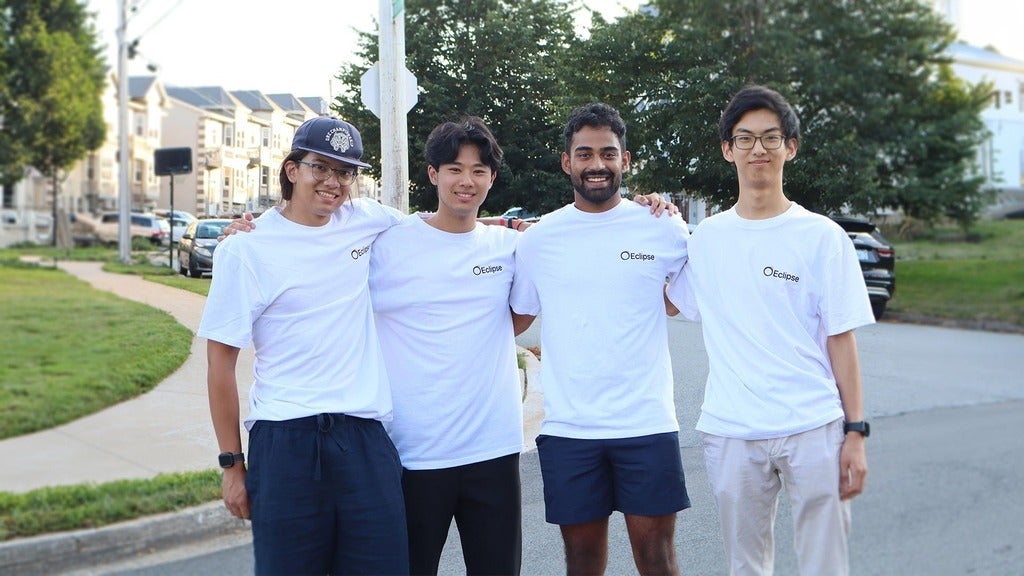
Overwhelmed with credit card options and obscure information, four young co-founders started Eclipse, which just released a new product to help users manage their finances and maximize rewards.

Co-founder, Mingchung Xia, a third-year computer science student at the University of Waterloo and his high school friends, Krish Kodali, Luke Wang and Nathan Chao, created a smart digital wallet that recommends the best card to use at every payment and provides personalized card suggestions, like Apple Pay but with more advanced features.