Research

Climate change is accelerating shrub growth across many northern regions, which has important consequences for people and wildlife who live there. 

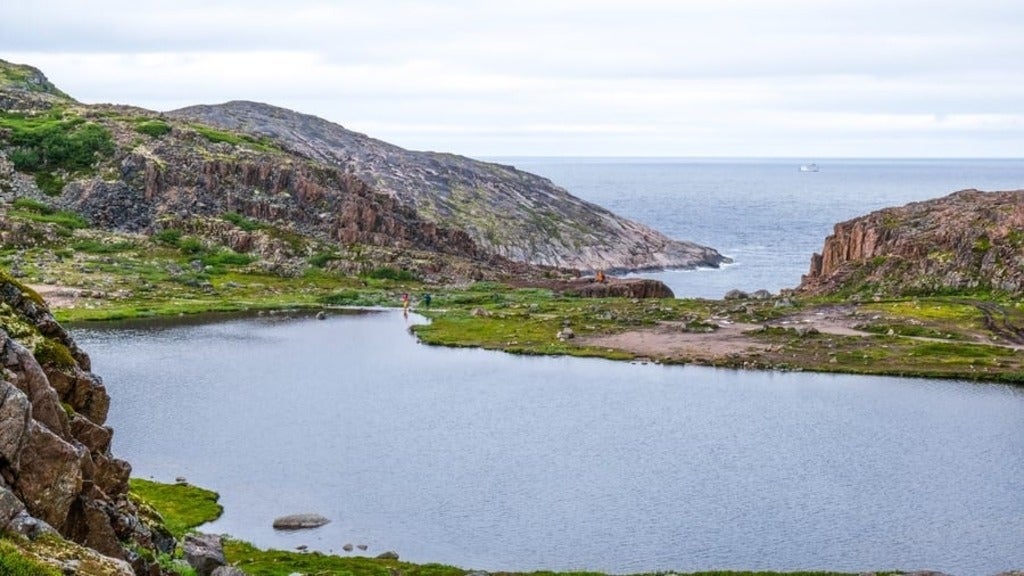
A new study led by Emma Davis, a University of Waterloo postdoctoral fellow, examines rapid shrub expansion in Torngats Mountains National Park. The changes were first detected by Inuit elders, prompting Davis’ interdisciplinary team of researchers to determine how climate change is impacting Nunatsiavut, in northern Labrador. 

Thursday, December 3, 2020

Smart home thermostats can help monitor patient health

by Media Relations

Household smart thermostat sensors can be used to help monitor the health of older adults and home patients, according to results from a new University of Waterloo pilot study.

The researchers tested the efficacy of using remote sensor data from ecobee, a Canadian smart thermostat technology, and created algorithms using software they are developing – the UbiLab Public Health Surveillance Platform – to determine typical user behaviours, such as sleeping, physical activity and sedentary behaviour.

The COVID-19 pandemic has shown us with alarming prevalence, the existence of people who simply refuse to listen to expert advice.

When it comes to large groups who refuse to wear masks, or the potential for many people to refuse a vaccine – there are real and often dangerous consequences to grapple with.

How do we combat this phenomenon?

Researchers from the University of Waterloo and Bumble have partnered to study how interacting in a space that promotes justice and social equity affects dating.

Corey Johnson and Diana Parry, co-directors of the Collaboratory on Digital Equity Research (CODER), are leading the work.

“This project seeks to understand how socially conscious dating apps are changing the dating app market and also, how they are changing dating,” said Johnson. “We are interested in the research as a way to make dating apps more equitable for all users.”

Thursday, November 26, 2020

Turning a new artificial leaf

by Etta Di Leo, University Relations

When Yimin Wu set his sights on finding a solution that would impact both sustainable energy and climate change, he turned to nature for his inspiration.

“Green house gases and CO2 are a big problem that lead to climate change,” says Wu. “I looked at how we could mimic plants and nature. Plants absorb CO2 and water and use sunlight to convert them to glucose — fuel for the plant. I wanted to look at the possibility of using a catalyst with CO2 and water to convert into a useful fuel for human use.

Thursday, November 26, 2020

Green Growth

by Rose Simone, Faculty of Science

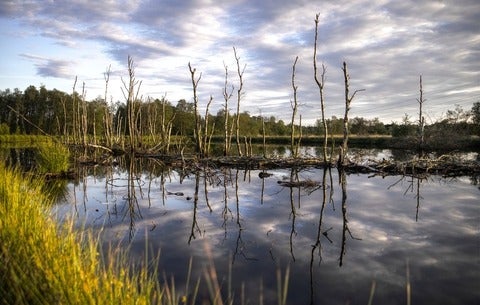
A scrappy swamp dotted with reeds, mosses, insects and frogs might not look like anything of value, but to Professor Rebecca Rooney, these ecosystems are priceless.

Rooney, an expert in wetland ecology with the Department of Biology at the University of Waterloo, says wetlands are workhorses, providing numerous “environmental services” to us for free.

Extreme weather events including floods are becoming more common. Every year, flooding causes millions of dollars in property damage. Approximately 1.7 million Canadian homes are at risk of riverine or overland flooding. And as our climate continues to change, the risk of flooding—and the costs associated with it—are expected to increase.

Incentive programs to encourage farmers and other landowners to protect the environment are key to conservation, but new research shows issues such as lack of enforcement undermine their effectiveness on a global scale.

These programs, called Payments for Environmental Services (PES), are a way to improve environmental management and livelihoods by attaching a dollar value to the benefits nature provides, such as clean water and air. They have been in place for two decades, but their design and cost-effectiveness are a concern for experts.