Research

Wednesday, August 19, 2020

Outdoor watering restrictions only work in hottest, driest weather

by Media Relations

Municipal bylaws that limit when residents are permitted to water lawns and gardens every summer effectively reduce consumption only during particularly hot, dry periods, according to a new study.

Researchers at the University of Waterloo analyzed more than a decade of data from 10 mid-sized Canadian cities that restrict outdoor water use and compared them with five cities that don’t impose limits.

Wednesday, August 19, 2020

Our relationships affect the way we see our bodies

by Media Relations

The way we feel about our bodies changes across our relationships, according to a new study.

Researchers from the University of Waterloo asked young women to indicate the way they perceive their bodies and whether that perception changes when they are with different people from their social circles, including family members and friends.

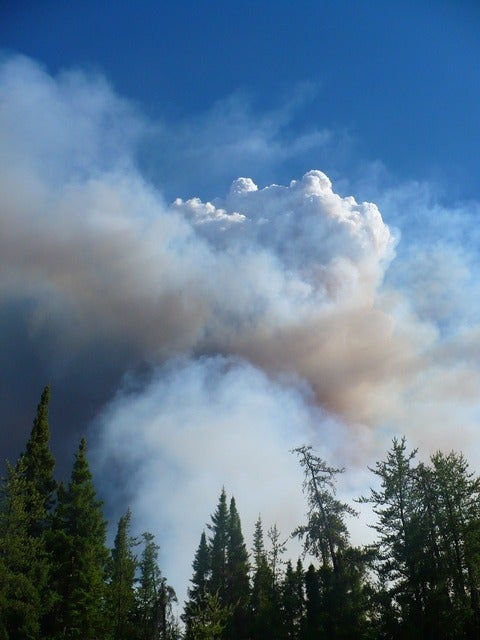
Using data from the Canadian Space Agency’s (CSA) SCISAT satellite, atmospheric scientists from the University of Waterloo have confirmed that certain clouds draw pollution away from the surface of Earth.

By studying the air pollution that results from extreme fires like those seen in British Columbia and Australia and tracking the chemicals that they release, the team from Waterloo has confirmed that pyrocumulonimbus (pyroCb) clouds remove pollution into the stratosphere.

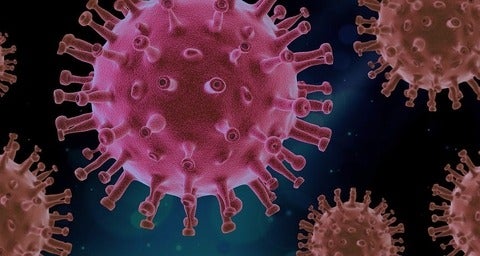
Previously, scientists have determined that entry of SARS-CoV-2 into cells occurs through a receptor on the cell surface, known as ACE2. But the McMaster-Waterloo team has found that the ACE2 receptor is at very low levels in human lung tissue.

“Our finding is somewhat controversial, as it suggests that there must be other ways, other receptors for the virus, that regulate its infection of the lungs,” said Jeremy Hirota, co-lead scientist of the team from the Research Institute of St. Joe’s Hamilton and an Assistant Professor of Medicine at McMaster. 

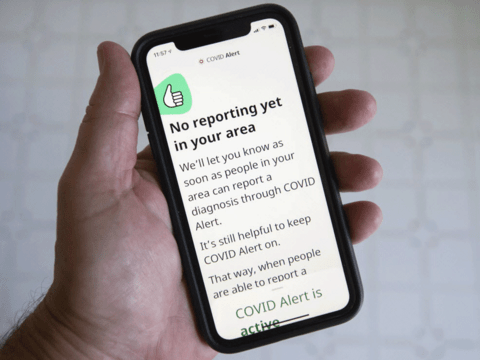
How does the federal government’s tracing app work?

The main idea of the federal government’s COVID-19 app is to use Bluetooth connections and random codes generated and stored by your phone to track connections with other nearby phones that also have the app installed.

Bluetooth is short-range wireless technology, so if you are in Bluetooth range you may be in COVID range. If the app estimates you are within 2 to 3 meters of another phone, then the two phones swap random codes, generated right then, like random numbers for the lottery.

Friday, August 7, 2020

The tell-tale sign of antibodies

by Elizabeth Kleisath, Faculty of Science

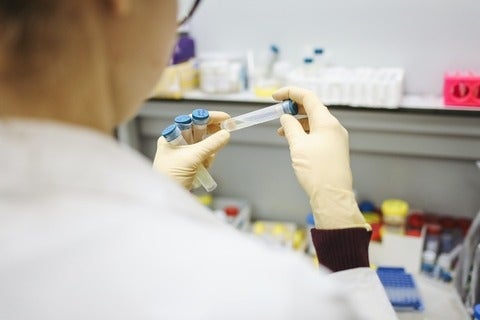
When the University’s research labs shut down for quarantine, biology professor Brian Dixon pivoted some of his research away from blood testing in fish, into looking at blood testing in humans. Instead of sitting around and waiting for his labs to open again, Dixon wanted to use his time and knowledge of biology and immunology to contribute to the global need for understanding and overcoming COVID-19.

Thursday, August 6, 2020

Canada’s grade on flood preparedness: C

by Media Relations

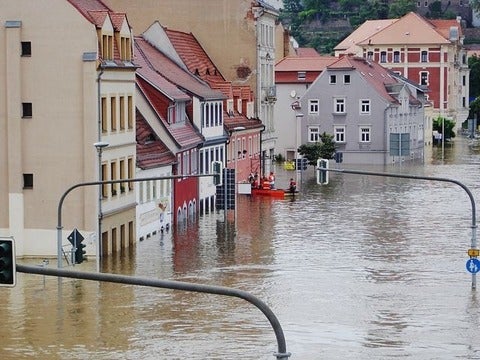
Canada’s provinces and territories received a grade of C on flood preparedness, as determined following a two-year national study completed in 2019.

The Intact Centre on Climate Adaptation at the University of Waterloo interviewed 139 provincial and territorial government representatives responsible for managing floods, climate-related risks and emergency services from across all regions of Canada to calculate the grade.

Wednesday, August 5, 2020

Bullying is linked to increased BMI, new study shows

by Media Relations

New research shows that while both young men and young women saw an increase in Body Mass Index (BMI) one year after bullying occurred in high school, young men were more affected than young women.

Being a victim of bullying was associated with increased odds of going from a normal weight status to an overweight or obese status by 51 percent for females and 60 percent for males, says Nour Hammami, a School of Public Health and Health Systems PhD graduate who co-led the study.