Research

Friday, July 31, 2020

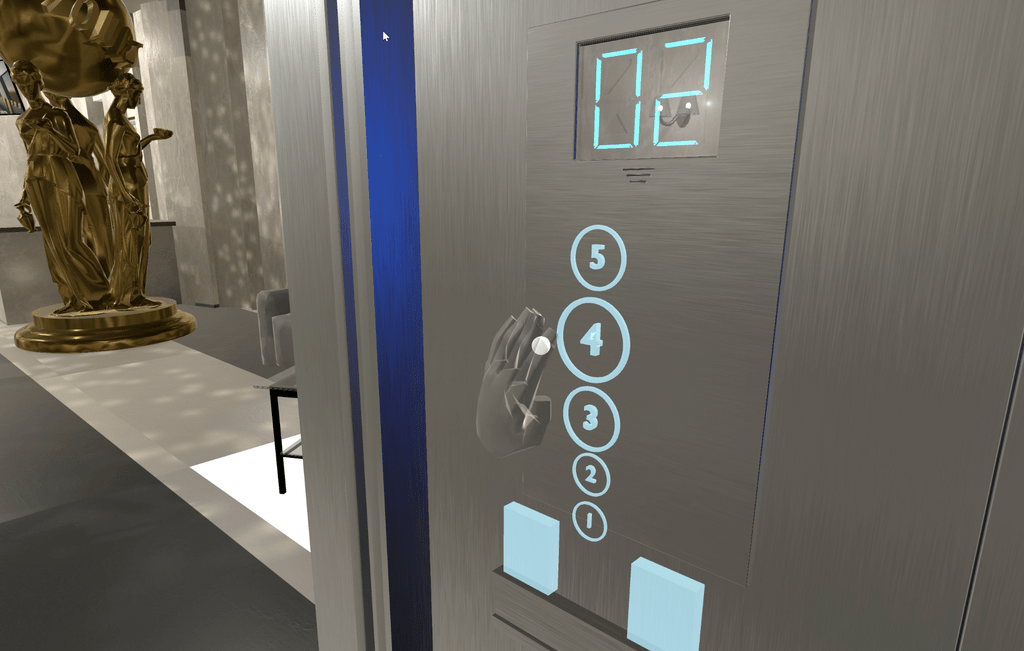
Elevating haptics

by Marisa Benjamin, The Games Institute

Tanay headshot

Tanay Singhal 
Computer Science, University of Waterloo
> Research Intern at Haptic Computing Lab

Motivated by prior research that reports elevator buttons as a huge source of contamination, a new study co-authored by Waterloo Faculty of Math student presents a touchless elevator concept to slow the spread of COVID-19.
Canada’s post COVID-19 economy will see more automation, particularly in the retail and manufacturing sectors.

Professor Joel Blit of the University of Waterloo’s Department of Economics used data from the Labour Force Survey (LFS) to analyze which industries are likely to undergo the greatest automation as the economy recovers from the pandemic.

Tuesday, July 28, 2020

Waterloo tech profiles antibodies in blood of COVID-19 patients

by Beth Gallagher, University Relations

A world-leading University of Waterloo spinoff company, that decodes blood samples for potential treatments for illnesses like cancer and COVID-19, is expanding operations with the help of a $5-million USD investment.

Bin Ma, a University of Waterloo computer science professor who co-founded Rapid Novor in 2015, says the company’s technology is the most advanced in the world when it comes to deciphering the complex workings of antibody proteins, a process called sequencing.

People with dementia and their caregivers need to be included when health priorities are determined at the local level.

Researchers from the Geriatric Health Systems Research Group at the University of Waterloo interviewed 59 persons with dementia, their caregivers, health-care administrators and policy-makers to find out what respondents perceived as system strengths and weaknesses in the southwest region.

Astrophysicists have filled in 11 billion years in our picture of the universe with the release of a comprehensive analysis of the largest three-dimensional cosmic map ever created.

“This is one of the most substantial advances in cosmology in the last decade,” said University of Waterloo professor Will Percival, a lead researcher on the work. 

Thursday, July 16, 2020

Planting native trees, greenery can cool off your backyard

by Media Relations

Planting native species of trees, shrubs, flowers and grasses can cool the summer day-time temperature of an area by over 4 C in a decade.

University of Waterloo researchers used a new thermal camera on the International Space Station (ISS) called ECOSTRESS to gather images that show temperature decreases over time when biodiverse, native species are restored to areas of Southern Ontario.