New research aims to create a surface coating that will kill COVID-19 on contact
The Waterloo Institute for Nanotechnology (WIN) within the University of Waterloo, is working in collaboration with SiO2 Innovation Labs on the research.

Over the past few months, the fallout of COVID-19 has affected varying communities differently and disproportionately. According to new research from Waterloo’s Faculty of Arts, vulnerabilities associated with refugee groups, specifically, have been amplified and exacerbated due to global lockdowns.
Using photos from the nineteenth century and enlisting the help of nature photographers and explorers to capture current versions of the historic photo collection, University of Waterloo professor Andrew Trant and his team were able to identify the dramatic change by tracking treelines and tree density.
How would you characterize the general state of Canada's finances going into this snapshot?
New research from the University of Waterloo considered pre-existing mental health issues when seeking to understand the relationship between youth who have a chronic physical illness and who abuse substances. Researchers found that mental health issues play a significant role in that relationship and note that it is a factor that must be considered when treating young people.
COVID-19 has had an immense impact on the way people interact and connect with each other, particularly through work. It’s likely the current normal of virtual workplaces will continue to evolve after the pandemic ends.
“The future is really going to change,” Andrea Kerswill said, director at Innovation & Scotiabank FactoryU, Scotiabank. “It’s going to change, in fact, for the better. Instead of the office as a place that you go to for everything, it’s going to be the place that you go to for some things — meeting with customers, socializing, collaboration and creativity.”
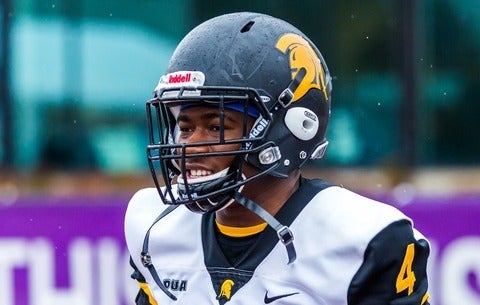
A researcher at Waterloo Engineering is part of a team that has been awarded US $412,000 by the National Football League (NFL) to develop a better, safer helmet.
Duane Cronin, a professor of mechanical and mechatronics engineering, will contribute sophisticated impact testing and advanced computer modelling to optimize helmet performance and reduce the risk of head injuries.

What is the mental toll of asking players and staff in major league sports to risk their lives for our entertainment?
We talked to sports mental performance consultant Wade Wilson from the Department of Kinesiology to help us understand some of the risks of convening the major leagues to play again.