Research

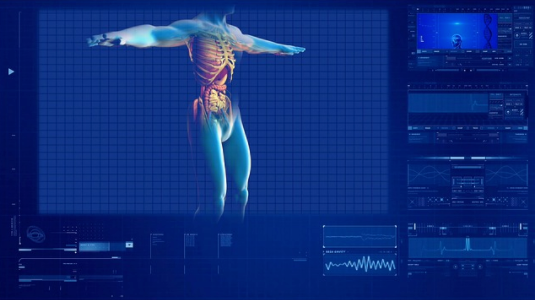
The system, developed at the University of Waterloo, uses artificial intelligence (AI) software to search a huge database of x-ray images with known diagnoses for comparison to x-rays of new patients with unknown conditions.

That approach enables researchers to identify 75 per cent of cases of collapsed lungs, or pneumothorax. On average, medical specialists diagnose fewer than 50 per cent of cases when chest x-rays are used.

Friday, October 11, 2019

Perception of risk may lead to more cancer screening

by Media Relations

“Helping to create the perception that you are susceptible may be effective at prompting high-risk individuals to get screened,” said co-author Mark Oremus, a public health professor. “It’s another tool that public health officials and physicians doing routine check-ups can use.”

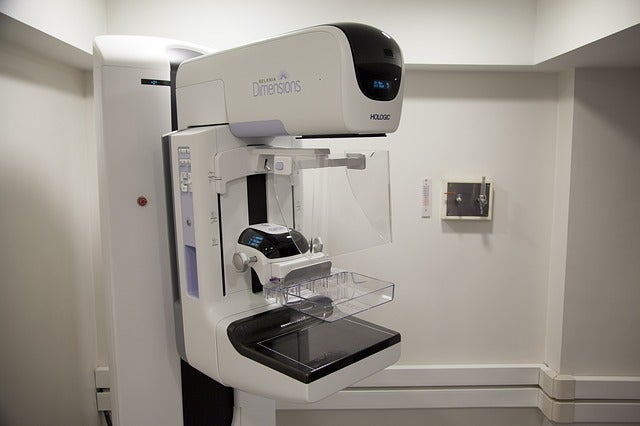
Mammmography machine

Mammmography machine used for breast cancer screenings. 
 

Tuesday, October 8, 2019

Weight stigma affects gay men on dating apps

by Media Relations

Weight stigma is an issue for queer men using dating apps, says a new University of Waterloo study.

The study found that Grindr, the most popular dating app for gay, bisexual, two-spirit and queer men, had a negative effect on men’s body image, especially when it came to weight. Three out of four gay men are reported to have used Grindr.

Weight stigma.

Friday, October 4, 2019

Let’s get Astrophysical

by Sam Toman, University Relations

Astrophysicists can mostly agree that something called dark energy is expanding our Universe at an accelerating rate. That discovery was groundbreaking, but that’s only half the puzzle. Two of the top astrophysicists in the game, Waterloo researchers Will Percival and Mike Hudson, have been chipping away at the question of just how fast it’s accelerating for much of their careers.