Research

Thursday, January 25, 2018

Scientists find new type of Botox

by Media Relations

The neurotoxic protein is known for its paradoxical ability to remove wrinkles yet cause botulism, a potentially fatal illness associated with food poisoning.

Over the past 20 years, there has also been a growing number of therapeutic applications for botulinum toxin type A, known as Botox, including treatment for migraines, leaky bladders, excessive sweating, and cardiac conditions.

Watch video on YouTube

Monday, January 22, 2018

Vaccines not protecting farmed fish from disease

by Media Relations

The vaccines used by commercial fish farmers are not protecting fish from disease, according to a new study.

The study was compiled by researchers at the University of Waterloo, the Pontifical Catholic University of Valparaiso and Chile’s University of Valparaiso. It showed vaccinated fish tend to show more symptoms when contracting diseases, with the health impacts and ultimately deaths occurring as if they’d never received a vaccine.

Wednesday, January 17, 2018

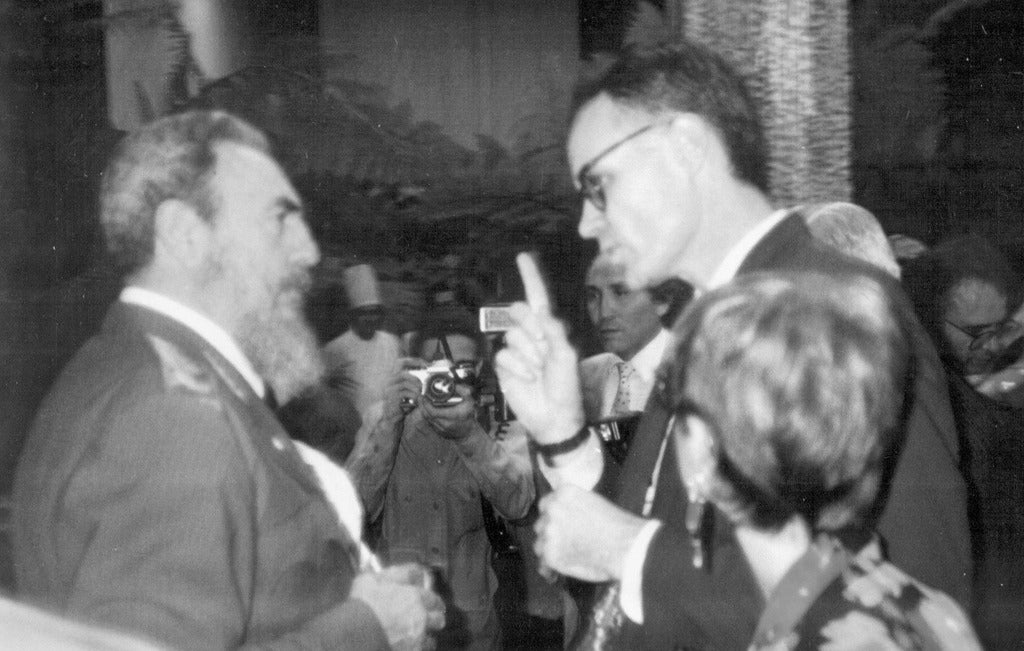
We need to understand how the world hinged on Cuba in 1962

by Wendy Philpott, Faculty of Arts

In 1992, on the 30th anniversary of the Cuban missile crisis, historians Jim Blight and janet Lang organized a remarkable meeting in Havana between Fidel Castro, Robert McNamara, and former aides of Nikita Khrushchev. The group represented the key living players in the most dangerous military confrontation in history—a crisis that, the meeting revealed, avoided nuclear Armageddon at the last minute.

Tuesday, January 16, 2018

Improving solar technology to create a greener future

by Taylor Legere , University Relations

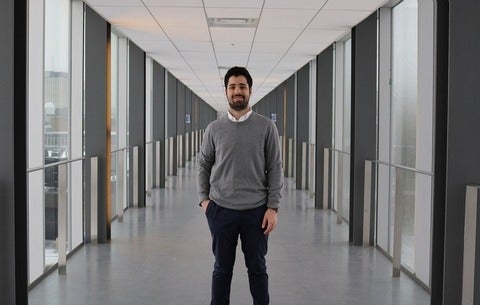
Waterloo student says engineers have a responsibility to reduce fossil fuel dependency and negate global warming.

“It’s a responsibility that our grandchildren will look back on us and how we did in this moment in time,” said Khaled Ibrahim, engineering PhD candidate.

For Ibrahim, this means devoting his research to improving and implementing renewable energy sources.

Tuesday, January 16, 2018

Math can predict how cancer cells evolve

by Media Relations

Applied mathematics can be a powerful tool in helping predict the genesis and evolution of different types of cancers, a study from the University of Waterloo has found.

The study used a form of mathematical analysis called evolutionary dynamics to look at how malignant mutations evolve in both stem and non-stem cells in colorectal and intestinal cancers.

Sunday, January 14, 2018

Energy drinks can negatively impact health of youth

by Media Relations

In a nationwide survey of Canadian youth, over half of those who had ever consumed an energy drink had reported experiencing an adverse health event, including rapid heartbeat, nausea, and in rare cases, seizures.

Currently, Canadian legislation is meant to prohibit energy drinks from being marketed to children and energy drinks are not recommend to be used by people participating in sporting activities.