Monday, August 26, 2024
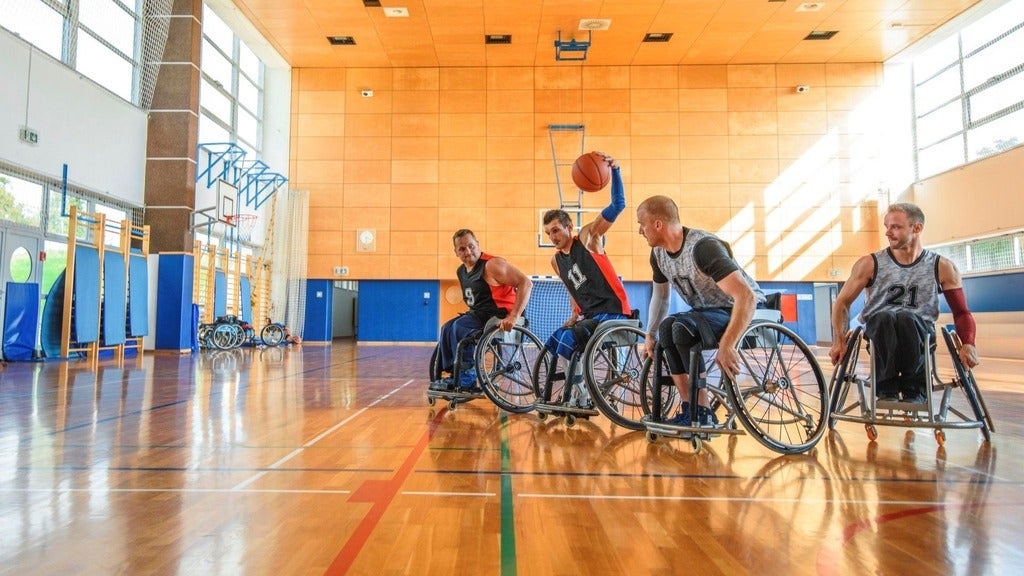
How Paralympic athletes maximize performance on the basketball court


A team of undergraduate Computer Science students placed in the top eight at a recent AI Hackathon with “Skyline,” a project that uses demographic data and machine learning to simulate cities and use these patterns to optimize its transit infrastructure.

What makes someone seem wise? People view wisdom through the lens of applying knowledge and thinking logically as well as considering others’ feelings and perceptions, finds a new study led by University of Waterloo researchers who looked at perceptions of wisdom across 12 countries and five continents.

Dynamic nuclear polarization (DNP) has revolutionized the field of nanoscale nuclear magnetic resonance (NMR), making it possible to study a wider range of materials, biomolecules and complex dynamic processes such as how proteins fold and change shape inside a cell.
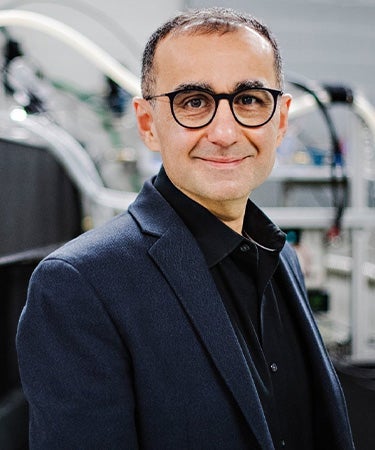
Dr. Raffi Budakian

The "Solving the crisis:" series explores the pressing challenges of our time, including climate change, access to health care, housing affordability and more. Each article highlights how Waterloo, a hub of research, innovation and creative thinking, is uniquely positioned to address these issues. Through this series, we highlight the dedication of researchers to tackling global crises and shaping a better future for all.
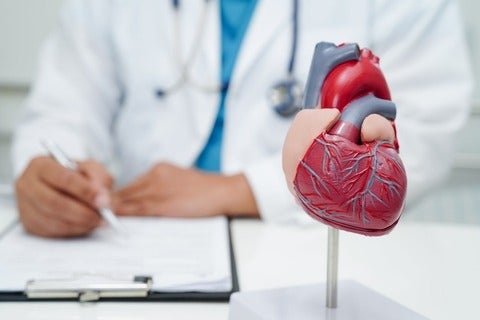
Some patients who receive heart valve implants develop dangerous blood clots, and researchers from the University of Waterloo contributed to an international collaboration that reduces the risk.
Working with a team from the University of Groningen in the Netherlands, the researchers from Waterloo’s Faculty of Engineering proved that a heart valve implant with a textured surface is less likely to lead to the formation of blood clots — or thrombosis.
University of Waterloo researchers take pride in identifying and solving significant, complex challenges facing humanity and our planet.
Recently, the Canadian Institutes for Health Research (CIHR) announced that seven Waterloo researchers will receive funding to carry out ground-breaking work to improve our nation’s health and strengthen our health care system.
The CIHR is Canada's leading federal funding agency, collaborating with partners and researchers to support health-care discoveries and innovations.

Imagine a coat that captures solar energy to keep you cozy on a chilly winter walk, or a shirt that can monitor your heart rate and temperature.Picture clothing athletes can wear to track their performance without the need for bulky battery packs.
University of Waterloo researchers have developed a smart fabric with these remarkable capabilities. The fabric has the potential for energy harvesting, health monitoring and movement tracking applications.

Dr. Mark Ferro, School of Public Health Sciences associate professor and Canada Research Chair in Youth Mental Health, is to receive nearly $1.3 million over five years from the Canadian Institutes of Health Research (CIHR).

A recent study from the University of Waterloo has provided critical insights into how penalty severity and social norms influence tax compliance, particularly in the context of COVID-19 relief fraud.