Research

Wednesday, November 26, 2025

International vision science collaboration continuing to 2030

by Karen Kawawada, School of Optometry and Vision Science

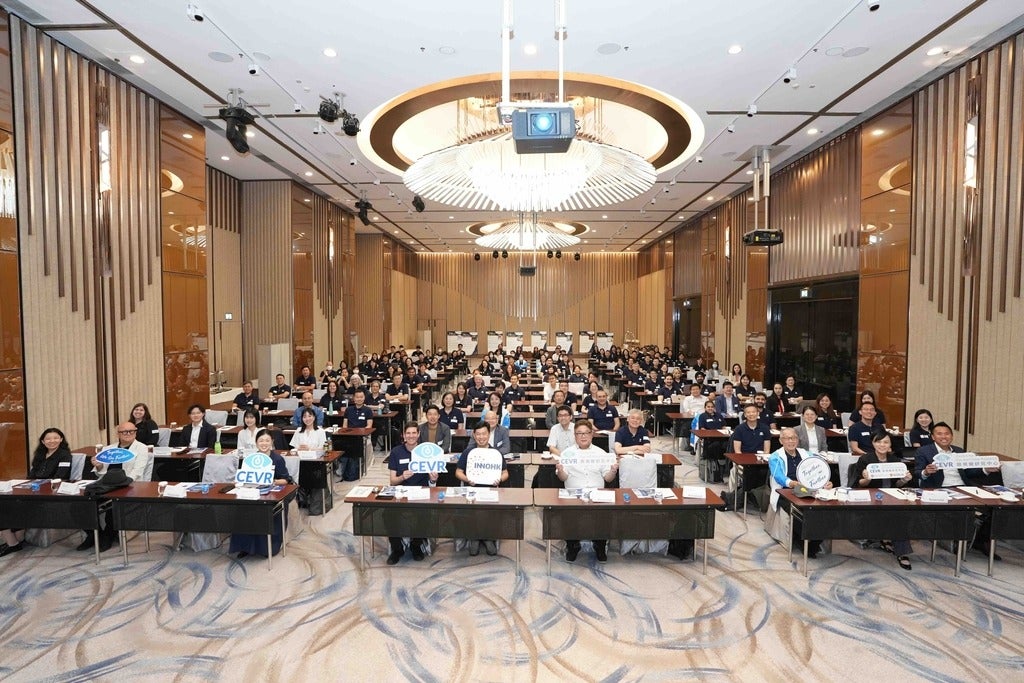
The world’s first international hub for vision science, a research collaboration between the University of Waterloo and The Hong Kong Polytechnic University (PolyU), has had its funding extended through to 2030.

The mission of the InnoHK Centre for Eye and Vision Research (CEVR) is to generate technologies that prevent, detect, treat and mitigate vision loss. Its goal is not only to conduct world-leading vision science research but also to explore opportunities for translating innovations into practical solutions that enhance eye health.

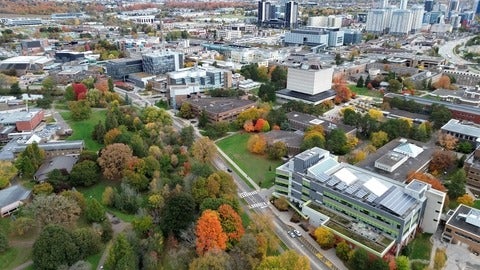
The University of Waterloo continues to be recognized among the top universities in Canada and globally for a variety of disciplines from engineering and math to hospitality and tourism management according to the 2025 Academic Ranking of World Universities (ARWU) subject rankings by Shanghai Ranking Consultancy.

Friday, November 21, 2025

Velocity is building momentum for Waterloo startups

by University Relations

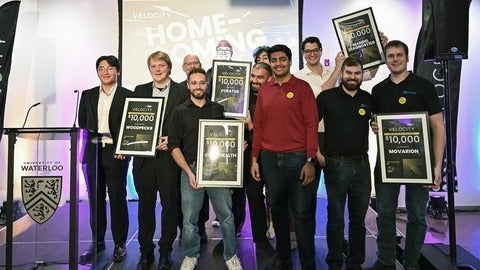
Five startups have been awarded $10,000 Velocity Momentum Grants to help them take the next step in their entrepreneurial journey. The no-strings attached funding is intended to allow founders to focus on their business full-time after graduation.

Velocity is the University of Waterloo’s centre of entrepreneurship and offers mentorship, funding and Canada’s largest tech-corridor network to help founders move ideas from the lab to market. Since 2008, Velocity has helped launch more than 500 startups that together exceed $40 billion in enterprise value.

Tuesday, November 18, 2025

Predicting disease outbreaks using social media

by Media Relations

Vaccination rates are falling in many communities due to widespread misinformation and previously eliminated or controlled illnesses like measles are surging across the United States and Canada.  

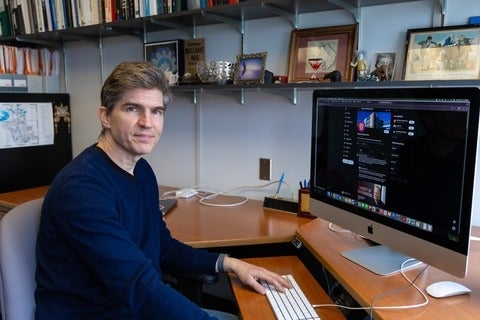
Researchers at the University of Waterloo have developed a new approach that could help public health officials predict where outbreaks might occur. By analyzing social media posts, the method identifies early signs of increasing vaccine skepticism — a warning signal that could emerge before any disease begins to spread. 

Friday, November 14, 2025

Cracking the code of complexity

by Melodie Roschman, Faculty of Mathematics

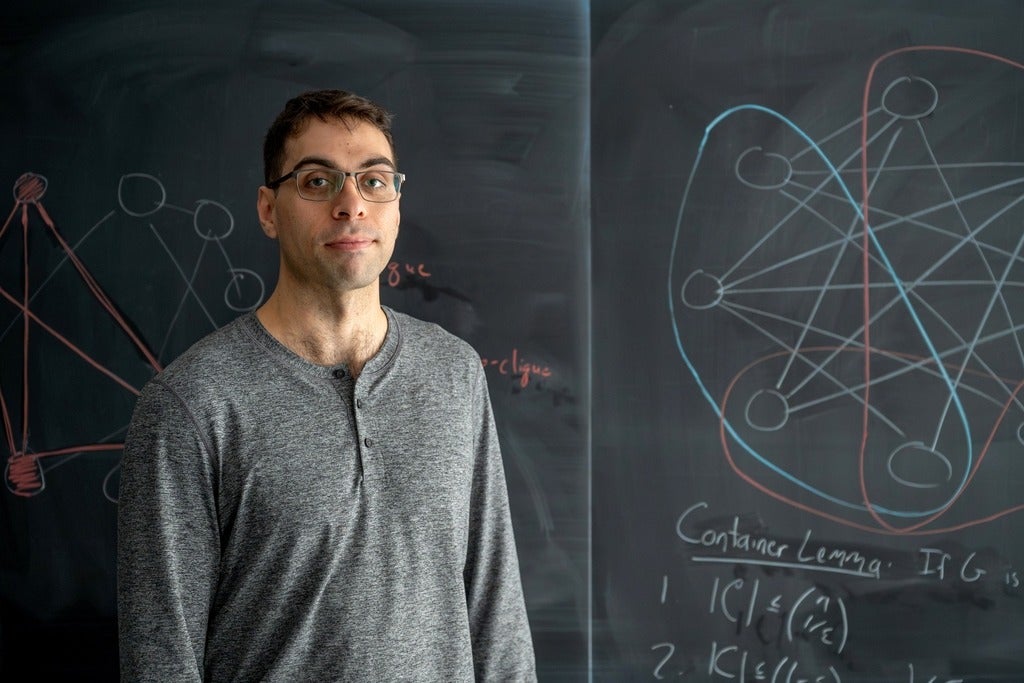
New research from the University of Waterloo is making inroads on one of the biggest problems in theoretical computer science. But the way to do it, according to Cameron Seth, a PhD researcher working in the field of algorithmic approximation, is by breaking the problem down into smaller pieces. 

“Everyone working in computer science and mathematics knows about the ‘P vs. NP’ problem,” Seth says. “It’s one of the notorious Millennium Prize Problems: so famous and so difficult that solving one will earn you a million dollars.” 

Friday, November 14, 2025

Three experts advancing climate change at the highest level

by Natalie Smith and Chantal Vallis, Waterloo Climate Institute and Faculty of Environment

The world has converged on Belém, Brazil’s gateway to the Amazon, to sharpen climate commitments and move from promises to implementation. It’s all happening at the 30th Conference of the Parties (COP30) to the United Nations Framework Convention on Climate Change (UNFCCC).  

Wednesday, November 12, 2025

AI’s energy usage is less than previously thought

by Media Relations

Contrary to popular belief, new research finds that the use of artificial intelligence has a minimal effect on global greenhouse gas emissions and may actually benefit the environment and the economy.

For their study, researchers from the University of Waterloo and the Georgia Institute of Technology combined data on the U.S. economy with estimates of AI use across industries to determine the environmental fallout if AI use continues its current trajectory.

Wednesday, November 12, 2025

Waterloo researchers rank among the most influential in the world

by University Relations

The University of Waterloo has seen an increase in the number of researchers included in this year’s Highly Cited Researchers™ 2025 list recently published by Clarivate. The list highlights the world’s most influential researchers and scientists.

Those selected have authored multiple Highly Cited Papers which rank in the top one per cent by citations in their field. Citations and peer review are the lifeblood of academic research, ensuring both integrity and innovation. The Highly Cited Researchers™ list recognizes only one in 1,000 researchers from around the world.

Thursday, November 6, 2025

How AI can track hockey action from faceoff to finish

by Media Relations

Researchers at the University of Waterloo have developed two innovative artificial intelligence (AI) systems that significantly improve how hockey games can be analyzed using video footage without the need for expensive equipment.

Drawing on Waterloo’s strengths in computer vision and systems design, the research advances the evolving field of automated sports analytics. The new tools address long-standing challenges in tracking fast-moving game action, including obstructed views and motion blur common in broadcast feeds.