Research

Monday, March 4, 2024

Academic-industry partnerships are critical in driving health care innovation

by Jordan Flemming, University Relations

Rapid technological progress is reshaping health care on a global and personal level. Artificial Intelligence (AI) is reshaping the future of health by enabling predictive analytics, personalized treatment plans and medical image analysis. By 2027, the global AI in health care market is expected to reach $51.3 billion USD, as AI-driven solutions become increasingly integrated into health practices globally.

Friday, March 1, 2024

Keeping optimism through antagonism and aggression in health-care research 

by Jenna Braun, Faculty of Health

On February 27, panelists Dr. Geoff Bardwell, assistant professor in the School of Public Health Sciences, Drs. Lisbeth Berbary and Kimberly Lopez, associate professors in the department of Recreation and Leisure Studies, and Dr.

Friday, March 1, 2024

Waterloo to host Times Higher Education Digital Health 2025

by Jordan Flemming, University Relations

Announced at Times Higher Education (THE) Digital Health 2024 summit in Stanford, California, the University of Waterloo will take up the banner as host of next year’s Digital Health summit. The event, slated for April 10 to 11, 2025, will mark an important occasion in the University's continued commitment to pushing the boundaries of health care delivery through technological innovation.

President and Vice-Chancellor Vivek Goel underscored Waterloo's commitment to sustainable and responsible innovation in a video message.

Thursday, February 29, 2024

U.S. ski industry suffers $5B hit from climate change

by Media Relations

The U.S. ski industry has lost more than US$5 billion over the past two decades due to human-caused climate change, according to a new study.

The study from University of Waterloo and University of Innsbruck researchers compared ski seasons in winters from the 1960s to 1970s with the last two decades, from 2000 to 2019. The analysis determined the average ski season has been shortened by five to seven days, and lost skier visits combined with increased snowmaking have cost the U.S. ski industry an average of US$252 million per year.

Tuesday, February 27, 2024

Teens benefit from "forest bathing" – even in cities

by Media Relations

Youth mental health in urban environments is significantly better when more nature is incorporated into city design.

A new study from University of Waterloo researchers suggests that forest bathing, the simple method of being calm and quiet amongst the trees, observing nature around you while breathing deeply, can help youth de-stress and boost health and well-being.

Tuesday, February 27, 2024

Beating the heat without warming the planet 

by Naomi Grosman, Velocity

There’s an irony to air conditioning.  

Traditional air conditioners condense water out of the air, a very energy-intensive process which pumps greenhouse gases into the environment. So, as we cool our indoors, we heat the climate even more.  

Velocity-based company Evercloak can break this cycle. The clean-tech startup has raised $2 million from Bioindustrial Innovation Canada, Greensoil Proptech Ventures, GroundBreak Ventures, Ontario Centre for Innovation (OCI) and angel investors.  

Thursday, February 22, 2024

New technique can quickly detect fentanyl and other opioids

by Media Relations

University of Waterloo researchers have developed a new blood testing method that can detect potent opioids much faster than traditional approaches and potentially save lives.

The method, the latest effort by Waterloo researchers and entrepreneurs to lead health innovation in Canada, can simultaneously analyze 96 blood samples that could contain opioids such as fentanyl in under three minutes – twice as quickly as other techniques.

Wednesday, February 21, 2024

Outstanding plastic waste research earns prestigious Polanyi Prize

by Nicola Kelly, Faculty of Engineering

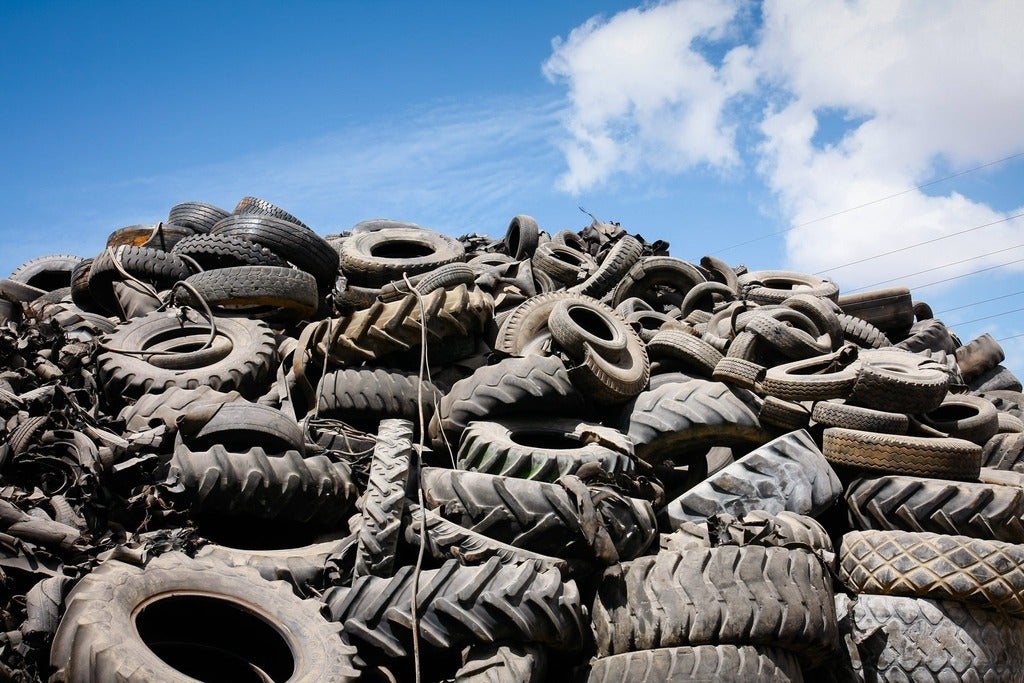
As the planet faces the pressing challenge of reducing plastic waste in the environment, new strategies for managing plastic waste are urgently needed. One of the biggest roadblocks to addressing the plastic waste crisis is the use of thermosets and rubbers — a class of non-recyclable plastics widely used in infrastructure, automobiles, planes, adhesives, 3D printing and chemical industries.