Research

Tuesday, January 3, 2023

'This must be our top priority'

by Brian Caldwell, Faculty of Engineering

Those spectacular shooting flames associated with oil and gas production aren’t doing a good enough job of protecting the environment.

Known as flares, they play an important role in the reduction of greenhouse gases fueling climate change by converting methane that would otherwise be released into the atmosphere into much less harmful carbon dioxide (CO2).

Tuesday, December 20, 2022

Our top 12 trending stories of 2022

by University Relations

This past year brought new challenges but also new opportunities to celebrate. As we close out 2022, we can look back and feel proud of the contributions of our Waterloo community, from on-campus initiatives and events to world-leading education and research.

This list of trending stories is just a small sample of the real-world impact our students, alums, researchers and staff are making on our future.

Tuesday, December 20, 2022

Tiny patch would give diabetics painless glucose monitoring

by Media Relations

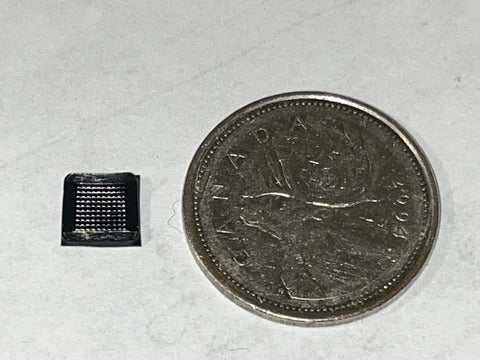
University of Waterloo researchers are developing a new patch that would offer diabetics an affordable, accurate, pain-free, round-the-clock alternative to traditional tests that require pricking a finger for a blood sample every few hours.

And to make it even more user-friendly, potentially life-saving readings from the patch would be transmitted to people’s smartphones.

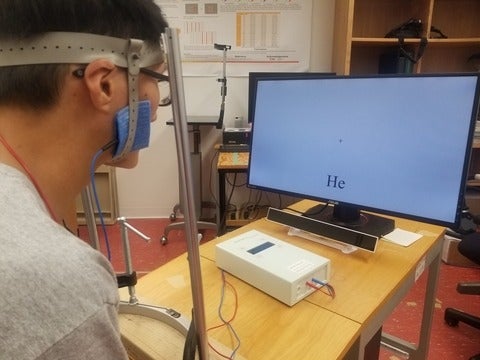
Drug treatments only slow down the progression of the disease, but Waterloo scientists discovered they could train the brain to use the information it receives more efficiently.

Transcranial direct current stimulation (tDCS) is a non-invasive, painless brain stimulation treatment that uses direct electrical currents to stimulate specific parts of the brain. Researchers stimulated the visual cortex to help the brain to use the information it receives from the eye as efficiently as possible.

Tuesday, December 13, 2022

New medical imaging technology may transform osteoarthritis assessment

by Eugenia Xenos Anderson, Faculty of Health

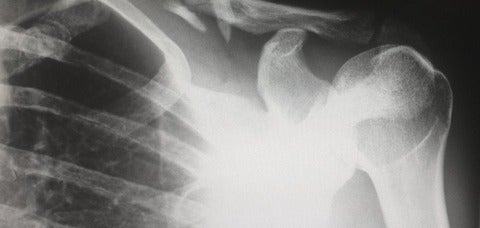
Dr. Nikolas Knowles, a researcher in Kinesiology and Health Sciences, is studying a new imaging technology to assess shoulder osteoarthritis. Called dual-energy computed tomography (DECT), it can detect changes in multiple tissues, not just cartilage, which has the potential to change how medical imaging is used to quickly and cost-effectively diagnose early osteoarthritis and assess treatment options.

Tuesday, December 13, 2022

Improving medication adherence with tech innovation

by Milana Madzarac, School of Pharmacy

Medication non-adherence is a concern globally, and often occurs unknowingly or by mistake. Dr. Tejal Patel, clinical associate professor at the University of Waterloo School of Pharmacy, is trying to improve medication management and assist older adults when taking their medication at home by correctly matching them with new innovative technologies.

Dr. Patel has received funding for her project from the National Research Council of Canada (NRC) and the Canadian Institute for Health Research-Institute of Aging (CIHR-IA) totaling more than half a million dollars.   

Tuesday, December 6, 2022

Solving a messy problem

by Brian Caldwell, Faculty of Engineering

Engineering researchers at the University of Waterloo followed their curiosity and called on nature for inspiration for a new urinal design that has attracted international attention by solving the messy problem of splash-back.

The long, sleek design all but eliminates splatter on floors and shoes by ensuring the angle at which a urine stream hits the urinal wall doesn’t exceed about 30 degrees, a measurement determined via physical experiments and computer modelling.

Monday, December 5, 2022

Research commercialization sparks curiosity across campus

by Naomi Grosman, Velocity

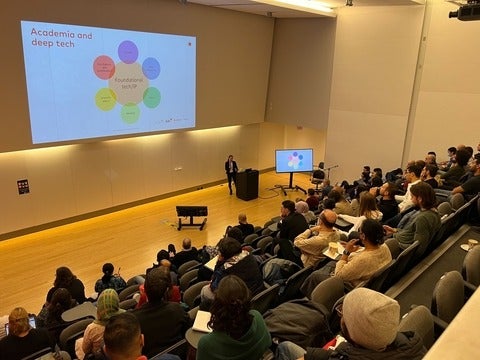
The path to commercialization is long and winding and its twists and turns necessitate mentors along the way, attendees heard at the symposium Demystifying Commercialization, which explored how to best succeed on the path from research to commercialization.

Graduate students, research fellows and faculty attended the half-day event hosted by Velocity, Waterloo Commercialization Office (WatCo) and the Business Development Bank of Canada (BDC).