Research

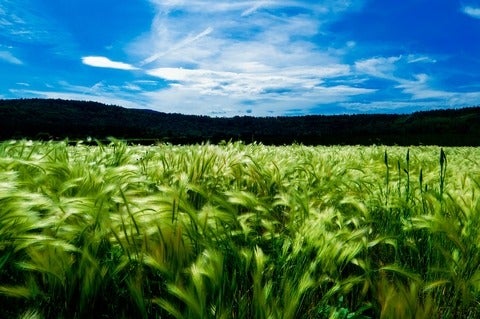
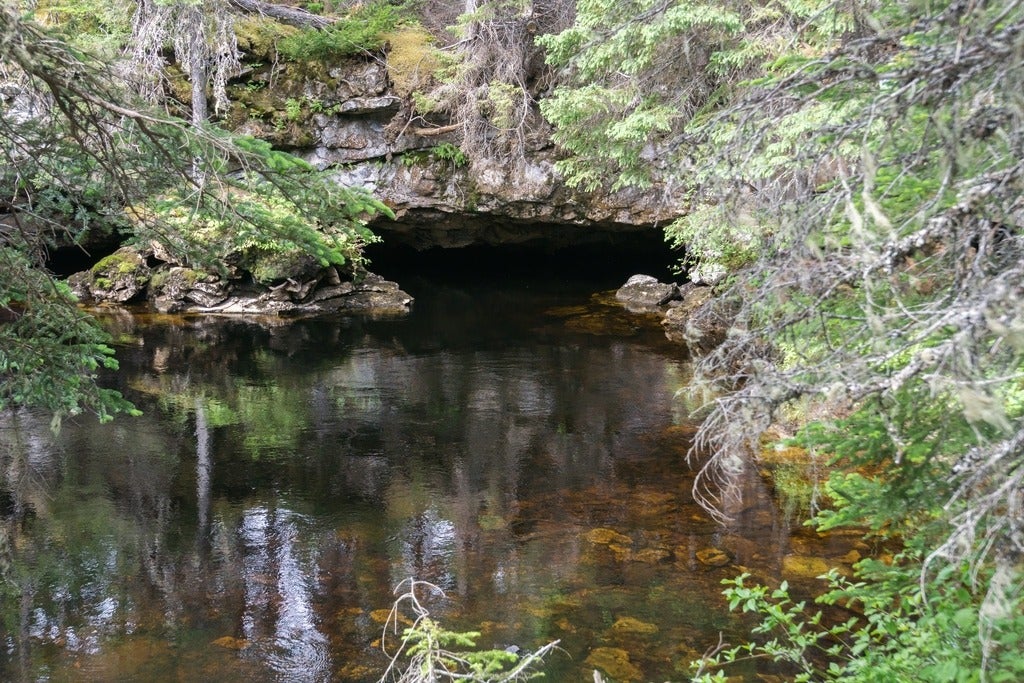
World Water Day, annually observed by the United Nations on March 22, celebrates water and raises awareness to the billions of people living without access to safe water. This year’s theme is groundwater: making the invisible visible. But what are the current and future challenges facingthis natural resource in Canada? University of Waterloo’s Earth and environmental sciences professor and groundwater expert David Rudolph answers this and other questions.

What’s considered to be groundwater?
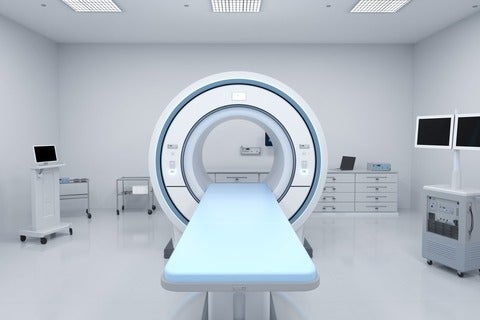
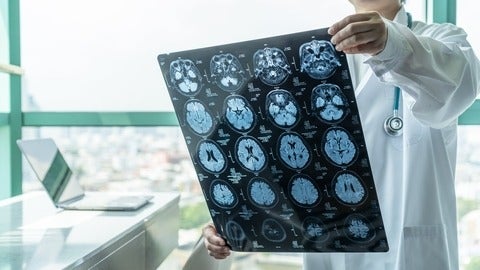
A new form of magnetic resonance imaging (MRI) that makes cancerous tissue glow in medical images could help doctors more accurately detect and track the progression of cancer over time.

The innovation, developed by researchers at the University of Waterloo, creates images in which cancerous tissue appears to light up compared to healthy tissue, making it easier to see.

Thursday, March 17, 2022

Land use scientists propose new approaches to addressing global land crises

by Jude Okonkwo, Faculty of Environment

A recent publication, co-authored by Dawn Parker of the Environment’s School of Planning and Waterloo’s Institute for Complexity and Innovation, reveals 10 facts that help explain the fundamental challenges of achieving sustainability in land use, and point toward solutions.

Published in Proceedings of the National Academy of Sciences of the United States of America, the article applied the expertise of 50 leading land use scientists from 20 countries and highlights key questions whose answers are essential to understand and address land systems pressures.

Thursday, March 17, 2022

Smoke from major wildfires destroys the ozone layer

by Media Relations

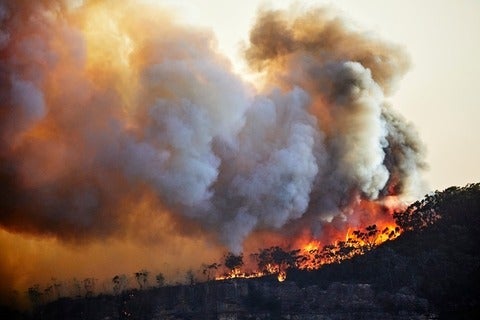
A new study shows that smoke from wildfires destroys the ozone layer. Researchers caution that if major fires become more frequent with a changing climate, more damaging ultraviolet radiation from the sun will reach the ground.

Atmospheric chemists from the University of Waterloo found that smoke from the Australian wildfires of 2019 and 2020 destroyed atmospheric ozone in the Southern Hemisphere for months. The ozone shield is a part of the stratosphere layer of the Earth’s atmosphere that absorbs UV rays from the sun. 

Wednesday, March 16, 2022

Q and A with the experts: The cyber threat to Ukraine’s history

by Sam Toman, Media Relations

Russian President Vladimir Putin has publicly claimed Ukraine is not a country. History says otherwise. Ian Milligan is an associate professor at the University of Waterloo whose research focuses on ways historians can use web archives, as well as the impact of digital sources on historical practice. He weighs in on Russia trying to erase Ukrainian history and what Ukraine can do to stop it.

Why is data a potential casualty of this invasion?

War is bad for information preservation. 

Thursday, March 10, 2022

Q and A with the experts: War and the threat to Canada

by Media Relations

Once-peaceful neighbours Ukraine and Russia find themselves in an eight-year-long conflict culminating in a bloody full-scale invasion by Russian forces. University of Waterloo political scientist Veronica Kitchen answers questions about which security issues Canadians should be worried about given recent events in Europe and the United States.

Canada is very proximate to Russia through the Arctic. Does Russia pose a threat to Canadian territory?

Wednesday, March 9, 2022

Human actions accelerate climate-driven floods and droughts

by Media Relations

A study of more than 2,000 streams around North America found that those altered by human activity are at greater risk of flooding.

The study from the University of Waterloo analyzed the seasonal flow patterns of 2,272 streams in Canada and the U.S. and found that human-managed streams – those impacted by developments like dams, canals, or heavy urbanization – had significantly different flow patterns compared to streams in natural watersheds.

With democracy imperiled in Ukraine, and Canadians grappling with the insurrectionist convoys in Ottawa and elsewhere, University of Waterloo political scientist Anna Drake answers questions about the role women play in a democracy this International Women’s Day 2022.

Do you feel Canadian democracy is under threat this International Women’s Day, and why?

Tuesday, March 8, 2022

Delivering sight-saving drugs better, for longer

by Angie Docking, School of Optometry & Vision Science

Finding efficient and comfortable methods for the delivery of drugs to the eye remains a significant challenge for vision scientists — and one that University of Waterloo researchers at the Centre for Eye and Vision Research (CEVR) are undertaking in real time.

Under the leadership of Waterloo’s Dr. Lyndon Jones, researchers at Hong Kong’s Centre for Eye and Vision Research are working hard to answer the age-old question: how can we create effective, non-invasive drug solutions for our eyes?