Research

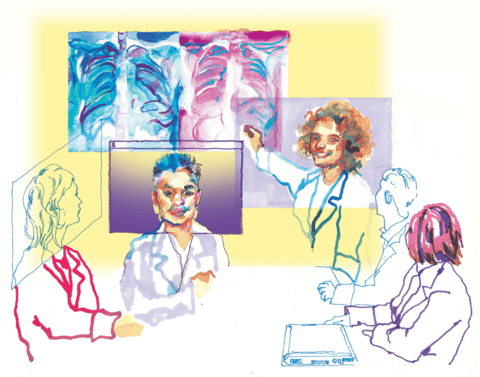
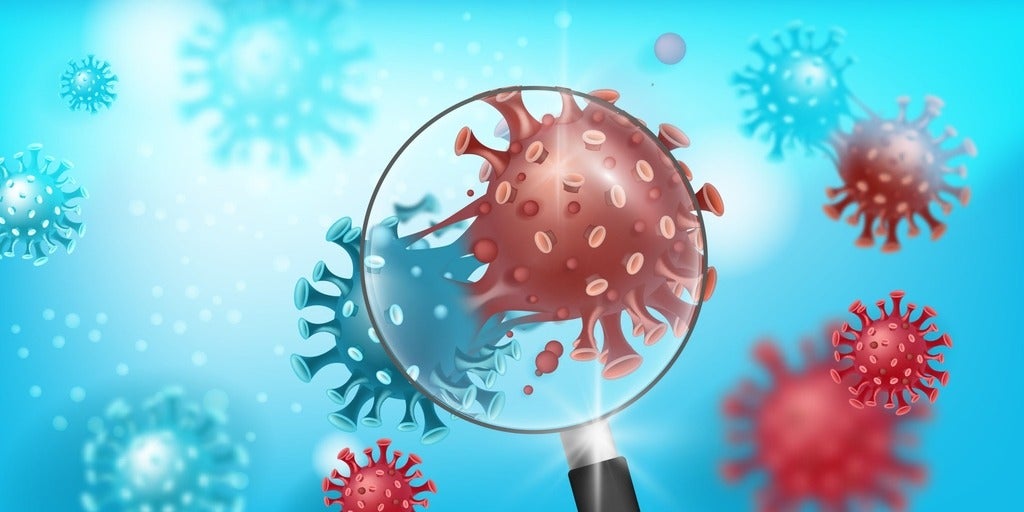
Researchers have developed a new method that uses artificial intelligence to foresee the most likely mutations of pathogens like SARS-COV-2, the virus that causes COVID-19.

The new research has implications for the rapid development of vaccines, treatments and diagnostic tests that would be much less likely to be impacted by new or emerging variants of concern.

Saturday, October 23, 2021

Driven to tackling difficult problems

by Carol Truemner, Faculty of Engineering

Impressive problem-solving skills Khaled Younes honed as an engineering student contributed to his exceptional showing in the classroom and research breakthroughs.

Officially graduating with a master’s in mechanical and mechatronics engineering this week, Younes has developed a passion for tackling and finding answers to difficult challenges in fluid mechanics. 

Saturday, October 23, 2021

PhD graduate applies her expertise to overlooked group in medical assistance in dying

by Kaitlin O'Brien, Faculty of Arts

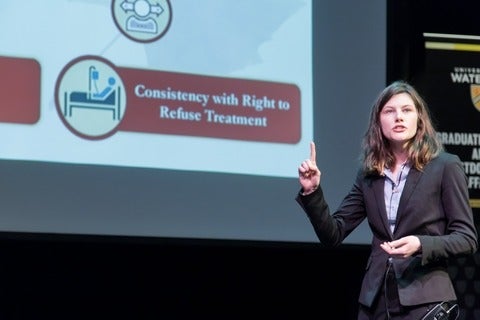
During her graduate studies, Kathryn Morrison worked both inside and outside the classroom to support ethical challenges in pediatric end of life decisions. Her research and interests lie in the theoretical ethics of Medical Assistance in Dying (MAiD) for mature minors — capable children under 18 years-old.

Saturday, October 23, 2021

There’s something in the water in Waterloo … and beyond

by Sharon McFarlane, Faculty of Science

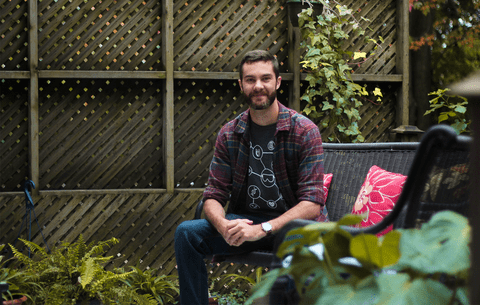
This fall’s Convocation isn’t the first for Tim Shardlow who is graduating from a master's in biology (microbiology specialization). With a little luck and a lot of hard work, it won’t be his last either. The Erin, Ontario native has already started his PhD at the University of Waterloo in the same field of microbiology with an environmental focus, and is well on his way to unlocking hidden secrets of what’s in the water.

Wednesday, October 20, 2021

Waterloo students to race autonomous vehicles at Indy speedway

by Media Relations

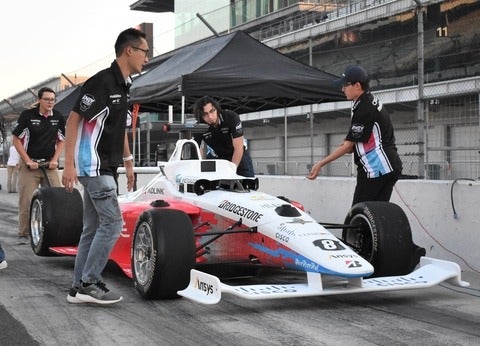
Two students at the University of Waterloo expect to be part of history this weekend when an autonomous, million-dollar racecar they helped develop drives itself around the famed Indianapolis Motor Speedway at speeds of up to 120 miles per hour.

Brian Mao and Ben Zhang are members of a four-university team set to compete with rivals from around the world for a US $1-million top prize at the Indy Autonomous Challenge on Saturday.

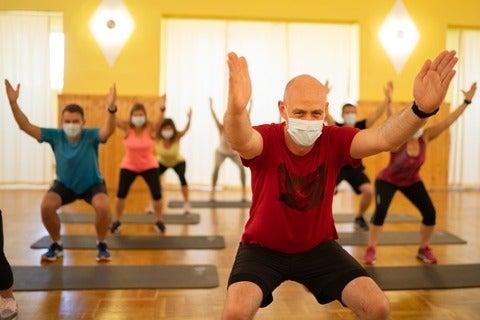
Fitness apps that emphasize illness- or death-related messaging are more likely to be effective in motivating participation than are social stigma, obesity, or financial cost messaging, according to a recent study.

Previous studies, especially on smoking cessation and risky sexual behaviour, found that messages related to mortality could be a barrier to acknowledging health risks, but the study found this is the opposite for fitness apps.

Monday, October 18, 2021

Bringing eye health to the global scale

by Elizabeth Kleisath, Faculty of Science

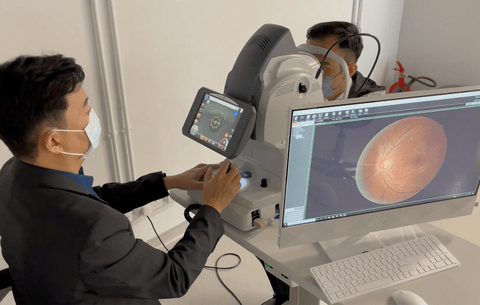
Vision is one of our most dominant senses, and our world is often built around our ability to see. Despite this, the World Health Organization reports that more than one third of people around the world suffer from some form of vision impairment or blindness. Of these estimated 2.2 billion people, at least one billion of these cases could have been prevented or have not been addressed yet.

Monday, October 18, 2021

Innovation injection

by Brian Caldwell, Faculty of Engineering

As the COVID-19 case count swelled and subsided in successive waves, triggering restrictions on normal life with corresponding degrees of severity, it was clear there would be no quick fix to our once-in-a-century health crisis.

For professors, alumni and students at Waterloo Engineering, that meant a stiff test of the resilience, determination and innovation that have long been hallmarks of its commitment to making the world a better place.

More than 19 months into the pandemic, it is safe to say many, many of them are passing that test with flying colours.

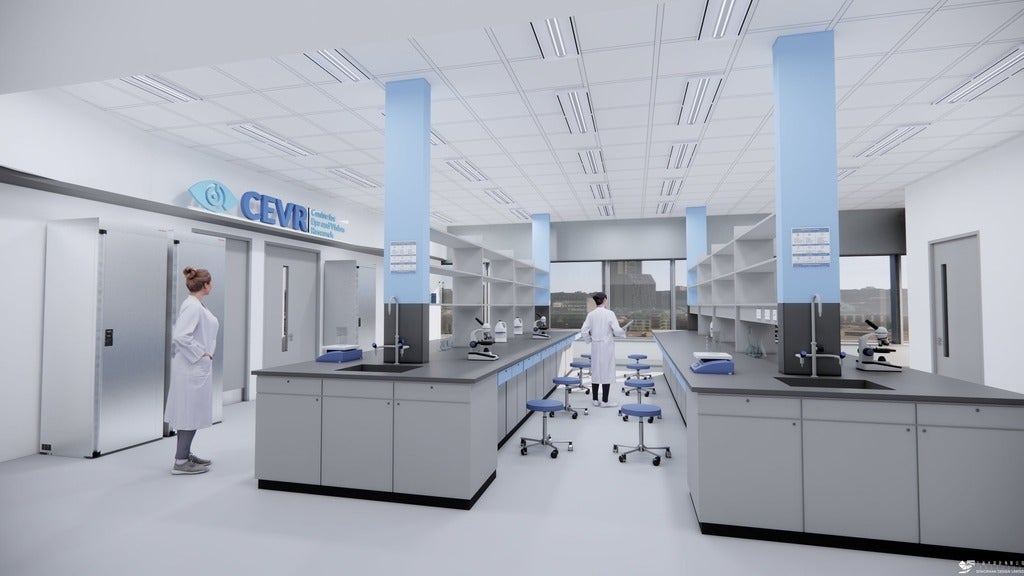
The University of Waterloo, in partnership with Hong Kong Polytechnic University, has launched the world’s first international hub for vision science. The Centre for Eye and Vision Research (CEVR) is a joint collaboration between Waterloo and Hong Kong Polytechnic University (PolyU) and follows a 2018 Strategic University Partnership Agreement between the two institutions.