Investing in better societal and climate futures
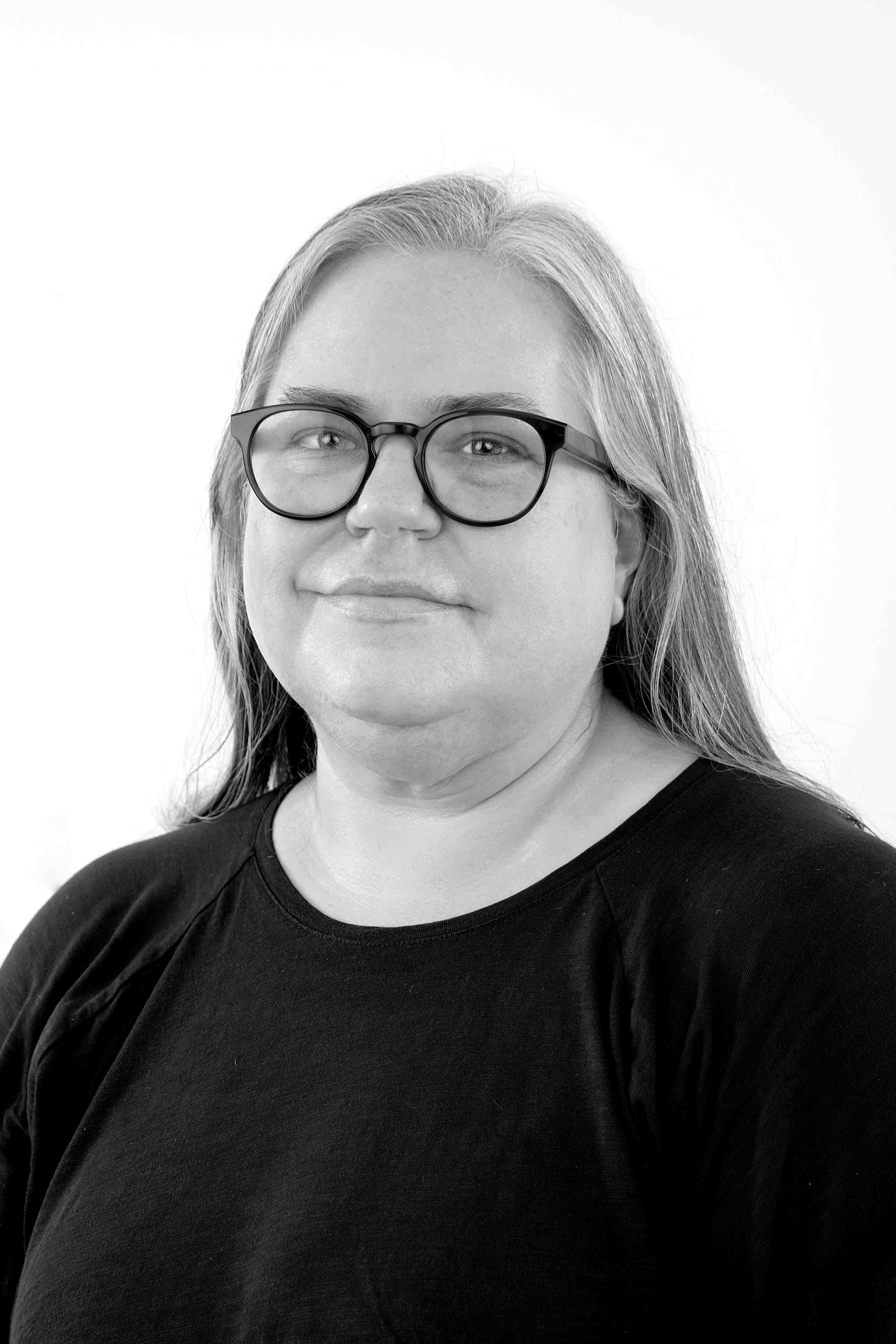
Heather Matson (BA '98) was an undergraduate in Waterloo’s Applied Studies program, majoring in Spanish, and later earned her MBA from the London Business School. Today she is the Global Head of Nature & Biodiversity and Gender Finance at Bankers Without Boundaries (BwB). She has extensive expertise in policy and regulatory change as well as capital markets, gained through senior public and private sector roles with organizations such as the International Finance Corporation, the Canadian International Development Agency, Lehman Brothers, Nomura, Barclays, and Royal Bank of Canada.
Heather shares a bit about her experience — from Arts undergrad to finance leader.
How did your undergraduate experience at UWaterloo help prepare you for the work you do today?
I’ve had a slightly unexpected career path in some ways but I think the key thing that my undergrad experience at UW instilled in me was a strong sense of my place in the wider world. The multidisciplinary approach of what was then Arts Applied Studies exposed me to a broad range of global issues and topics that has proven exceptionally helpful in pursuing a largely international career.
When I started, my career goal was simple: live abroad and travel. UW gave me the range of knowledge and skills to navigate the world with confidence. More importantly, it helped me reflect on the kind of impact I wanted to have. That reflection ultimately led me to leave traditional investment banking and join BwB, where I could align my professional skills with a deeper sense of purpose.
What is the unique approach to financing at BwB?
Climate change and its impact in terms of rising temperatures and increasingly unpredictable weather is now with us in real time. And it’s abundantly clear that governments alone lack the financial resources to tackle this challenge. Creativity is therefore needed to try to mobilise private capital into the space. BwB was created precisely to address this gap, by taking the expertise, creativity and innovation that exists within traditional investment banking and financial services and directing it toward the climate (whether adaptation or mitigation), green and social challenges that we as a planet are currently facing.
From supporting city decarbonisation commitments in Europe to developing green bond markets and innovative models for health and education financing in Africa, our work shows that there is a compelling investment case for private capital to help finance climate and the green transition.
Tell us about your focus on the social part of ESG investing (environmental, social, governance).
At BwB, gender and social issues was an obvious sector of interest for me to dive into. According to the World Economic Forum, at the current pace, it will take 123 years for women to achieve gender equality. Simply put, more needs to be done.
That said, the “S” in ESG investing is often overlooked because it’s seen as harder to measure. The “S” is more than just gender because investing in social outcomes improves employee engagement, boosts company performance, and can drive growth. The European Investment Bank estimates that providing women with equal opportunities could create an additional $160 trillion in global wealth. The case is compelling across moral, economic and financial angles. But why isn’t this happening? It’s a question worth asking.