A place where you belong
Two Waterloo scholars on the social and emotional benefits of joining alumni events
Whether it’s the rise of online life, the decline of social organizations, or lingering pandemic habits, people are spending more time alone. Most of us could use a little more community in our lives.
Waterloo psychology professors Heather Henderson and Dillon Browne both research belonging and wellbeing. Belonging, says Browne, is “being part of an entity or system so that one feels like an integral and indispensable component—so you matter.” And he emphasizes, “It’s important across the lifespan, including into old age. Everything suggests people are healthier and live longer when they feel like they are connected to others.”
Discussions of belonging often centre intimate relationships and longer-term communities. But Henderson points to a relatively new concept: social embeddedness.
Ties that still bind
Social embeddedness is the feeling that you belong to something bigger than yourself. “And social embeddedness matters a ton to how people feel,” Henderson says. Recent studies show we can draw a sense of embeddedness from a wide range of social frameworks, from attending a concert to keeping up with celebrity gossip.
Whether it’s at Homecoming, a lecture on campus, or one of the alumni nights held around the world, reconnecting with other alumni can give you that buzzy sense of social belonging. “It doesn’t have to be that you’re coming back with a best friend,” Henderson explains. “It’s that you’re coming back to a collective, a group that you were part of. That’s exactly what alumni events do: give us the opportunity to feel embedded in that bigger community. Experiencing something as part of a group, your positive affect goes through the roof.”
From embeddedness to loose connections
Once you’ve dipped your toes in, regularly attending alumni events might even help you expand your network of what’s called “loose connections”— the contacts beyond your close circle of relationships. “Maybe it turns out your kids are going to the same university. Or you might form professional links. Often those connections can become helpful,” Henderson says.
The benefits of touching grass
Social media tries to replicate that feeling of reunion to some extent—but there’s no match for the emotional and cognitive boosts of being physically present together, agree Browne and Henderson.
“A lot of us are working at home and not seeing people in the same way,” says Browne. “It’s one of the challenges of our time, that we’re more connected than ever yet we have lower belonging.” Getting out of the house to encounter people is critically important for mental health: “You can inadvertently act your way into thinking and feeling like a depressed person!”
Whether you’re amid the sights, sounds and smells of a campus event or sharing stories with fellow alumni at an off-campus reunion, you might be surprised by the way your own story comes rushing back to you. If you’re feeling a little shy about joining in, Henderson notes that reunion events offer built-in supports for conversation with strangers and old acquaintances. You already have shared experiences of courses, professors, residence - or breakfasts at Mel’s Diner (yes, it’s still there!). So come on over and join us!
Intrigued? Explore the full range of alumni events—and know that you’re always welcome back to campus!
A reunion to remember
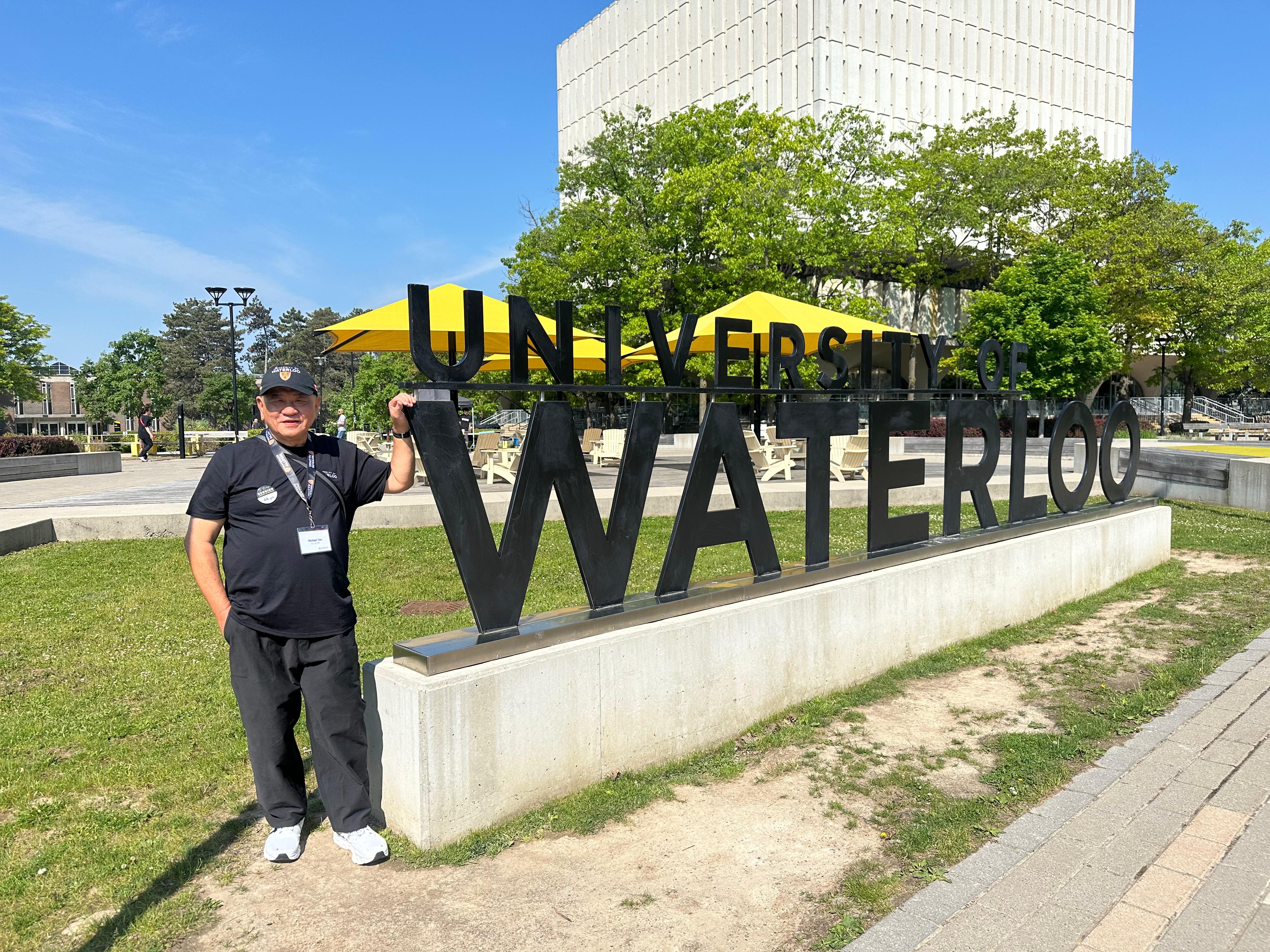
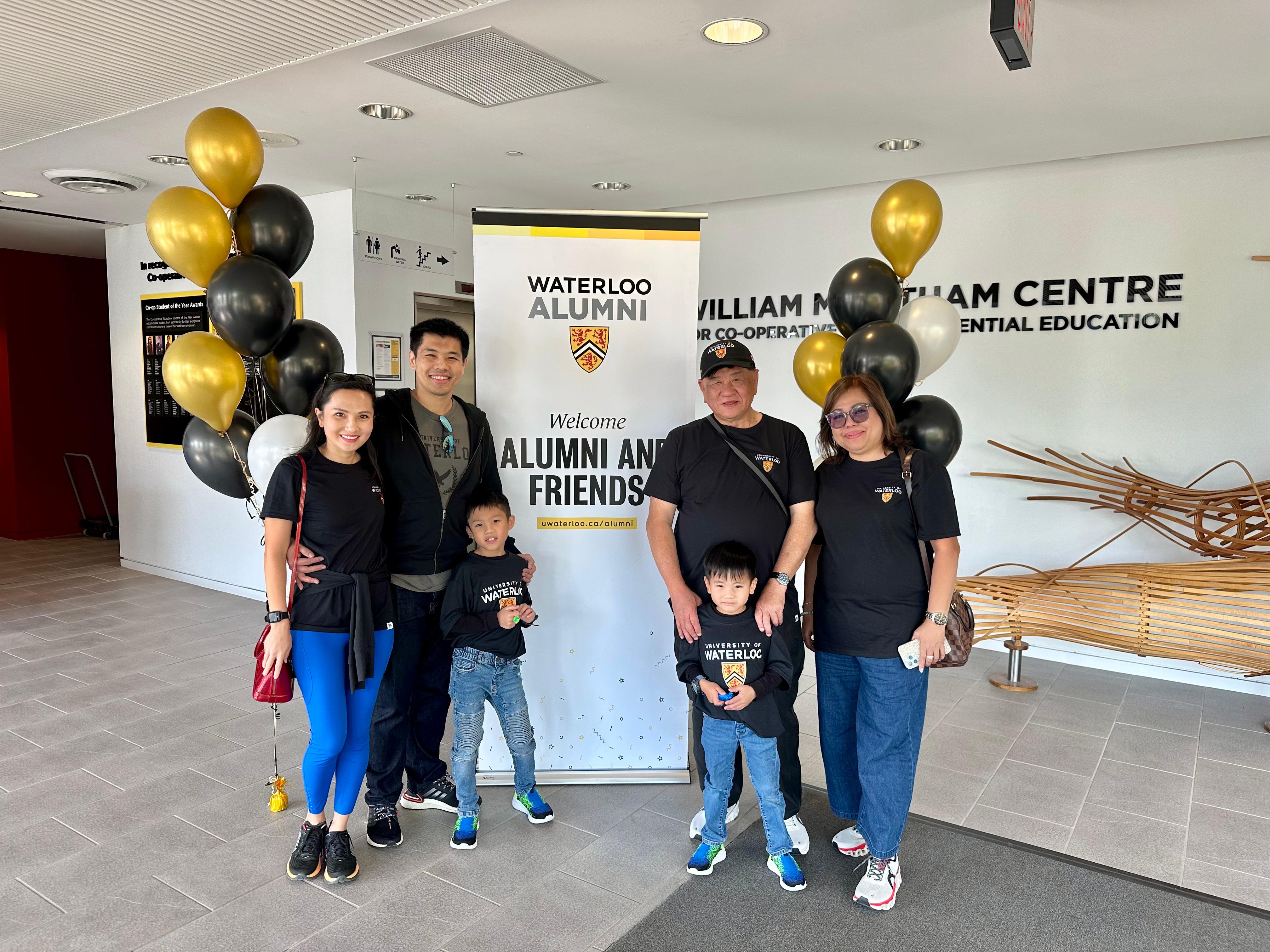
Reunion 2025 brought back Arts alumni from as far as Malaysia and Singapore! Thank you for joining us—and for sharing photos from your visit.

Michael Tee (BA ’81) is back on campus (and in Canada) for the first time since graduating.

Anish Bhavsar, (BA ’07), found his graduation photo hanging in Hagey Hall.

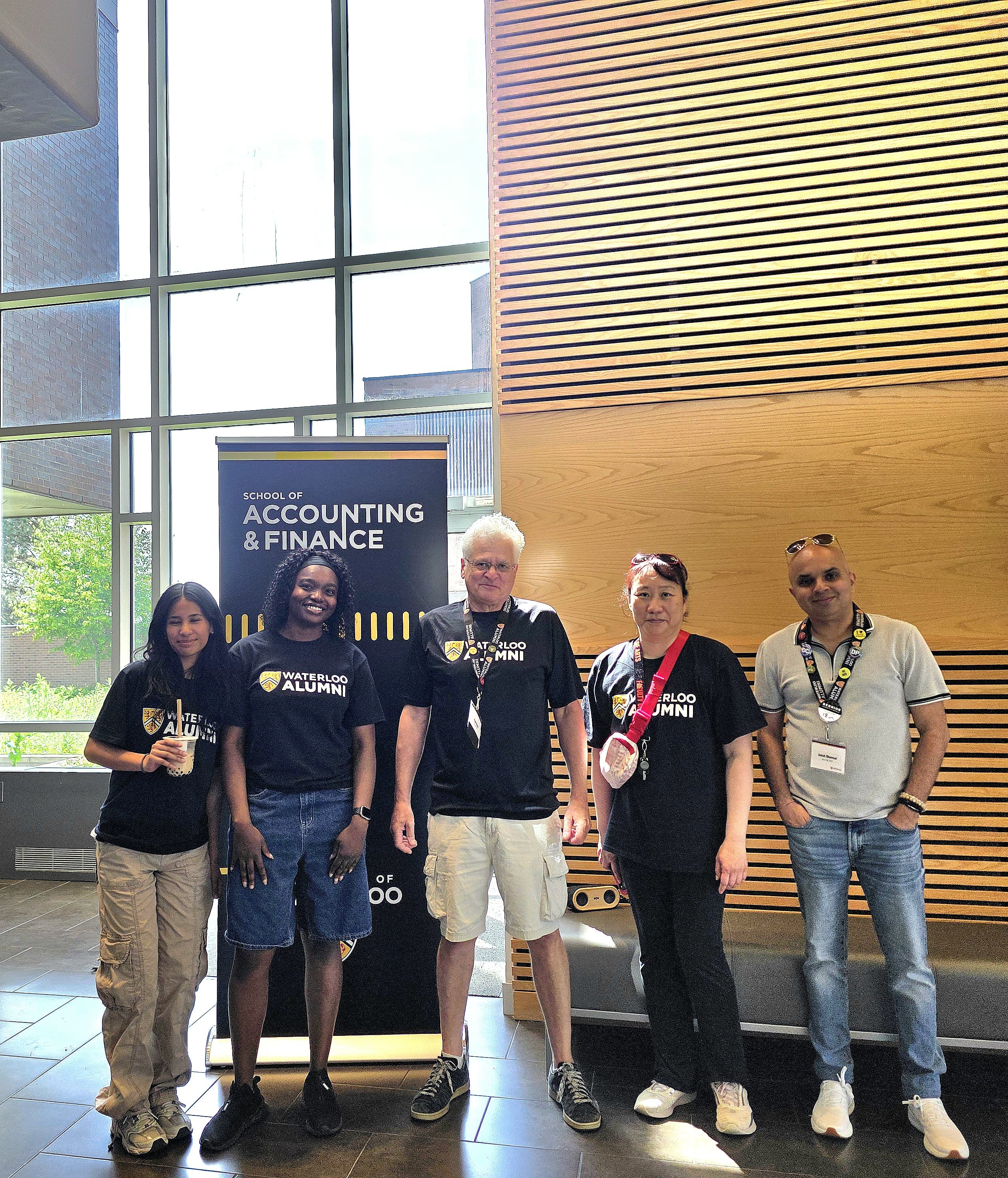
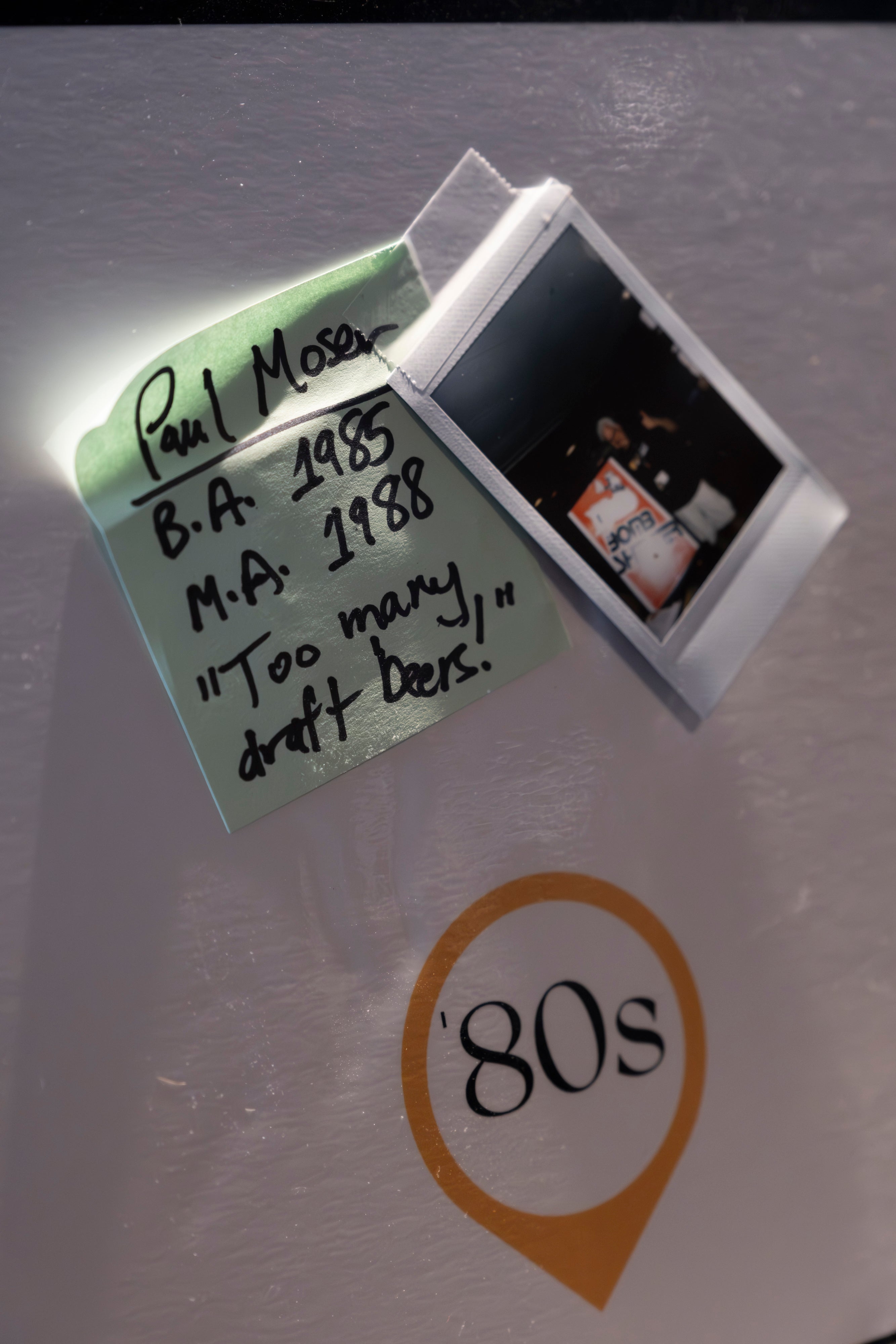
Paul Moser (BA ’85, MA ’88) (middle) with Phoebe Wong (BA ’98) and Anish Bhavsar with Arts students (left), on their tour of Hagey Hall.

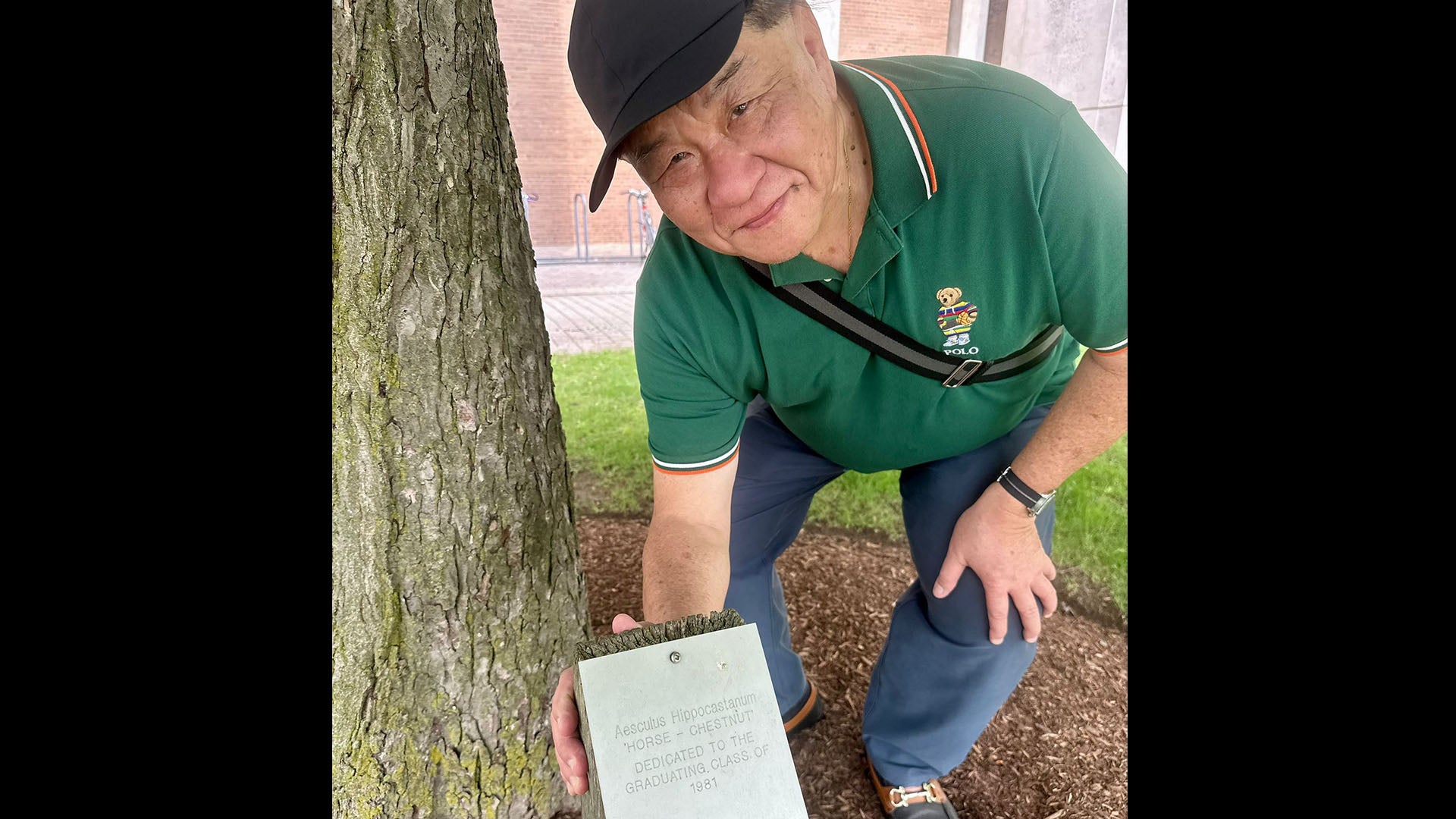
Michael Tee found his class tree along Alumni Lane.

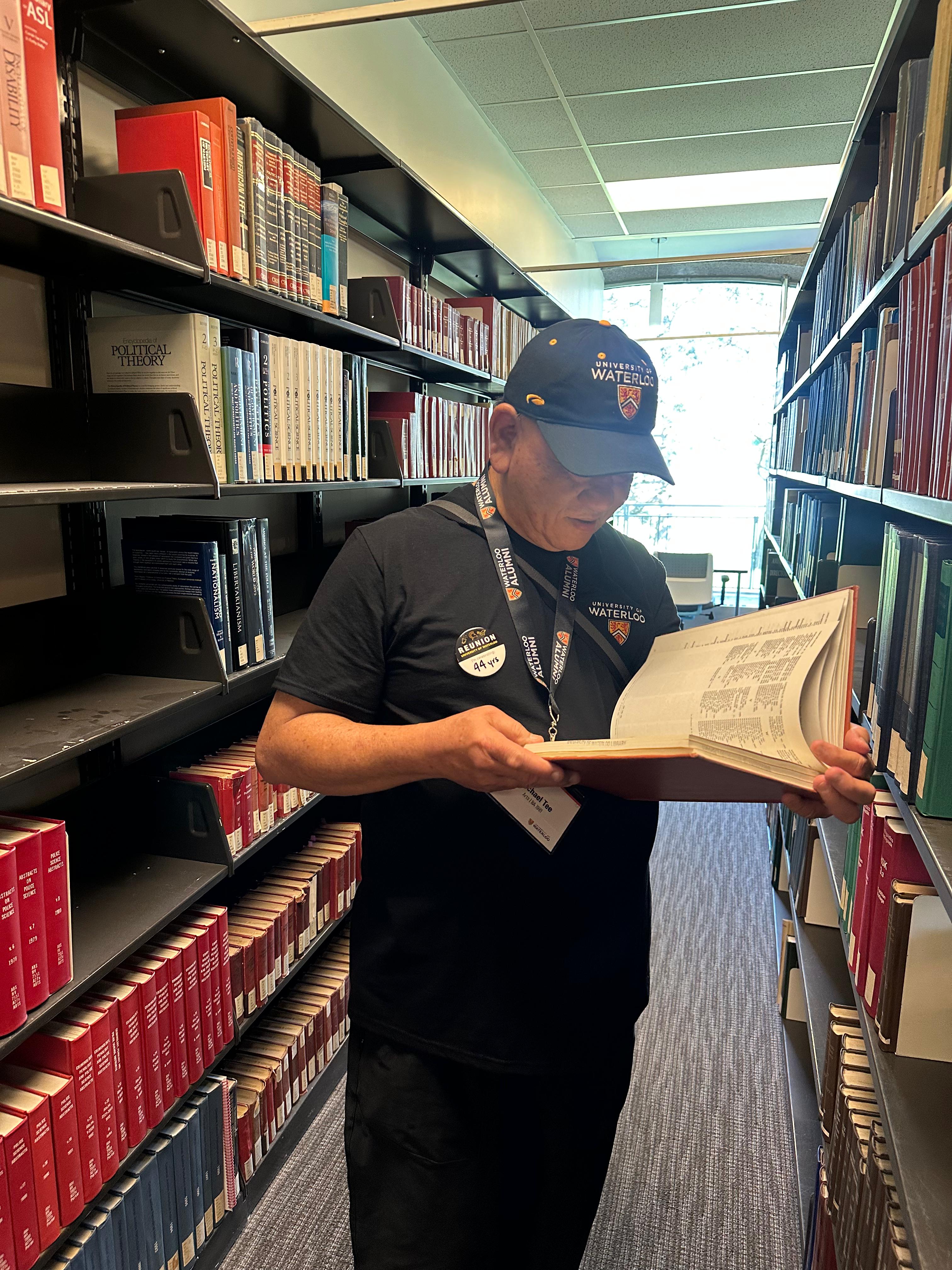
Michael Tee reminisces at the Dana Porter library.

Three generations of Tees, all the way from Malaysia and Singapore.

Paul Moser leaves a note at The Bombshelter.

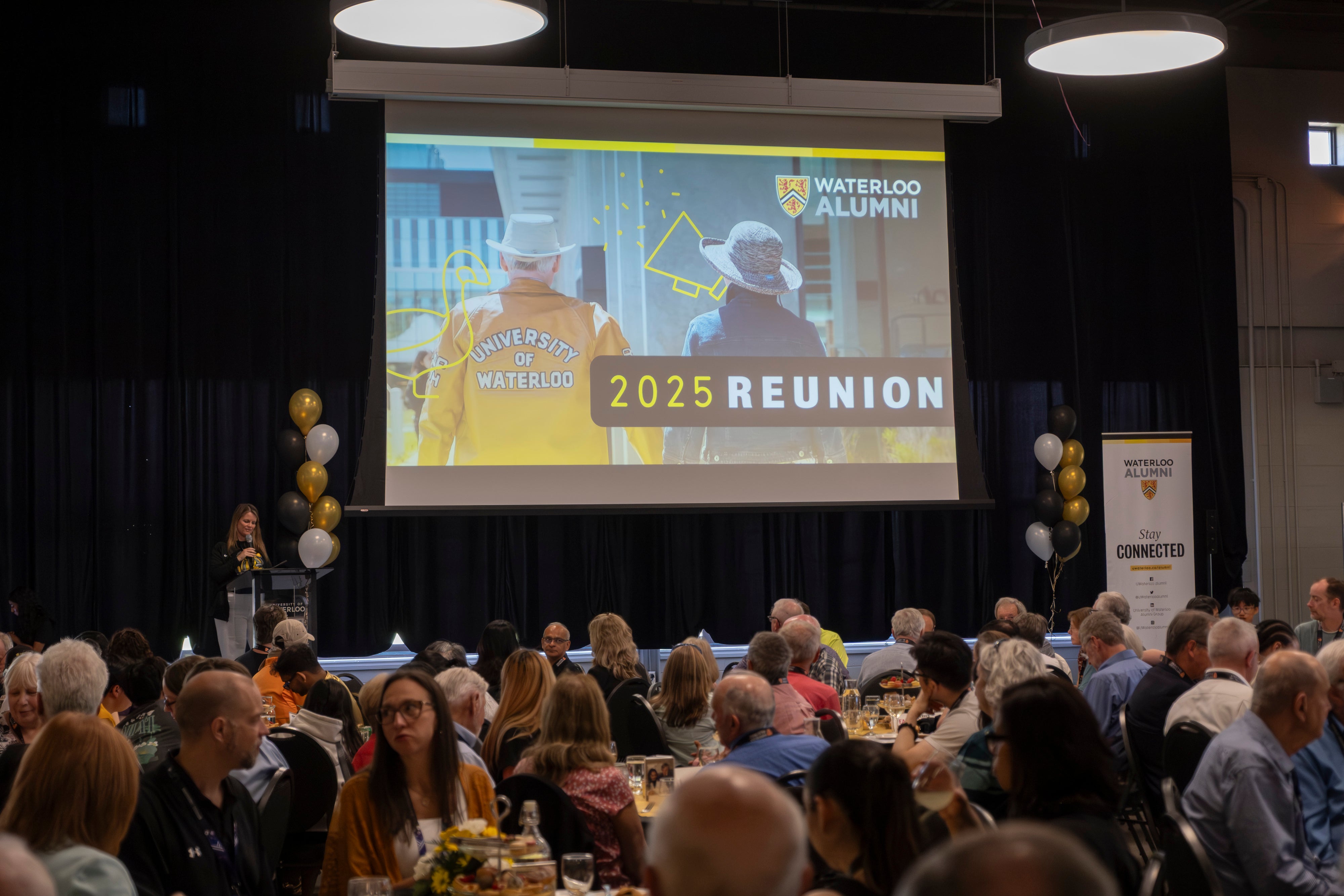
Photos from the Forever Black and Gold Luncheon.