Niayesh Afshordi
Dr. Afshordi dabbles in Astrophysics, Cosmology, and Physics of gravity and is obsessed with observational hints that could help address problems in fundamental physics.
Michael Balogh
Professor Balogh's research uses the world’s largest telescopes to study the physical properties of distant galaxies. Through spectroscopy we can learn about the distances, ages, chemical composition and star formation histories of these galaxies.
Avery Broderick
Dr. Broderick works to explain the fundamental physics of black holes and their observable characteristics. Black holes are sites where strong gravity dominates everything, from the dynamics of orbiting material to the shape of spacetime itself.
Richard Epp
Richard is a lecturer in the Department of Physics and Astronomy. His research background is in general relativity but his main responsibility is undergraduate teaching and undergraduate student advising.

Mike Fich
Dr. Fich is an astronomer specializing in studies of star formation, the interstellar medium, and the structure of galaxies. His recent research activities have focused on “small scale” formation studies of low and intermediate mass stars, circumstellar disks, and the formation of proto-solar systems.
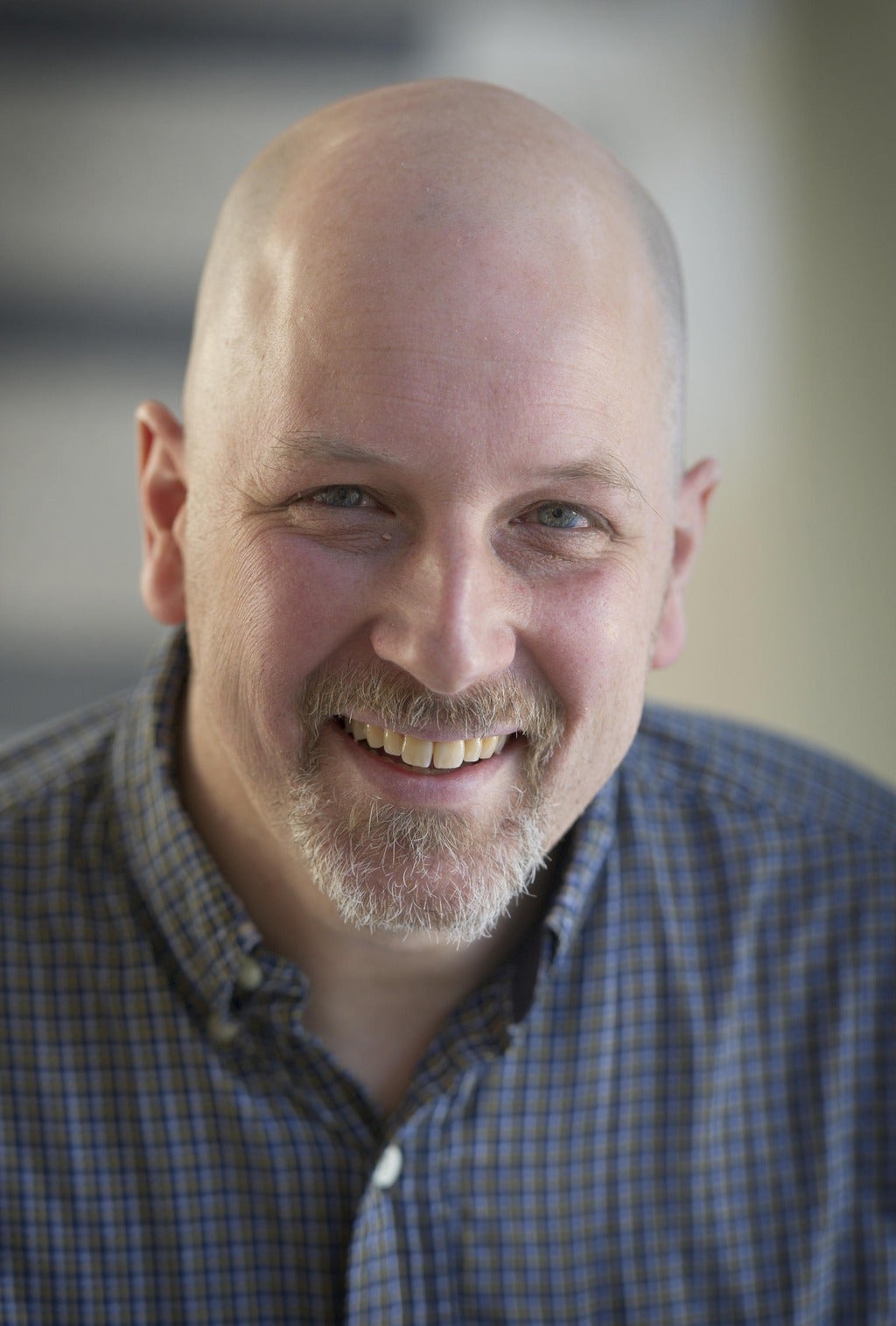
Mike Hudson
Broadly speaking, Professor Hudson's research is in observational and theoretical cosmology, particularly Galaxy Formation, and measuring the properties of dark matter and dark energy through Gravitational Lensing, Cosmic Flows and Large-scale Structure.
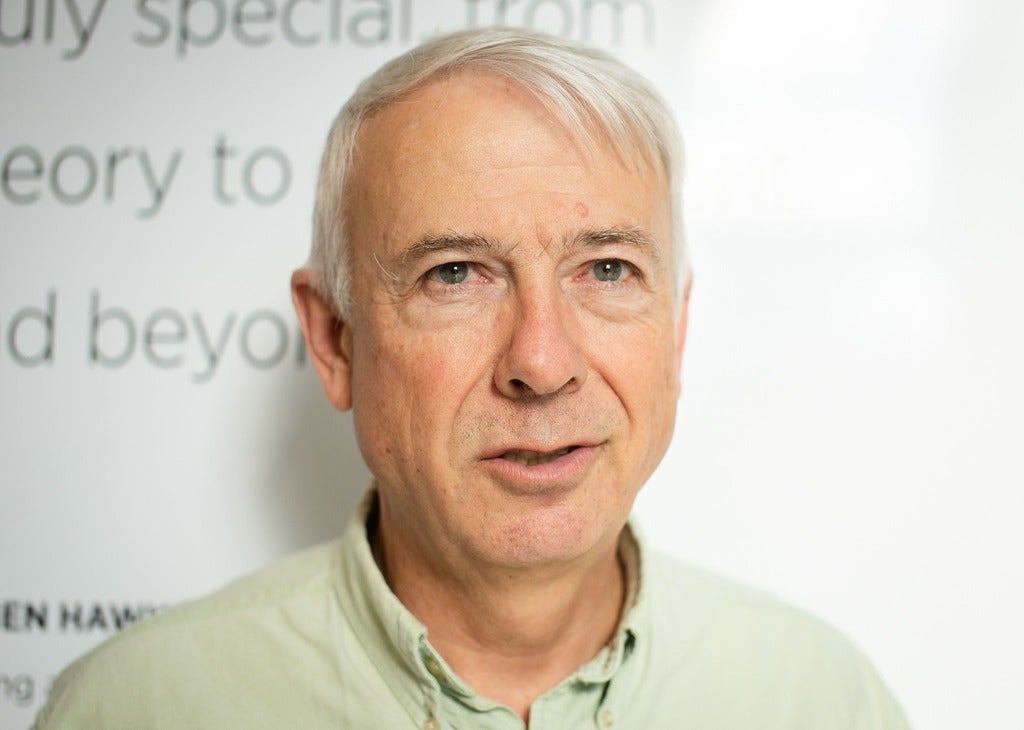
Robert Mann
Professor Mann works on gravitation, quantum physics, and the overlap between these two subjects. He is interested in questions that provide us with information about the foundations of physics, particularly those that could be tested by experiment.
Brian McNamara
Giant black holes weighing upwards of one billion times the mass of the Sun are thought to lurk at the centers of all massive galaxies. Energy released by spin breaking and infalling matter onto such supermassive black holes may be regulating the growth of galaxies and clusters of galaxies.
James Taylor
Dr. Taylor is using whatever tools he can, including numerical simulations, astrophysical theory and observational data, to try to figure what dark matter is, where it is, and how it behaves.
Achim Kempf
Hello! Our lab is a theory lab and my group and I are working on basic questions related to information theory, quantum theory, general relativity and cosmology.