TERRITORIAL ACKNOWLEDGMENT
The Department of Chemical Engineering acknowledges that much of our work takes place on the traditional territory of the Neutral, Anishinaabeg and Haudenosaunee peoples. Our main campus is situated on the Haldimand Tract, the land granted to the Six Nations that includes six miles on each side of the Grand River. Our active work toward reconciliation takes place across our campuses through research, learning, teaching, and community building, and is co-ordinated within the Office of Indigenous Relations.
A MESSAGE FROM THE CHAIR

Mario Ioannidis
Professor and Chair
Thank you for your interest in the Department of Chemical Engineering’s 2025 Capstone Design projects. For our students, Capstone Design represents the end of a nearly five-year long journey through experiential learning, which began with first-year studio courses and progressed through several co-operative education work terms and immersive projects in state-of-the art laboratories. But as the poet said, “to make an end is to make a beginning” and this exceptional group of students - the Class of 2025 - is poised to tackle a wide range of challenges facing sustainable development in a world of rapid technological change.
This Capstone Design collection marks the culmination of our students’ final year, during which they identified, conceptualized and created their own designs under the guidance of our program’s instructors and mentors. Here, you will see the technical, problem solving and leadership skills of our graduating class – future engineers with the knowledge and motivation to adapt to our changing world and make it a better place. We appreciate you taking the time to see for yourself how our students’ years of hard work are translating into new ways of improving society.
Innovation, Resilience and Determination Chemical engineering has always been integral to many aspects of our society: energy, the environment, food supply, healthcare and manufacturing, to name a few. Now more than ever technological solutions in these areas must have sustainability as the number one priority. Our graduating class, as future engineers, will demonstrate leadership in creating green energy, and designing resilient solutions for responsible consumption and production of materials. Our students have the determination to bring their inventive ideas, processes and products from the lab to their communities and the world.
Appreciation Many thanks to the mentors, technical support staff and industrial sponsors who made these projects possible. Your involvement helps our students develop their skills and is a crucial aspect of our program. Thank you for learning about our students’ accomplishments. Our graduating class is well-prepared to meet today’s challenges and make positive changes for the future. We all look forward to seeing the great things they accomplish with their diverse skills.
Sincerely,
Mario Ioannidis, PhD, PEng, FEC
Professor and Chair
mioannid@uwaterloo.ca
P.S. Industry involvement, which helps our students develop their skills and ideas, is crucial to our students’ success. To share ideas for future Capstone projects or learn more about how to get involved in the excitement next year, please contact the Chemical Engineering Capstone Co-ordinators, Professors Valerie Ward & Eric Croiset. The process is rewarding on all sides.
CAPSTONE DESIGN PARTICIPANTS
1. SmartDose
2. B-Solid: Process Development and Plant Design for Solid-State Battery Production
3. Oxygen-Generating Hydrogels for Diabetic Wound Healing
4. Direct-Li
5. Polymer Recovery from Textile Recycling: Weaving a New Lifecycle
6. Emission Capture for Battery Nail Penetration Testing
7. Design of Ammonia-Hydrogen Combustion System for Sustainable Energy Production
8. Design of a Nanomaterial Membrane System for Arsenic Removal in Drinking Water
9. DNA-Based Identification System for Carbon Capture Systems
10. Delta Zero
11. Fertilizer Runoff Filtration System
12. Improving the Separation of Contaminants from Recycled Fibers in Stock Prep Process
13. ThermaSolar – Smart Heat Regulation for Solar Performance
14. FOAMTASTIC: Polystyrene Re-Purposing to Reduce Landfill Waste
15. Plastic Waste to Blue Hydrogen: A Model for Sustainable Production
16. Development & Optimization of a Polylactic Acid Polymerization Reactor
17. Aquacycle: Smart Home Water Recycling System
18. Modular Water Treatment Plant for Six Nations of the Grand River
19. DLC: Dynamic Leaching Control for Black Mass Recycling
20. NaCl-ater!: Desalination of Ground Water in Gabura Union, Bangladesh
21. AlCO2: Aluminium-CO2 Reduction Flow Cell for Energy Generation
22. Thermoregulation of Outdoor Ice Rinks Via Phase-Change Heat Reservoirs
23. Breaking Down Barriers: Bioengineering Pathways to Dissolve Plastics
24. Bio-Inspired Wind Turbine Modification
25. Renewable Natural Gas Production Through Biogenic CO2 Capture & Conversion
26. Real-Time Dosimetric Patch for Safer Radiation Therapy
27. Beyond the Battery: Extracting Power from Waste in Al-Air Batteries
28. PlastAway Pods: Improved Biodegradable and Water-Soluble Films for Detergent Pods
29. Team Cyclone

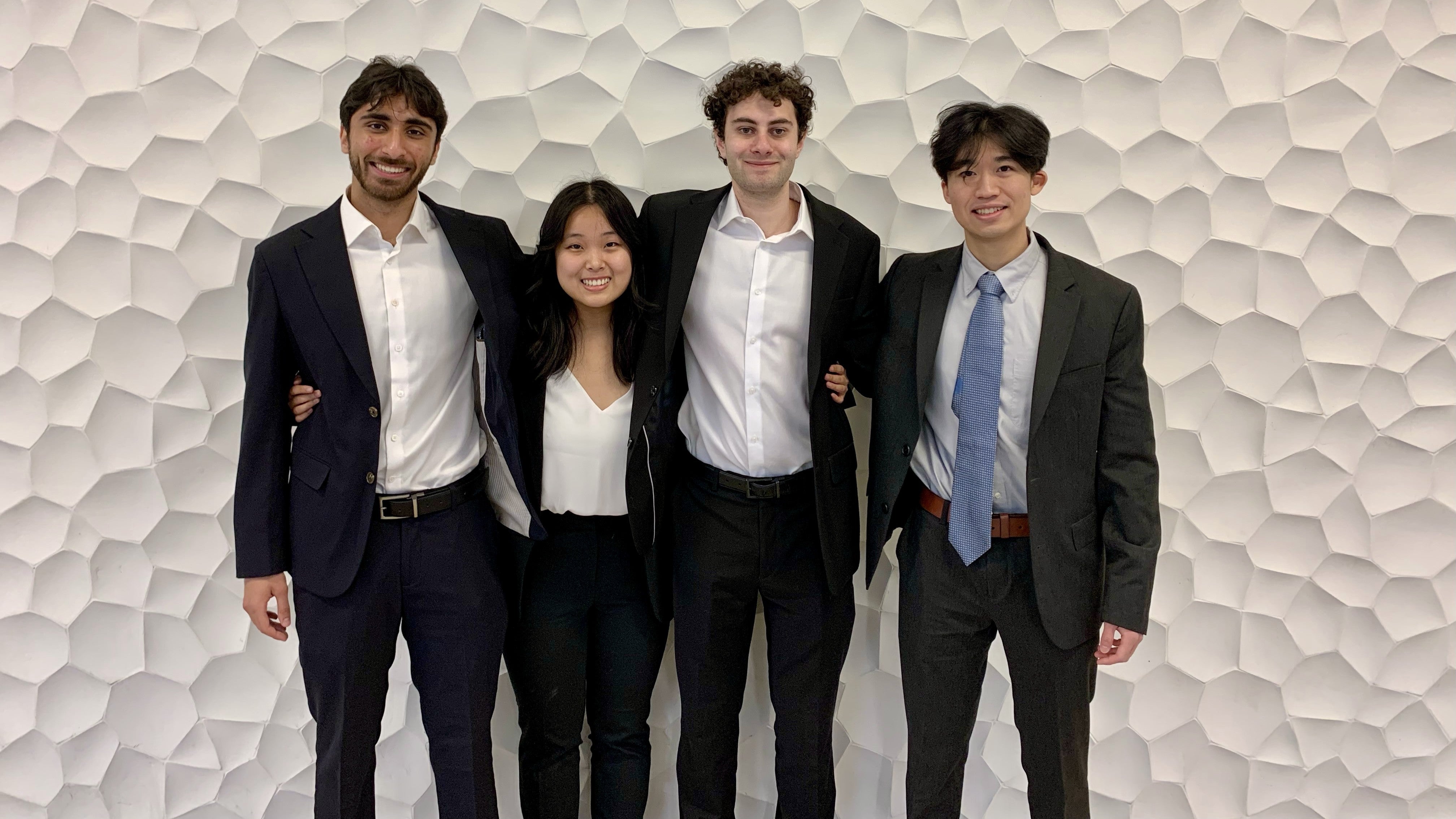
1. SmartDose
Ethan Coutinho, Max Freudenthaler Galvan, Matthew Liu, Huffington Xu, Ray Xu
SmartDose is a next-generation epinephrine injector designed to enhance emergency drug delivery. Unlike traditional EpiPens, it features biometric authentication and a modular design, allowing for easy needle and vial replacement. By improving accessibility, reducing waste, and ensuring precise dosing, SmartDose offers a cost-effective, reusable alternative for anaphylaxis treatment.
2. B-Solid: Process Development and Plant Design for Solid-State Battery Production
Emaad Alam, Annie Zhang, Jonathan Pileggi, Gavin Jiawen Liu
Lithium-ion solid-state batteries are an emerging alternative to the traditional wet-electrolyte batteries used in today’s electric vehicles. They offer longer lifespans, faster charging times, and improved safety, driving a major push in the industry. Despite this, there are currently no mass production facilities for solid-state batteries. Our project focuses on developing, designing, and modelling a large-scale manufacturing process for solid-state batteries that is both technically and economically feasible to meet growing demands of the EV sector.
3. Oxygen-Generating Hydrogels for Diabetic Wound Healing
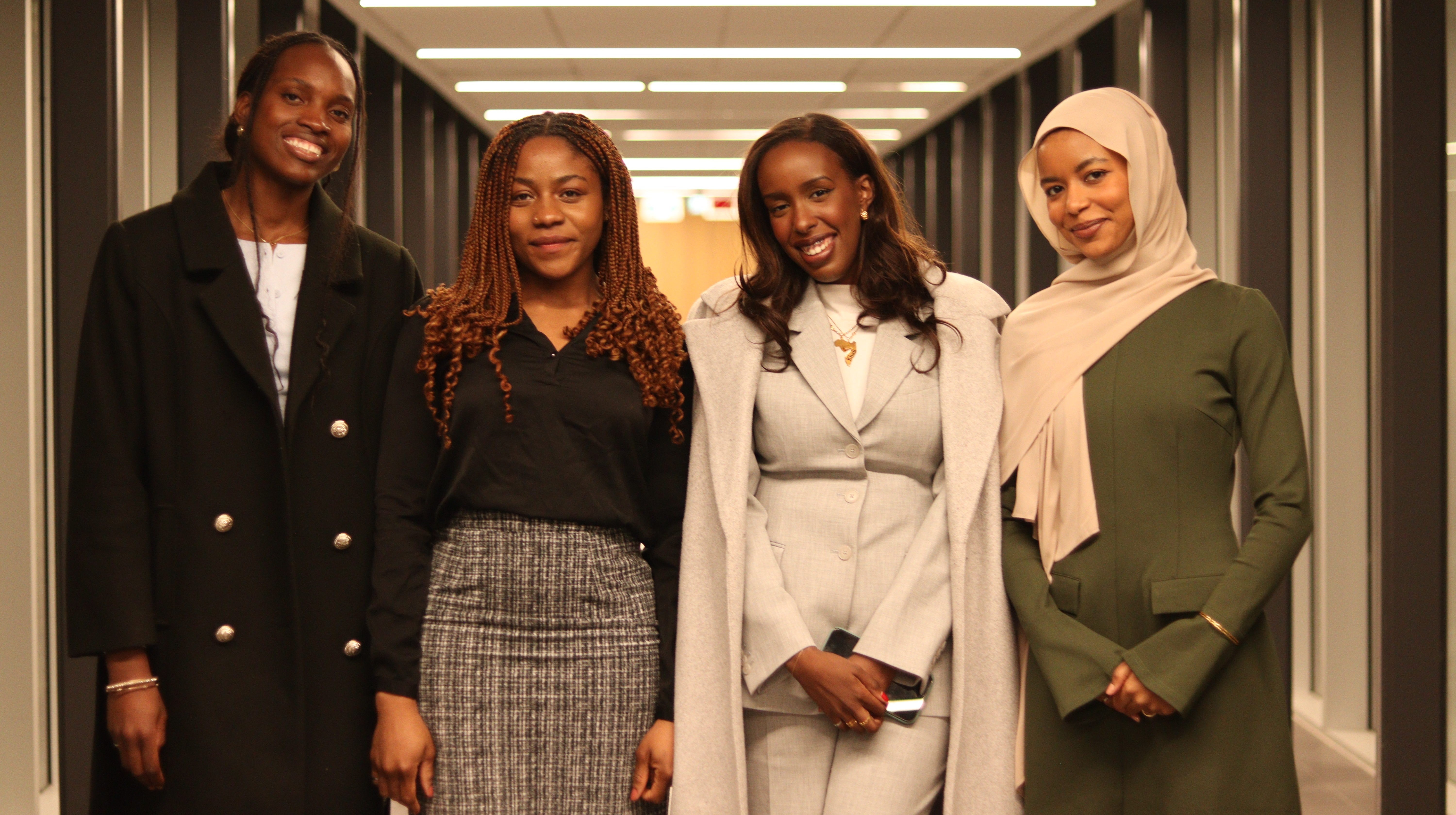
Khali Abdi, Aknan Ali, Aisha Biobaku, Nehita Oko-Oboh
Today, wound treatment options for diabetic patients are plagued with slow healing times and heightened risks of infection due to poor circulation, reduced oxygen supply, and chronic wound development. Our Capstone design project aims to develop oxygen-generating hydrogels for diabetic wound healing. The selected solution is a gelatin-based oxygen-generating tissue adhesive hydrogel, made by synthesizing thiolated gelatin (GtnSH) with dopamine (DA) and calcium peroxide (CaO2).
4. Direct-Li
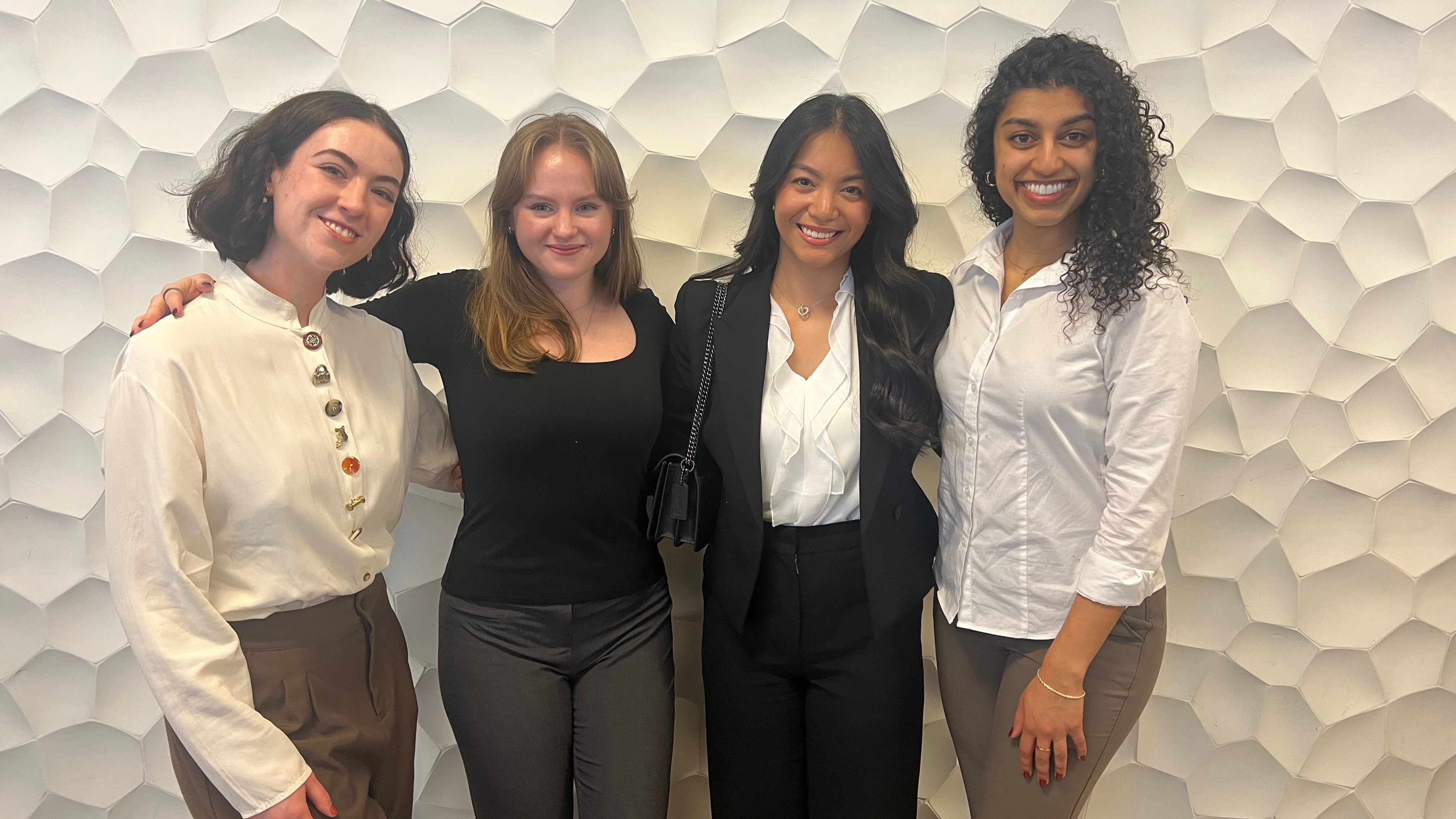
Sophie Campbell, Rachel Kumara, Maeve Seto, Louise Tayzon
The rising global demand for lithium-ion batteries is exposing inefficiencies in the industry standard for lithium extraction. The current method uses evaporative ponds in an expensive, lengthy process and has serious socio-environmental consequences for nearby communities. Our proposed design is a continuous two-stage Direct Lithium Extraction process, which will use nanofiltration and ion pump separation to extract 20% more lithium per kilogram in 50% of the time compared to industry standards.
5. Polymer Recovery from Textile Recycling: Weaving a New Lifecycle
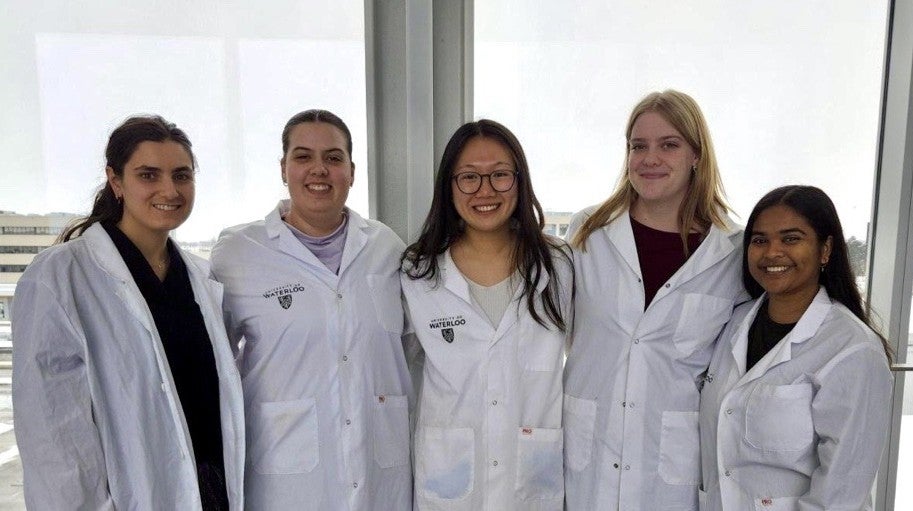
Samia Ahmed, Leah Metcalfe, Riley Purdie, Madeline Sain, Zoey Wei
Our project focuses on developing a sustainable solution to textile waste by recovering valuable polymers from cotton-polyester blended clothing used daily. We explore an innovative dissolution process using NaOH/Urea solvent to separate cellulose from polyester. We optimized conditions for effective separation through experimental trials and simulated a plant scale recycling process using ASPEN Plus. The environmental and economic viability of the process was assessed, offering an eco-friendly alternative to conventional textile disposal methods that prioritizes circularity in the fashion industry.
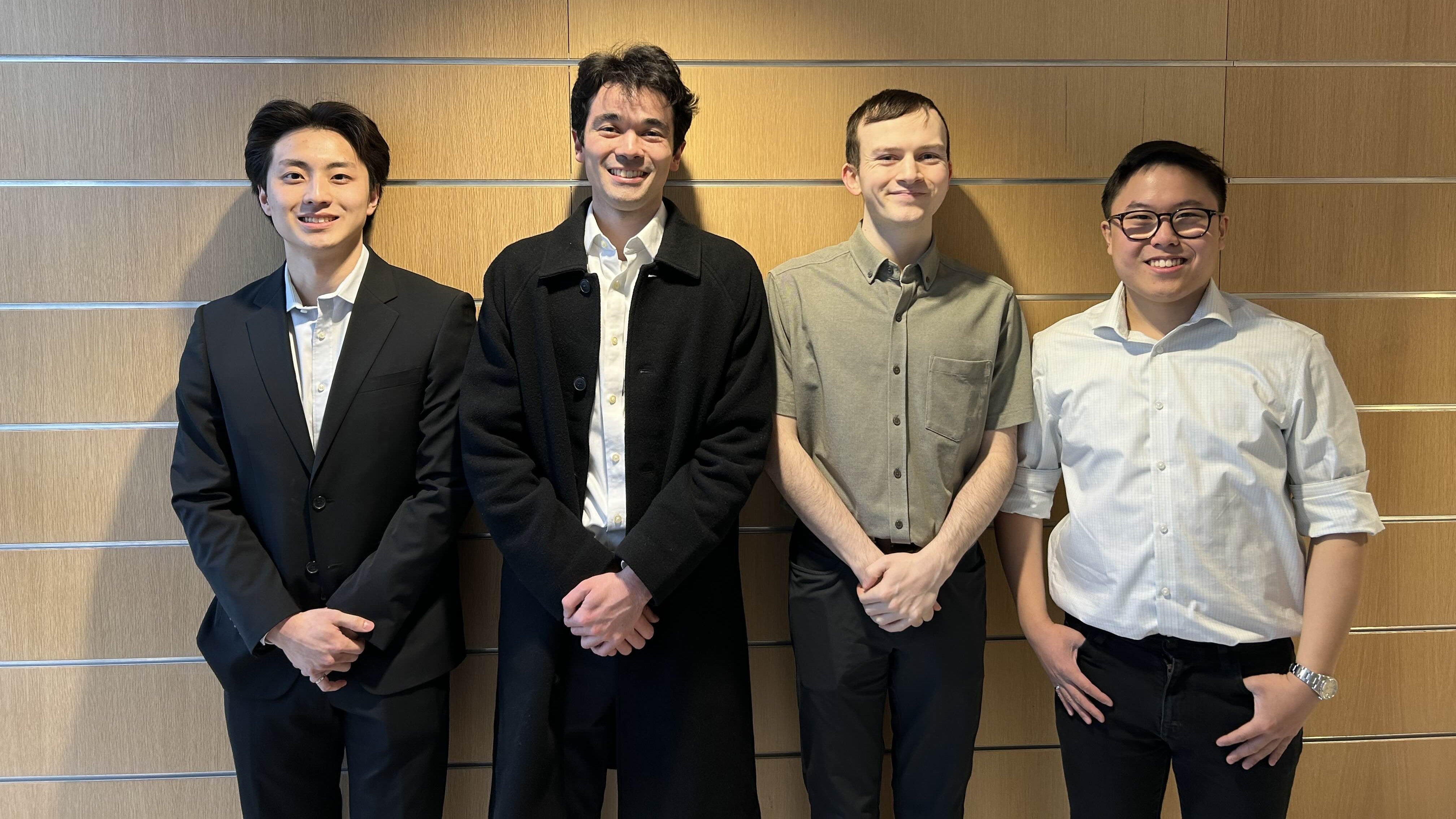
6. Emission Capture for Battery Nail Penetration Testing
James Brotherton, Donghoon Kim, Benjamin Lee, Michael Smith
Battery nail penetration testing evaluates battery safety by analyzing the conditions when the battery becomes damaged, usually fire and high temperatures. Damaged batteries also produce toxic gases such as carbon monoxide, but current nail penetration equipment does not analyze the gas emissions despite the information being valuable to battery manufacturers. Our project aims to design and test a system to capture gaseous and particulate emissions from nail penetration testing to evaluate the potential danger to human health and the environment.
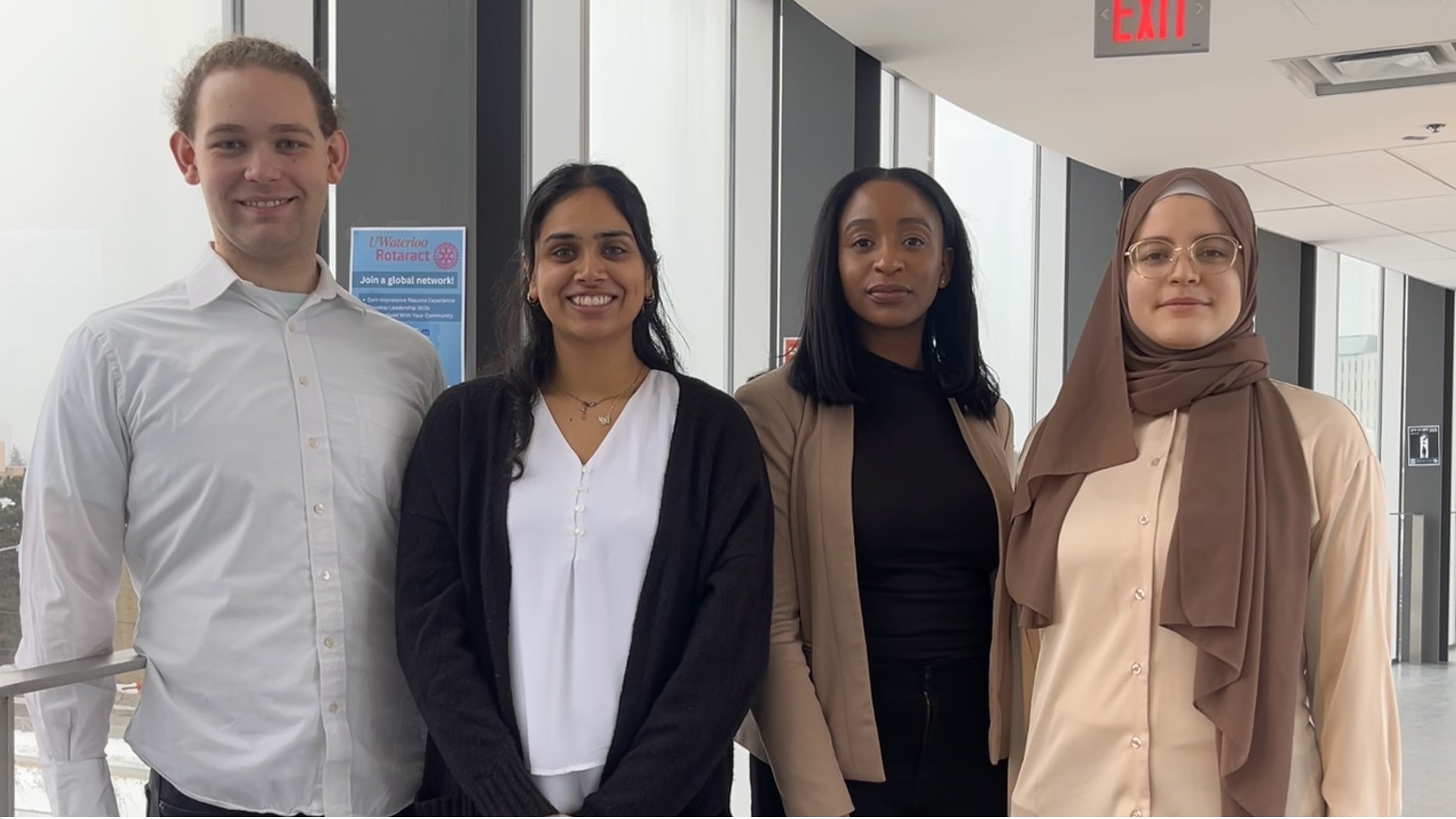
7. Design of Ammonia-Hydrogen Combustion System for Sustainable Energy Production
Huda Almalki, Naomi Attah, Bavneet Kaur Grewal, Alex Winter
In recent years, ammonia has been considered as an energy storage medium. This design aims to provide a way to sustainably support peak electricity demands by using a mixture of hydrogen and ammonia as fuel in a gas power plant. Key components of the design include a partial cracker to convert some ammonia into hydrogen, the generation of electricity through a gas turbine, and a NOx abatement system.
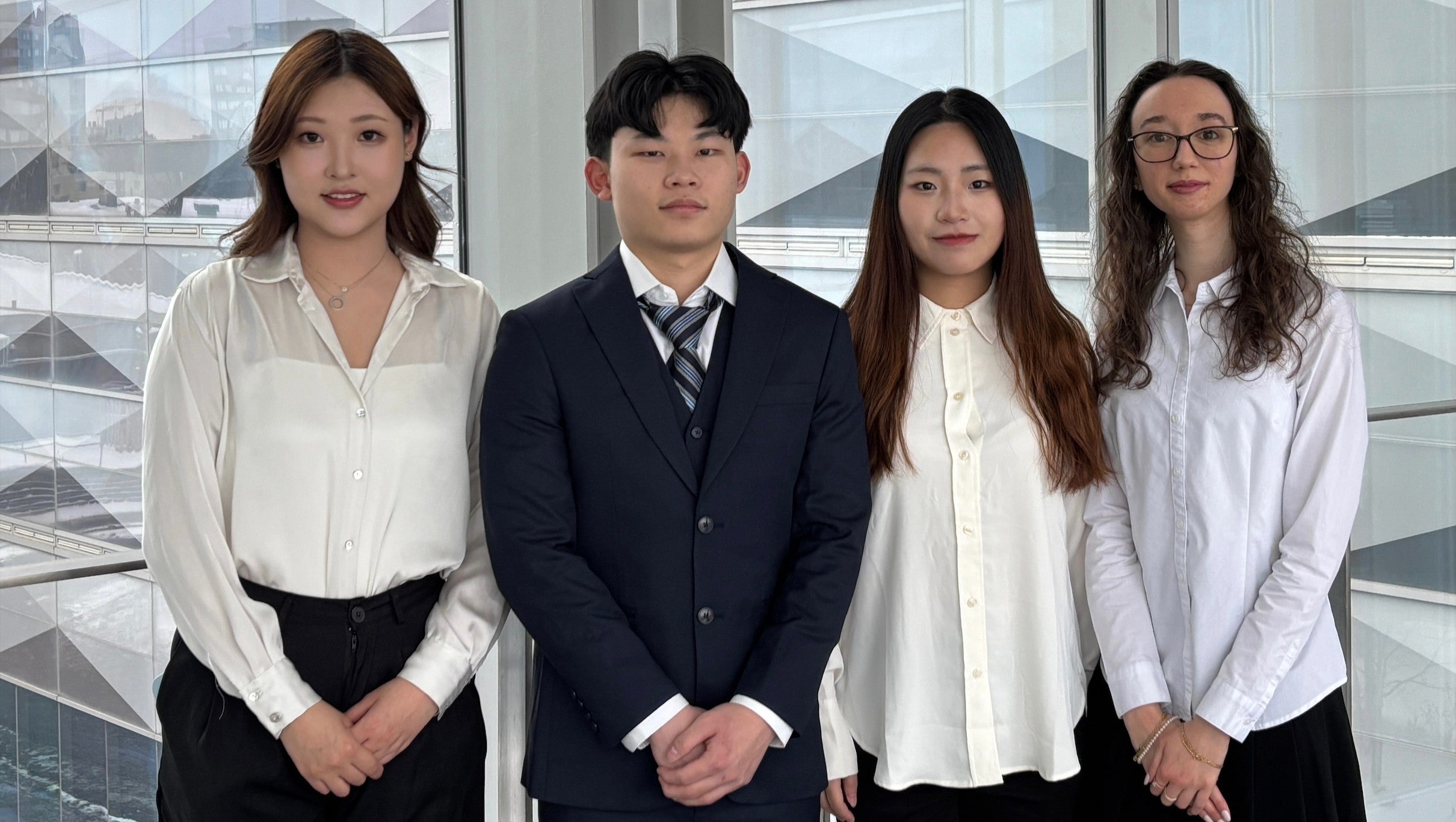
8. Design of a Nanomaterial Membrane System for Arsenic Removal in Drinking Water
Melina Brajuka, Sunny-Ke Jiang, Marcus Liu, Esther Lu
Arsenic contamination in water sources is a significant concern for the Yellowknives Dene First Nation community. This project focuses on designing a nanomembrane water filtration system to address this issue while prioritizing energy efficiency and cost. The goal is to create an efficient, reliable, cost-effective system with well-designed membranes and optimized system configurations. Through detailed modeling and performance analysis, this project aims to develop a practical filtration system that delivers safer drinking water to affected regions.

9. DNA-Based Identification System for Carbon Capture Systems
Samuel Asrat, Long Luu, William Tranchemontagne, Allen Zhang
Carbon capture is increasingly becoming feasible for industrial processes to reduce carbon emissions. This project aims to develop a novel identification system for tracking captured CO2 in liquid form. This will involve a DNA-based system that directly encodes a unique sequence for each batch of CO2. This project involves designing and sizing equipment for injecting and extracting DNA, and considerations for cleaning the equipment involved.
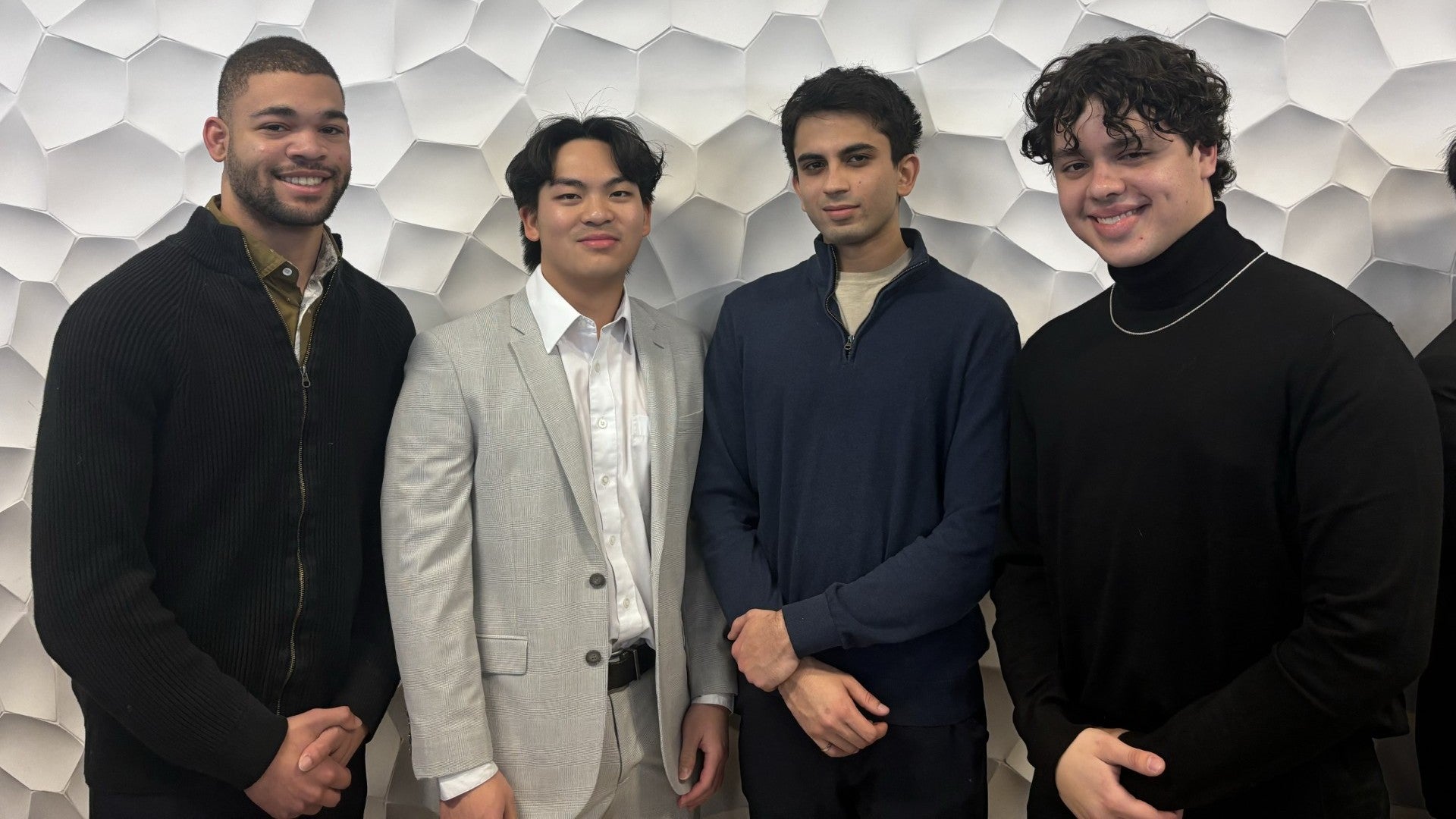
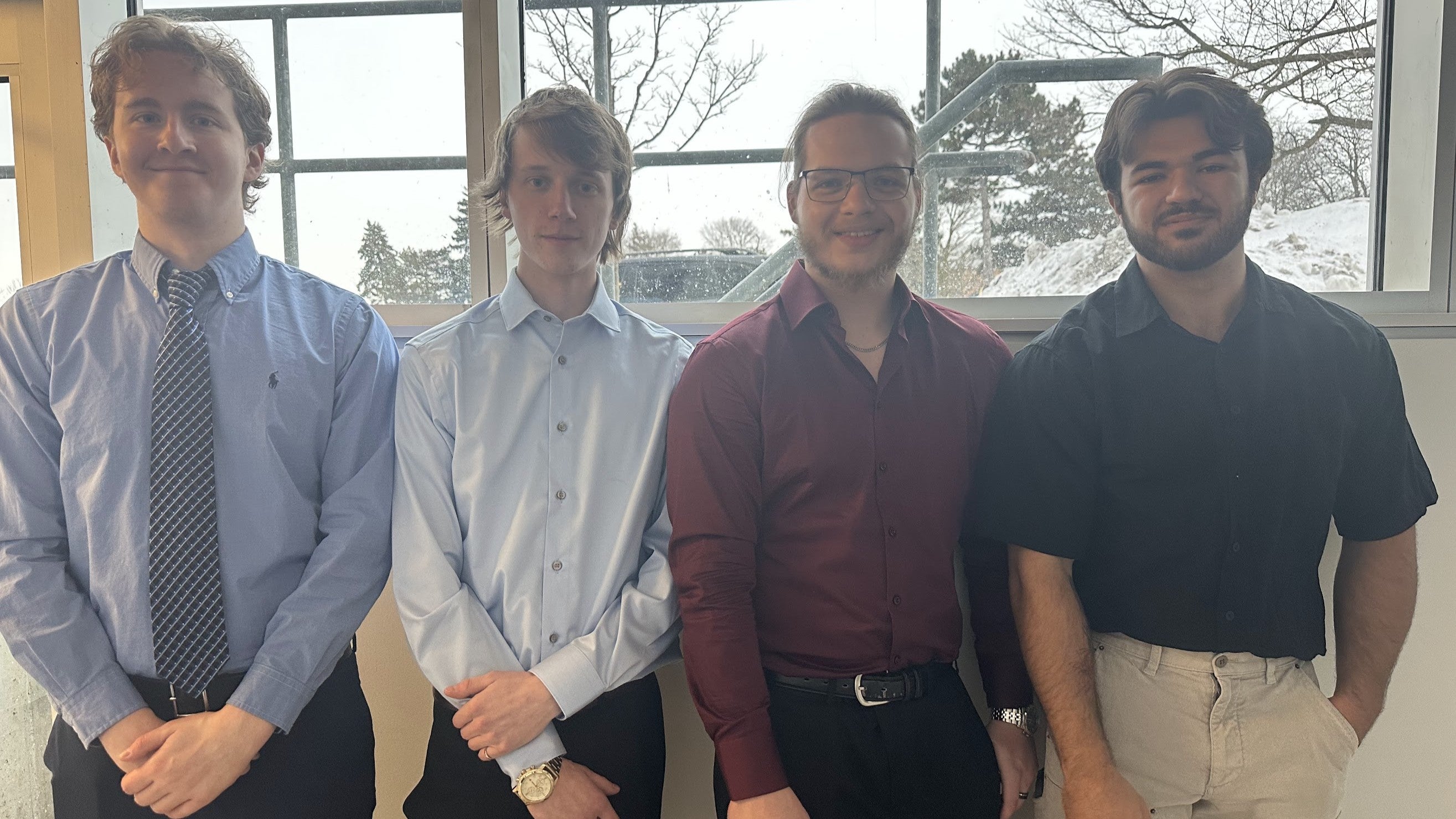
10. Delta Zero
Daniel Fonseca Cerrato, Cedric Jean-Charles, Ahmed Khan, Brendan Ng
Our project optimizes a CO₂ gas-fed electrolyzer by modeling heat transfer and electrochemical performance across varying pressures, temperatures, and humidity levels. Using a Pareto front approach, we employ multi-objective optimization to maximize energy efficiency while minimizing cost. A PID control system, implemented via Arduino, regulates inlet and outlet conditions at the anode and cathode using four pressure, temperature, and humidity sensors. By maintaining ΔT ≈ 0, we stabilize performance and extract key enthalpy data, providing researchers with important insights into system energy balance.
11. Fertilizer Runoff Filtration System
Logan Haggard, Micheal Shelley, Connor Smith, Kyle Vandermeulen
Fertilizers are formed using nitrates, which can be carried off the fields in runoff water into creeks and streams, which flow into the local water systems. When high levels of nitrates enter lakes and ponds, they can allow algal blooms to form, which are destructive to the local ecosystem and can be dangerous to nearby populations. Our project uses a polymer-based filter placed into creek beds near farms to adsorb excess nitrates and prevent algal blooms.
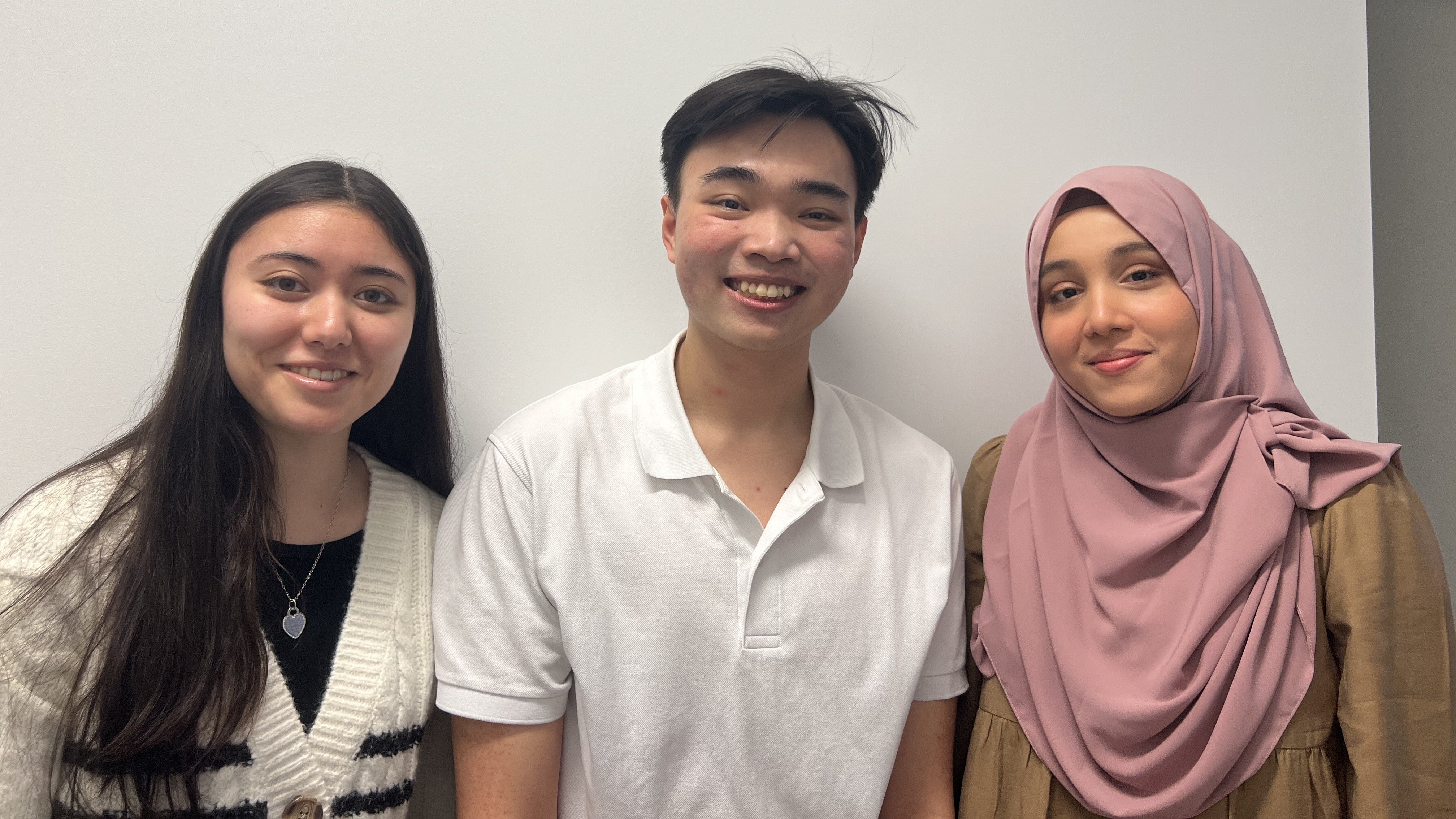
12. Improving the Separation of Contaminants from Recycled Fibers in Stock Prep Process
Simon Nguyen, Kjerste Thomas, Wamia Wamia
The world generates 72 million tonnes of cardboard annually, accounting for 17% of global waste. Our project aims to optimize the recovery of valuable cardboard fibres and contaminants removal during the stock preparation stage of paper recycling plants in the Greater Toronto Area (GTA). This improved process increases the fibre content in recycled cardboard production, leading to higher product yields. Additionally, the approach reduces energy consumption and raw material usage, making it a more sustainable alternative to current practices.

13. ThermaSolar – Smart Heat Regulation for Solar Performance
Ilker Livvarchin, Saihaan Munevar Garasia, Govind Sharma, Sam Erfani Zachi Yazd
As new trends and technologies in photovoltaics emerge, the demand for efficient solar farms grows. Overheating panels, especially in hot climates, lead to significant power generation losses. The ThermaSolar Project addresses this challenge by designing a closed-loop heat exchange system that optimizes solar panel surface temperatures. This design increases energy output, enhances system efficiency, and supports sustainable energy solutions.
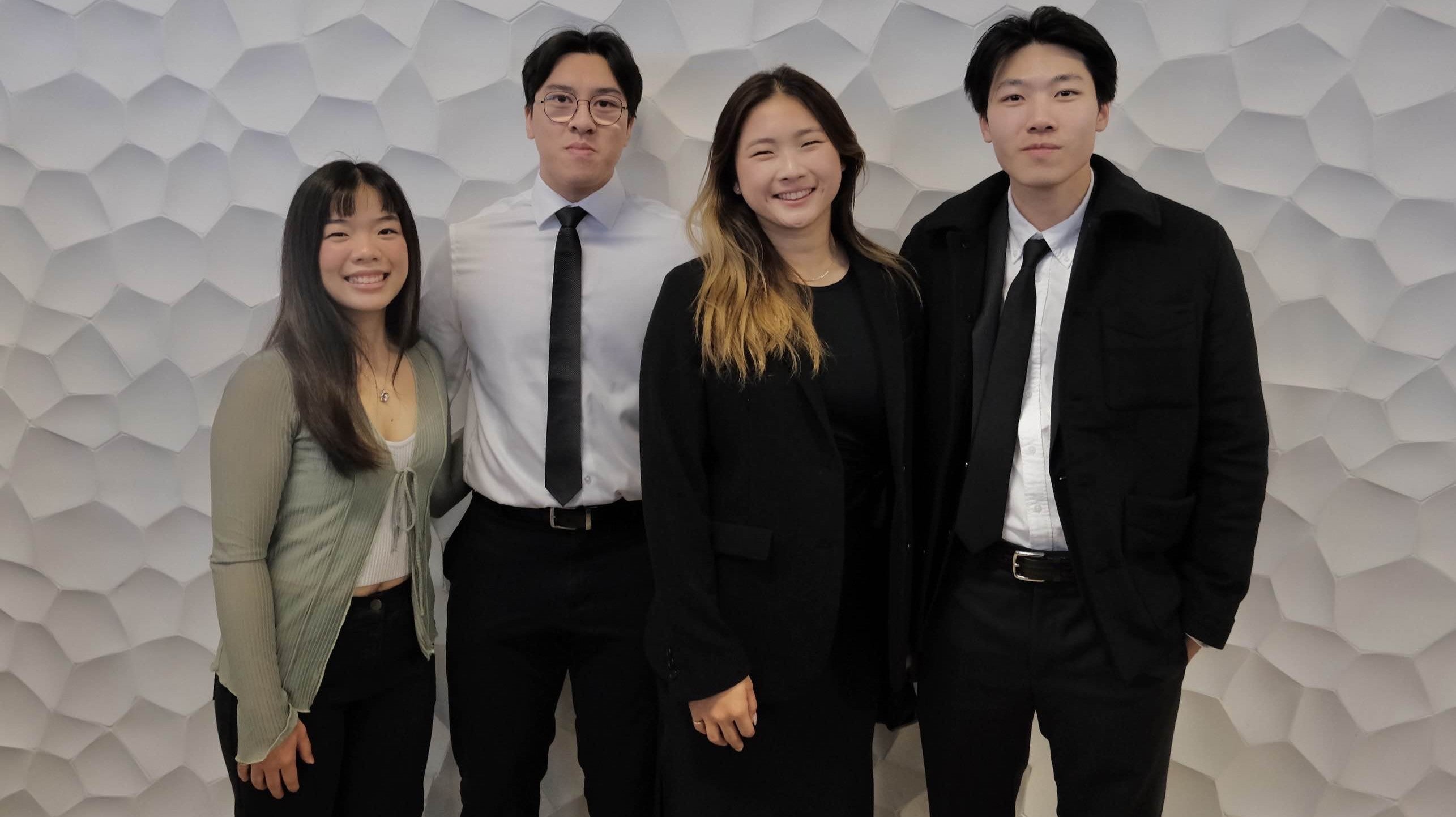
14. FOAMTASTIC: Polystyrene Re-Purposing to Reduce Landfill Waste
Calvin Huang, Heidi Jiang, Thomas Lee, Vivian Wan Ping Su
Polystyrene (PS) is a versatile plastic known for its high strength, and as a result, it takes many years to degrade. This project aims to design a PS recycling process to reduce and repurpose PS waste by simulating its conversion into feedstock through pyrolysis. Pyrolysis thermally degrades plastic in the absence of oxygen. This approach promotes sustainable waste management, reducing environmental pollution, and promoting a circular economy.

15. Plastic Waste to Blue Hydrogen: A Model for Sustainable Production
Ahreum Kim, Sarah Mah, Britney Sao
Canada generates over 3 million tonnes of plastic waste yearly, with only 9% recycled. Most of this plastic waste ends up in landfills or polluting the environment, highlighting an urgent need for sustainable solutions. Our project designs and simulates a hydrogen production plant, converting plastic bottles into blue hydrogen through pyrolysis, steam reforming, water-gas shift reactions, and a carbon capture system. Our approach aims to reduce plastic waste, promote sustainable energy, and contribute to Canada’s 2050 Net-Zero goals.
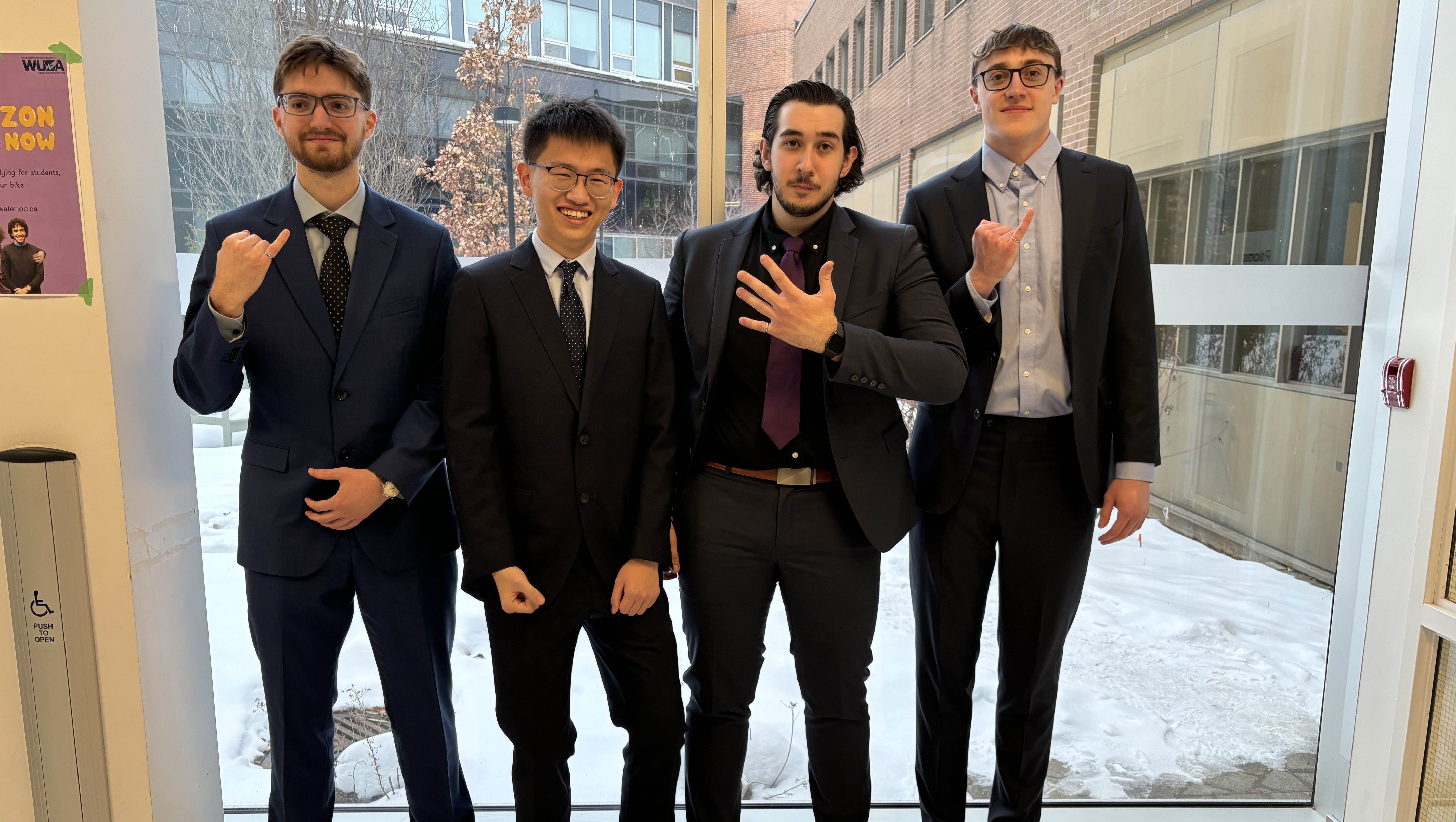
16. Development & Optimization of a Polylactic Acid Polymerization Reactor
Ethan Chen, Ethan Gill, Christian Patroiu, Ethan Porter
Our Capstone project aimed to develop and optimize the production of high-molecular-weight Polylactic acid (PLA), a highly versatile biodegradable polymer used in medical applications, additive manufacturing, and many other industries. Our project used a computational multi-physics approach to simulate the fluid dynamics, polymerization kinetics, and thermal dependence of the PLA reaction mechanism together in a unified model. This model has been applied to a wide range of geometries and allows for optimizing reactor designs and operating conditions.

17. Aquacycle: Smart Home Water Recycling System
Susan Chen, Ben Huang, Benjamin Ling, Nalann Suganthan
To tackle the problem of water scarcity, our team aims to reduce the amount of municipal water used in typical apartment units in Singapore. To do this in an environmentally friendly, yet affordable and simple way, our design exploits the humid climate in Singapore by collecting water from rain, HVAC condensation, and dehumidification. This water can then be integrated into the home water supply after filtration and UV disinfection using our smart home system throughout the home.

18. Modular Water Treatment Plant for Six Nations of the Grand River
Aiden Belding, Leah Davis, Joshua Godzisz, Caitlin Wager
This project aims to provide clean drinking water for the Six Nations of the Grand River, a community of 13,000 residents enduring a boil water advisory. This will be achieved using a modular water treatment plant, employing ultrafiltration and reverse osmosis membrane filters to meet Ontario's drinking water regulations. The unit has been optimized to maximize the clean water output while limiting capital cost.

19. DLC: Dynamic Leaching Control for Black Mass Recycling
Sammy Juvatopolos, Vivek Kapur, Tami Ogunleye, Mohammad Emad El-din Shahwan
Our project aims to develop a process for recycling black mass (shredded end-of-life batteries) while focusing on a control strategy to manage disturbances such as dynamic feed composition. This approach seeks to improve product recovery efficiency, reduce downtime, and address the challenges associated with current limitations in black mass recycling. While the technologies in this field are advancing, the available options remain limited in application and efficiency. By optimizing the process, we aim to contribute to a more sustainable and effective recycling solution.
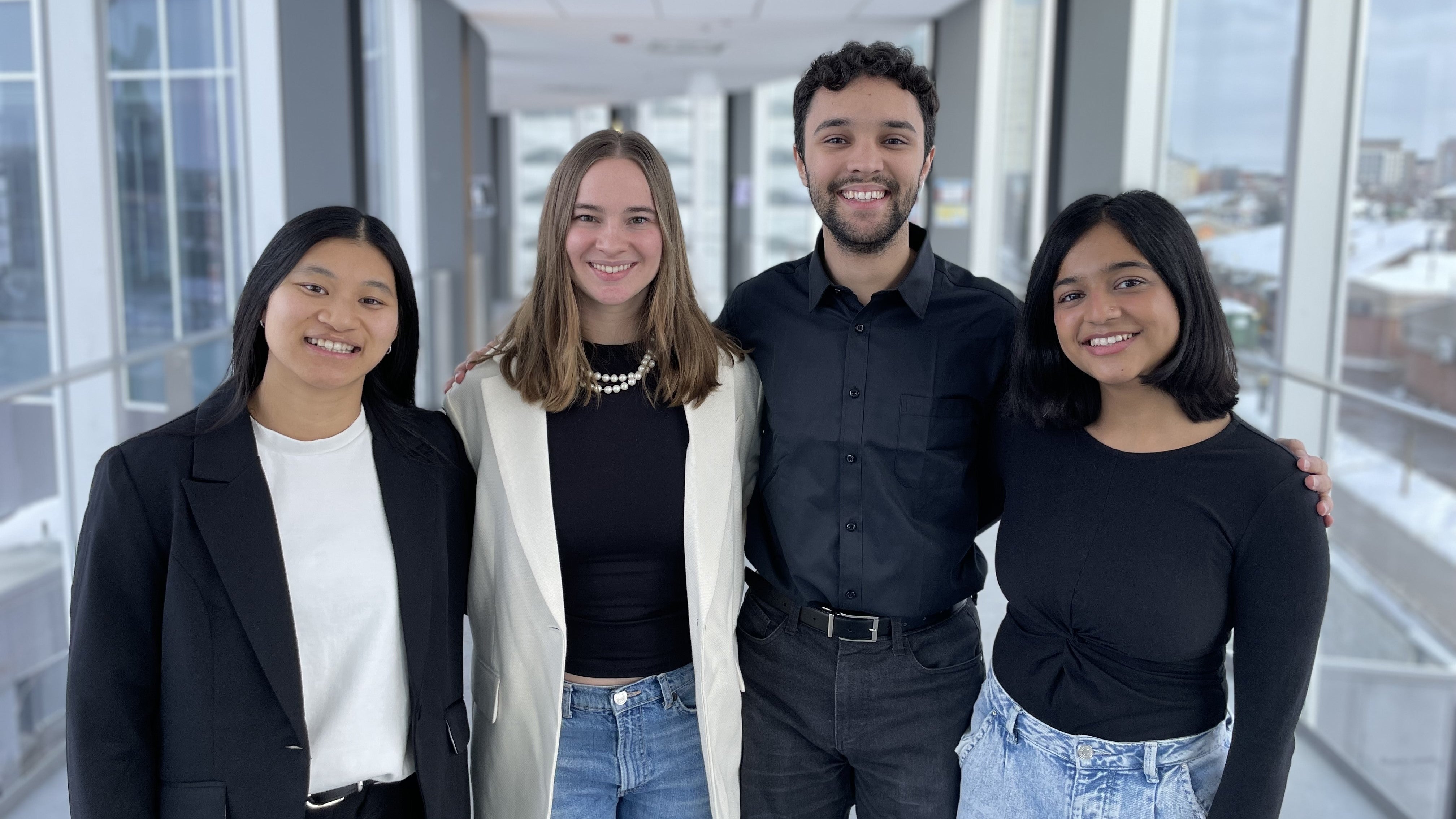
20. NaCl-ater!: Desalination of Ground Water in Gabura Union, Bangladesh
Cole Fredericks, Manal Khan, Julia Patterson, Sonita Zlobec
Gabura Union, in Bangladesh, faces water salinity issues due to rising sea levels, with groundwater conductivity levels of 2060-3190 µS/cm, far above the WHO water quality limit of 750 µS/cm. Current desalination methods are costly and inaccessible to rural areas. This project investigates a sustainable and small-scale solar still desalination system. The proposed design is composed of a water basin with a glass cover, enhanced with stilts and mirrors to direct sunlight onto its metallic base, improving heat transfer efficiency and desalinated water throughput.
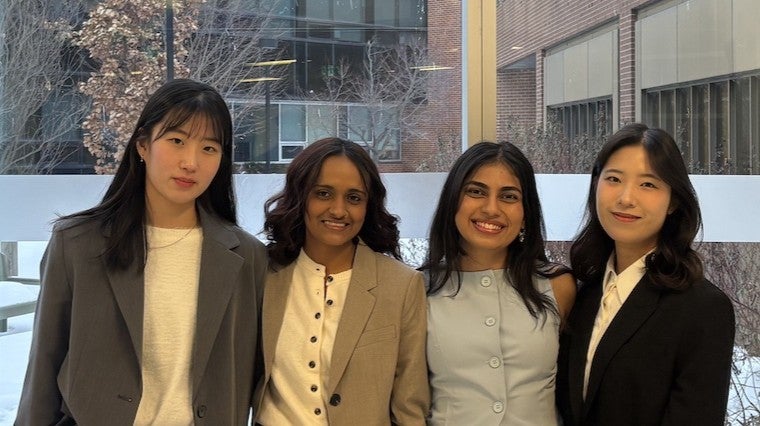
21. AlCO2: Aluminium-CO2 Reduction Flow Cell for Energy Generation
Meghan Almeida, Abhaya Karvekar, Michelle Park, Hyunju Song
Greenhouse gas emissions are a critical challenge to overcome in the current world. AlCO2 aims to develop an Aluminium-Carbon Dioxide cell to meet the energy storage demands, carbon dioxide reduction and utilization. This design involves aluminum, CO2, copper-coated cathode, and potassium hydroxide electrolytes for CO2 reaction, which produces electricity and achieves net-positive carbon reduction. Scaling up this design for industrial application would significantly impact greenhouse gas reduction efforts and support net-zero carbon goals.
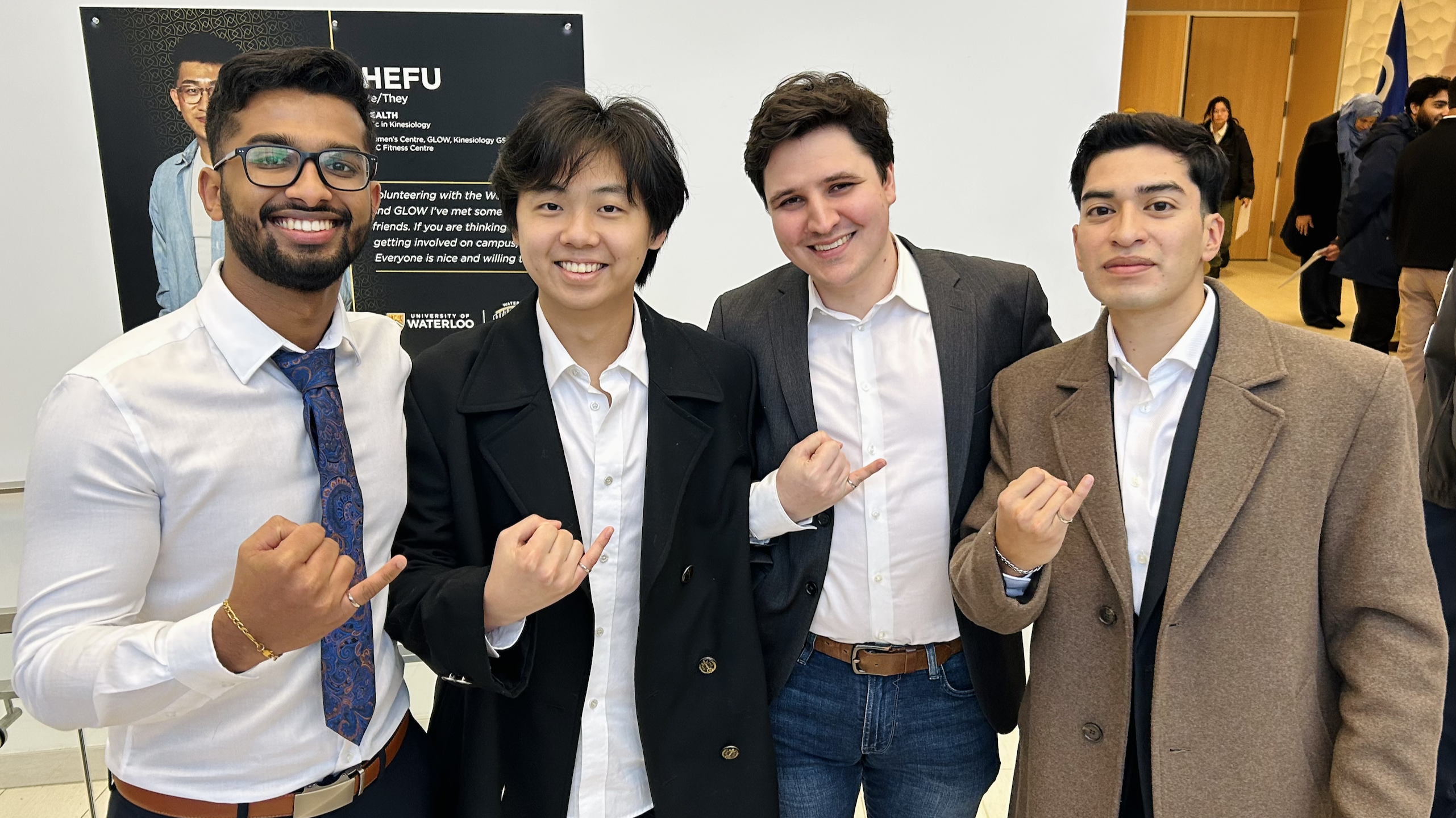
22. Thermoregulation of Outdoor Ice Rinks Via Phase-Change Heat Reservoirs
Joe Alexander, Stephen Ehrat, Alwin George, Michael Zhang
Naturally-cooled outdoor ice rinks are vulnerable to unseasonable temperature increases which are increasingly common due to climate change. Those short-term thaws can cause premature rink closures. Our solution employs a phase-change thermal reservoir, pre-cooled by ambient air during cold weather, which absorbs excess heat through a heat exchanger network to maintain the rink’s temperature during thaws. This approach could reduce reliance on traditional refrigeration systems, cutting energy usage and operational costs while preserving rink functionality throughout the season.
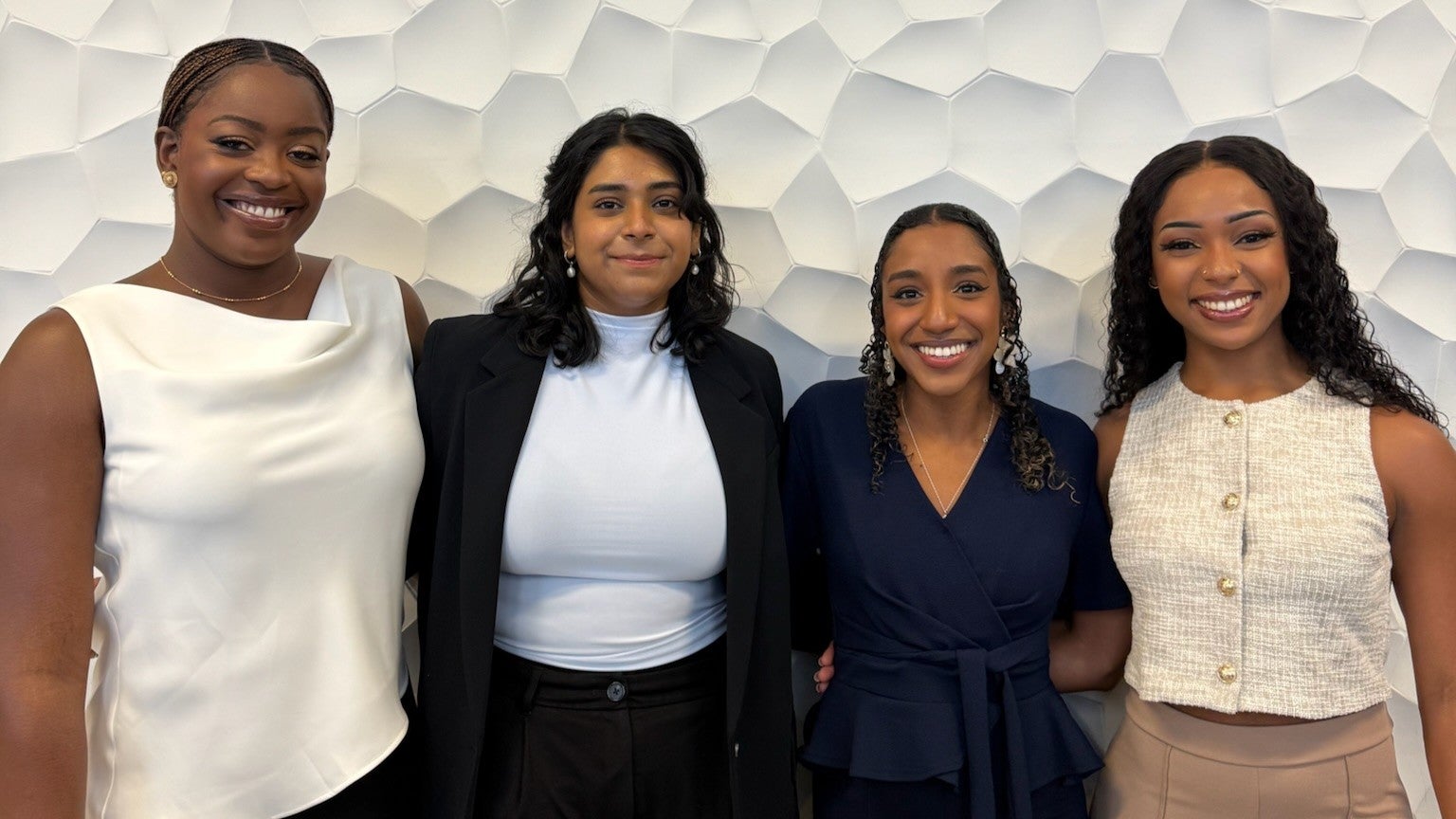
23. Breaking Down Barriers: Bioengineering Pathways to Dissolve Plastics
Ibitayo Adeyemo, Danielle Downes, Zahra Eudoxie, Vaishala Thirugnansampanthar
With Canada generating over 3.3 million tonnes of plastic waste annually and only 9% being recycled, sustainable plastic alternatives are essential. Our project utilizes the bacterium Cupriavidus necator to convert plastic-derived feedstocks into Polyhydroxybutyrate (PHB), a biodegradable plastic. We assess PHB production's scalability, economic feasibility, and environmental benefits by integrating Flux Balance Analysis (FBA) for metabolic optimization and SuperPro Designer for industrial simulation. This innovative approach aims to reduce plastic waste, cut greenhouse gas emissions, and support Canada’s circular economy through viable, cost-effective industrial implementation.
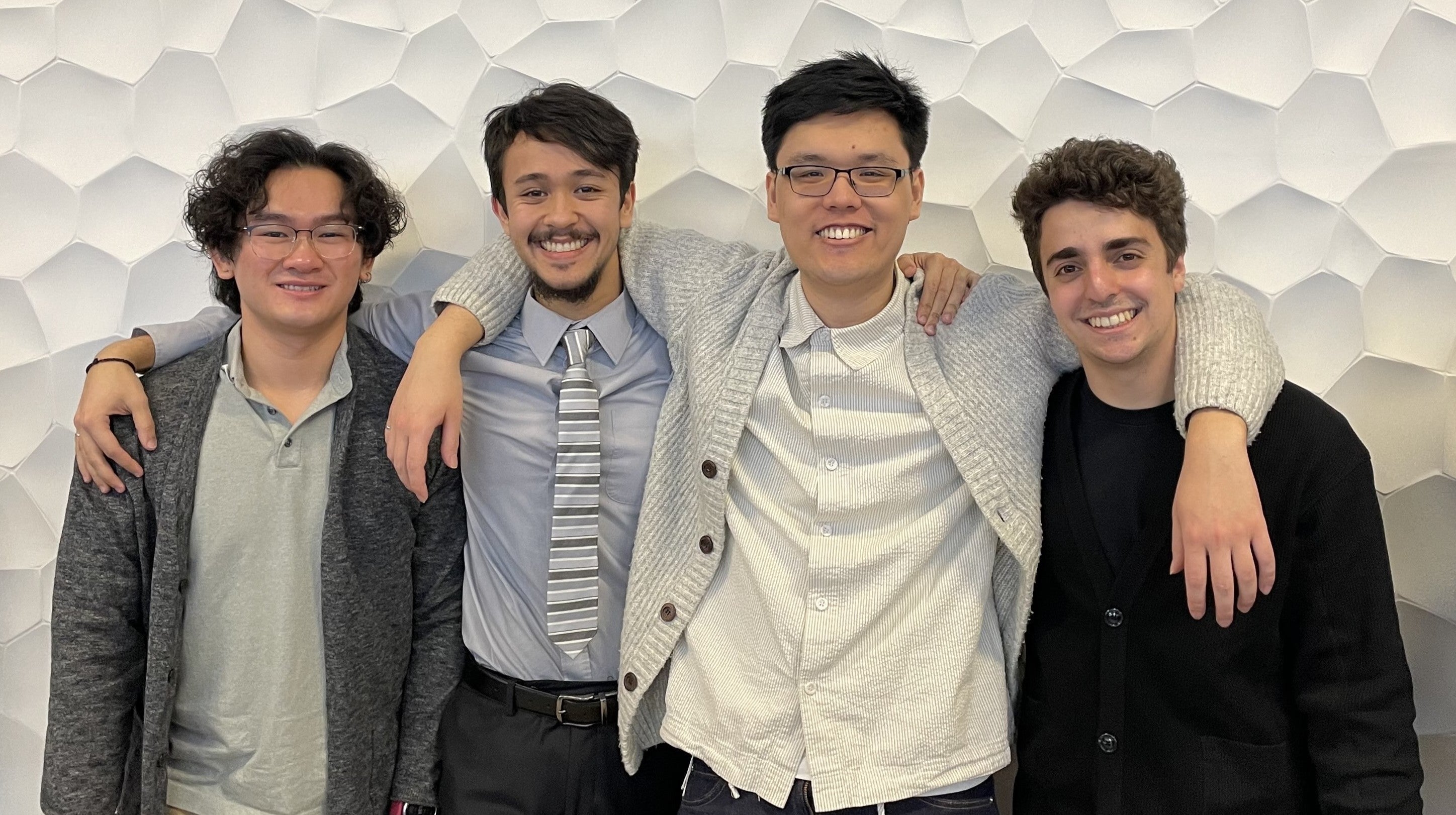
24. Bio-Inspired Wind Turbine Modification
Jeffrey Chen, Evan Hatanaka, Robert Petroccia, Daniel Nguyen
This project enhances wind turbine efficiency via a bio-inspired winglet retrofit, increasing power generation by disrupting tip vortices. It explores manufacturing and material costs and energy savings for optimal performance. QBlade and SolidWorks are used for aerodynamic analysis, 3D modeling, finite element analysis, simulating material behavior, and optimizing winglet design. RETScreen Pro is used to conduct energy costing analysis and evaluate economic viability. This project aims to contribute to sustainable energy goals while improving cost-effectiveness.

25. Renewable Natural Gas Production Through Biogenic CO2 Capture & Conversion
Lionel Doan, Adel Naim, Daniel Petsinis, Manaal Salam
This project seeks to evaluate the conversion of 7,700 tonnes per year of vented biogenic CO₂ from Escarpment Renewables’ proposed renewable natural gas (RNG) upgrader into additional RNG through the Sabatier reaction. This process involves the catalytic reaction of CO₂ with hydrogen under controlled conditions to maximize methane selectivity and CO₂ conversion. Aspen Plus simulations optimized a combined reactor and heat exchanger configuration for enhanced efficiency. Comprehensive economic and emissions reduction analyses further support the project's clean energy objectives and sustainability goals.
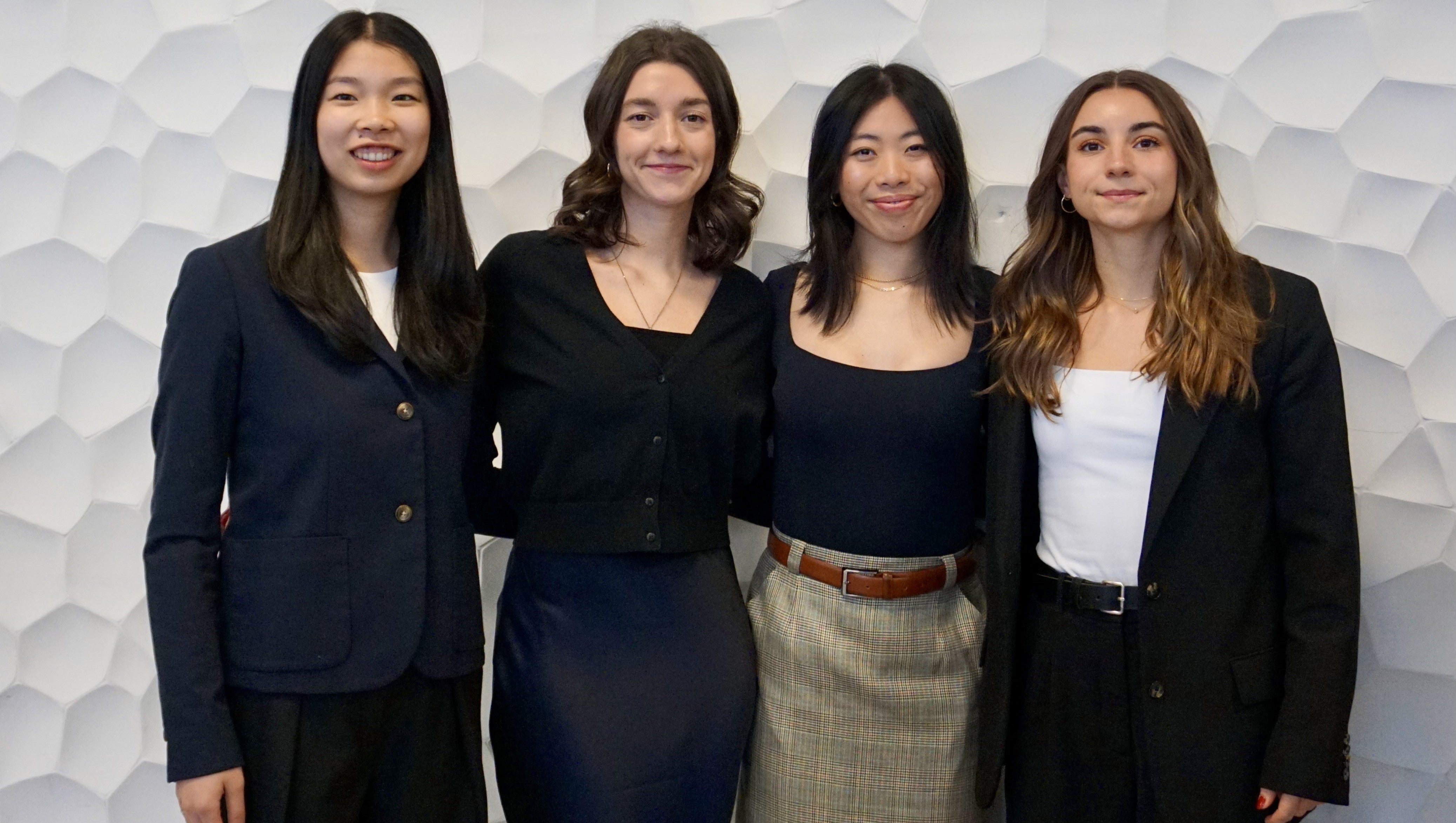
26. Real-Time Dosimetric Patch for Safer Radiation Therapy
Julia Ersil, Becky Fuh, Sarah Holowka, Jodie Leung
19% of Canadian cancer patients receiving radiation therapy have experienced healthy tissue damage from inaccurate beam targeting. Our real-time dosimetric patch is placed around the tumor in areas that should receive no radiation, so if exposed, a reaction triggers a visible color change to indicate misalignment instantly. This feedback prevents further harm to patients because it enables clinicians to correct errors immediately. Our solution enhances treatment accuracy by refining the gel’s formula through optimized concentration levels.

27. Beyond the Battery: Extracting Power from Waste in Al-Air Batteries
Tyler Blair, Tanika Desai, Abiramy Jeevanathan, Thusani Sivaneswaran
Our Capstone project examines the feasibility of extracting additional power from aluminum-air generator waste. The aim is to complete potential incomplete reactions and utilize a PEM membrane to react with dissolved hydrogen. An effective design could increase usage efficiency, reduce energy waste, and advance sustainability of aluminum-air battery technology, making it a more competitive and viable battery option for many applications.

28. PlastAway Pods: Improved Biodegradable and Water-Soluble Films for Detergent Pods
Robert Duff, Shunam Ghosh, Ansh Gupta, Sameen Khan
While water-soluble detergent pods are legally classified as "biodegradable", there are concerns about the validity of this claim with an estimated 10,500 metric tons untreated by wastewater systems every year in the United States alone. This project aims to improve the biodegradability of polyvinyl alcohol (PVOH) films by substituting and dilifying PVOH in these films. The project evaluates these solutions according to thermophysical properties, verified by DSC and tensile testing, biodegradability, assessed through simulated composting, and ultimately water solubility.
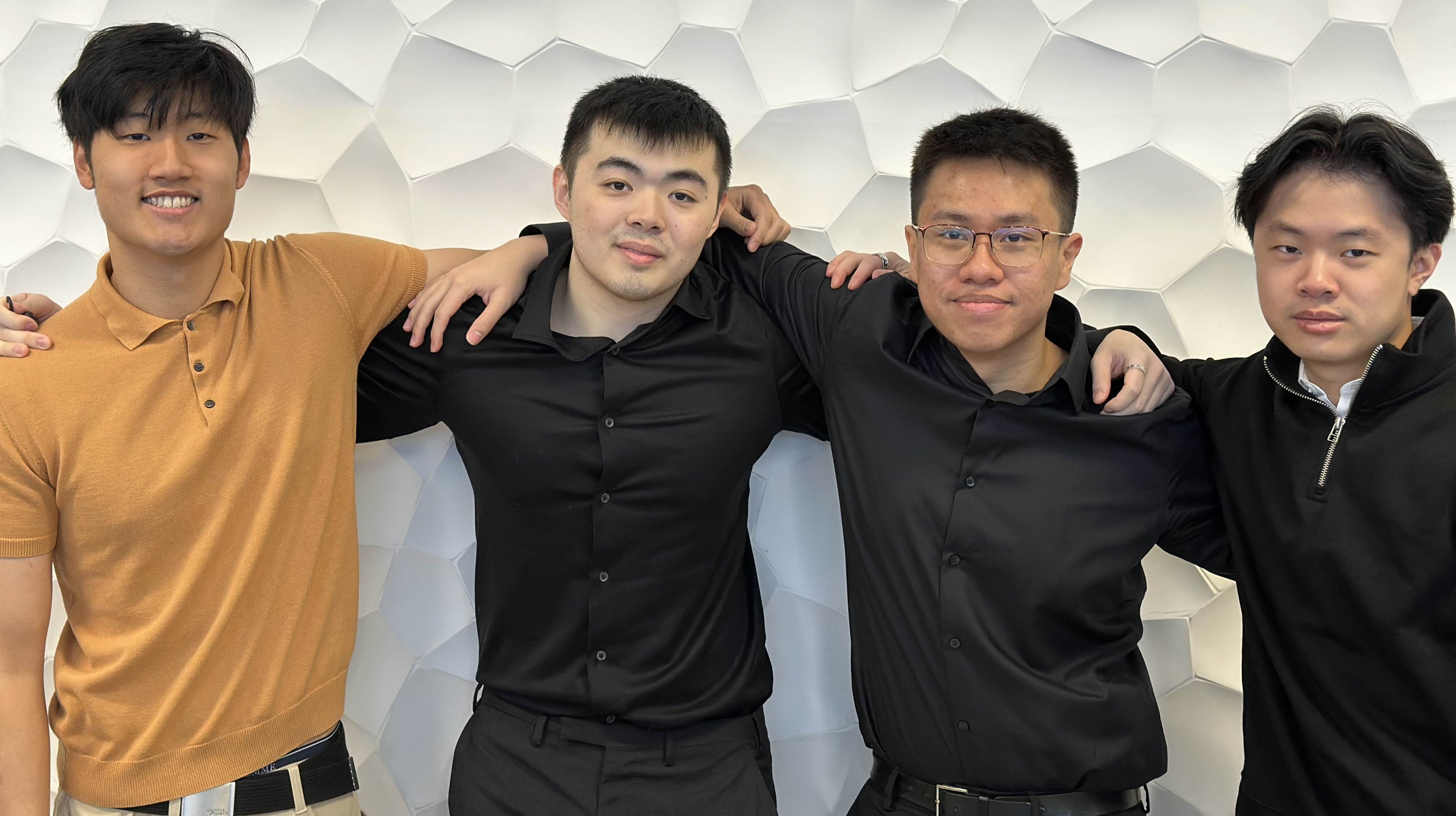
29. Team Cyclone
Brian Chau, Joseph Kwon, Eric Lam, Allan Zhang
Cardboard is a material that is universally used and recycled, being a reliable container material. At the end of its use, you can typically find these Old Corrugated Containers (OCC) in recycling bins worldwide, but they can bring many contaminants like metal, plastic, food waste, to name a few. Our project aims to design an economically-feasible OCC recycling plant in Virginia that challenges the current cardboard recovery efficiency while advancing sustainability efforts for a greener future.
THANK YOU
CAPSTONE DESIGN PROJECT ADVISORS:
Dr. Nasser Abukhdeir, Chemical Engineering
Dr. Peter Angelo, Chemical Engineering
Dr. Marc Aucoin, Chemical Engineering
Dr. Eline Boghaert, Chemical Engineering
Dr. Hector Budman, Chemical Engineering
Dr. Eric Croiset, Chemical Engineering
Dr. Christian Euler, Chemical Engineering
Dr. Xianshe Feng, Chemical Engineering
Dr. Michael Fowler, Chemical Engineering
Dr. Jeff Gostick, Chemical Engineering
Dr. Sarah Meunier, Chemical Engineering
Dr. Tizazu Mekonnen, Chemical Engineering
Dr. Christine Moresoli, Chemical Engineering
Dr. Alex Penlidis, Chemical Engineering
Dr. Michael Pope, Chemical Engineering
Dr. Elisabeth Prince, Chemical Engineering
Dr. Joshua Pulsipher, Chemical Engineering
Dr. Hamed Shahsavan, Chemical Engineering
Dr. Michale Vitelli, Chemical Engineering
Dr. Valerie Ward, Chemical Engineering
Dr. Xiaoyu Wu, Mechanical and Mechatronics Engineering
Dr. Boxin Zhao, Chemical Engineering
COURSE INSTRUCTORS:
Dr. Eric Croiset
Dr. Valerie Ward
STUDENT TEAM COLLABORATORS:
Aluma Power
Biome Renewables
Cascades
Escarpment Renewables
Kadant
Miller Waste Systems
Mitico
NRC
SUPPORT STAFF:
Judy Caron
Charles Dal Castel
Pauline Ferfolja
Sarah Fischer
Erene Georgiou
Ellen Zhiyu Gong
Dennis Herman
Nicola Kelly
McKenna Pulsipher
Denise Mueller
Jennifer Peng
Ravindra Singh
Mingqian (John) Zhang
Many thanks to all of the department’s professional, technical and administrative staff for your support throughout the students’ 2025 Capstone Design experience.
We welcome new industrial partners. If you have project ideas or would like to learn more, please contact the Chemical Engineering Capstone Co-ordinator, Eric Croiset & Valerie Ward.
FUTURE CAPSTONE DESIGN PROJECTS
For more information about Chemical Engineering design projects or to inquire about joining us in future design projects, please contact:
Eric Croiset
519-888-4567 x46472
ecroiset@uwaterloo.ca
Share this page on social media:


