TERRITORIAL ACKNOWLEDGEMENT
The Nanotechnology Engineering program acknowledges that much of our work takes place on the traditional territory of the Neutral, Anishinaabeg and Haudenosaunee peoples. Our main campus is situated on the Haldimand Tract, the land granted to the Six Nations that includes six miles on each side of the Grand River. Our active work toward reconciliation takes place across our campuses through research, learning, teaching, and community building, and is co-ordinated within the Office of Indigenous Relations.
A MESSAGE FROM THE PROGRAM DIRECTOR

Ting Tsui
Professor and Program Director
Each year, our dedicated undergraduate students in the Nanotechnology Engineering program apply their knowledge and experience to conquer the final challenge of their engineering education—the Capstone Design project. The students solve real-world problems using the skills and expertise obtained through rigorous coursework and laboratory training in chemistry, chemical engineering, electrical engineering, physics, biology, and materials.
This year’s symposium showcases the prototypes from our 25 design teams. These innovative engineering designs tackle challenges in sustainability, health care, energy generation, and nanomaterials. We take immense pride in the accomplishments of our students, who adeptly apply their knowledge and experience to conquer the final challenges of their engineering education.
I would also like to take this opportunity to thank those who have contributed to the success of the
Capstone Design program through mentorship and/or sponsorship.
Sincerely,

Ting Tsui
Professor and Program Director
Nanotechnology Engineering Program
CAPSTONE DESIGN PARTICIPANTS

1. Nano Photovoltaic Thermoelectric Generator
Jayden Chhin, Ayden Nicoletta, Dexter Niu, Amaan Persaud, Samuel Woldegebreal
Photovoltaic (PV) cells lose significant potential energy as heat, reducing conversion efficiency and shortening lifespan. In response to growing green initiatives, thermoelectric generators (TEG) are integrated to convert this waste heat from PV cells into electricity, enhancing overall efficiency. Built with extrinsically doped Bismuth Telluride thin films, the TEG improves PV cell performance by increasing energy output while effectively cooling the system. This combined approach extends the lifespan of PV cells and promotes the development of more sustainable and efficient energy solutions.
2. CuLater
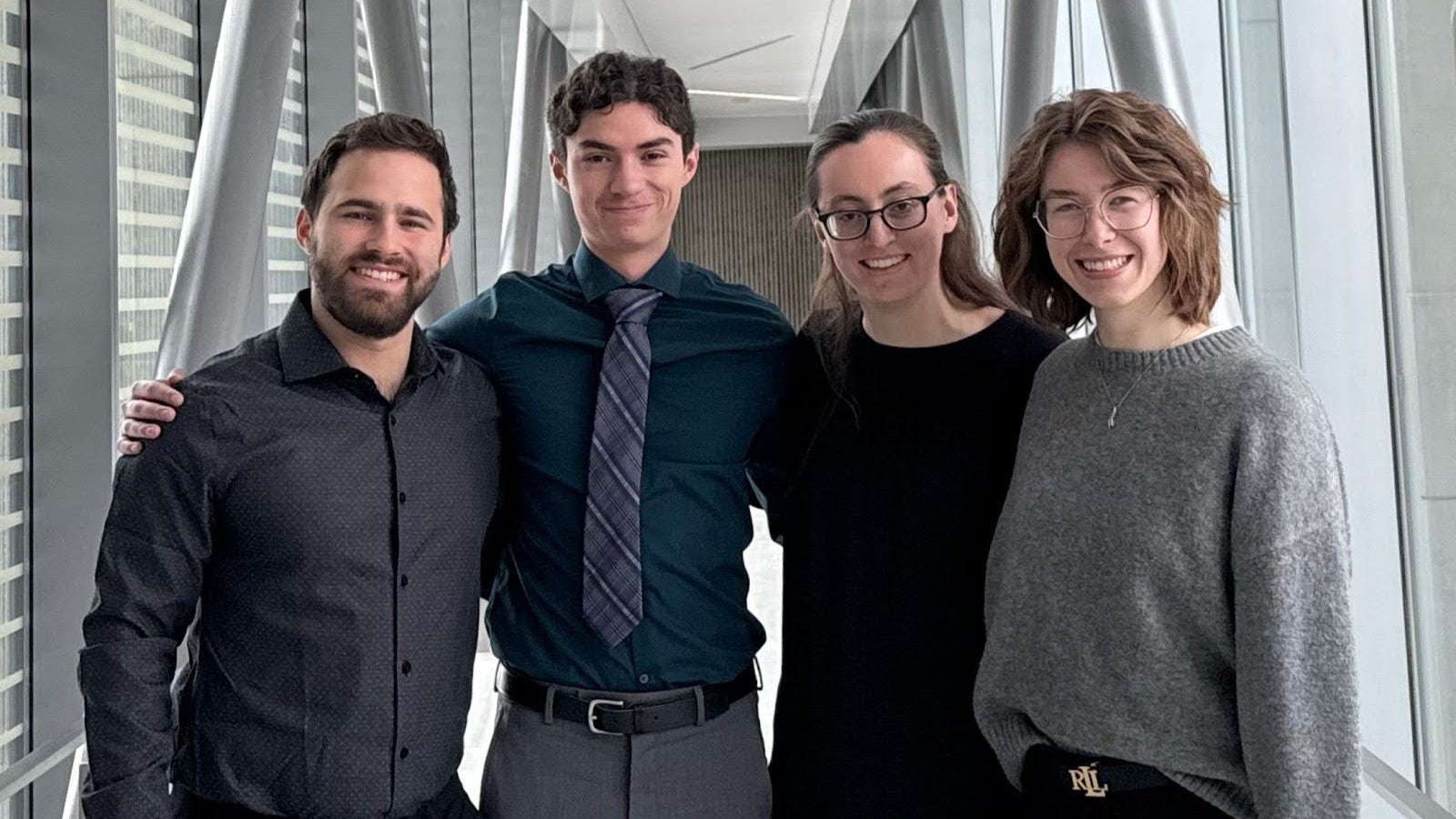
Shawn Benedict, Natalie Fudge, Vicente Garrido Portilla, Kailyn Vaillancourt
CuLater is a sustainable and biodegradable water filtration solution that removes leached copper and other metals from tap water. Constructed from cellulose-based materials, it incorporates sustainable polymer fillers that facilitate the purging of filtered copper, allowing for reuse. Our innovations enhance the filter's longevity, increase efficacy, and decrease environmental impact—these features couple well with its easy-to-use design. By addressing long-term copper exposure, the CuLater filter will help reduce the risk of associated health issues, including damage to red blood cells and decreased fertility.

3. µicroDLS
Jonathan Chin, Lisa Gavronskiy, Ana Matovic, Joshua Stevens
Efficient real-time monitoring and control of nanoparticle synthesis in laboratories remains challenging, limiting advancements in pharmaceuticals and energy storage. Our solution, the µicroDLS, is a miniaturized characterization device that enables real-time particle size measurements during reactions by integrating dynamic light scattering (DLS) with a chip-based in-situ fluid flow system. It leverages lab-on-chip capabilities to streamline workflows and enables easy in-situ particle size measurements, reducing characterization time and complexity while providing deeper research insights.

4. Vivra
Michael Hanley, Tina Hanna, Mathew Maradin, Wyatt Sullivan
Chronic dehydration affects 75% of Americans, leading to fatigue, reduced cognitive function, and overall diminished well-being. Vivra, the smart water bottle, integrates volume and conductivity sensors to evaluate your hydration, informing consumption quantity and quality. Users can track real-time hydration metrics and gain insights into their drinking habits and water quality through an intuitive user interface. Vivra strives to combat chronic dehydration by empowering individuals with personalized hydration analytics, helping them build lasting hydration habits for better health and quality of life.
5. LacrimaVas: Microfluidic Tear Collection Device
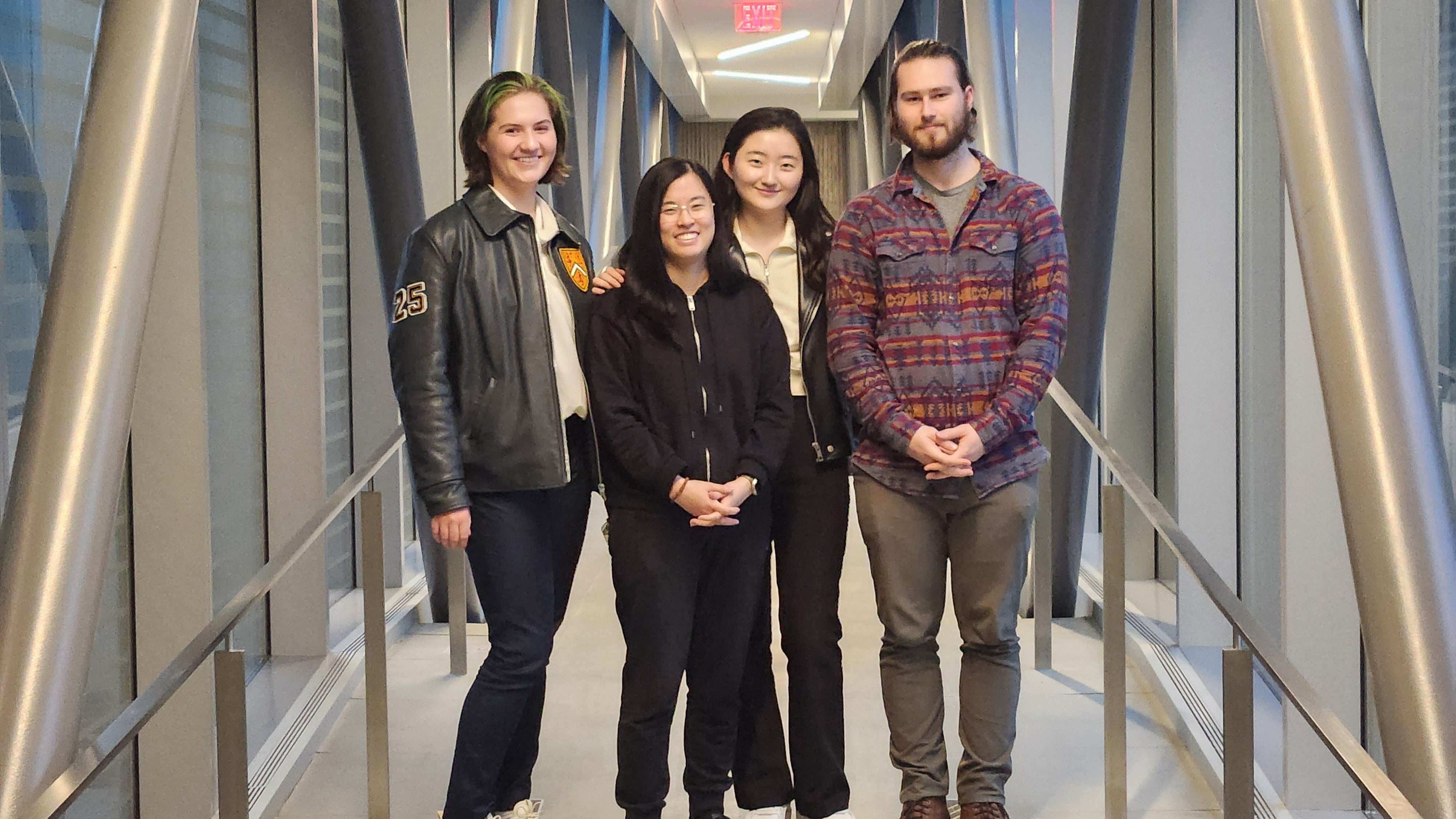
Josh Bell, Olivia Graham, Belle Shin, Sally Yang
Tears are valuable fluids that can aid in monitoring and diagnosing diseases, as their collection is minimally invasive and can be used to monitor both ocular and systemic health. Yet, tears are overlooked due to limitations of current collection techniques. LacrimaVas seeks to provide an alternative method for collecting tear samples using microfluidic channels in hydrogel contact lenses filled via capillary flow and pressure from eye blinking. This will allow tears to be easily collected for clinical research and diagnostics.

6. HelioShield
Jason Birdi, Anmol Chandi, Aryan Dhir, Harkeerat Mander, Rajju Raj
The HelioShield project enhances solar panel efficiency by addressing key problems such as light reflection, dust accumulation, and energy management. It integrates SiO₂-PDMS TiO₂-AuNP coatings for self-cleaning and improved light absorption, respectively. It also has solar tracking to optimize solar panel positioning and predictive maintenance. This approach reduces wasted opportunities for light collection and leverages AI to detect drops in performance. By combining nanotechnology and AI, HelioShield offers a scalable and effective solution to maximize solar energy capture and improve panel longevity.
7. EverCycle
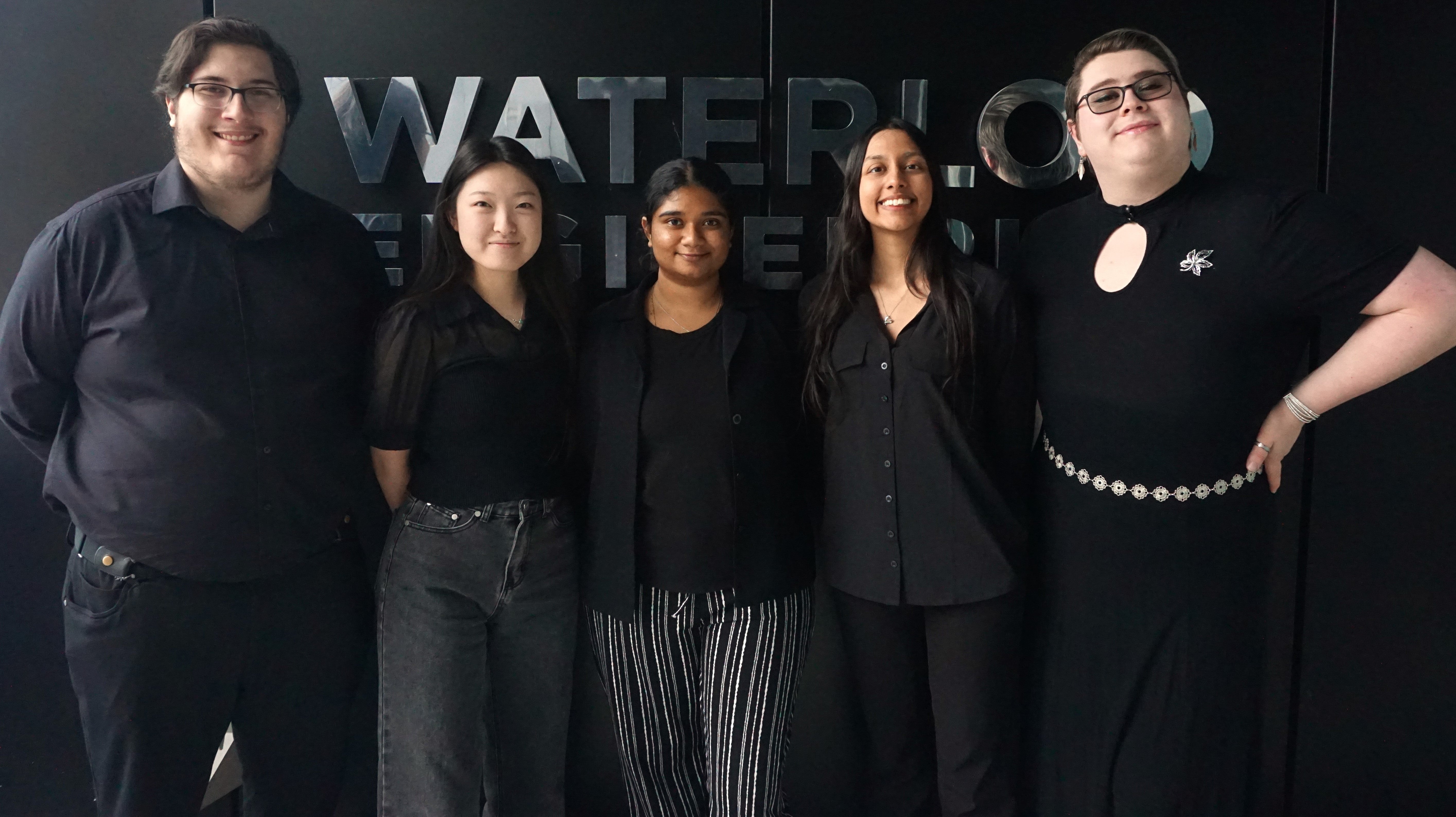
Shyamaleeswari Dayanandan, Josh Dembicky, Ben Markovic, Priya Rajput, Hannah Toy
Carbon dioxide (CO2) currently makes up 80% of global greenhouse gas emissions. We have designed a reactor that converts atmospheric CO2 dissolved in carbon capture columns into methanol, thus preventing the need for costly and potentially dangerous carbon storage methods. Our group’s nanoparticle catalyst reacts with the dissolved CO2 using solar energy. This approach decreases the electricity consumption of the reactor system by 95% when compared to popular electrochemical systems. Methanol produced by the reaction can then be repurposed as an alternative fuel.

8. CelluSense
Leonardo Cabrera Ortiz, Nick Chung, Arjun Krishnan, Aseel Osman, Dhruv Patel
CelluSense redefines electromyography (EMG) with a sustainable and innovative approach, using graphitized cellulose nanomaterials as flexible, reusable, and biocompatible electrodes. Designed to address shortcomings of traditional Ag/AgCl single-use electrodes, it eliminates adhesive gels that can irritate skin while reducing medical waste. Integrated into a wearable compression sleeve, CelluSense offers superior conductivity, portability, and real-time muscle activity tracking for diagnosing and monitoring neuromuscular health, with applications ranging from hospitals to space stations. Advancing the UN’s SDGs, CelluSense promises a sustainable and user-friendly solution.

9. AeroTex
Parth Agarwal, Chase Balbon, Filip Micic, Ethan Singh
AeroTex is an innovative solution that aims to improve the current standard of warmth in our clothing. The design aims to leverage the insulative capabilities of nanocellulose aerogels and offset their mechanical frailty with a protective PDMS shell. Using a specially designed microfluidic chip, we have created a nanocellulose aerogel thread encapsulated by PDMS. The thread produced is highly flexible, lightweight, durable, and water-resistant. AeroTex offers a breakthrough in textile insulation, paving the way for sleeker, warmer clothing.
10. Tireless Innovations
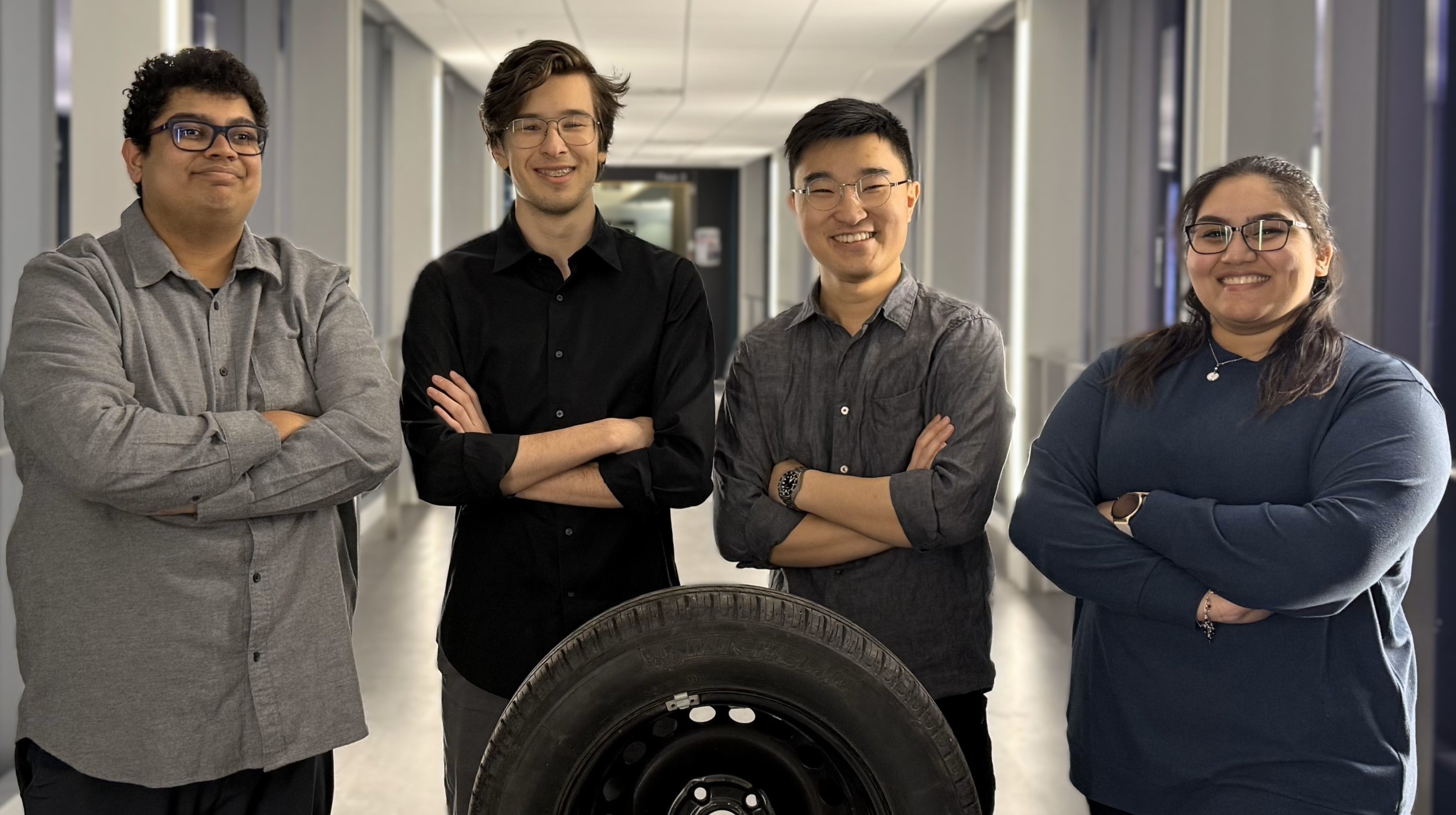
Naqiyah Goolab, Shrisha Srinivasa, Michael Vassilchenko, Connor Woo
Tire punctures are a major inconvenience and safety hazard, often requiring costly and time-consuming repairs. Our Adaptable Tire Puncture Sealant is a self-healing polymer lining that quickly seals punctures up to ¼ inch while maintaining tire pressure. It bonds with tire rubber, utilizing inverse vulcanization, offering long-term durability and multiple-use capability. Unlike traditional sealants, our sulfur-rich formulation autonomously heals, eliminating manual repair and reducing environmental waste. This cost-effective, aftermarket solution installs effortlessly into any tire, providing drivers with convenient solutions for reliability on the road.

11. Burn2Recover
Zehra Ahmed, Sasha Dhingra, Stephanie Kpordzih, Aliyah Warsi
Burn2Recover is an innovative, over-the-counter spray for second-degree burns, providing antimicrobial protection, and accelerated healing. Utilizing specially synthesized silver nanoparticles, our formulation ensures an optimal environment for recovery. Designed for ease of use in outpatient settings, Burn2Recover offers an accessible, effective, and convenient solution to improve burn care without needing a prescription. Its portable design and simple application make it ideal for emergency first-aid kits, empowering users to address burn injuries quickly and effectively anytime, anywhere.

12. PLAQCHEK: An ECL Immunosensor Device to Detect the Concentration of Lp-PLA2 in Blood
Rand Dakhil, Brandon Kong, Magilan Varatharuban, Andrew Wang
Cardiovascular disease is the leading cause of death worldwide, often presenting without prior symptoms. Current diagnostic methods involve long hospital wait times and are not readily available. Our project aims to develop an affordable and accessible device that can assess a person’s risk level for cardiovascular disease by measuring the concentration of a biomarker (Lp-PLA2) correlated to heart disease, from a small blood sample via finger-prick. We aim to achieve the rapid detection and early intervention of coronary heart disease.

13. NeuraSym
Benjamin Bar-Ziv, Bernardo Briseno, Siddharth Krishnamurthy, Daniel Nguyen
We are pioneering the future of helmet safety testing with a biomimetic headform—a 3D-printed PLA skull embedded with force, acceleration, and gyroscopic sensors and housing a brain-like hydrogel suspended in artificial cerebrospinal fluid. Unlike conventional testing, our system evaluates shear stress and repetitive impacts, the leading causes of Chronic Traumatic Encephalopathy (CTE). This innovation provides unprecedented insight into brain trauma, revolutionizing helmet design for sports, automotive, and defense industries. With commercialization plans underway, we aim to redefine head injury prevention.
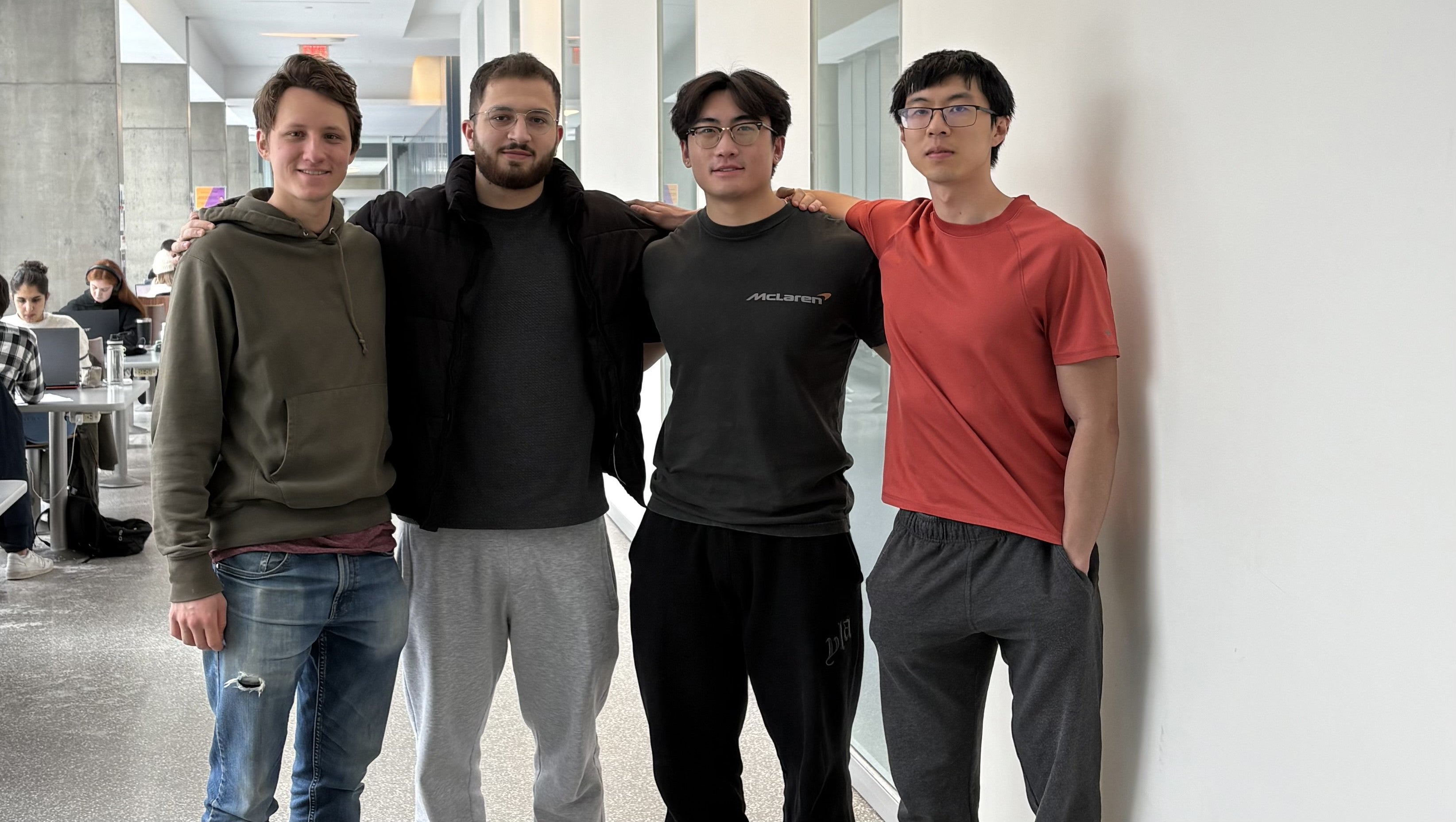
14. Hydroponics Heroes
Sean Hua, Timothy Manuel, Mostafa Shehadeh, Daniel Shteinbok
Our project merges hydroponics with AI to create a smarter, more efficient way to grow plants. Our system ensures optimal growth with minimal effort by automating water, nutrients, and temperature control with sensors and actuators. A Raspberry Pi captures plant images, analyzed by ChatGPT for real-time disease detection, keeping plants healthy without constant monitoring. This cutting-edge approach maximizes yield, conserves resources, and brings high-tech farming to urban and home environments—making sustainable, AI-powered agriculture more accessible than ever.
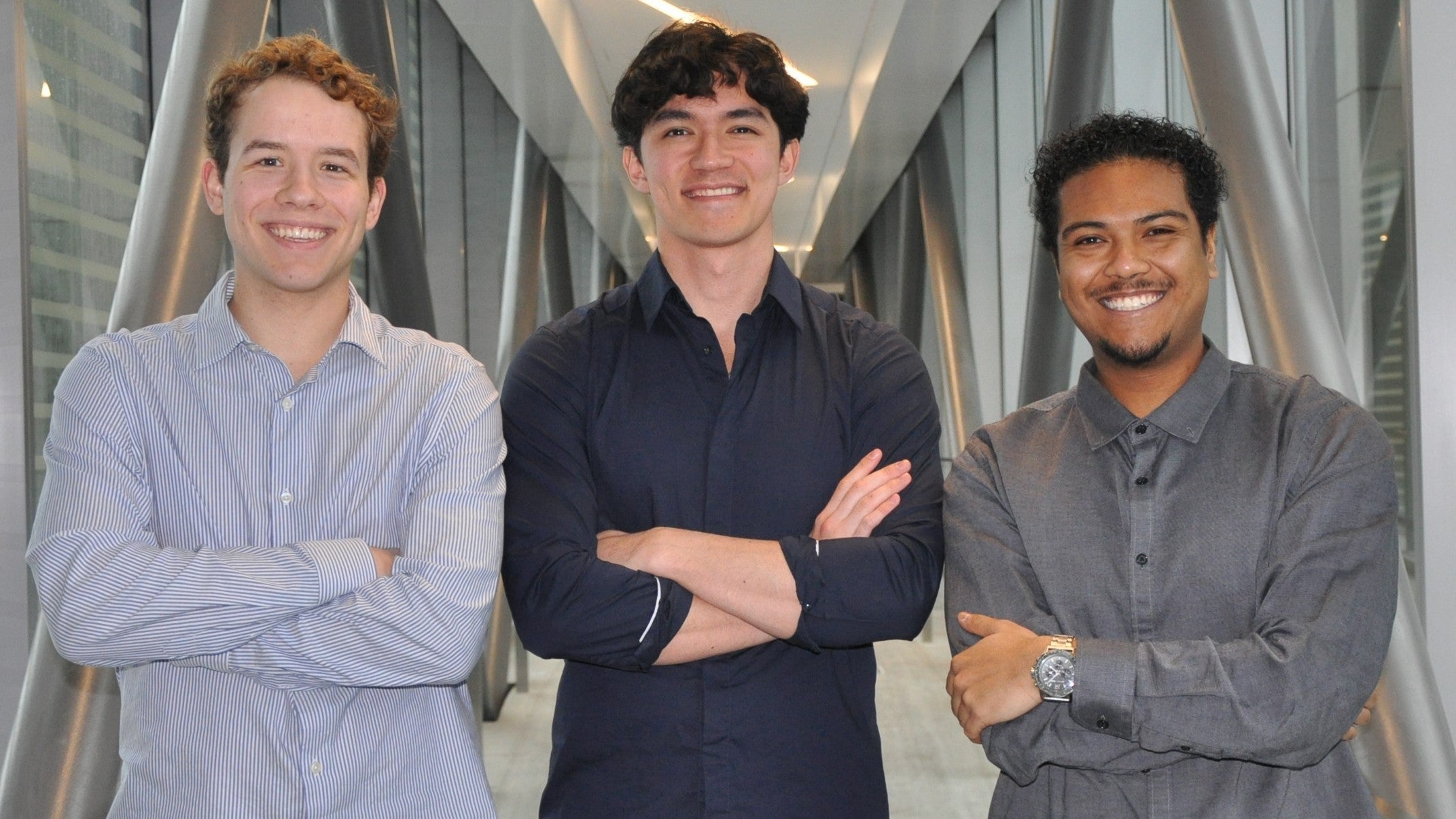
16. SMAPSTS
Ha-Ngoc Anthony, Smith Jaeden, Magrath Josh
As solar energy continues to drive the sustainable energy market, improving efficiency and affordability remains crucial. Solar tracking boosts energy output by maximizing panel exposure to sunlight. Our design replaces traditional powered trackers with a passive Shape Memory Alloy (SMA) system. The passive tracker utilizes the sun's heat and amplifies it with an optical system to actuate the SMA, enabling rotational motion of the panel. This allows for autonomous tracking of the sun without the need for external energy.

17. EstroCare
Monika Kutnik, Zoe Lussier-Gibbons, Alyssa Ripla, Aishvika Shandrabose, Mikayla Spero
It is estimated that 80% of women experience some form of hormone imbalance, with nearly 50 million women worldwide utilizing period tracking apps to monitor their health. However, despite widespread usage, a significant gap exists in understanding the physiological signals tracked by these apps. EstroCare addresses this issue by providing a seamless and intuitive wearable biosensor, based on microneedle technology, allowing for real-time estrogen-level tracking.

18. LymeFET: A FET Biosensor for Lyme Disease Detection
Basam Ali, Vince Cabrera, Dale Huang, Paul Ngo
Lyme disease afflicts over 450,000 people yearly, especially affecting rural areas. Our biosensor is designed for rapid and early detection of Lyme disease bacteria. It is a portable, low-cost solution that addresses a gap in healthcare diagnostic technology across low-resource areas. Advanced Field Effect Transistor (FET) technology is the cornerstone of this high-sensitivity biosensor, which is accompanied by custom electronics for portability. The goal is to provide a rapid and accurate early Lyme disease detection alternative to healthcare professionals in underserved communities.

19. An EEG Solution for In-Home Sleep Monitoring and Optimization
Maney Anand, Alvee Hassan, Hayagreev Veeru, Angel Zeng
Waking up during deep sleep disrupts cognitive function and increases sleep inertia, impairing performance and fatigue. Our accessible in-home electroencephalogram (EEG) continuously monitors neural activity to classify sleep stages in real time, ensuring awakening occurs during an optimal lighter stage within a user-defined window. By integrating custom gold-polymer electrodes with advanced signal processing, our device enhances signal accuracy and actively utilizes data to improve wake-up quality. This approach minimizes grogginess and improves daily functioning, offering a precise, personalized solution to sleep-stage misalignment.

20. Fresh Wrap
Samiha Chatoo, Peter Chen, Yujin Kim, Alex Magrath
One-third of all food produced for consumption is lost to spoilage. We aim to decrease that number by maximizing food longevity by incorporating zinc oxide nanoparticles into a traditional plastic wrap matrix. Zinc oxide nanoparticles (ZnO NPs) have antibacterial and antifungal properties that keep your food fresh longer without adding preservatives. Our design, FreshWrap, incorporates a uniform distribution of ZnO NPs in a low-density polyethylene polymer matrix while aiming to maintain ease of use.
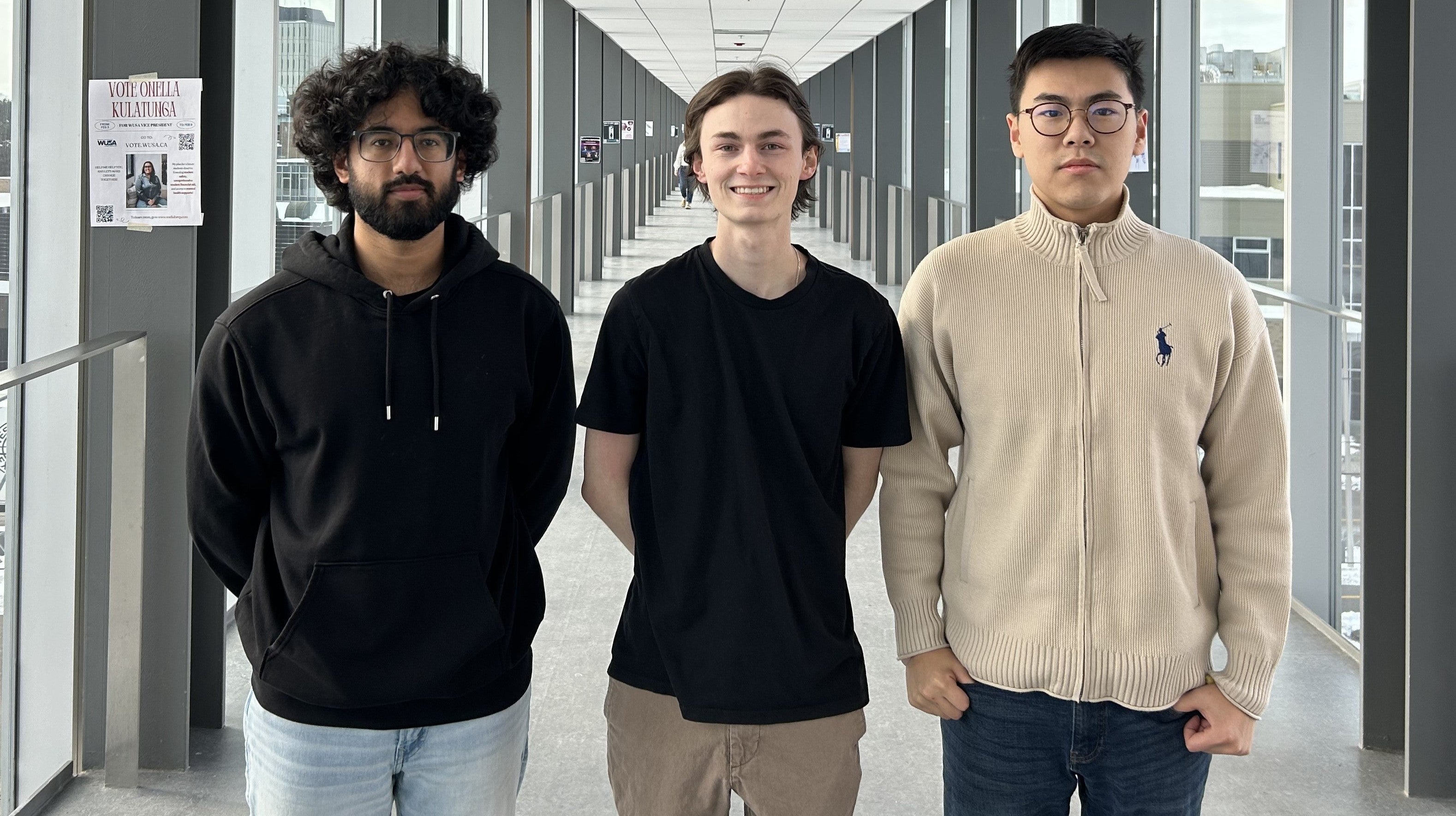
21. AquaSafe
Cameron Keisig, Bruce Lou, Abrar Zaher
Heavy metal poisoning is an issue that affects millions across the globe. Current solutions are difficult to implement and tend to be expensive. AquaSafe employs a novel process involving functionalized CNTs to remove heavy metal ions from drinking water. The CNTs are embedded within a polymer membrane. This filter is then encased within a plastic casing, making it easily applied to faucets worldwide to ensure clean drinking water.
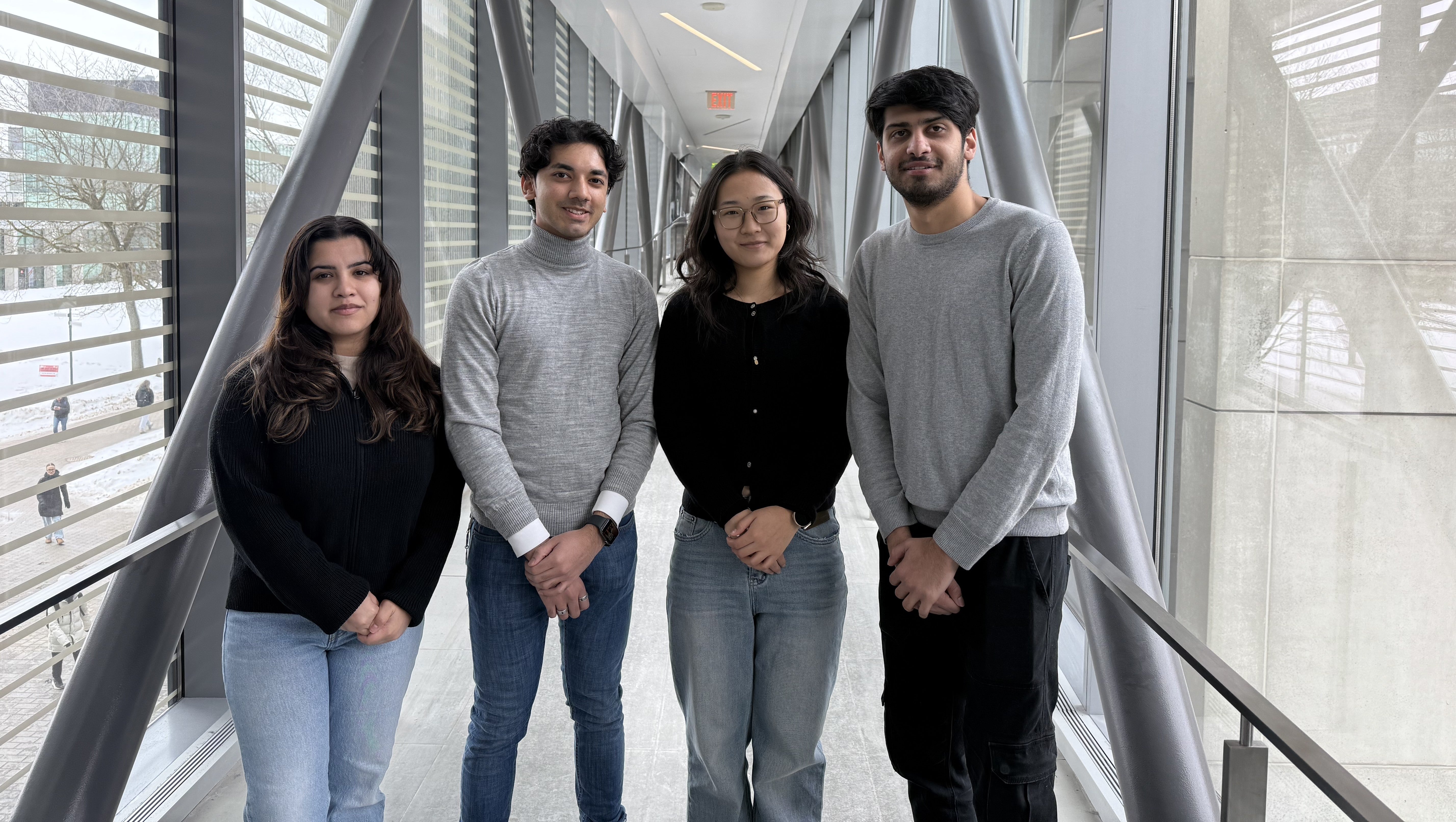
22. IonoTherm
Garv Bhalla, Gehna Jog, Kiran Mungroo, Zoe Qu
Frequent charging limits the practicality of wearable electronics, creating inconvenience and disrupting continuous use. Our gel-enhanced thermoelectric generator passively converts body heat into electricity, providing a sustainable power source for wearables. It features a hygroscopic ionogel for enhanced cooling, a thermally insulating interfacial layer, and an optimized heat-spreading structure for efficient energy harvesting. Unlike conventional TEGs, this design maximizes power output without compromising flexibility, offering a seamless, self-powered solution for health monitoring and interactive devices in everyday life.

23. ProMGO
Andreina Camano, Valuscha Pereira, Lyka Pinlac, Sarah Wijerama
Individuals diagnosed with polycystic ovary syndrome (PCOS) often have difficulty in monitoring and regulating fluctuating hormone levels. Currently, clinical diagnosis of sweat is underdeveloped, yet it has high potential to create real-time, non-invasive, and continuous monitoring of hormone levels. ProMGO is a wearable sensor integrated with a magnetic graphene oxide coated electrode that detects progesterone levels in sweat, providing users with a detailed summary of levels, regulation techniques, and related insights via a mobile app.
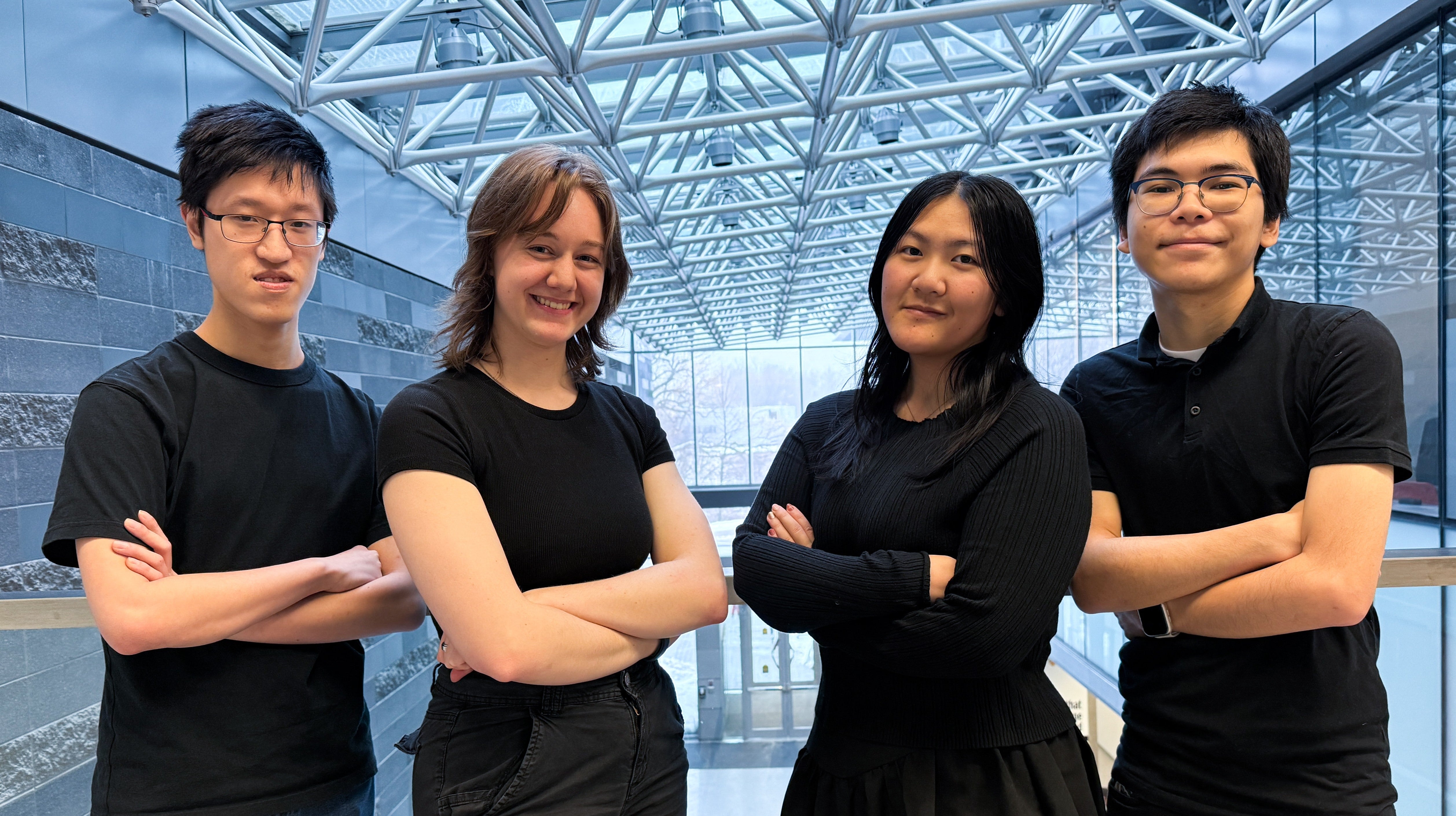
24. AquaSense
Kai Lu, Emily Pierce, Carl Wong, Melissa Zhang
Heavy metal contamination in drinking water, especially lead and cadmium, poses serious health risks. Detection is challenging due to a lack of accessible, affordable, and reliable solutions. Our design integrates a portable microfluidic device, porphyrin-based colorimetric sensing, and an image analysis website, providing real-time detection of these metals at concentrations below 0.015 ppm. The device is lightweight, cost-effective, and user-friendly, offering rapid results within 10 minutes. Its unique use of stabilized porphyrins ensures high sensitivity, accuracy, and portability, setting it apart from existing alternatives.

25. Grating Coupler design for Photonic Integrated Circuits through Inverse Design
Skandan Chandrasekar
Photonic Integrated Circuits (PICs) run on light and are commonly used in data centers. This project involves using advanced simulation methods to design higher-efficiency grating couplers, which addresses a key challenge for these circuits: improving the amount of light going into them.

26. Airsero
Aliasgar Bawangaonwala, Hamzah Curtay, Anthony Keen
We are developing a highly porous material for selective oil absorption from water, addressing the limitations of existing oil spill cleanup solutions. Oil spills cause billions in damages annually, harming marine ecosystems, economies, and human health. Our approach focuses on creating a manufacturable, reusable, and eco-friendly material that surpasses current alternatives in adsorption capacity. By enhancing efficiency and sustainability, our innovation aims to improve oil recovery from marine environments, offering a superior solution to mitigate oil spills' environmental and economic impact.
THANK YOU
DESIGN PROJECT CONSULTANTS
Michal Bajcsy
Ahmad Ghavami
Maud Gorbet
Rob Gorbet
Shesha Jayaram
Milad Kamkar
Anna Klinkova
Vivek Maheshwari
Patricia Nieva
Mahla Poudineh
Elisabeth Prince
Michael Reimer
John Saad
George Shaker
Hamed Shahsavan
Siva Sivoththaman
Michael Tam
Ting Tsui
Yimin Wu
Mustafa Yavuz
Aiping Yu
Yael Zilberman-Simakov
COURSE INSTRUCTORS
Hany Aziz
Zbig Wasilewski
STUDENT TEAM SPONSORS/PARTNERS
Baylis Medical
BDO Canada
Cowan Prize
Engineer of Future Fund
Henry Schein and Port Hope Dental
Mitacs Accelerate
SFF OEC Innovative Design Award
Waterloo Hacker Fab
SUPPORT STAFF
Wendy Gauthier
Ahmad Ghavami
Nicola (Niki) Kelly
John Saad
Bahareh Sadeghimakki
Howard Siu
Yael Zilberman-Simakov
Many thanks to all of the program’s professional, technical and administrative staff for your support throughout the students’ 2025 Capstone Design experience.
FUTURE CAPSTONE DESIGN PROJECTS
For more information about Nanotechnology Engineering design projects or to inquire about joining us in future design projects, please contact:
Hany Aziz
h2aziz@uwaterloo.ca
Share this page on social media:


