TERRITORIAL ACKNOWLEDGMENT
The Department of Systems Design Engineering and the Biomedical Engineering program acknowledges that much of our work takes place on the traditional territory of the Neutral, Anishinaabeg and Haudenosaunee peoples. Our main campus is situated on the Haldimand Tract, the land granted to the Six Nations that includes six miles on each side of the Grand River. Our active work toward reconciliation takes place across our campuses through research, learning, teaching, and community building, and is co-ordinated within the Office of Indigenous Relations.
A MESSAGE FROM THE CHAIR

Lisa Aultman-Hall
Professor and Chair
It is my pleasure to recognize the continued relevance and impact of this year’s Systems Design Engineering and Biomedical Engineering Capstone Projects. Once again, our students have demonstrated remarkable creativity, technical excellence, and a commitment to designing systems that serve both humanity and the planet.
I am especially proud of how fully our students engaged with subject matter experts, industry partners and community representatives throughout their design journeys. Many participated in the Sustainability Stakeholder Café and Baylis Medtech Biomedical Stakeholder Café. These experiences equip our graduates with the critical skills needed to lead interdisciplinary teams and drive meaningful innovation in their future careers.
As we celebrate the accomplishments of the class of ’26, we also acknowledge the resilience they have shown throughout their time at Waterloo. Their adaptability, perseverance, and commitment to excellence have been evident at every stage of their education, and we are deeply proud of them.
Thank you to our Capstone lead instructors, Dr. Reem Roufail and Dr. James Tung, our dedicated lab instructors, the many faculty advisors, and the network of faculty and staff who support the event's organization. It’s a wonderful time for alumni to return to campus to see what students are working on and reconnect with the SYDE-BME community.
On behalf of the entire department, I extend our congratulations to our graduating students and wish them every success as they embark on the next chapter of their journeys.
Sincerely,
Dr. Lisa Aultman-Hall
Professor and Chair
Department of Systems Design Engineering
CAPSTONE DESIGN PARTICIPANTS
1. CoolFlash
2. Cardia
3. LARS - Load Assistance for Reduced-Strain Sonography
4. LEAP
5. Spiiro
6. VocalPoint
7. Pearl-E Lights
8. Haptis
9. [AD]²
10. Racquet Science
11. CalmCoach
12. PRISM - Prosthetic Residuum Interface Sensing Module
13. DorsiFlexx
14. EvoSocket
15. OvaFluo
16. VascuLearn
17. NeuroFlow
18. ABR Detect
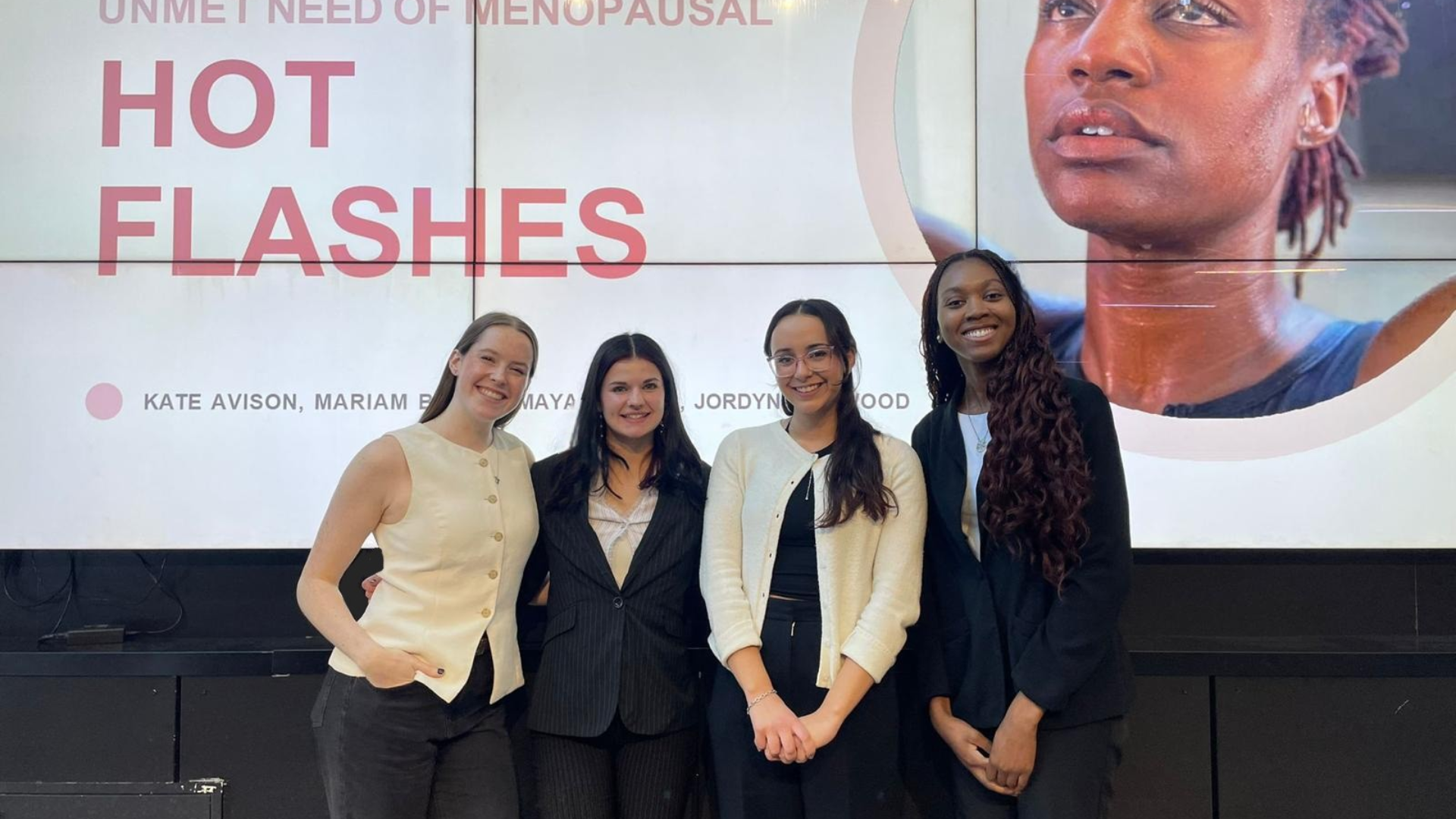
1. CoolFlash
Kate Avison, Mariam Busari, Maya DeVries, Jordyn Maywood
Menopausal hot flashes are sudden feelings of intense heat, elevated heart rate, and sweating that last 1-5 minutes and may occur multiple times a day. Affecting 85% of women, these symptoms persist for an average of 11 years. CoolFlash aims to mitigate hot flash symptoms by delivering automatic, targeted cooling to the user across a broad surface area of the body.
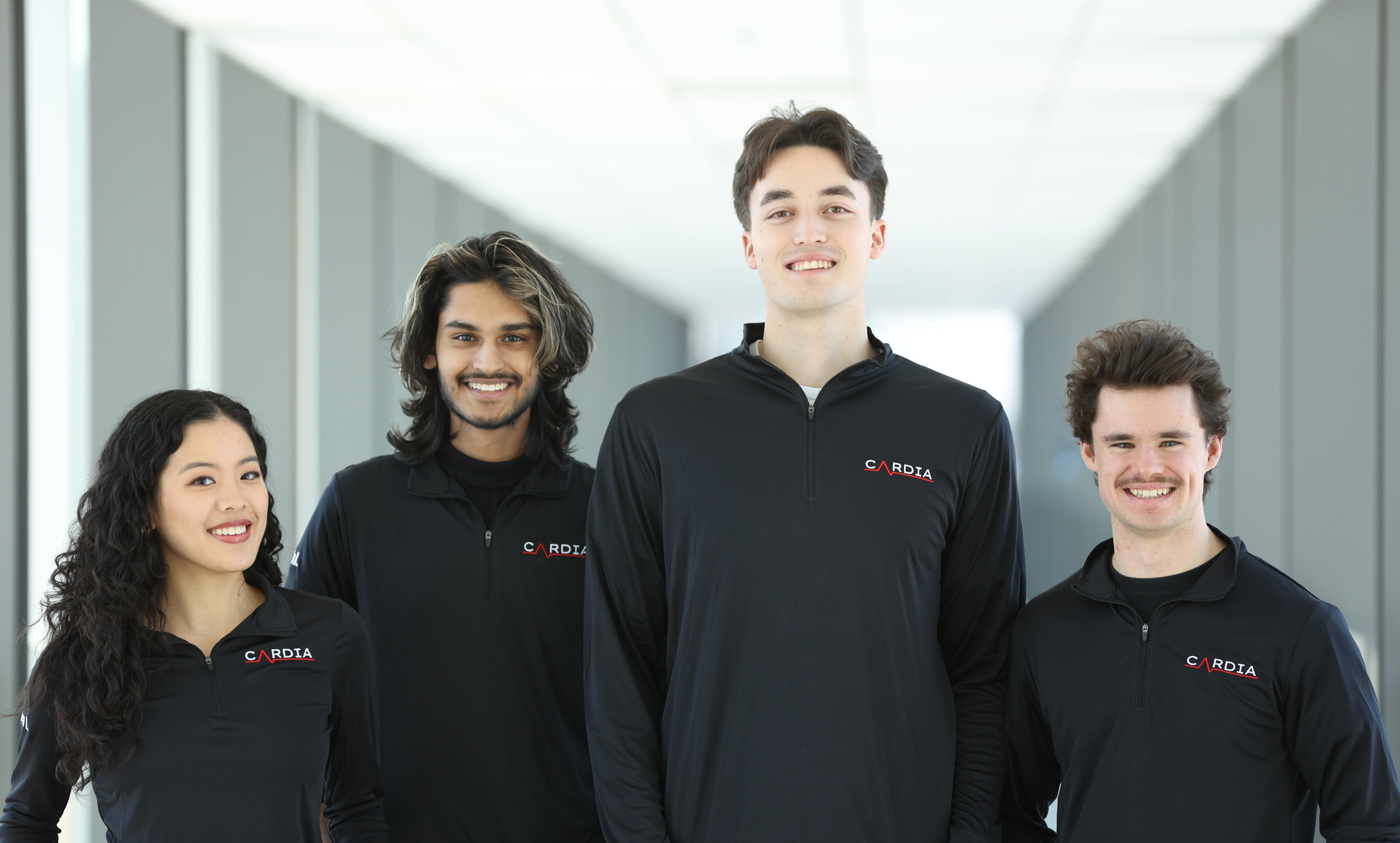
2. Cardia
Owen Clayton, Jarett Dewbury, Qais Khan, Rebecca Lai
Many patients with potential heart problems are prescribed a continuous Holter monitor to record electrical heart activity in daily life. However, to obtain context for these signals, patients must keep physical journals to track symptoms and activity. The process is inconvenient, and often logs are left incomplete or inaccurate, limiting the clinical value of the data. We propose a discreet, multimodal Holter device that will reduce the need for manual journaling while automatically capturing contextual activity data, ensuring more reliable and interpretable information for physicians.
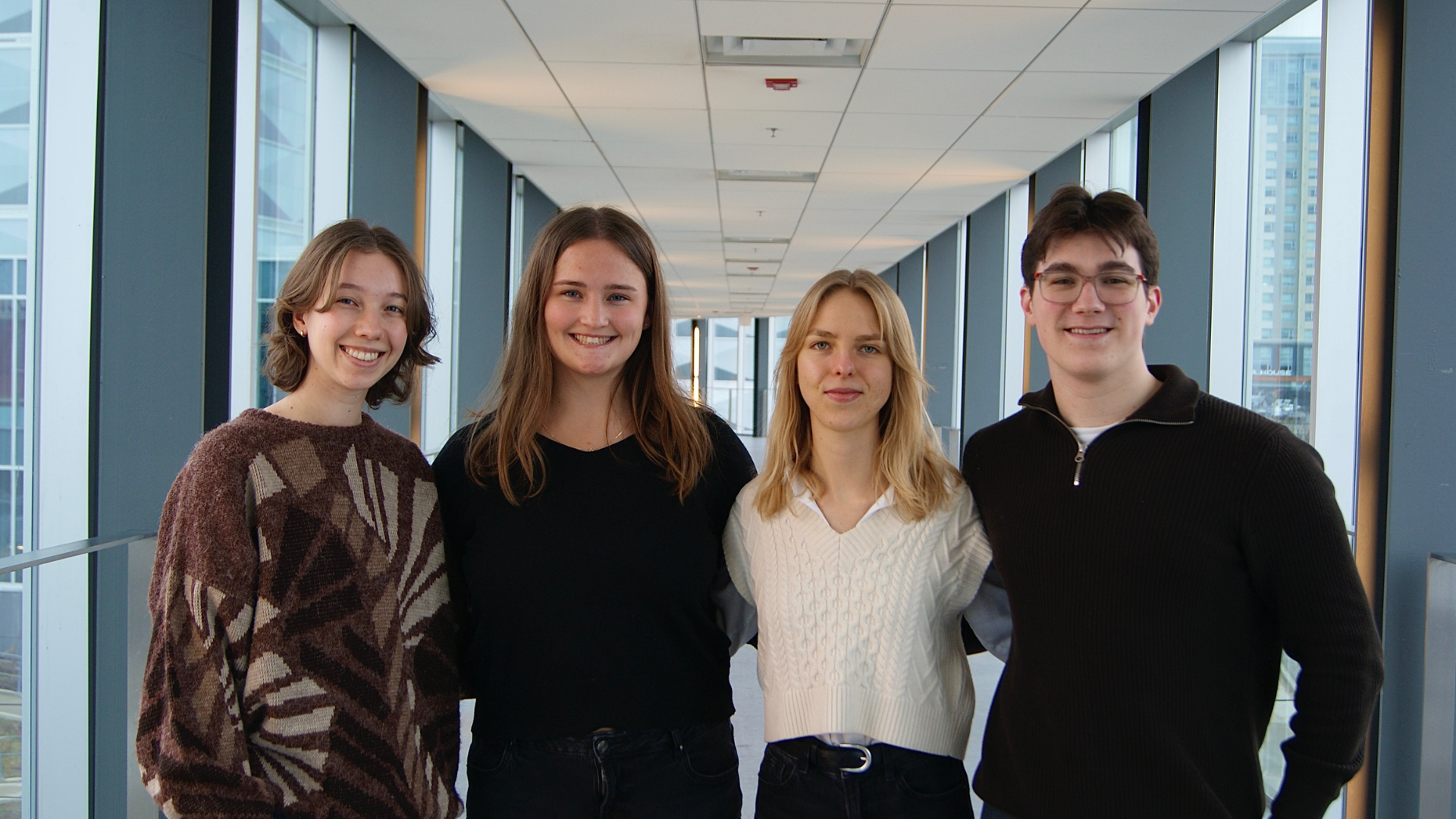
3. LARS - Load Assistance for Reduced-Strain Sonography
Luke Coulter, Alexa Daly, Rylin Soto, Serena Wittenberg
Workplace-related pain is extremely prevalent amongst cardiac sonographers and is primarily caused by the high contact force against patients, exacerbated by long scans or large patients. Current market solutions either fail to target the root cause of the pain or aim to completely change or remove the sonographer’s role during an ultrasound scan. We designed a semi-robotic arm to be used with existing ultrasound equipment that helps to address cardiac sonographer pain by applying assistive force into the patient without affecting workflow.
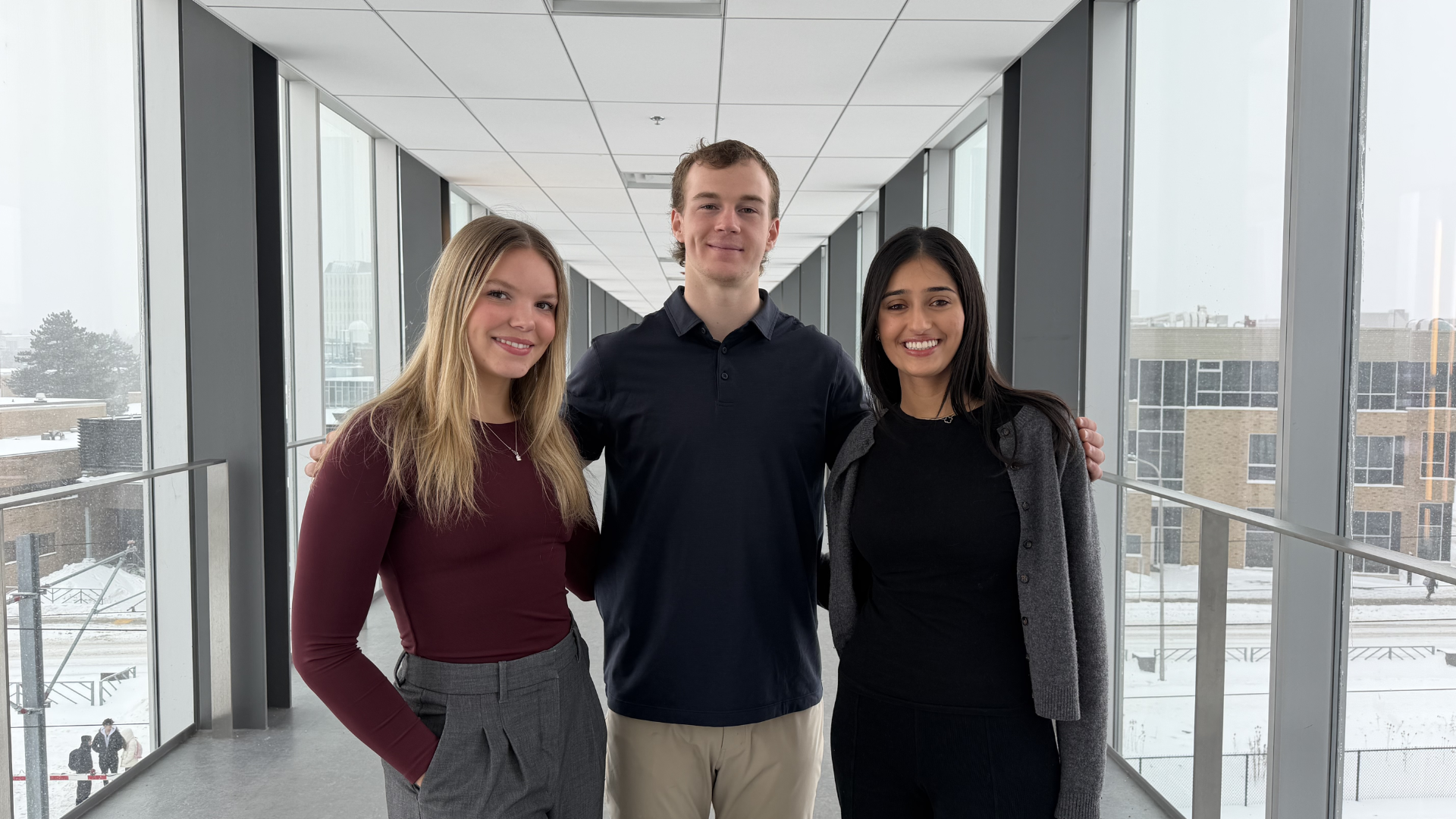
4. LEAP
Jack Farlow, Rebecca Grootendorst, Priya Sivarajan
Our project investigates knee valgus mechanics during jumping and landing tasks using wearable inertial measurement units and machine learning models trained on motion capture and force plate data. Athlete movement patterns are used to predict knee abduction moment and frontal-plane knee motion in field settings. The goal is to develop an athlete-ready system that delivers interpretable ACL injury risk assessment, performance monitoring, and individualized training feedback for coaches and trainers.
5. Spiiro
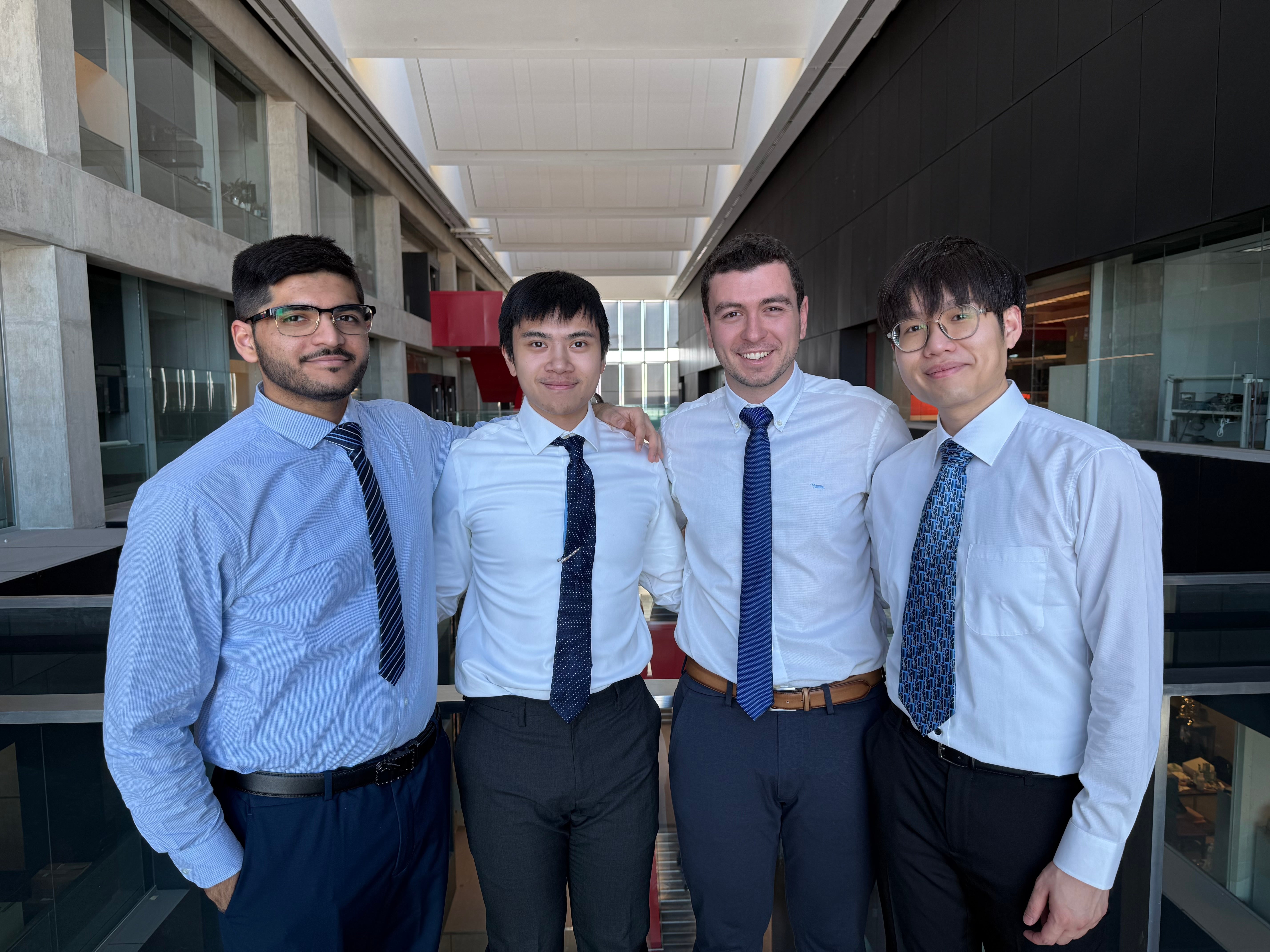
Wilson Chan, Andrew Fata, Andrew Gocheco, Agam Soni
Chronic obstructive pulmonary disease (COPD) is the fourth leading cause of death worldwide and affects over 2 million Canadians. Rural patients face the highest risks and often travel hours for infrequent checkups. Spiiro bridges this gap with an at-home system that uses AI to analyze testing techniques and provide feedback on user errors. By generating clinically meaningful metrics in an accessible language, Spiiro supports patients and provides healthcare providers with the insights needed for timely, life-saving clinical decision-making.
6. VocalPoint
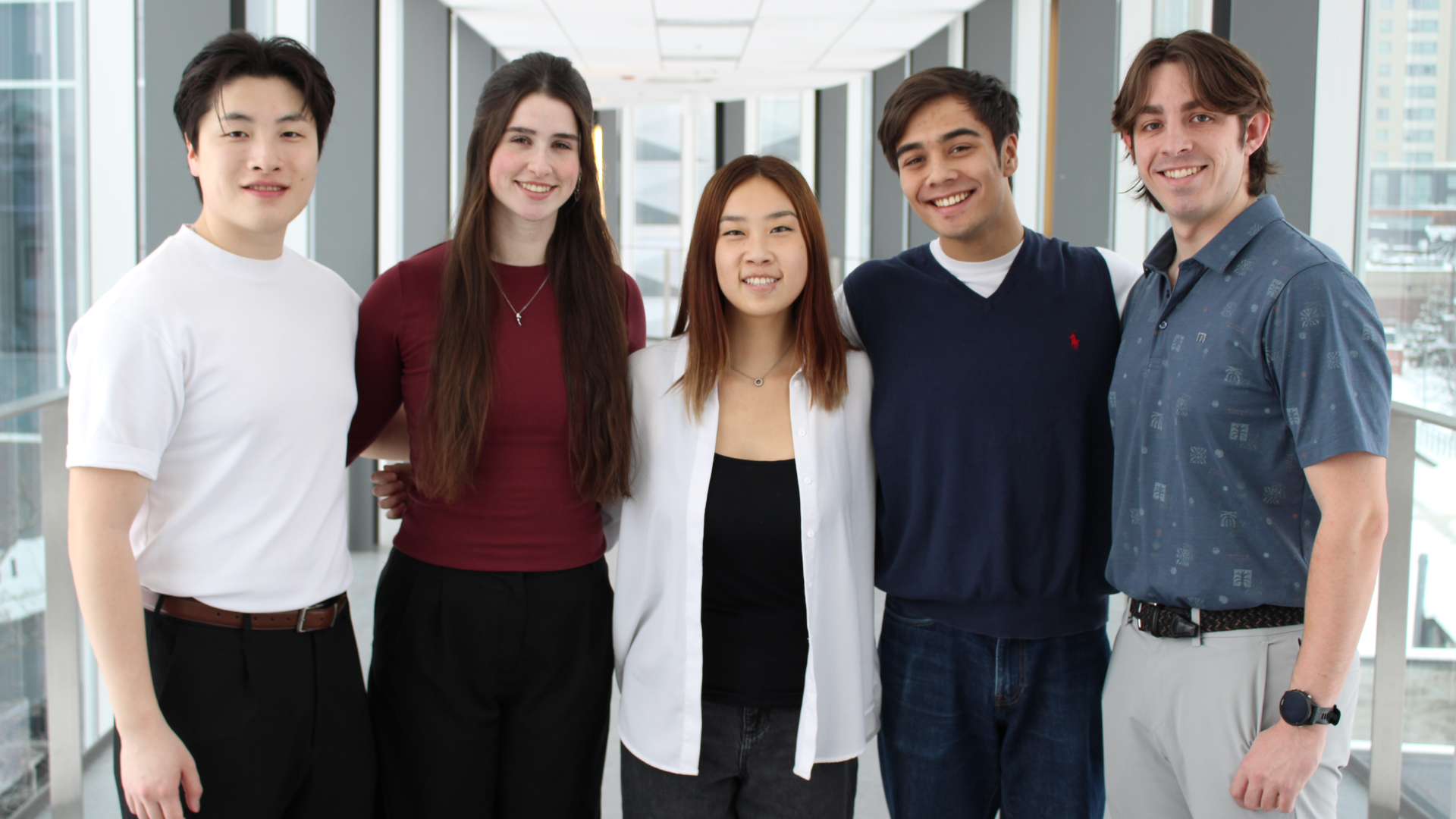
Tegan Asprey, Tyler Bell, Ryan Jing, Matthew Keller, Jenny Wu
Students with hearing disabilities struggle to engage fully in class lectures and group discussions. VocalPoint is a portable table-top device that connects wirelessly to users’ hearing aids to amplify speakers of interest and reduce noise in loud indoor settings. Current technologies are expensive and not compatible with all hearing aids on the market. VocalPoint aims to bridge barriers to education using microphone array processing, voice detection, and localization in a user-friendly package.
7. Pearl-E Lights
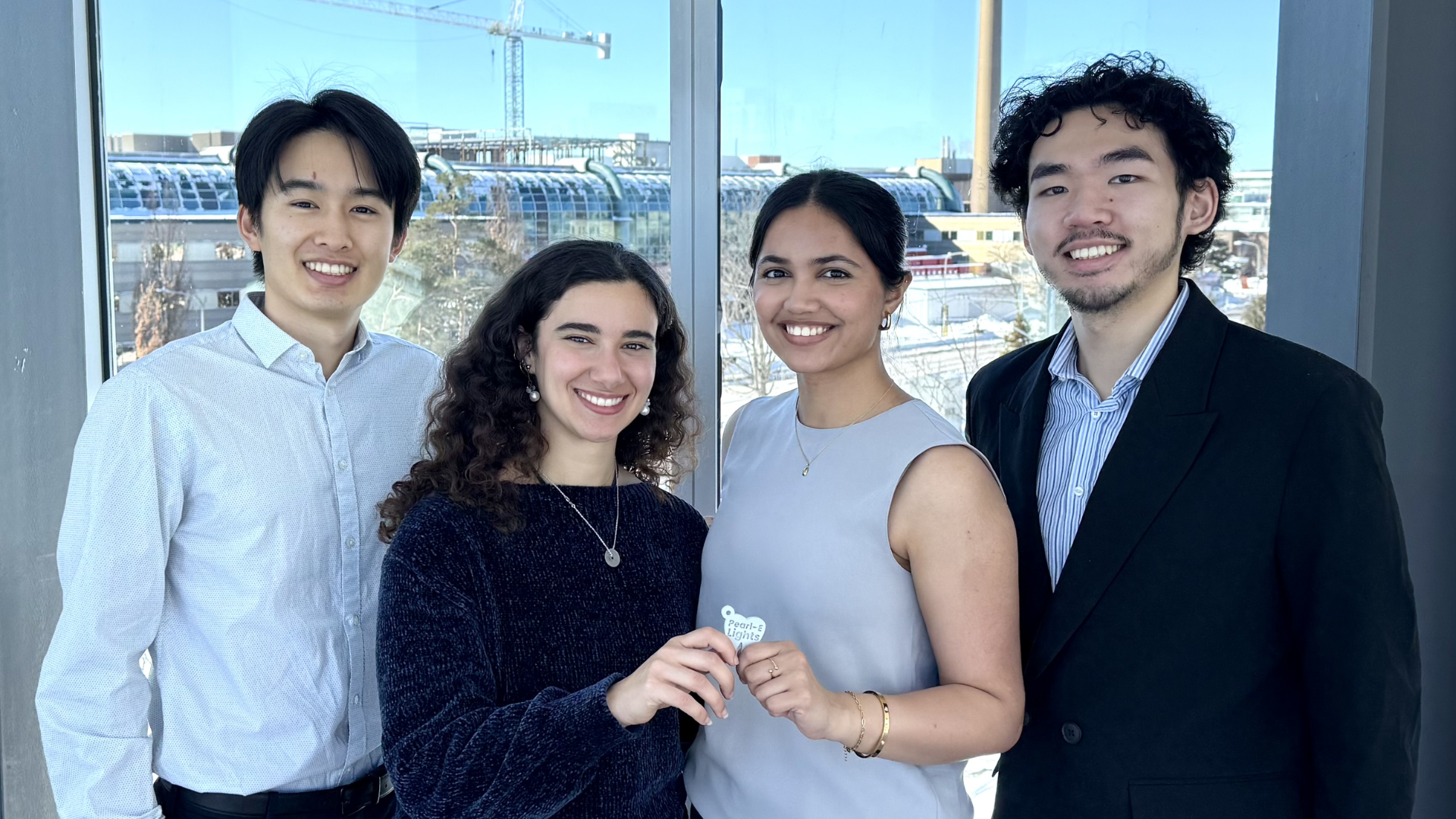
Ayah Amer, Binalpreet Kalra, Leo Lau, Daniel Shim
Proper illumination in the mouth is crucial in dentistry, but current lighting options present significant drawbacks. Overhead lamps cast shadows, requiring disruptive manual adjustments. Headlamps offer shadow-free focus but are heavy, causing ergonomic issues and neck strain. Our project will develop an automated overhead dental light system, combining headlamp precision with overhead comfort to eliminate minor adjustments and boost efficiency.
8. Haptis
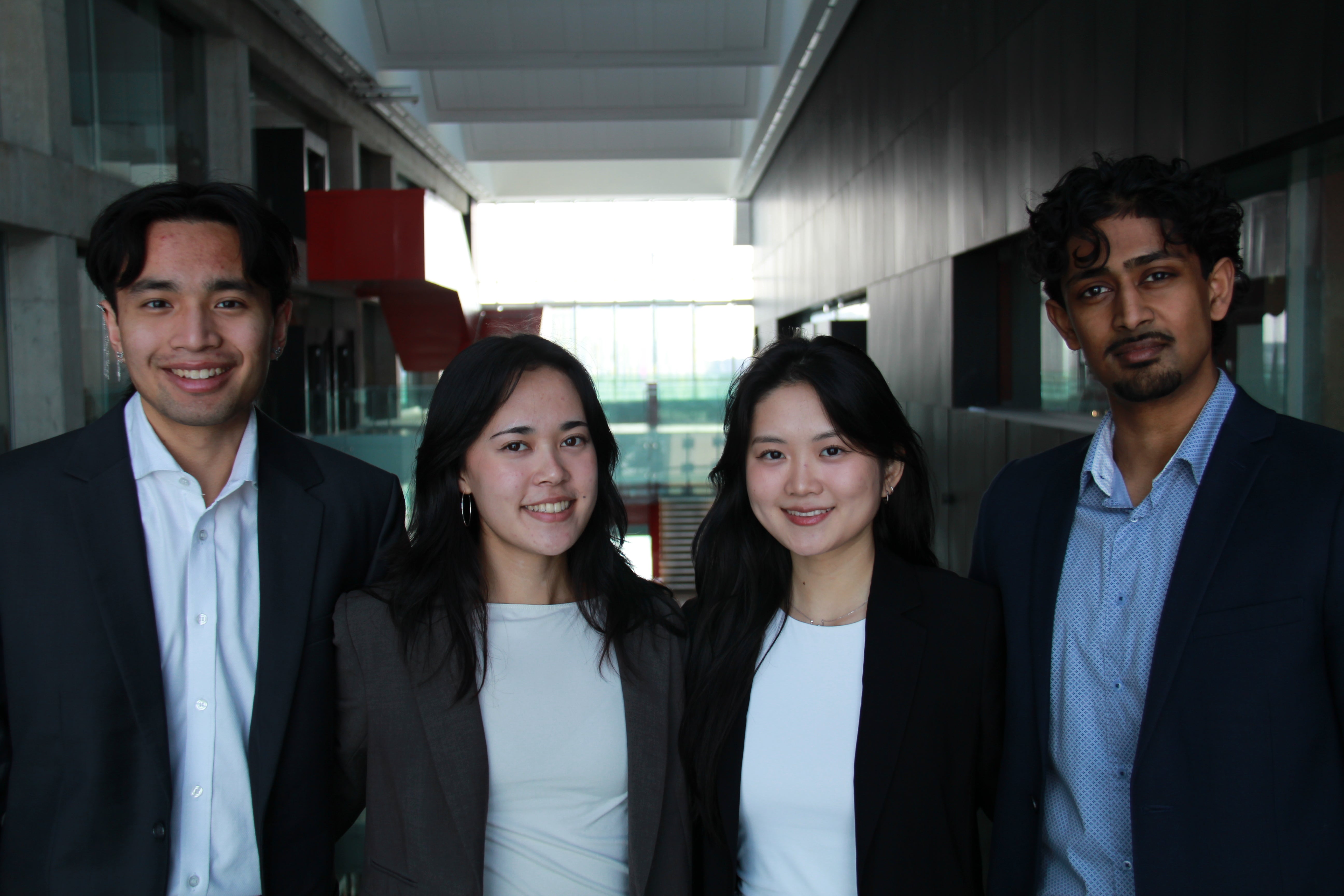
Clara Kim, Emily Rose, Navalan Thadchanamoorthy, Andre Villanueva
Haptis is a wearable system that assists with sound localization for individuals with hearing impairment. Hearing impairment often hinders one’s ability to localize sound, as auditory cues, including interaural differences in sound amplitude and arrival time are diminished. The device captures surrounding audio, which is processed to estimate the horizontal direction of incoming sound. Through delivering distinct haptic vibration patterns associated with sound direction, the device aims to improve the users’ spatial awareness for safety and confidence in responding to conversations and alerts.
![[AD]²](/capstone-design/sites/default/files/uploads/images/team9.jpg)
9. [AD]²
Hailey Yena Kim, Yoonhee Park, Daniel Szelepcsenyi, Vivien Yu
[AD]² is an assistive device designed for individuals with Alzheimer's disease to assist them in remembering their loved ones. The system integrates event-related potential (ERP) EEG with eye-tracking and monitors users’ neurophysiological responses to determine whether they recognize a person. When non-recognition is detected, it delivers personalized visual and auditory cues as a reminder. By automating reminders, [AD]² aims to reduce caregiver burden while lowering patient frustration associated with memory lapses and social disorientation.

10. Racquet Science
Ashley Chen, Shirley Lin, Vanessa Mac
Nearly half of all tennis players suffer from elbow pain, with about 75% of these cases resulting in tennis elbow. Players often lack the objective data required to pinpoint the technical habits that trigger their injury. Racquet Science addresses this gap with an integrated monitoring system that tracks grip pressure and wrist mechanics during active play. By mapping these biomechanics trends against user-reported pain levels, the platform provides physiotherapists with evidence-based insights to design effective prevention and recovery strategies.
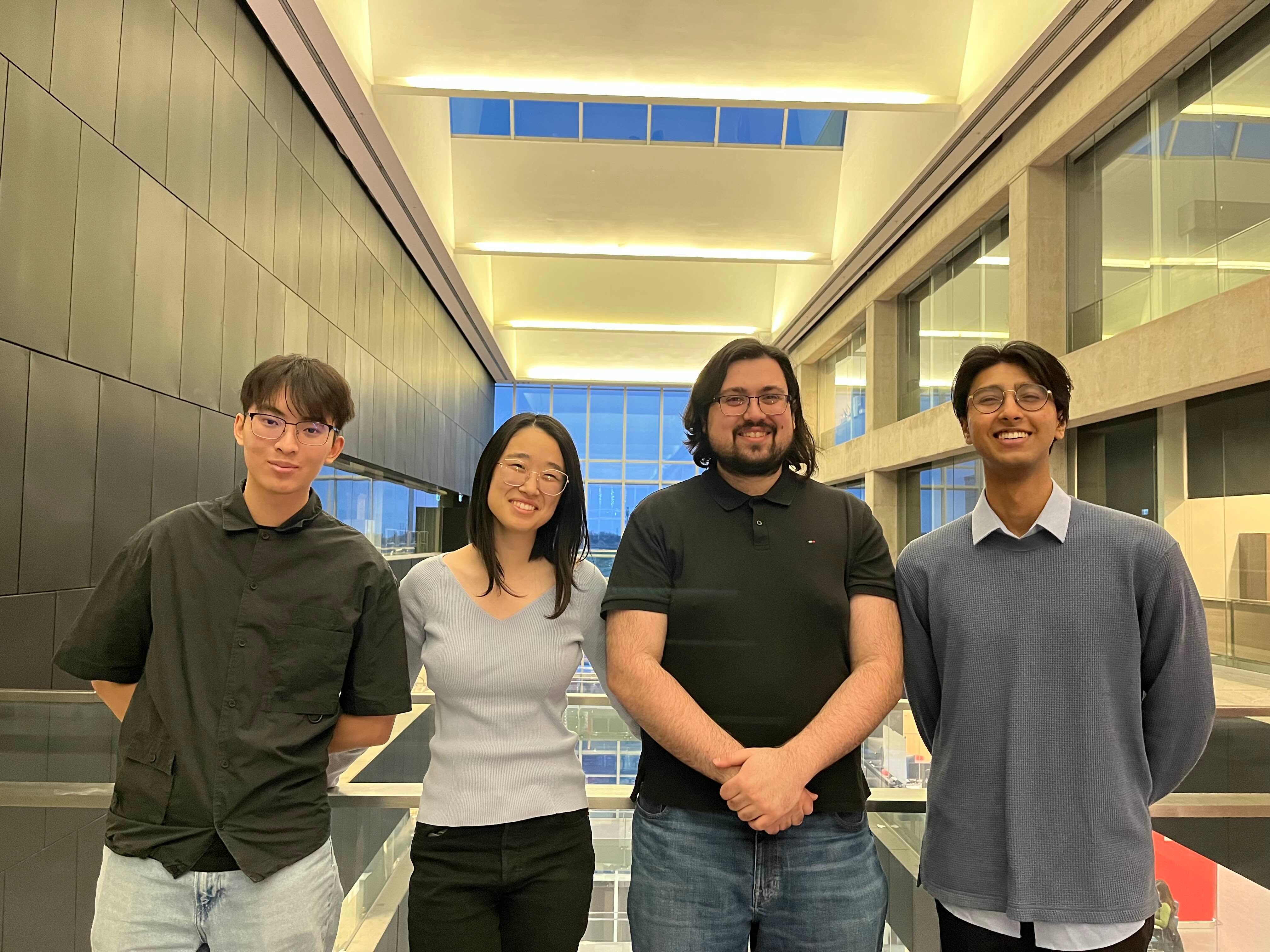
11. CalmCoach
Gursher Baath, Dylan Cho, Erica Liu, Connor Irvin
What you do before you sleep has a significant effect on your sleep quality. Heart rate variability biofeedback (HRV-BF) has been proven to promote feelings of calmness, which is important for health, performance, and getting ready for a good night’s sleep. CalmCoach provides HRV-BF, allowing you to better prepare for sleep, and train your breathing to promote calmness.
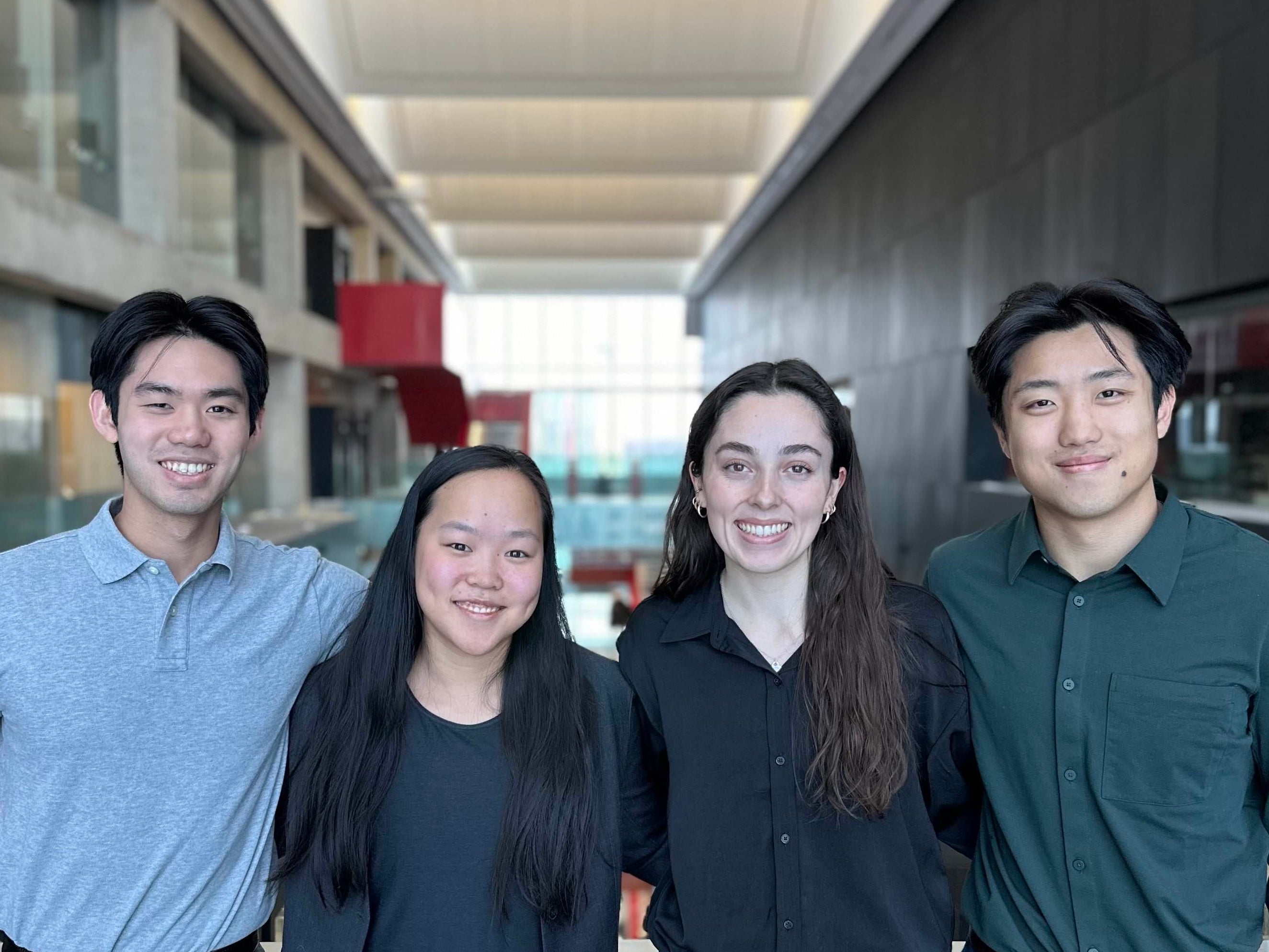
12. PRISM - Prosthetic Residuum Interface Sensing Module
Joel Lee, Gary Liu, Livia Murray, Gloria So
PRISM is a pressure-sensing system for the interface between a transtibial prosthetic socket and the residual limb. It integrates a distributed array of sensors into a standard prosthetic sock. Calibrated to each user’s anatomy, PRISM measures localized pressure during daily use and presents the data as intuitive, real-time visual feedback. This helps users adjust sock plies throughout the day and enables clinicians to identify high-risk pressure regions, mitigate skin degradation, and make informed socket design decisions.

13. DorsiFlexx
Dhriti Gabani, Rohan Mistry, Mika Shaw, Sophia Xie
DorsiFlexx is a wearable rehabilitation system designed to improve recovery in patients with restricted ankle dorsiflexion, a condition that commonly occurs after ankle sprains. By combining comfortable wearable sensors, machine learning-based movement analysis, and an intuitive mobile app, DorsiFlexx tracks exercise sessions, evaluates movement quality, and provides clear, actionable feedback to patients and their physiotherapists. By promoting proper exercise execution and consistent adherence, DorsiFlexx enables more engaging, data-driven, and effective physiotherapy outcomes.
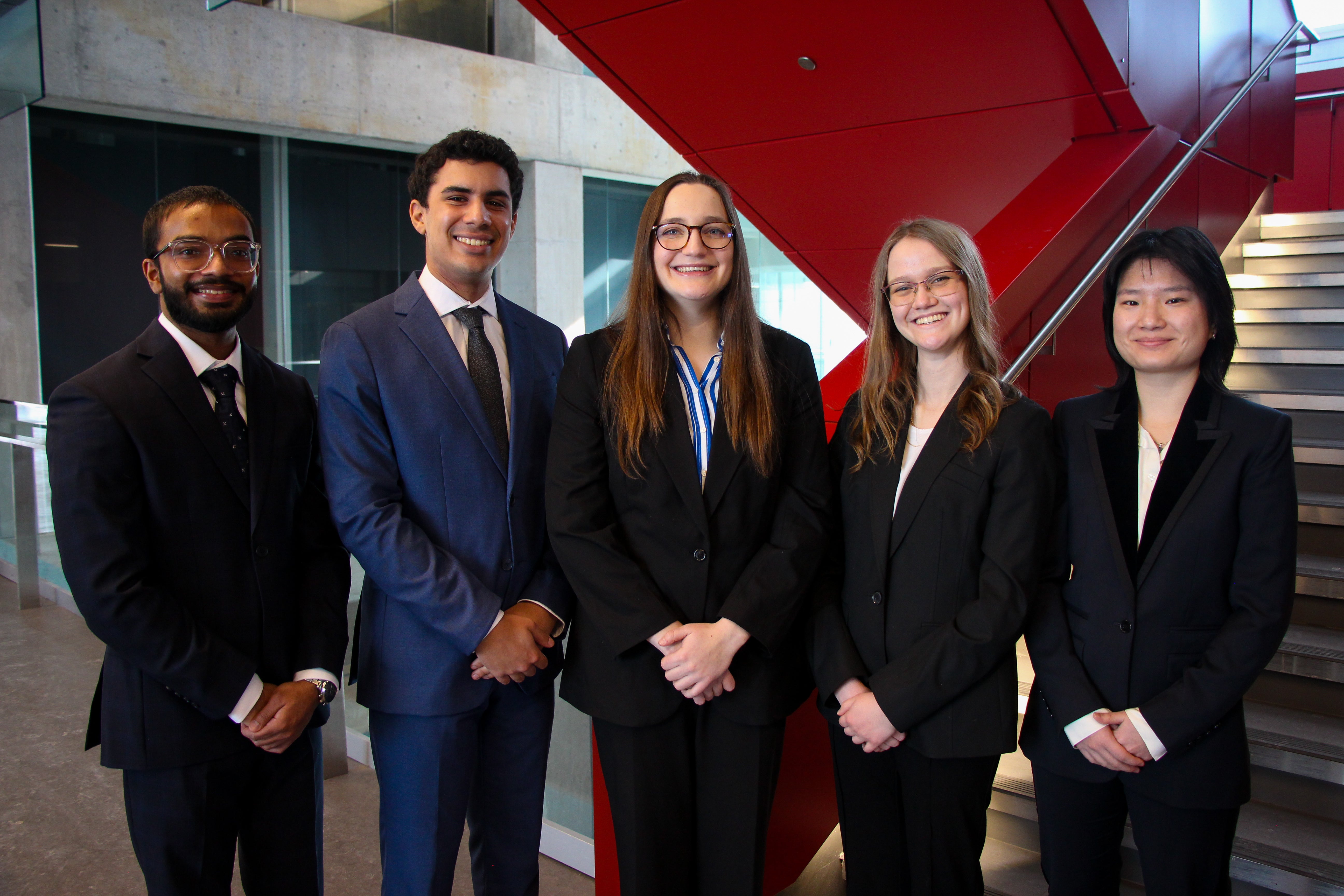
14. EvoSocket
Lucas DeMello, Anna Klygina, Maggie Lambe, Anna Polack, Aadithya Sairam
The current pediatric prosthetic workflow is time-consuming and labour-intensive, resulting in large burdens placed on families in the form of travel and costs. Additionally, children often outgrow their sockets before insurance covers a new one, leading to discomfort, requiring frequent refittings. Our goal is to design a pediatric lower-limb transtibial adjustable socket with moving panels that accommodates complex growth patterns throughout puberty. Using novel technologies like granular jamming and sensor calibration, we hope to reduce the burden on children, their families, and the healthcare system.
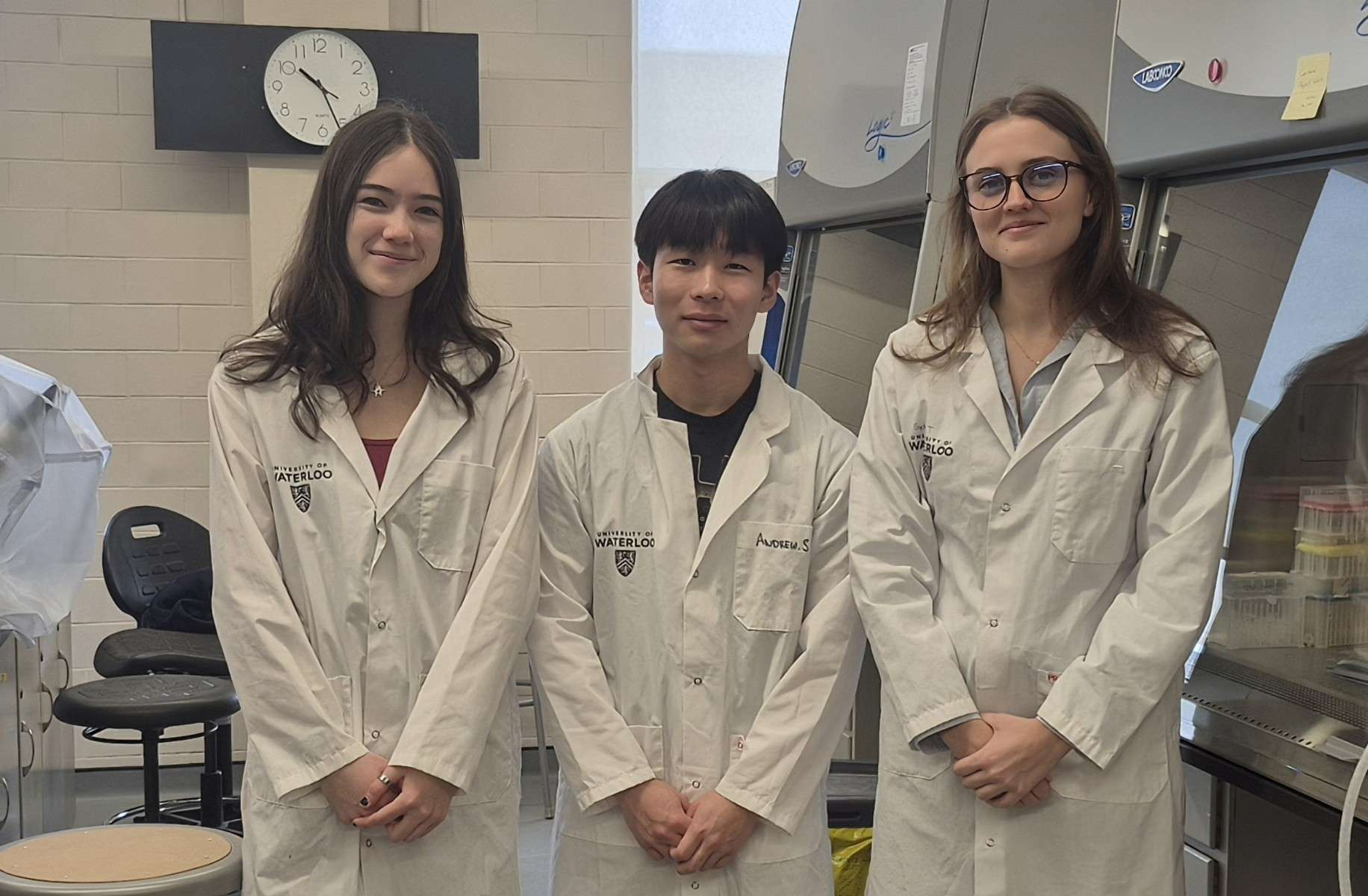
15. OvaFluo
Sydney Sherwood, Andrew Shin, Sydney Thompson
Endometriosis is a chronic gynecological condition that affects approximately 10% of women of reproductive age and is frequently associated with severe pain. Despite this prevalence, it is often misdiagnosed or remains undiagnosed for years due to social stigma, symptom ambiguity, and the lack of non-specific tests. OvaFluo was developed as an at-home, rapid, and quantitative screening device that measures an endometriosis associated biomarker in menstrual blood to indicate disease presence. This approach provides diagnostic objectivity that supports patient-reported symptoms and facilitates earlier referral for definitive surgical diagnosis and treatment.

16. VascuLearn
Catie Balasubramanian, Lucas Di Pietro, Connor Kendall, Mattie Kerrigan
Neuroendovascular surgery, a minimally-invasive surgery technique targeting brain diseases like cancer and aneurysms, has revolutionized how we treat brain diseases in adults, but access for Canadian children is limited. Pediatric cases require specialized training due to their complex geometry and unique diseases, which is currently scarce across Canada. VascuLearn, in collaboration with SickKids, is bridging this gap with a pediatric neurovascular simulator. By using a custom pump to mimic blood flow through 3D-printed vessel models based on patient MRI scans, the simulator provides affordable, high-fidelity training, ensuring children can access this gold-standard care.
17. NeuroFlow
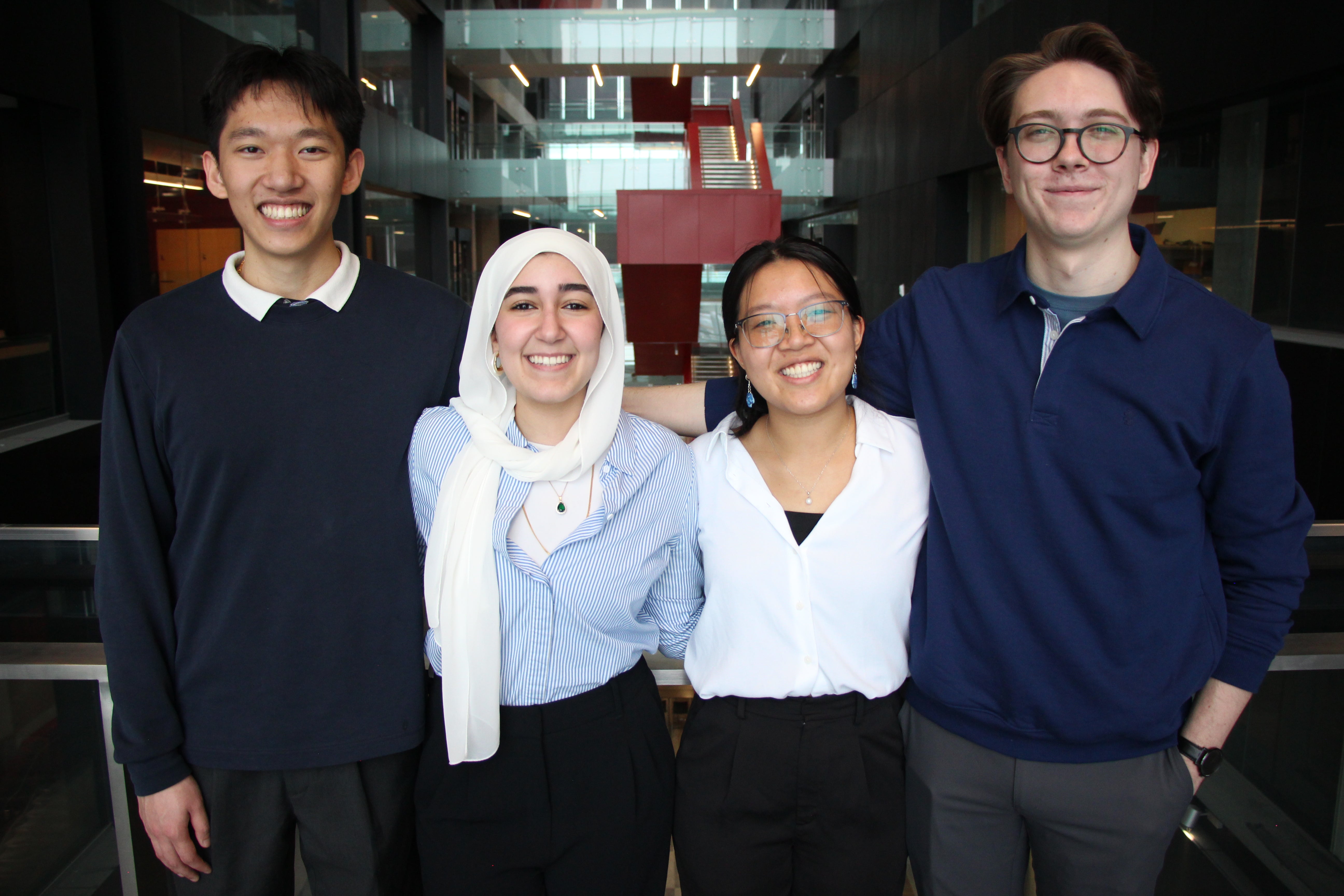
Salma Abdelfattah, Aidan Kirwin, Keenan Ung, Wendy Xu
Acute hydrocephalus is a buildup of cerebrospinal fluid (CSF) in the brain’s ventricles, resulting in elevated intracranial pressure levels. Patients with this condition require the placement of an external ventricular drain to divert excess fluid. NeuroFlow is a system that replaces standard gravity-based treatment with motorized CSF drainage and automated catheter obstruction clearance, minimizing over- or under-drainage caused by physical disturbances, decreasing patient infection risk, and reducing clinician workload.
18. ABR Detect
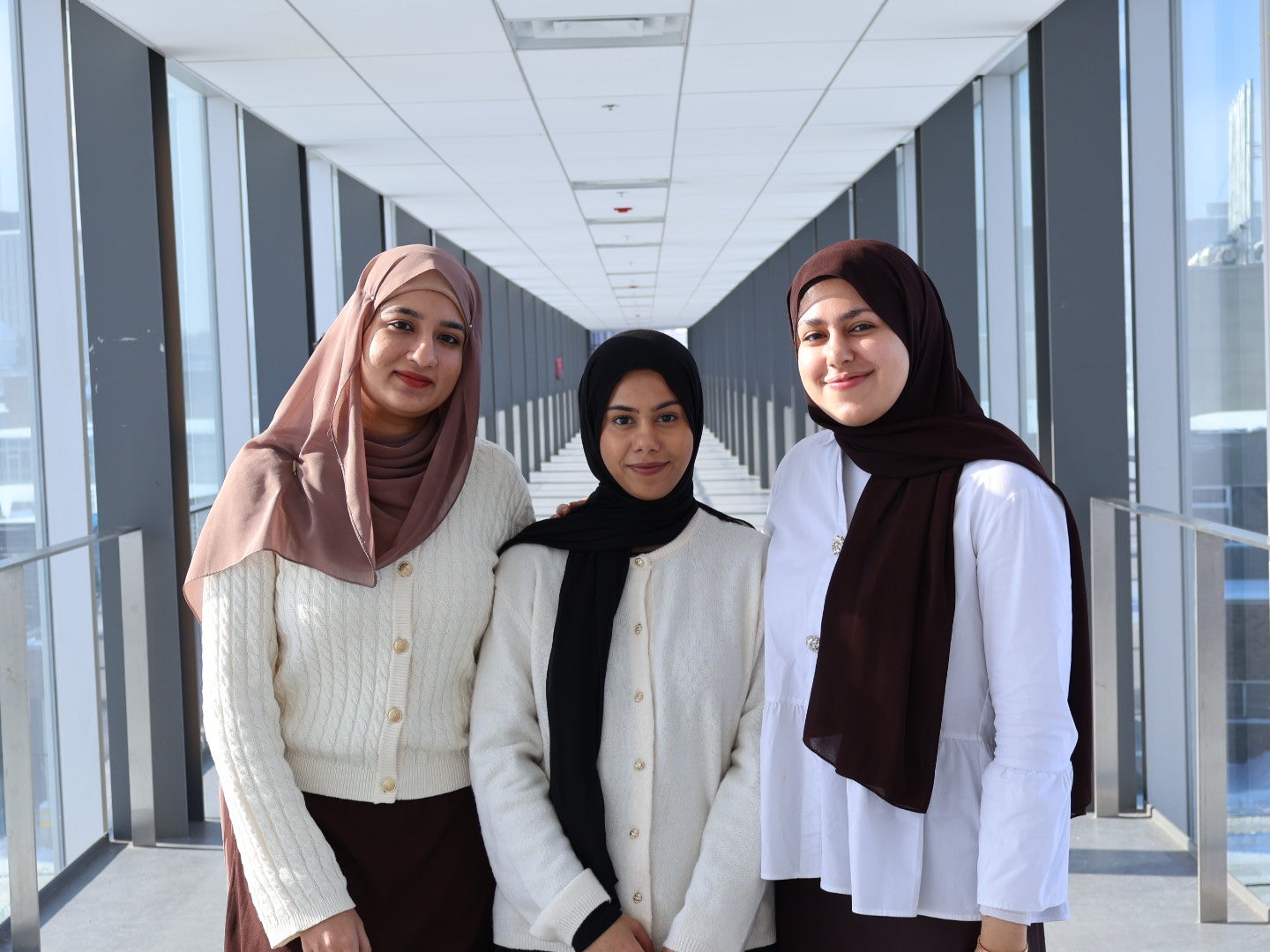
Kulsum Ali, Sara Desoky, Ayesha Waseem
Antibiotic resistance (ABR) is a growing global threat, yet identifying resistant infections such as urinary tract infections still depends on slow, lab-based testing. In under-resourced settings, harsh environmental conditions and limited infrastructure make these tests impractical, leading to delayed or ineffective treatment. ABRDetect addresses this gap with a compact, low-cost screening device that uses an electromagnetic biosensor to rapidly detect resistance-associated enzymatic activity through resonance frequency shifts. This enables point-of-care screening in settings such as refugee camps, supporting earlier treatment decisions and better patient outcomes.
19. wAI
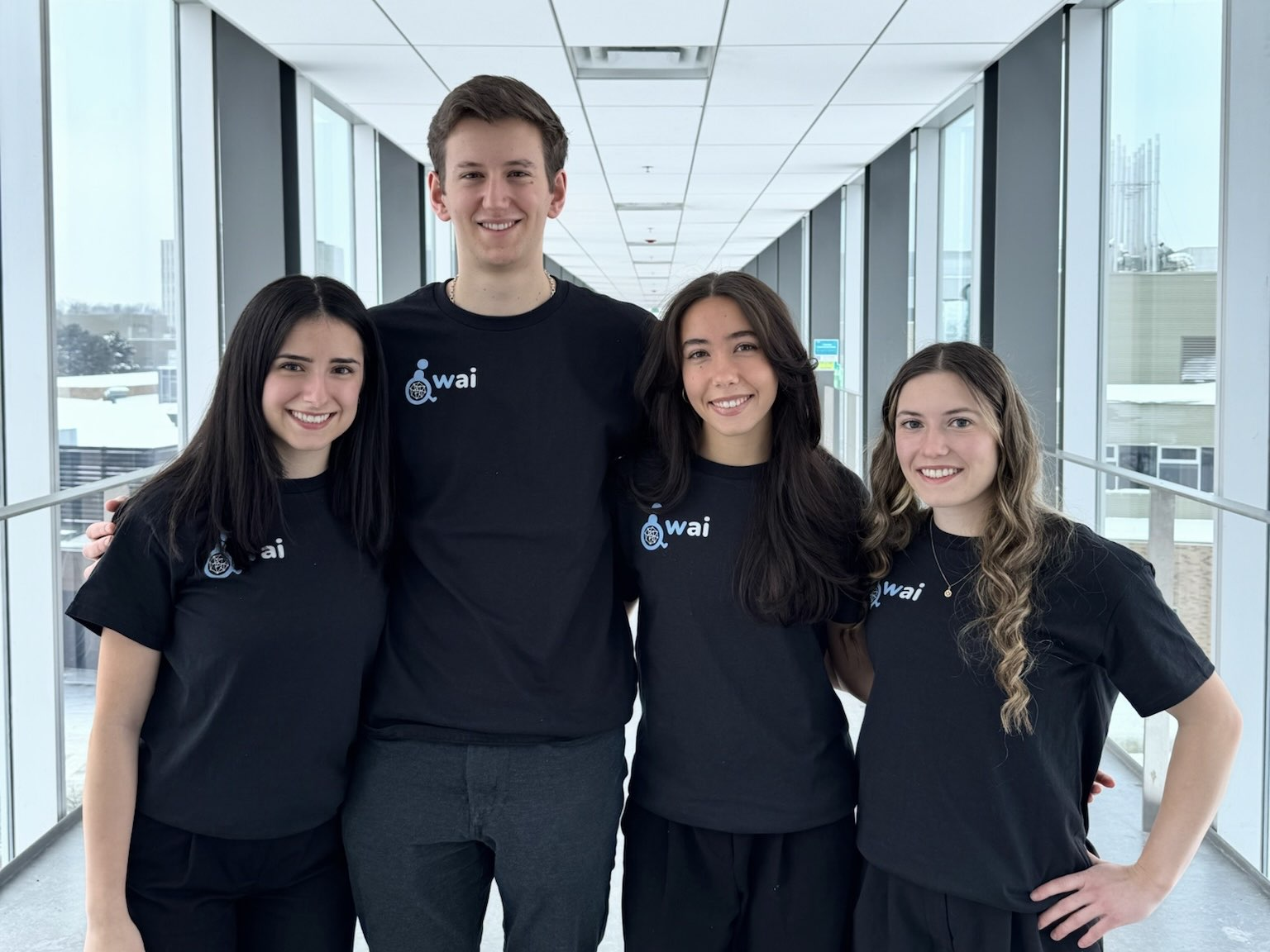
Alexis Bader, Gavin DePiero, Mackenzie Snyder, Adele Younis
For many wheelchair users, being weighed during a medical visit is simply not feasible due to clinical constraints. Up to 70% of physicians rely on patients’ recalled weight while others are forced to guess, both of which are prone to error. Inaccurate weight measurements can lead to incorrect medication dosing, missed diagnoses, and other preventable health outcomes. Our project aims to solve this problem by developing a device to measure the weight of adult wheelchair users, reducing physical and financial barriers to accessible care.

20. iCAP
Aaren Arasaratnam, Natcha Fongsrisin, Chloe Isesele, Emija Ravindran
Retinal imaging plays an important role in assessing a range of eye diseases, yet access remains limited by expensive equipment and rigid clinical setups. This project focuses on designing a compact, low-cost device that captures detailed, wide field-of-view images of the back of eye. Using infrared illumination and an adjustable chin-forehead support, the system accommodates natural differences in pupil size. Captured data is processed through a web-based platform to produce a composite image and support optometrists in clinical decision-making.
THANK YOU
SPONSORS AND SUPPORTERS
The Department of Systems Design Engineering
PROJECT ADVISORS
Arash Arami
Rob Burns
Allyson Giannikouris
Maud Gorbet
Jenny Howcroft
Rob Hunter
Tara Kuhn
Cynthia Lennon
Ewen MacDonald
Nima Maftoon
John McPhee
Sushanta Mitra
Cosmin Munteanu
Patricia Nieva
Carolyn Ren
Andrea Scott
Richard Staines
Mihaela Vlasea
John Zelek
COURSE INSTRUCTION TEAM
Dr. James Tung
Dr. Calvin Young
TEACHING ASSISTANT
Sean Rose
Alyson Ranger
SUPPORT STAFF
Orion Bruckman
Sadaf Mohsenkhani
Bisan Samara
THANK YOU
A heartfelt thank you to our support staff and clinical stakeholders for their generous time, guidance, and expertise. By engaging with students on meaningful, real-world challenges, you have made our capstone design projects not only possible, but truly impactful.
FUTURE CAPSTONE DESIGN PROJECTS
For more information about Biomedical Engineering design projects or to inquire about joining us in future design projects, please contact:
James Tung
james.tung@uwaterloo.ca.
Share this page on social media:


