TERRITORIAL ACKNOWLEDGMENT
The Department of Chemical Engineering acknowledges that much of our work takes place on the traditional territory of the Neutral, Anishinaabeg and Haudenosaunee peoples. Our main campus is situated on the Haldimand Tract, the land granted to the Six Nations that includes six miles on each side of the Grand River. Our active work toward reconciliation takes place across our campuses through research, learning, teaching, and community building, and is co-ordinated within the Office of Indigenous Relations.
A MESSAGE FROM THE CHAIR

Mario Ioannidis
Professor and Chair
Thank you for your interest in the Department of Chemical Engineering’s 2026 Capstone Design projects. For our students, Capstone Design represents the end of remarkable journey through experiential learning, which began with first-year studio courses and progressed through several co-operative education work terms and immersive projects in state-of-the art laboratories. Today, we celebrate what started over four years ago for this exceptional group of students - the Class of 2026.
This Capstone Design collection marks the culmination of our students’ final year, during which they identified, conceptualized and created their own designs under the guidance of our program’s instructors and mentors. Here, you will see the technical, problem solving and leadership skills of our graduating class – future engineers with the knowledge and motivation to adapt to our changing world and make it a better place. We appreciate you taking the time to see for yourself how our students’ years of hard work are translating into new ways of improving society.
Innovation, Resilience and Determination: Chemical engineering has always been integral to many aspects of our society: energy, the environment, food supply, healthcare and manufacturing, to name a few. Now more than ever technological solutions in these areas must have sustainability as the number one priority. Our graduating class, as future engineers, will demonstrate leadership in creating green energy, and designing resilient solutions for responsible consumption and production of materials. Our students have the determination to bring their inventive ideas, processes and products from the lab to their communities and the world.
Appreciation: Many thanks to the mentors, technical support staff and industrial sponsors who made these projects possible. Your involvement helps our students develop their skills and is a crucial aspect of our program. Thank you for learning about our students’ accomplishments. Our graduating class is well-prepared to meet today’s challenges and make positive changes for the future. We all look forward to seeing the great things they accomplish with their diverse skills.
Sincerely,
Mario Ioannidis, PhD, PEng, FEC
Professor and Chair
mioannid@uwaterloo.ca
P.S. Industry involvement, which helps our students develop their skills and ideas, is crucial to our students’ success. To share ideas for future Capstone projects or learn more about how to get involved in the excitement next year, please contact the Chemical Engineering Capstone Co-ordinators, Professors Valerie Ward & Christine Moresoli. The process is rewarding on all sides.
CAPSTONE DESIGN PARTICIPANTS
1. Closed-Loop CO2 Recycling in Craft Breweries
2. Removal of PFAS From Ontario Drinking Water
3. Extraction of Nickel from Sudbury, ON, Tailing Sites
4. Design of a Safer Solvent-Based Delamination System for EV Battery Electrode Recycling
5. Eco Insulators
6. From CO2 & Plastic Derivatives to Products: Bioengineering with C. necator
7. EV Modifications for Improved Performance in Cold Climates
8. Cell-Free Protein Expression for Insulin Production
9. Graphite Optimization & Cell-to-Pack Upscaling for Next-Gen EVs
10. Fabric to Fuel
11. Design of a Slow-Release Caffeine Tablet via a Dual-Layered Biodegradable Polymer Matrix
12. Radiance: Biodegradable Alternative of Microplastic-Based Cosmetic Glitters
13. Delivering Blue Hydrogen: SMR Design with Integrated CO₂ Capture
14. Anaerobic Digestion–Based Thermal Energy Supply for Dairy Farms
15. Reducing Overspray Contamination and Cleaning Time from Robot Covers in Wet Spray Booths
16. Pilot-Scale Production of Ferulic Acid from Corn Husks
17. Secondlife
18. Replacement of Carbon Black with Renewable Content in Tires
19. ReMagna
20. Application of Oxyfuel to Reduce CO2 Emissions in Cement Production
21. Early Fault Detection in Lithium-Ion Battery Systems
22. Pneumatic Conveying of Solids: Optimizing for Grain Transport
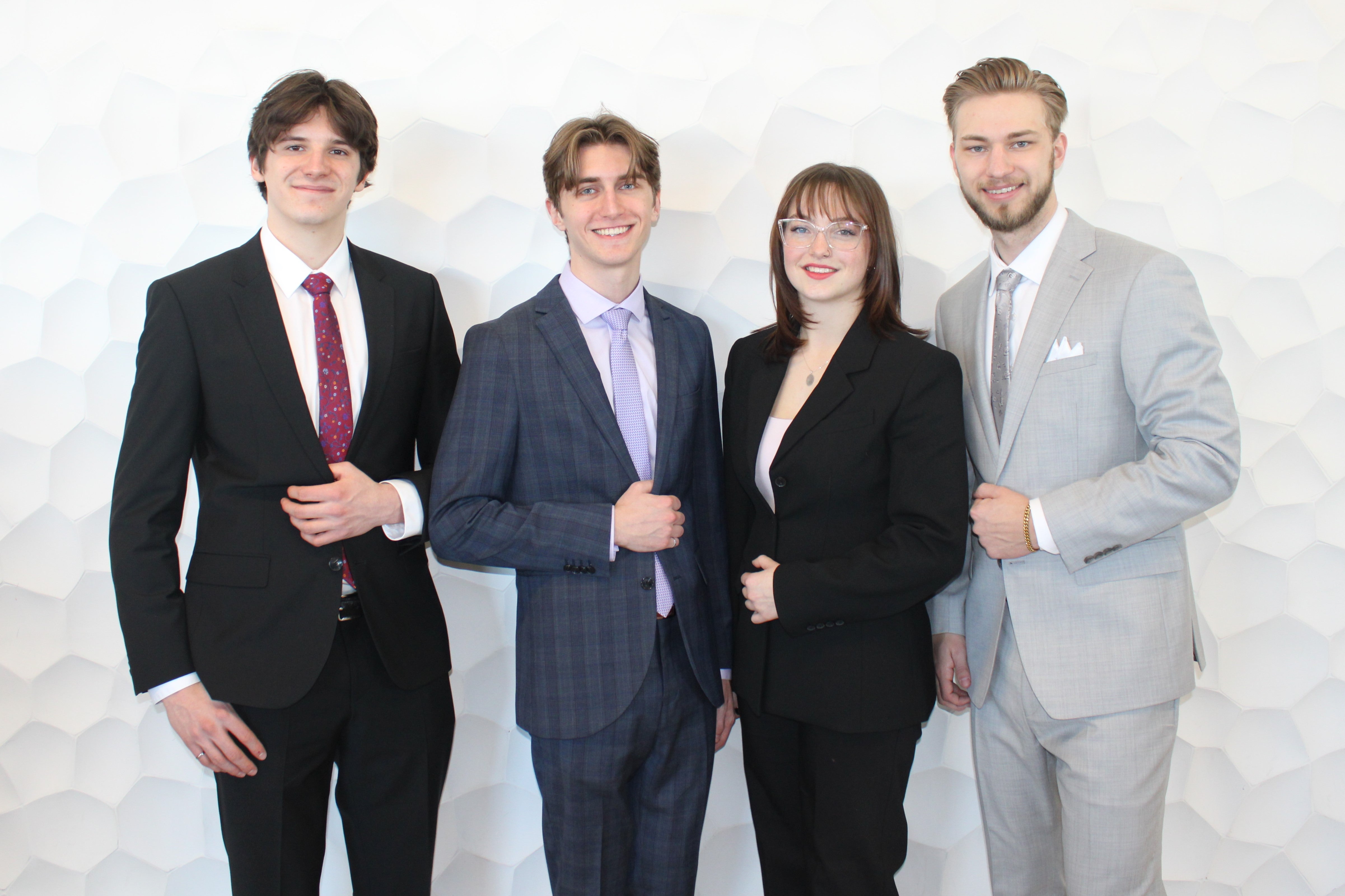
1. Closed-Loop CO2 Recycling in Craft Breweries
Finnan Weber, Aidan Peirce, Sarah Taylor, Owen Pastorius
During fermentation, breweries naturally generate CO2, which they often vent to the atmosphere. Later, that same brewery typically buys CO2 for carbonation and packaging. Large breweries can justify CO2 recovery equipment, but smaller breweries often can’t, despite facing the same costs and supply issues. Our project designs a right-sized CO2 capture and reuse solution for a partner craft brewery, ensuring practical and safe integration with existing operations. The aim is to reduce emissions, lower CO2 purchasing, and improve resilience.
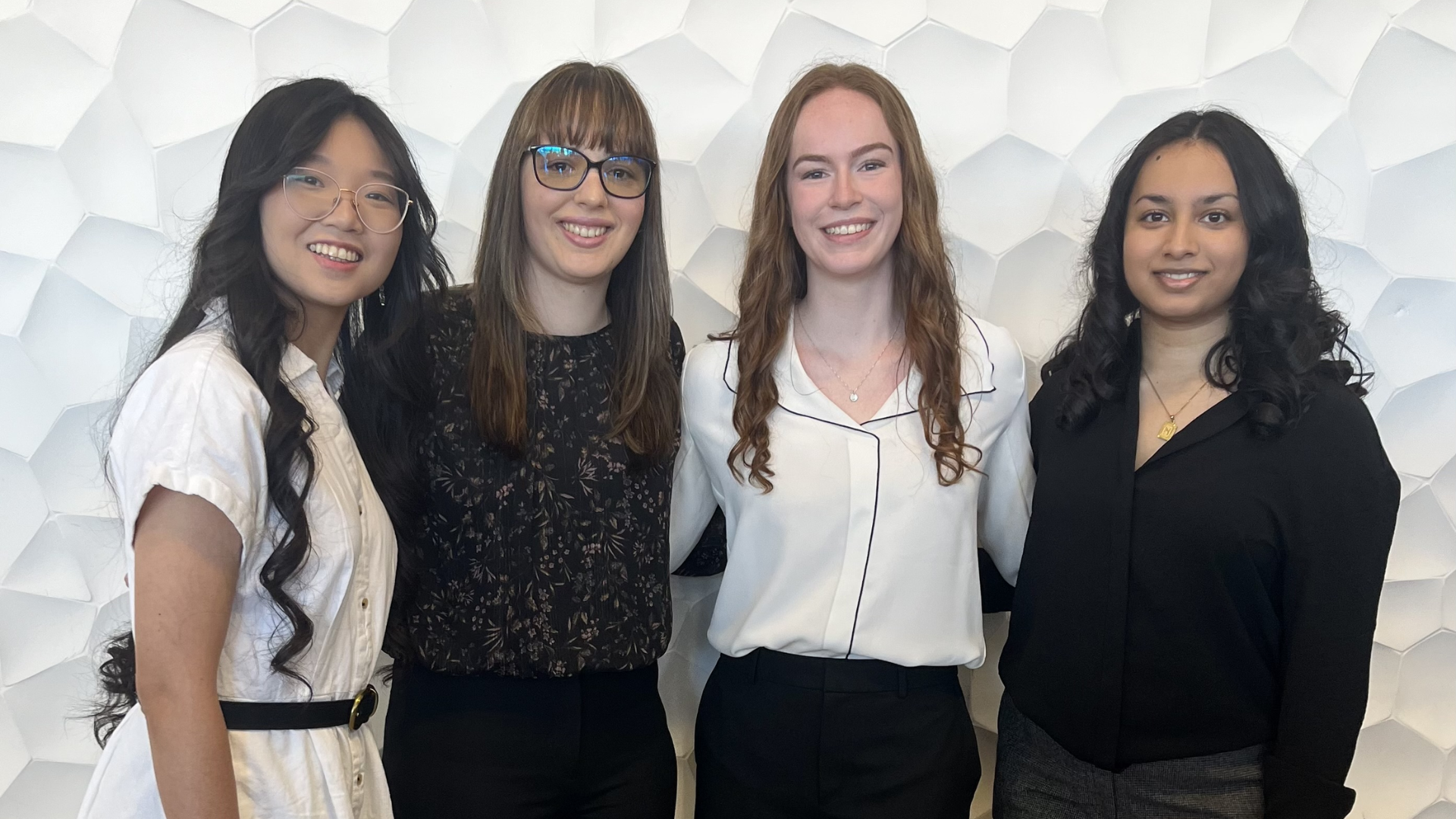
2. Removal of PFAS From Ontario Drinking Water
Rose Shi, Nidhi Sarkar, Andrea Bareich, Jenna Barker-Mulleder
Per- and poly- fluoroalkyl substances (PFAS) are a group of toxic chemicals that do not degrade and accumulate in rivers, lakes, and groundwater, significant sources of drinking water in Canada. We have designed a subsystem utilizing reverse osmosis and ion exchange technologies to filter out PFAS, which could be installed in existing Ontario water treatment plants to service populations up to 200,000. Our project aims to reduce PFAS concentrations in drinking water to below 30 ng/L, as per Health Canada recommendations.
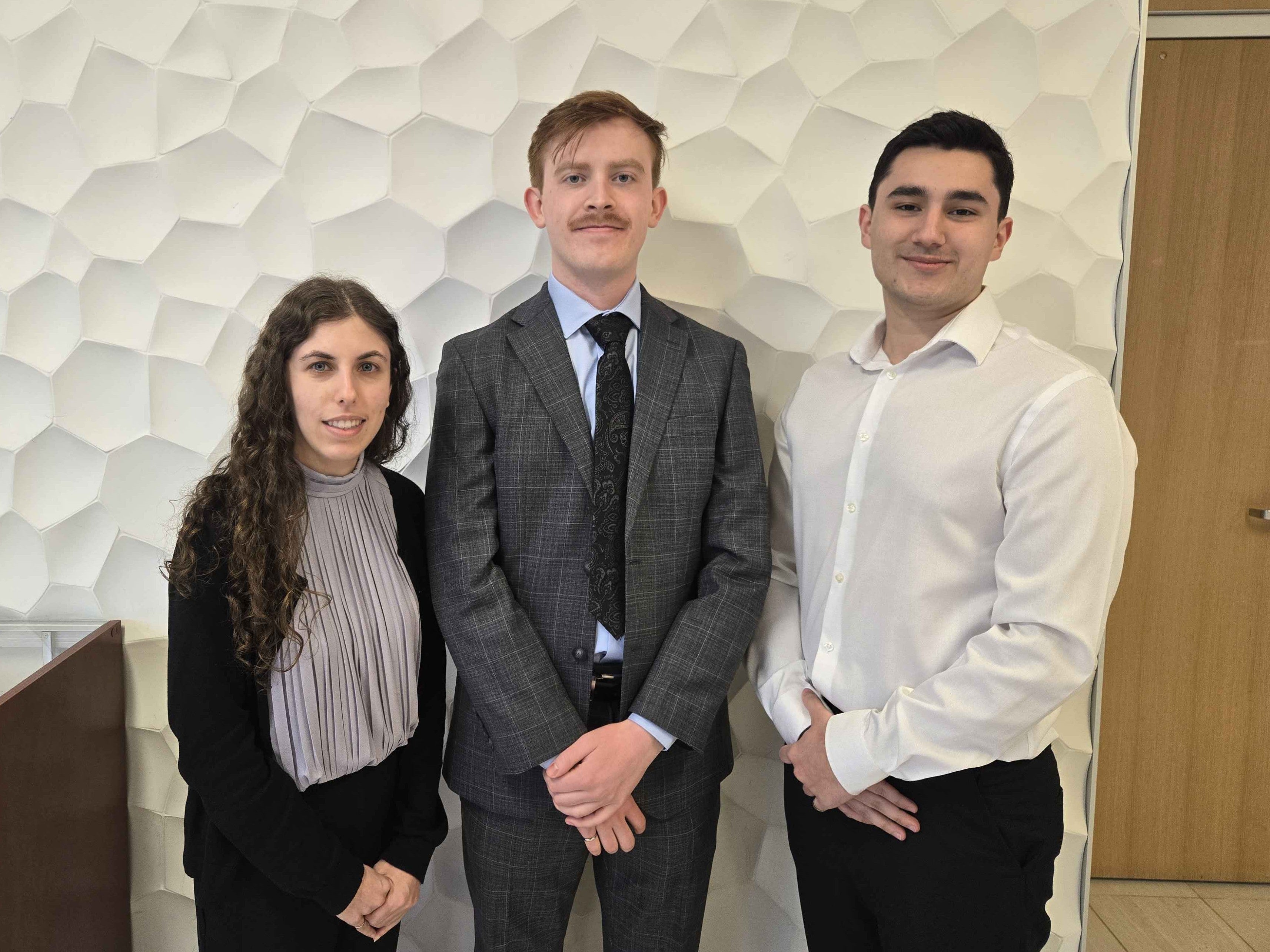
3. Extraction of Nickel from Sudbury, ON, Tailing Sites
Brayden Bouffard, Massimo Cavallo, Julia Suljak
Mining activity in Sudbury has produced millions of tonnes of tailings which introduce large amounts of nickel into the surrounding environment. This contributes to heavy metal toxicity in the local water systems. Our project is aimed at designing a pilot-plant using hydrometallurgical processes to remove nickel from the tailings by producing ferronickel, used in the production of stainless-steel alloys. This is intended to economically incentivize mine wastewater treatment.
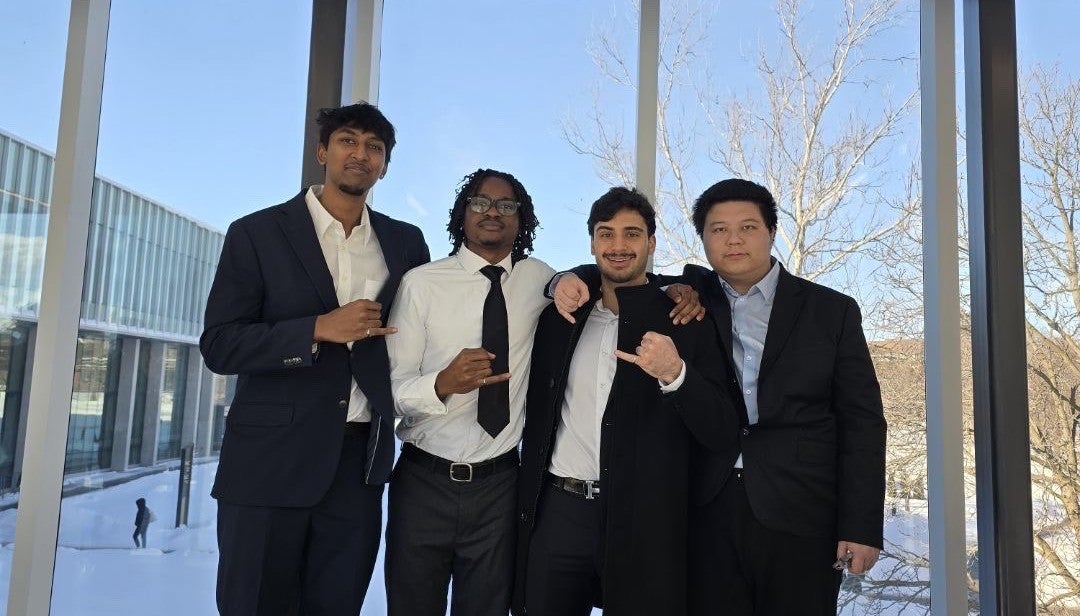
4. Design of a Safer Solvent-Based Delamination System for EV Battery Electrode Recycling
Ruoyu Dong, Temi Akanni, Dylan Hassan, Aaron Koarlall
Recovering high-value metals drives EV battery recycling. A key early step is removing electrode “black powder” (Ni–Mn–Co compounds) from spent cells. This powder is strongly attached by polyvinylidene fluoride (PVDF) binder, making separation difficult. Conventional methods use toxic N-methyl-2-pyrrolidone (NMP), often requiring sealed equipment and strict ventilation. Our team replaces NMP with Propylene carbonate (PC), a low-toxicity solvent plus ultrasonication to disrupt binder faster, enabling a safer, greener, operator-friendly process.
5. Eco Insulators
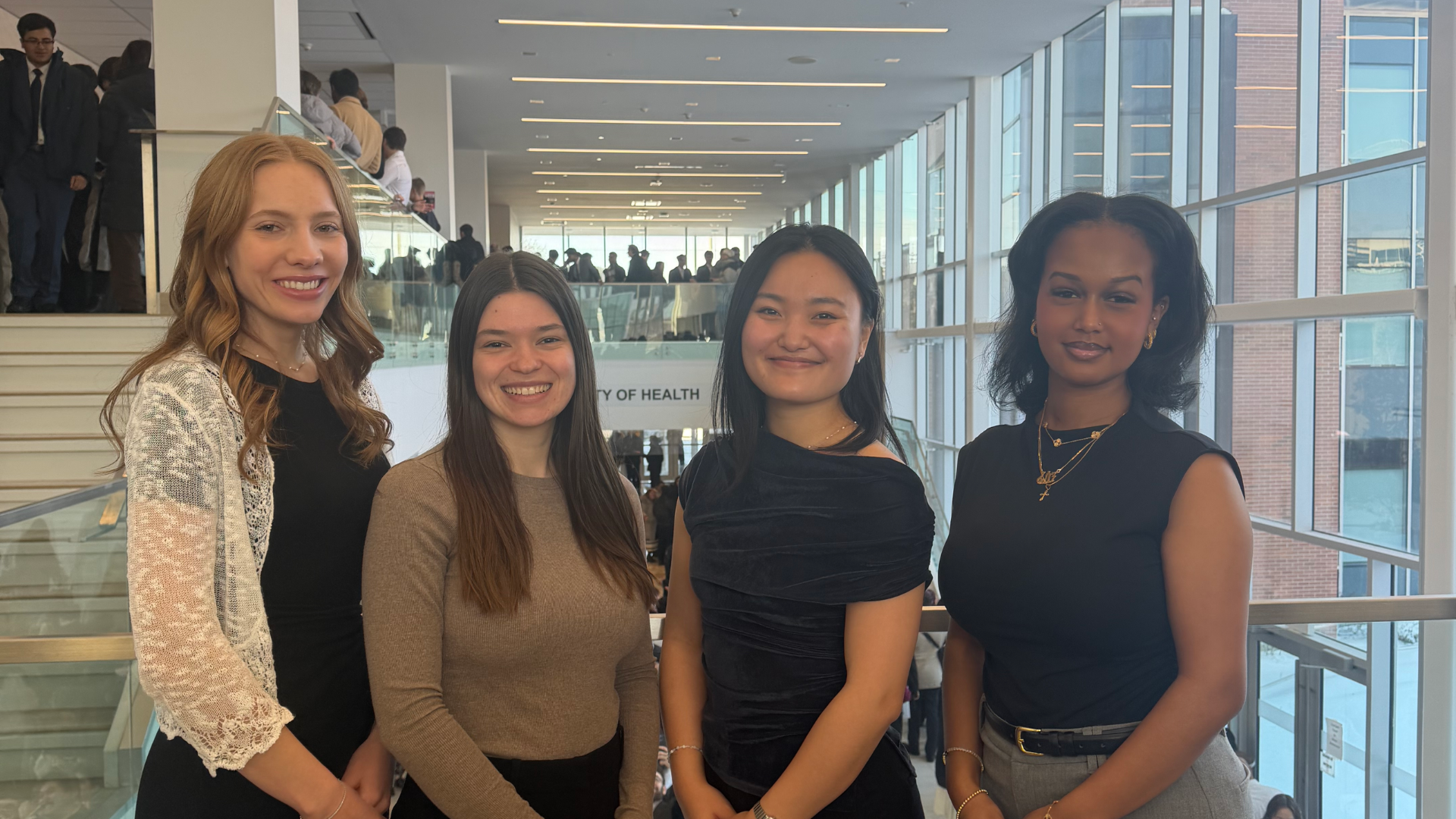
Faiven Anteneh, Emma Chalupka, Iris Jang, Victoria Smith
Our project aims to develop a biodegradable material to insulate phones in the winter to extend its battery life. A biodegradable polymer blend of PLA and PBAT is produced with the addition of nanocellulose crystals, Joncryl (a polymer chain extender), and azodicarbonamide (a foaming agent). The polymer blend is then foamed through compression molding to decrease the thermal conductivity. With COMSOL, the foamed material is simulated to calculate the heat loss in the cold, and the environmental impacts are evaluated through a lifecycle assessment.
6. From CO2 & Plastic Derivatives to Products: Bioengineering with C. necator
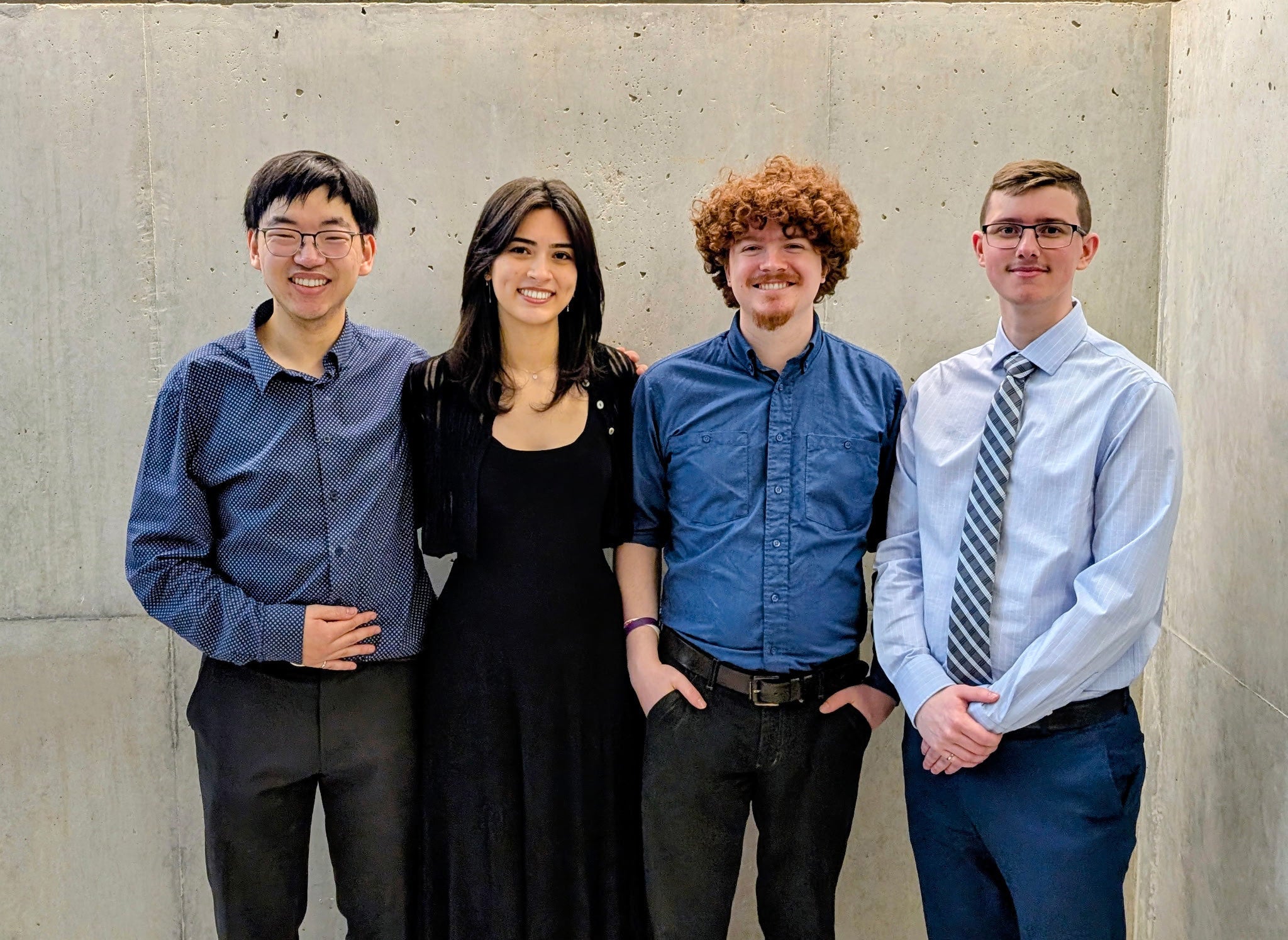
Thomas Li, Toben MacDermott, Nicholas MacMillan-Fagundes, Maya Wilger
Climate change is a key issue and it is important to reduce the amount of CO2 released into the environment. This project analyzes viable products that can be produced using the bacteria Cupriavidus necator from a feedstock of CO2 and ethylene glycol. Flux Balance Analysis (FBA) and SuperPro Designer are used to evaluate the feasibility, scalability, and economic viability of this potential solution. The project aims to find an optimal product that allows for commercial expansion of a process with net-negative CO2 emissions.
7. EV Modifications for Improved Performance in Cold Climates
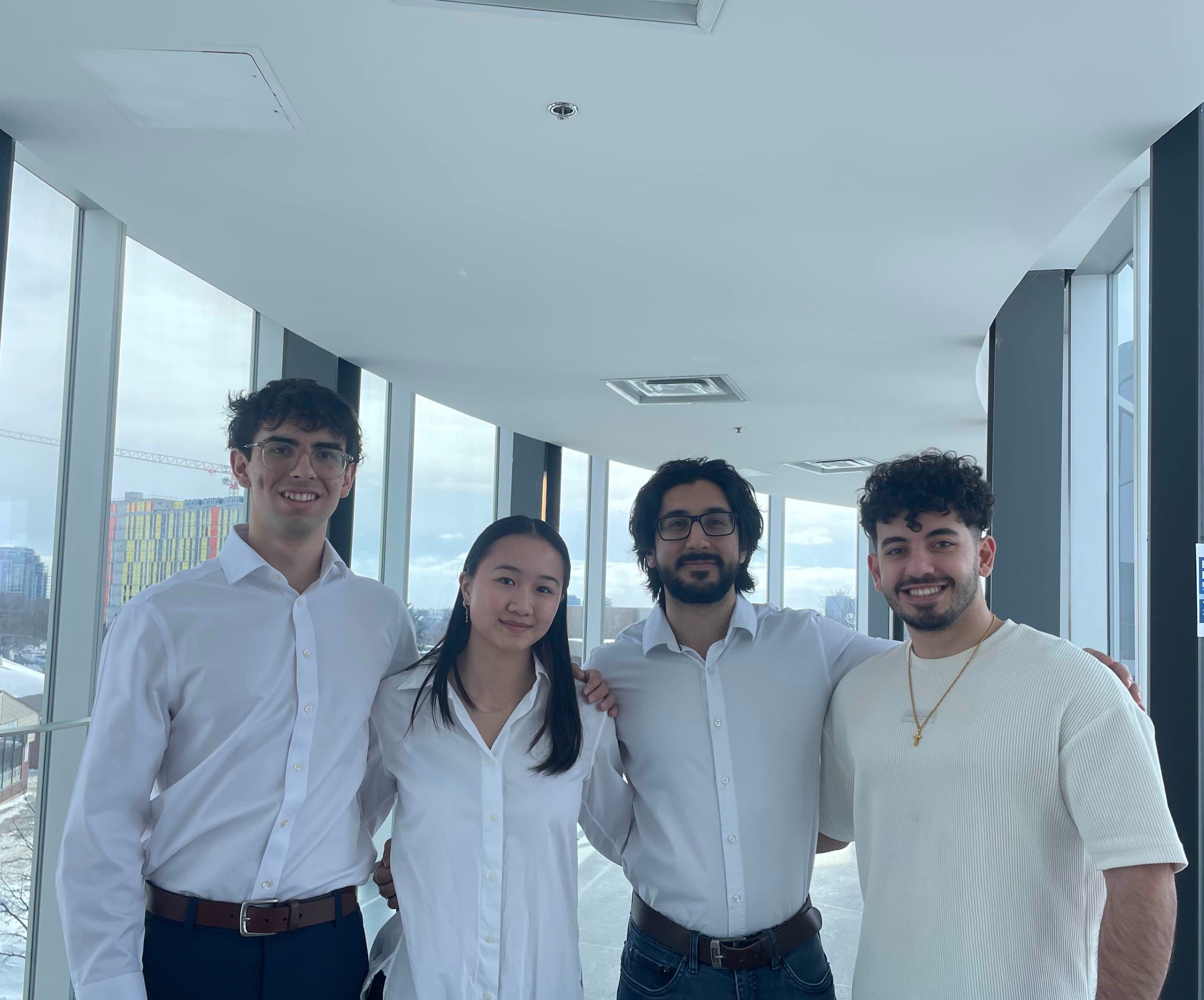
Andrei Banica, Yousif Diza, Dylan Mitha, Jessica Yee
At subzero temperatures, electric vehicles experience reduced drive ranges due to limitations in lithium-ion cell technology. This prevents widespread adoption in regions such as northern Canada, northern Europe, and Alaska. Our project aims to implement sodium-ion cells alongside an air-cooling thermal management system to improve the current performance capabilities of EVs in cold climates.
8. Cell-Free Protein Expression for Insulin Production
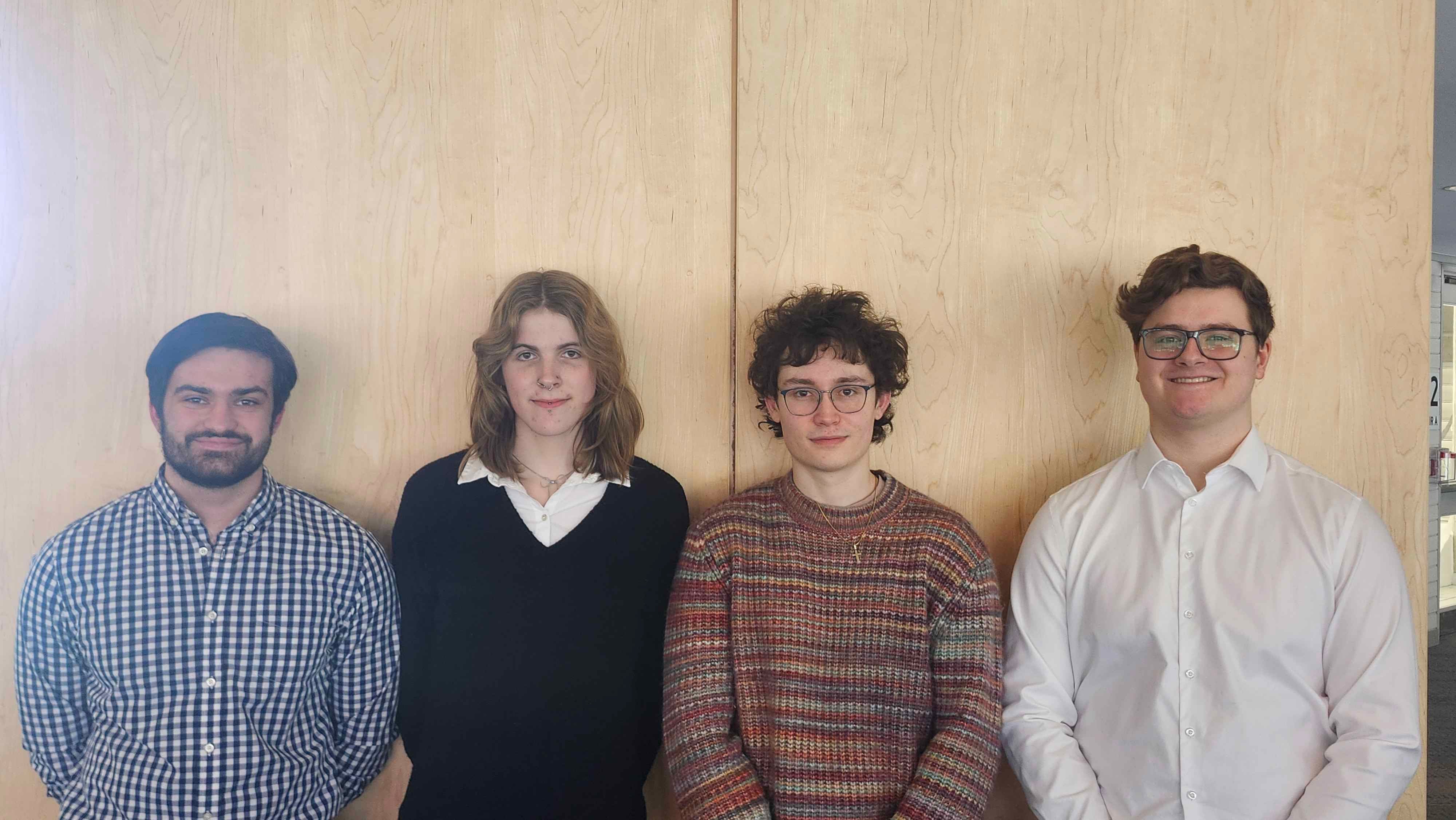
Mira Mackintosh, Owen Morgan, Cameron Lees, Steph Zafiu
Despite accounting for more than 80% of the adult diabetic population, citizens in low- and middle-income countries face the most barriers to insulin access. Our project aims to provide a simulated model for small-scale production of insulin to help increase insulin access in these regions. By leveraging cell-free protein expression, a modern biotechnological method, a complete human insulin synthesis can be completed without the need for cell lines or international cold-chain logistics.
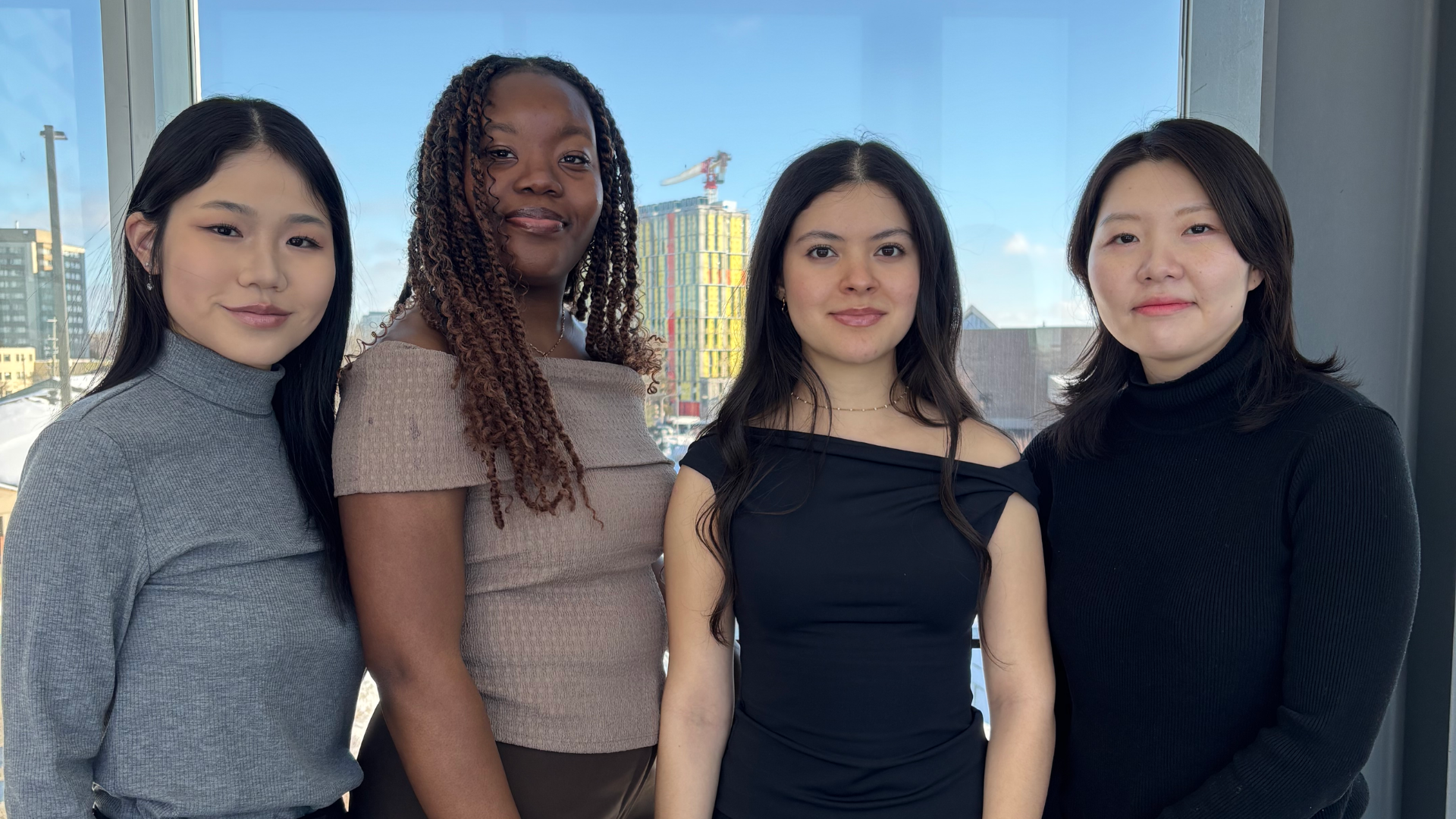
9. Graphite Optimization & Cell-to-Pack Upscaling for Next-Gen EVs
Janelle Gnoumou, Olivia Ji, Julie Kim, Camila Reyes Ladino
Developing sustainable EVs requires bridging the gap between microscopic chemistry and full-scale engineering. Our project integrates the entire development cycle, from lab-scale fabrication of graphite anode to physics-based Cell-to-Pack Upscaling. By feeding experimental data into a digital optimization engine, we simulate how anode properties affect EV battery pack’s performance and cost. This identifies the ideal graphite formulation, providing a validated blueprint for a battery that balances cost, range, charging time, and safety without expensive physical prototyping.
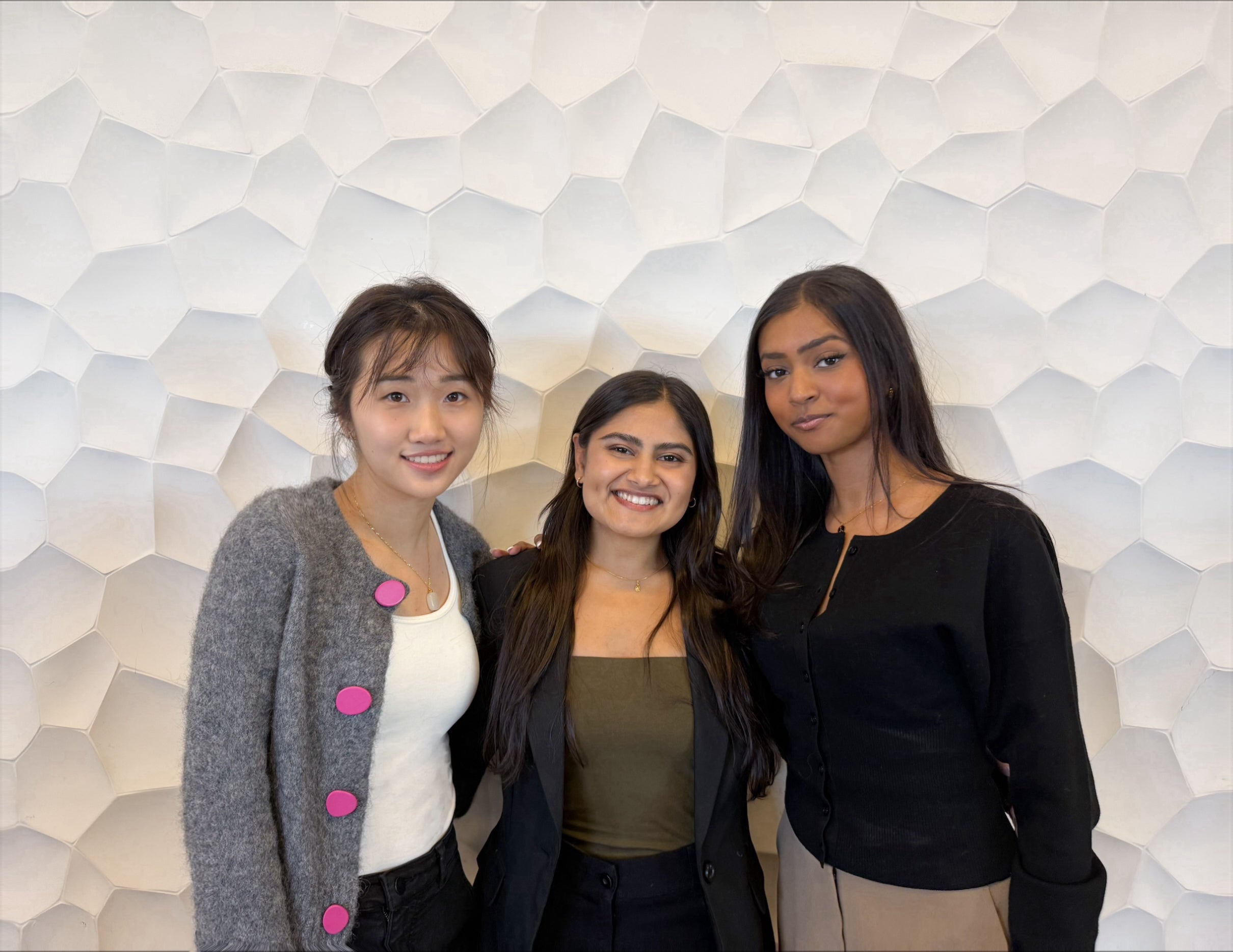
10. Fabric to Fuel
Bansri Chudasama, Jennifer Jin, Melissa Ramdial
Kenya receives over 140,000 tonnes of second-hand textiles each year. Much of this waste is landfilled, intensifying environmental pressures, and straining local waste-management systems. Expanding dumpsites are also associated with increased health risks in nearby communities. This project focuses on the design of a waste valorization facility in Mombasa that converts 5% of the incoming textile waste into value-added bio-oil product. This design supports circular economy goals and advances United Nations Sustainable Development Goal 7 by supporting the production of affordable, reliable, and sustainable energy.
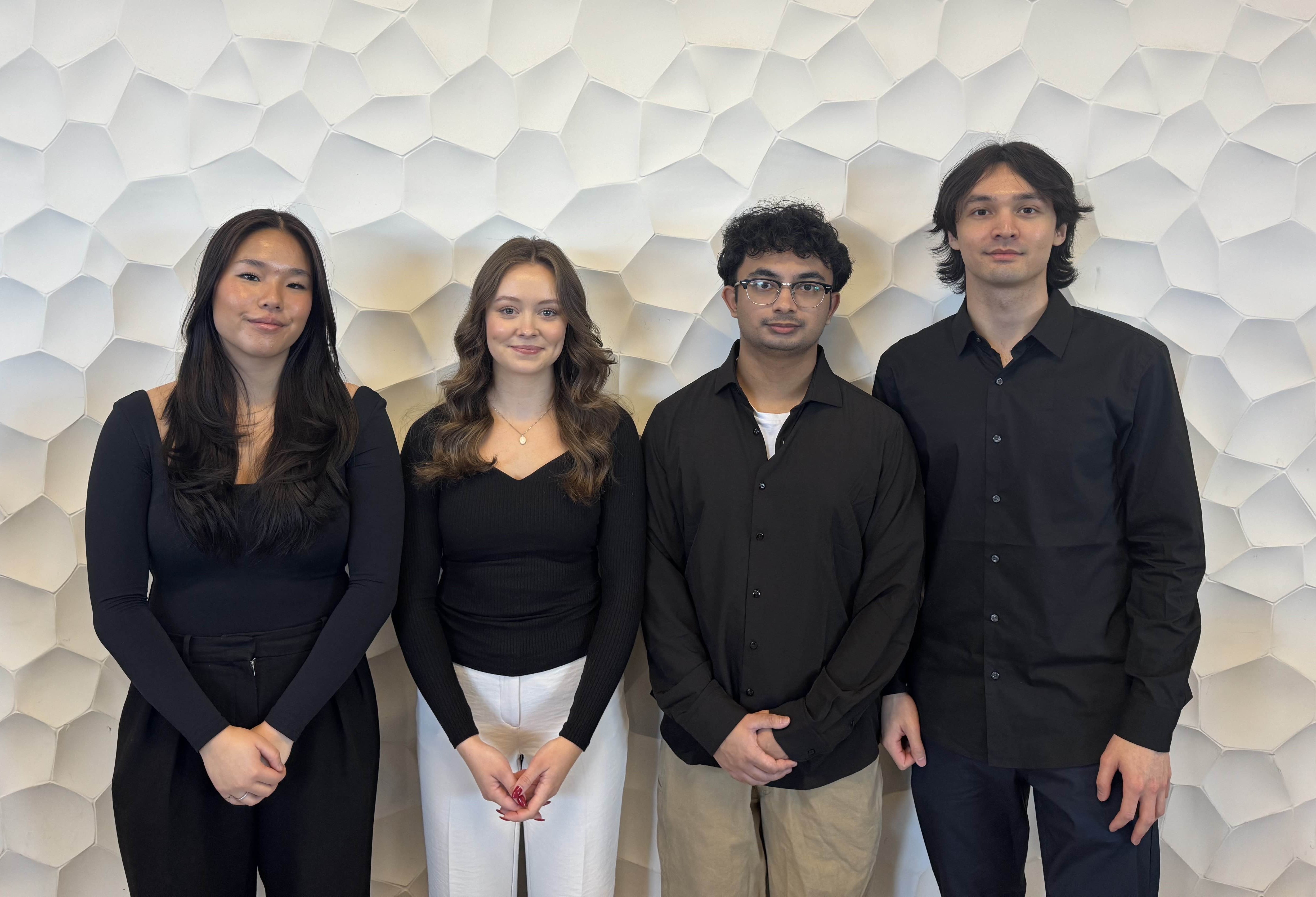
11. Design of a Slow-Release Caffeine Tablet via a Dual-Layered Biodegradable Polymer Matrix
Attar Aziz, Christina Zeng, Jessica Walker, Shane Ekanayake
Our project focuses on the design and evaluation of a dual-layer slow-release caffeine tablet intended to reduce rapid caffeine spikes and subsequent energy crashes. The tablet combines an immediate-release layer for quick onset with a guar-gum-based slow-release layer to control caffeine dissolution over time. Experimental dissolution testing in simulated gastric conditions is used to characterize release behaviour. The project emphasizes manufacturability, safety, and scalability, aiming to develop a simple prototype that emulates commercially viable caffeine delivery systems.
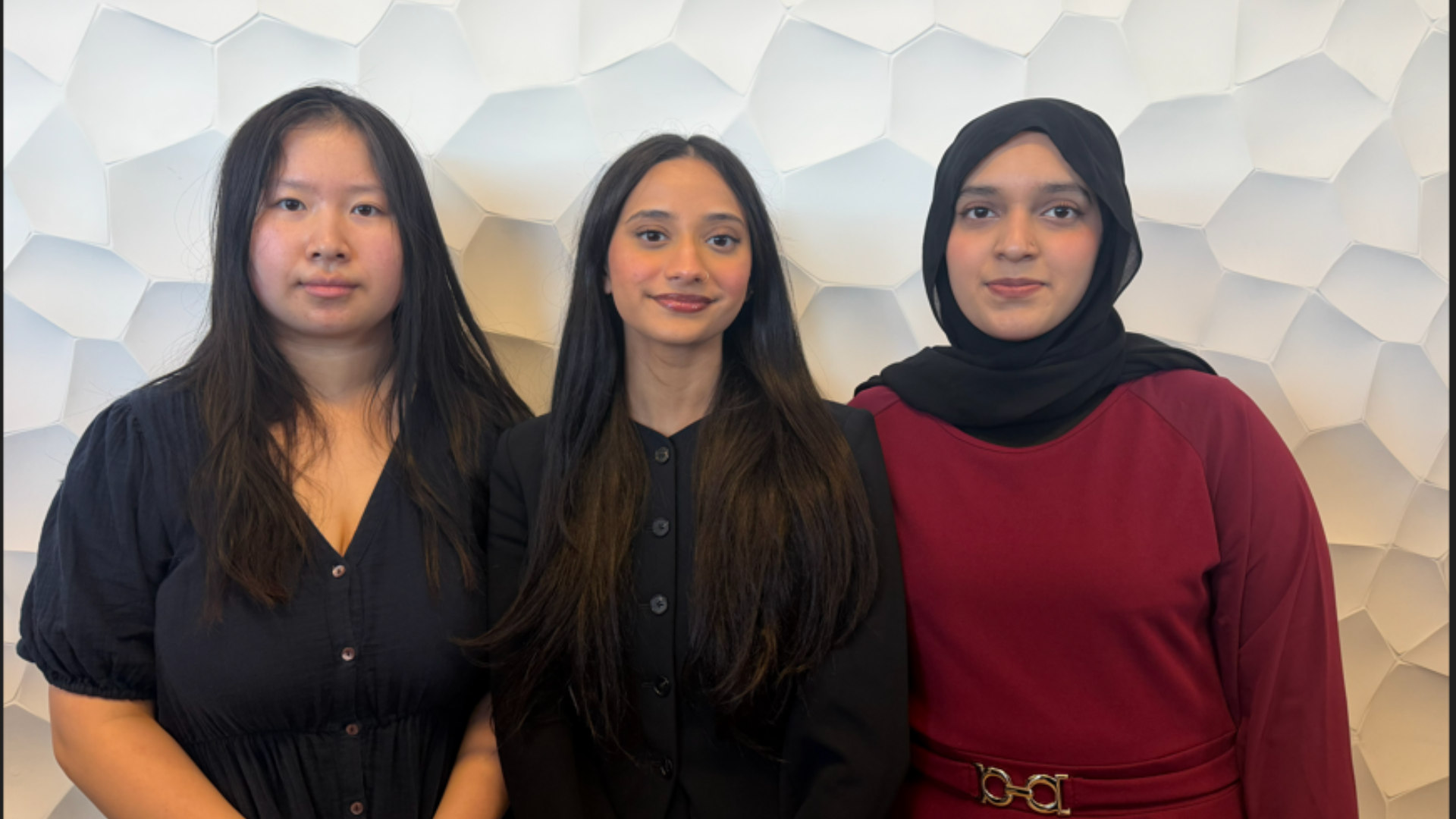
12. Radiance: Biodegradable Alternative of Microplastic-Based Cosmetic Glitters
Sia Shridhar, Laaiba Zahir, Angela Shen
Humans ingest or inhale over 100,000 non-biodegradable microplastic bits yearly, and polyethylene terephthalate (PET) based cosmetic glitter directly contributes to this exposure, due to its common application on the skin as it persists in the environment. These microplastics pose growing health and ecological risks, yet no biodegradable cosmetic glitter currently matches the optical characteristics and performance of PET based glitter. Due to this concern, there is a growing need for a sustainable, natural, optimized and scaled up alternative to microplastic-based glitters in cosmetic applications.
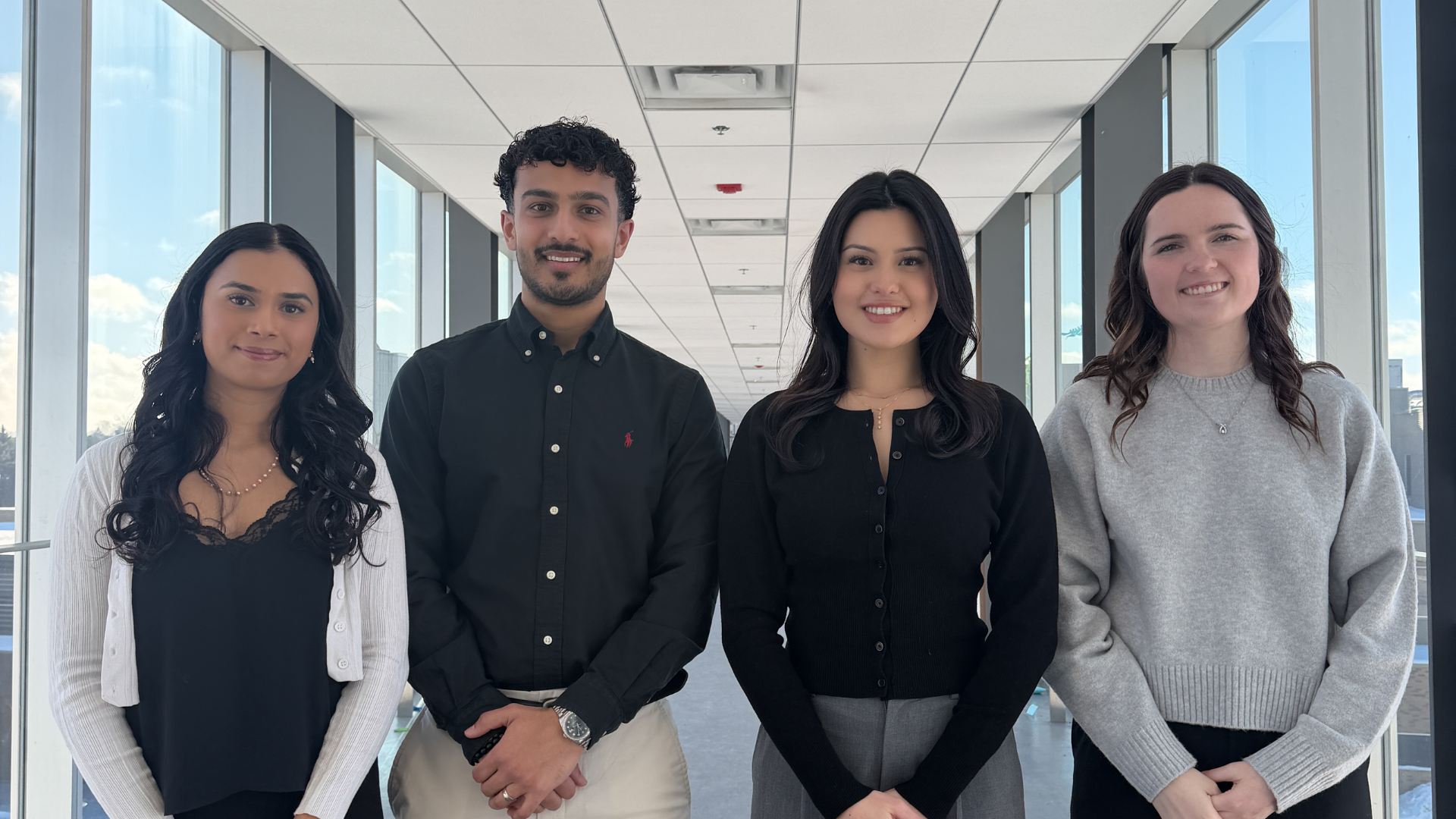
13. Delivering Blue Hydrogen: SMR Design with Integrated CO₂ Capture
Peyton Moffatt, Armanda Lima, Mikhaella Dias, Junaid Fazal
Our capstone project focuses on reducing carbon emissions from Suncor Energy’s steam methane reforming (SMR) process used for hydrogen production. Currently, Suncor has no carbon capture system in place. We aim to develop a retrofit solution that lowers plant CO2 emissions by at least 50% without affecting hydrogen output. Our approach integrates an MEA-based carbon-capture system targeting the PSA tail-gas stream. We have built and validated Aspen Plus models of both the SMR process and capture system to evaluate performance, efficiency, and economic feasibility.
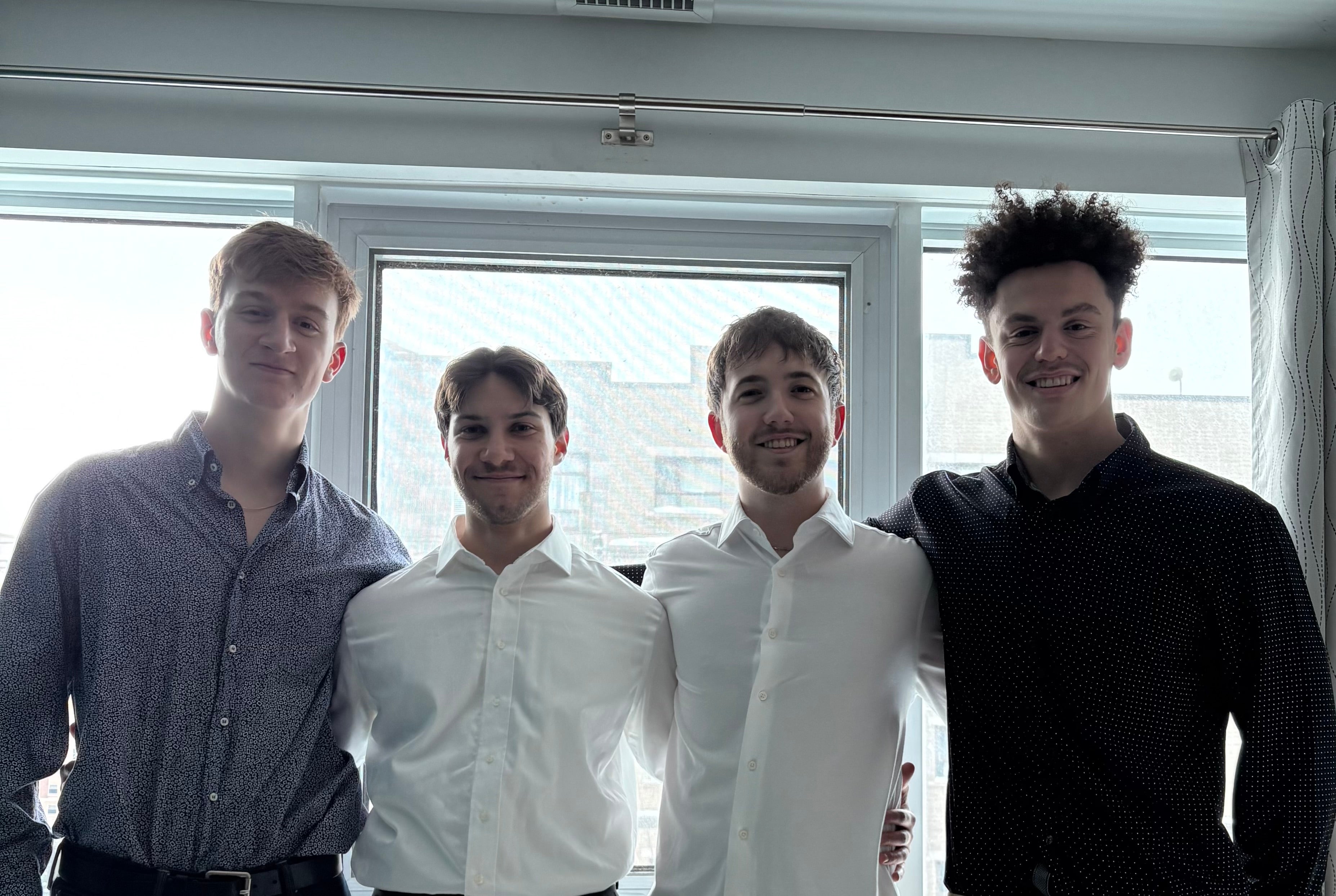
14. Anaerobic Digestion–Based Thermal Energy Supply for Dairy Farms
Noah Monteforte, Aydin Reid, Jake Charny, George Dee
Ontario dairy farms with on-site processing require substantial thermal energy for pasteurization and thermization, typically 800 to 1400 kWh per cow per year. For a 500-cow farm, this equals roughly 400,000 to 700,000 kWh annually, often supplied externally and constrained by provincial limits. This project designs an on-site biogas-to-heat system using anaerobic digestion of cow manure to offset these loads. Deliverables include P&IDs, process simulation with heat and mass balances, bioreactor modelling, and lifecycle and environmental impact analyses for a 500-cow Ontario farm.
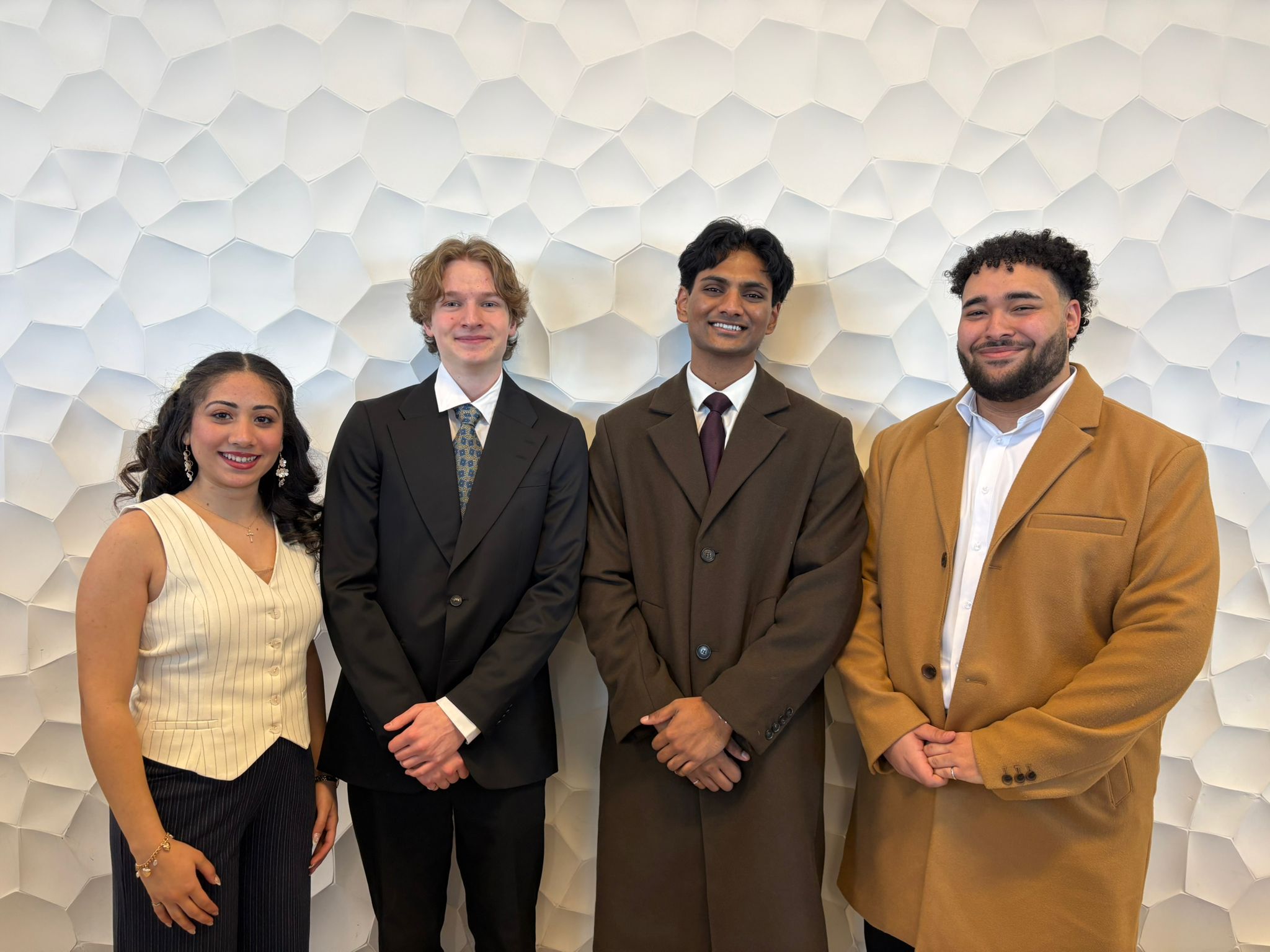
15. Reducing Overspray Contamination and Cleaning Time from Robot Covers in Wet Spray Booths
Joy Habib, Pola Rasheed, Kevin Jose, Michael Tchoulak
This capstone project addresses overspray contamination in automotive wet spray booths, a major source of surface defects, cleaning downtime, and material waste. The team designed an innovative three-layer robotic cover that captures paint overspray while protecting equipment from solvent exposure. By increasing the capture rate of paint overspray and drips, the design improves coating quality, lowers maintenance demands, and supports more sustainable manufacturing practices. The solution was developed with real industrial constraints in mind, balancing performance, durability, and cost for practical implementation.
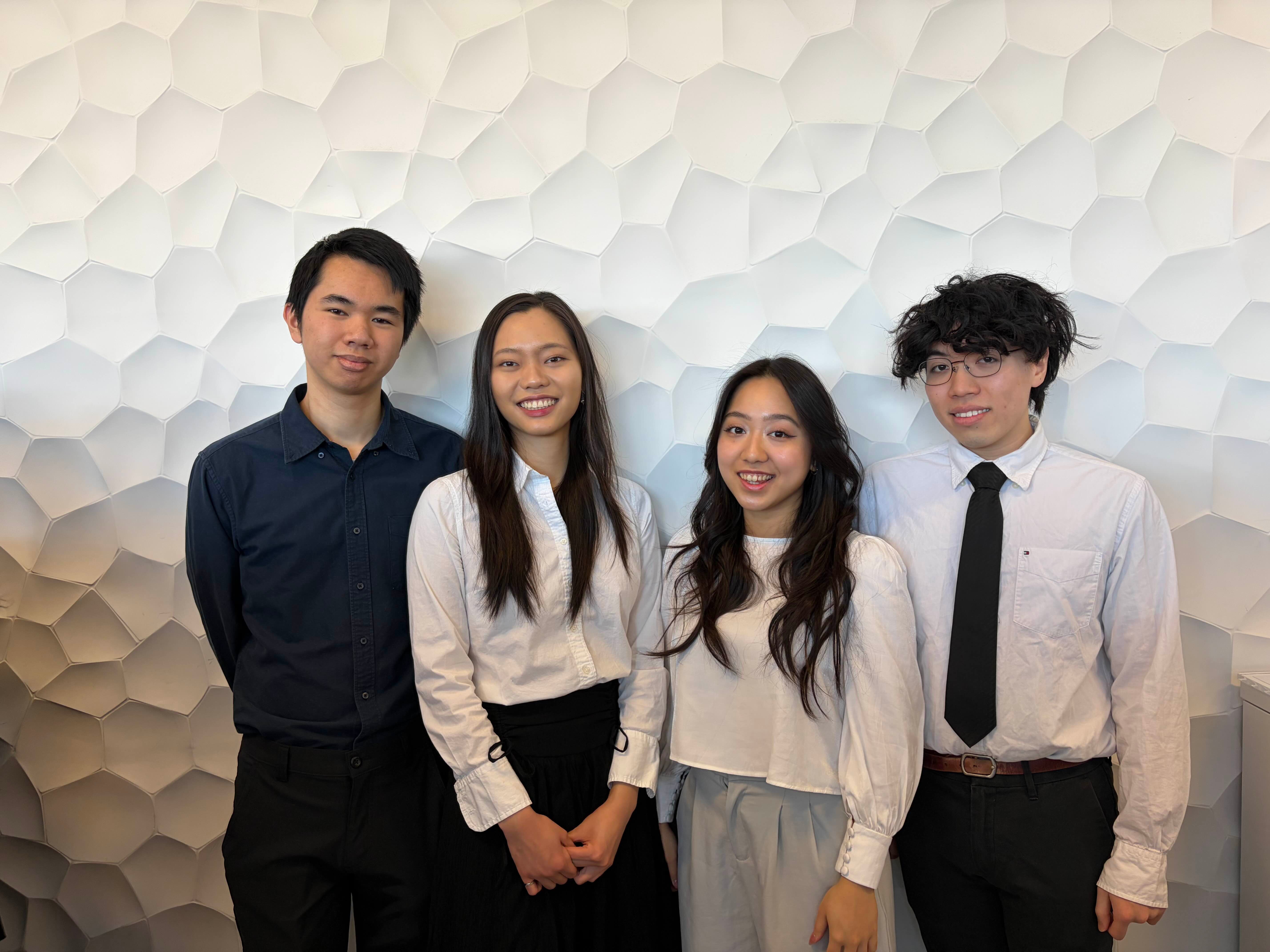
16. Pilot-Scale Production of Ferulic Acid from Corn Husks
Amy Low, Tony Ye, Joshua Kwong, Raina Marcynuk
In Ontario, the disposal of corn husks generates an estimated 1-2 million tonnes of agricultural waste annually, as the husks have little commercial value. The primary disposal method is burning, contributing to greenhouse gas emissions and a linear supply chain. This project proposes the design of a pilot-scale plant to extract ferulic acid from corn husks, a valuable compound used in skincare, bioplastics, and food preservatives, enabling the conversion of agricultural waste into valuable products.
17. Secondlife
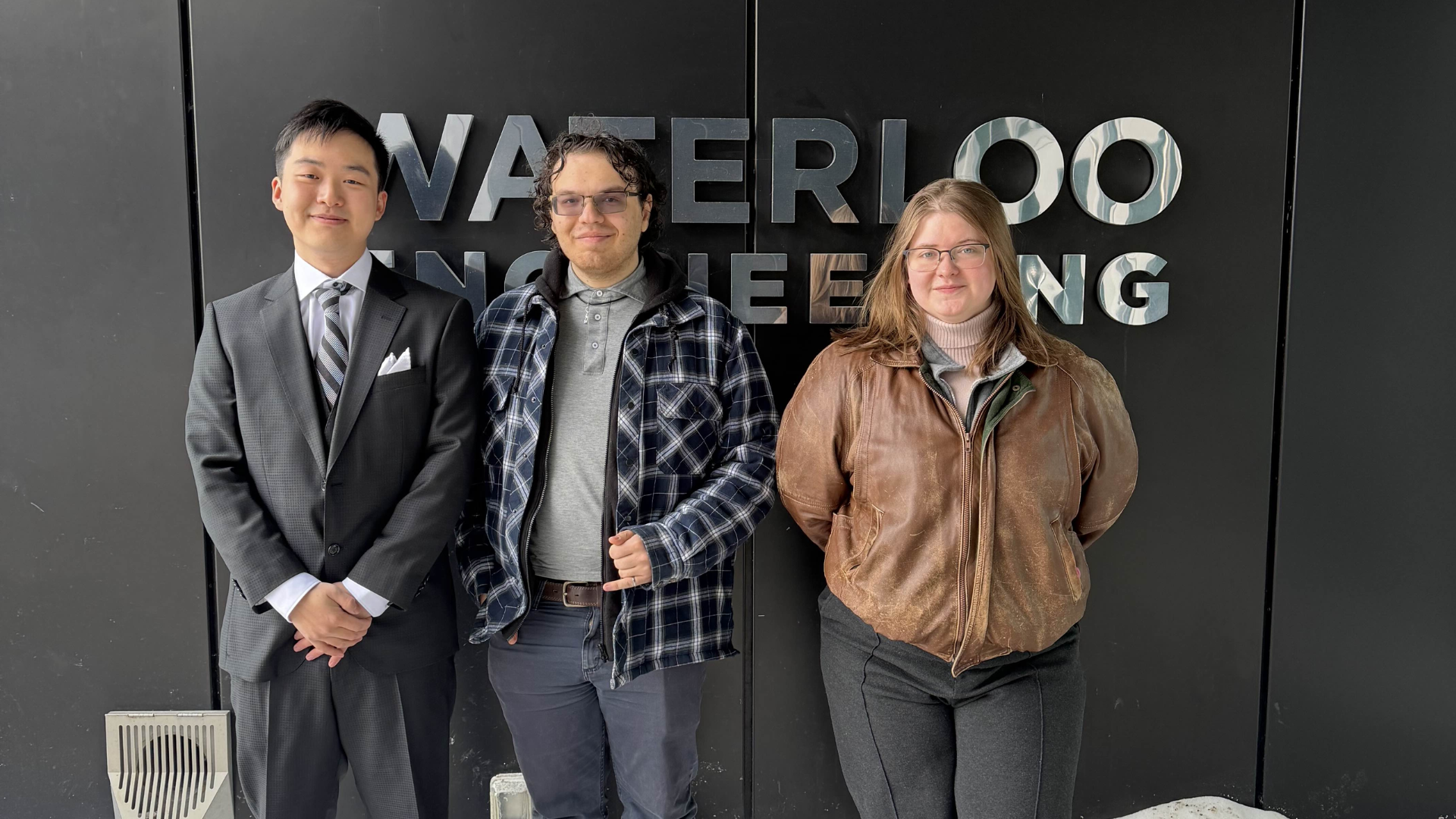
Eason Chen, Ben Stan, Lauren McGuinness
Lithium-ion batteries are widely used in electric vehicles and small electronic devices. This project aims to design and optimize a hydrometallurgical process for recycling lithium-ion batteries. Its main objective is to integrate solvent washing and leaching processes into a single intensified step to improve mass transfer efficiency and reduce operational complexity. The project employs experimental validation and simulation tools to evaluate reactor performance and scalability. This project aims to improve resource recovery rates, minimize environmental impact, and provide a more sustainable and economically viable solution for managing the growing battery waste.
18. Replacement of Carbon Black with Renewable Content in Tires
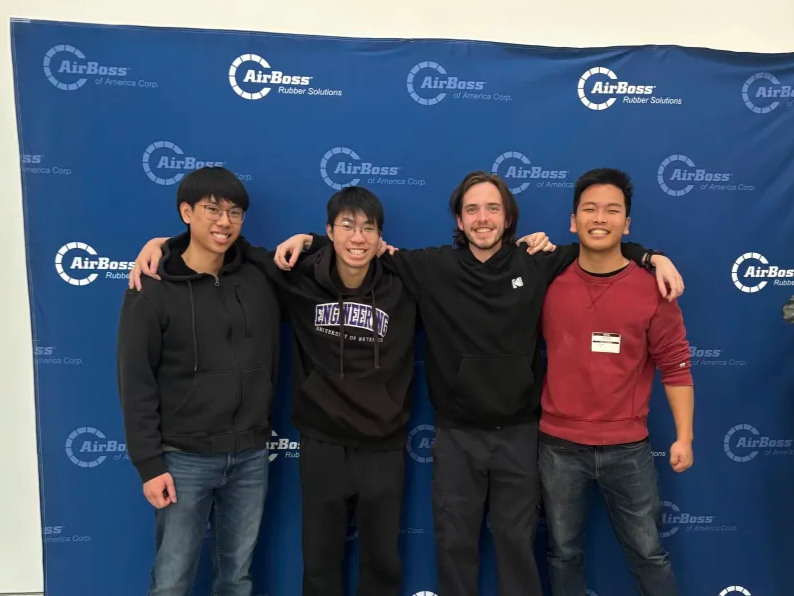
Minyoung Han, Aydan Polkinghorne, Kenneth Keung, William Shao
Cellulose Nanofibers (CNF) are plant-derived fibers, which can be used in polymer industries as a filler to improve desired physical properties.
Rubber compounds used in tires contain a filler called Carbon black, which is used to enhance the desired physical properties in rubber.
However, Carbon black is unsustainable and leaves a high environmental footprint. This project investigates the idea of partially replacing Carbon black in rubber formulations for the tire industry, to make the tires sustainable and reduce the environmental footprints.
19. ReMagna
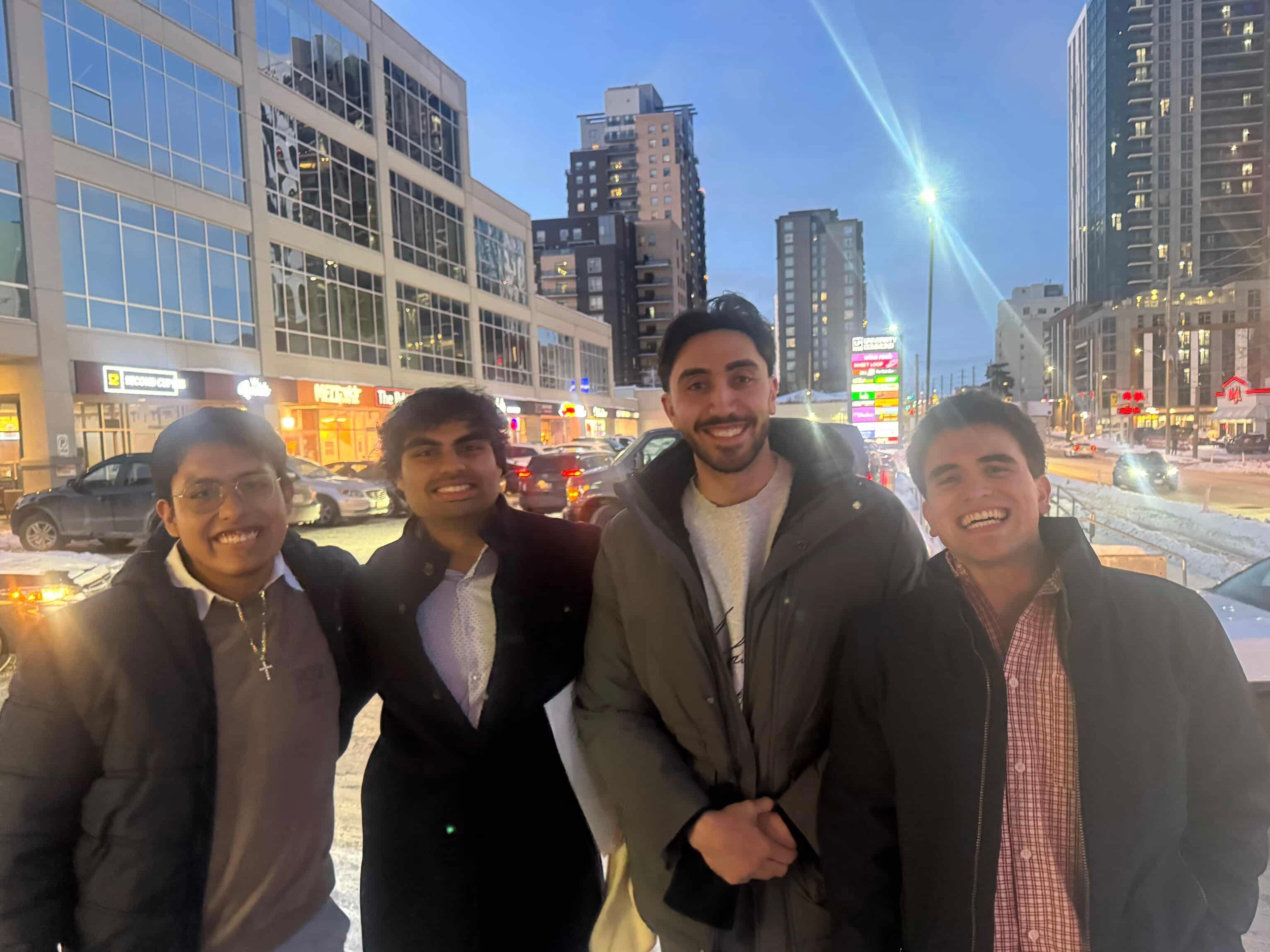
Fahim Haqyar, Fabricio Aliendre Fernandez, Harris Kartsaklis, Sagar Sebastian Raj-Molano
Rare earth elements (REEs) are critical to modern technologies, enabling advancements in renewable energy, electric vehicles, defense systems, and consumer electronics. Despite their importance, the global supply chain for REEs is highly vulnerable due to concentrated production and geopolitical risks. In 2023, global mine production of REEs was approximately 353,320 tons, with China accounting for about 68% of this total (Natural Resources Canada, 2024). This heavy reliance on a single dominant supplier presents a significant strategic challenge: any disruption to China’s production, export policies, or trade relations could cause severe supply shortages, price volatility, and downstream impacts across industries worldwide.
Our project aims to provide a local supply of neodymium, praseodymium and dysprosium by designing a recycling plant for end-of-life NdFeB permanent magnets.
20. Application of Oxyfuel to Reduce CO2 Emissions in Cement Production
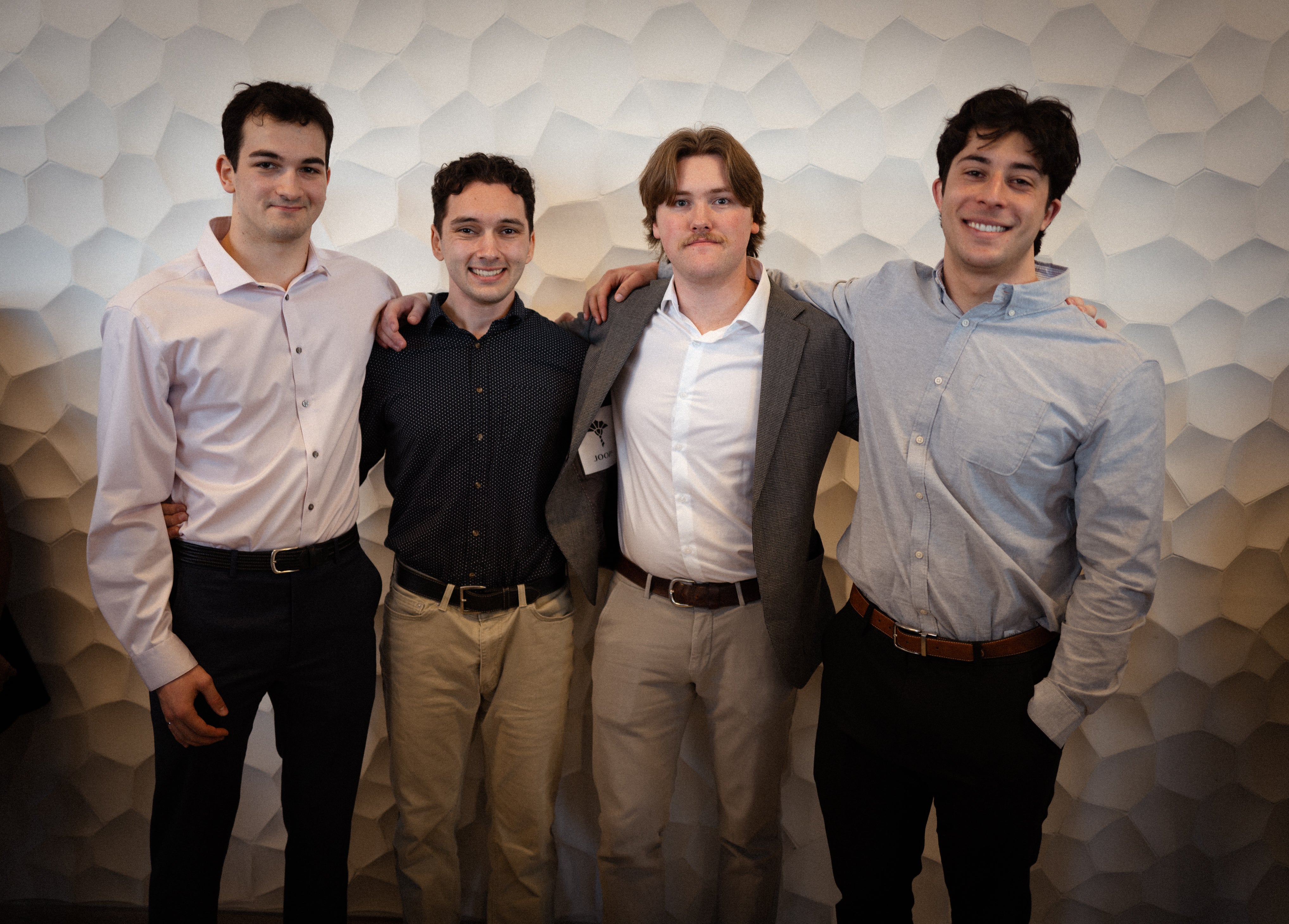
Gavin Plunkett, Alexander Berardi, Nathan Ruberto, Asher Thakur
Nearly 8% of all global carbon dioxide emissions come from concrete production. The vast majority of the carbon dioxide released in this process comes from the kiln of the concrete plant. Introducing oxygen to the combustion in the kiln increases the efficiency of the process and purifies the gaseous reaction products, making it easier to capture and sequester the carbon dioxide released. Our proposed design is to add an oxygen production plant and a carbon capture system to an existing cement plant.
21. Early Fault Detection in Lithium-Ion Battery Systems
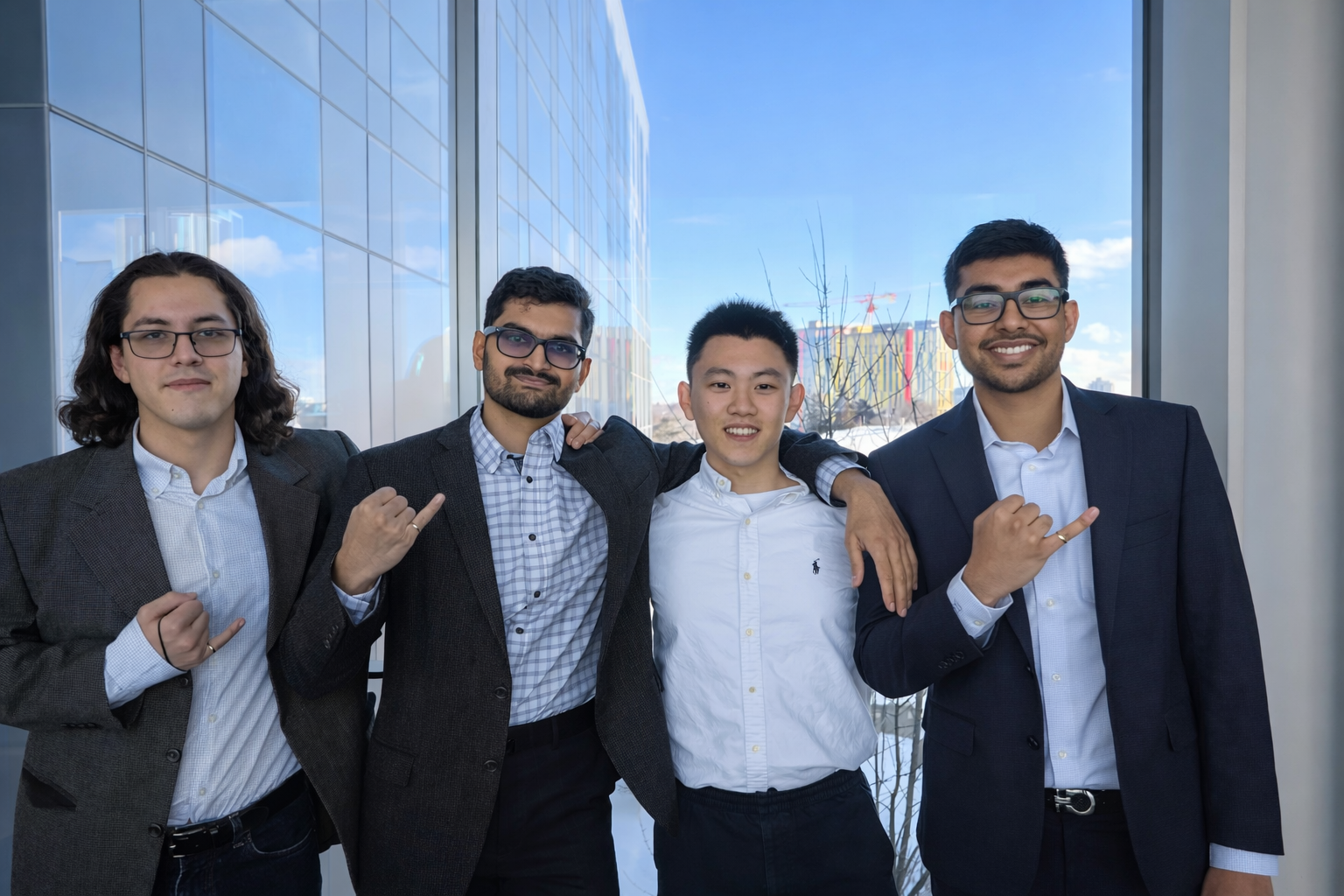
Abishek Chandrasekar, Manuel Haro, Sanjie Sivagunan, You Jia Chuang
Thermal runaway remains a critical safety risk in Battery Energy Storage Systems (BESS). This capstone project tests a model-based and data-driven early abnormality detection using voltage, current, and temperature data. Implemented in Python, the system applies state estimation and residual-based diagnostics to detect abnormal battery behavior earlier than conventional temperature or gas detection-only methods, improving safety and reliability for electric vehicle and grid-scale energy storage applications.
22. Pneumatic Conveying of Solids: Optimizing for Grain Transport
Aiden Beatty, Allen Fu, Sharon Tang, Joshua Vaux
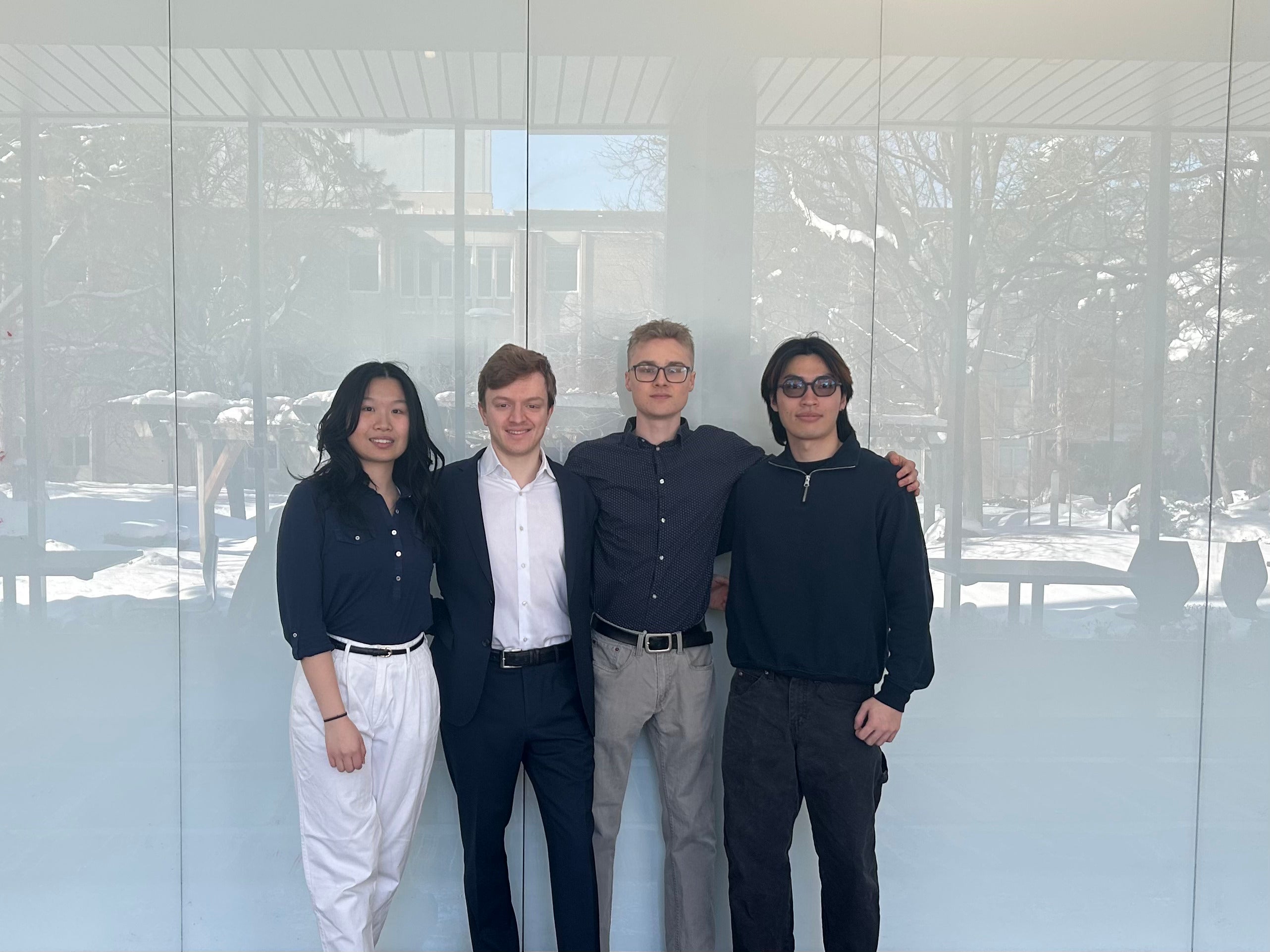
Grain in Canada is mostly transported using pneumatic systems at farms, rail terminals, and export hubs. Efficient and low-damage transport is critical to managing costs, minimizing energy use, and protecting product quality. Each year, conveying grain in Canada uses about 25 gigawatt-hours of energy. Inefficiencies increase costs for farmers, operators, and consumers alike. By investigating dense-phase conveying, we may find ways to reduce these losses and improve overall efficiency.
23. The Plastic Police
Joseph March Zovko, Angelina Kharismantik, Michael Russel, Raul Aima
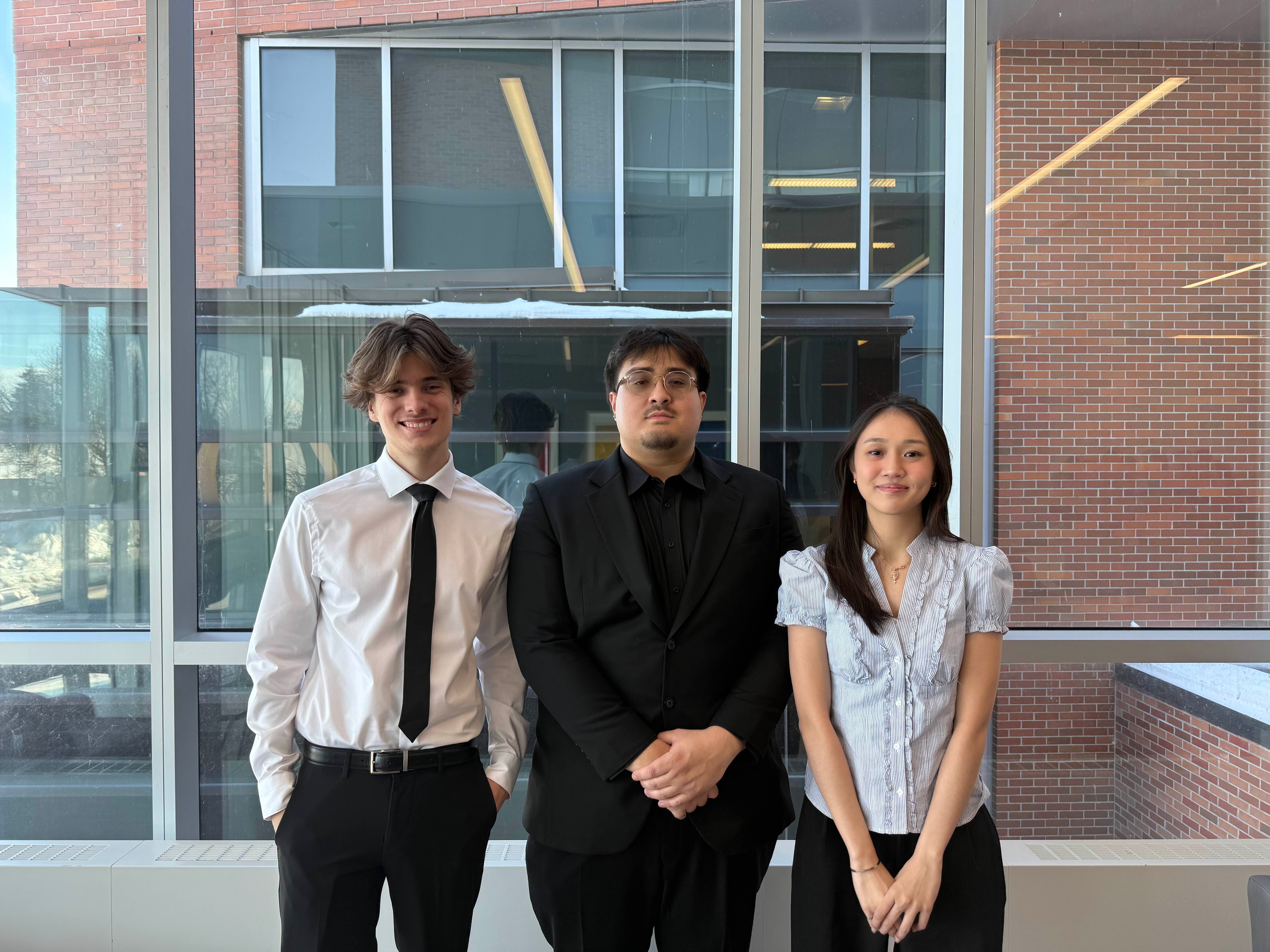
Household laundry accounts for over 35% of microplastic release into oceans globally, a major threat to both the environment and human health. Without preventative measures in place, water quality will continue to degrade, affecting drinking water quality. Our team aims to address this issue by developing a microplastic filtration system fitted to the laundry wastewater pipe, which is low cost, easy to clean, and effective at removing microplastics.
24. Microfiber Meltdown
Bidyutporna Shee, Dhruvi Shah, Swathi Salil
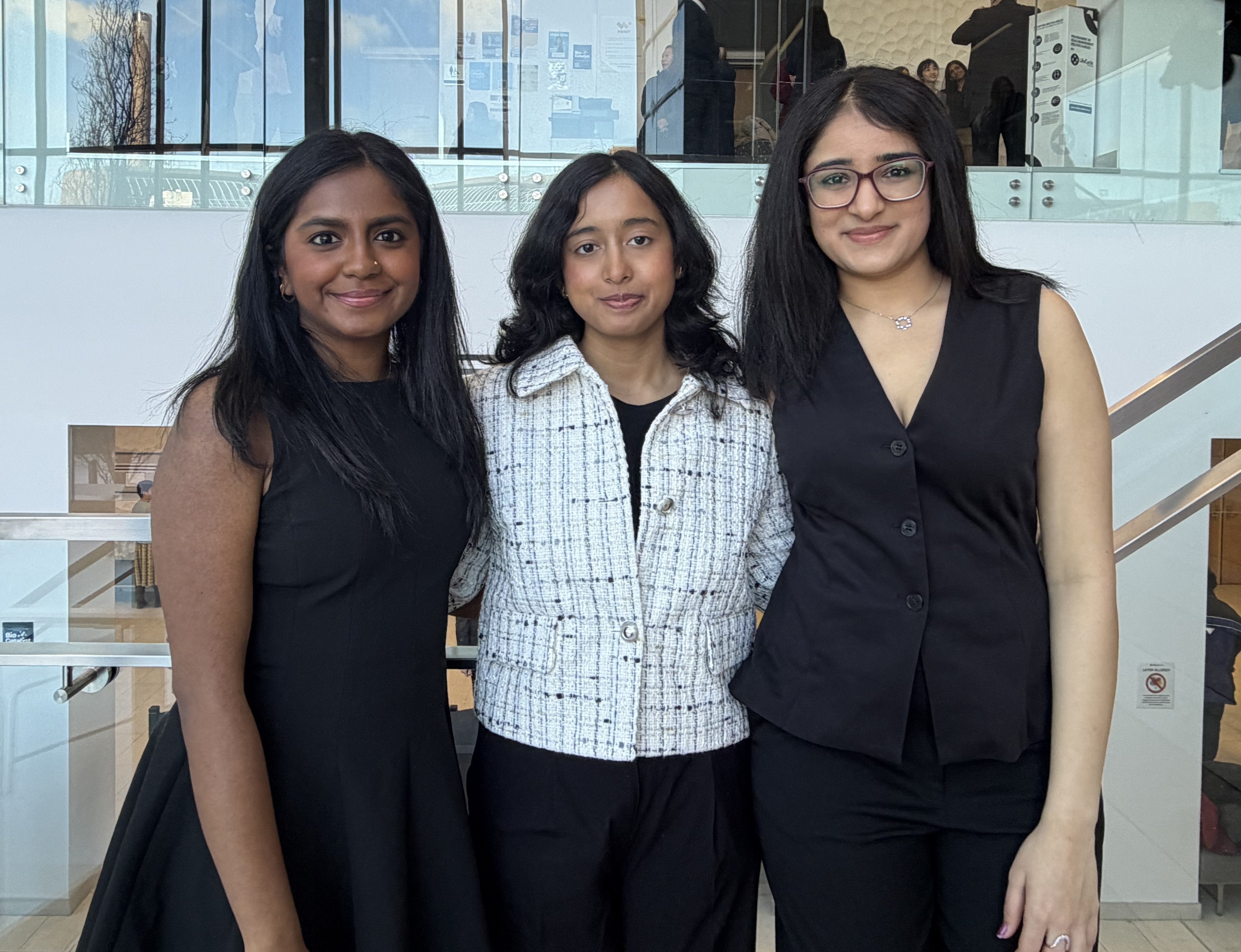
Synthetic textile microfibers are an emerging pollutant in wastewater treatment systems because they accumulate in biosolids applied to agricultural land. In Canada, an estimated 795 tonnes of microfibers enter soils annually. Biosolids from wastewater treatment plants (WWTPs) contain an average of 200 microfibers per gram, causing harm to aquatic ecosystems and human health, therefore highlighting the need for effective engineering interventions. This project aims to reduce microfiber contamination by designing a hydrothermal carbonization process for a Halton WWTP that integrates with the existing infrastructure.
25. Team 25
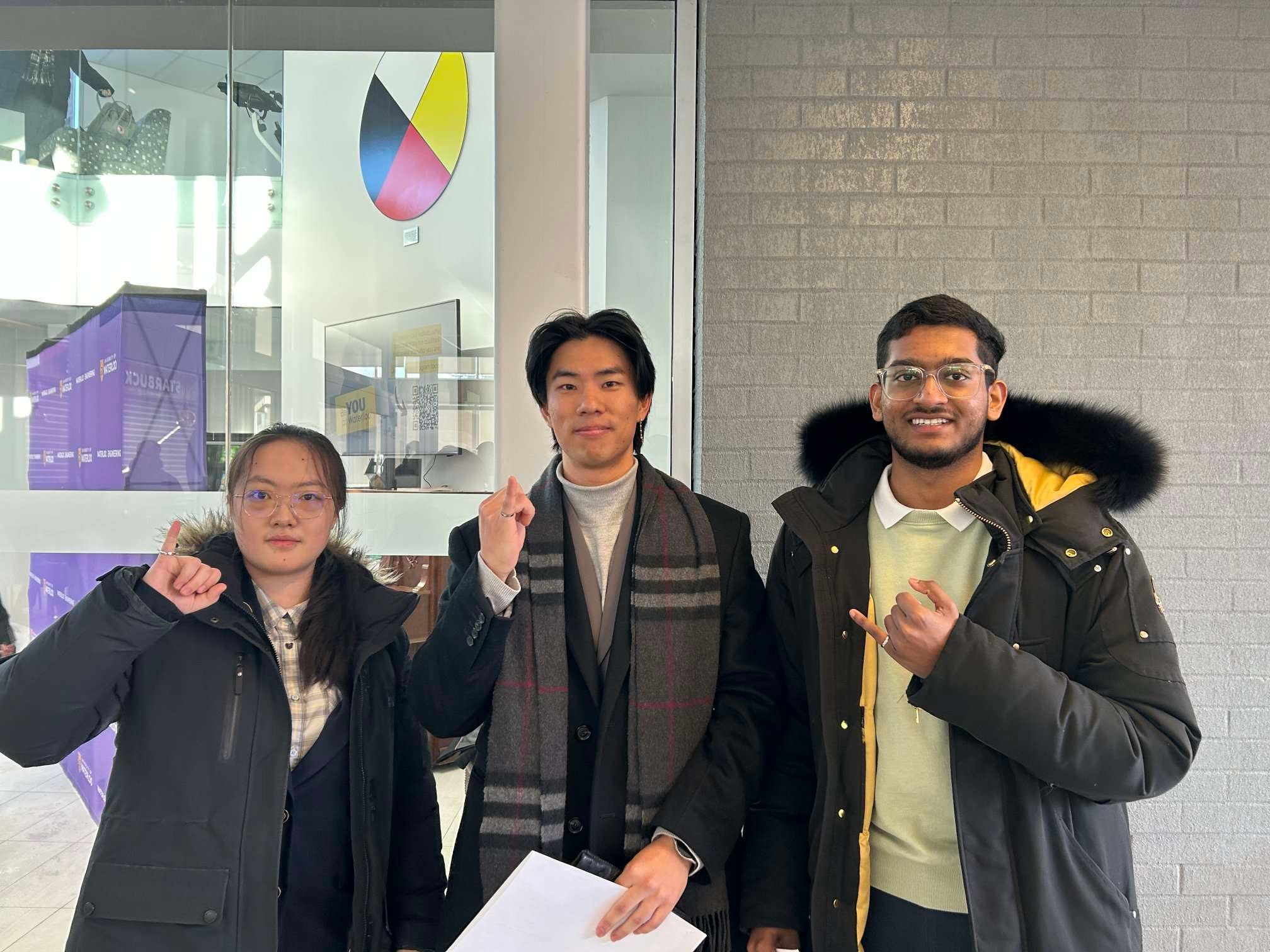
Joshua Cho, Danyang Fan, Vishwa Jeevarajah
The maple syrup industry produces significant volumes of low-quality sap that cannot be sold at premium value due to off-flavours, high organic compound content, and colour variations, leading to financial losses and wasted resources. This project designs a safe and efficient process to convert 67,500 L of low-grade maple sap into approximately 1,688 L of a stable, value-added product while maintaining operational simplicity and regulatory compliance. The proposed process improves resource utilization, reduces waste, and provides economic and environmental benefits for producers.
26. Carbon Dosing for Nitrous Oxide Emission Reduction in Wastewater Treatment Plants
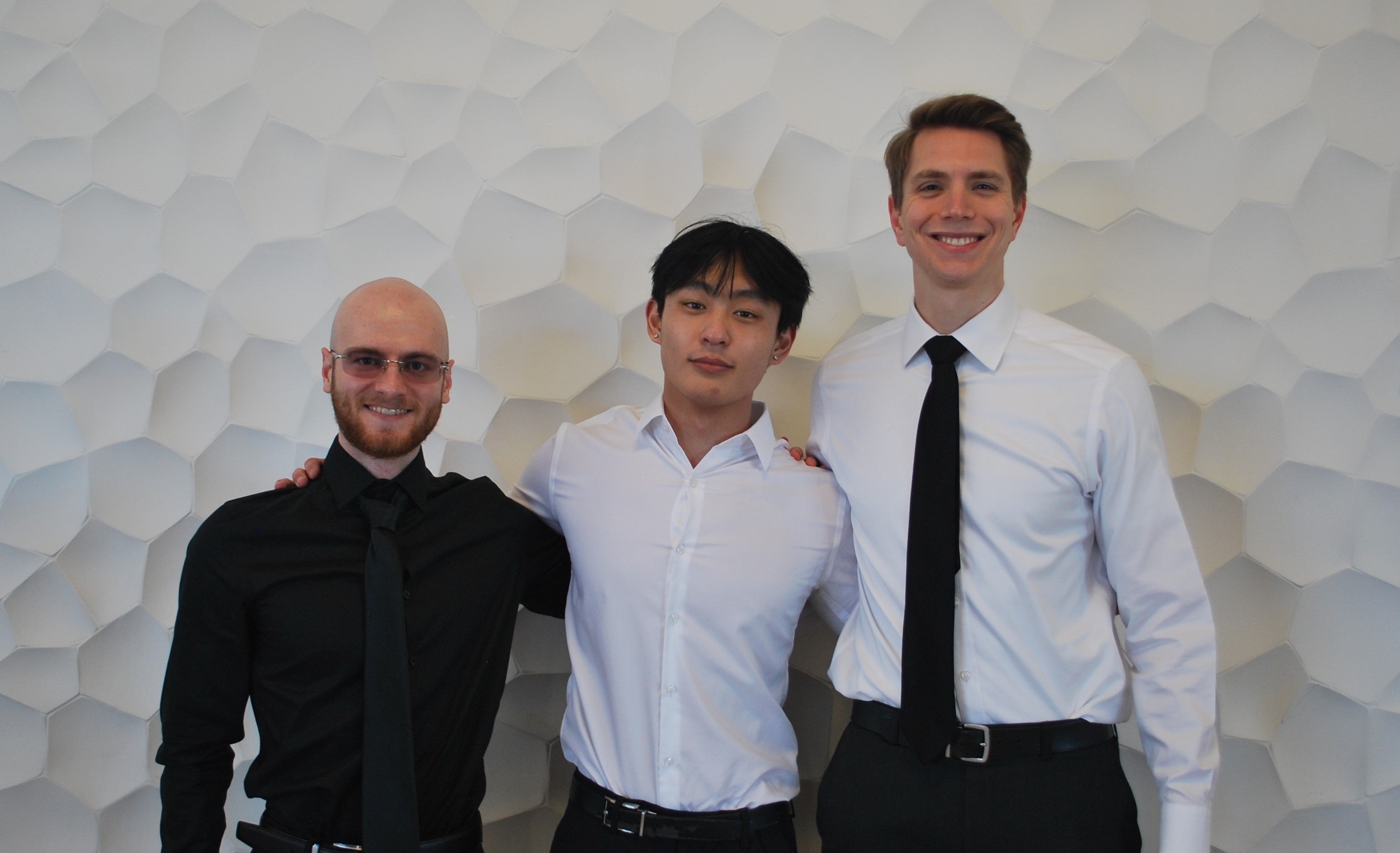
Jack Chezzi, Michael Wang, Andrew Eatough
This project focuses on designing an external carbon dosing injection system to reduce nitrous oxide emissions at Halton Region municipal wastewater treatment plants. The Halton treatment process is modelled in BioWin to simulate sodium acetate dosing and assess its impact on denitrification under dynamic operating conditions. Simulation results are used to specify the carbon injection system, including equipment sizing, materials, and control strategy, enabling practical implementation at Halton facilities.
THANK YOU
CAPSTONE DESIGN PROJECT ADVISORS:
Nasser Mohieddin Abukhdeir
Peter Angelo
Eline Boghaert
Hector Budman
Eric Croiset
Christian Euler
Ivan Gogolev
Tizazu Mekonnen
Sarah Meunier
Jennifer Moll
Christine Moresoli
Rajinder Pal
Wayne Parker
Michael Pope
Joshua Pulsipher
Alex Penlidis
Yverick Rangom
Leonardo Simon
Michael Vitelli
Valerie Ward
Boxin Zhao
COURSE INSTRUCTORS:
Dr. Christine Moresoli
Dr. Valerie Ward
STUDENT TEAM COLLABORATORS:
Airboss
Amrize
Natural Resources Canada
Regen Resource Recovery
Stockyards Beverage Co.
Suncor Energy – Fort McMurray
The Regional Municipality of Halton
SUPPORT STAFF:
Judy Caron
Charles Dal Castel
Pauline Ferfolja
Sarah Fischer
Erene Georgiou
Ahmad Ghavami
Ellen Zhiyu Gong
Dennis Herman
Nicola Kelly
McKenna Pulsipher
Denise Mueller
Cheryl Newton
Jennifer Peng
Ravindra Singh
Mingqian (John) Zhang
Yael Zilberman-Simakov
Many thanks to all of the department’s professional, technical and administrative staff for your support throughout the students’ 2026 Capstone Design experience.
We welcome new industrial partners. If you have project ideas or would like to learn more, please contact the Chemical Engineering Capstone Co-ordinators, Christine Moresoli & Valerie Ward.
FUTURE CAPSTONE DESIGN PROJECTS
For more information about Chemical Engineering design projects or to inquire about joining us in future design projects, please contact:
Valerie Ward
519-888-4567 x38625
vward@uwaterloo.ca
Christine Moresoli
519-888-4567 x35254
cmoresol@uwaterloo.ca
Share this page on social media:


