TERRITORIAL ACKNOWLEDGEMENT
The Department of Electrical and Computer Engineering acknowledges that much of our work takes place on the traditional territory of the Neutral, Anishinaabeg and Haudenosaunee peoples. Our main campus is situated on the Haldimand Tract, the land granted to the Six Nations that includes six miles on each side of the Grand River. Our active work toward reconciliation takes place across our campuses through research, learning, teaching, and community building, and is co-ordinated within the Office of Indigenous Relations.
A MESSAGE FROM THE CHAIR

Kankar Bhattacharya
Professor and Chair
Dear Electrical Engineering and Computer Engineering Graduating Class of 2026,
It is a great pleasure for me and the entire Department of Electrical & Computer Engineering (ECE) to celebrate this day of the Capstone Design Projects Symposium on March 11, 2026. This Design Project is the culmination of your efforts over the past five years through the academic terms and co-op jobs. You have put in late hours preparing for the courses’ midterms, assignments, and final exams. But this Capstone Design Project is one of the few that have provided you with the opportunity to work on an open-ended design project and widen your horizon. I eagerly look forward to walking around the ECE Capstone Design project display booths and seeing your innovative minds, creativity and talents at work.
When you take a moment to look back, you will appreciate how resilient you all have been, to commence your degree program amid the global pandemic of Covid-19 and continue some of your work and study terms through it, and come out successfully. I am sure we all have become more compassionate, understanding and aware of the society around us. At this juncture of the ECE Fourth Year Design Symposium, it is indeed a time to celebrate your achievements. Enjoy showcasing your work to our symposium attendees from all across the university community, industry, and your families & friends. And take pride in a job well done!
The ECE Department is very proud of you and I wish you the very best of success on this wonderful day!

Kankar Bhattacharya
Professor & ECE Department Chair
CAPSTONE DESIGN PARTICIPANTS
1. PinPoint
2. BotChain
3. RideSentinel
4. µAI
5. FeetBack
6. ASL Communication Robot
7. TurnSight AI
8. Sanar: The Robotic Healthcare Assistant
9. Skylight Nav: AI Drone Landing System
10. SafeHaven
11. TranquiLink
12. Sunshine
13. StaminaSense
14. Driving Buddy
15. Pot Patrol AI
16. Glamcam
17. Compass Safewalks
18. VISTA
19. SpikeCar
20. NeuroGlyph
21. A.R.G.U.S. (Autonomous Ruggedized Ground/Utility Surveillance)
22. ScribeCast
23. PowerTrace
24. AIrSight
25. Sonus Halo
26. Rekall
27. OpenGate
28. DCAM-4
29. PhotoVault
30. HeatWave
31. Phase Shift
32. ElastiBytes
33. CanePilot
34. Cerebra Sensing
35. RideSafe
36. NeuroSight
37. APEX SLIDE
38. PocketProbe
39. Botanical
40. Dance Dance Education
41. TherAIpy Assistant
42. NLPVisionRT
43. TalusCore
44. HeraScan
45. ViziStock
46. EasyScribe
47. eXpress Drive Hauling Gear
48. SkyEyes
49. SkyStation
50. ReSplatt
51. KyMesh
52. Elderly Vitals Monitor
53. Glucometrics
54. HYDRA
55. VibeSort
56. ORCA: Open-Water Routing Course Assistant
57. Pivid: AI Auto-Tracking Gimbal
58. Fretless Minds: Automating the Art of Music
59. Pre-Trade Risk Gateway
60. Trashformer
61. Federator
62. AlertDriver
63. FireScape
64. Eli: An Empathic Voice Companion
65. Ctrl-Bee
66. PocketBraille
67. RoadPulse
68. SJS
69. NuroHome
72. Deco
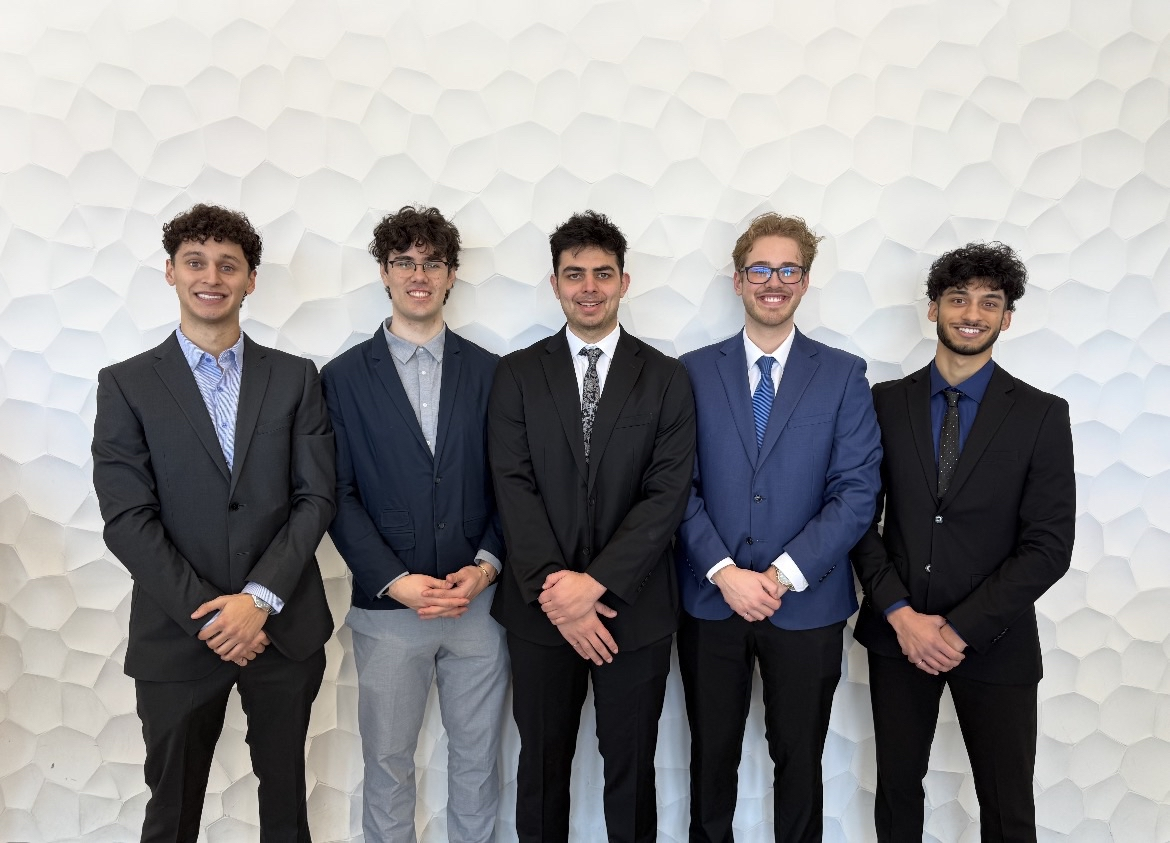
1. PinPoint
Matthew Garth, Jack Greenwood, Neil Kaus, Sebastien Paradis, Easson Weisshaar
Printed circuit board (PCB) testing and firmware debugging require engineers to manually probe components by hand; a tedious and error-prone process. Lacking existing automation options, engineers find themselves tied to hardware setups, losing time and effort that could be redirected to other engineering challenges. PinPoint solves this problem. It is an automated, PCB-probing system designed to revolutionize traditional approaches for hardware validation by parsing PCB design files and precisely probing chosen points through a web-controlled, AI-integrated, remotely accessible platform.
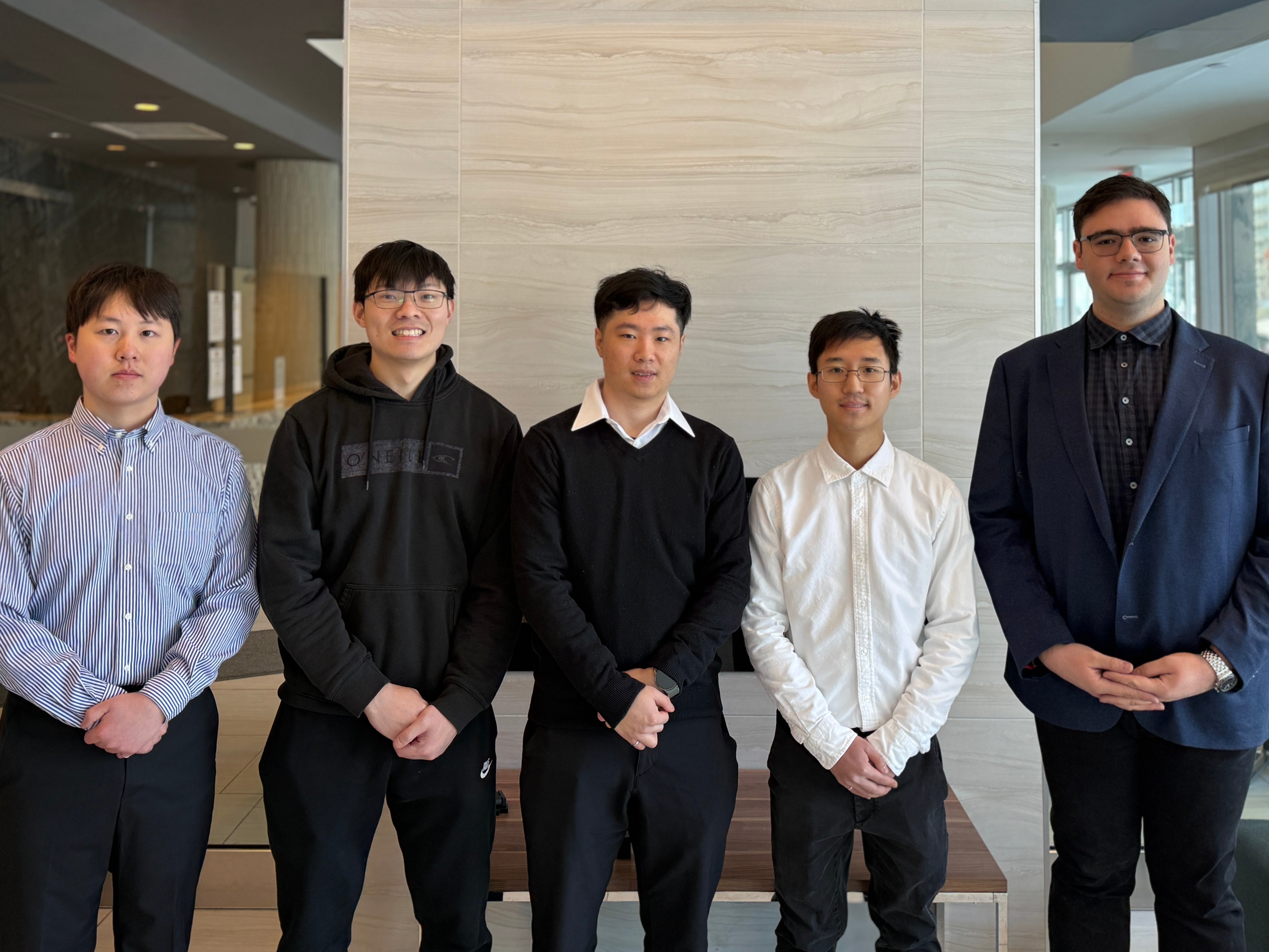
2. BotChain
Justin Chow, Johnathon Slightham, Leo Qu, Christen Wong, Leo Zeng
Market research predicts the robotics field will grow to over 250% by 2032 from US$80 billion (2018) to US$280 billion. Despite increasing demand, access to robotic education and research remains limited due to technical complexity and high costs. BotChain is an affordable, modular robotics kit for students, instructors, and researchers, featuring plug-and-play physical assembly and real-time PC control. BotChain enables hands-on experimentation, learning and rapid prototyping without requiring advanced mechanical design, programming or electronics knowledge, empowering users to create any robot imaginable.
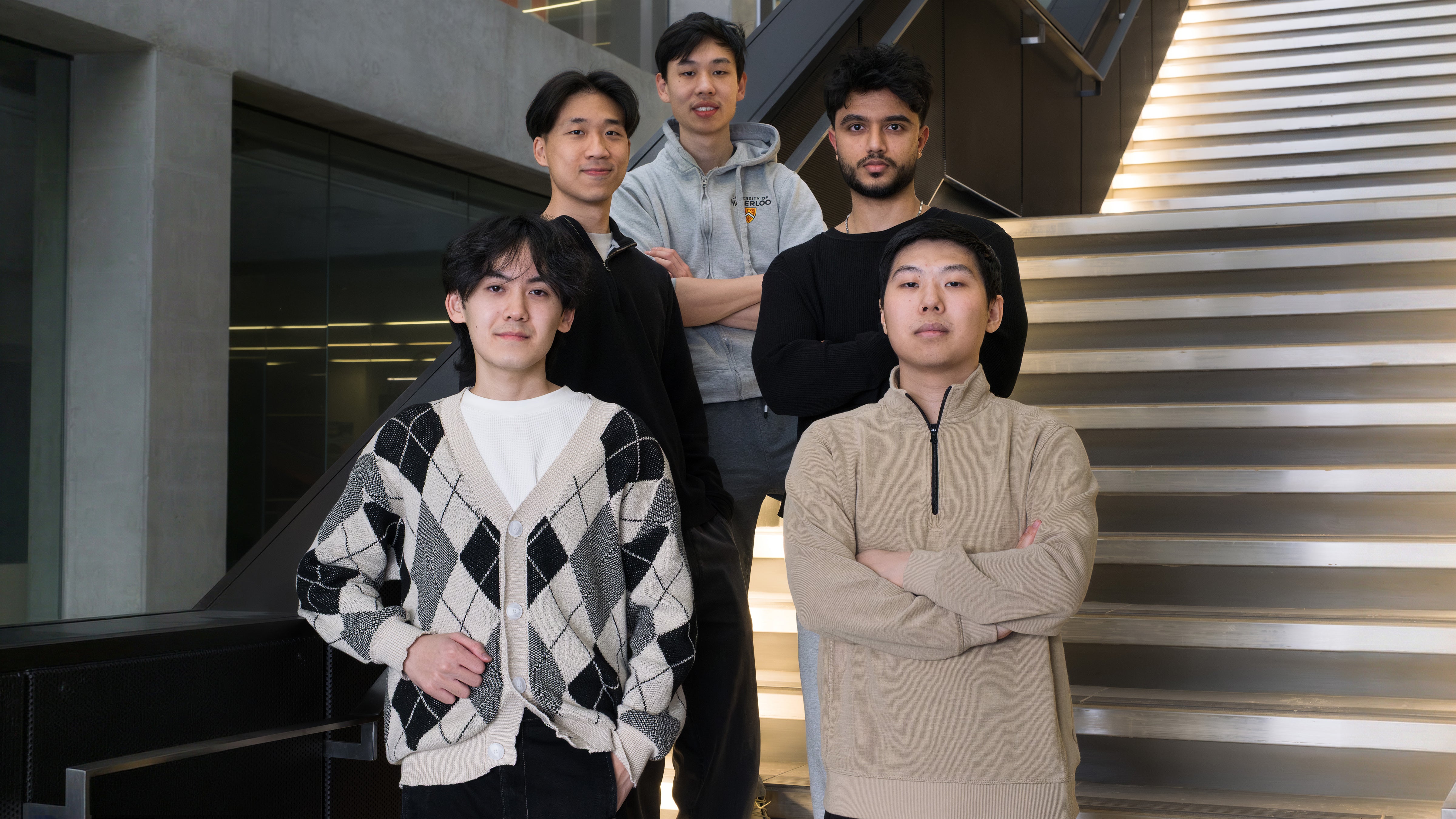
3. RideSentinel
Karan Champaneri, Bryan Fu, Sunny Jiao, Brandon Vo, Kevin Zhao
RideSentinel is a modular safety monitoring system designed for road vehicles, such as cars and bikes, to enhance driver awareness and promote safe vehicle handling. The system uses a modular suite of attachable sensors to continuously track metrics such as speed and object proximity, and camera units leveraging computer vision to monitor specific road states (e.g. traffic lights, driver attentiveness). This data is aggregated into comprehensive safety scores and is accompanied by a mobile application that enables insights into a driver's road behaviour.

4. µAI
Azizul Chowdhury, Fasih Noor, Ahsen Qureshi, Yash Sethi, Jason Sidhu, Faizan Syed
To this day, microwave ovens continue to rely on manual timers and guesswork, often leaving food cold or overcooked. Existing “smart” features that companies offer emphasize connectivity over performance. µAI uses sensor fusion and an intelligent feedback system for consistent and automated heating. The system integrates an infrared thermal camera for real-time temperature monitoring and an object detection module trained to recognize food items to remove any guesswork, so your microwave finally knows what's cooking.
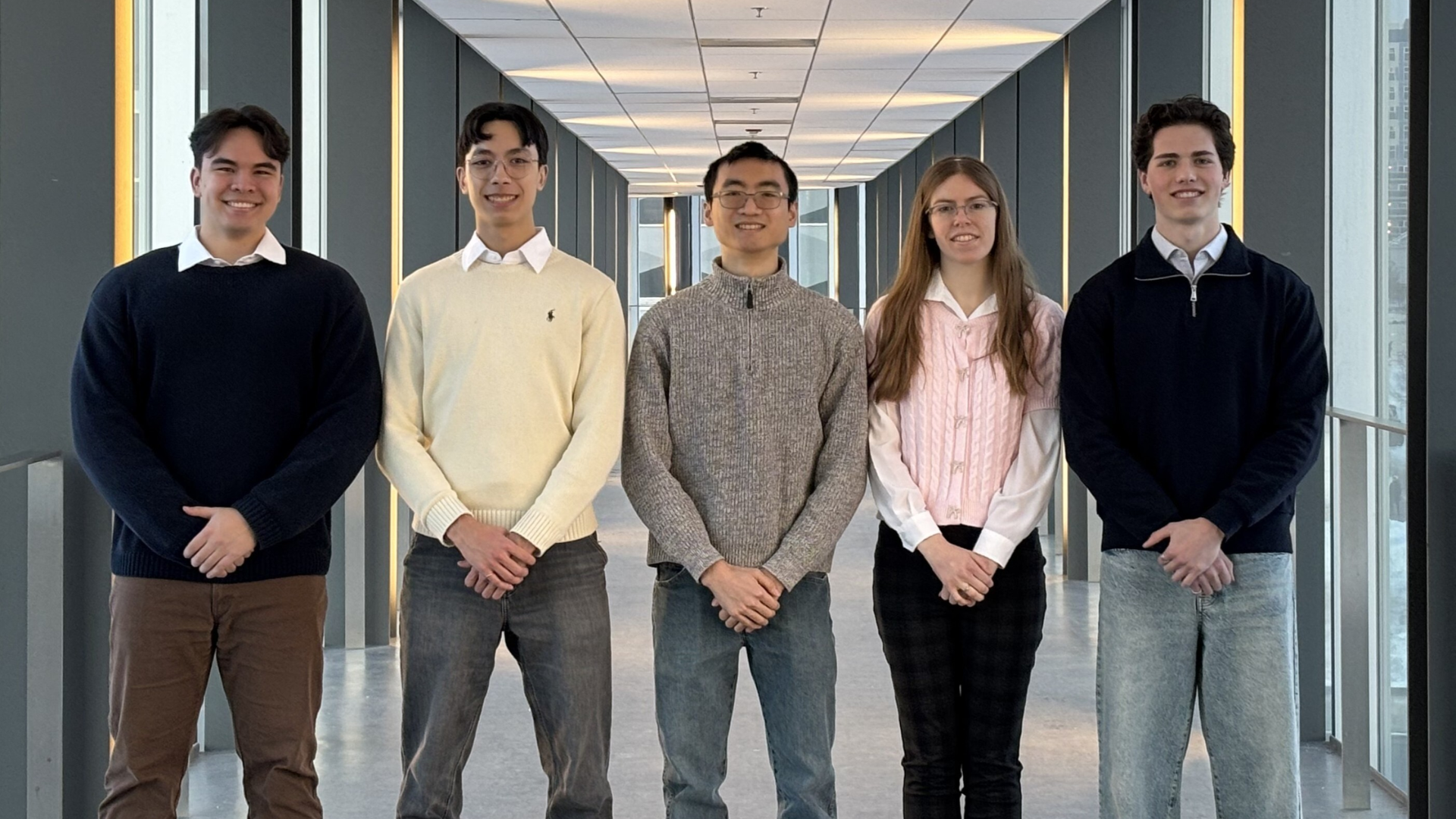
5. FeetBack
Steven Armstrong, Lucas Delvoye, Jalen Liew, Staisha Neville, Tristan Parry
Each year, 8,000,000 Canadians suffer from foot-related health issues, exacerbated by limited care access and overlooked podiatric concerns. FeetBack addresses these issues as a Bluetooth-enabled insole that tracks foot pressure, alignment, and temperature using a sensor mesh. Data is processed in an embedded system and sent to a mobile app, enabling users and physicians to monitor foot health without specialized assessments. Designed for the general public, FeetBack promotes early ailment detection and care, unlike current alternatives targeted at professional athletes.
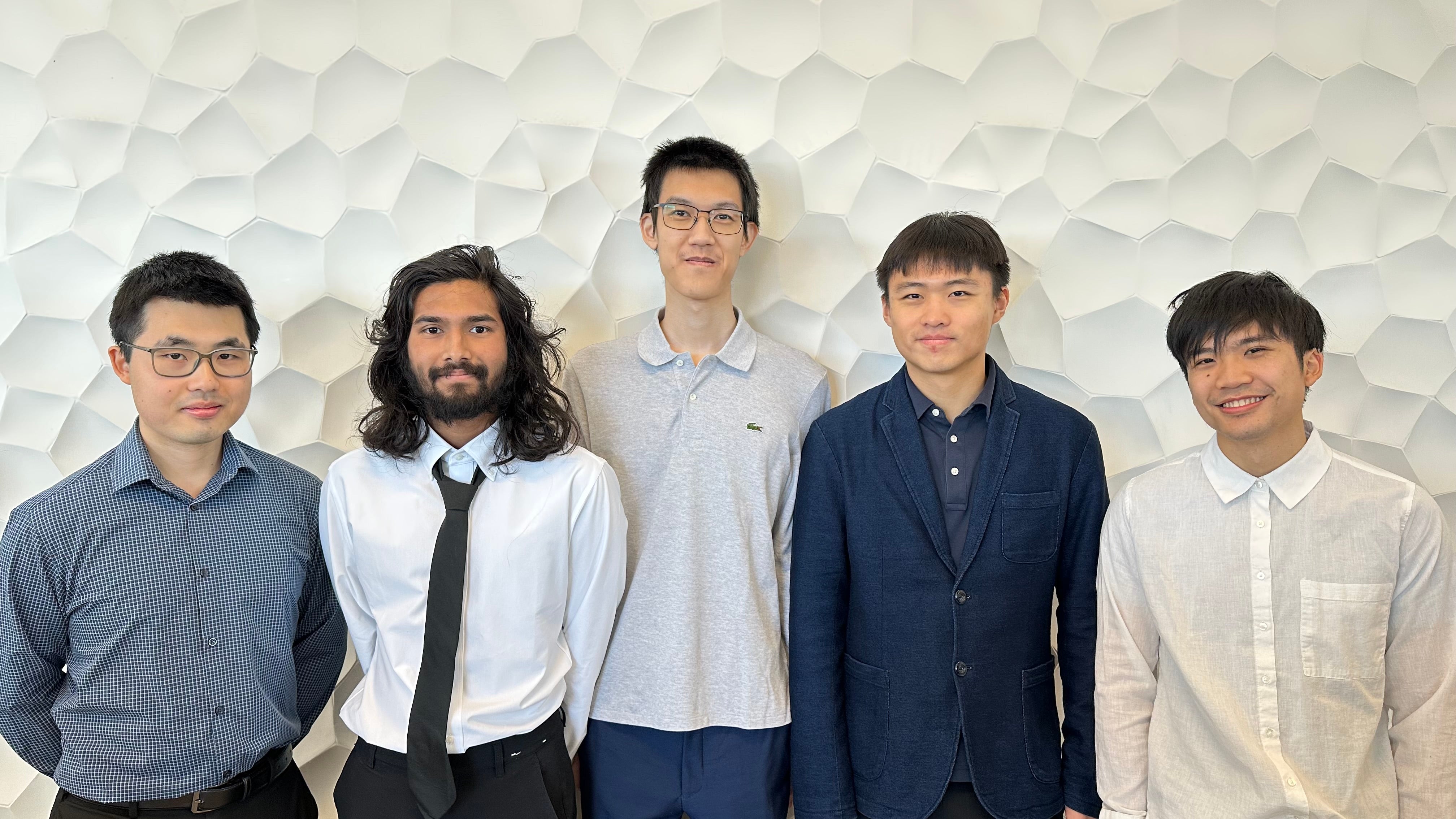
6. ASL Communication Robot
Jeffrey Zhen, Rishith Bomman, Matthew Li, Mason Jing, Sunny Yeung
Hearing loss affects a large and growing portion of the population, especially older adults, and many sign language users still face communication barriers in everyday settings such as healthcare, customer service, and public services. Our project aims to reduce these barriers by developing a robotic system that enables two-way communication between sign language users and non-signers. The system translates speech or text into American Sign Language through robotic hands and uses computer vision to interpret signed gestures, converting them back into text or spoken language.
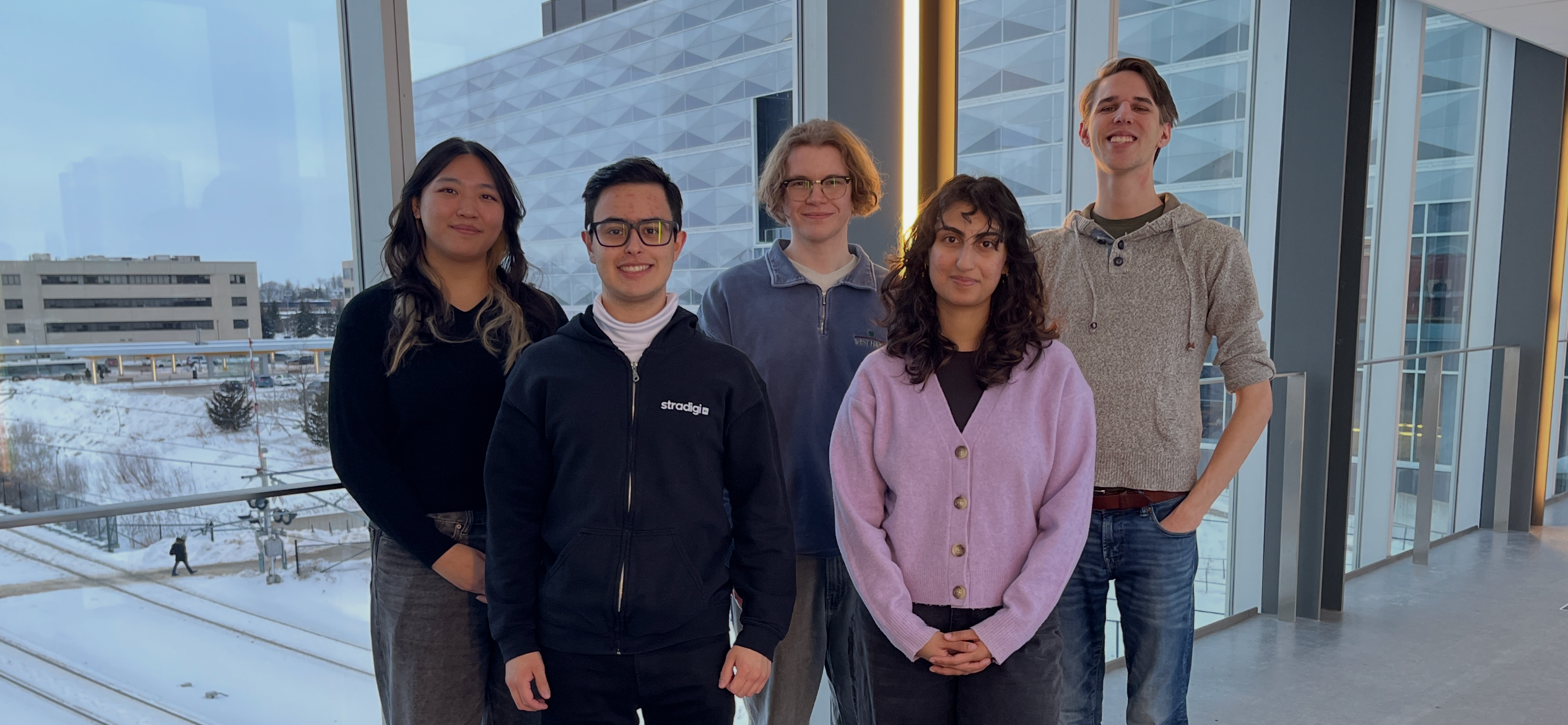
7. TurnSight AI
Sofia Ahmed, Jasmine Mao, Daniel Molina, Jakob Untch, Reu Zuidema
Left-turn collisions account for approximately 22% of all intersection crashes, making left turns one of the most dangerous yet commonly performed maneuvers. While protected left-turns offer mitigation, drivers are at risk when they lack the right-of-way. TurnSight AI addresses this gap with a compact, vehicle-mounted driver-assist system that monitors oncoming traffic during left turns and warns drivers of potential hazards. Using computer vision to analyze threats and deliver real-time alerts, TurnSight AI supports safer decisions and helps reduce the likelihood of intersection collisions.

8. Sanar: The Robotic Healthcare Assistant
Ethan Gabriel, Desmond Nixon, Leo Xie
Healthcare systems face severe nursing shortages, particularly in long-term care, leading to burnout and inefficiency. This project introduces Sanar ("to heal" in Spanish), the Robotic Healthcare Assistant designed to aid nurses by autonomously monitoring patient vitals, navigating diverse clinical environments, and facilitating empathetic human interactions. Combining AI-driven decision-making and emotional expressiveness, Sanar effectively enhances patient care, reduces staff workload, and fosters trustful collaboration between humans and intelligent robotics. Sanar addresses existing service robot limitations, offering a responsive, context-aware solution for dynamic healthcare settings.

9. Skylight Nav: AI Drone Landing System
Changyu Chen, Xinlan Ding, Peter He, Jenny Ren, Elina Xu, Nancy Zhao
A portion of drone crashes occur during landing, often due to signal interference. Our proposed design employs a computer vision system that uses convolutional operations to detect LED beacons blinking in a tailored Gold code pattern. The main advantage of this approach over existing systems is its improved cost efficiency, navigation accuracy, and operational reliability in rough conditions. Additionally, the system is lightweight and portable, making it suitable for deployment on a variety of platforms, offering an efficient alternative for dependable drone landing.

10. SafeHaven
Jingwei Li, Jenny Qiu, Fariza Sattar, Ginni Tank, Ishreet Grewal, Jordan Korley-Myron
Approximately 92.1% of Canadian seniors live in private dwellings, with 27.9% living alone. This project designs an IoT-based smart home security system for seniors that uses motion and environmental sensors to track seniors in a non-intrusive manner. A wearable tag and web app provide real-time health and activity updates to caregivers. The system integrates hardware, software, cybersecurity, cloud storage and IoT protocols. SafeHaven promotes safe, independent living by combining security and health monitoring in a non-intrusive, user-friendly design.

11. TranquiLink
Leah Burgess, Natalie Ly, Kelly Mak, Grace Man, Jonathan Rethish, May Toyingsirikul
TranquiLink detects users' stress levels and automatically lowers them when they become too high. Stress levels are monitored through an EEG headset connected to an application on the user's smartphone. The application then drives external audio devices, allowing the system to reduce stress by methods such as playing relaxing music or guided meditation. TranquiLink proactively intervenes by changing the user's environment, differentiates between positive and negative stress, and monitors the user's psychological states over time to illustrate trends and improve habits.

12. Sunshine
Fahad Abuloghod, Cait Aitchison, Zahra Murtaza, Eryn Williams, Khaled Yaakoub Agha
Access to solar energy is often limited for renters due to the reliance on rooftop and permanent installations. This project proposes a renter-friendly solar shutter system that integrates photovoltaic cells into window-mounted vertical blinds, eliminating the need for roof access. The system tracks the sun and provides up to 50 W of power for two hours. Key components include a microcontroller, rechargeable battery, power electronic converters, and an AC outlet, while offering UV protection and energy savings to enable renewable energy adoption.

13. StaminaSense
Eric Chanthalima, Jinha Kim, Kordian Mazurkiewicz, Michael Tham
StaminaSense is a wearable system that helps coaches manage athlete performance and reduce injury risk. StaminaSense monitors internal data like heart rate, movement, and temperature during activity. Using a model personalized to each athlete, it gives real-time recovery and training recommendations through a mobile app. Unlike existing tools that focus on distance or movement patterns, StaminaSense combines biometric sensors and machine learning to provide a clearer picture of an athlete’s condition and support smarter coaching decisions.

14. Driving Buddy
Avril Alphonse, Victoria Angelini, Fola Fatola, Maya Shenoy, Sneha Sridhar, Keya Tiwari
Driving Buddy is a behaviour-based driving improvement system consisting of an app and an in-car display. The app displays the user’s driving trends and prompts them to set goals, while the in-car display presents real-time alerts based on the user’s driving profile. When deployed on a local fleet, the display augments data from other nearby cars to issue appropriate alerts. This system aims to achieve a similar effect as usage-based insurance apps, but taps more into driver psychology and offers real-time functionality.
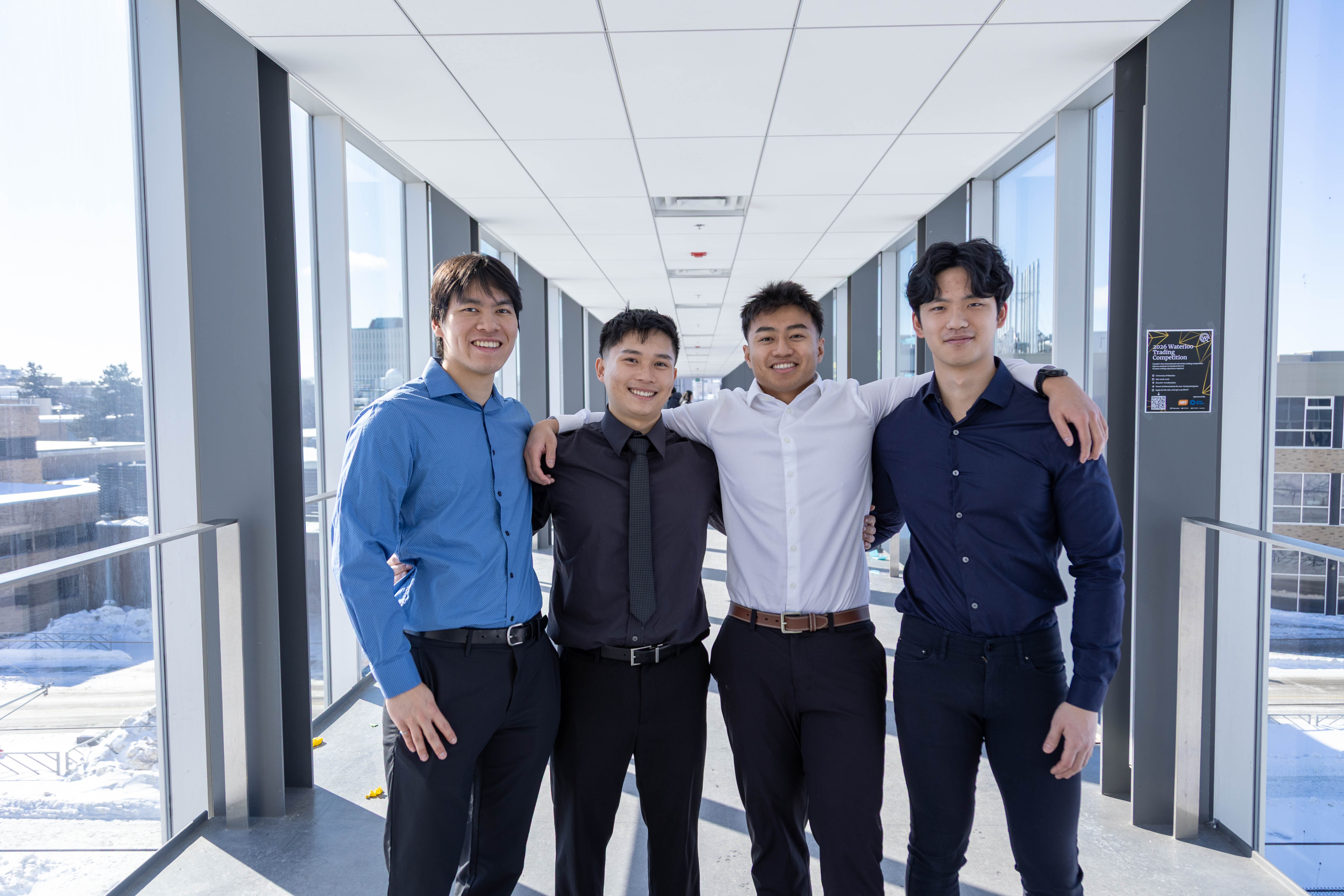
15. Pot Patrol AI
Johnney Chen, Johnson Duong, Justin Mah, Daniel Phung
Potholes cost Canadian drivers over $3 billion annually in vehicle damage while straining municipal repair budgets. This project presents an AI-powered system that detects and maps potholes in real time using cameras and GPS units mounted on public service vehicles. An onboard edge inference device processes data locally, minimizing network dependency and enabling scalable city-wide deployment. Detected potholes and associated metadata are securely transmitted to a cloud dashboard, empowering municipalities to monitor road conditions, prioritize repairs, and enhance public safety through continuous, automated infrastructure management.

16. Glamcam
Roisin Dai, Jiye Lee, Tony Li, Keegan Liu
Many online shoppers struggle to visualize how clothing will look and fit, leading to dissatisfaction and high return rates. Glamcam is a smart mirror that enables real-time virtual try-ons using augmented reality. Built with Kinect V2 and Unity, it tracks body movement and overlays 3D garments through computer vision and gesture-based interaction. Unlike basic mobile AR filters, Glamcam provides a full-length mirror experience that shows realistic fit, movement and drape, helping users make more confident purchasing decisions and letting brands present products more accurately.
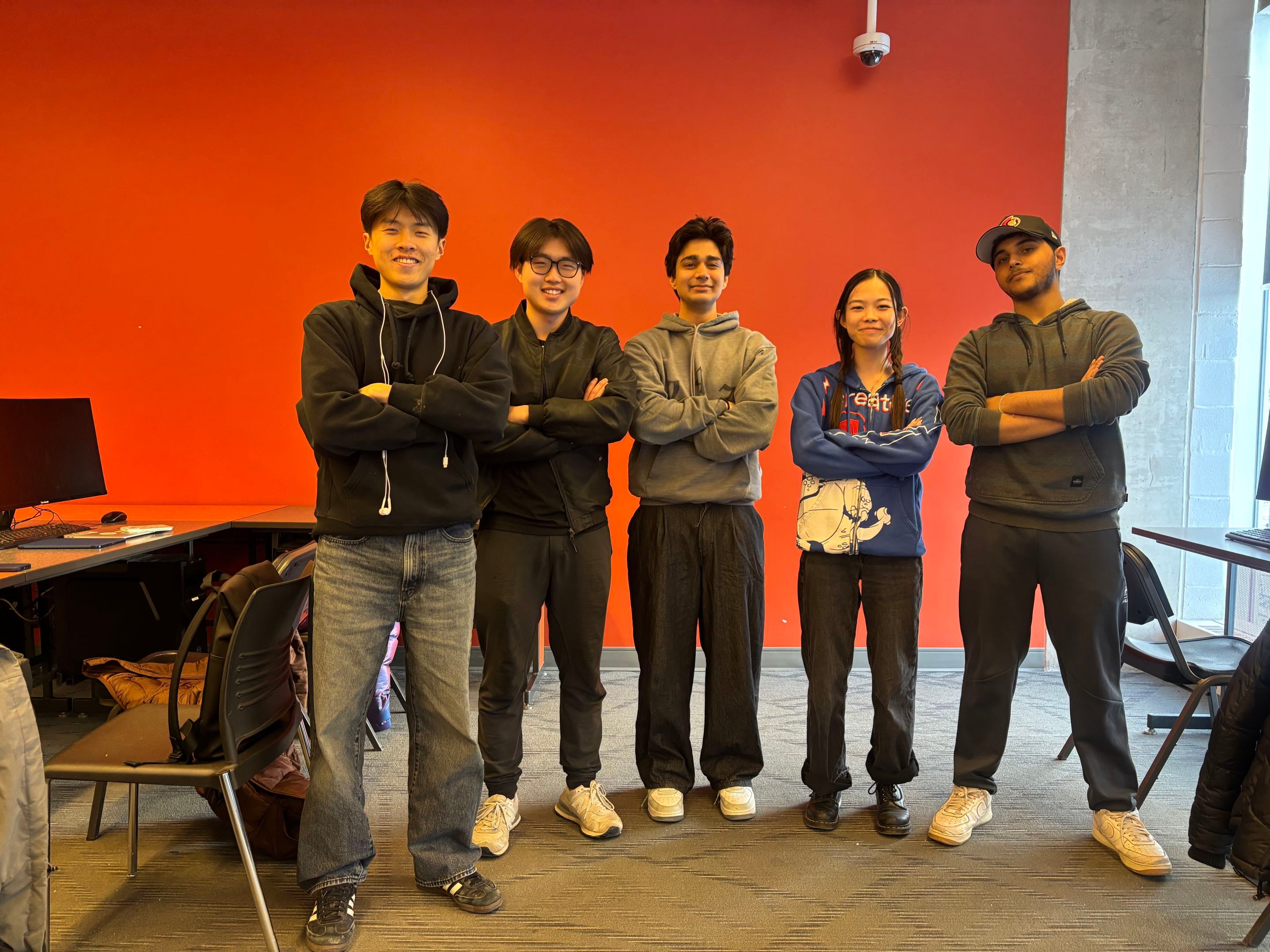
17. Compass Safewalks
Ryan Li, Razi Syed, Sushant Gangwani, Daniel Zhu, Jessica Chen
Nighttime walks across campus often feel unsafe, and phone‑based safety apps demand too many taps when seconds matter. Compass Safewalk equips each pedestrian with a small Bluetooth key fob that broadcasts location beacons to a network of receivers integrated with connections to friends, campus security, and existing emergency interfaces. A cloud platform fuses these alerts with crowdsourced incident reports to maintain a live heat map of safety conditions and automatically reroutes all connected walkers along the lowest risk paths. Edge analytics on the receivers filter irrelevant traffic, and a mobile app displays route guidance and alert status. Compared with current applications that rely solely on smartphones, Compass Safewalk shortens distress signalling to under two seconds, delivers real-time situational awareness, and remains operational during network outages, providing a companion for safer, confident walks across any campus worldwide.

18. VISTA
Angelia Choo Chai, Sharanya Gupta, Nawal Jameel, Megha Raj, Rahave Suresan
Distracted driving now causes more fatalities in Canada than impaired driving, making real-time safety solutions more critical than ever. Our project introduces an in-cabin surveillance system that uses real-time facial analysis to detect drowsiness and distraction as they occur. It builds personalized driver profiles based on actual behaviour. Designed for integration into modern vehicles, the module could enable smarter features, like adaptive cruise control, human-aware autonomous systems and fairer insurance models, by securely processing and logging driver data based on how people drive.

19. SpikeCar
Lauren Brecht, Evelyn Campbell, Prachee Nanda, Lavanya Yadav, Marisa Zhang
SpikeCar implements a Spiking Neural Network (SNN) for autonomous vehicle braking. Using an event-based camera that captures motion as asynchronous spikes rather than traditional frames, our physical car prototype detects obstacles ahead. The SNN, deployed on a Raspberry Pi, processes this event-driven visual data and triggers braking responses. This implementation demonstrates the low-latency processing potential of neuromorphic approaches for real-time collision avoidance.
20. NeuroGlyph
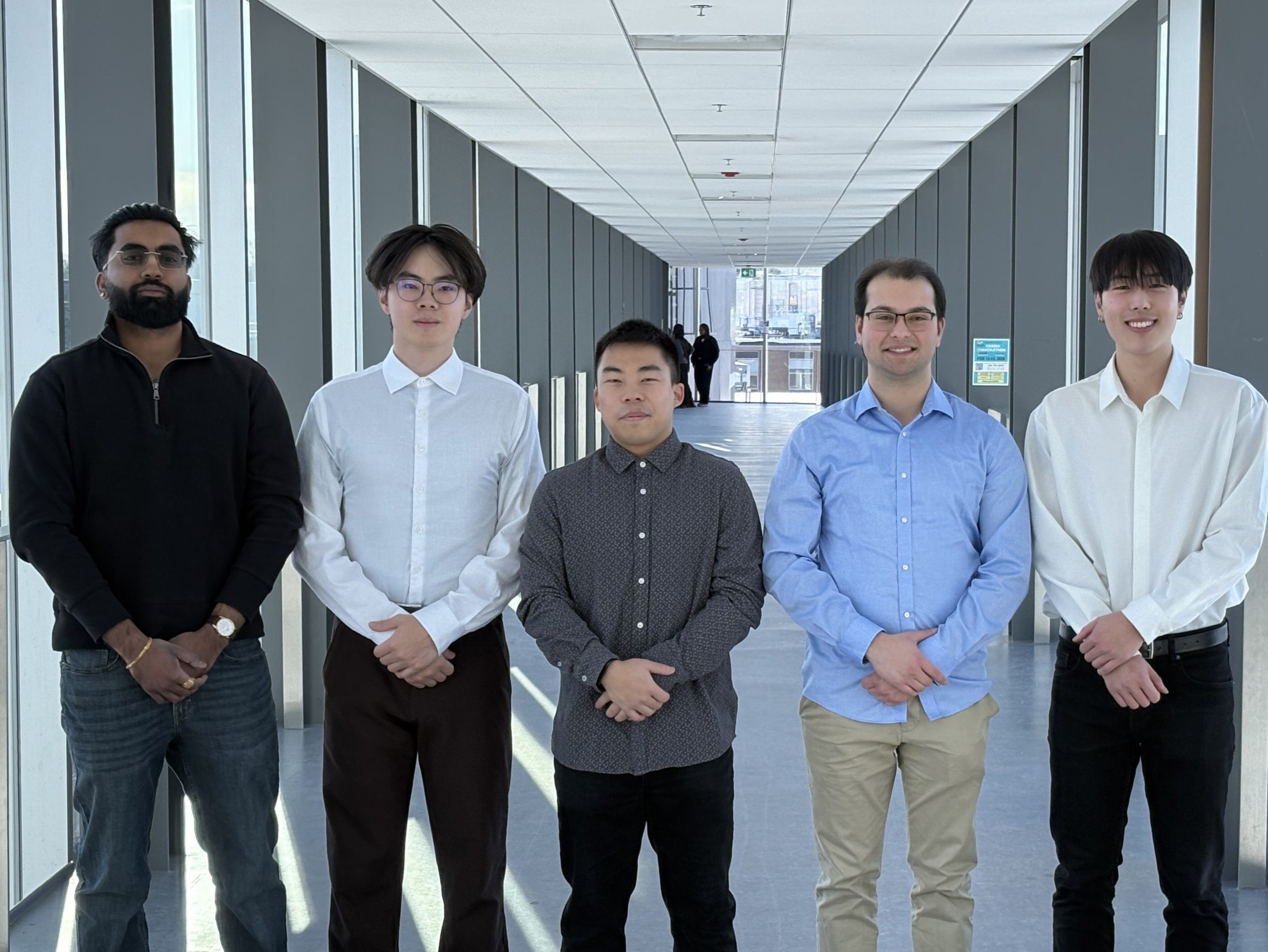
Alexander Chow, Christian Lee, Josh Quittner, Aditya Sridhar, William Wu
NeuroGlyph is an accessible virtual keyboard that enables users to type through a Brain Computer Interface (BCI) paired with an on-screen virtual keyboard. Steady-state visual evoked potentials (SSVEPs) are captured via electroencephalogram (EEG) signals when a user attends to a flickering area. These signals are classified using signal processing and machine learning techniques to identify the intended character. Finally, a predictive Large Language Model (LLM) is used to perform prediction and autocompletion in real time to improve typing throughput.
21. A.R.G.U.S. (Autonomous Ruggedized Ground/Utility Surveillance)
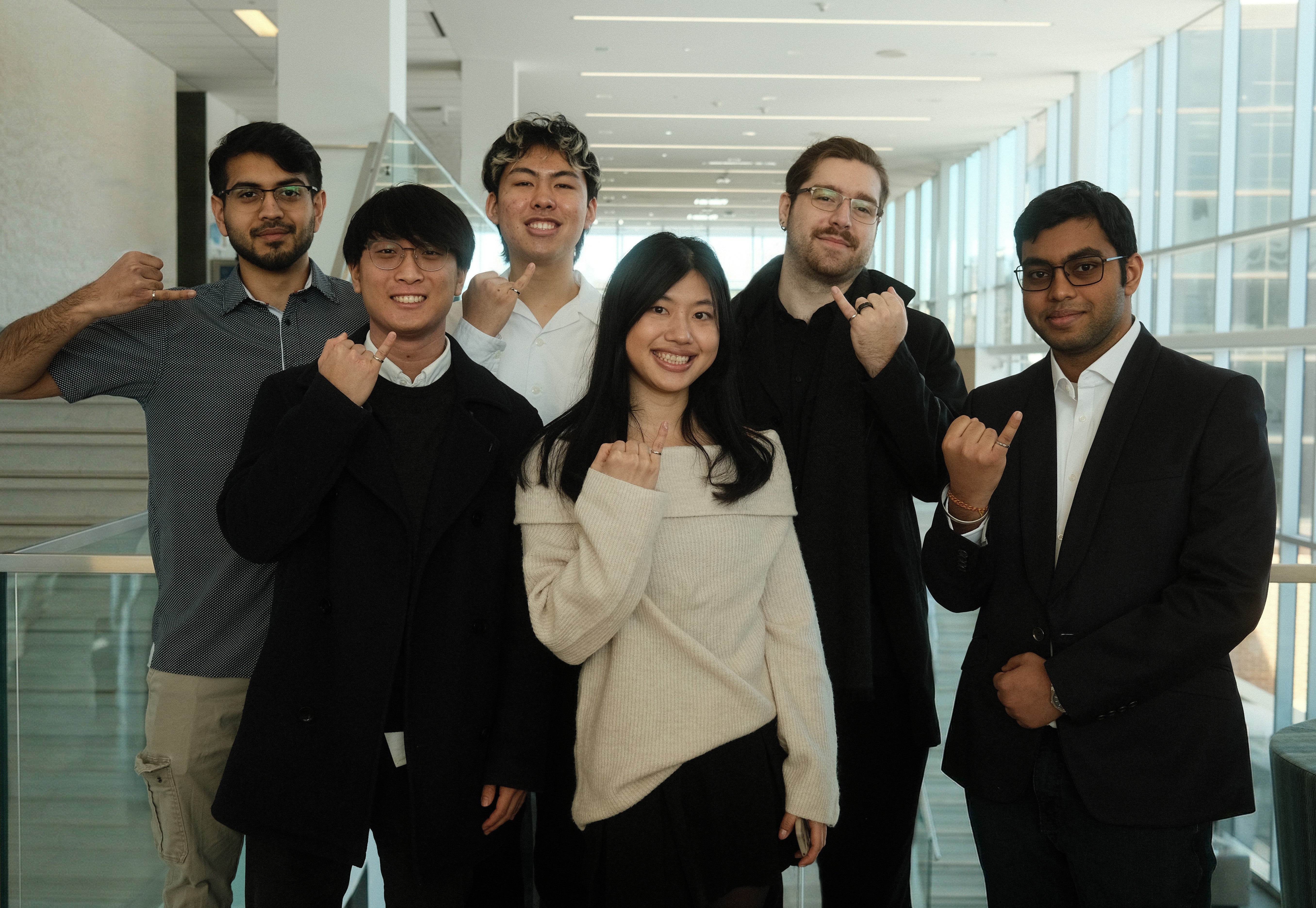
Darwin Clark, Mihir Gupta, Ishman Mann, Mark Min, James Song, Florence Yuen
Project A.R.G.U.S. is an easily deployable and autonomous reconnaissance platform. Designed to be hand-tossed in order to display visual 3D-mappings of the surroundings, it acts as a means to provide terrain, structural, and targeting information. First responders, workers, and law enforcement will be augmented with enhanced terrain awareness and structural insight. Unlike conventional systems that solely provide purely imaging solutions, A.R.G.U.S. offers dual functionality: high-quality video feeds and on-device 3D scene reconstruction, with an emphasis on rugged deployment and survivability.

22. ScribeCast
Andreea Gugiuman, Farzan Mirshekari, Argo Soltani Tehrani, Reezan Visram
Handwritten notes on paper, whiteboards, or any other surface require manual digitization or photography to be preserved, disrupting workflows and limiting real-time collaboration. ScribeCast offers an elegant solution: a portable, 3D-printed sleeve that seamlessly adapts to any standard writing utensil. Powered by computer vision, ScribeCast captures handwriting and streams it instantly to a collaborative web platform where users can join live sessions, save their work, and annotate shared boards from anywhere. With ScribeCast, any writing surface becomes a digital writing surface.

23. PowerTrace
Akshay Bhatia, Puneet Bhullar, Nicole Fung, Nandita Lohani, Sathurja Thavaruban
PowerTrace is designed to identify potential cybersecurity breaches captured through anomalous power consumption patterns. The standalone device measures power consumption directly from a standard desktop power supply unit, providing a faster and protected solution by operating closer to the hardware level. PowerTrace integrates an Electromechanical Emissions Tripwire to monitor power data, using an embedded platform to collect and transmit real-time data to a host system. A user-friendly interface displays the analyzed data in real time, summarizing anomalies and trends.
24. AIrSight
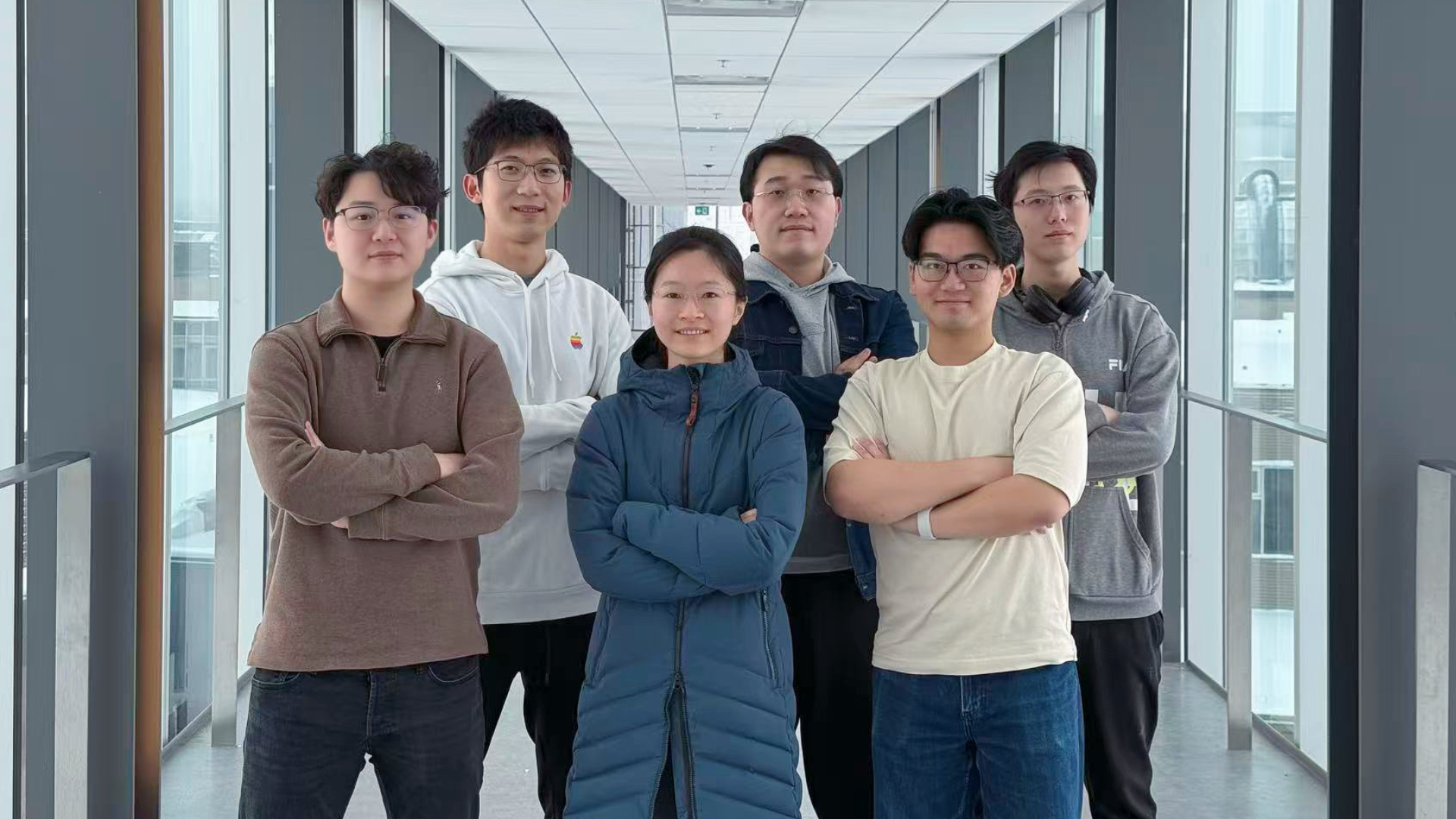
Jerry Hu, Jonathan Lam, Stuart Li, Tina Pu, Jim Ye, Yifei Zhang
AIrSight is a modular IoT ecosystem designed to supervise household air quality through customizable monitoring. Developed by University of Waterloo engineers, the system features a tiered architecture of a main station and multiple sensor modules. AIrSight offers plug-and-play detection for air quality metrics like humidity and CO2. By combining high-efficiency power management with real-time cloud visualization, AIrSight empowers users to make data-driven decisions for healthier living environments.
25. Sonus Halo
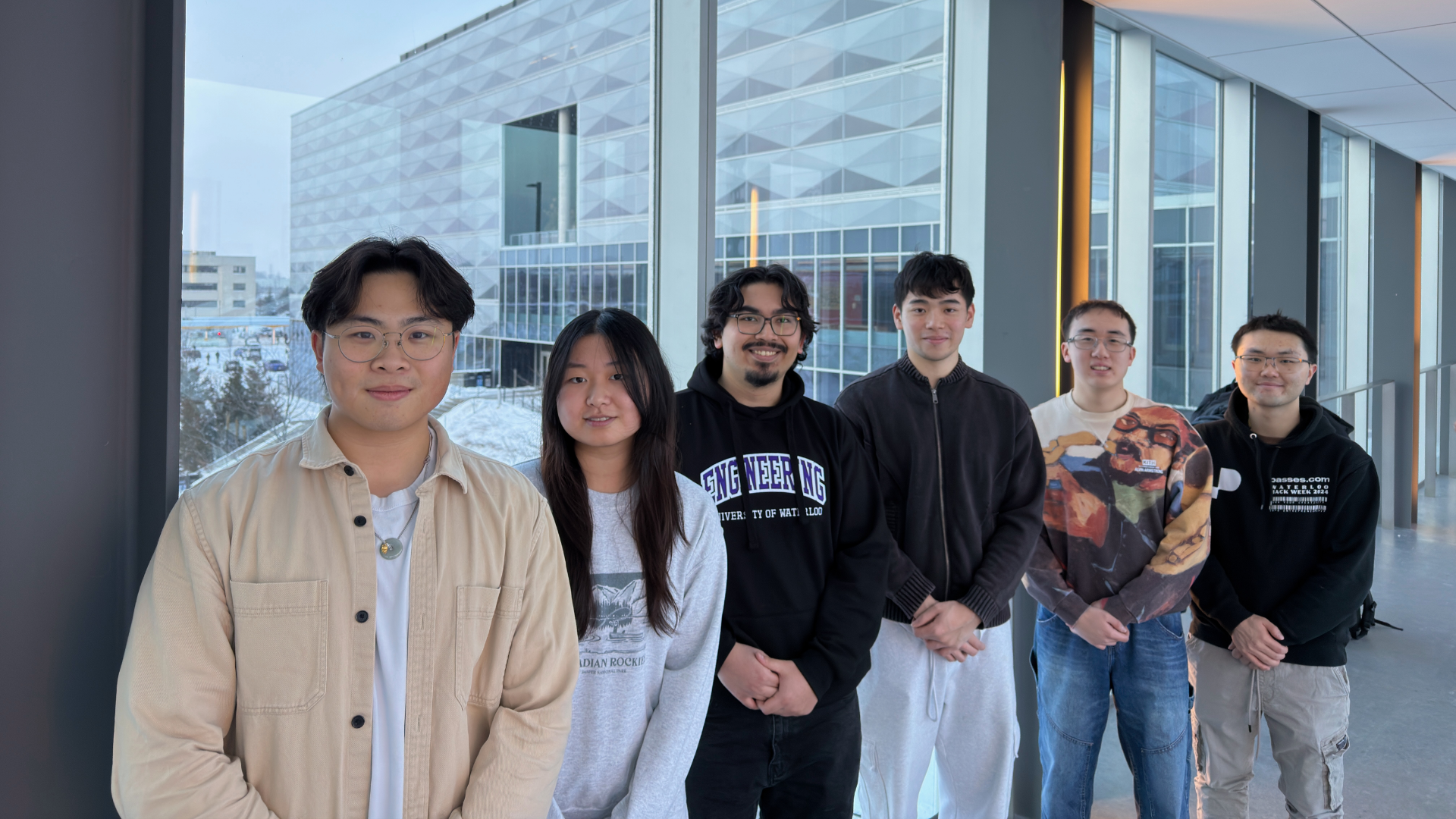
Freeman Huang, Erin Lee, Ethan Romero, Max Tang, Joey Wang, Kai Wang
Over 1.5 billion people live with hearing loss, yet millions forgo hearing aids due to cost or invasiveness. Sonus Halo is an affordable, non-invasive wristband that helps users perceive environmental sounds through directional vibrations. Using a microphone array and haptic motors, it detects sound direction and translates critical sounds, such as speech, sirens, and alarms, into distinct vibrational patterns. Signal processing and a convolutional neural network prioritize urgent sounds while filtering background noise, improving situational awareness and speech understanding.

26. Rekall: Context-Aware AR Smart Glasses
Thien-Dan Balsdon, Daniel Lin, Cindy Peng, Nameerah Razi, Javeria Siddiqui
Recalling key information during repeated interactions is a challenge faced by individuals with memory impairments and industry professionals. This project aims to design wearable smart glasses that enhance memory recall and post-interaction productivity using context-aware intelligence. The objective is to support face-to-face interaction and real-time document understanding. Rekall overlays contextual notes onto the lenses, summarizes conversations, highlights action items, and overlays correct responses to questions in documents. Rekall addresses real-time memory challenges, serving as an intelligent aid that recalls notes, summarizes conversations and answers questions.
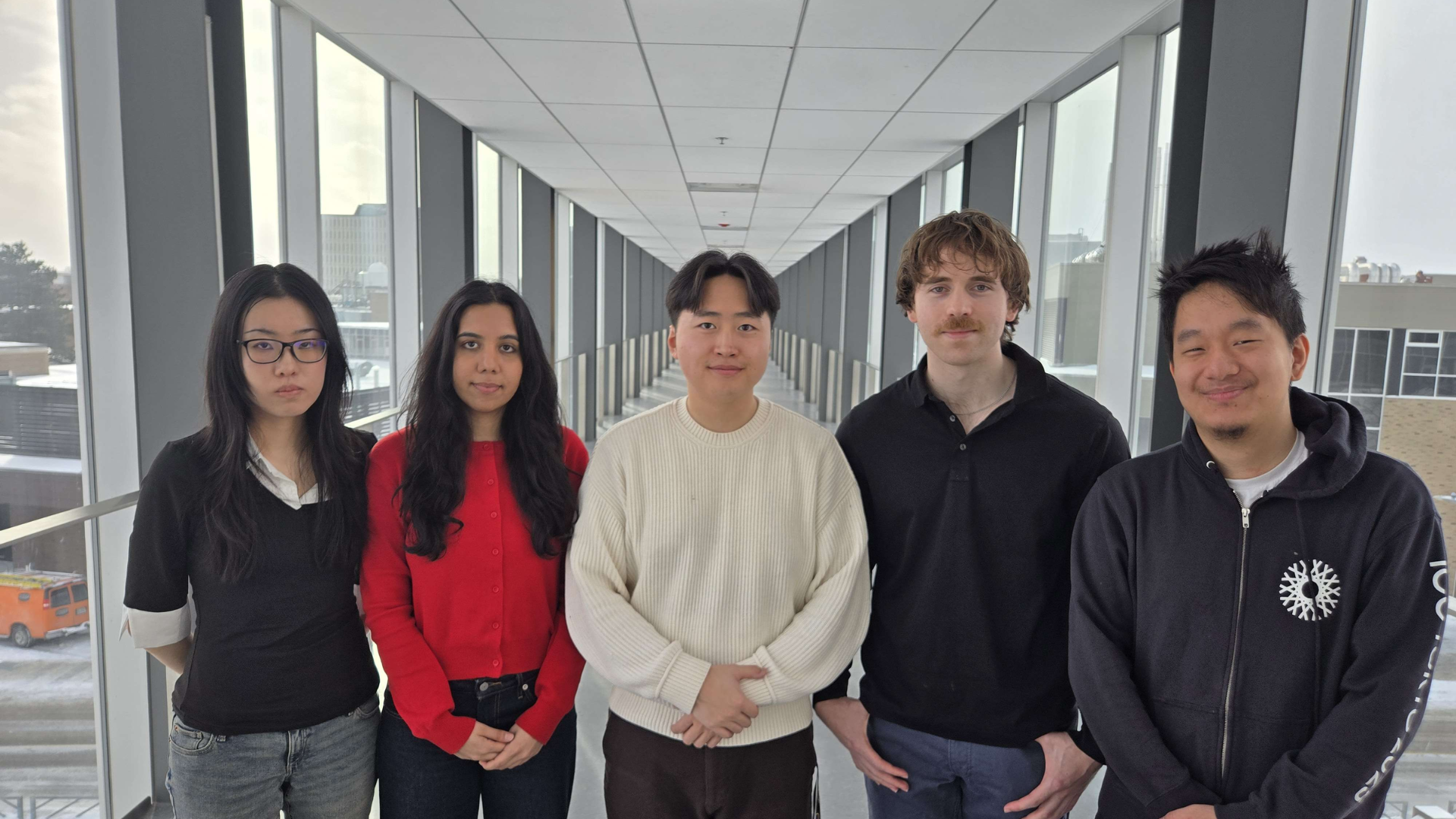
27. OpenGate
John Burtt, Malcolm Shi, Jayanti Upadhyay, Larry Yuan, Olivia Zhang
The OpenGate router is a high-performance wireless router that allows users living under censored regimes to easily connect their devices and access the free internet, without requiring any software installation. Unlike typical consumer routers that support standard VPN protocols such as OpenVPN or WireGuard, the OpenGate router will implement a custom censorship-resistant protocol to provide fast, reliable access to uncensored content and will also support automatic bypass-proxy routing for services that do not require a proxy.
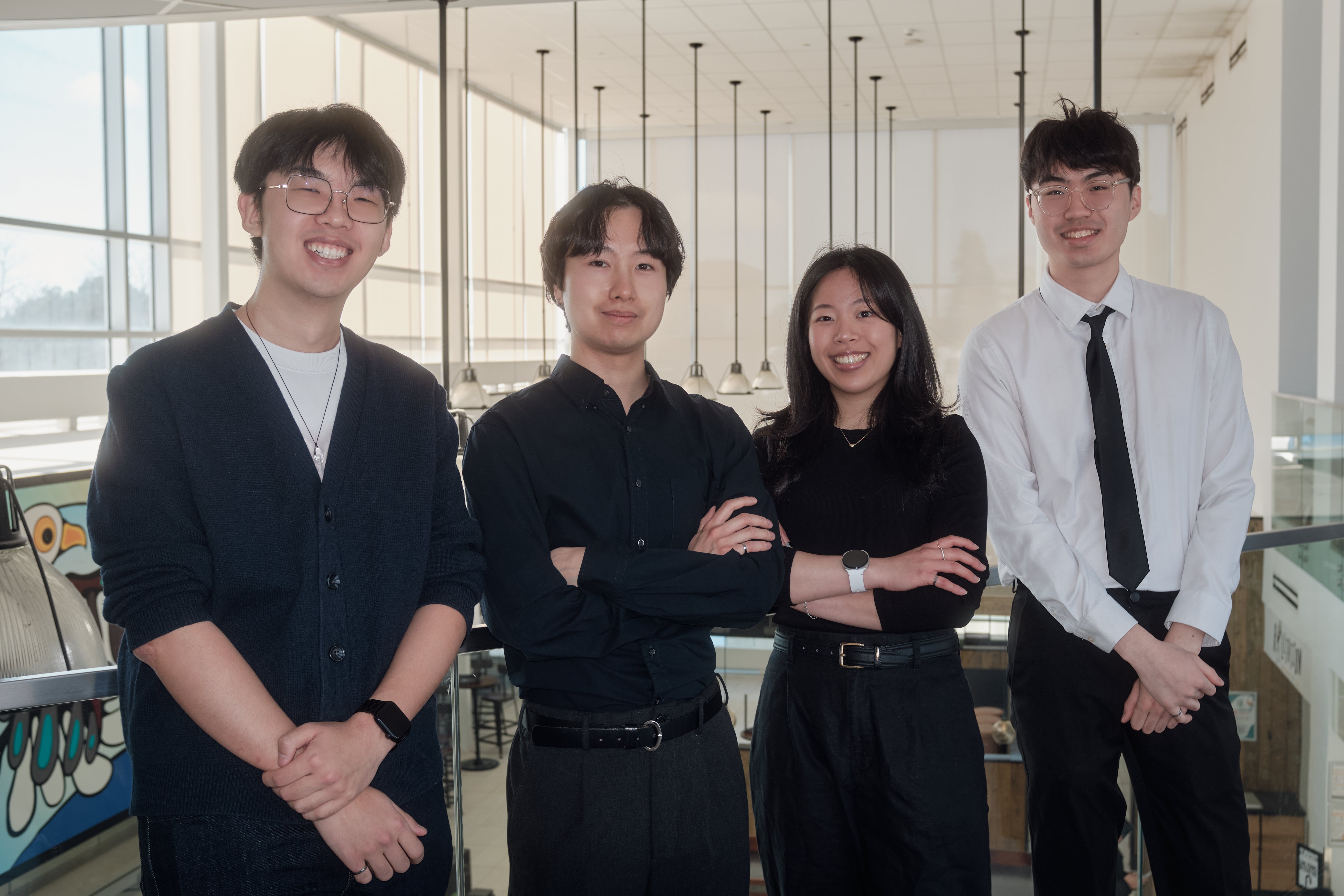
28. DCAM-4
Edmund Chow, Fion Lin, Alvan Tom, Kevin Zhang
“Wigglegrams”, animated images captured using specialized film cameras from the 1980s, have recently experienced a resurgence in popularity. However, analog workflows involve costly consumables, manual development and long delays before results can be viewed. DCAM-4 is a modern digital alternative: a hand-held camera system that captures synchronized images from four fixed perspectives and automatically generates wigglegrams in real time. Unlike film-based solutions, DCAM-4 delivers immediate feedback and empowers photographers with tools for creative experimentation — all in a self-contained digital workflow.
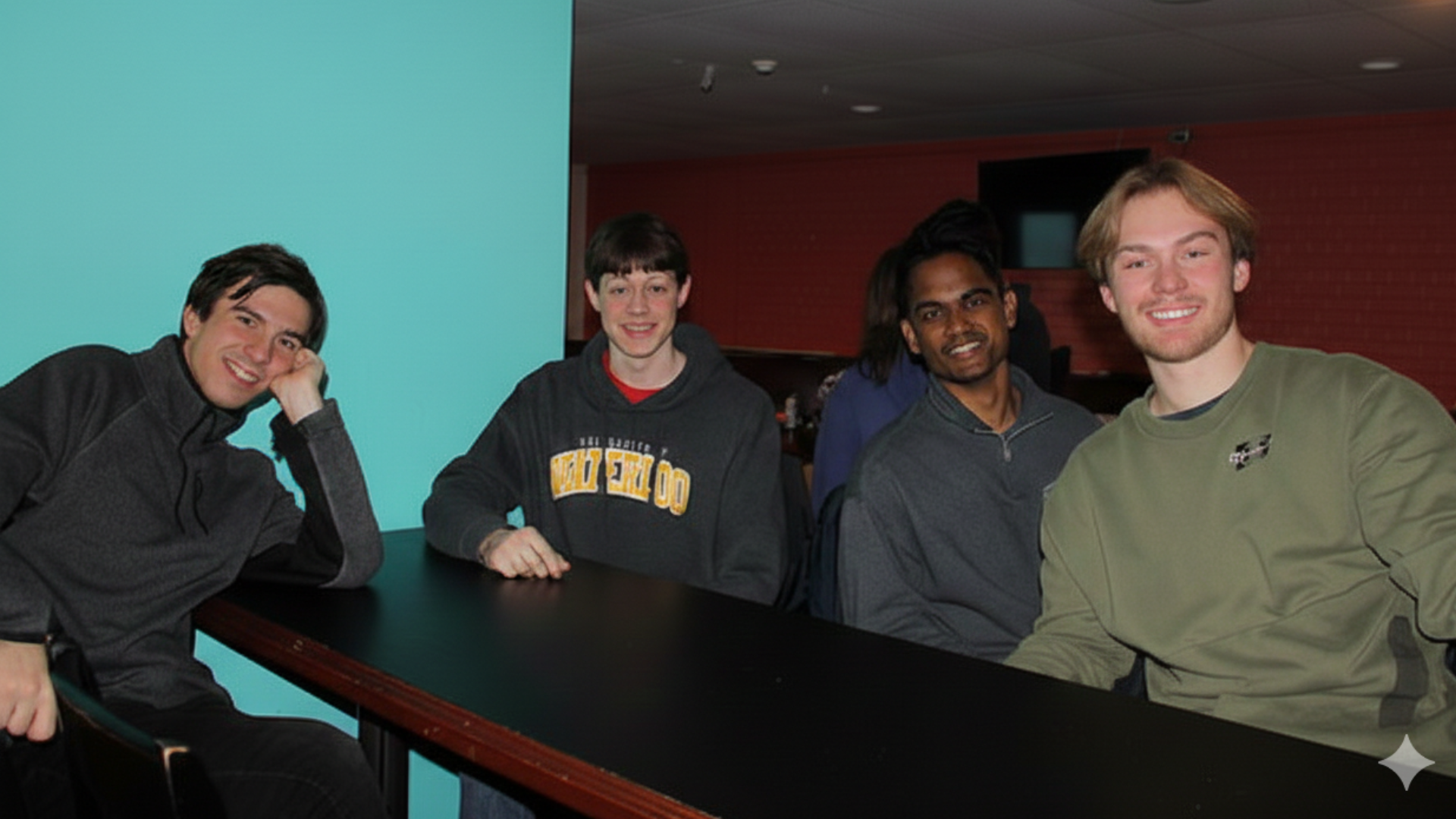
29. PhotoVault
Michael Davy, Dylan Keen, Anthony Lazar, Thenuja Liyanage
PhotoVault is a private, subscription-free solution for secure photo backups. Designed with a wireless Bluetooth connection to communicate with the PhotoVault app, without involving external networks or corporate servers. Full control over your digital memories with easy access to storage, photo management and intuitive settings through a dedicated app. With strong security, fast connectivity and efficient compression, PhotoVault combines the reliability of a backup with the emphasis on privacy. All done without the complexity or cost of traditional cloud or NAS solutions.

30. HeatWave
Rana Balabel, Lama Gad, Dania Masoud, Ayush Ganguly
HeatWave is a wearable, AI-driven device that monitors physiological signals and environmental conditions to assess the likelihood of heat stroke onset before severe clinical symptoms appear. The device is equipped with sensors that measure heart rate, skin temperature, ambient temperature and UV index. These readings are then fed into an AI model that predicts the user’s risk of developing heat stroke. By alerting users when their heat stroke risk score is high, HeatWave provides a preventative solution rather than a reactive one.
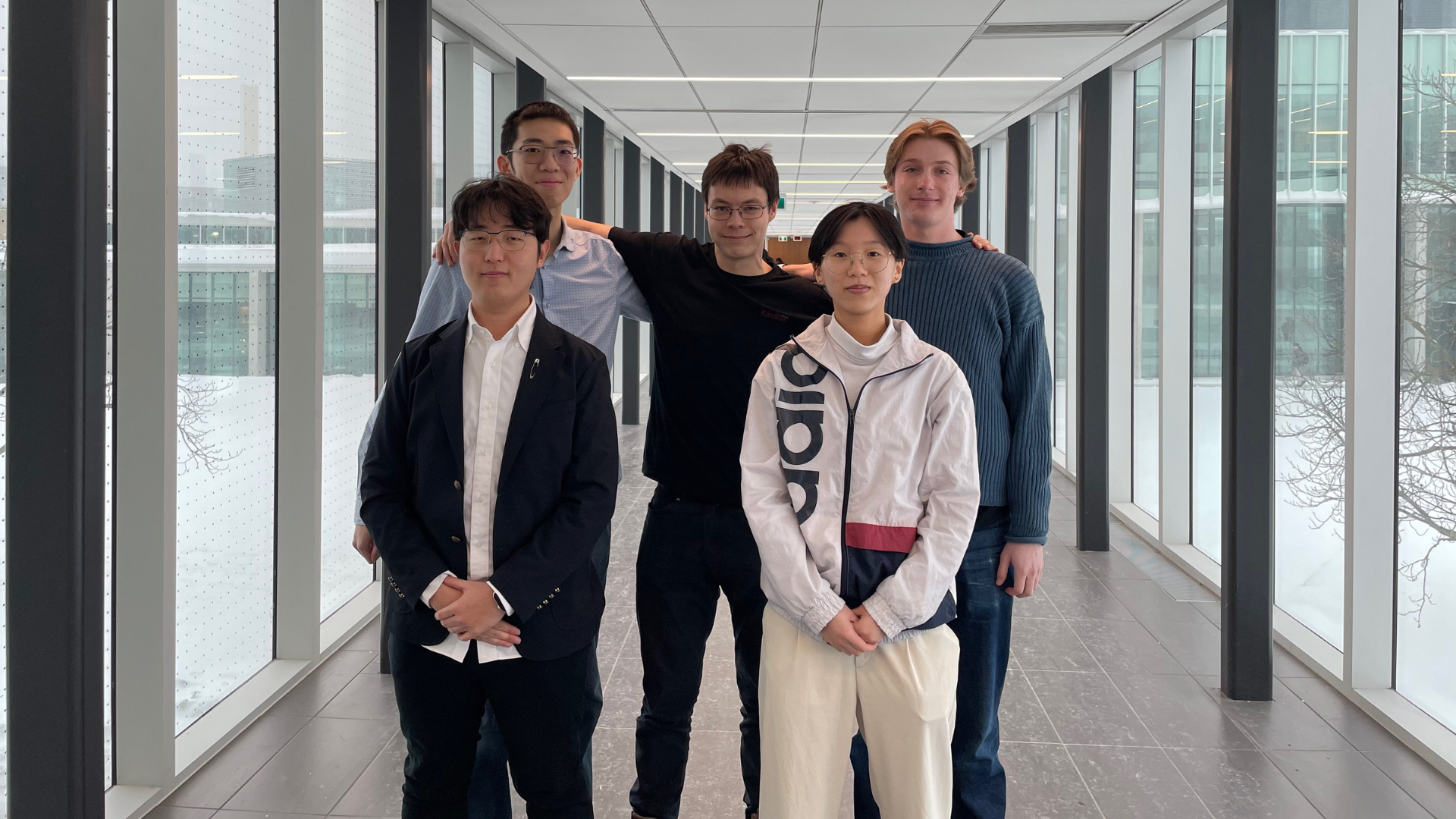
31. Phase Shift
Nathan Cheng, Addison Henikoff, Seungmin Hong, Karin Qian, Terry Zha
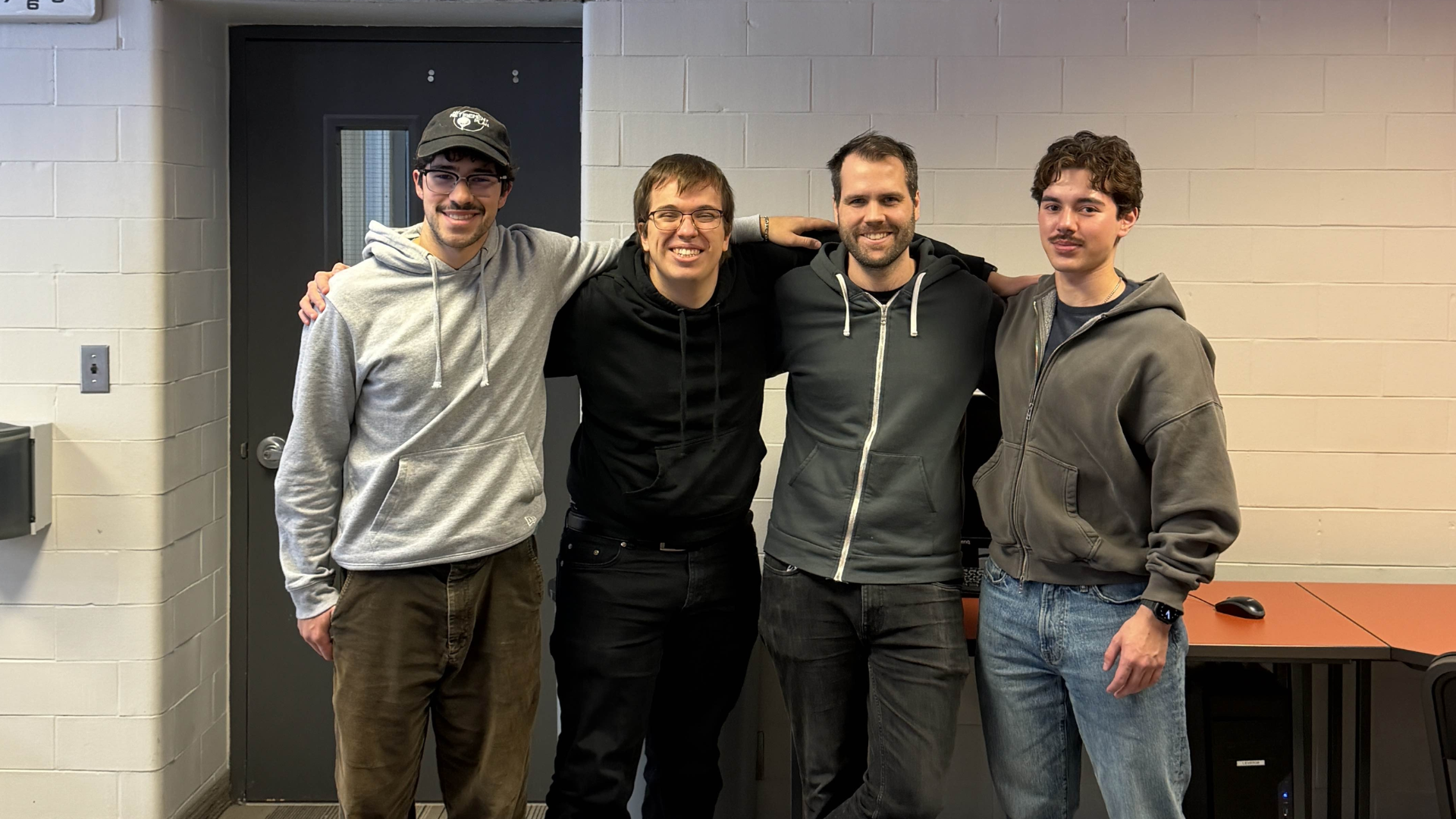
In any multi-speaker audio setup, the optimal listening position is located where incoming audio signals intersect, the so-called “sweet spot.” Phase Shift allows for automatic and real-time relocation of the sweet spot via lightweight position estimation using computer vision and audio beamforming through interference with a phased array of speakers.
32. ElastiBytes
Nicholas Cantone, Nick Chan, John Jekel, Eric Jessee
The demand for the transmission of large amounts of data in the embedded space increases annually, especially with the rise of autonomous vehicles and IoT devices. Therefore, a need is emerging in the market for a lightweight, speedy compression solution that can be easily integrated into embedded ASICs, FPGAs, and SoCs, without significantly increasing power or area requirements. ElastiBytes’ objective is to accelerate lossless data compression via a memory-mapped LZ4 compression and decompression engine, abstracted by a Linux kernel driver and supporting userspace libraries.

33. CanePilot
Tahmid Ahmed, Amer Alwan, Tameem Hossian, Rahavan Sivaguganatha, Abhi Vaishnav, Chengzong Zhao
CanePilot is an AI-powered smart cane designed to improve safe navigation for visually impaired users in busy and unfamiliar environments. Using stereo depth and RGB cameras, an AI accelerator and a Raspberry Pi, it detects hazards from ground-level to overhead within a 5-meter range. The system delivers intuitive directional haptic and audio feedback for obstacle avoidance, offers AI-generated surrounding descriptions, and includes GPS-based emergency tracking for caregivers, all controlled through simple buttons and a companion mobile app.

34. Cerebra Sensing
Eugene Baek, Haseeb Khan, Ammar Obaid, Iman Umair-Qaiser
Each year, many head trauma patients suffer delayed brain bleed diagnosis due to limited CT access and detection challenges in the field. This project introduces a non-invasive wearable that uses near-infrared spectroscopy (NIRS) to rapidly detect asymmetrical brain oxygenation. The headband integrates embedded emitters, detectors and real-time signal processing. Unlike handheld NIRS devices, it’s hands-free and user-friendly, enabling faster triage. This system offers a fast, reliable screening tool that can support early intervention in emergency and remote settings, potentially saving lives.

35. RideSafe
Bassam El-Naggar, Gurshaan Kooner, Hossein Molavi, Samer Rustum, Ahnaf Shahriar
In Canada, an average of 74 cyclists lose their lives annually in collisions with over 70% involving a motor vehicle. To address this, we’ve designed RideSafe: a retrofittable add-on kit that enables blind spot monitoring and alerts the rider of obstructions through haptic feedback. It offers real-time blind spot alerts without requiring the rider to divert their attention from the road, while being low-cost, power-efficient, and more practical than bar-end mirrors in poor-visibility conditions.
36. NeuroSight
Derek Chen, Peter Jang, Sibi Krishnan, Cameron Wong, Calvin Zhao
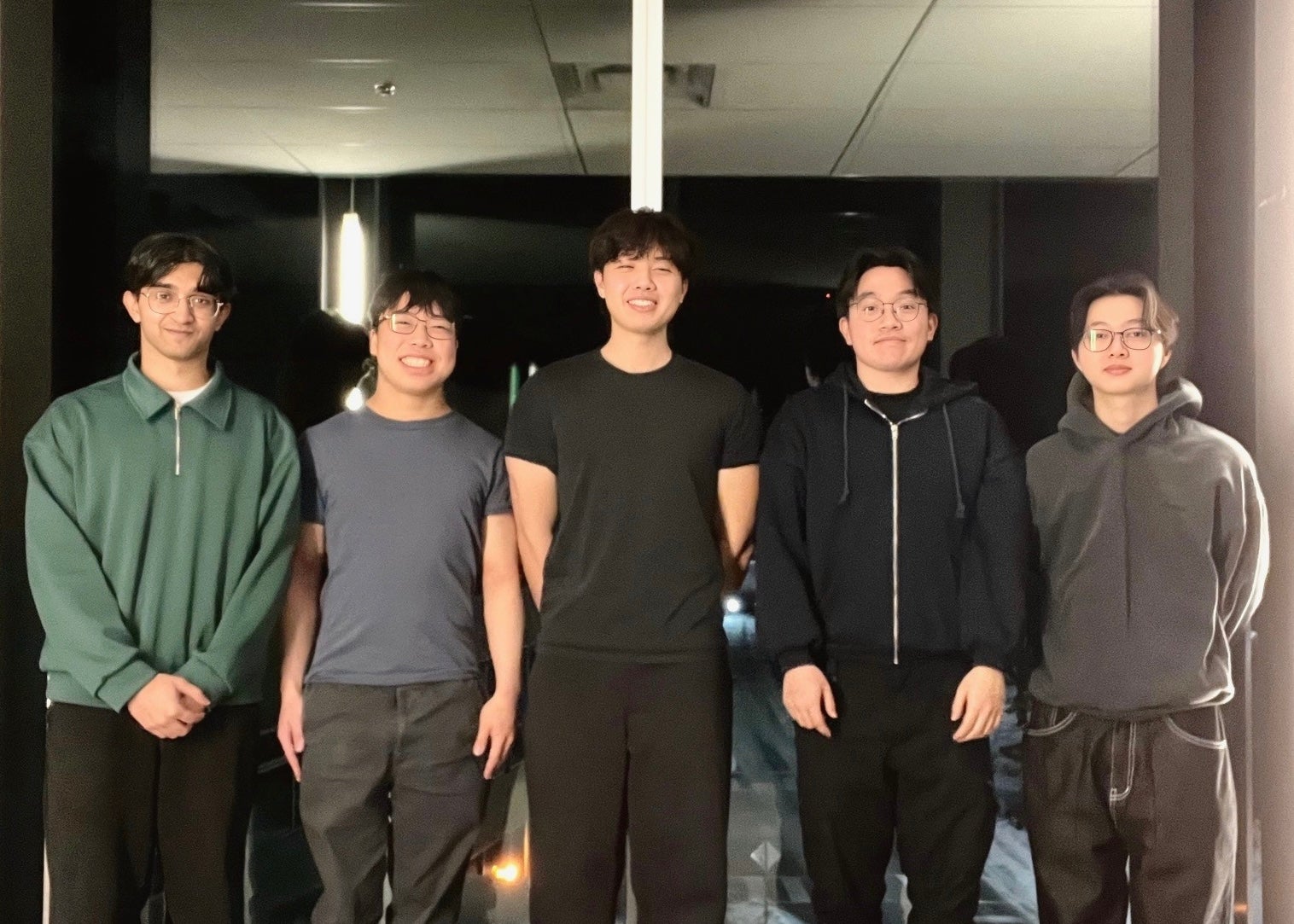
Mental fatigue is common among students and professionals due to prolonged screen time, often going unnoticed until it affects daily functioning and well-being. NeuroSight uses an app and a wearable to monitor general health and wellbeing in desk-bound users by analyzing real-time behavioural and physiological cues, helping individuals stay aware of their mental state and take timely action. This system promotes awareness through continuous, passive monitoring without disrupting workflow, empowering individuals to manage their mental well-being through accessible and data-driven feedback.
37. APEX SLIDE
Amy Hu, Anthony Luo, Alex Yang, Hardy Yu
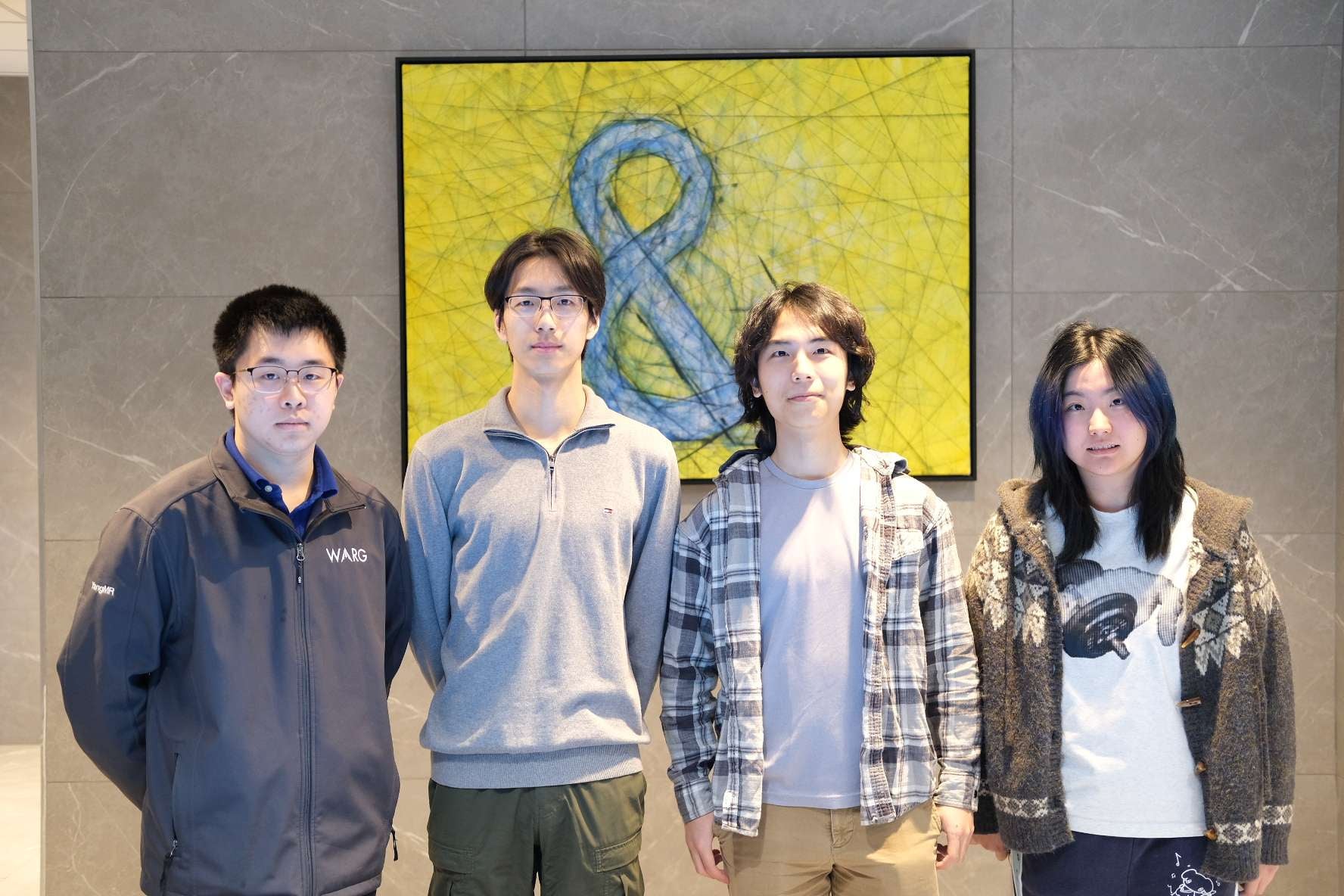
APEX SLIDE is a low‑cost, open‑source data‑logging platform for autocross and grassroots motorsports. It integrates multi-node telemetry, external sensor support, and real-time object‑recognition to deliver meaningful single‑run feedback on cone proximity, line choice, driver inputs and vehicle setup. Designed for easy modification and full compatibility with external tools, APEX SLIDE lowers the barrier to high‑quality analysis and helps drivers extract performance in a highly variable, time‑limited environment.

38. PocketProbe
Renesh Babu, Arman Hojjatoleslami, George Paraschiv, Josh Saha, Krishna Thamilchelvan
The PocketProbe is a portable handheld oscilloscope designed for quick signal verification. It uses a wireless microcontroller to stream data to a desktop application. Analog filtering and high-speed sampling circuits ensure accurate waveform capture. Advanced digital signal processing provides detailed visualization of voltage, timing, and frequency. By combining wireless communication, mixed-signal design, and signal processing, the PocketProbe offers a compact, user-friendly alternative to traditional oscilloscopes. It is ideal for fast diagnostics and hobbyist applications requiring convenient and reliable signal checks.

39. Botanical
Jason Duan, Jefferson Fu, Aayush Kapoor, Ryan Xing
This project builds a smart, internet-connected plant watering system using a gantry-style robot. It automatically waters houseplants by identifying their location using machine learning and computer vision. A camera provides real-time monitoring, and users can control the system remotely or let it run on its own through a software application. Designed for convenience, it requires minimal setup and adapts to different plant layouts, making it ideal for busy or travelling plant owners.

40. Dance Dance Education
Simone Coutinho, Manpreet Jangra, Shivali Sen, Shyana Shaiskandan
Dance Dance Education is an interactive educational game that fuses physical activity with learning. Players answer quiz questions by stepping on pressure-sensitive pads that correspond to choices on the screen, turning physical movement into active participation. The system runs as a desktop application with an integrated backend and database for managing quizzes and tracking user progress. This immersive experience uniquely blends cognitive and physical engagement, offering a dynamic alternative to traditional educational apps or fitness tools.

41. TherAIpy Assistant
Sairah Amuthan, Alexander Cholmsky, Eric Gan, Rick Pan
School psychologists face growing caseloads and staffing shortages as student mental-health needs continue to rise. Much of their time is spent on repetitive tasks such as scoring paper assessments, interpreting results, and writing individualized recommendations. This project introduces a scanning system that uses OCR to digitize clinician forms, extract key statistical insights, and incorporate client context before using generative AI to draft structured psychological reports. By automating the test-to-report workflow, the system reduces administrative workload and allows psychologists to focus more on direct student care.

42. NLPVisionRT
Panth Bhavsar, Tushar Kumar, Gurshan Mann, Aryan Neb, Neil Patel, Lakshya Rao
Traditional video interfaces depend on manual input, limiting usability in dynamic or accessibility-focused environments. NLPVision-RT is a real-time system enabling hands-free control of live video through natural language commands. Built on an FPGA SoC, the system utilizes a hardware-software co-designed pipeline to synchronize parallel video processing with NLP parsing and object tracking. This architecture ensures low-latency semantic scene comprehension and visual transformations. NLPVision-RT provides a responsive, modular solution for domains like surveillance, setting a new standard for intelligent user interfaces.
43. TalusCore
Bryan Huang, Christopher Leung, Nelson Loop, Charlie Wong
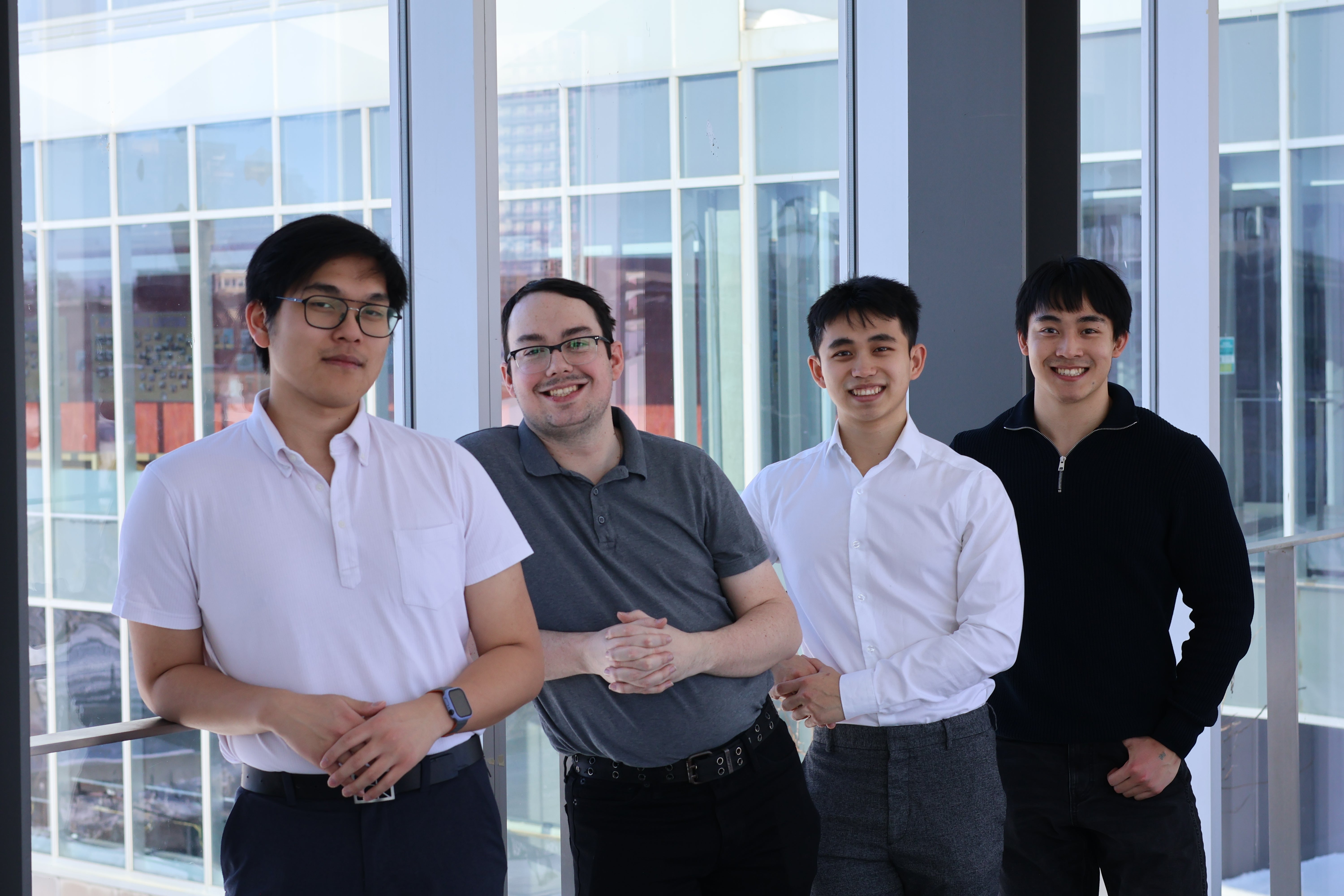
The TalusCore is a screen-less fitness tracker that is designed to be worn around the ankle, making it a comfortable and practical option in settings where wrist-based trackers are unsuitable such as industrial workspaces. The device collects users’ movement and health data during daily physical activity. It tracks metrics such as heart rate, steps, and overall progress, which is synced with a companion mobile app. Using the app, users can create a profile, view trends, and receive live data and tailored feedback on the dashboard.

44. HeraScan
Mariam Abdellateef, Charlotte Cloutier, Ella Uppal, Oyku Uzun
With 1 in 8 Canadian women developing breast cancer, early detection is critical. HeraScan is a low-cost, non-invasive, portable device designed to democratize screening. It uses controlled acoustic signals and a microphone array to analyze tissue response. An embedded processor extracts features for on-device machine-learning classification, identifying anomalies in real time. By eliminating radiation and enhancing comfort, HeraScan supports frequent screening in non-clinical environments, leveraging advanced signal processing to make early detection accessible and effective.
45. ViziStock
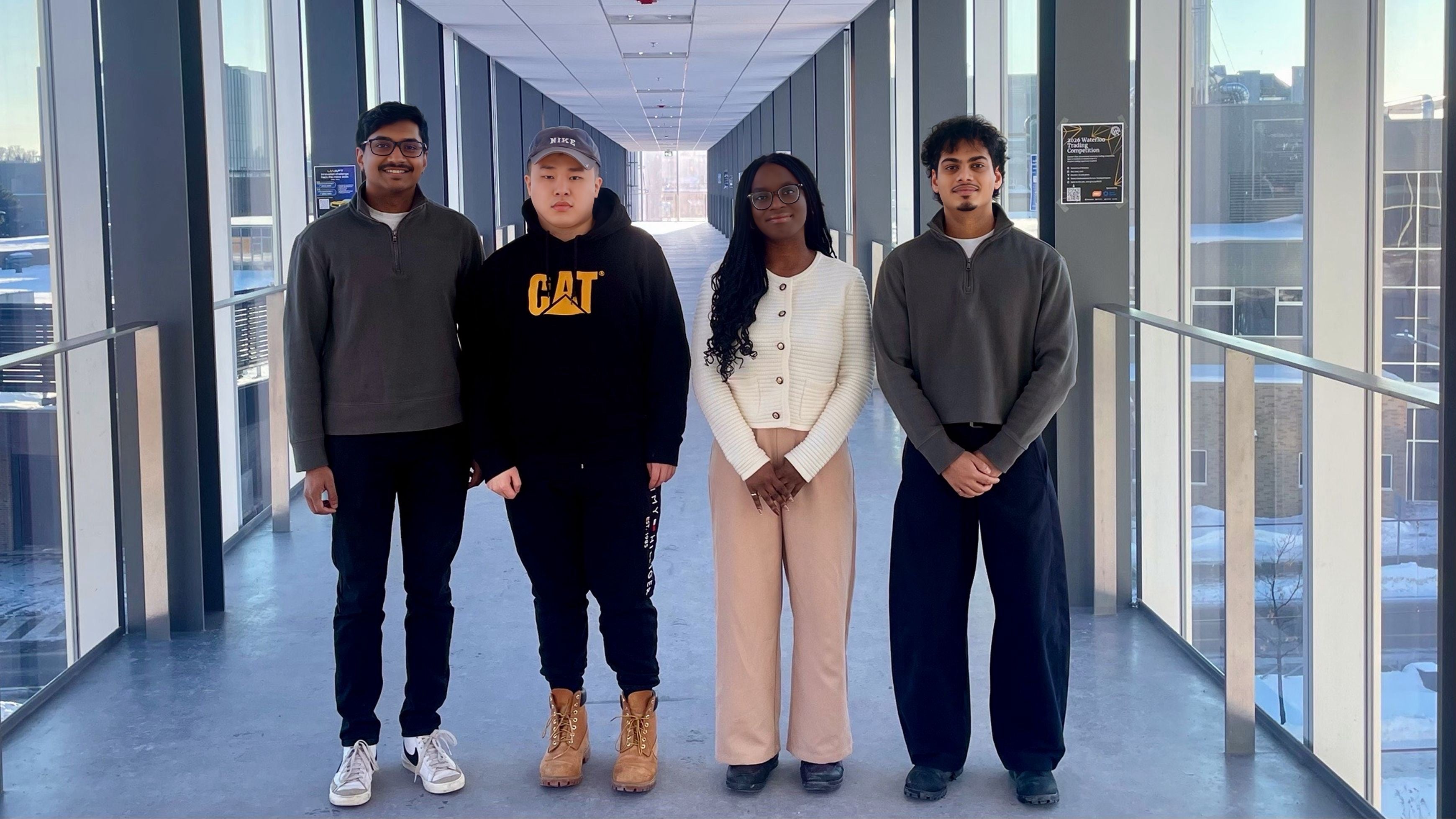
Kanyinsola Adejola, David Chen, Akil Karthik Giri, Sovan Patnayak
ViziStock is a smart shelf system that enhances real-time inventory tracking in retail environments. Shelf-mounted cameras capture images, which are processed by a Raspberry Pi and analyzed by object detection and large language models to identify products, count quantities and flag low-stock or misplaced items. A decision-making system triggers alerts and updates a central dashboard accessible via an Android and Web app. By automating shelf monitoring, ViziStock reduces manual effort and improves restocking efficiency, helping stores stay competitive in a rapidly evolving retail landscape.

46. EasyScribe
Romaljeet Bal, Waylon Chan, Vivek Dhillon, Kevin Ouyang, Nihal Sahu, Nishan Sivakumar
Clinical teams still spend a large portion of each appointment on documentation, transcription, and manual entry of patient information, reducing the time available for direct patient care. EasyScribe is an AI-powered medical scribing platform that helps automate this process by generating structured clinical documentation from ambient conversation. The system also includes a low-profile vitals monitor that can automatically record heart rate and blood oxygen saturation during check-in. By combining ambient scribing with real-time physiological data capture, EasyScribe reduces administrative burden and supports faster, smoother, and more efficient patient visits.
47. eXpress Drive Hauling Gear
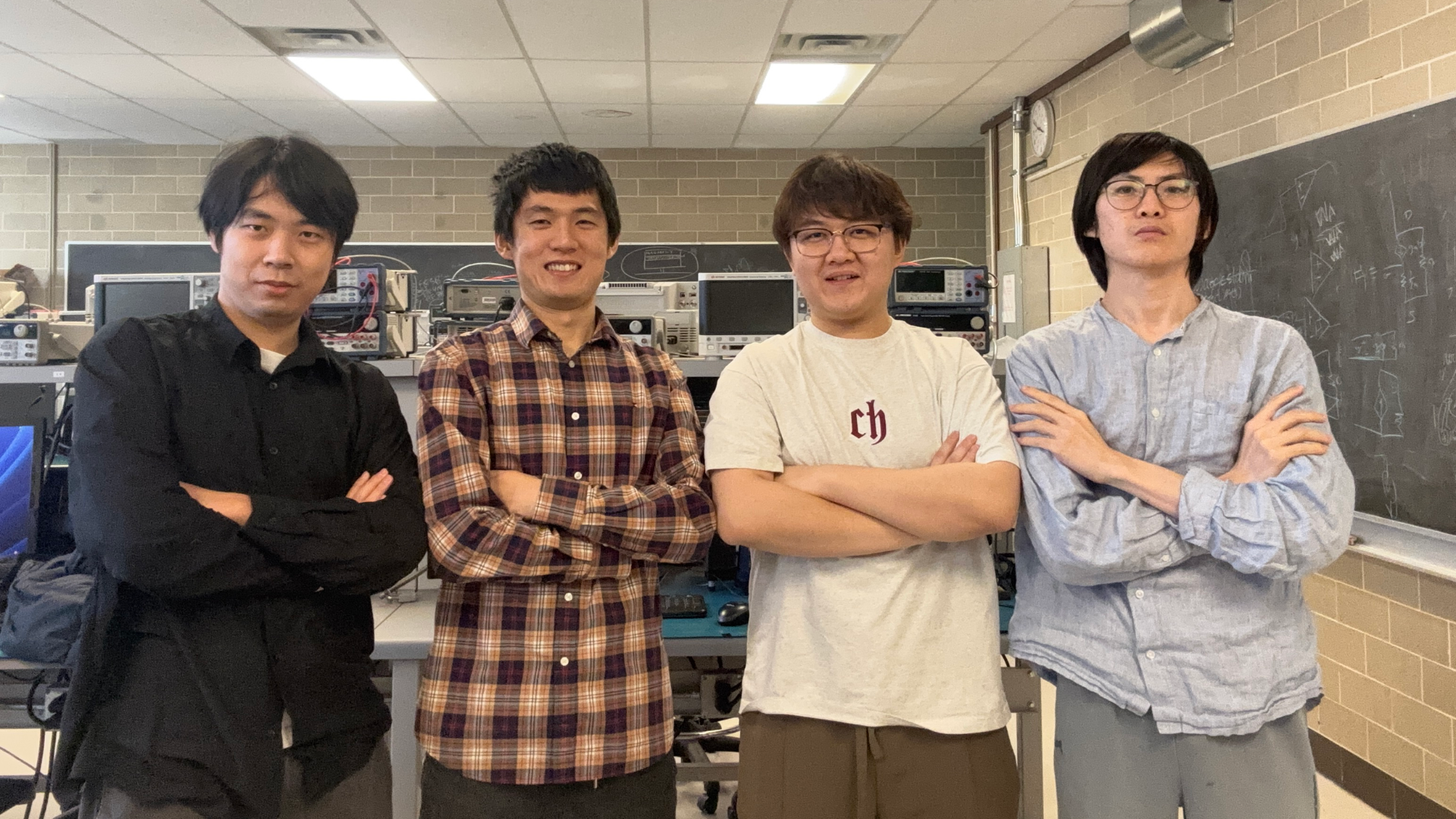
Hanpeng Dong, Yang Gao, Yujin Han, Anthony Xu
Workers often suffer injuries and fatigue from transporting heavy equipment over distances. eXpress Drive Hauling Gear addresses this problem with an autonomous trolley platform that follows users and navigates around obstacles in real time. The system reduces physical strain, boosts productivity and enhances safety in places like warehouses, airports and campuses. This project focuses on creating a practical and affordable device that takes the hard work out of transporting heavy loads.
48. SkyEyes
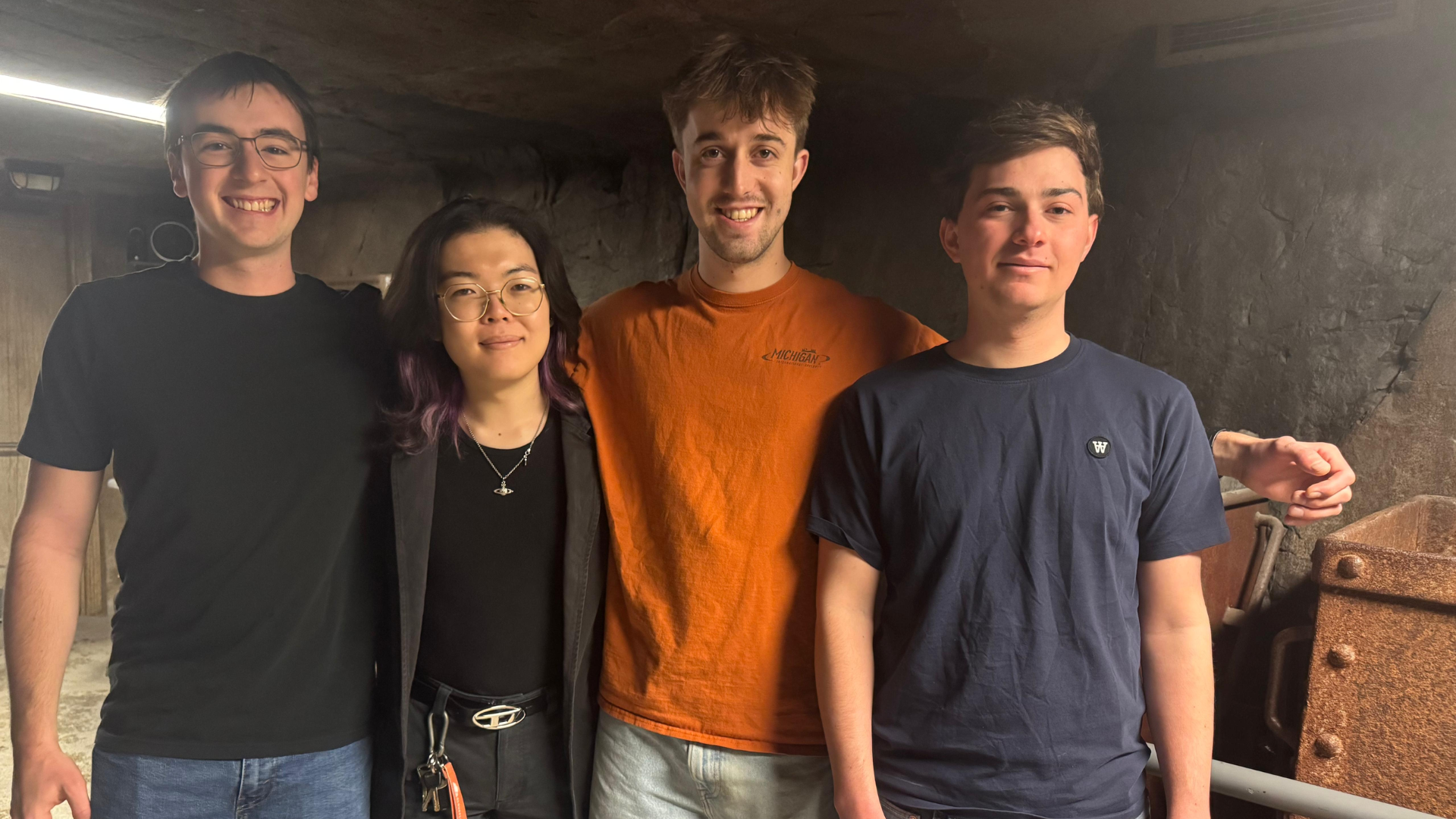
Seb Atkinson, Robert Bae, Adam Goldman, Sam Graham
Traditional surveillance systems face limitations such as high costs, limited mobility, and inflexible coverage. SkyEyes — a distributed surveillance system — overcomes these challenges by delivering continuous, adaptable coverage using camera-equipped drones. SkyEyes runs a custom flight coordination algorithm and swaps out battery-depleted drones to dynamically maintain zero-downtime periodic video coverage of a user-defined flight area. Compared to traditional methods, this scalable solution offers superior flexibility, lower operational costs and broader, more adaptive coverage.
49. SkyStation
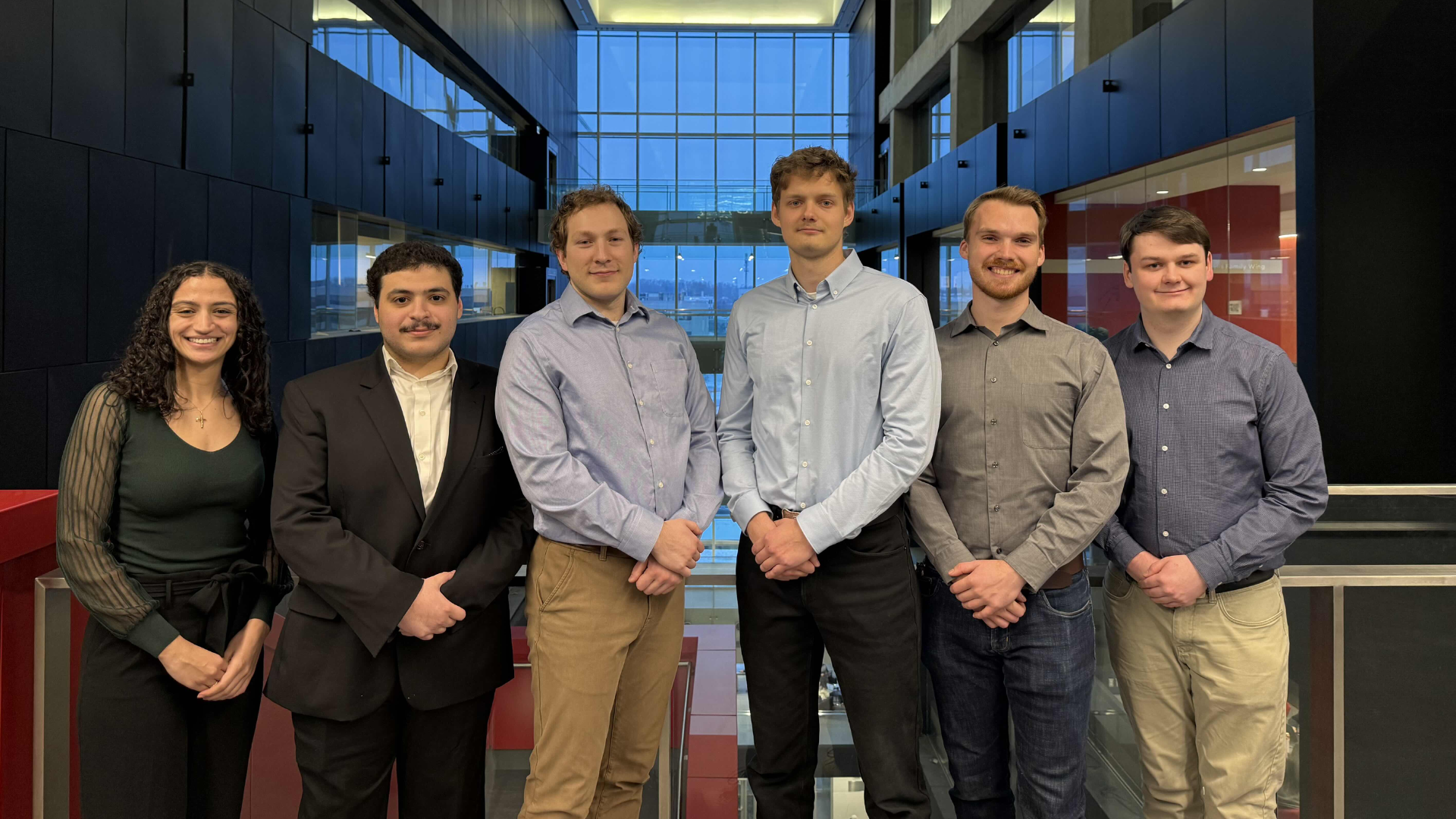
Julia Aziz, Andrew Bovenkamp, Naser Nassar, Max Storjohann, Reid Schwartzentruber, Anthony Zhelnakov
SkyStation is an input device designed to enhance ergonomics and promote healthy living by reducing office-related injuries associated with prolonged computer use. Using electronic circuit design, wireless communication, and sensor fusion, SkyStation converts hand motions captured by inertial and capacitive touch sensors into precise mouse operations. Unlike camera-based alternatives, it encourages movement and healthier human–computer interaction.
50. ReSplatt
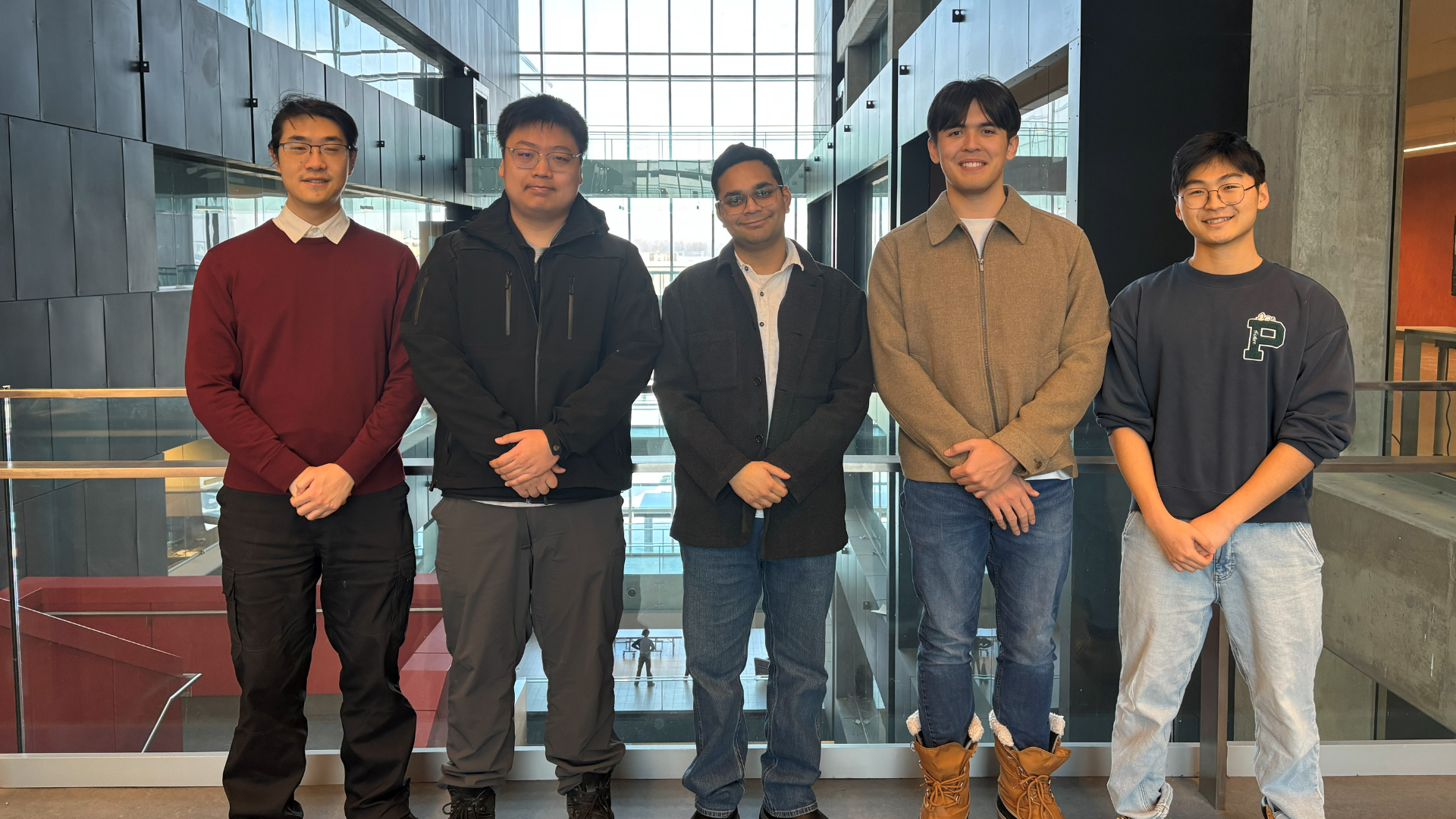
Avi Bhadore, Justin Chhay, Chengfeng Deng, Evan Howie, Michael Tao
Video footage limits viewers to one perspective. ReSplatt aims to reconstruct 3D environments and objects utilizing Gaussian splatting with video input, enabling more intuitive spatial analysis and interaction with the world around us. Simply by using a camera or video, users can easily upload a video and generate 3D models on the ReSplatt platform for usage in projects and personal use.
51. KyMesh
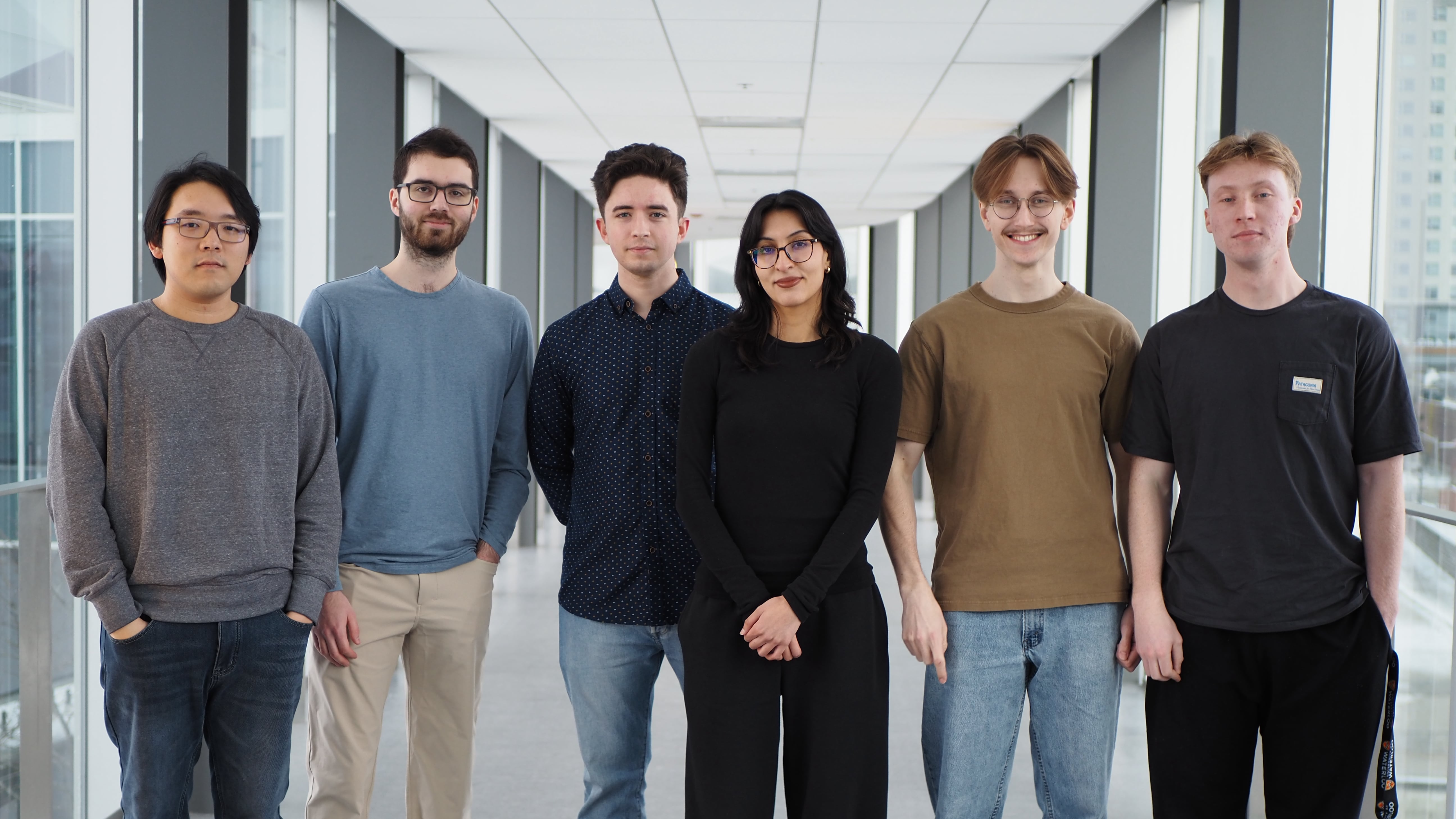
Ryan Eggens, Aiden Fox Ivey, Alisya Kainth, Nuohan Li, Graeme Seelemann, Alex Tsarapkine
As quantum computing advances, new approaches to secure communication are needed. This project develops a low-power, long-range messaging system designed for use in environments with limited infrastructure. By integrating post-quantum cryptography into a wireless transceiver, adding a hardware-based source of randomness, and packaging the system into a standalone device, the design enables secure communication between remote nodes. The result is a practical platform for resilient, future-ready communication in applications such as emergency response, remote operations and field deployment.
52. Elderly Vitals Monitor
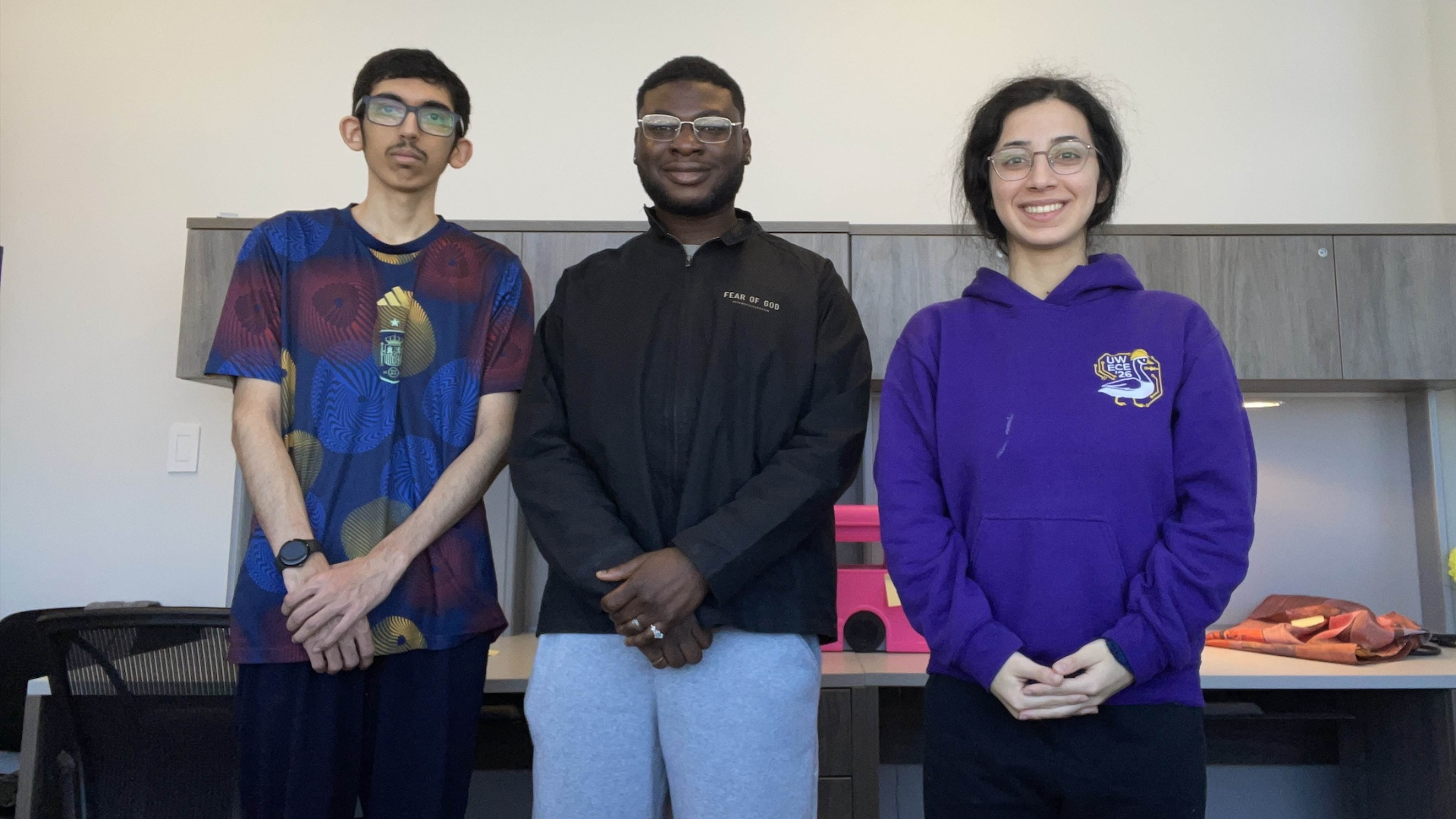
Antonio Liang, Beck Liu, Nusha Moosavipour, Oladipo Daniel Olabiyi, Abhinav Prasad
Knowing our loved ones are safe is important to all of us, especially when they are the most vulnerable. The Elderly Vitals Monitor is a wireless health wearable for the elderly that provides real-time fall detection and location monitoring. The device wirelessly connects to a family member’s phone through a mobile application providing real-time alerts regarding their condition, even when they are far apart. With quick and accurate long-distance monitoring, loved ones are notified within seconds when an incident is detected.
53. Glucometrics
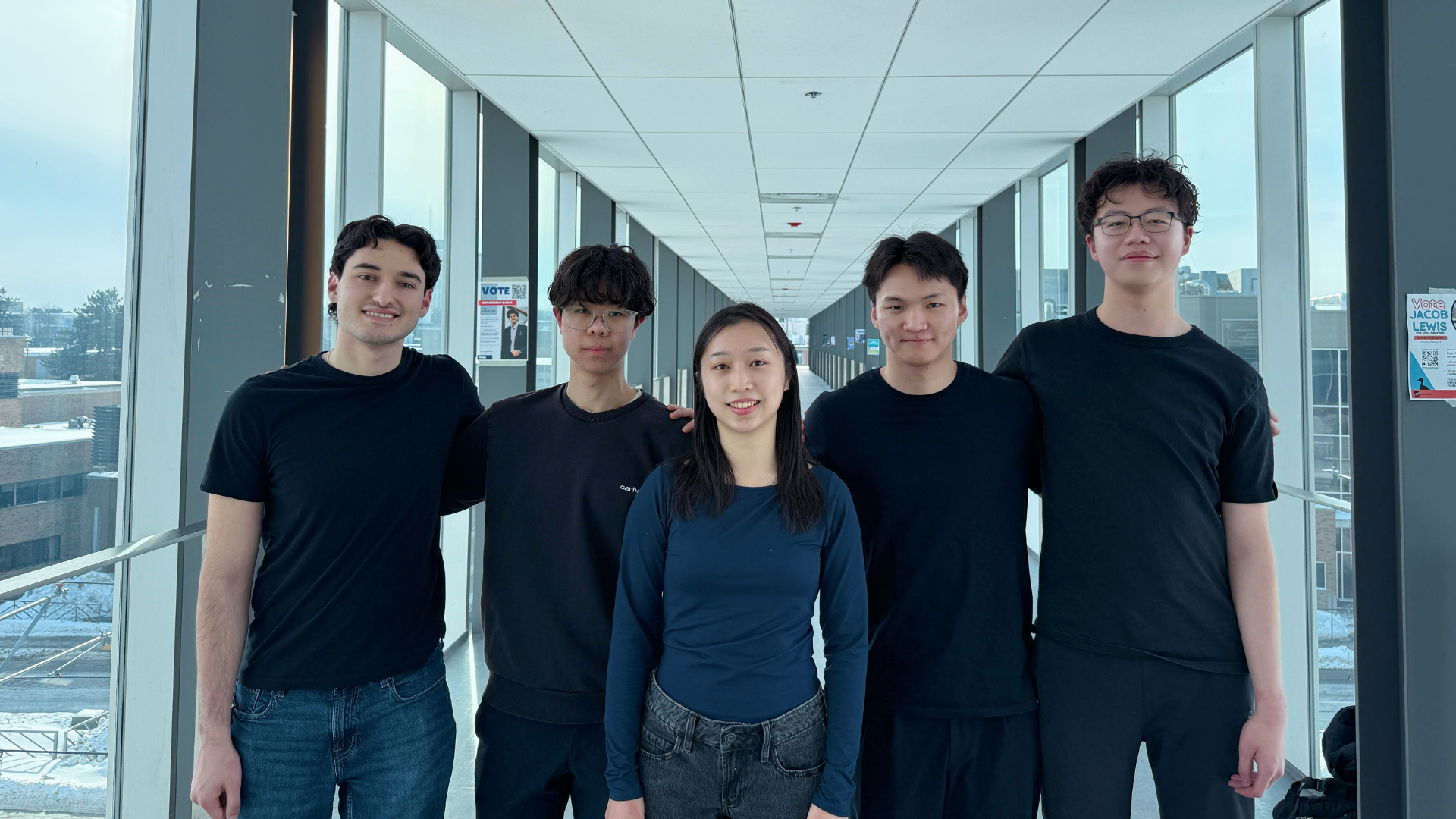
Elias Kountouris, Gerald Liu, Henry Ren, Jamie Yen, Logan Yu
Over 800 million people globally require lifelong glucose monitoring yet modern solutions are either invasive, compromise longevity or are uncomfortable. This project investigates a non-invasive, comfortable, real-time continuous glucose monitor using a complementary split ring resonator (CSRR). Glucometrics combines multi-band dielectric sensing with a CSRR and machine learning into a wearable device. A companion mobile app enables real-time monitoring, alerts and data visualization. Compared to near-infrared and mmWave methods, this approach offers greater selectivity, noise resilience and efficiency for reliable, comfortable glucose monitoring.

54. HYDRA
Tri Dao, Andrey Golovanov, Chaitanya Sharma
HYDRA is a Linux runtime that virtualizes FPGA hardware, letting applications hot-swap accelerators on demand with no reboot required. Much like an operating system schedules software processes, HYDRA schedules hardware tasks onto reconfigurable FPGA slots, time-multiplexing the chip to run more accelerators than physically fit at once. Its yield-aware scheduler automatically detects and bypasses defective silicon regions, salvaging otherwise unusable chips. With Python and C++ APIs, state preservation across swaps, and sub-100 ms reconfiguration, HYDRA makes custom hardware acceleration as simple as a function call.

55. VibeSort
Steven Li, Jeffrey Lin, Daniel McVicar, Callum Perrault, Kevin Song
Sorting large Lego collections by hand is repetitive and time-consuming. VibeSort offers a compact, AI-powered system that automates the entire process. Using a high-speed camera, machine learning, and a vacuum gripper, it detects, classifies, and sorts bricks into bins in real time. A mobile app lets users set sorting rules with ease. Designed for personal and small business use, VibeSort provides an affordable, efficient alternative to expensive industrial machines, bringing intelligent Lego sorting to everyone.
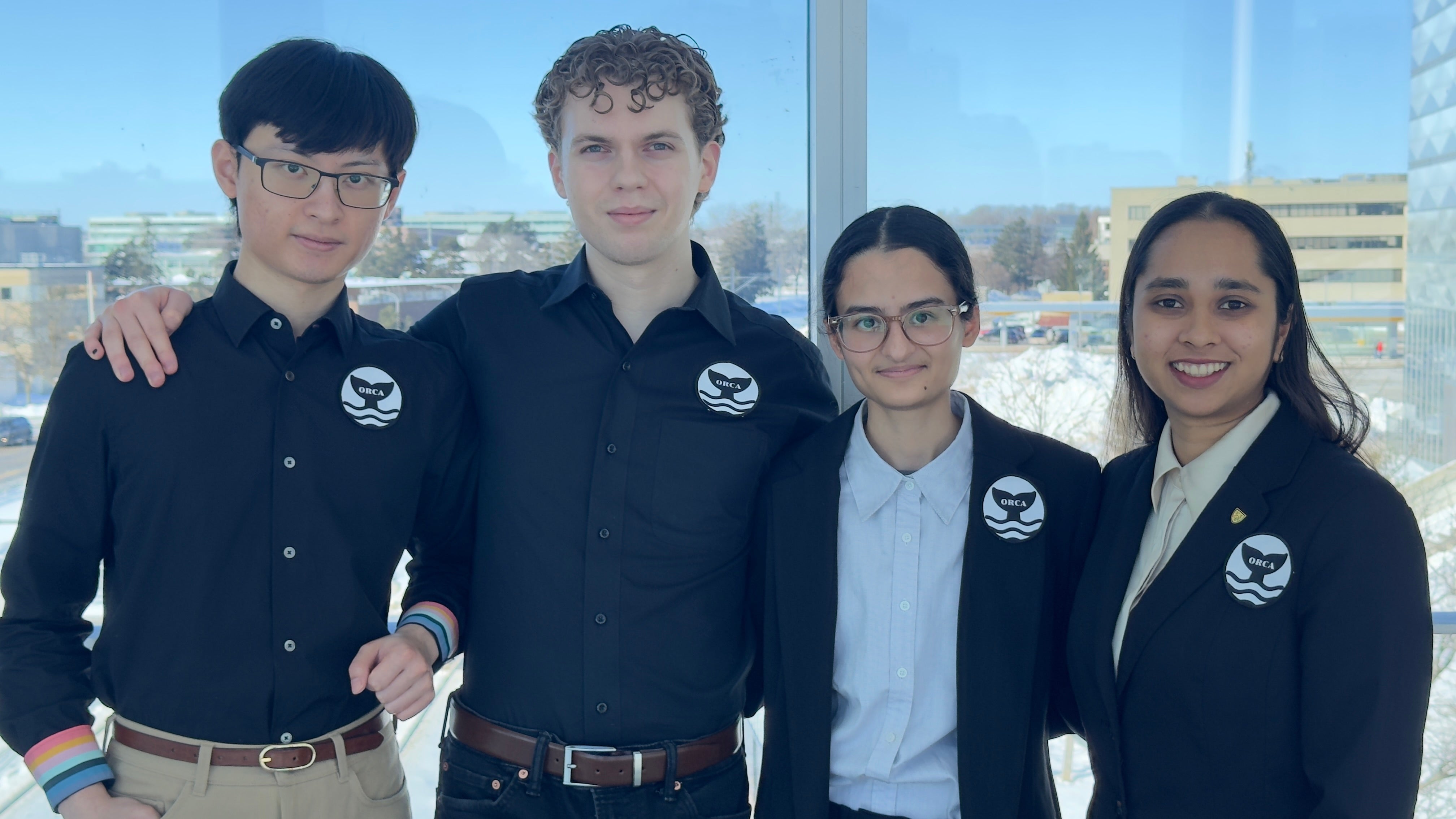
56. ORCA: Open-Water Routing Course Assistant
Allyn Bao, Nadia Bhola, Vidhi Patel, Braden Schulz
Open-Water Routing Course Assistant (ORCA) is a training tool for open-water swimmers. It helps swimmers navigate designated routes, analyze performance and improves safety during training by addressing challenges like limited visibility and lack of visual markers associated with navigating open water. It monitors the swimmer and environment through cameras and communication with a wearable device. The main advantage of ORCA is its ability to provide real-time feedback and monitoring crucial for course correction and reducing risk to swimmers.
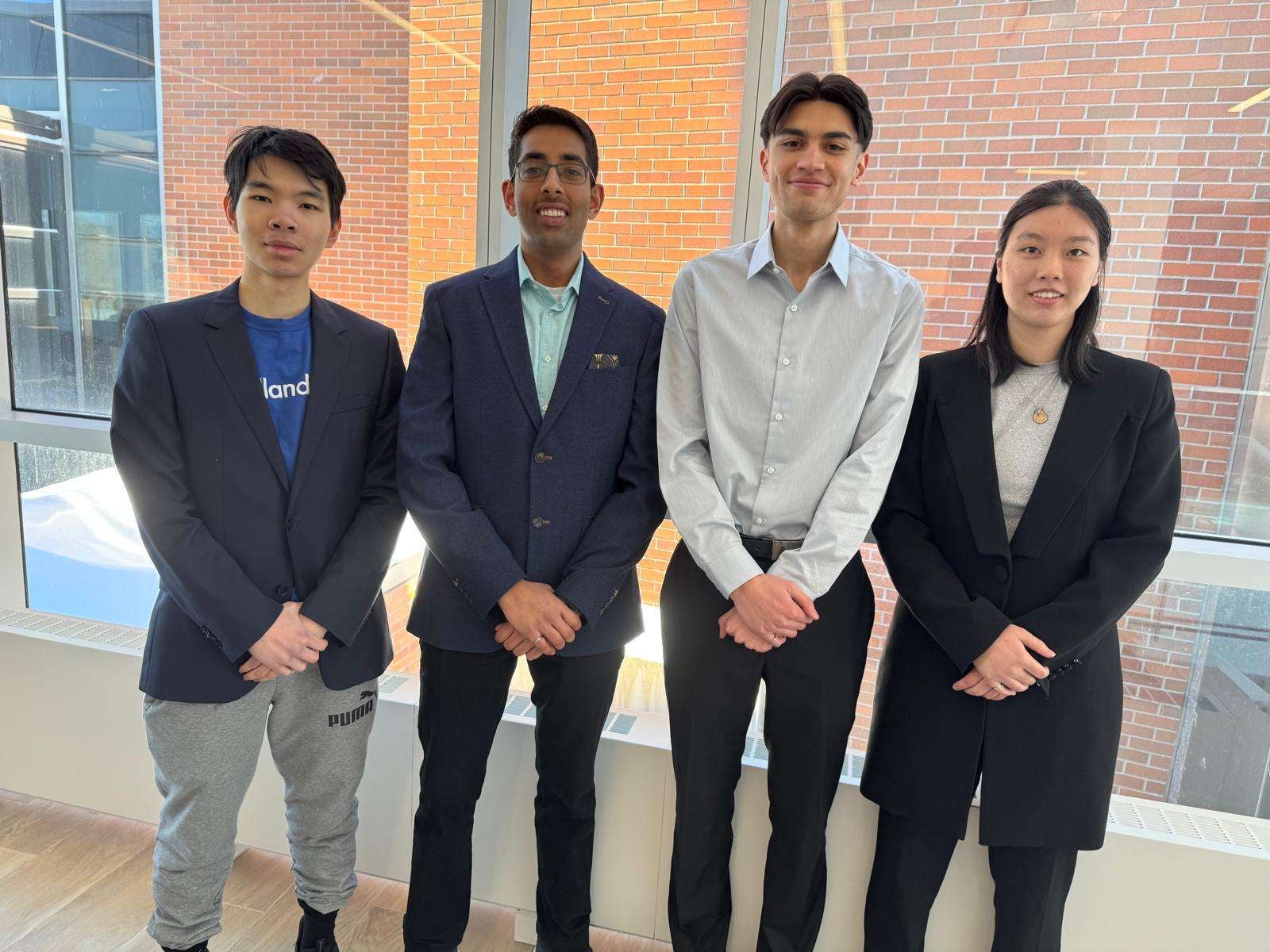
57. Pivid: AI Auto-Tracking Gimbal
Ivy Bao, Preston Dresser, Aung Khant Min, Adhiraj Singh
Solo video creators often struggle to capture dynamic, moving subjects without a dedicated camera operator. Pivid is a robotic gimbal that combines computer vision, Bluetooth BLE and mobile app with LLM integration to deliver natural, voice-controlled pan and tilt tracking. With greater customization and ease of use, Pivid empowers creators to capture smooth, dynamic footage hands-free and in real-world environments.

58. Fretless Minds: Automating the Art of Music
Het Paresh Ajmeri, Jack Mogen, Arvind Sanjay, Andrew Zhao
Imagine a ukulele that plays itself. Fretless Minds has created a robotic musician that brings AI-generated music to the physical world. Our system uses artificial intelligence to compose unique songs and directs mechanical 'fingers' to press the frets and strum the strings just like a human. This bridge between generative AI and acoustic reality captures the authentic warmth of a live instrument that speakers just can't match.
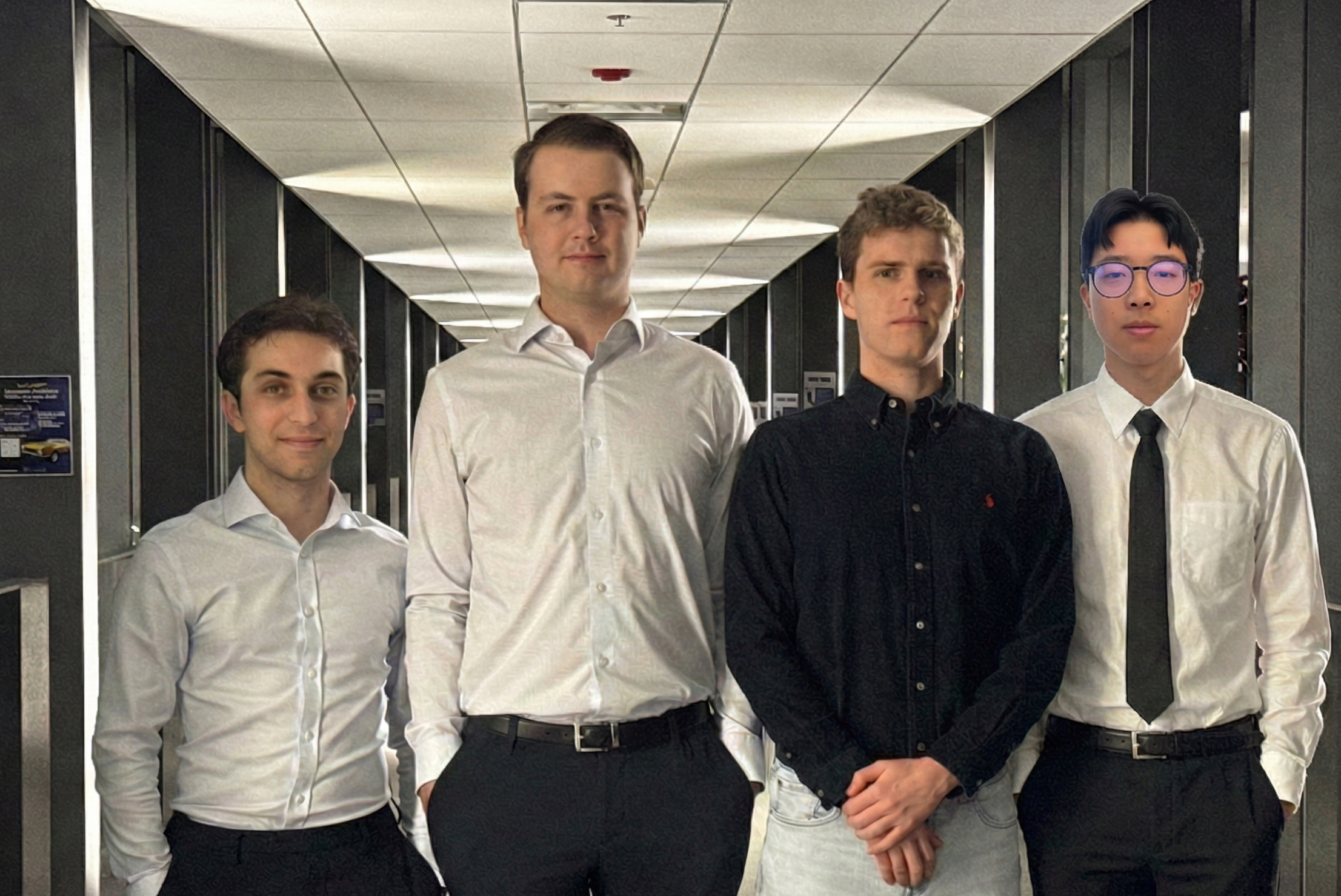
59. Pre-Trade Risk Gateway
Thomas Hart, Boris Jancic, Max Long, Nikola Nasev
The Pre-Trade Risk Gateway is an FPGA-based device designed to sit between a trading firm’s servers and a stock exchange. Built around the messaging protocols used by NASDAQ and NYSE, it inspects each order in real time to prevent oversized trades, excessive leverage, and other risk violations before orders reach the market. Inspired by industry systems such as Hyannis Port Research’s RiskBot, the gateway enforces firm-defined risk checks with ultra-low latency. The project adapts professional trading infrastructure for academic study and independent research.
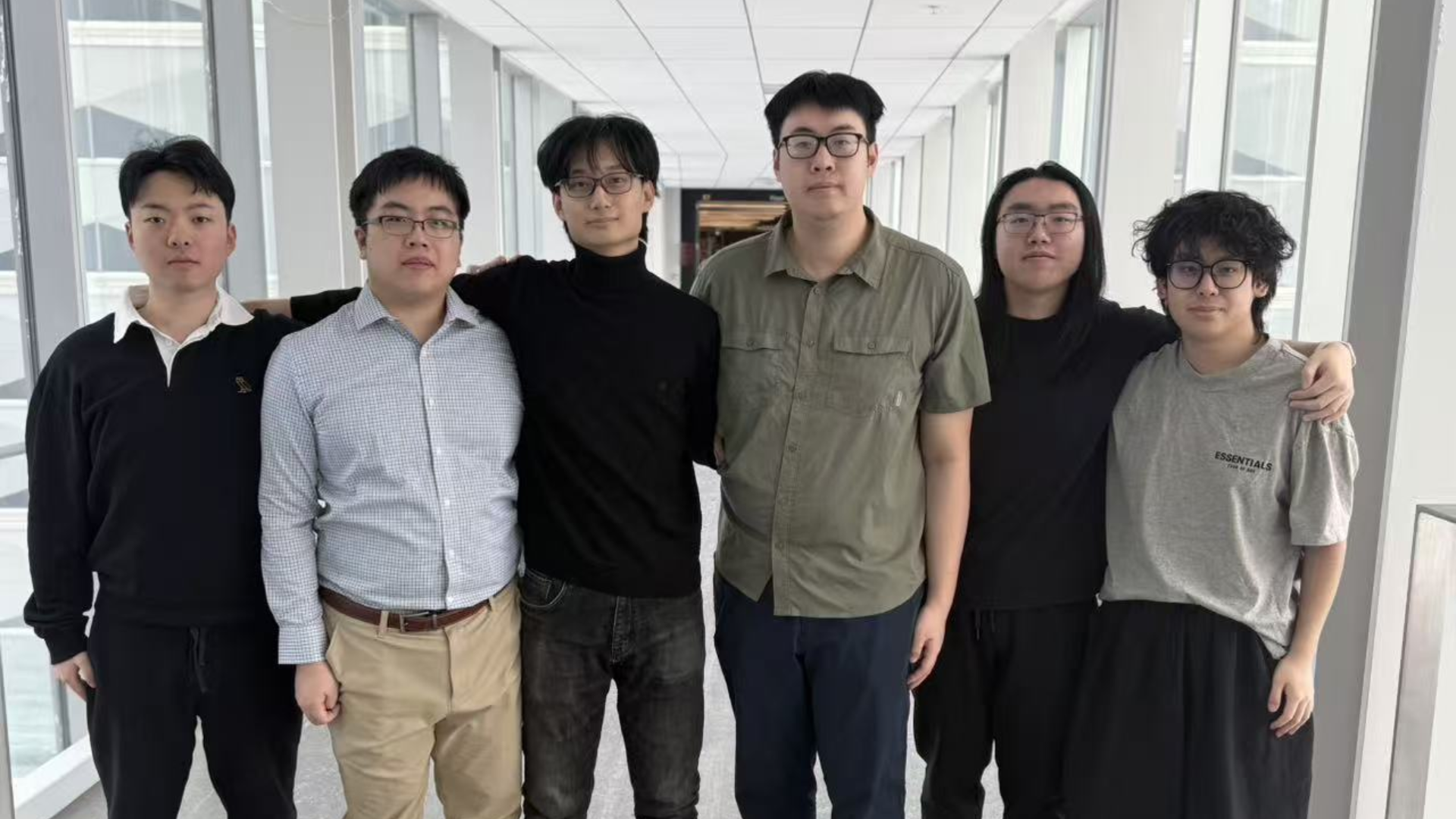
60. Trashformer
Nathan Dai, Junxin Gao, Pan Liu, Tiancheng Wang, Bohan Yao, Zhonghao Zhang
Trashformer is an automated recycling sorting system that uses computer vision, machine learning, and embedded hardware to identify and sort waste materials in real time. By combining image-based classification with weight sensing and mechanical actuation, the system directs items into appropriate recycling categories with minimal user interaction. Designed as a low-cost and portable solution, the system aims to improve recycling accuracy, reduce sorting errors, and encourage sustainable waste management in public and institutional environments.

61. Federator
Rayan Ismail, Soham Parmar, Khush Patel, Harshil Shah, Mansehaj Singh, Anmol Tyagi
Federator rethinks IoT data systems by moving storage and query processing to the edge. It uses a lightweight, append-only time series database on microcontrollers, enabling fast local writes. Instead of constant syncing, our central storage system propagates queries to devices and merges results on demand, reducing bandwidth and power use- a new data paradigm. This federated approach preserves access to rich time-series data while cutting storage and network costs — offering a scalable, efficient alternative to traditional centralized IoT architectures.

62. AlertDriver
Sarah Chun, Samantha Grieco, Jenny Yu, Tiffany Zhang
The world as a hearing-impaired individual comes with unique challenges. As a hearing-impaired driver, you are three times more likely to be involved in a motor vehicle accident. AlertDriver provides real-time visual cues of the deaf rideshare driver’s surroundings such as emergency sirens and passenger speech. Designed with a focus on rideshare drivers with hearing loss, AlertDriver displays a visual alert to the driver when any passenger speech (i.e. requests to open the trunk) or emergency sirens are detected.

63. FireScape
Daniel Helmy, Marco Li, Pranav Sisodia, Komal Vachhani
Traditional fire evacuation systems rely on static exit signs and sprinklers, offering no way to detect blocked exits or locate trapped individuals, especially in complex buildings. FireScape is a dynamic evacuation system that adapts in real time to fire conditions, guiding people toward the safest exits using visual cues. Using heat and motion sensors along with radar technology, it tracks the fire’s spread and human locations. This enables building occupants to escape more safely and allows firefighters to quickly locate those who need immediate rescue.

64. Eli: An Empathic Voice Companion
Hailey Doleweerd, Mischa Lamoureux, Benjamin Liu, Khang Ly, Momin Naeem, Olivia Yi
Loneliness and cognitive decline are daily challenges faced by elderly individuals in assisted living and nursing homes. Eli is a speech-based tabletop companion designed to reduce isolation, promote healthy habits and support cognitive engagement. Through emotionally responsive conversations, Eli analyzes speech patterns and behavioural cues to detect changes in mood and well-being. These insights are shared with caregivers to support more attentive, personalized care. Eli fosters daily social connections while giving caretakers the tools to bridge the gap between independence and oversight.
65. Ctrl-Bee
Praajna Baragur, Ethan Bitnun, Aditya Chaudhary, Ameya Gawde
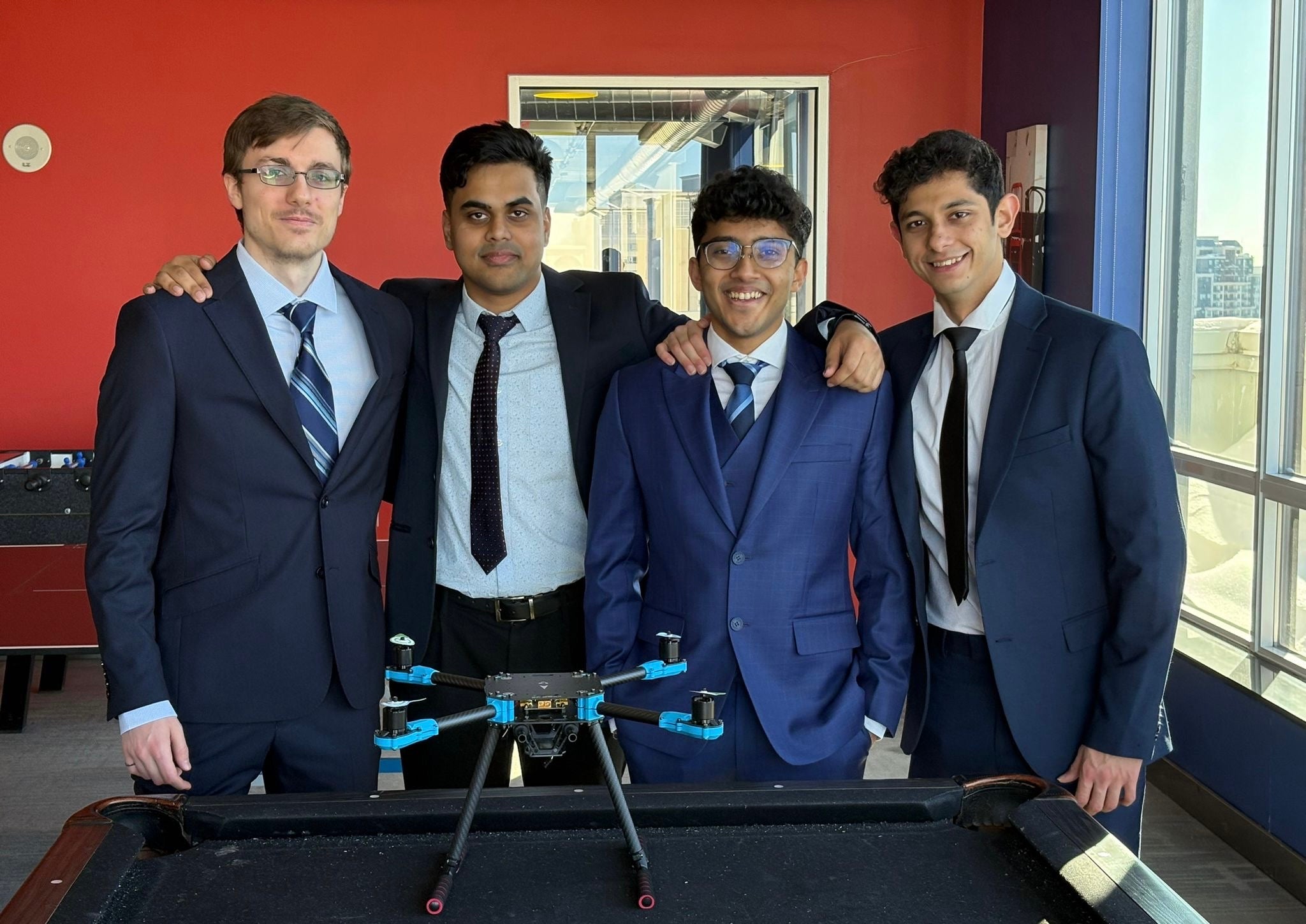
Ctrl-Bee is a semi-autonomous agricultural drone designed to assist with automated pollination. The system uses onboard computer vision and autonomous control to detect flowers and autonomously navigate along crop rows, spraying pollen from a short distance. This approach reduces manual labour and improves efficiency compared to traditional blanket spraying methods. The project aims to support sustainable farming while addressing challenges caused by pollinator decline.

66. PocketBraille
Abdullah Abdullah, Evan Guo, Anthony Han, Mahfuzur Rahman
Over 285 million people worldwide are visually impaired, facing barriers to information access due to costly refreshable Braille displays, often exceeding $3000. Our project develops a low-cost, portable hardware system using electromagnetic actuators and a microcontroller to convert text to Braille in real-time. By leveraging PCB design skills, we aim to reduce costs while maintaining functionality, enhancing accessibility to real-time text-based information for visually impaired individuals in daily life.

67. RoadPulse
Omer Adeel, Ahmed Fawzy, Shaheer Hasan, Tasviq Hossain
RoadPulse is an embedded system that uses real-time camera data and AI to detect road hazards like potholes, cracks and icy patches with high accuracy. Mounted on public service vehicles, it processes images on the move and uploads results to the cloud. A web dashboard maps hazard locations and helps cities plan repairs efficiently. RoadPulse cuts manual inspections, lowers costs and boosts road safety with a smart, scalable solution for modern infrastructure.

68. SJS
Suraj Kanpoori, Jialun Li, Song Zhou
This project is a prototype of an embedded water regulation system that can dynamically responds to changes in water quality. The system aims to process sensor inputs, detect environmental trends, then apply appropriate disinfection actions through closed-loop control. Key design goals include real-time responsiveness, low power consumption, and adaptability to different environments.

69. NuroHome
Sameer Athili, Logan Fournier, Wahab Khan, Sid Kundu, Adish Shah, Ryan Yang
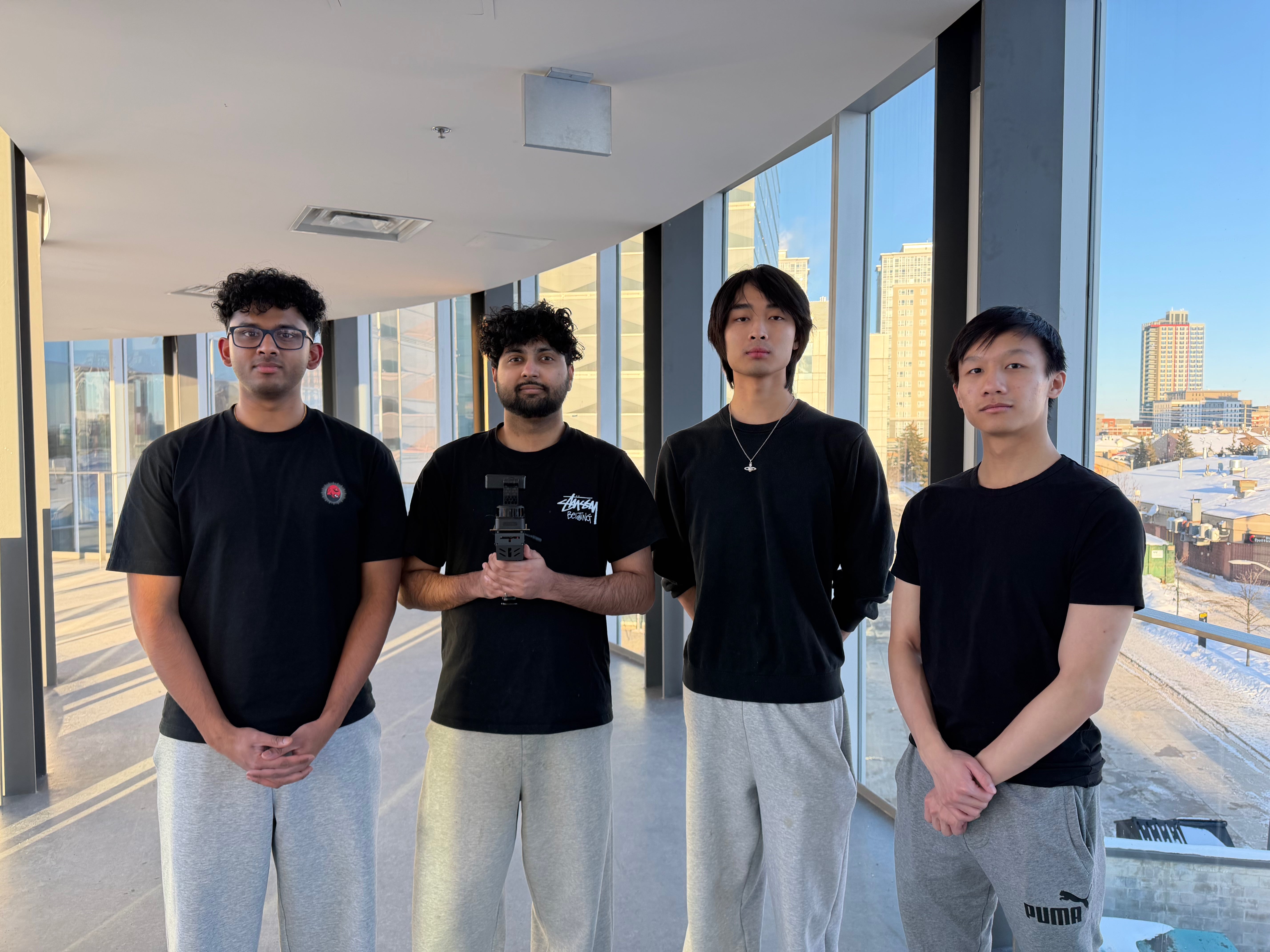
Modern digitalization has made it feasible to automate smart homes, but wireless interference can make it impossible for devices to connect. This project addresses this by creating a controller and nodes that leverage pre-existing wired electrical connections to increase the dependability of networking. Each node, placed inside a junction box, includes hardware controllers and sensors for presence, light, and climate. The system can identify nodes on its own and has a unique operating system. This centralized approach is a simple and affordable substitute for wireless systems. In new residences, it also facilitates the installation of electrical systems and multi-switch lighting circuits.
72. Deco
Kshaunish Addala, Brian Erlangga, William Li, Shezan Mahmud
Deco is an iOS app that helps people buy furniture from local Canadian makers by showing how pieces will look in their own homes. Using 3D scanning and AI, Deco turns regular product photos into realistic models that customers can view in their space before purchasing. This gives small businesses access to modern visualization tools without needing technical skills or expensive equipment. By making it easier to shop local online, Deco connects customers with high-quality craftsmanship in their communities.
THANK YOU
TO OUR FYDP INSTRUCTORS
Ayman El-Hag
Otman Basir
Ziqiang Patrick Huang
TO OUR SYMPOSIUM TECHNICAL SUPPORT
Stephen Utter
TO OUR SYMPOSIUM ADMIN SUPPORT
Christina McDougall
TO OUR SAFETY INSPECTION SUPPORT
Sai Krishna Sandeep Manapragada
TO OUR FACULTY CONSULTANTS
Mojtaba Aajami
Otman Basir
William Bishop
Yuhao Chen
David Clausi
Michael Cooper-Stachowsky
Elliot Creager
Mark Crowley
Kerstin Dautenhahn
Dan Davison
Baris Fidan
Sebastian Fischmeister
Vincent Gaudet
Wojciech Golab
Ziqiang Patrick Huang
Nachiket Kapre
Amir Karimi
Mehrdad Kazerani
Nasser Lashgarian Azad
Lili Liu
Jeff Luo
Maran Ma
Ewen MacDonald
Seyed Majid Zahedi
Oleg Michailovich
Patrick Mitran
Andrew Morton
Hamidreza Nafissi
Sagar Naik
Chris Nielsen
Gennaro Notomista
Rodolfo Pellizzoni
Omar Ramahi
George Shaker
Stephen Smith
Douglas Stebila
Terrence Stewart
Shiyu Su
Ladan Tahvildari
Mahesh Tripunitara
Kami Vaniea
Yash Vardhan Pant
Jeff Zarnett
FUTURE CAPSTONE DESIGN PROJECTS
For more information about Electrical and Computer Engineering design projects or to inquire about joining us in future design projects, please contact:
Ayman El-Hag
ahalhaj@uwaterloo.ca
Share this page on social media:


