TERRITORIAL ACKNOWLEDGEMENT
The Department of Mechanical and Mechatronics Engineering acknowledges that much of our work takes place on the traditional territory of the Neutral, Anishinaabeg and Haudenosaunee peoples. Our main campus is situated on the Haldimand Tract, the land granted to the Six Nations that includes six miles on each side of the Grand River. Our active work toward reconciliation takes place across our campuses through research, learning, teaching, and community building, and is co-ordinated within the Office of Indigenous Relations.
A MESSAGE FROM THE CHAIR

Mike Collins
Professor and Chair
Welcome to our thirteenth annual Mechanical Engineering Capstone Design Symposium.
This exciting event provides our final-year student teams an opportunity to showcase their design projects to the general public, to industry partners and sponsors, and to the university community.
The students have worked hard from conceptualization to finished product and are being judged on a variety of skills. Their end-to-end process included identifying needs, creating solutions and designs to address a variety of challenging problems in diverse areas including: fire suppression systems, rehabilitation and assistive devices, novel commercial devices, rocketry propellants, and so much more. The teams have demonstrated competence in applying the knowledge and skills acquired over the course of their undergraduate academic and co-operative work terms to address these challenging topics.
This is also a major component in our continuous improvement plan for the Mechanical Engineering program, a plan for providing the best possible education experience for our students. The enthusiasm with which these teams present their work should be evident, and attests to the effort and teamwork that they have put into their projects over the past eight months.
We invite you to engage with the students about their designs, admire the presentations and prototypes in the platform, and check out their videos. When you are inspired and excited by the students’ work, feel free to suggest other design project challenges and opportunities to them and their course instructors (contact information at the end of this brochure). To find out more, follow us at our Department of Mechanical and Mechatronics web page.
We are proud of our Mechanical students for their achievements this past term. We all recognize and appreciate the effort it took to get here. We are also eternally grateful to our esteemed Mechanical Engineering professors, technical staff and administration, the companies and people who help educate our students in the co-operative program, and to the kindness of our sponsors of this event. Your support is important and valued. Thank you!
Sincerely,

Mike Collins
Professor and Chair
Department of Mechanical and Mechatronics Engineering
CAPSTONE DESIGN PARTICIPANTS
1. TerraTrekker
2. Tuft Gun Maverick: Automatic Tufting Machine
3. Ball Bot Collector
4. ResinReinforce
5. LoadRunner
6. PillBot
7. Jet-Stream
9. S.T.E.A.D.Y
10. Ride Dynamics
11. "Effissiont" Heating
12. Tetrix Counter
13. Print-To-Orbit
14. VertaFlex
15. PROJECT: SISYPHUS
16. MECSEM
17. Atmospyre
18. Dynamic Longboard Stabilization
19. Kneematic
20. Group 20
21. Endure
22. GentleGrip
23. Collision Energy Dissipation
24. Automated Dual Camera System for MTS Criterion
25. Second Wind Systems
26. Swift Shift
27. HexTune
28. Battery Fire & Fumes System (BFFs)
29. ThermaMount
30. LiftOFF
31. Carbon C.A.S.T
32. PreME
33. OpenPFO
35. Celebrim
36. PACE | Physiological Adaptive Control Environment
37. CareEase+
38. It-CAES: Storing Potential
39. PATHWAY
40. Val-e
41. ThermoTest
42. SmoulderSafe
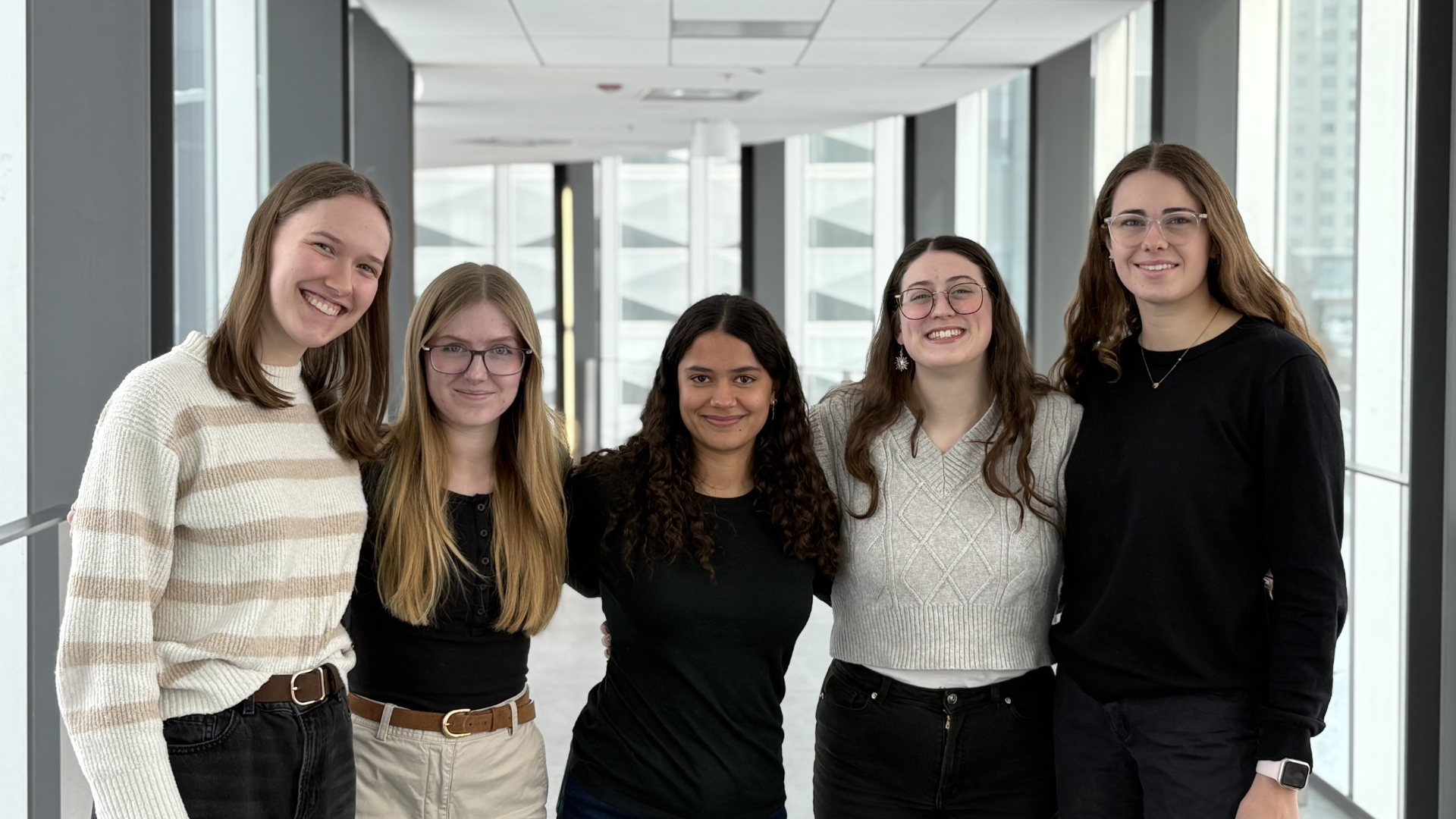
1. TerraTrekker
Serena Haslip, Anaïs Kipling, Emma Lassaline, India Lawrence, Clara Stern
The Noctis Labyrinthus region of Mars, particularly the Recurring Slope Lineae, has yet to be explored and scientists believe that this harsh landscape may hold critical information about the red planet. The TerraTrekker is a robust exploratory robot that makes use of vibratory propulsion, enabling it to move through Mars’ unforgiving terrain and climate. The device can complete an expedition and remotely communicate the discovered environmental data to stakeholders.
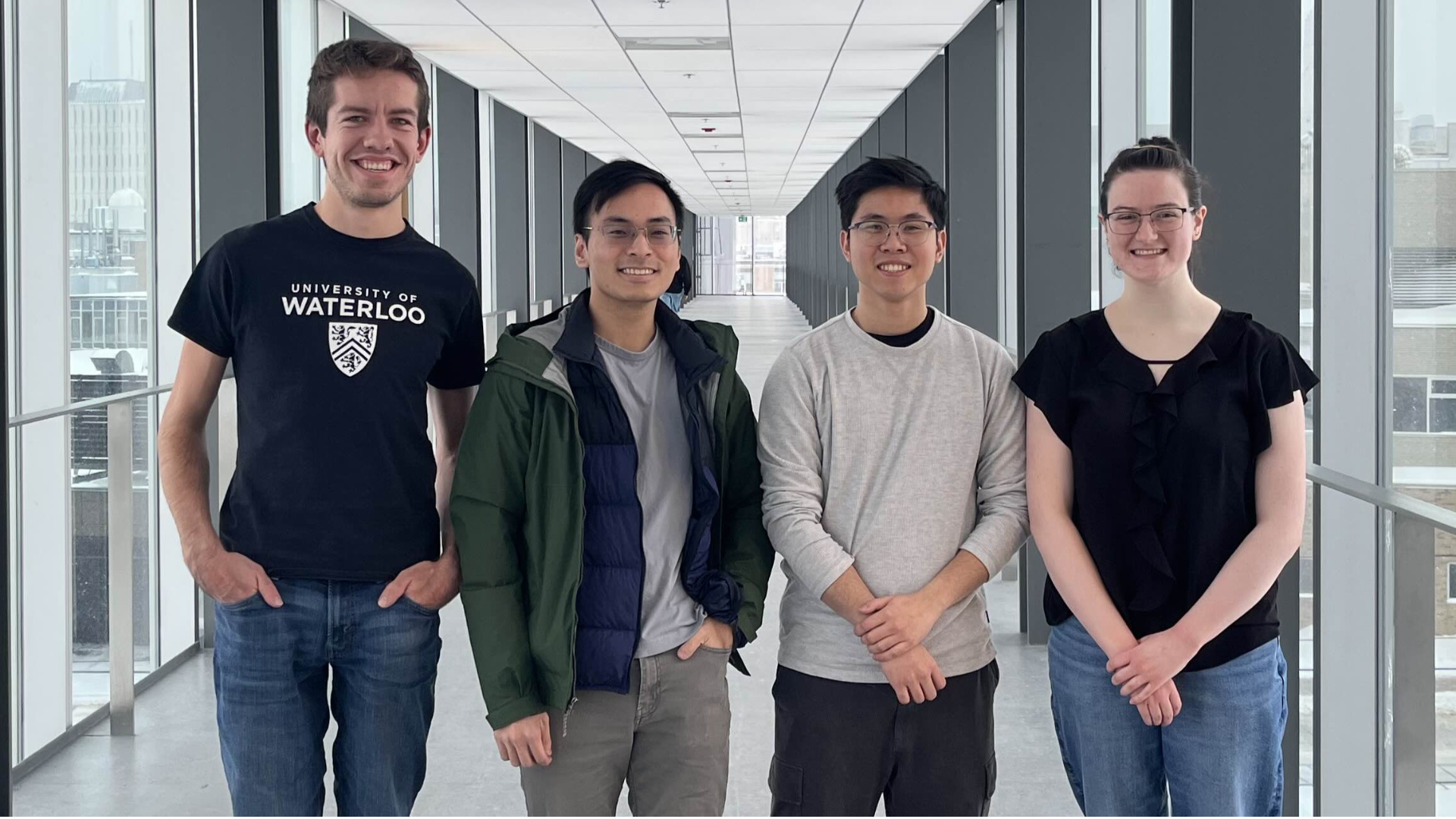
2. Tuft Gun Maverick: Automatic Tufting Machine
Erin Devlin, Vu Nguyen, John Phan, Kailen Schutz
Tufting is an increasingly popular craft to make custom designed carpets using a handheld tufting gun, requiring time, dexterity, and artistic aptitude. Tuft Gun Maverick lowers the barrier for creating complex carpets by automatically tufting any design that the user inputs. A gantry system translates and rotates a modified tufting gun across the canvas following paths generated via image processing. The tufting needle can be disengaged from the fabric, allowing the machine to switch between multiple colours of yarn.
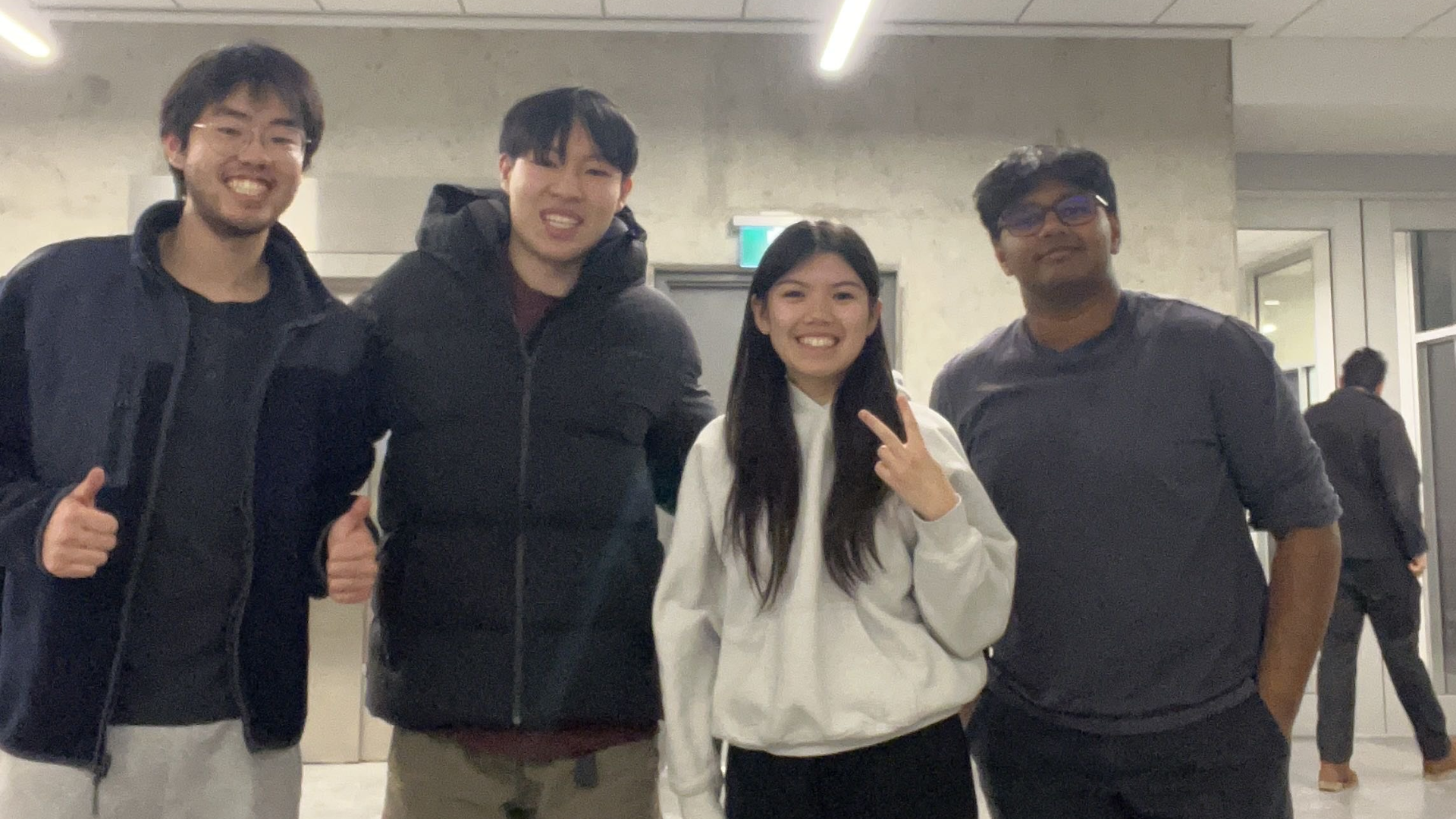
3. Ball Bot Collector
Vaseehar Ajanthan, Simone Cheng, Cloudy (Hiu Fung) Lo, Caleb Wong
The worst part about playing tennis is picking up the tennis balls. Collecting tennis balls manually is a repetitive and time-consuming task that places physical strain on players and coaches. This is why we wanted to create a solution for players and coaches who want to save time and effort. Our tennis ball collector can autonomously collect tennis balls to shorten downtime during play and is affordable for more casual players and trainees.
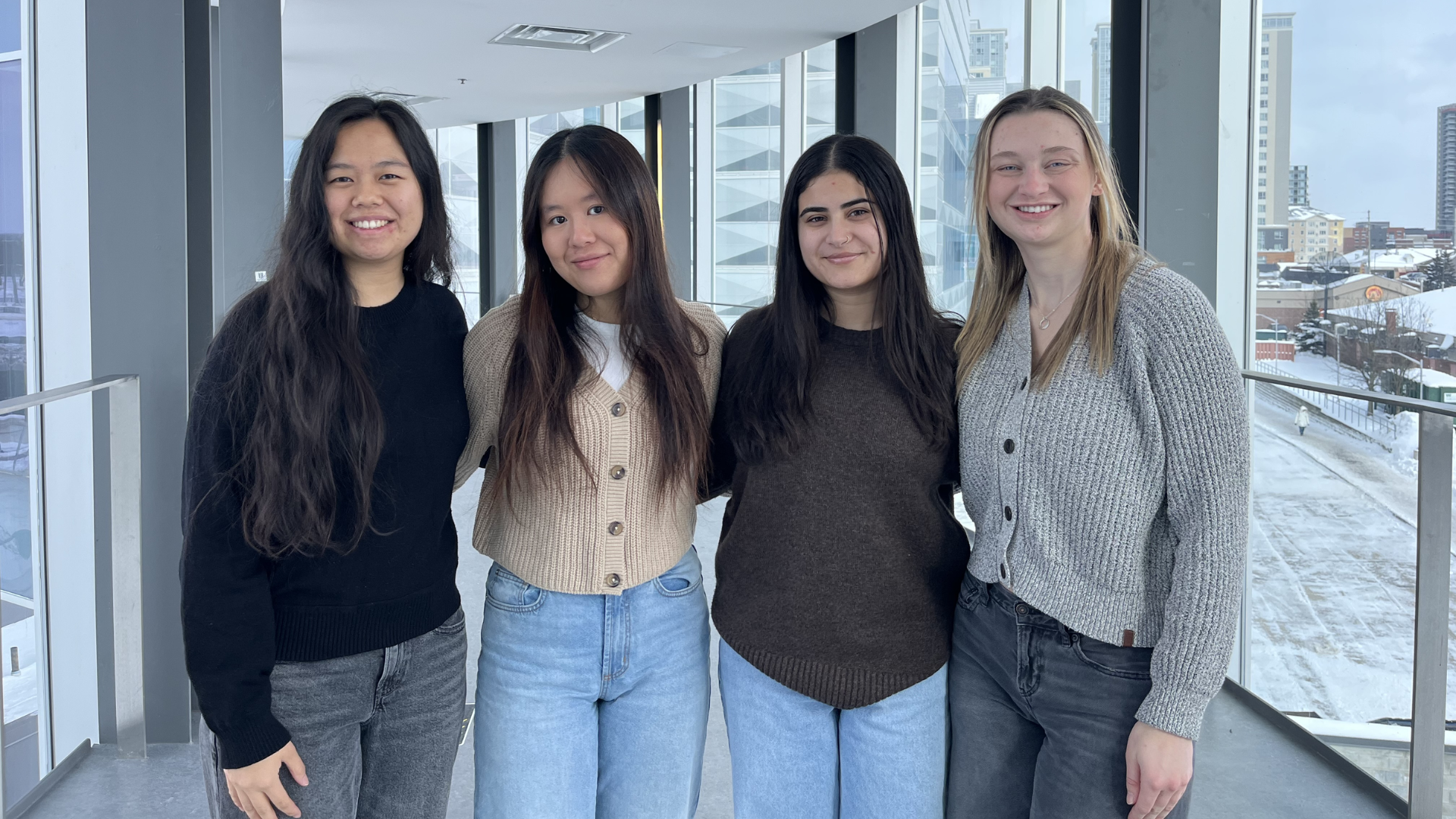
4. ResinReinforce
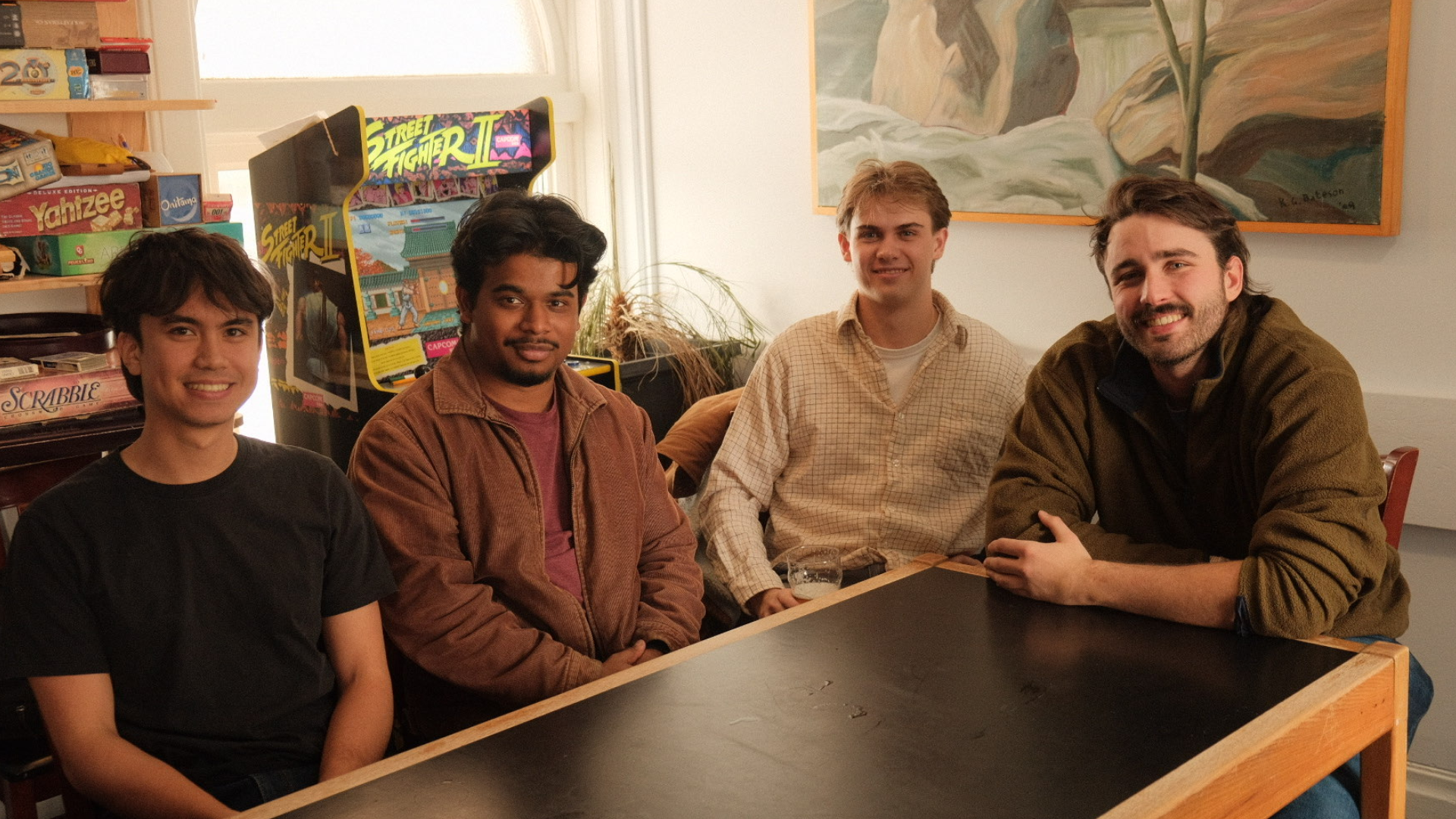
Lysistrata Chin Kanellakis, Tammy Dang, Jasmine Thind, Ella Wright
Working with composite materials doesn’t have to be messy or inconsistent. This interactive dispenser serves as a laboratory aid for ME 533 – Non-Metallic and Composite Materials, allowing students to accurately combine UV-curable resin with a user-specified weight percentage of sand. Compared to manual mixing, the device eliminates human variability and enables repeatable composite fabrication, thereby providing students with reliable samples for mechanical testing and property analysis.
5. LoadRunner
Caelan Douglas, Josh Hall, Arlo Symons, Mark Washington
LoadRunner: The automated material mover for the construction industry. Designed for job sites where skid steers and dump trucks can’t go, LoadRunner semi-autonomously transports up to 100 kg of material along a guided path with no operator input. By replacing manual wheelbarrow labour, LoadRunner reduces worker strain, improves safety, and increases productivity on residential and commercial sites. Using an inductive guidewire, electric drivetrain, and intelligent junction control, LoadRunner delivers reliable, repeatable material transport so that crews can focus on skilled work, not the load.
6. PillBot
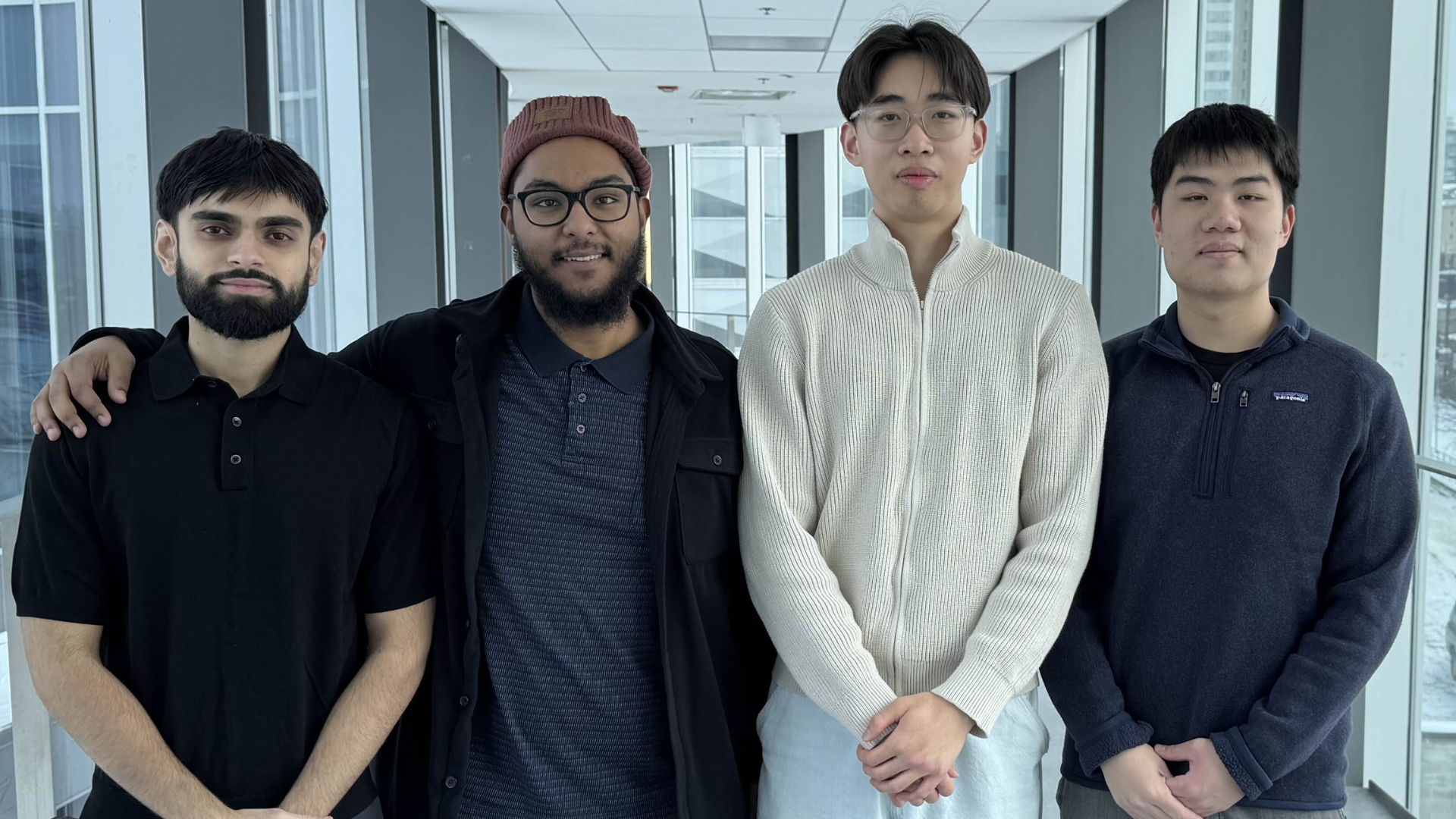
Kareem Elrufaie, Adan Khokhar, Kevin Ng, Simon Wang
Pillbot is designed for individuals who take daily medication. It serves as an all-in-one solution for pill management, offering automated tracking and personalized user profiles to help ensure consistent and accurate dosing. Our goal is to provide a cost-effective alternative to existing solutions on the market.
7. Jet-Stream
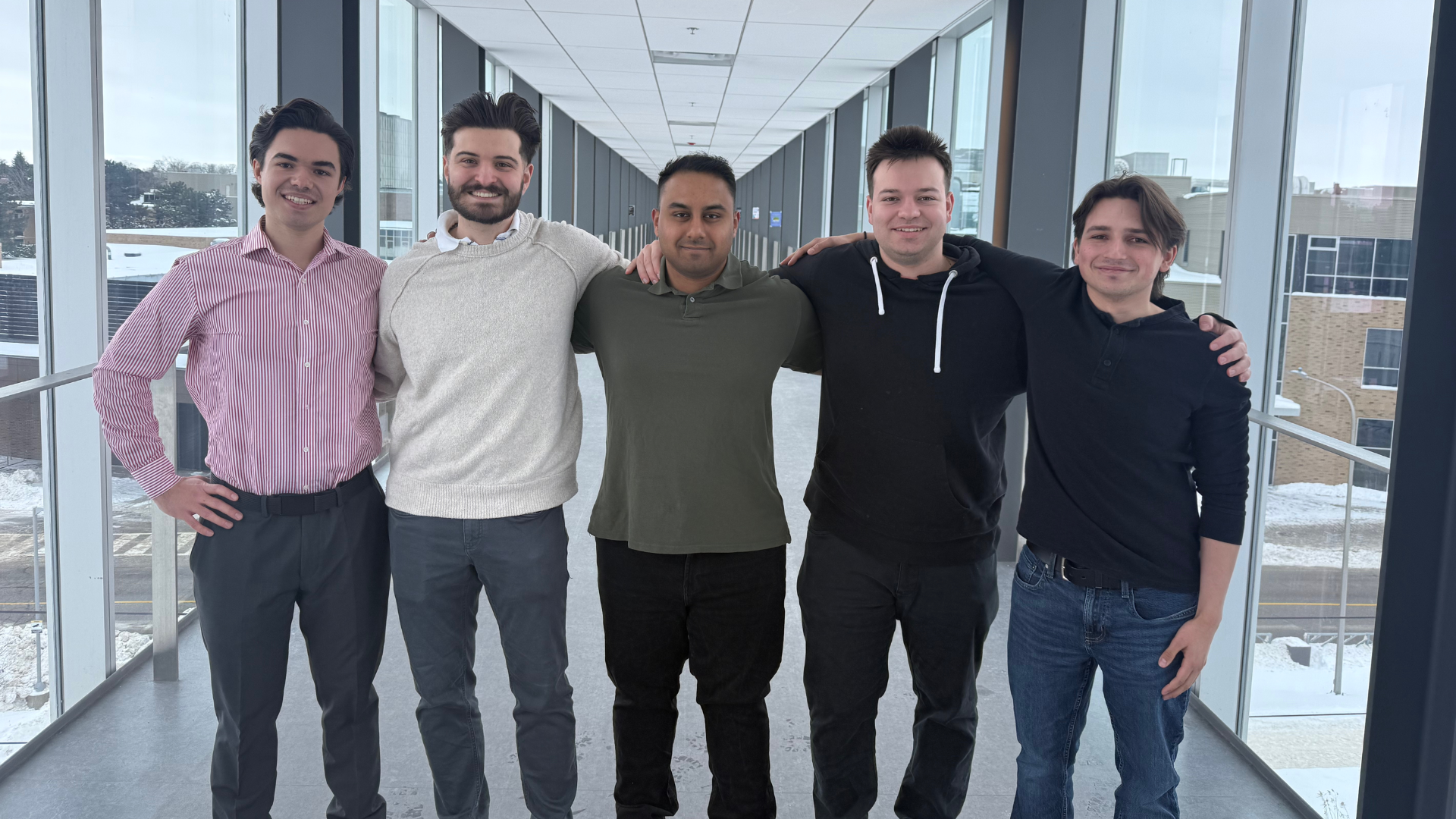
Mohammad Areeb Alam, Robert Boynton, Aaron Fister, Drake Morris, Alexandre Porter

9. S.T.E.A.D.Y
Wasi Mahmood, Andrew Morrison, Smit Patel, Santiago Zea
S.T.E.A.D.Y. - Stabilization Technology for Enhanced Aerial Dynamics - is a drone-mounted 6-DOF Delta Arm designed for high-precision aerial tasks. By combining rapid response times with advanced stabilization, it enables complex applications such as welding and 3D printing.
10. Ride Dynamics
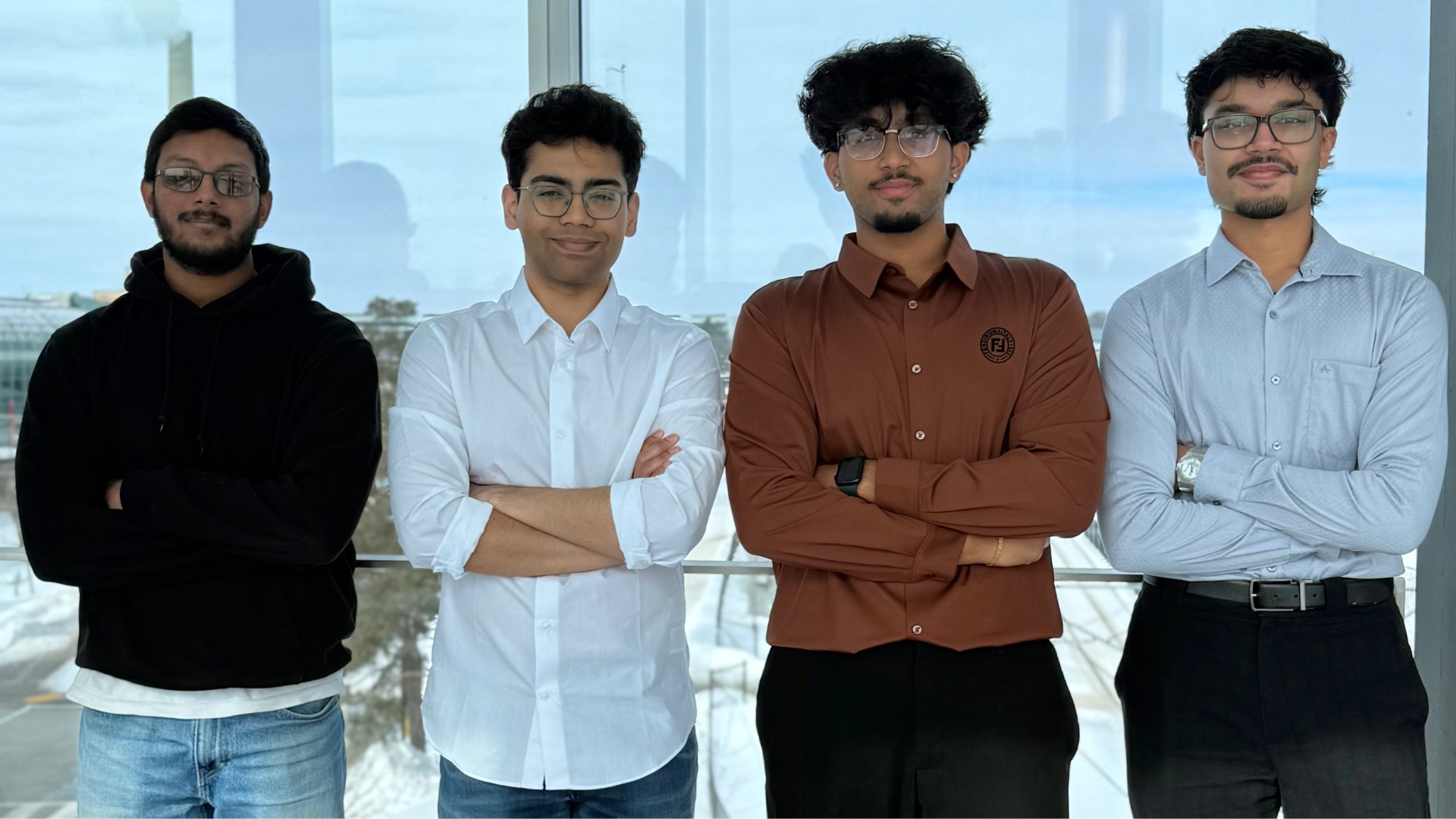
Abhishek Ramnarine, Abhinav Reddy, Arvind Vinodh, Veral Vishnoi
The project being developed is a physical quarter car model with a motor driven road bump simulator to show how vehicle suspensions behave to different road conditions. The goal is to develop a high functionality design to observe underdamped, crtically damped and overdamped behaviour.
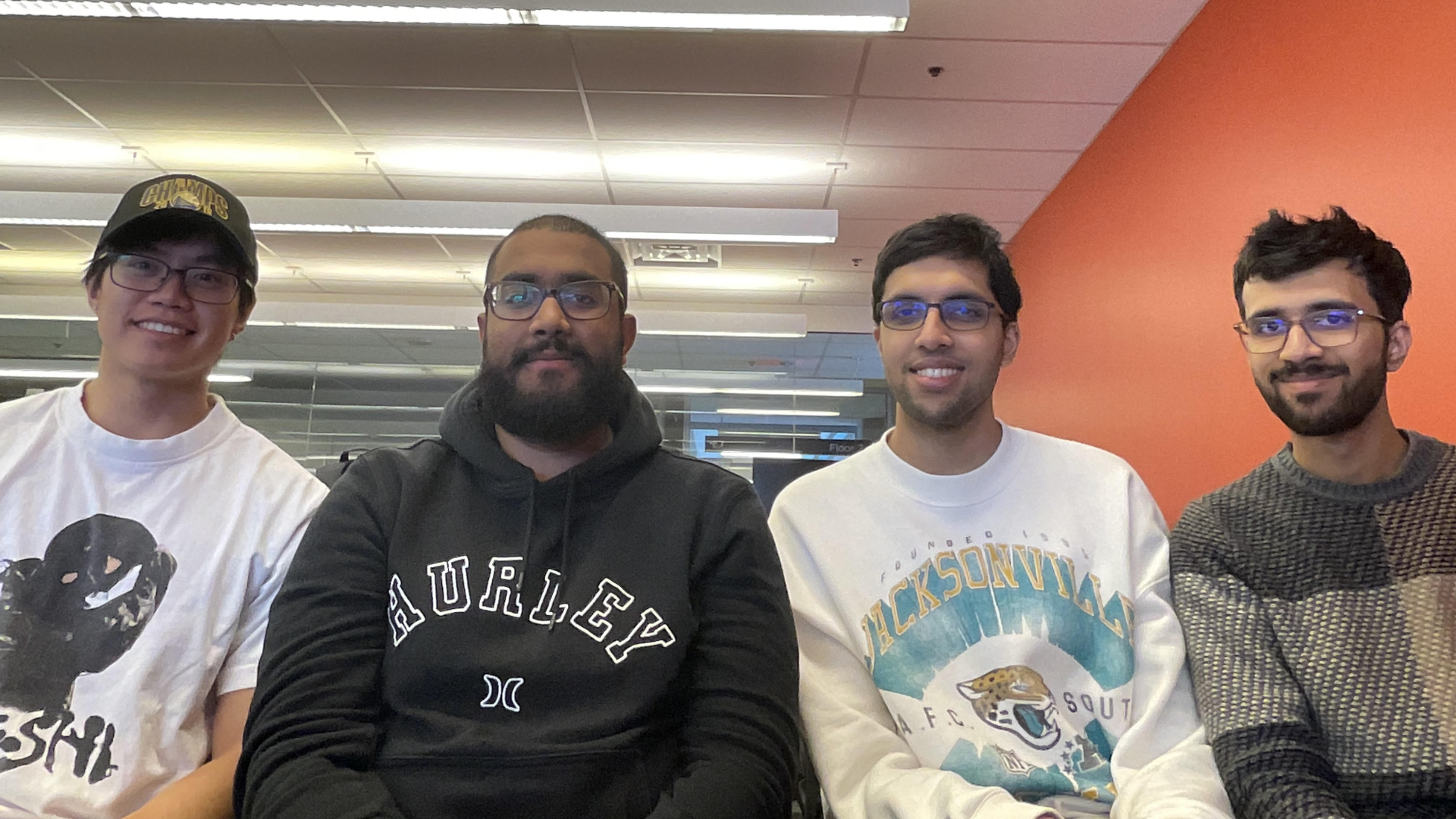
11. "Effissiont" Heating
Umar Aasim, Vaibhav Bommalapalayam, Charles Marcial, Arshneet Sandhu
As demand for low-carbon energy increases, small modular reactors (SMRs) have been proposed as a flexible, cost-effective solution, and the utilization of the waste heat produced by their operation offers even greater scope for energy-saving. This project undertakes a pre-feasibility study to determine the viability of utilizing waste heat from a hypothetical SMR near the K-W region to reduce the university’s dependence on natural gas.
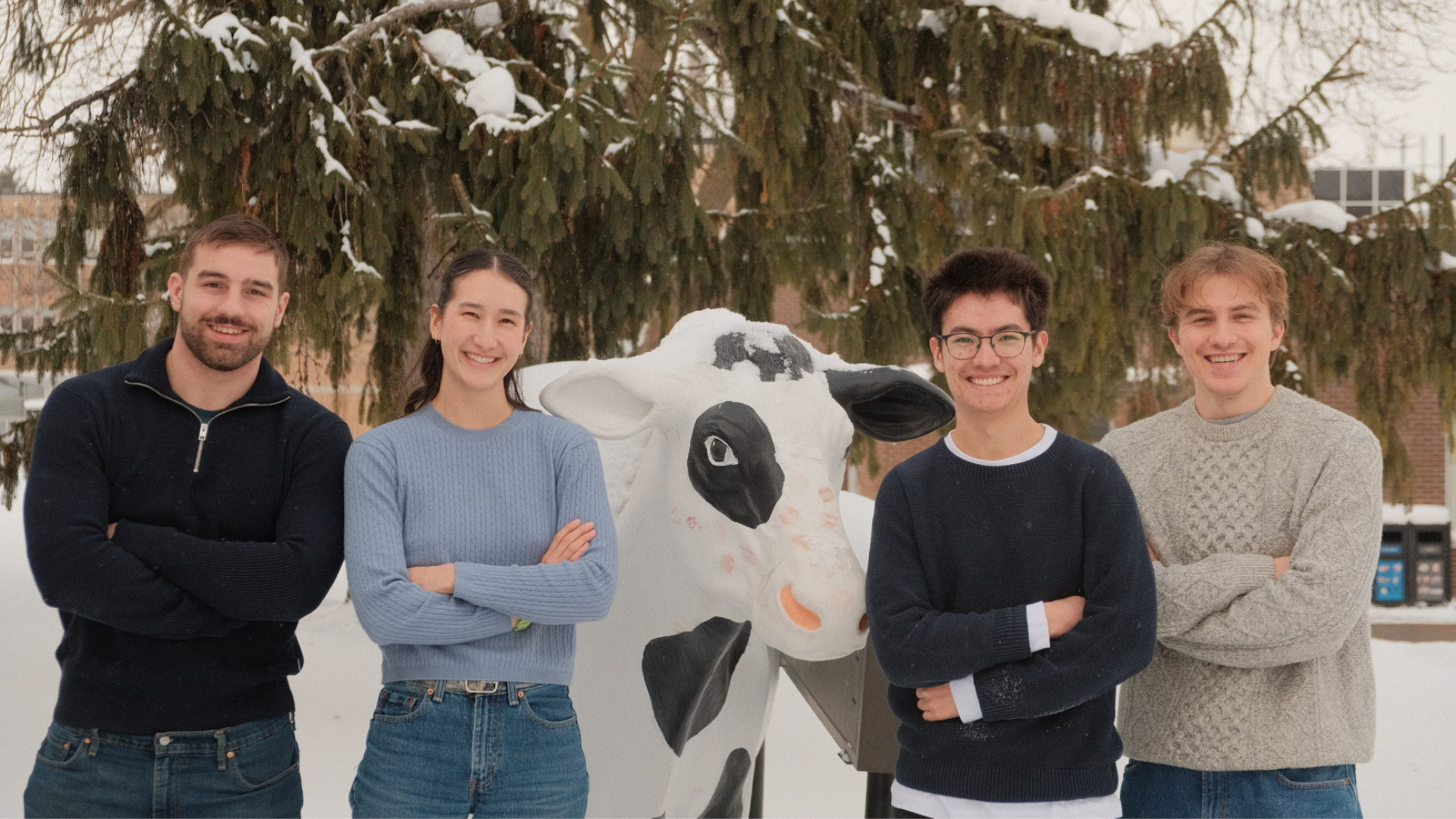
12. Tetrix Counter
Michael Dagasso, Benjamin Miller, Skye Koh, Amy Thuesen
TETRIX are educational robotics kits with over 300 pieces and 29 unique types of components, and they are used by the University of Waterloo in various learning activities. After use, these kits must be sorted through and counted by the IDEAS Clinic, costing valuable time and labor. The TETRIX counter is a semi-autonomous tool aimed at reducing the active human labor associated with this task.
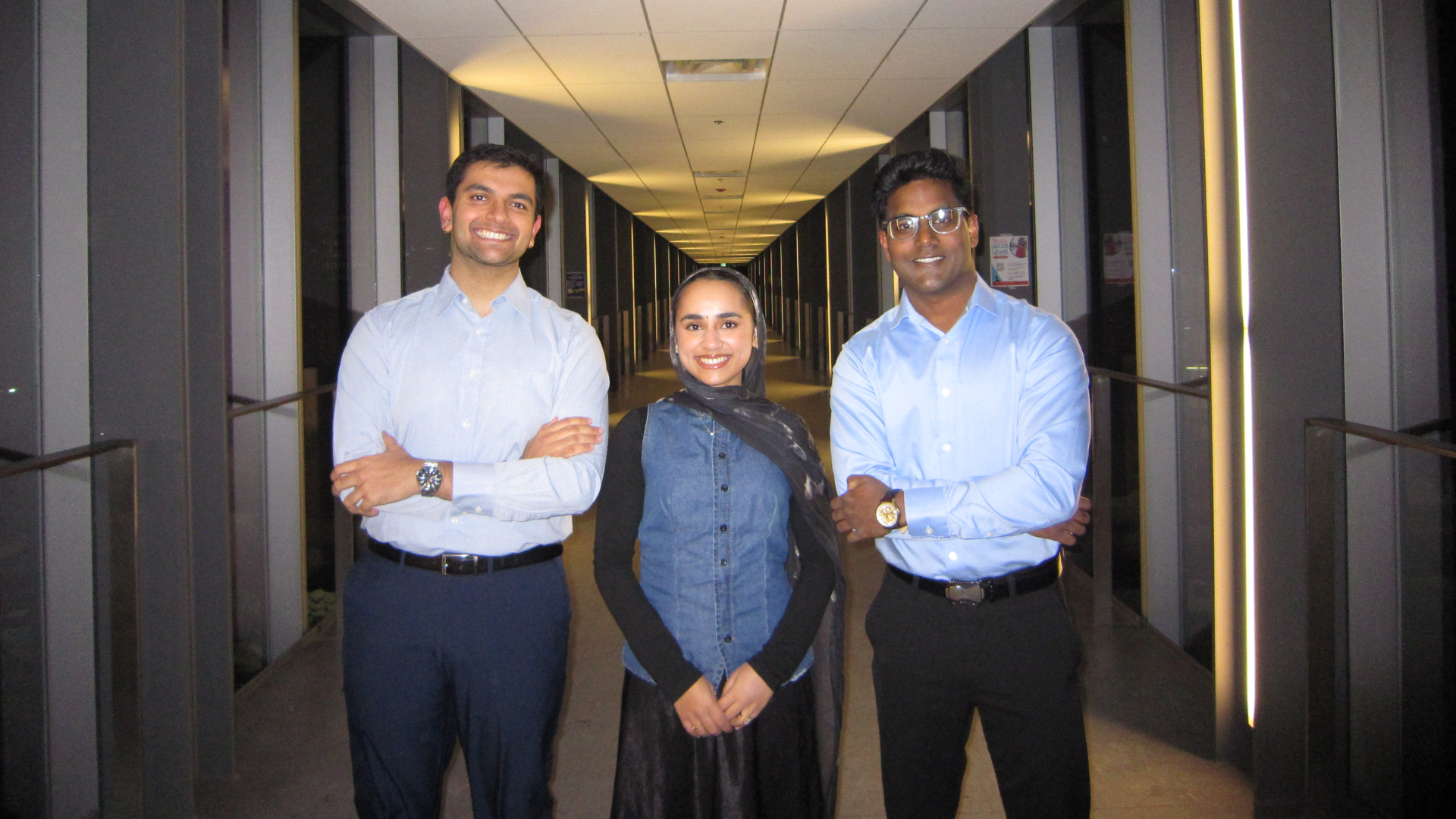
13. Print-To-Orbit
Kedar Adhvaryu, Soha Saeed, Ritesh Therala
As CubeSat missions grow more demanding, managing solar-driven thermal gradients becomes critical. This capstone project develops an additively manufactured 1U CubeSat chassis that passively redistributes solar heat to achieve a more uniform internal temperature field. By leveraging periodic lattice architectures, the structure spreads externally applied thermal loads while reducing overall mass compared to conventional solid designs. The project combines advanced lattice design with thermal simulation to demonstrate how geometry, instead of active systems, can enable smarter and more efficient thermal management for small satellites.
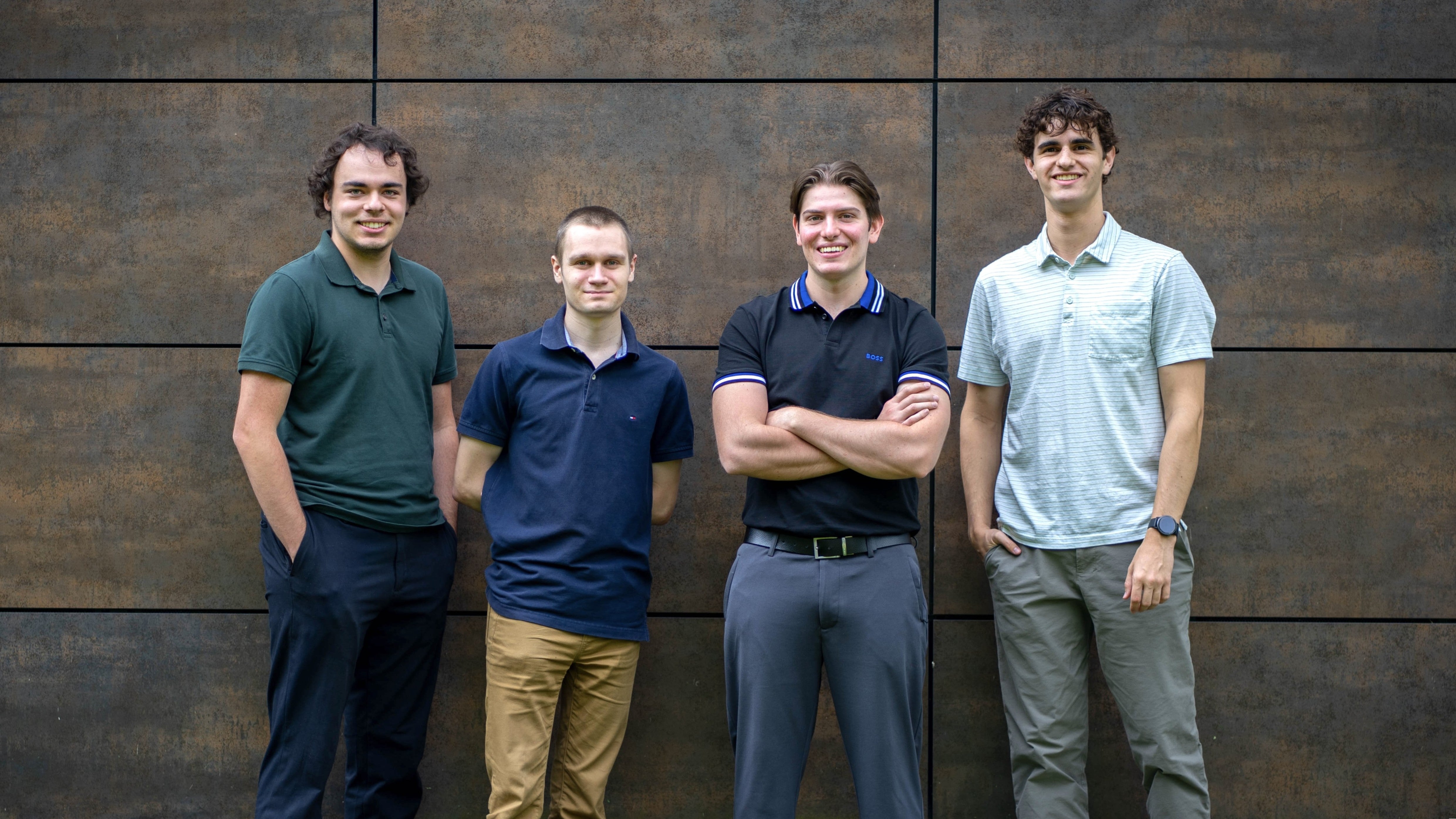
14. VertaFlex
Gabriel Caruso, Jared Dyck, Vincent Ferrara, Ian Praetzel
Lower back pain is the leading cause of physical disability, yet current spinal orthopaedic solutions fail to fully preserve natural motion, leading to implant wear and adjacent segment disease. VertaFlex addresses this gap with an MRI- and CT-compatible multi-axis spine loading system, enabling high-resolution imaging of cadaveric spines under realistic biomechanical loads to inform safer, longer-lasting implant designs and improve patient outcomes.
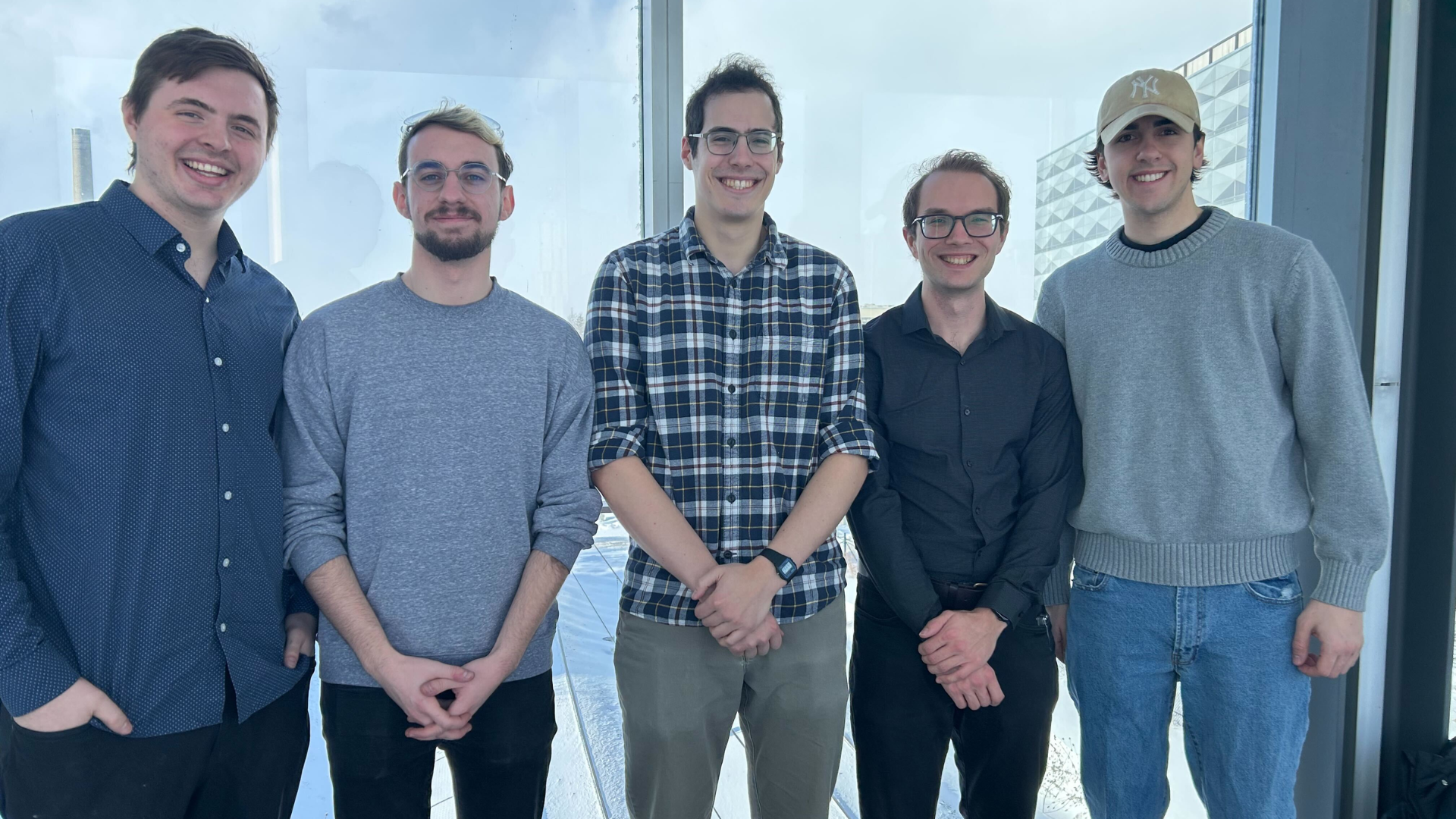
15. PROJECT: SISYPHUS
Stefan Arroyo-Cottier, Joe Dolina, Joel Godard, Matthew Gordon, Xavier Rayes
Sisyphus is a regeneratively cooled liquid rocket engine which burns ethanol and nitrous oxide to produce 8kN of thrust. It is designed to be rapidly reusable and cost effective as a test flight engine for the Waterloo Rocketry team. An additively manufactured copper combustion chamber, custom fluids and electrical ground support equipment and an easily replaceable ignitor enable multiple test firings or rocket flights in one day. This will enable the Waterloo Rocketry team to test advanced controls and recovery systems much more efficiently.
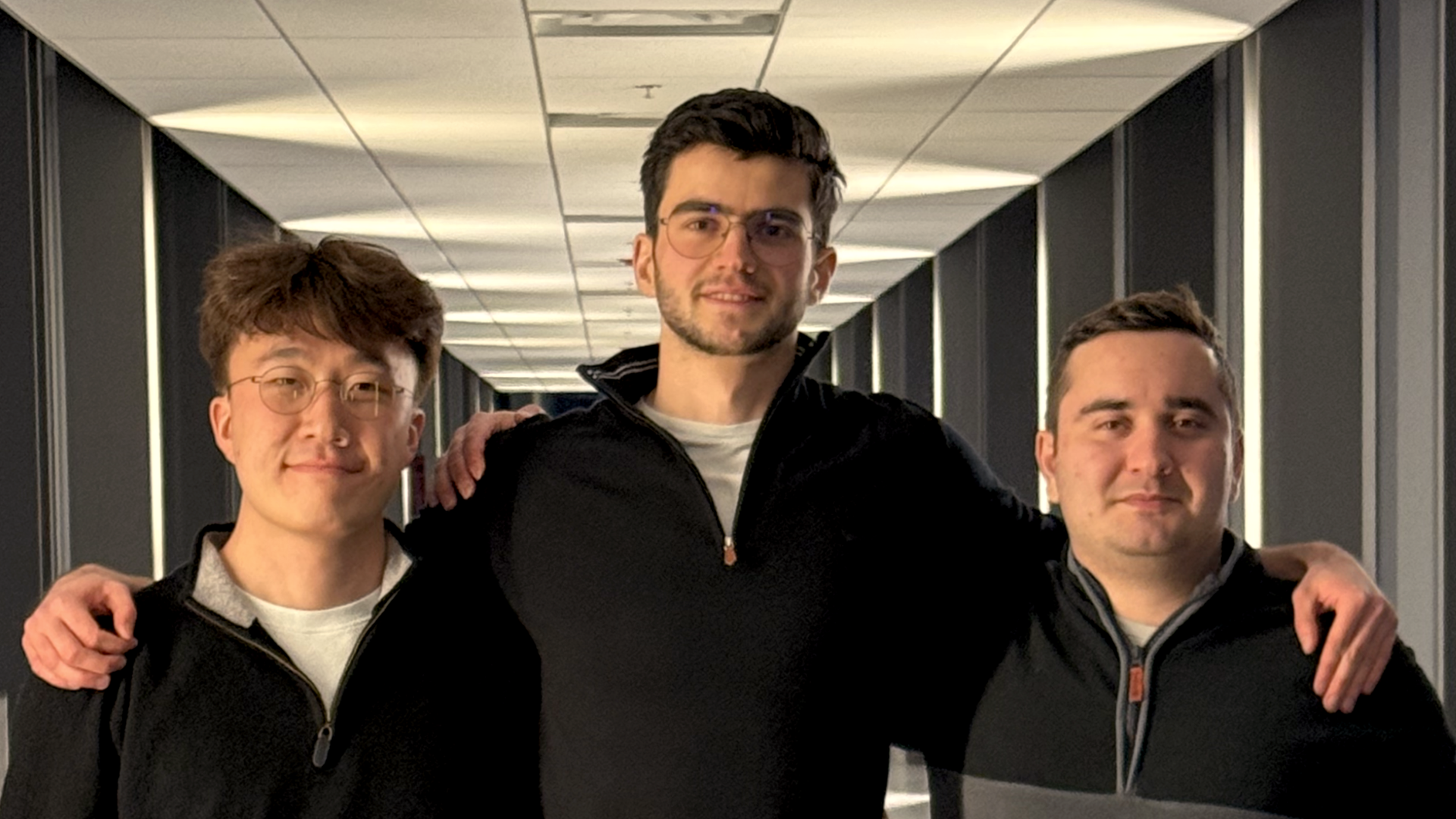
16. MECSEM
Cristian Bicheru, David Choi, Adam Lastovka
MECSEM is building a compact, affordable scanning electron microscope to bring electron microscopy into more classrooms and labs. Instead of relying on expensive off-the-shelf systems and software, we created our own electron optics simulation suite and then engineered the full instrument: vacuum platform, electronics, optics, and software. By owning the entire stack (excluding vacuum pumps), we are able to significantly reduce the cost of the product. Our prototype lays the groundwork for a commercializable instrument targeting ~$25k.
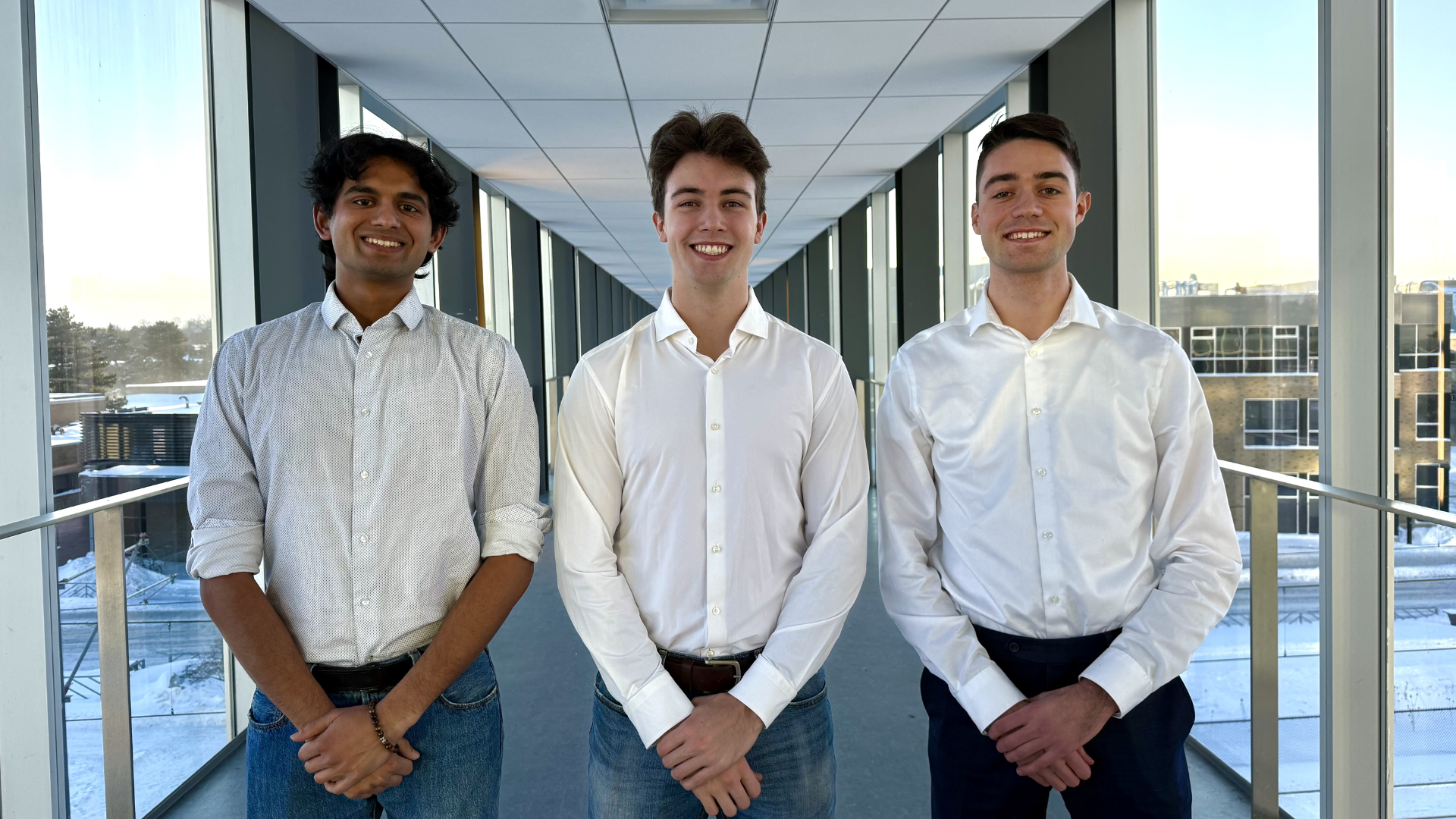
17. Atmospyre
Cutter DeVine, Micah Griffiths, Suryakant Jain
As the ubiquity of satellite constellations increases, so does the need for a safe, reliable, and economical means of decommissioning satellites at their end-of-life. Atmospyre is a novel approach to decommissioning large satellites without the need for controlled re-entry, unlocking savings exceeding 150k USD per satellite. It uses a controlled, energy-dense chemical reaction to ensure satellite ablation and draws on elements of battery and electronics design to create a space-ready solution.
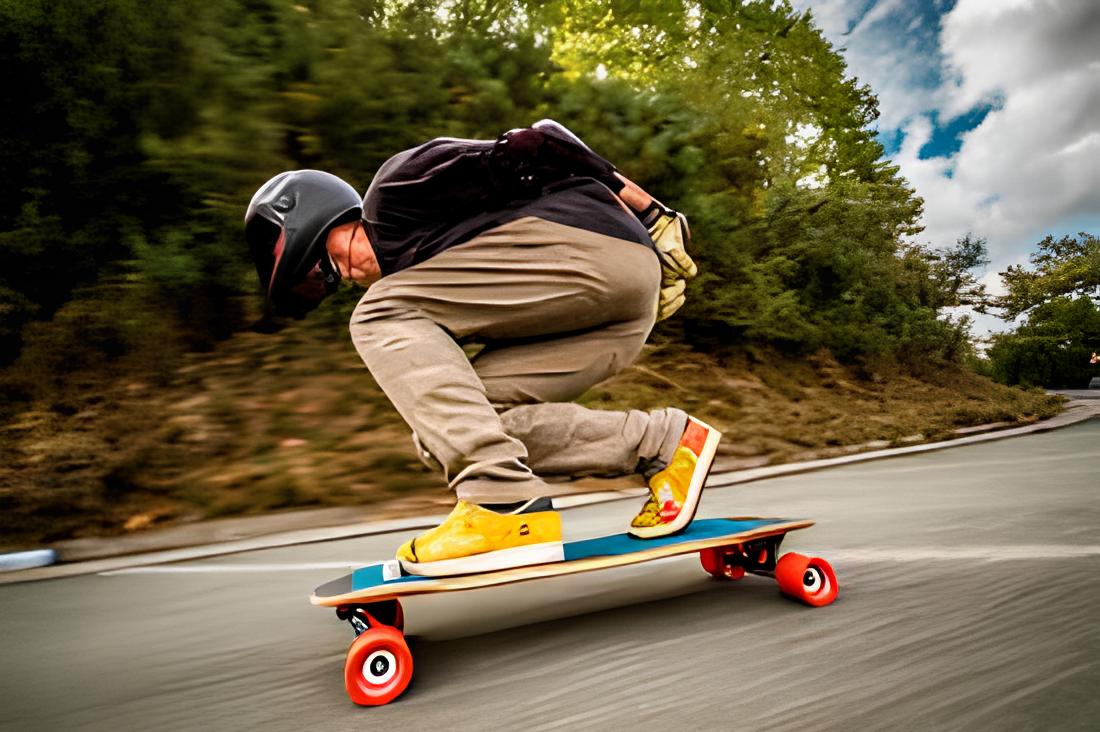
18. Dynamic Longboard Stabilization
Justin Lin, Dave Sung, Juan Zapata
The aim of this project is to develop a robust,lightweight, affordable, and dynamically adaptive stabilization system capable of effectively mitigating speed wobbles in real-time without compromising board responsiveness.
19. Kneematic
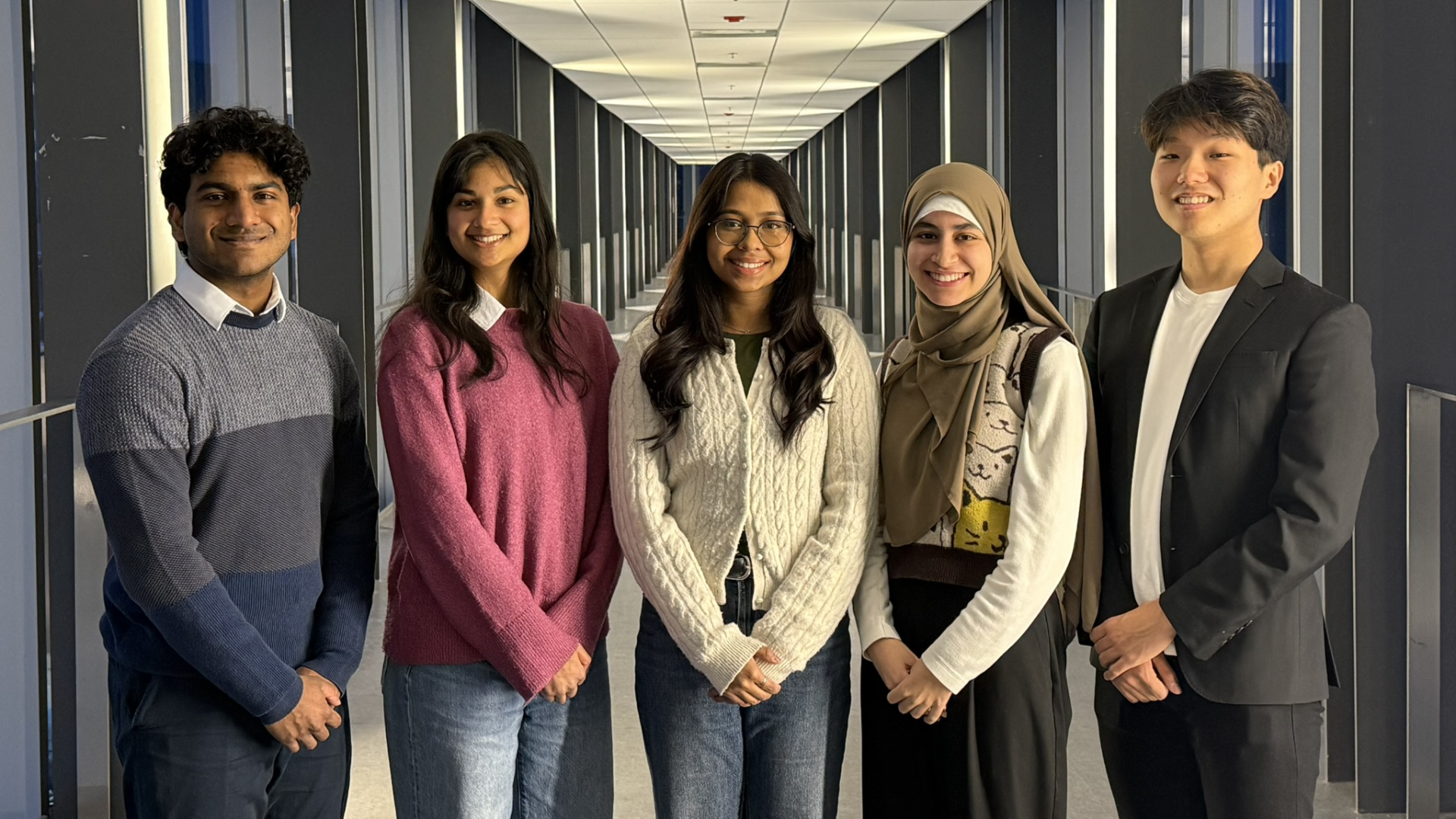
Sarah Ahmed, Jhilik Bose, Lavan Sumanan, Zara Syed, Aidan Yu
The project focuses on developing KneeMatic, a sensorized lower-limb Anthropomorphic Test Device (ATD) that mimics human knee and soft tissue biomechanics with integrated distributed pressure and force sensing to enable safe, quantitative, and repeatable testing of lower-limb exoskeletons.
20. Group 20
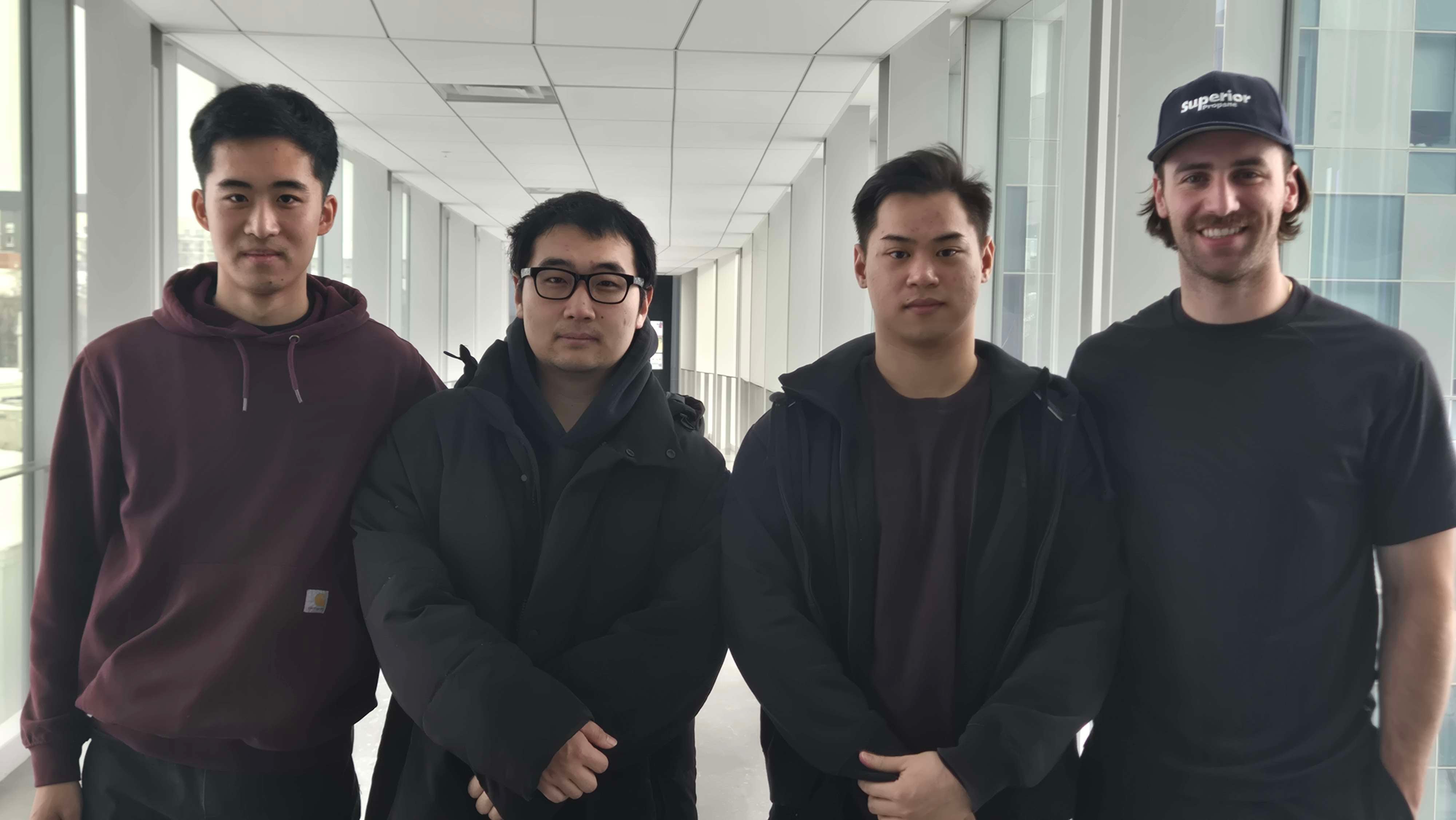
Michael Hao, Daniel Murphy, Jason Nguyen, Jiajun Tang
Tensile testing is fundamental for characterizing material properties, but current setup of Mark-10 tensile testers at the University of Waterloo Materials Lab is hampered by manual operation and the absence of an accurate strain measurement system. These limitations could affect accuracy, repeatability, and the educational value of lab experience. Group 20 aims to modernize the manual tensile testers by introducing a cost effective, fully non-invasive automation and strain measurement system to improve control and data accuracy while enabling additional functions for enhanced usability.
21. Endure
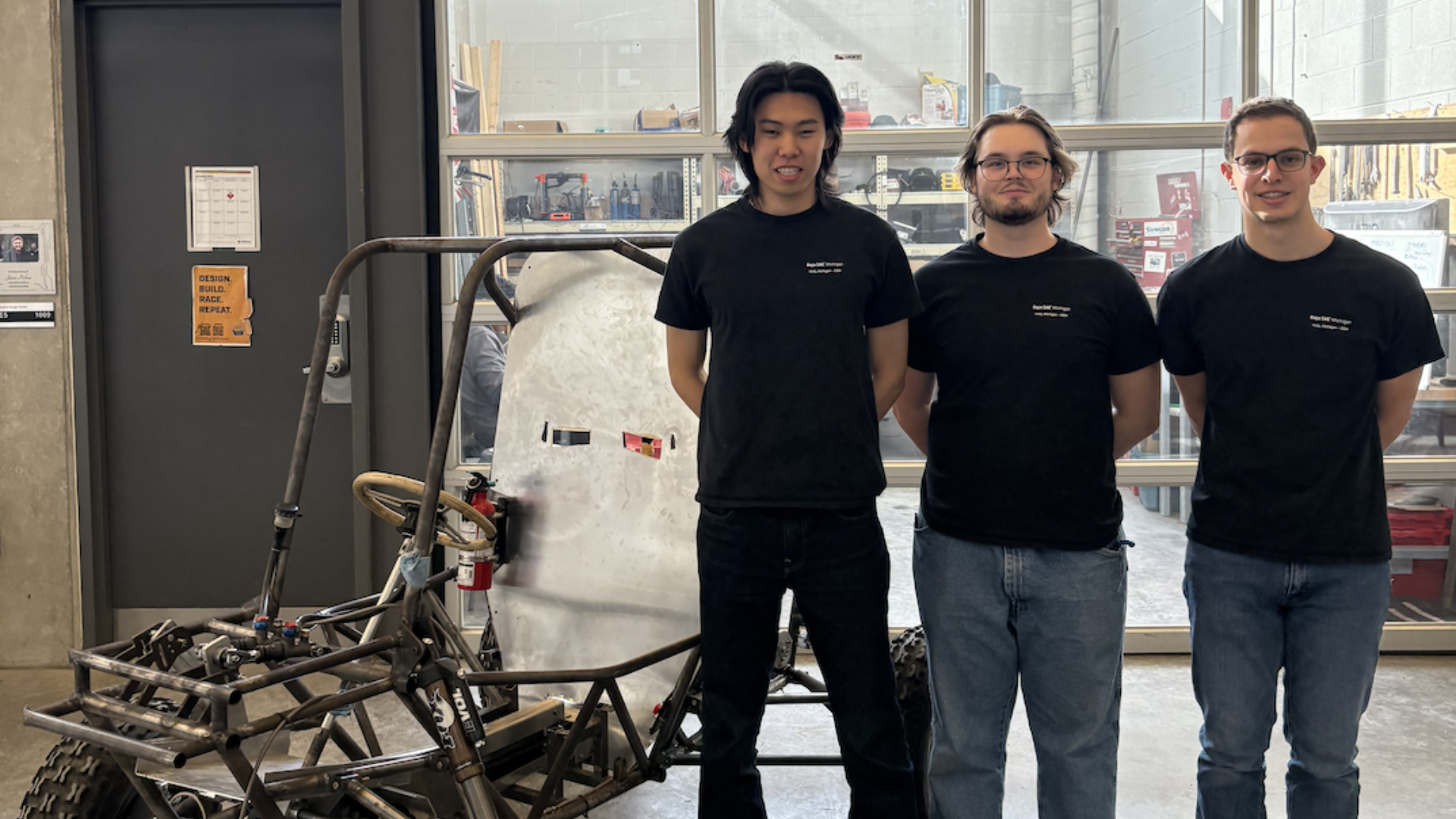
Theo De Koning, Julian Di Gioia, Kaishuo Zhang
The project objective is to develop a Baja SAE suspension system designed to survive the rigors of off-road driving without failure. The project prioritizes strength, reliability, and longevity under harsh off-road conditions. By focusing on durability driven design decisions, the project aims to improve the team’s overall performance by ensuring the vehicle can consistently finish races.
22. GentleGrip
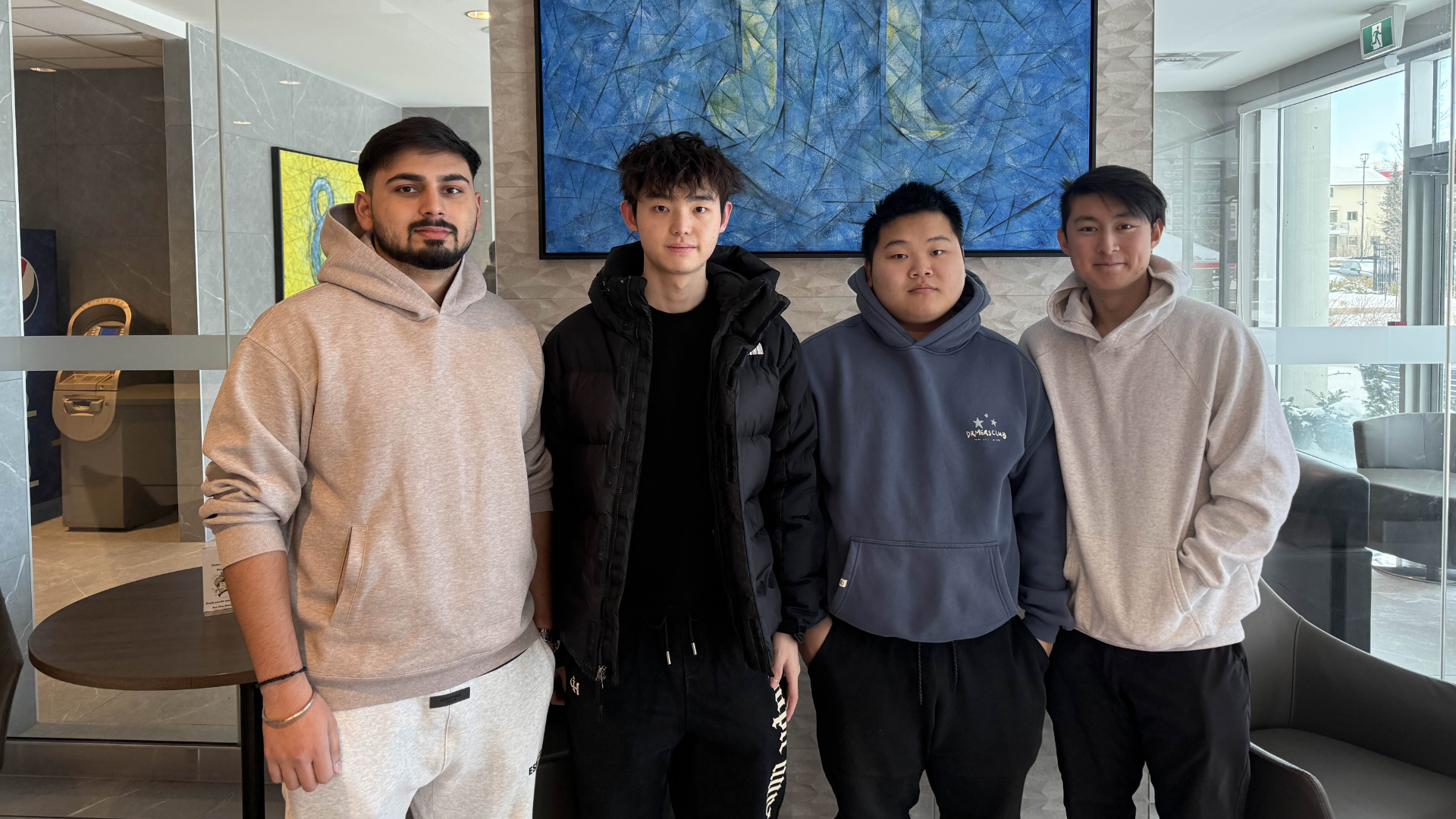
Richard Lin, Brendan Chan, Leonard Jin, Varisht Gupta
Our project develops a robotic gripper tool designed to gently pick up and move young plant sprouts without causing damage. Using soft contact surfaces and built-in force sensing, the gripper carefully handles fragile seedlings during transfer and placement. The goal is to support automated vertical farming systems by showing how robots can safely work with delicate living plants in various growing environments.
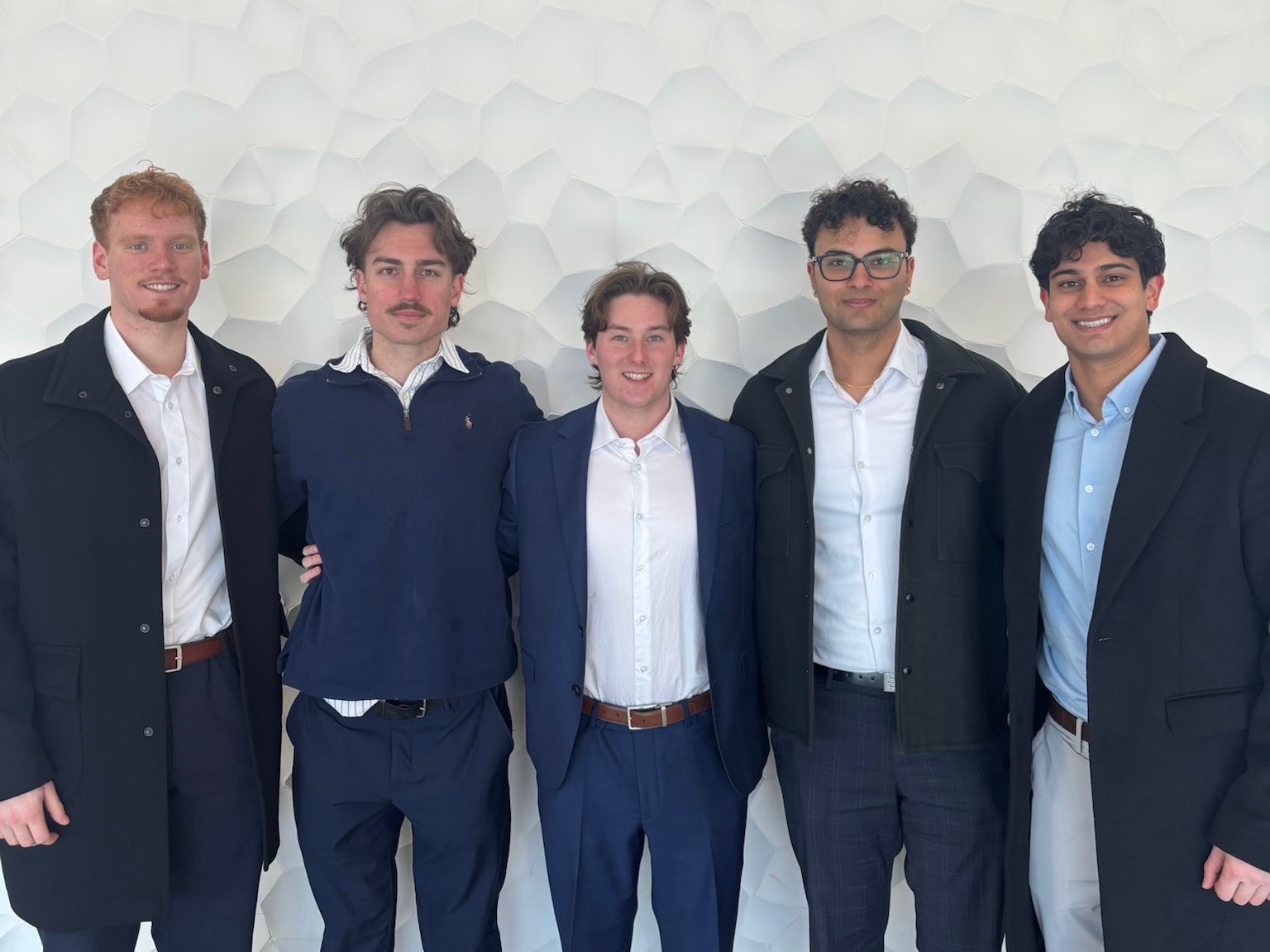
23. Collision Energy Dissipation
Frankie Adzijevich, Josh Bollenbach, Hrinay Jariwala, Alex Kelk, Jess Owens
This project, in partnership with PMG Technologies and Transport Canada, supports improvements to Side Impact Seat Assembly (SISA) test systems for evaluating occupant safety in lateral impacts. It replaces aluminum honeycomb absorbers with steady-state energy absorbers (SSEAs) using controlled material deformation. The new system offers cost-effective, predictable, and tunable deceleration pulses compliant with FMVSS 213a standards. Theoretical and experimental testing informed a final design, helping PMG enhance side-impact crash-management performance.
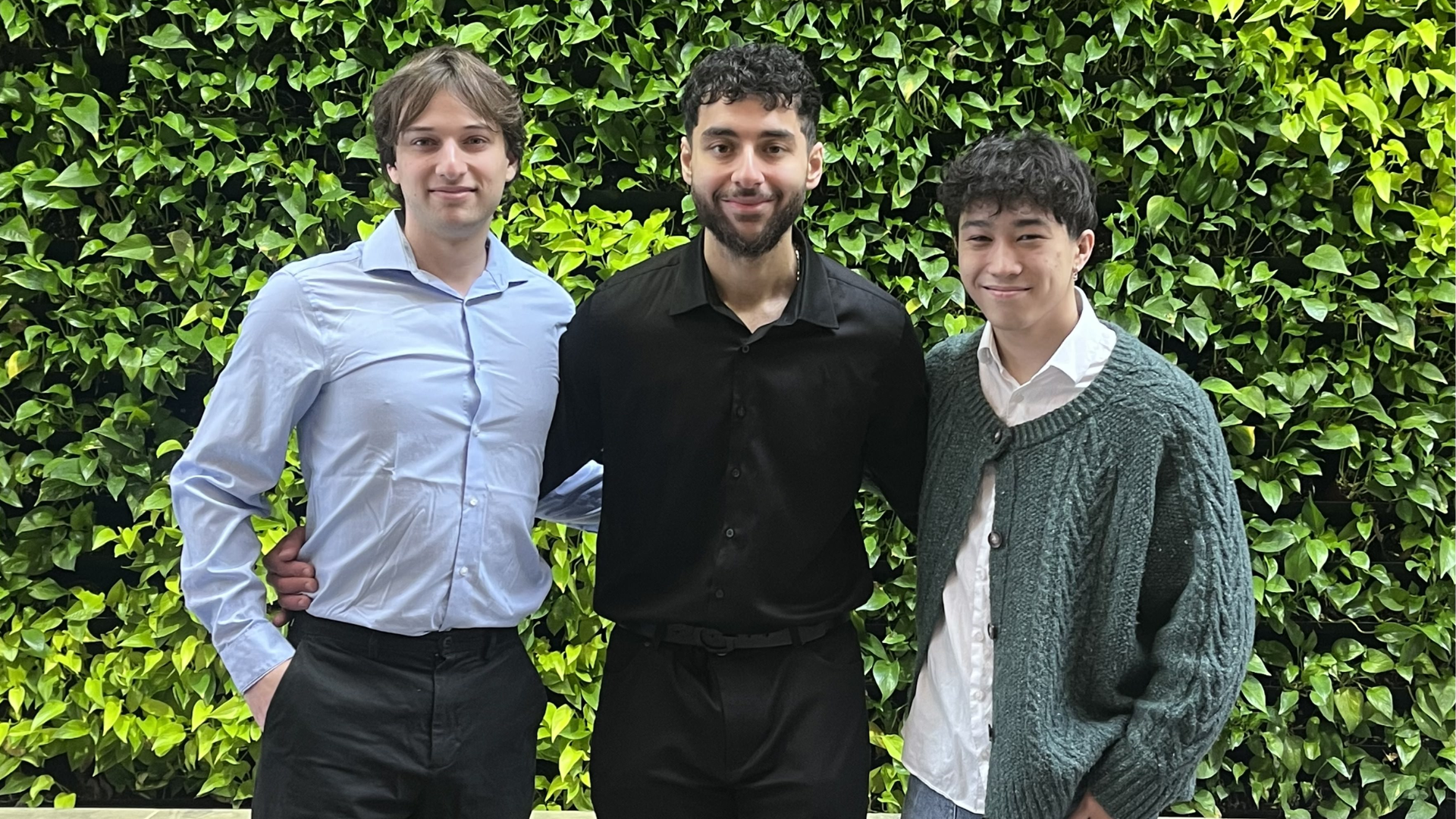
24. Automated Dual Camera System for MTS Criterion
Hasan Al-Saeed, Tal Kaufman, Alnur Nazarbay
The UW Forming and Crash Lab receives material samples to perform optical strain imaging during tensile tests using the MTS Criterion machine. Currently, the lab technicians manually point two cameras at the sample, which takes up a large amount of engineering time, as well as having low reliability. Our team is designing an automated dual camera system for the lab that precisely positions the cameras based on a database of presets.
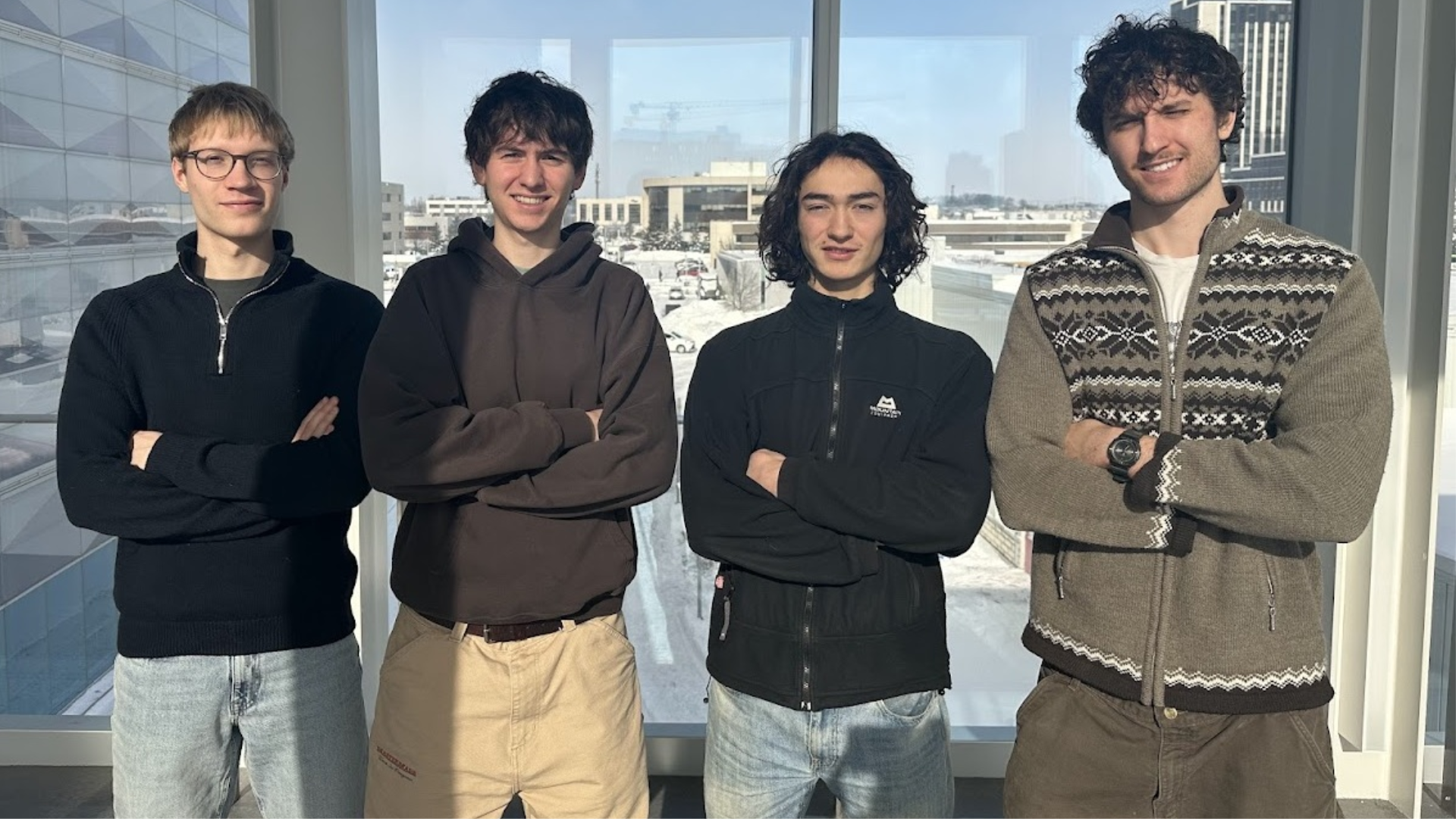
25. Second Wind Systems
Leo Creighton, Ben Ellis, Harry Parker , Hugo Woolhouse-Lorber
This project develops a NUWORP inspired solid-solid heat exchanger for the recycling of decommissioned wind turbine blades. The carbon fibre blade material is mixed with sand and heated using internally recovered thermal energy. The resin breaks down and the carbon rich material is converted into useful gases. Heat transfer performance is validated using ANSYS and MATLAB, composite behaviour is determined through testing, and the system is modelled on SOLIDWORKS and prototyped for the symposium. Our design prioritises low mechanical power input and maintainability.
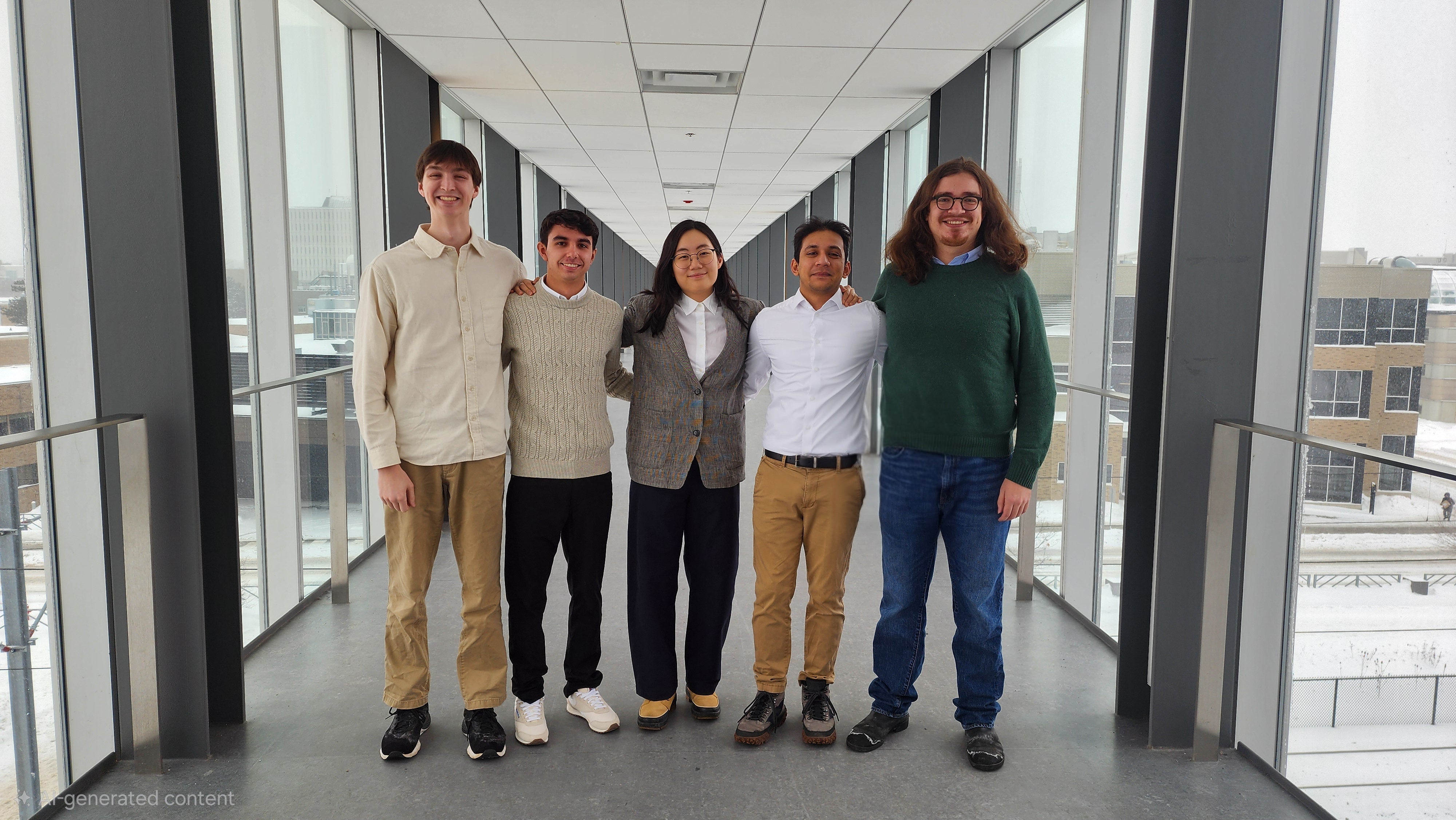
26. Swift Shift
Minji Lee, Christopher Moniz, Om Patel, Colton Perrigo, Oliver Swarney
Electricity time-of-day pricing corresponds to higher electricity prices during the day and lower electricity prices overnight. Additionally, electricity generation sources during daytime hours are most likely to leverage non-renewables to meet peak use. To combat these issues, the goal of the project is to load shift a household refrigerator to minimize the daytime electricity usage. To achieve this, the solution consists of a Phase Change Material and loop thermosiphons to store the daytime thermal energy from the fridge and subsequently recharge the PCM overnight.
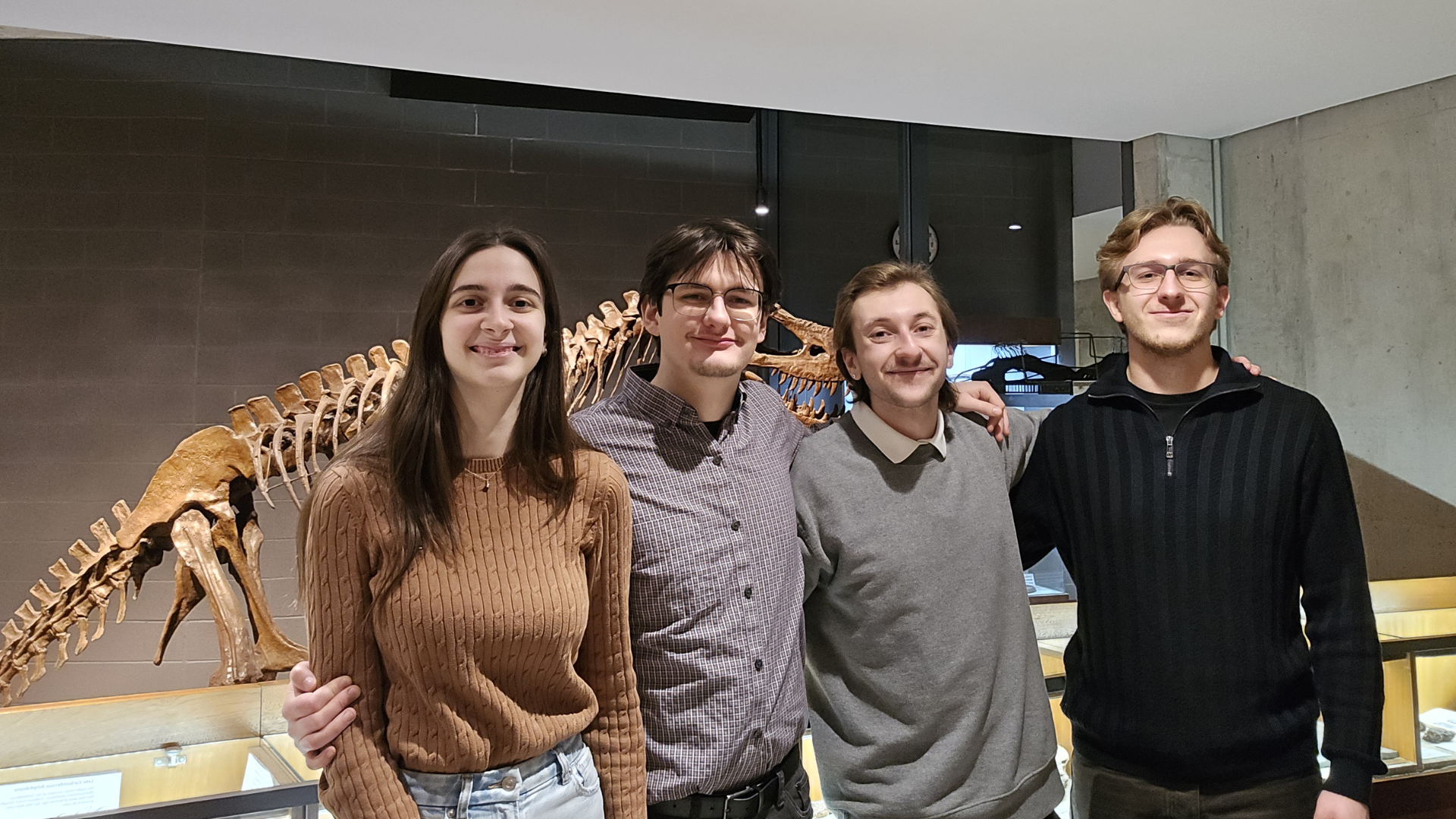
27. HexTune
Ivan Batina, Ben Christian, Elitsa Kirilova, Joshua Simons
The HexTune is a non-invasive automatic guitar tuner. It easily connects to any six string guitar headstock and accurately retunes all the strings in seconds. The idea was born from on-stage musicians who frequently require different tunings for their instruments in between songs.
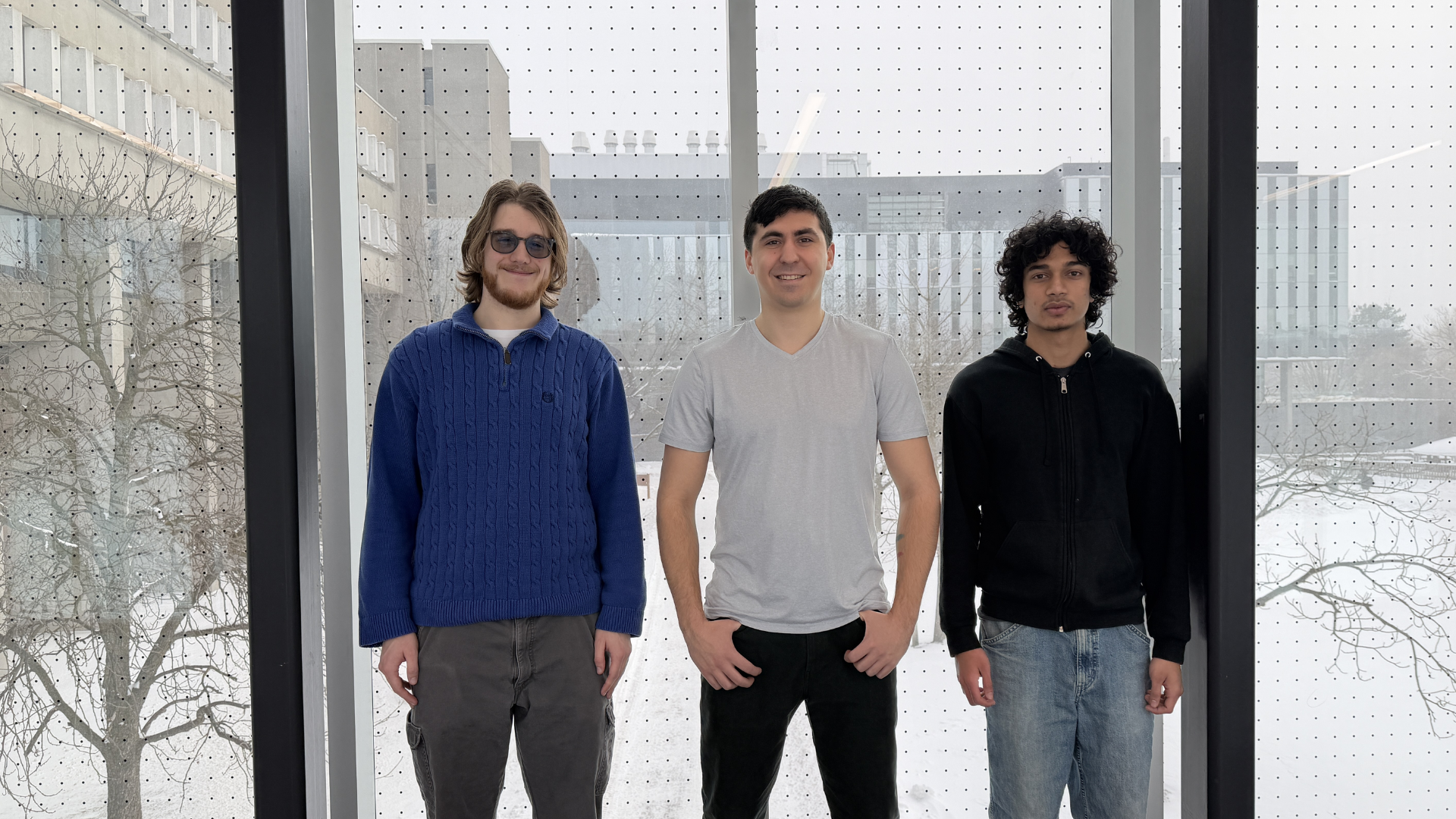
28. Battery Fire & Fumes System (BFFs)
Brandon Constantin, Kausthubha Debnath, Vincent Pugliese-Downs
Our project's goal is to create a portable fire suppression and containment system for lithium-ion battery failures in research laboratory environments. The system is intended to suppress battery fires, contain its heat, and filter out the toxic fumes emitted. The system includes a bucket of sand to dump on the fire to supress the flames and prevent it from spreading along with a filtration system designed to remove the toxic fumes from the air.
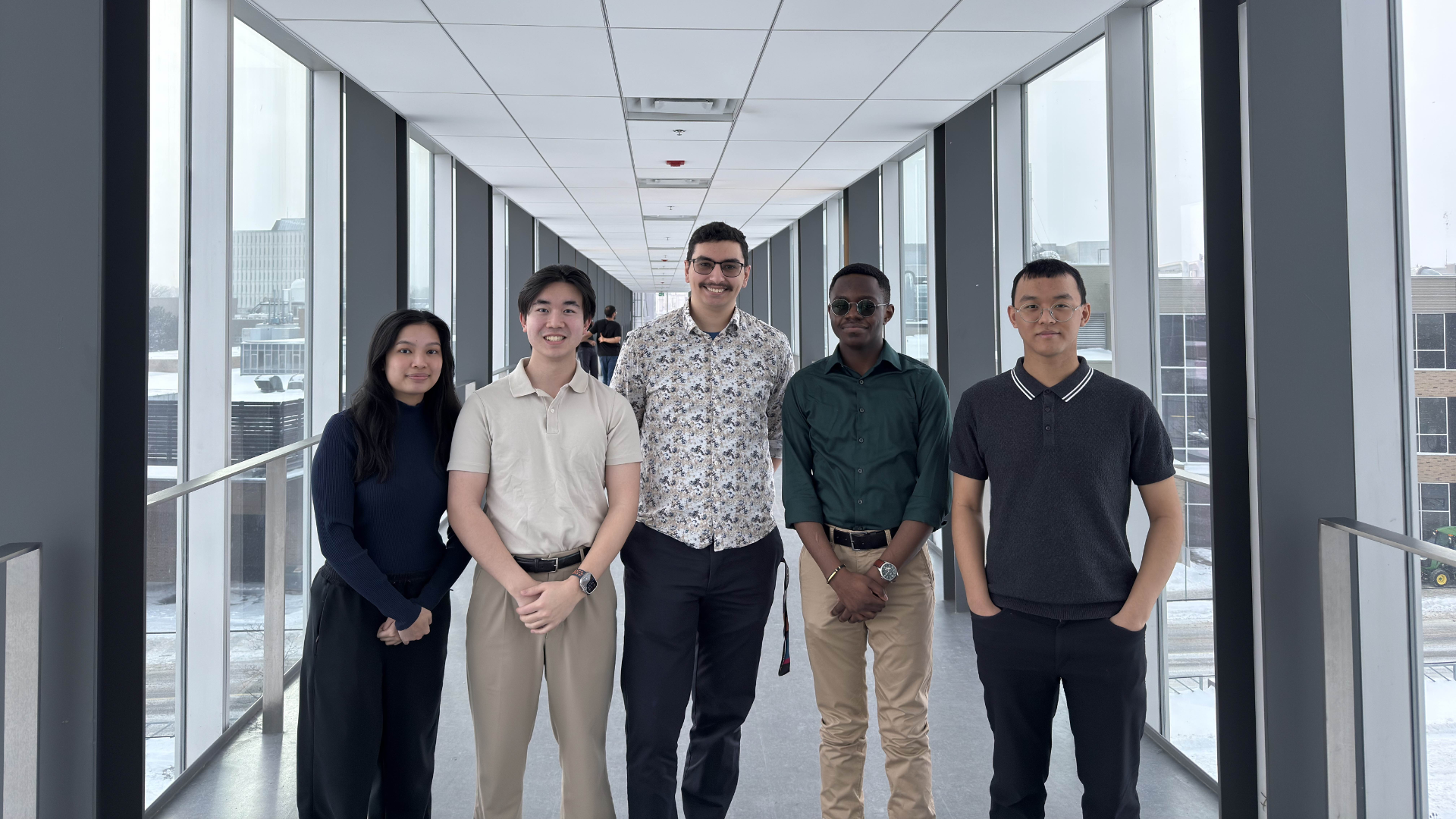
29. ThermaMount
Gabrielle Anastacio, Ryan Zheng, Mizan Abu Ramadan, Mawete Luwawu, Kal Narongsha
There is currently no commercially available infrared (IR) camera mounting system that is affordable and offers long-term, hands-off outdoor surface temperature monitoring. This system addresses that gap in existing technology by enabling automated thermal data collection over multiple days at customizable intervals. By making high-quality thermal data easier to collect in the field, it supports environmental research into the exergy destruction principle. This will result in the improvement of ecosystem monitoring, land-use analysis, and energy-based studies if proven.
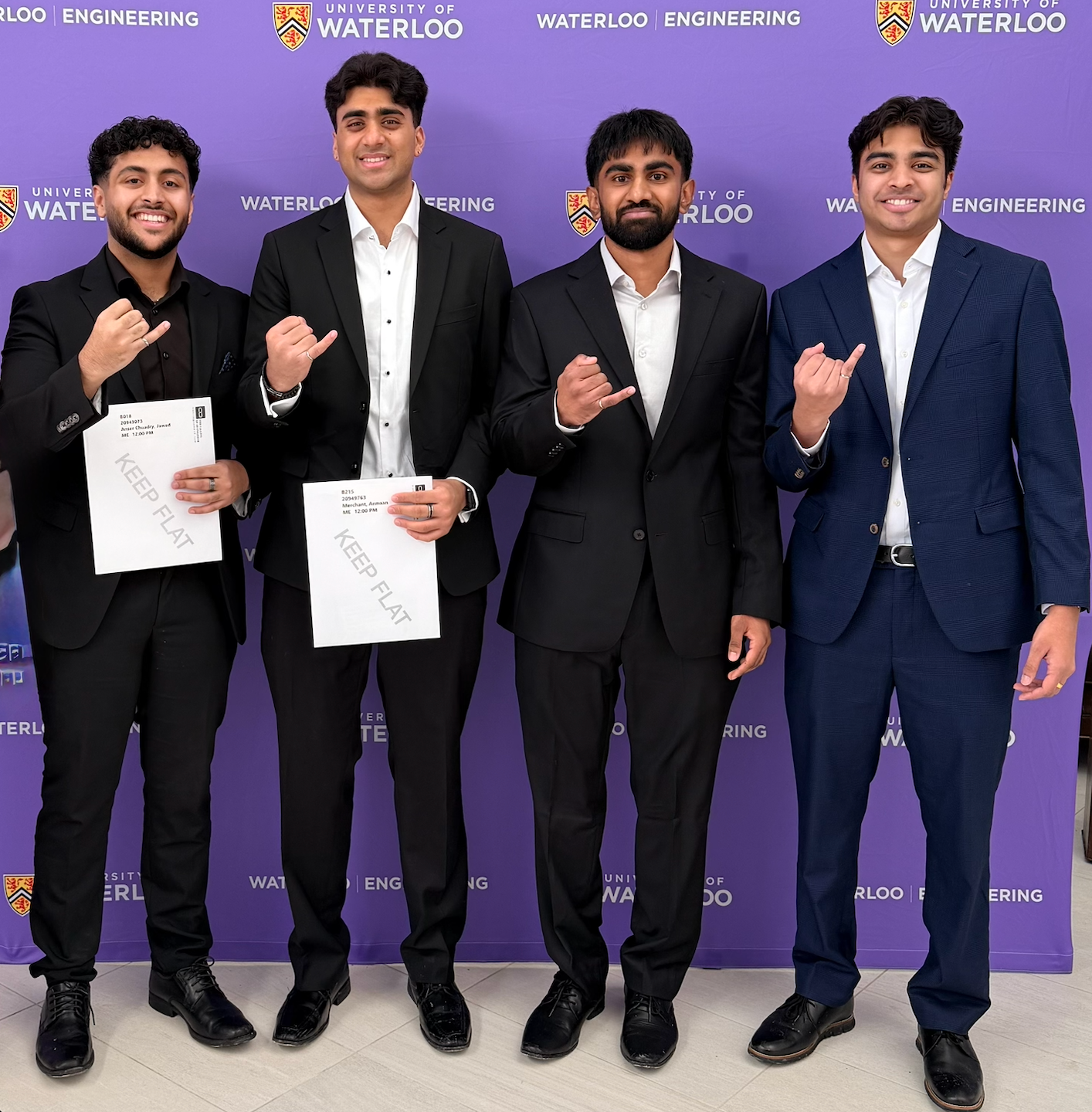
30. LiftOFF
Jawad Anser Chuadry, Armaan Merchant, Ayush Patel, Harshan Suthakaran
The University of Waterloo Alternative Fuels Team (UWAFT) is reengineering a Cadillac Lyriq for the EcoCAR challenge. Beyond optimizing the vehicle's powertrain and sustainability, our team is designing and integrating a custom chairlift system. This project aims to bridge the gap between high-performance automotive innovation and accessibility, ensuring individuals with mobility challenges can seamlessly enter and exit the vehicle while meeting rigorous engineering and performance standards.
31. Carbon C.A.S.T
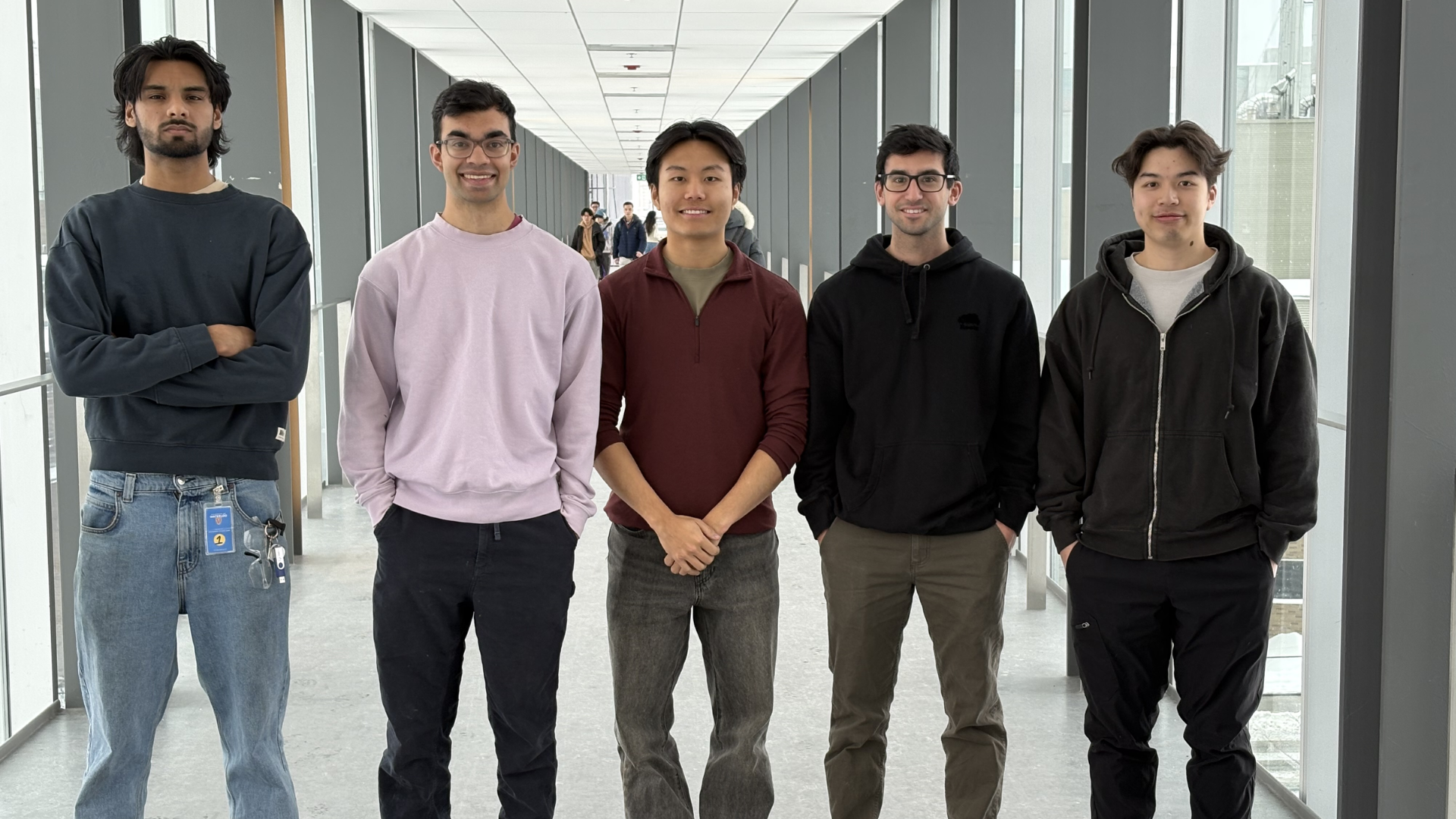
William Chen, Sukhman Chhoker, Kamran Sadiq, Matthew Scorcia, Yanshen Zhou
When designing and fabricating a unique carbon fiber part, a new mould is required for each design which adds to the material costs and production time, particularly for low-volume manufacturing. Carbon C.A.S.T (Composite Adaptive Surface Tooling) uses an array of reconfigurable pins to form an open-face surface mould of the part directly from CAD then reshapes the mould surface to replicate the custom geometry; eliminating the costs for moulds in low-volume carbon fiber production using the VARTM process.
32. PreME
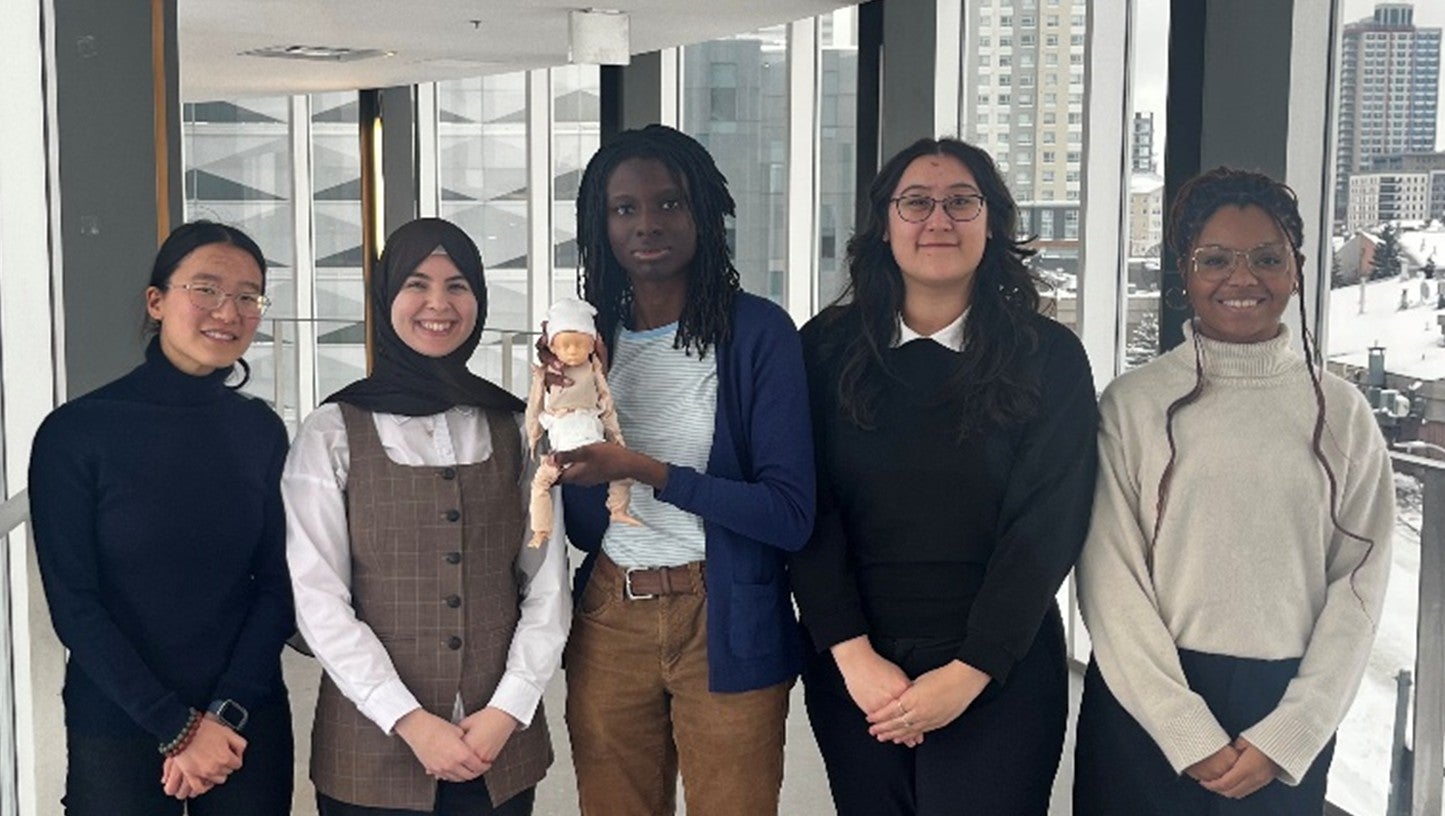
Mufeng Liu, Lamees Khraim, Olabisi Sanusi, Rosebella Yeh, Kaycia Milne
Meet PreME — a smarter, safer car seat solution for premature infants. 1 in 10 infants are born premature, yet today’s car seats are designed and tested only for full-term infants, often leaving premature babies inadequately supported with potential airway obstruction and excess neck strain. PreME is an adjustable attachment that adapts to smaller infant size and weight, improving security and protection during travel. Crash tested with a custom, research-backed premature infant test dummy, PreME delivers data-driven safety — because every infant deserves a secure start.
33. OpenPFO
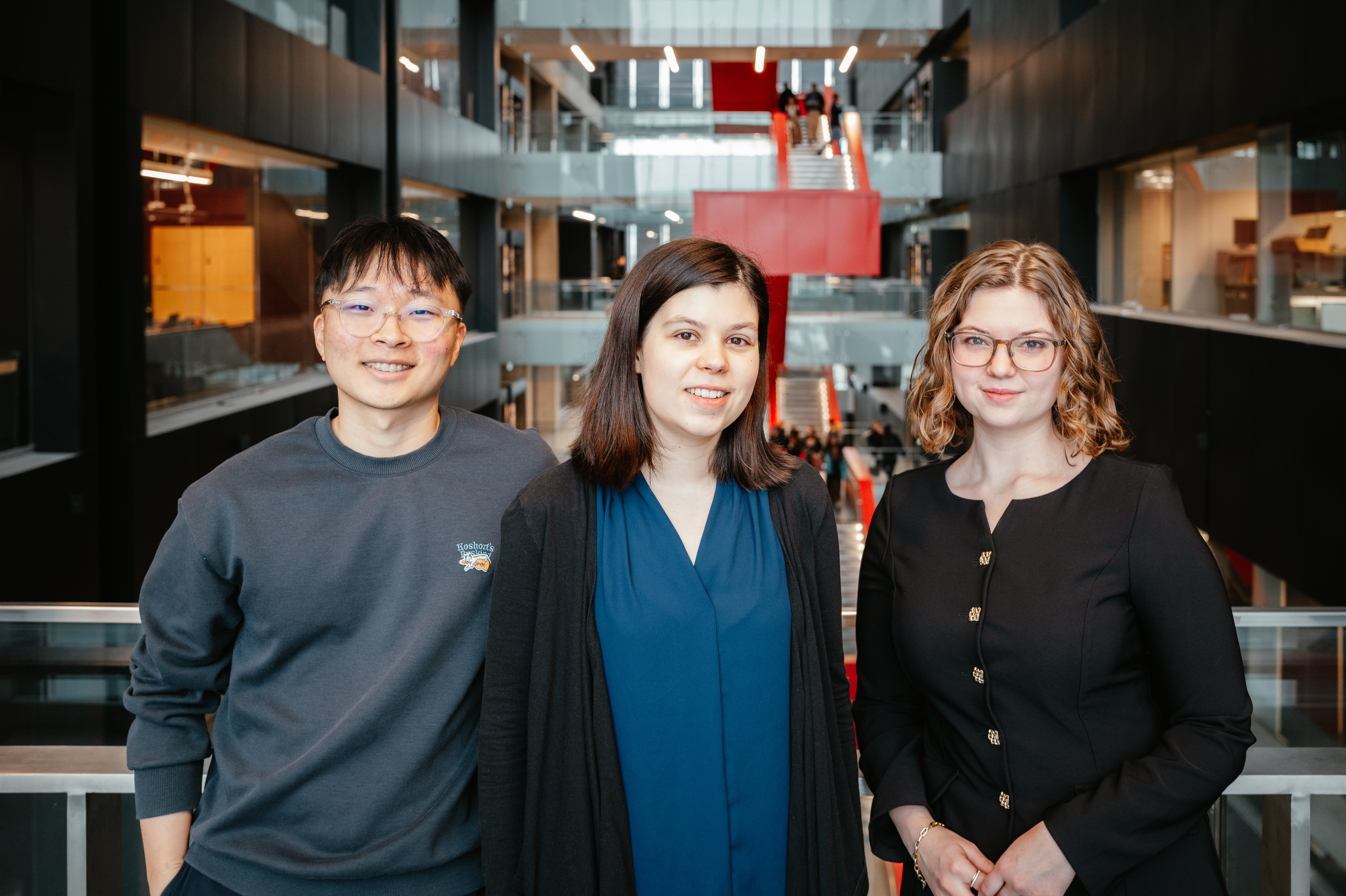
Kate Armstrong, Emma Keeping, Thomas Kim
Open Parametric Flow Optimizer (OpenPFO) is a Python workflow that integrates with open-source geometry, meshing, and computational fluid dynamics (CFD) solvers to enable rapid design space exploration and optimization. It streamlines a highly repetitive process normally used to iterate designs using CFD results in a way that is easier, less costly, and more effective. The integration with open-source software produces an effective alternative to costly industry options, making it more suitable for smaller companies, researchers, and student design teams alike.
35. Celebrim
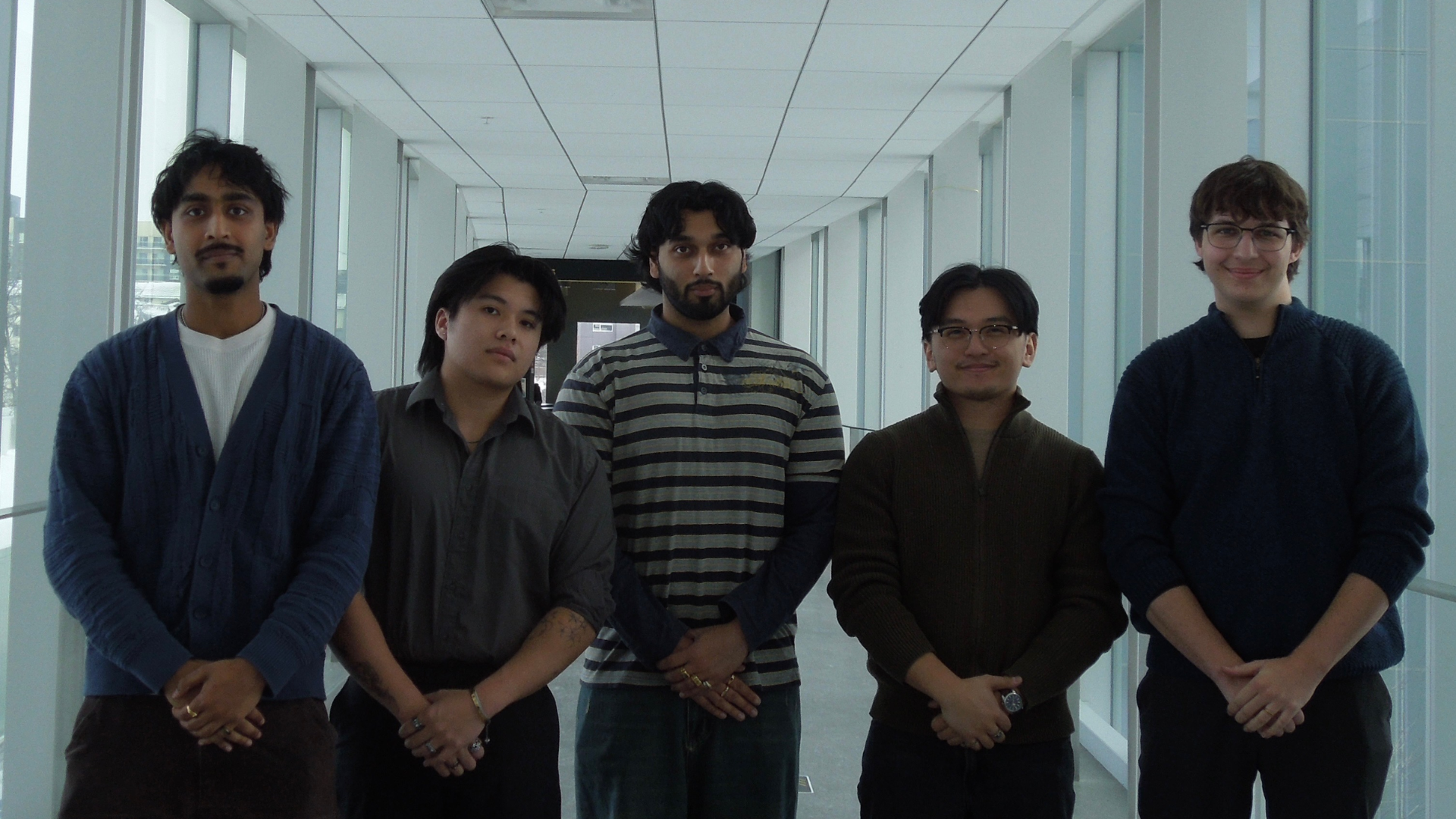
Nathan Pereira, Hewitt Tran, Jaden Nixon, Josh Madduma, Ethan Albrough
Small jewelry designers and hobbyists struggle between the expensive industrial equipment needed for the fabrication and sub-optimal process. This is a major barrier to entry for anyone interested in jewelry design. Celebrim is a compact desktop ring fabrication system that addresses this by combining precision, engraving, shaping and gemstones placement, created for rapid prototyping and cost control so jewelry designers can create high quality products with consistent results. Bring your creativity to life!
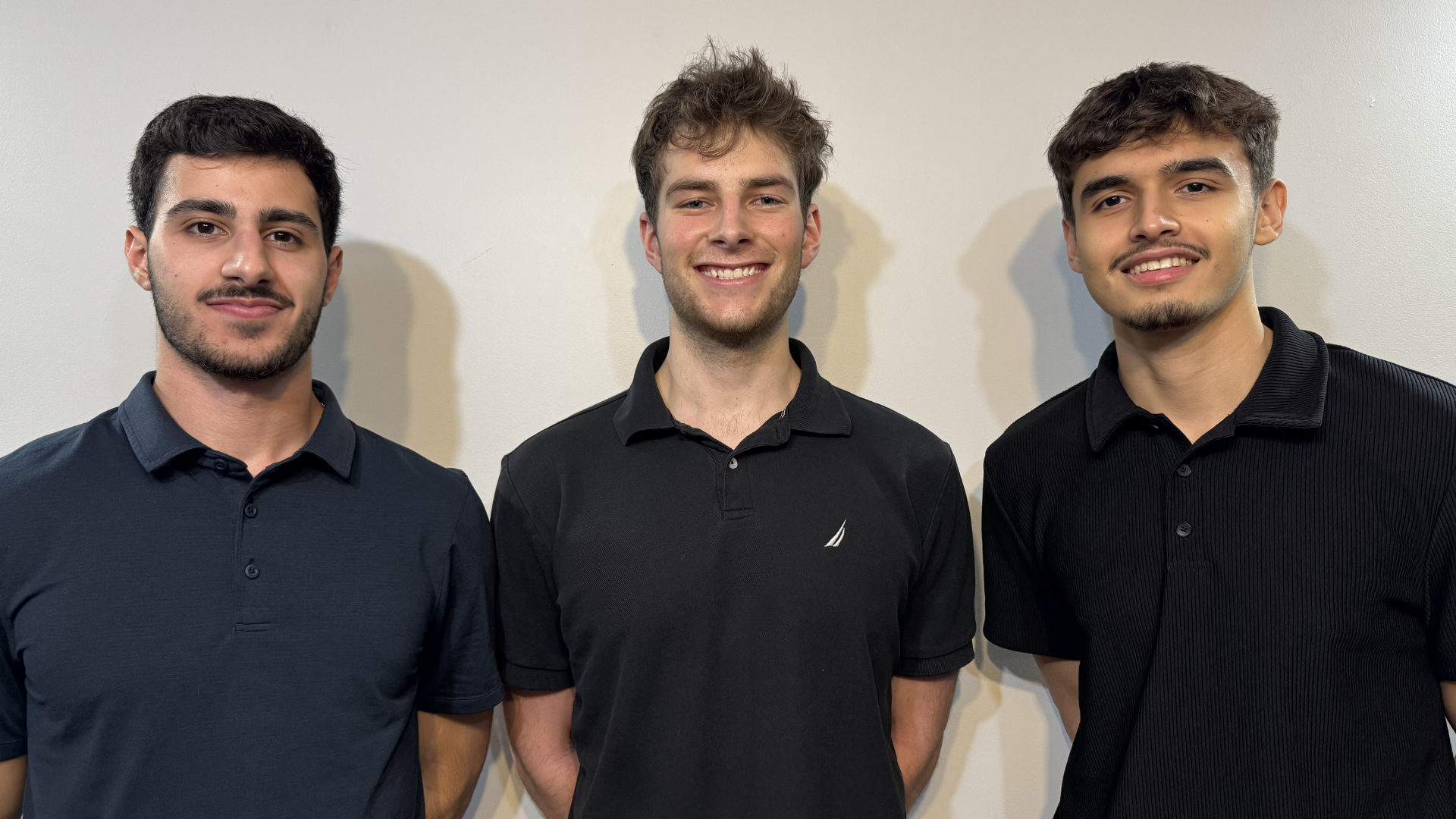
36. PACE | Physiological Adaptive Control Environment
Sawyer Bovingdon, Said Farhat, Amr Qutub
Sedentary work harms health, yet attempting to walk while working disrupts focus. Our project resolves this physiological conflict using a bio-adaptive control system. By integrating heart rate, Galvanic Skin Response, and eye-tracking data, our algorithm quantifies cognitive load in real time. It autonomously modulates treadmill speed and incline to maintain the user's optimal physiological state. This closed-loop system guarantees consistent physical activity without ever breaking concentration. The result is a workstation that dynamically balances the competing demands of cardiovascular health and professional productivity.
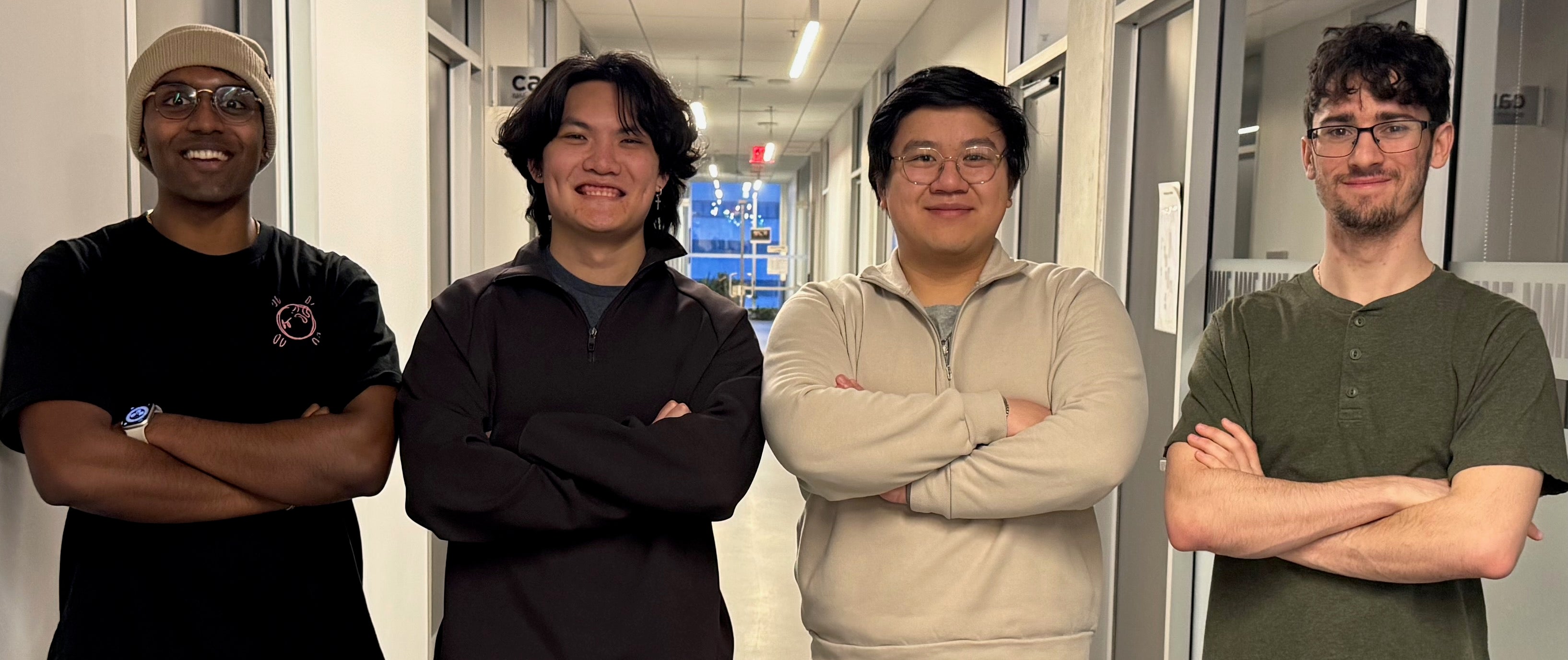
37. CareEase+
Kami Feng, Timothy Lam, Remy Lambert, Nicholas Perera
CareEase+ is a patient transfer assistive system designed to improve the safety and efficiency of both nurses and patients during lateral transfers in medical imaging environments. The system reduces physical strain on healthcare workers while improving comfort for bariatric and limited-mobility patients. CareEase+ incorporates a mechanically assisted transfer surface that enables smooth, controlled patient movement between stretchers and imaging tables, while remaining compatible with existing hospital equipment and clinical workflows.
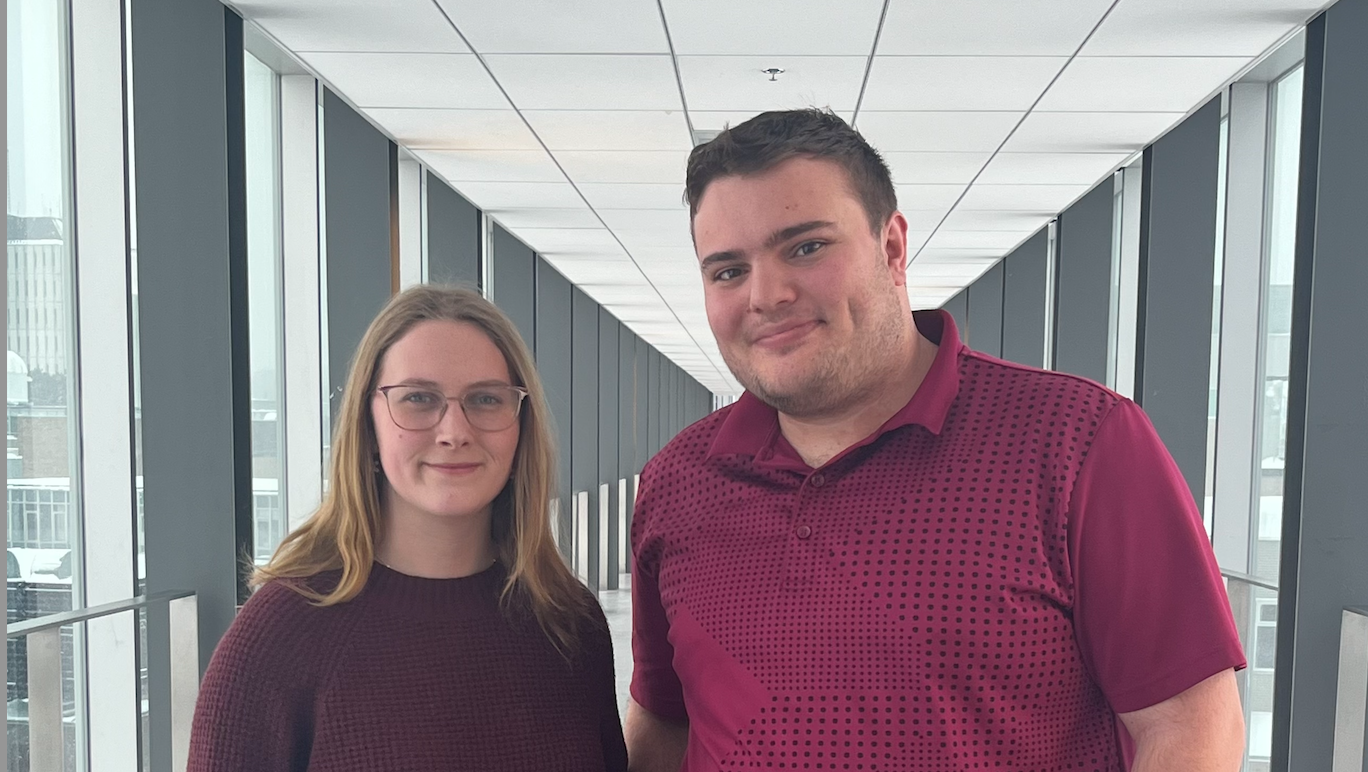
38. It-CAES: Storing Potential
Noah Glendinning, Hailey McLeod
It-CAES (Isothermal Compressed Air Energy Storage) is an energy storage method that compresses air isothermally (no heat internally generated) to maximize energy storage efficiency. There are currently no commercially available isothermal compressor/expander systems that exist for CAES. The It-CAES device is an isothermal dual air expander/compressor that can be utilized in CAES. Through the development of this device the path to a greener future is near.
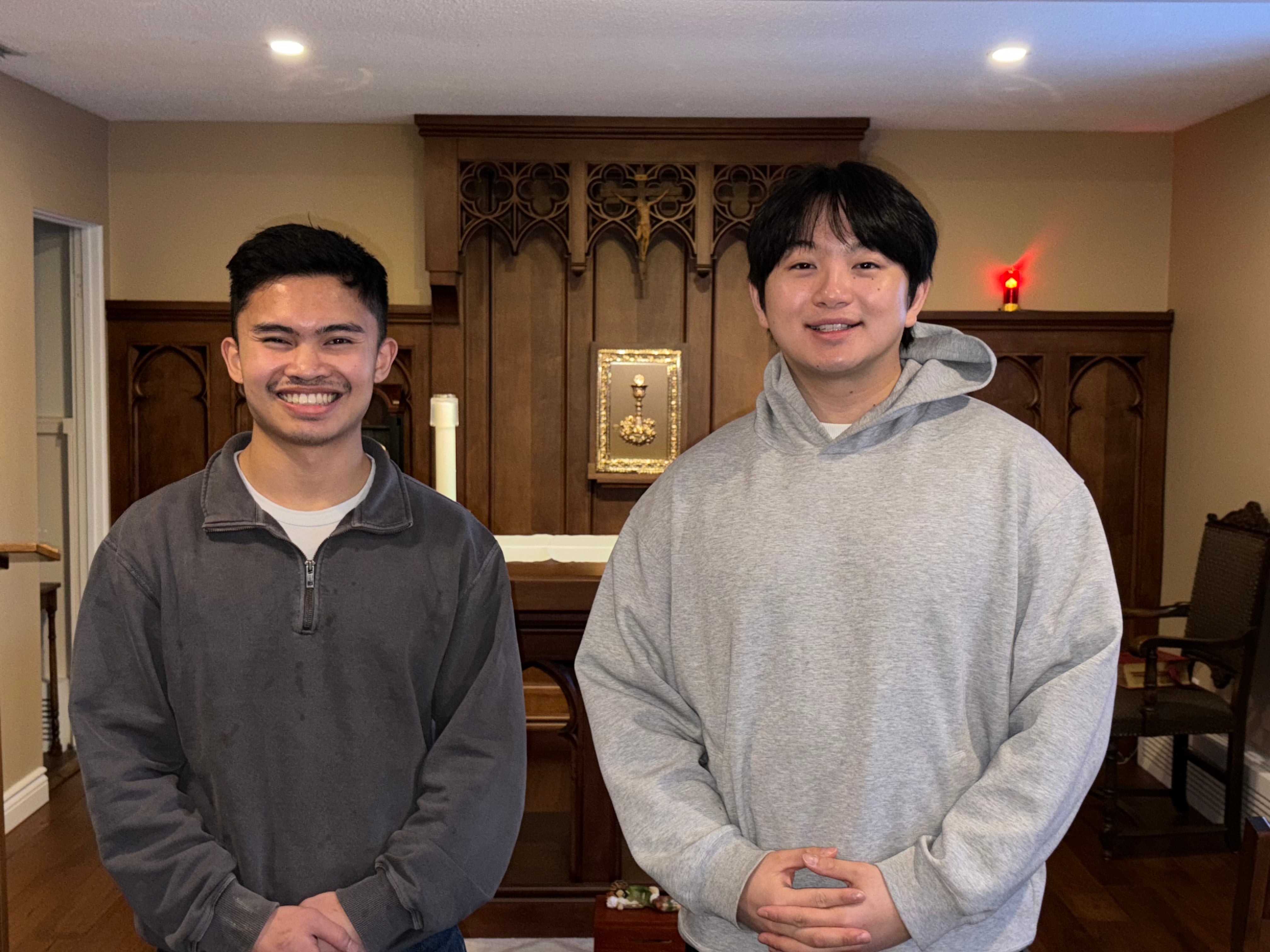
39. PATHWAY
Oza Tarigan, Jimmy Zhang
PATHWAY is a 3D-printed hand trainer which delivers clinical rehabilitation for stroke patients in Low-Middle Income Countries (LMICs). It provides 100,000 cycles of guided finger extension countering severe spasticity with 30N force across full ADL ROM. Frugal, open-source and field-resilient, it empowers families to drive neuroplastic recovery from moderate to severe hand impairment due to stroke.
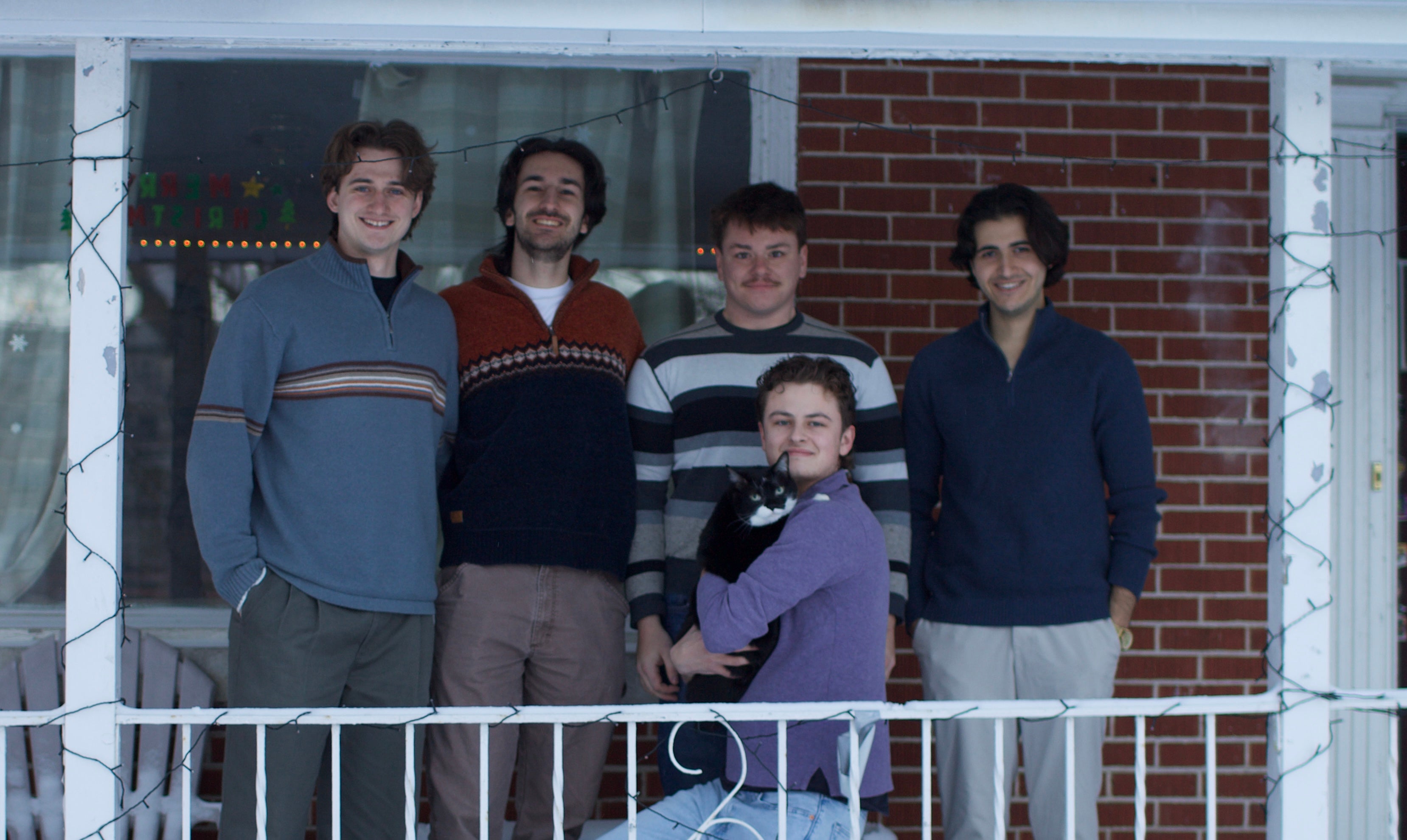
40. Val-e
Alec Beaton, Ryan Beauregard, Ashkan Ebrahimi, Gabe Vaughan, Benjamin Westlake
Val-e is an electronically actuated engine valvetrain that replaces the mechanical camshaft with direct electromagnetic control. By decoupling valve motion from fixed cam geometry, Val-e eliminates parasitic losses of traditional valve springs, and enables precise, software-defined control of valve timing, lift, and duration across the engine’s operating range. The result is an engine that can adapt its breathing in real time to speed, load, and operating conditions; improving efficiency, responsiveness, and performance.
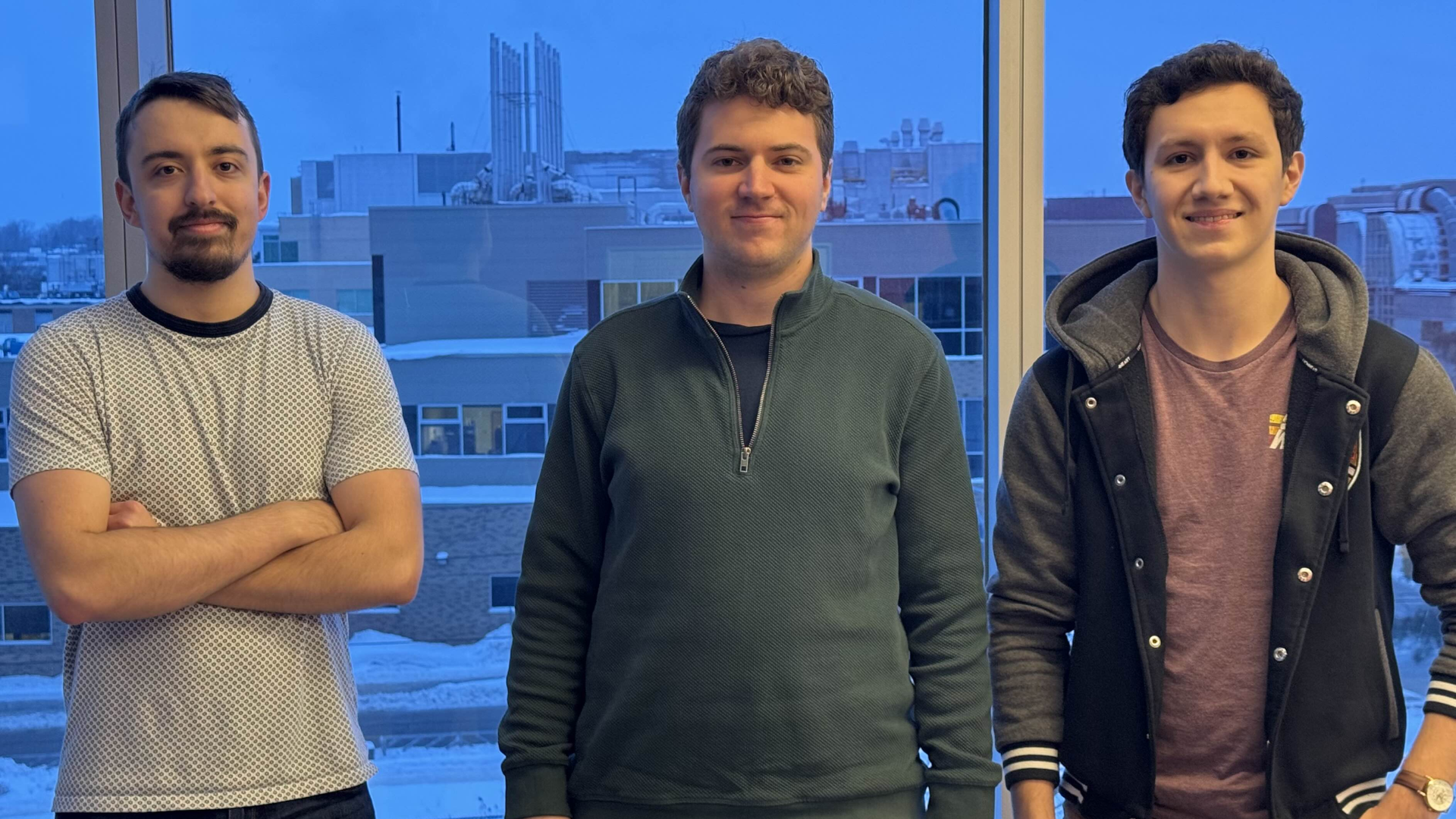
41. ThermoTest
Joshua Boily, Eric Edwards, Artem Ovsyannikov
Battery fires are a major safety hazard, and ongoing research aims to understand how environmental factors affect batteries. Our project aims to develop a cost-effective solution for the thermal abuse testing of batteries, for the purpose of testing and causing thermal runaway. This device will be integrated with an existing industrial explosion-proof chamber.
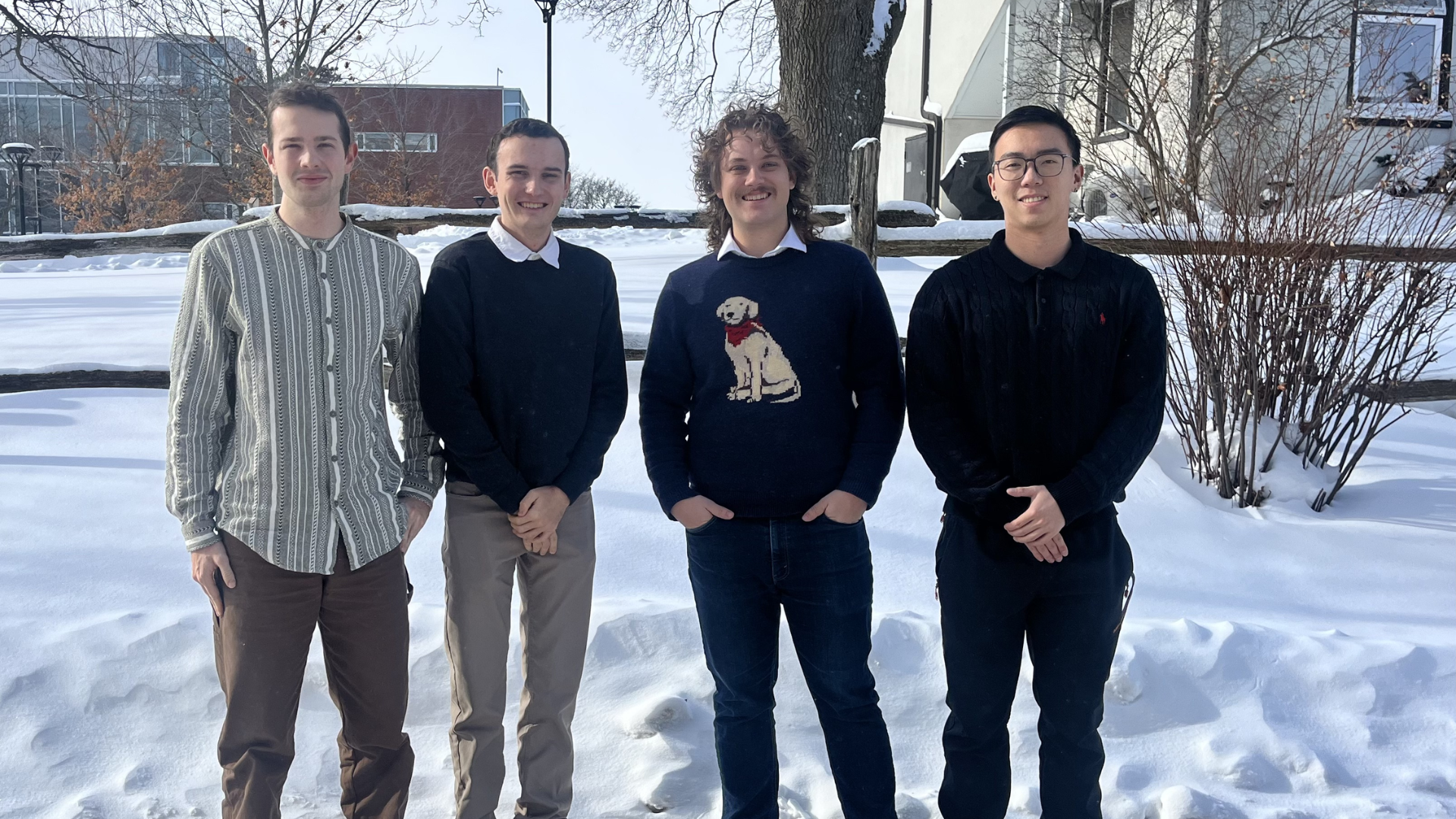
42. SmoulderSafe
Mason Enemark-Mullie, Julian Gaidola, Ben Hagens, Kimi Liang
Smouldering fires move through the sub-soil surface, slowly burning through tree roots and organic matter. These difficult-to-extinguish fires can burn through the winter, re-igniting wildfires in the spring. SmoulderSafe aims to provide advanced smouldering detection through ground-based sensing. This is done through a device that is implanted into the ground, providing continuous monitoring around critical sites.
THANK YOU
SPONSORS



PROFESSIONAL, TECHNICAL AND ADMINISTRATIVE SUPPORT
Charles Day
Maggie Morin
Steve Lambert
HJ Kwon
Peter Teertstra
Kamyar Ghavam
Eugene Li
Abdullah Barakat
Brian Shilingford
Richard Yan
Marisa Buettel
Kyla Campbell
Grace Hu
Soo Jeon
Naveen Chandrashekar
Cliff Butcher
Beth Weckman
Baris Fidan
Amy Pelley
Clarissa Charles
Yue Hu
Zhao Pan
Peng Peng
Roydon Fraser
Dave Mather
Xianguo Li
Ehsan Toyserkani
Adrian Gerlich
John Magliaro
Arash Arami
Roydon Fraser
Charles Kwan
Kyle Daun
Sean Peterson
Stewart McLachlin
Patricia Nieva
FUTURE CAPSTONE DESIGN PROJECTS
For more information about sponsorship opportunities, these Mechanical Engineering design projects or to inquire about joining us in future design projects, please contact:
Eugene Li, P.Eng
Design Engineer/ ETS Manager
519-888-4567 x31149
eugene.li@uwaterloo.ca
Share this page on social media:


