TERRITORIAL ACKNOWLEDGEMENT
The Nanotechnology Engineering program acknowledges that much of our work takes place on the traditional territory of the Neutral, Anishinaabeg and Haudenosaunee peoples. Our main campus is situated on the Haldimand Tract, the land granted to the Six Nations that includes six miles on each side of the Grand River. Our active work toward reconciliation takes place across our campuses through research, learning, teaching, and community building, and is co-ordinated within the Office of Indigenous Relations.
A MESSAGE FROM THE PROGRAM DIRECTOR

Dr. Guo-Xing Miao, PhD, P.Eng
Professor and Director
To our nanotechnology engineering graduating class, reaching this moment means you are ready for the final challenge of your engineering journey at Waterloo: the Capstone Design Project. Throughout your undergraduate degree, you have spent years mastering nanotechnology engineering concepts, design principles and the tools that define our profession. Now you have the opportunity to bring those skills into a real-world setting, working with limited resources, but unlimited imagination. With creativity and determination, the prototypes you build can shape the world at the nanoscale.
Working towards your Capstone Design Project is where teamwork becomes your greatest strength. Each of you brings different talents and co-op experiences, and when those skills combine, you can accomplish what no individual could achieve alone.
We are excited to see the ideas you will bring to life, and we look forward to celebrating your achievements as you take your final steps toward becoming professional engineers.
Sincerely,
Dr. Guo-Xing Miao, PhD, P.Eng
Professor and Director
Nanotechnology Engineering Program
CAPSTONE DESIGN PARTICIPANTS
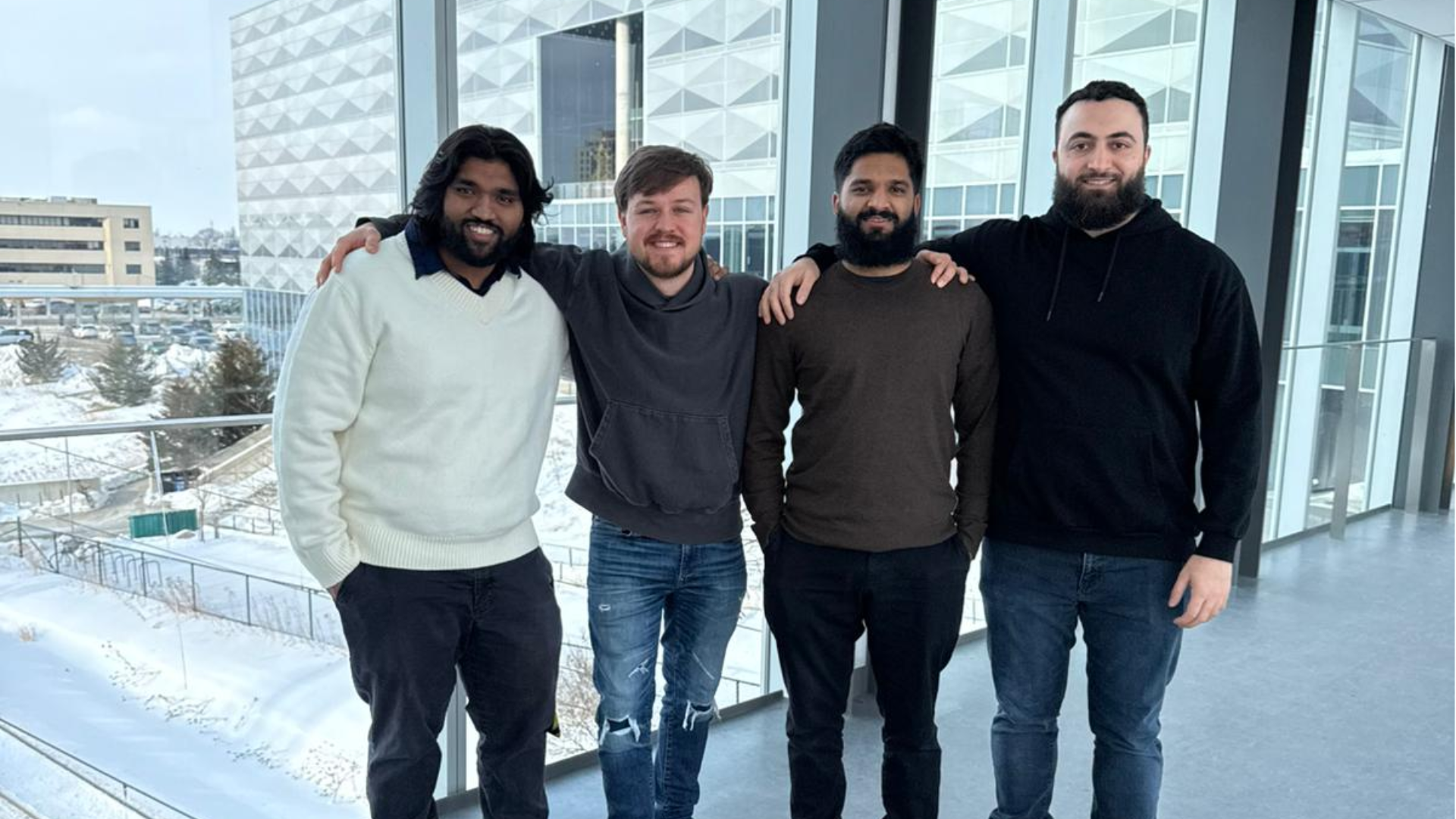
1. nFluora
Alexei Abiiaka, Abdullah Ahmad, Ammar Ahmed, Jarif Iftekhar
nFluora empowers produce farmers with early, accurate and actionable plant stress monitoring right in the field. Using safe, non-destructive light and advanced nanotechnology, our portable sensor system detects hidden stress signals in your crops days before visible symptoms appear. Find out what your plants need early enough to prevent yield loss and wasted resources.
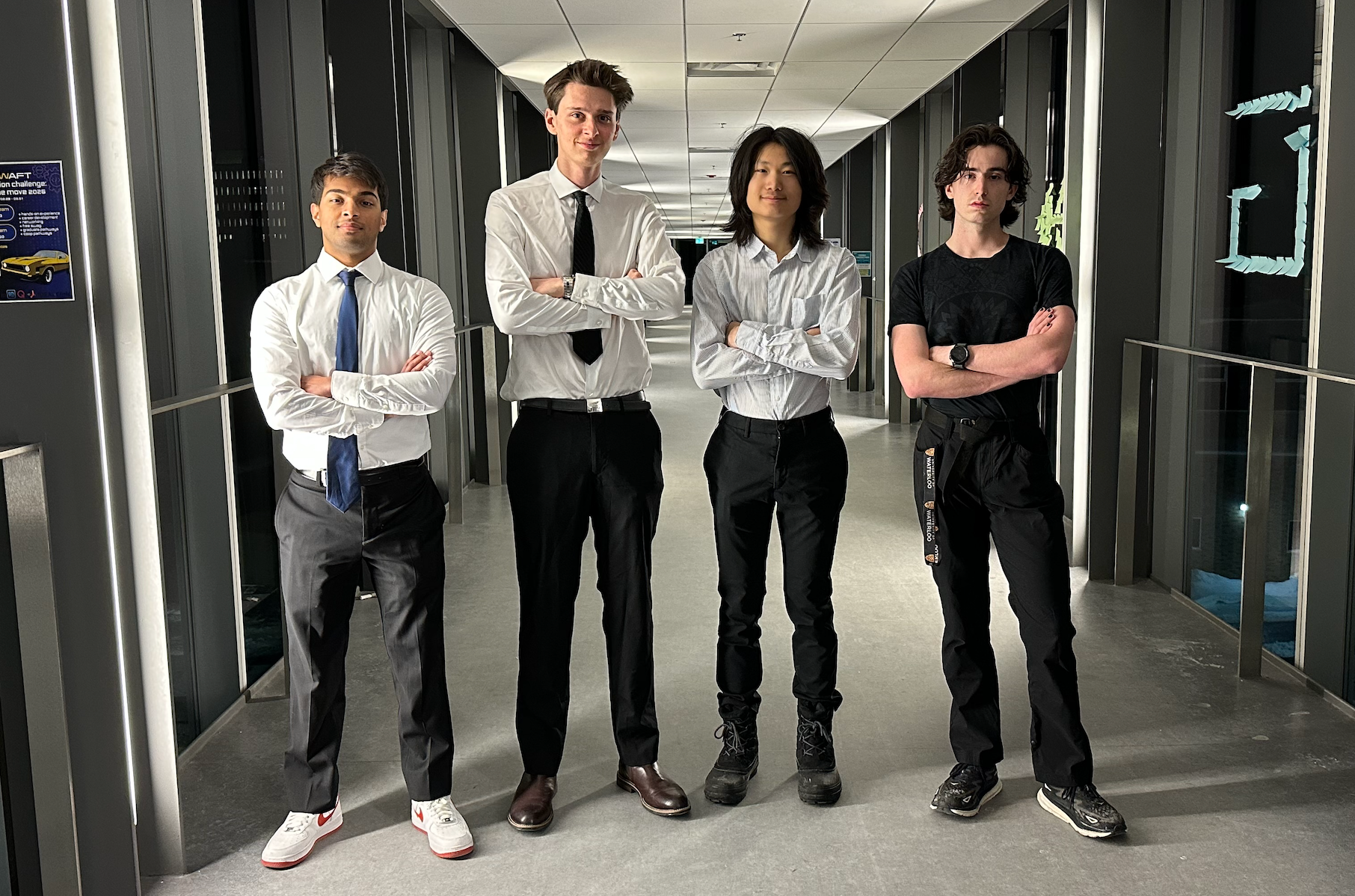
2. Olevius
Matthew Athanasopoulos, Levi Brunelle, Andrew Hansraj, Justin Mak
Hypertension affects over a billion people worldwide, yet current monitoring methods are inaccurate or uncomfortable. Olevius is a compact, non-invasive wrist device that continuously tracks blood pressure with near-clinical accuracy (±5 mmHg). It uses a fluid-filled PDMS pouch and optical-fiber joint to sense arterial pulses, with signal processing and machine learning mapping waveform features to systolic/diastolic values. Unlike cuffs or PTT sensors, Olevius is comfortable, automatic, and affordable, delivering reliable long-term data for better hypertension detection, management and clinical decision-making.
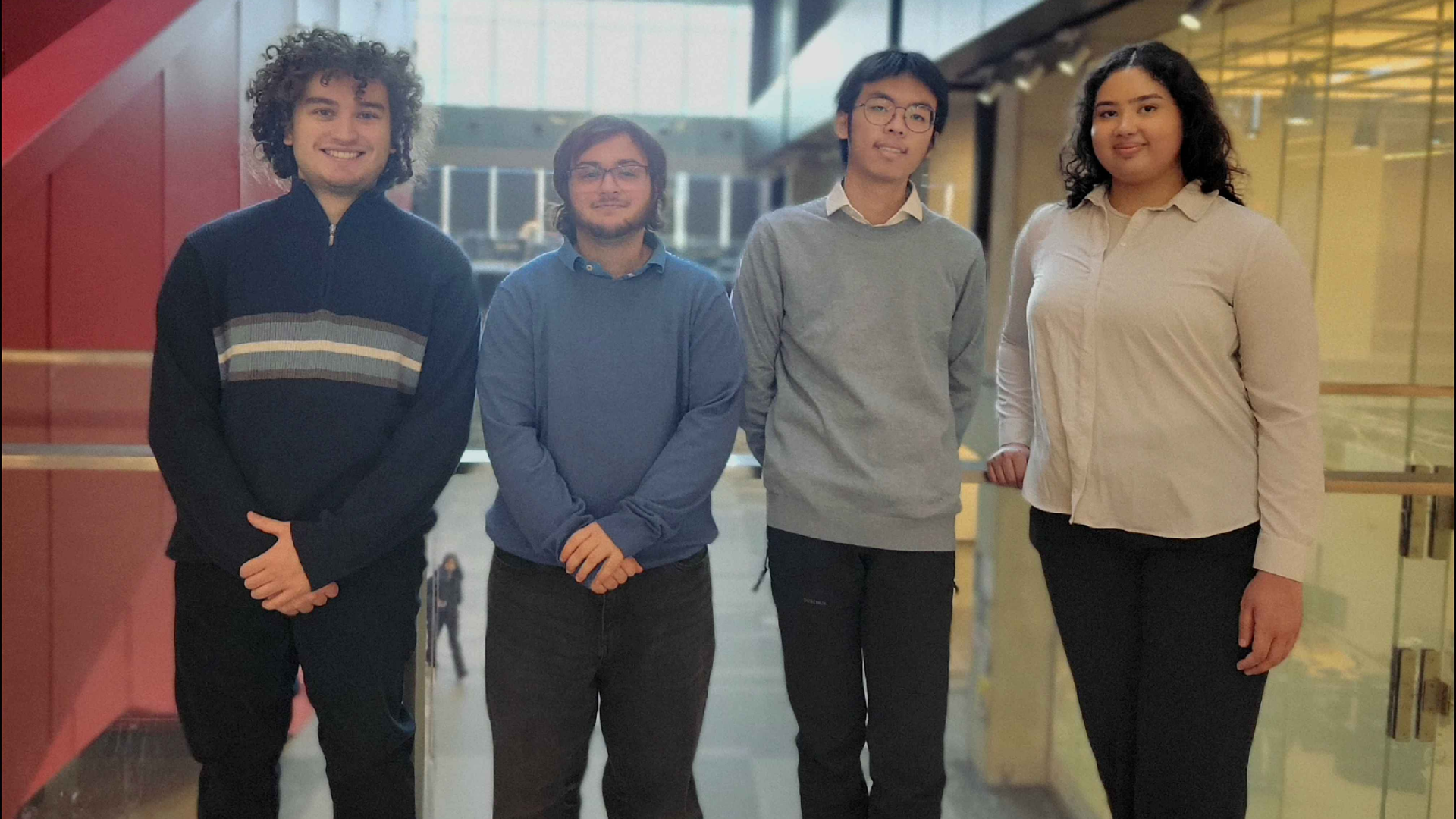
3. NOVA
Raymond Brown, Hudson Howlett, Sakeena Khan, Yang Su
NOVA is PPE engineered for wildland firefighters consisting of a shroud and a filter. The shroud is made from natural cotton, which makes it breathable and lightweight. Nano-coatings of a silicone network over the cotton make it fire-resistant and superhydrophobic. The filter is made from a PVA/CNF/BAC composite, better able to filter PM2.5s. The filter is stitched into a removable pouch that's coated with a chromotropic dye to indicate the filter's lifetime. NOVA is life-saving for wildland firefighters who would otherwise not wear PPE.
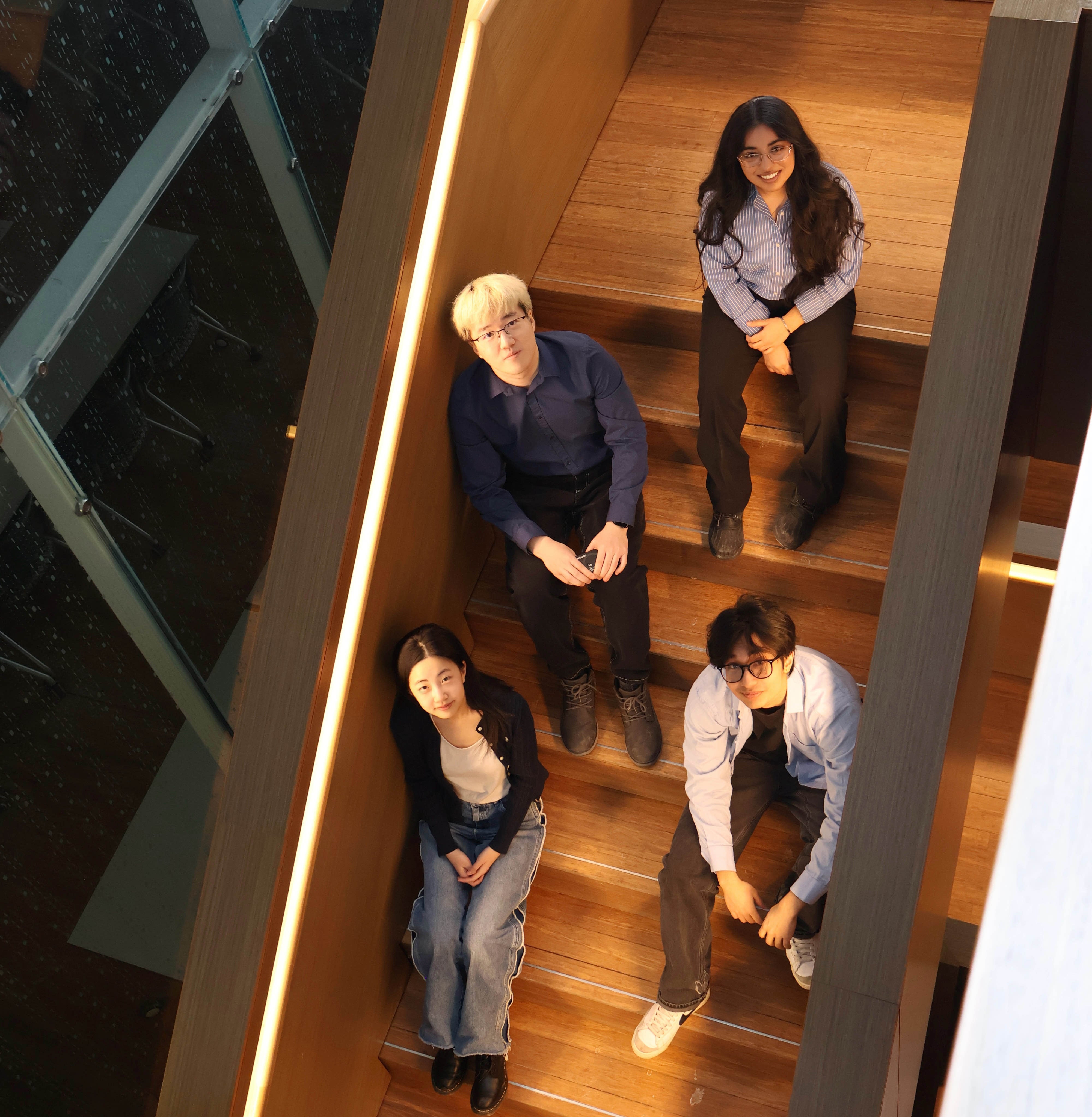
5. IISense (pronounced: 2Sense)
San Basnet, Ryan Ma, Divhleen Ruprai, Flora Wu
Chronic Kidney Disease (CKD) affects over 10% of the population worldwide, but current monitoring methods still involve invasive blood and urine testing, which delays diagnostics and treatment. Our innovative biosensor combines microneedles, microfluidics and electrochemical sensing using electrodes to monitor key CKD biomarkers, urea and glucose, from sweat and interstitial fluid (ISF), respectively. This wearable device lowers healthcare costs and time, increases patient accessibility, and facilitates early detection to transform CKD management for more proactive treatment and a more independent lifestyle.
6. KneeGen
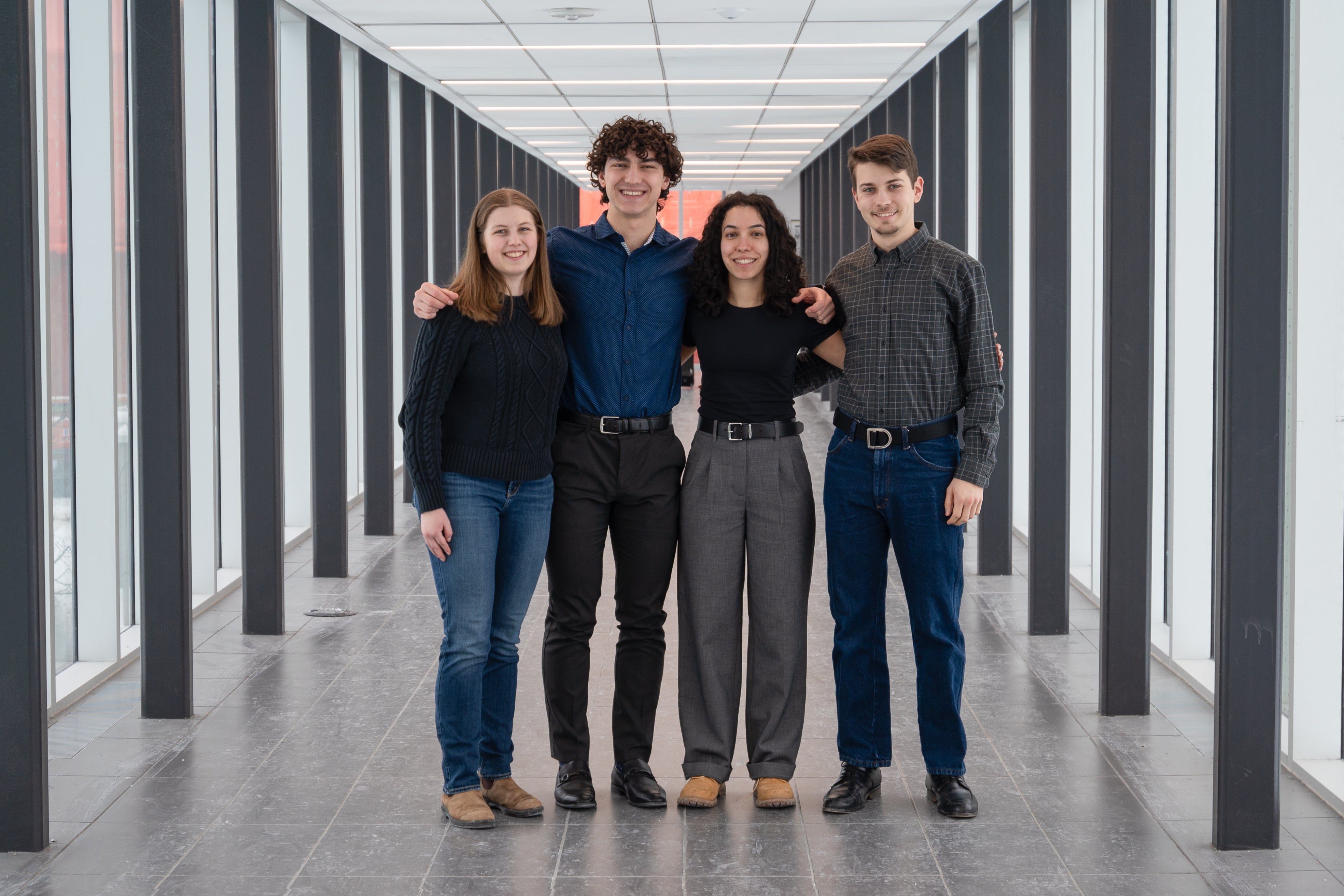
Ria Baijal, Kaitlyn Brushey, Mark Ositashvili, Luke Sinka
Existing meniscus replacements fail within a few years, leading to repeated surgeries, long healing times, more stress, and higher healthcare costs. KneeGen is a personalized meniscus implant composed of an inner load-bearing copolymer material containing iron oxide nanoparticles and an outer thermally insulating pouch material. Under an alternating magnetic field, the iron oxide nanoparticles heat the reversible crosslinks in the polymer network, inducing a repair process. Thus, KneeGen can be noninvasively repaired to extend the device's lifetime and conform to individual knee geometries.
7. VitEx
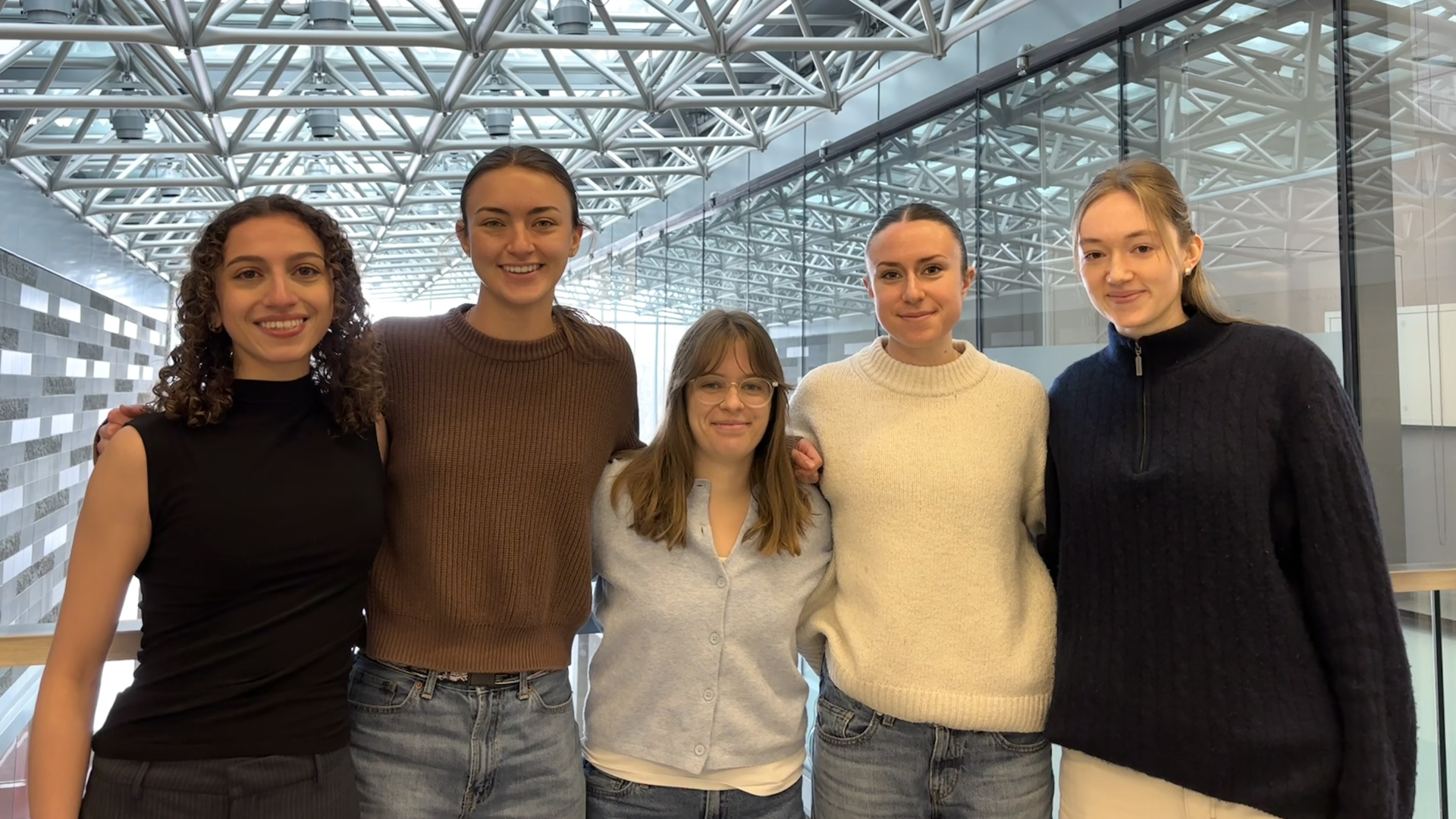
Gwyneth Armstrong, Erika Bechtel-Becker, Chloe Craig, Jana El-Zoghbi, Stephanie Skerrett
VitEx reimagines triage through a new approach in wearable nanotechnology. The wristband will be embedded with sensors to enable continuous monitoring of vital indicators, including heart rate and glucose levels. Data will be transmitted in real-time to hospital staff, enabling the rapid visualization of patient deterioration and the prioritization of care. This technology has the potential to facilitate a dynamic, data-driven triage process, cutting wait times, reducing adverse outcomes and redefining emergency care delivery on a national scale.
8. Photonic Humidity Sensor
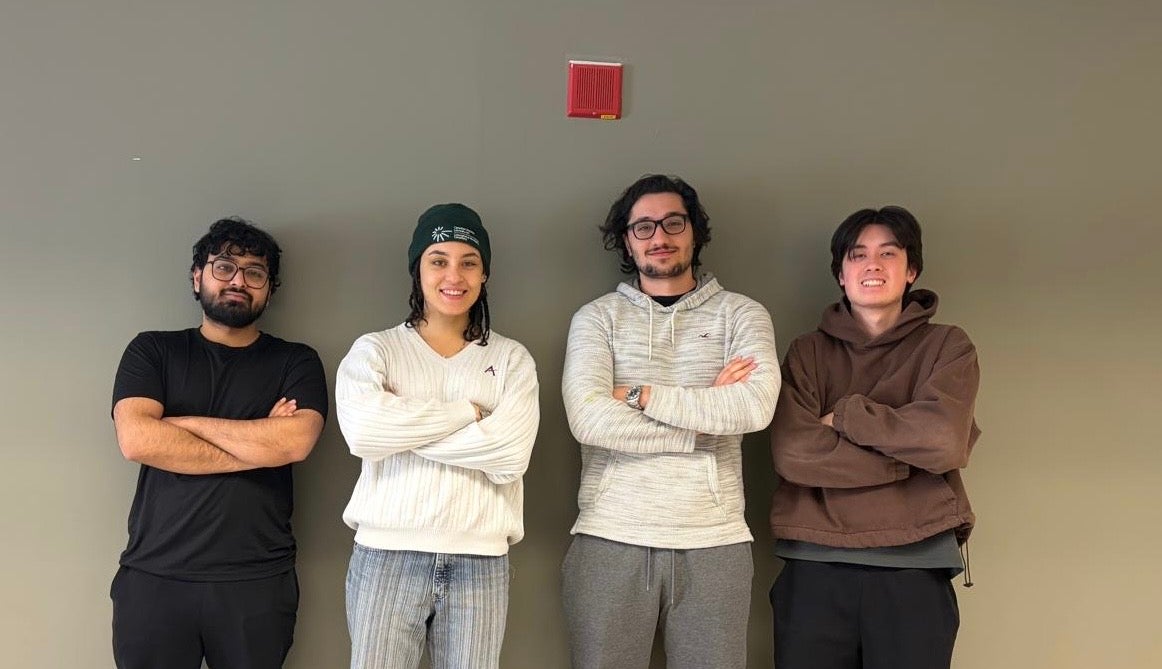
Brian Baldwin, Tayyab Jalal, Amir Kermani Afarani, Valentyna Pawlowska
To safeguard pharmaceutical stability, we developed a zero-energy photonic crystal sensor that visually monitors humidity within medical packaging. Addressing the critical risk of drug degradation when relative humidity (RH) exceeds 50%, our design uses magnetically self-assembled nanoparticles in a hydrogel. The sensor features a unique irreversible grease indicator that permanently marks the casing if the 50% RH threshold is breached, ensuring compromised products are easily identified.
9. LaterallyME
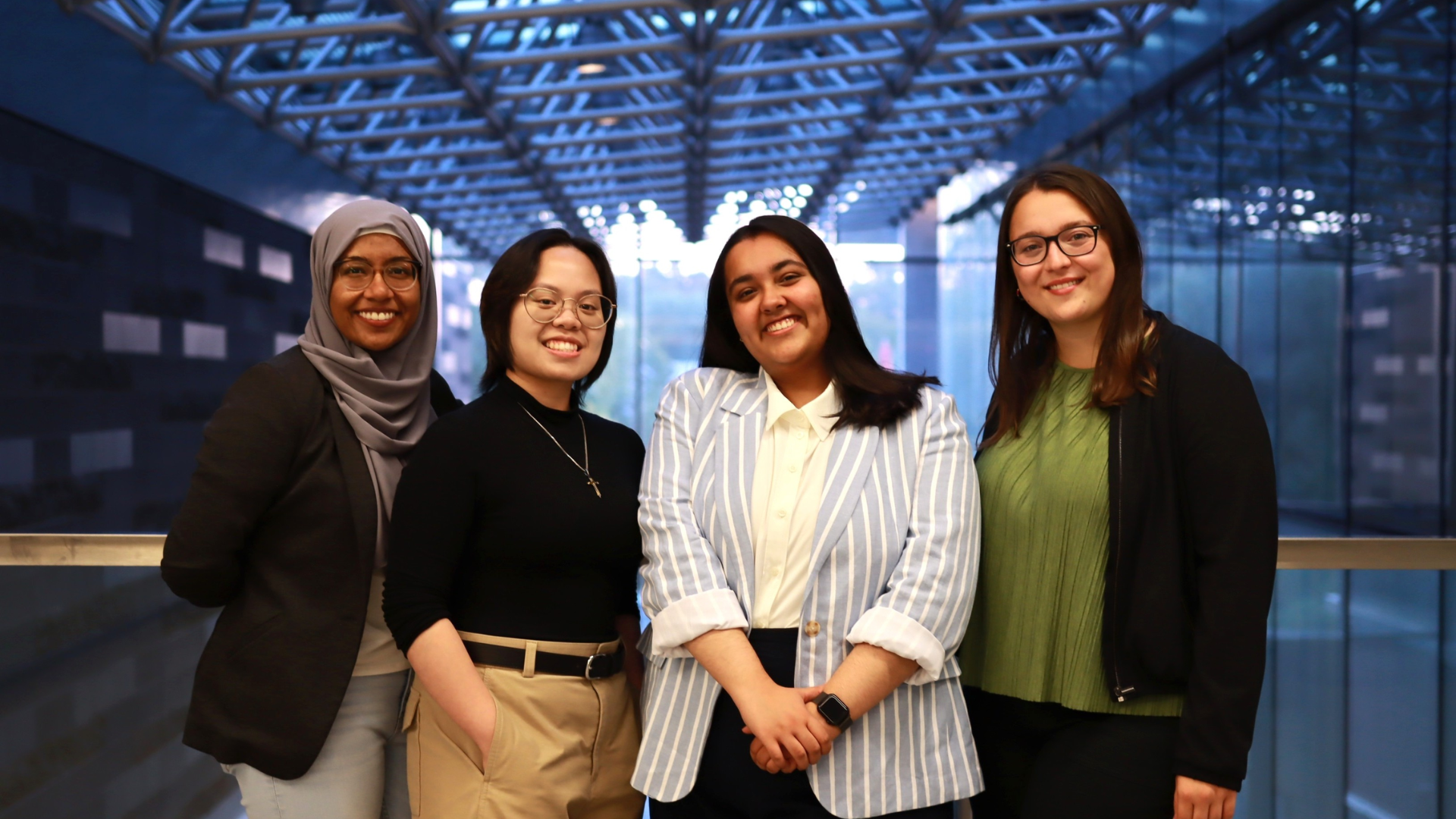
Arielle Grace-Leyson, Nuha Rahman, Alexa Oriecuia, Aamna Tahir
LaterallyME is a urine-based rapid test that provides visual results indicating if certain female reproductive hormones are within a normal, low or high range. It is a gold nanoparticle aptameric sensor intended to combat accessibility barriers for patients who need hormonal blood testing. This pre-screening tool allows individuals to easily and affordably measure their hormone levels at home. The user can upload an image of their results to our in-house software, which analyzes them and allows them to pre-screen for a variety of potential conditions.
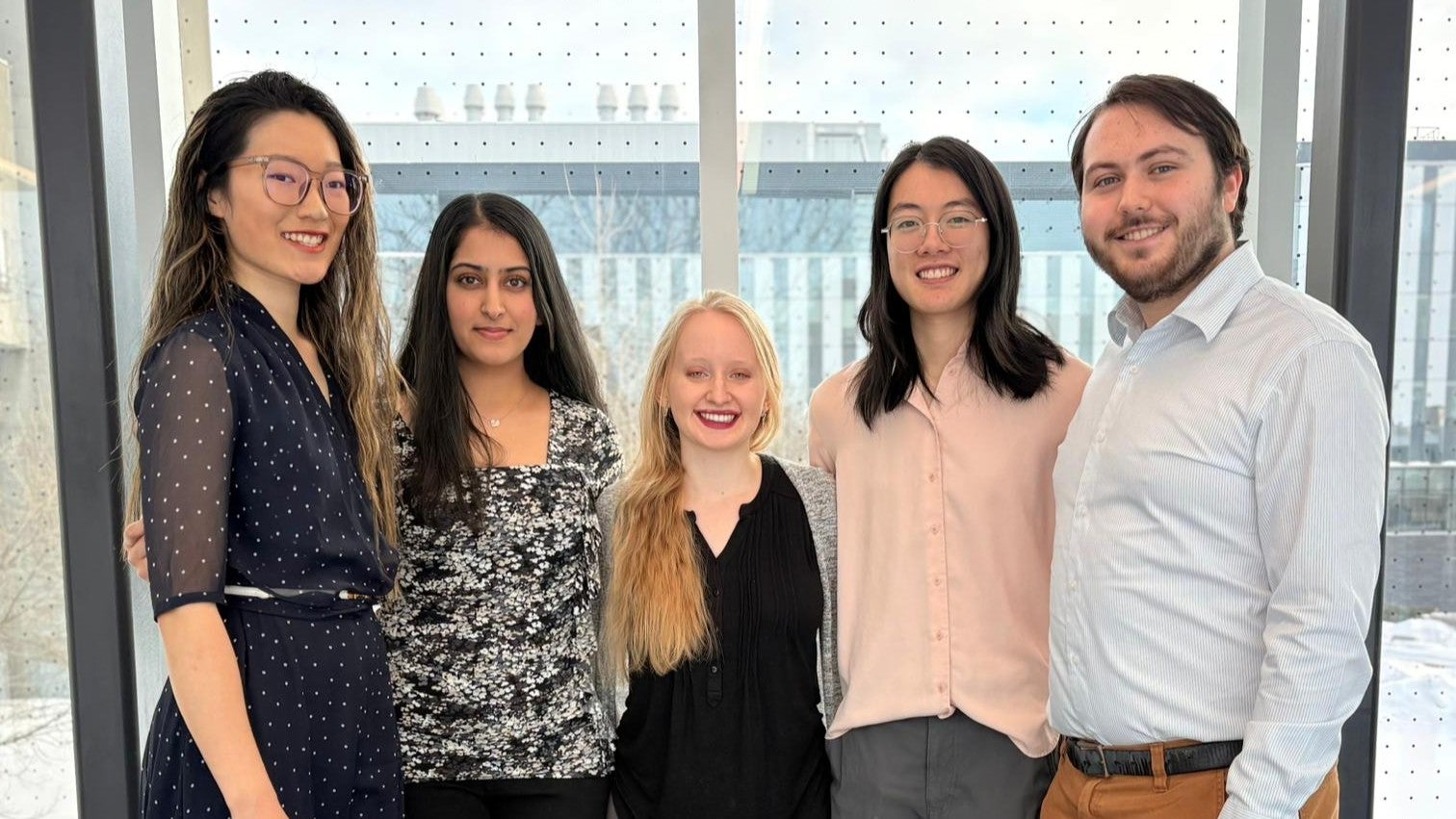
10. A Chewable Candy Formulation of a Carotenoid Supplement with Enhanced Bioavailability
Simardeep Dhanota, Amanda Hartwig, Natalie Leung, Oscar McCormack, Jessica Wan
Carotenoids are fat-soluble and thus suffer from low bioavailability in the body. We genetically engineered a protein to facilitate improved intestinal absorption. We then formulated a gummy supplement containing the selected carotenoid, which is more bioavailable than supplements currently on the market for eye health.
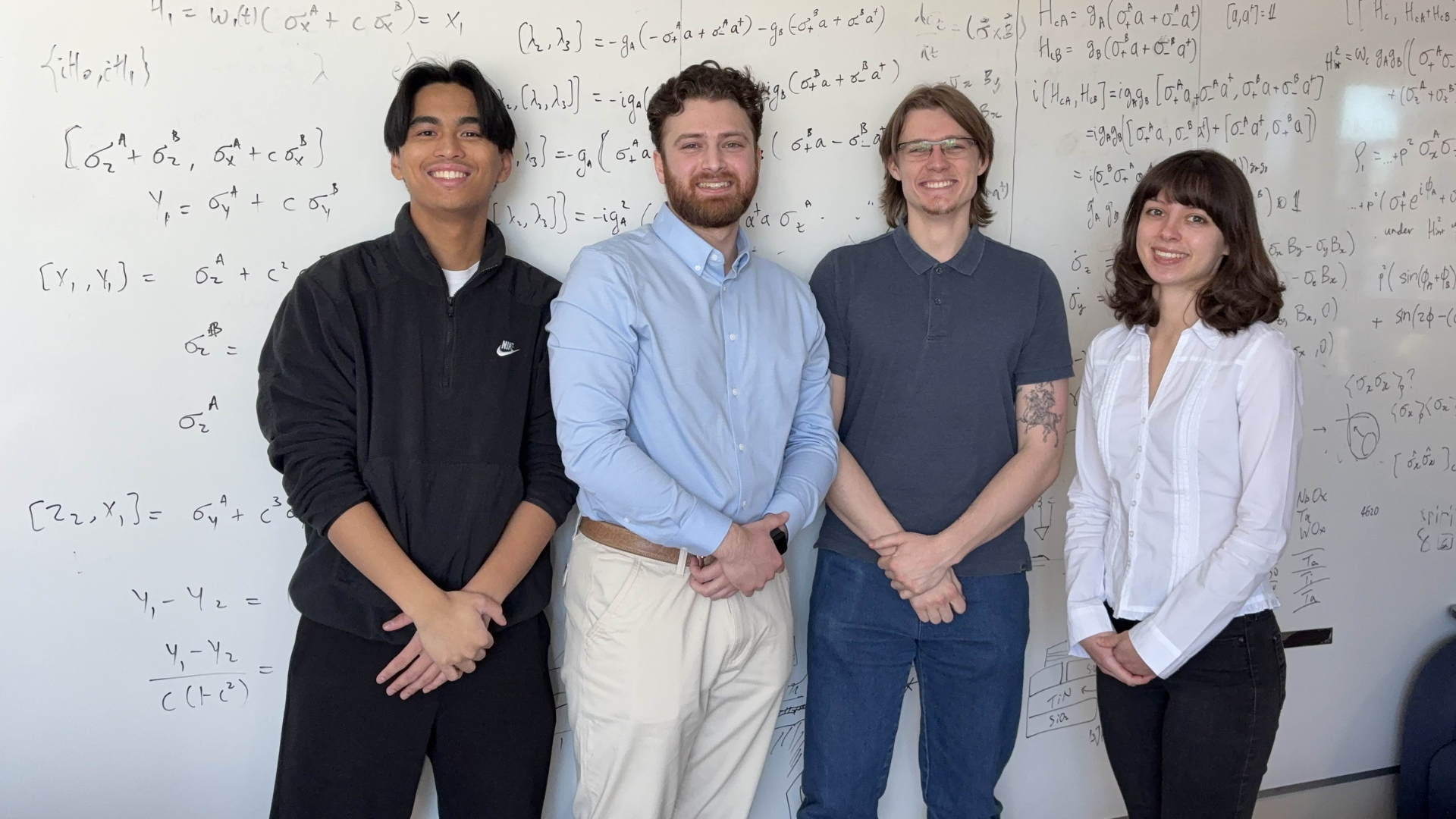
11. MAGNADIAN
Shayan Aziz, Ty Davis, Rian Esguerra, Lauren Kauth
An analytical benchtop diagnostic tool and framework for applications ranging from monitoring industrial processes to environmental contamination. Although sample characterization options exist, their accessibility is consistently hindered by their cost, complexity, and training time. With a magnet, TMR sensor, and magnetic nanoparticles, our product will measure the concentration of a target molecule from the shift in magnetic response after selectively binding to the nanoparticles. As a proof of concept, microplastic concentration in the purification process of H2O2 is monitored as a proxy for filter health.
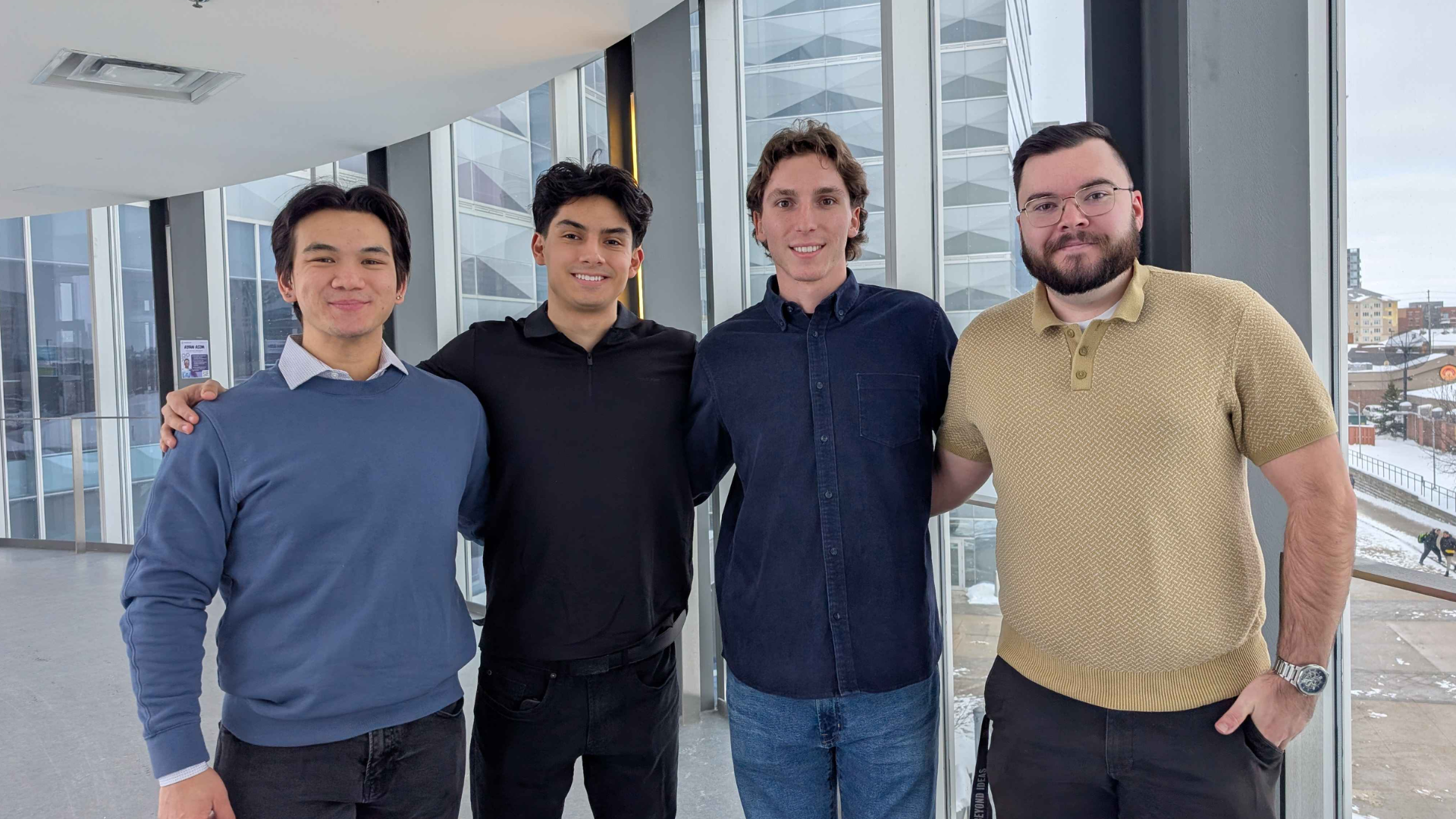
12. GlycoTech
Matthias Bernhard, Diego Roti, Marcus Tunkl, Jonathan Zambrano
This project presents a compact, field-deployable electrochemical sensor for the rapid detection of ethylene glycol in water. The system integrates reagent dosing, controlled electrolyte mixing, and gold-modified electrodes to enable sensitive, repeatable measurements without requiring laboratory infrastructure. Designed for portability, safety, and low power consumption, the sensor provides reliable on-site analysis for environmental monitoring and contamination screening, offering a practical alternative to conventional lab-based ethylene glycol detection methods.
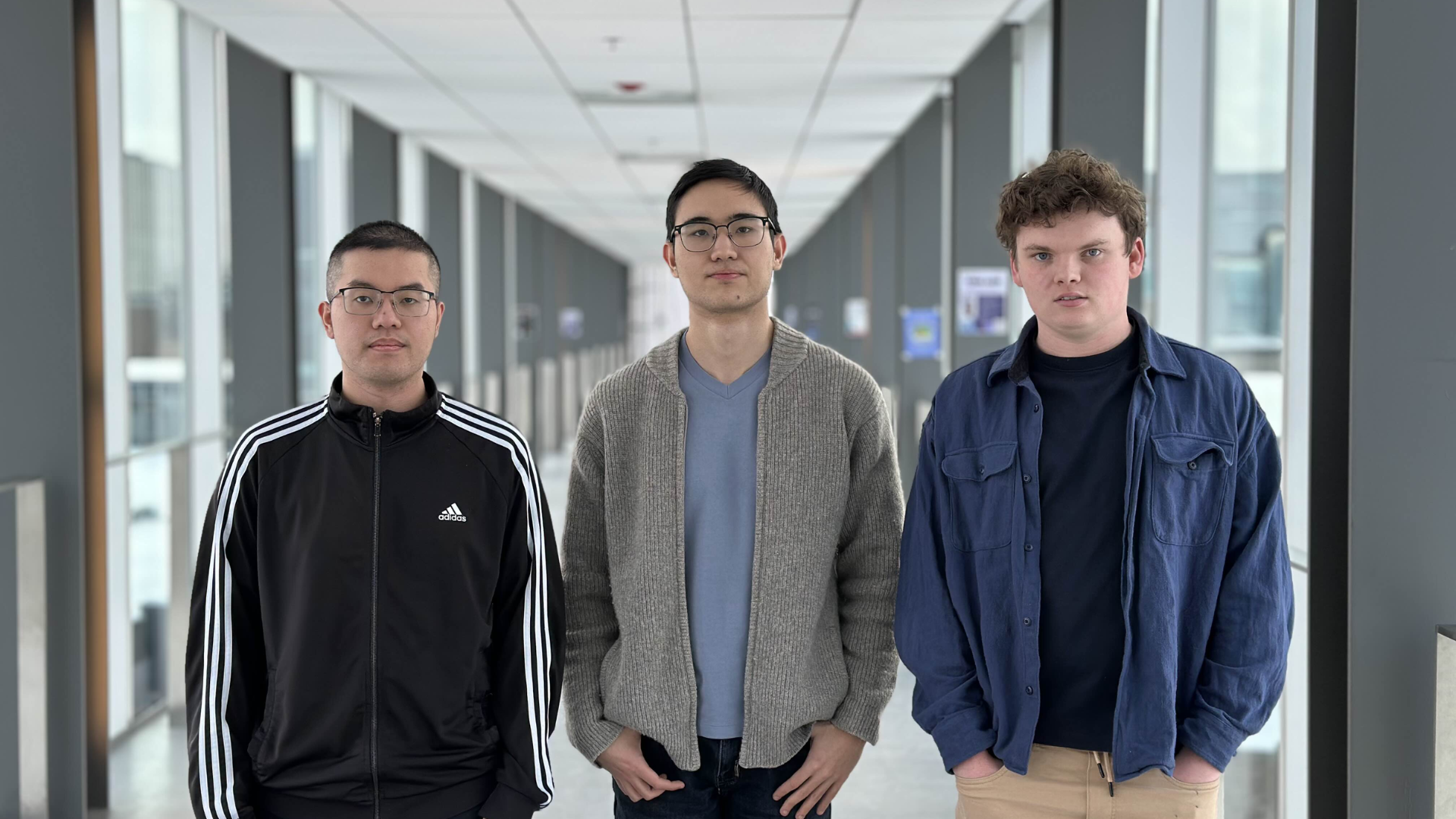
13. Advanced Dental Composites
Lewis Crighton, Danny Dinh, Alikhan Seisembekov
The project goal is to develop a self-healing dental resin composite that extends the lifespan of tooth cavity restorations by mitigating fracture and crack propagation, a major limitation of conventional composites caused by mechanical stress and thermal cycling. The proposed design incorporates microcapsules containing a healing agent uniformly within a BisGMA/TEGDMA resin matrix. When micro-cracks form under forces generated by jaw muscles during chewing or thermal stress, the capsules rupture, releasing the healing agent into the crack which then polymerizes and restores structural integrity.
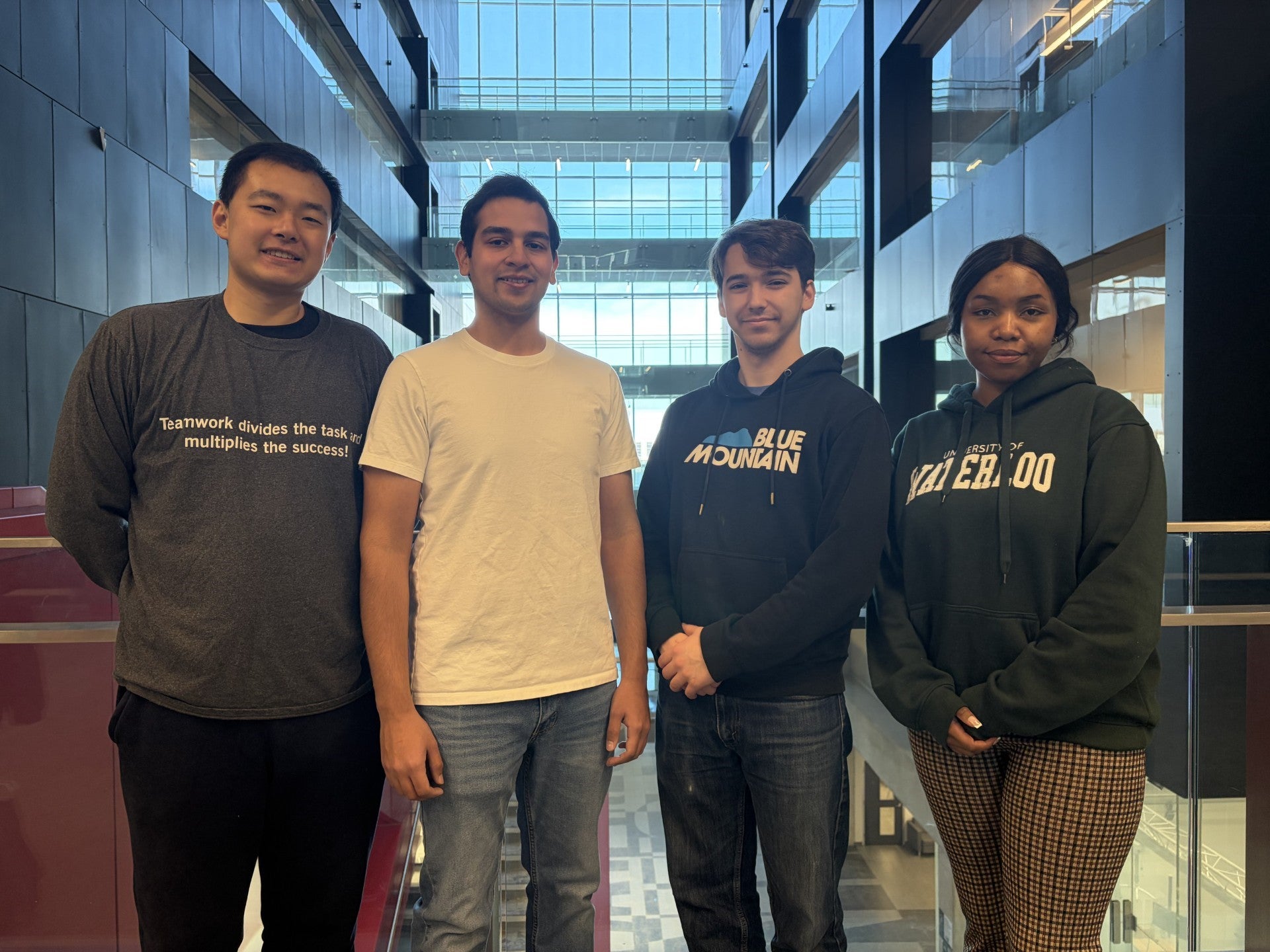
14. NIR to Visible Light Upconversion Lens System
Jamal Ramjohn, Eunice Gichuhi, Shawn Zhou, Payton Diebolt
Human vision alone cannot detect near-infrared (NIR) light, limiting access to information beyond the visible spectrum. This project presents a lightweight, wearable lens system utilizing upconversion nanoparticles embedded in a polymer lens to convert invisible NIR light to visible light. Operating without batteries, this design integrates a multi-lens system to preserve spatial detail. The use of lightweight materials and passive operation enables covert signaling with only the addition of an NIR light source.
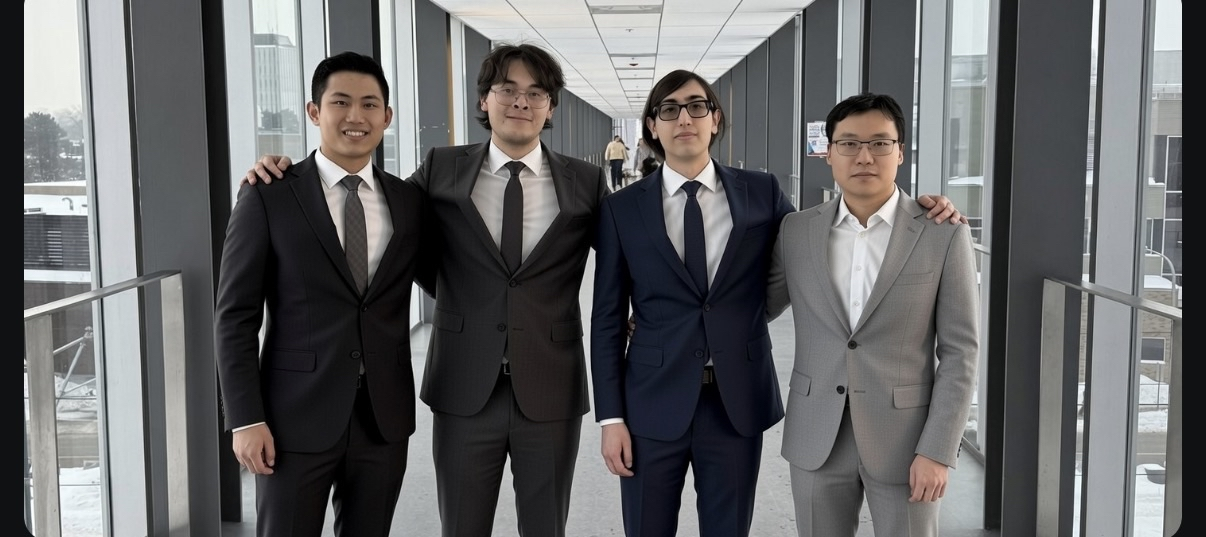
15. Gel-ectric Drive
Nora Campoli, Ethan Chan, Hudson Ly, Jonathan Tuling
This project proposes a low-cost, safer sodium-ion coin cell battery designed for electric scooters. It tackles the high cost, safety risks, and limited supply linked to lithium batteries. The design uses abundant sodium, hard carbon made from glucose, and a gel polymer electrolyte that is quasi-solid and leak-resistant. This approach improves safety and durability, reduces materials cost, and still delivers strong performance, long life, and fast power output for everyday urban travel.
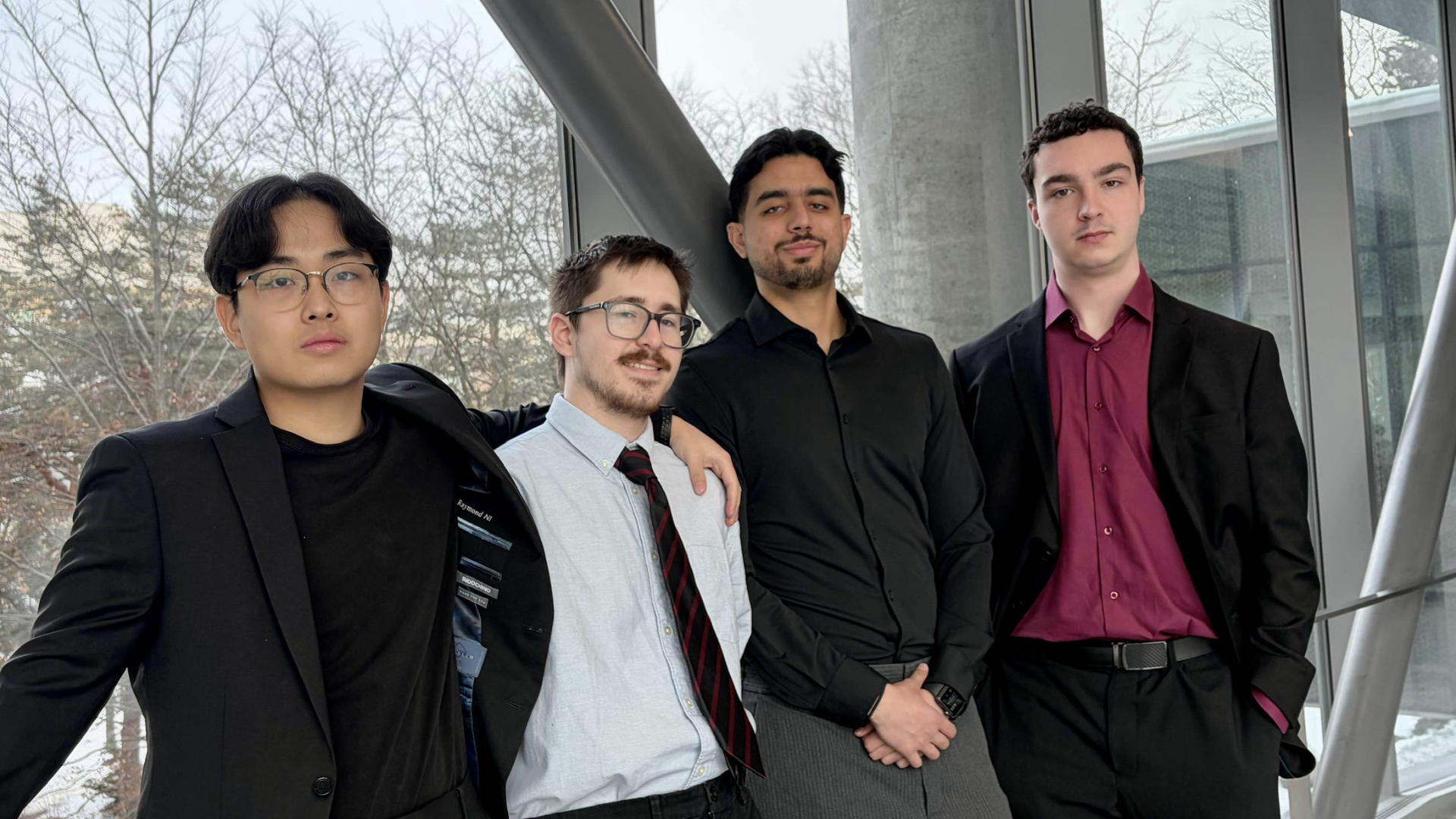
16. TrypSens
John Paul Litschko, Daniel Mikoluk, Raymond Ni, Ali Soliman
Pancreatitis is a major disease, causing over 122,000 deaths annually. Our project aims to create a biosensor capable of determining how prone people are to pancreatitis by using biomarkers. The sensor uses liquid crystals as the detection basis rather than antibody-antigen sensors, as they offer a much higher detection rate. Our sensor encases a specific chemical in a gel, which, when released, alters the alignment of the liquid crystals and can then be correlated with the amount of biomarker in the blood.
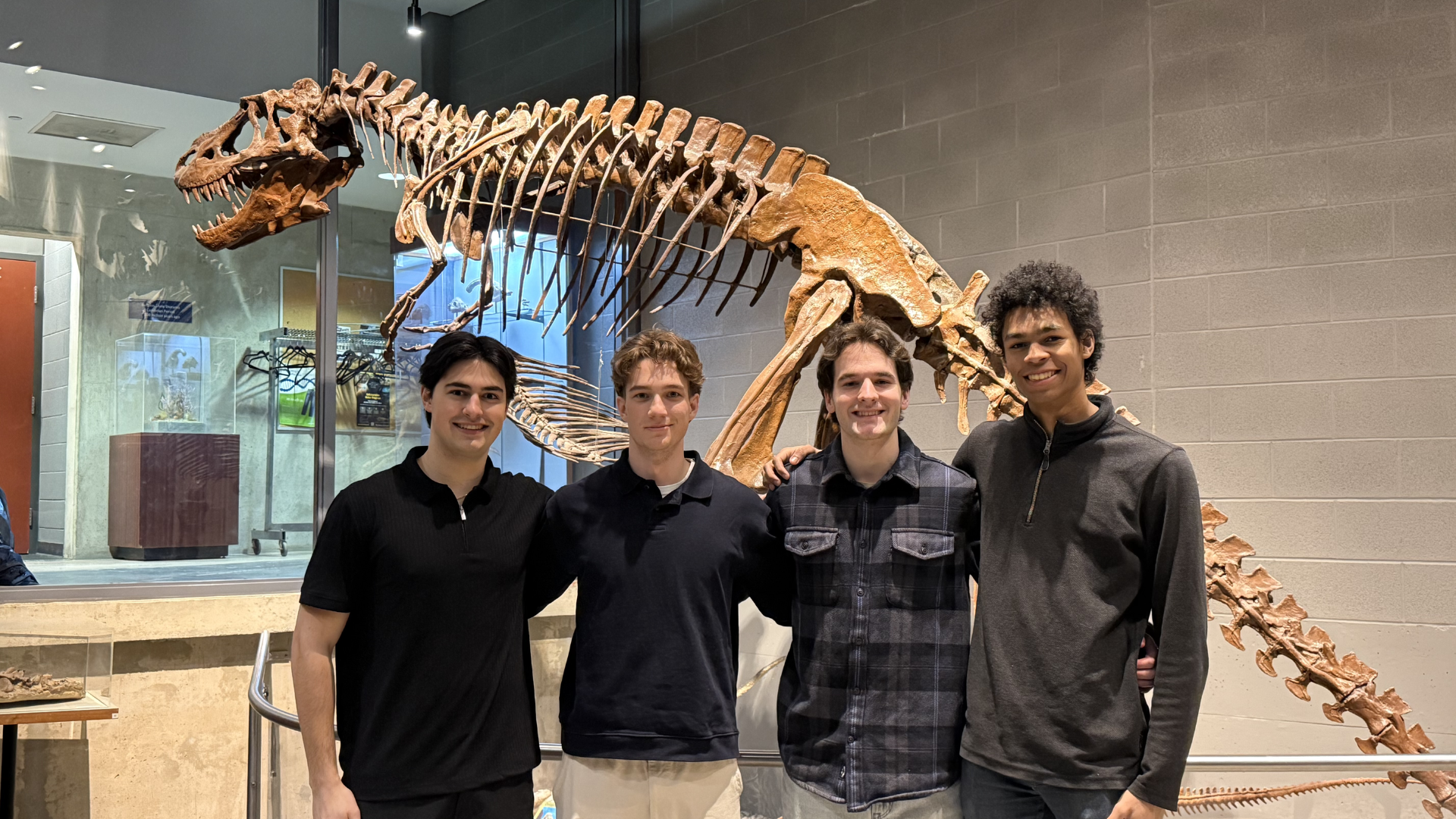
17. Biohybrid Microbots for Localized Hyperthermic Treatment
Christopher Fortini, Linux Heller, Charlie Kluczkowski, Ben Labonte
Our project investigates biohybrid microrobots as carriers for therapeutic localization. We employ light-responsive, naturally motile, non-pathogenic microalgae as carriers of nanoparticles. With programmable light patterns, the algae can be guided through maze-like paths to simulate navigation within the body. By attaching iron oxide nanoparticles, we demonstrate both the cargo-carrying ability and the therapeutic potential of magnetically actuated hyperthermic treatment.
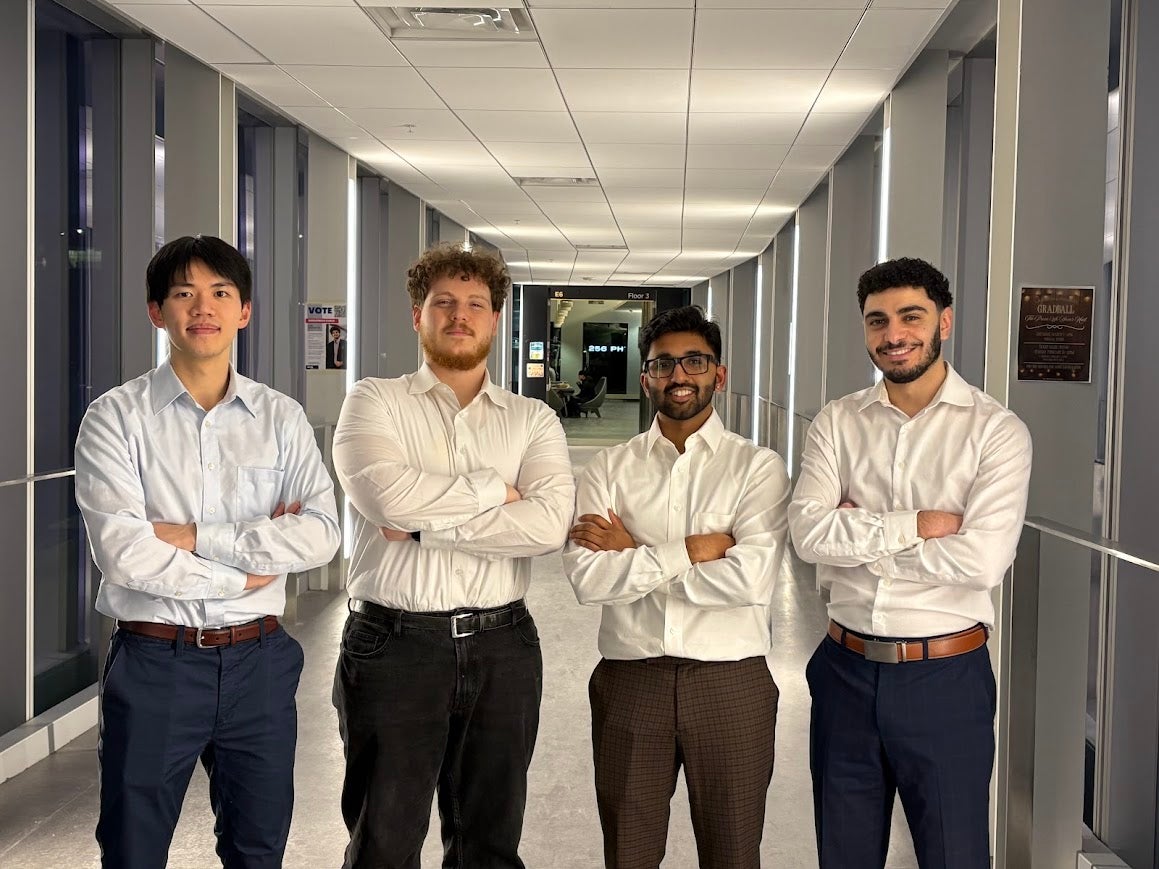
18. Nano-Enhanced Smart Agriculture (NESA)
Antoine Anis, Arthur Liou, Hadi Naeisseh, Shreyas Ramachandran
Farmers often detect plant stress only after visible damage, wasting resources and reducing crop yield. NESA, a thin and flexible sensor patch, sits directly on a leaf and measures stress-related chemical signals before physical symptoms appear. Using a low-power custom-printed circuit board, these signals are converted into a stress score, then transmitted wirelessly with an antenna to a nearby receiver. Lightweight, portable, and non-invasive, the system enables real-time monitoring in greenhouses or fields, supporting immediate, targeted interventions that lead to more sustainable crop management.
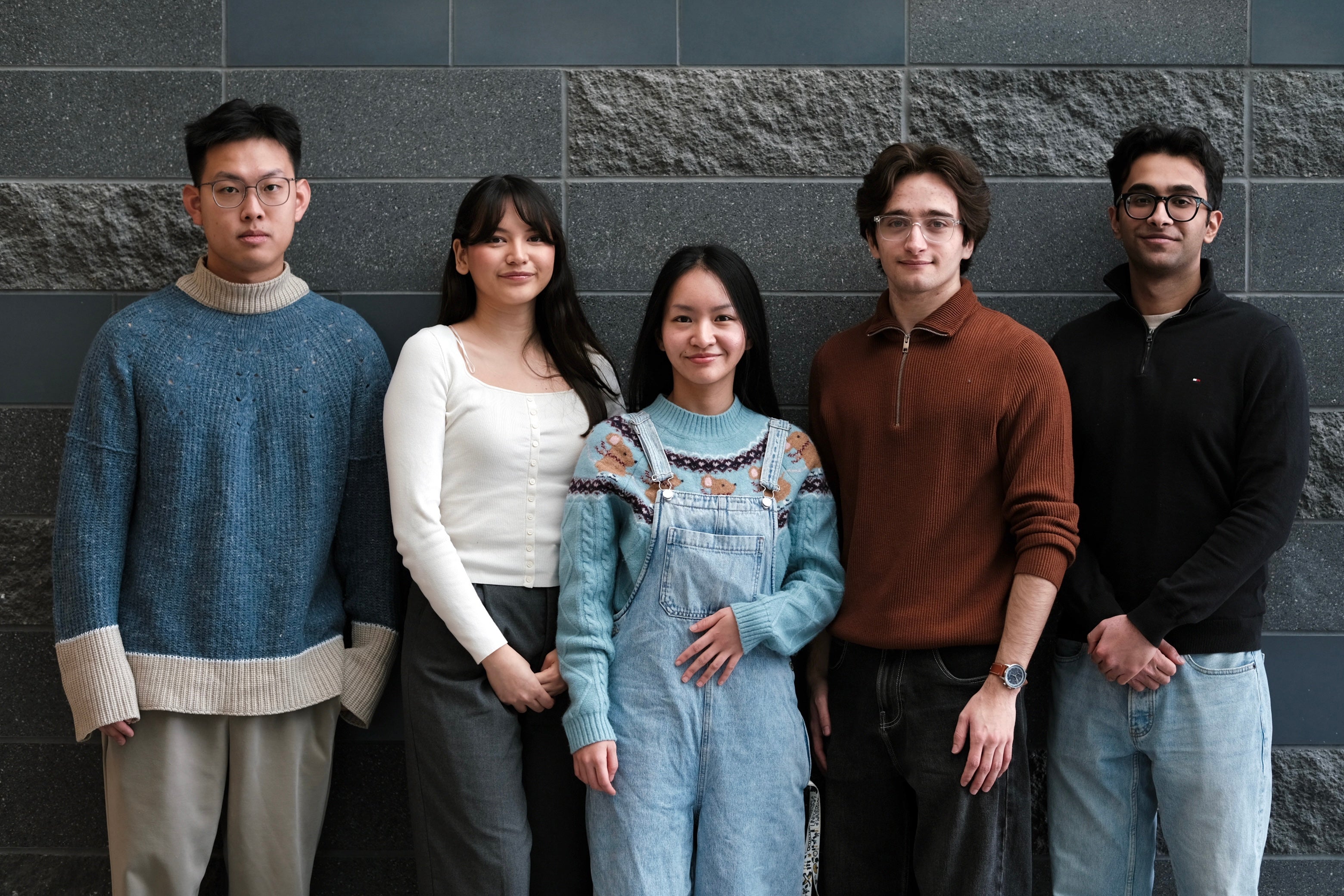
19. Carbon Cardio
Matthew Schoenhofer, Pranav Panday, Anh Mai, Ketian Yang, Gaty Kazimi
Current electrocardiogram (ECG) technologies utilize silver chloride (AgCl) electrodes with wet adhesives and face challenges in long-term wearability, including skin irritation and daily replacement due to drying. Our project aims to develop a wearable ECG sensor that overcomes these limitations by integrating carbon nanotubes (CNT) into a polymer (PDMS) to create a long-lasting composite dry electrode. A custom-designed printed circuit board (PCB) coupled with software processing enables reliable signal acquisition and displays ECG signals, ensuring biocompatibility, high signal quality, prolonged usability and comfort.
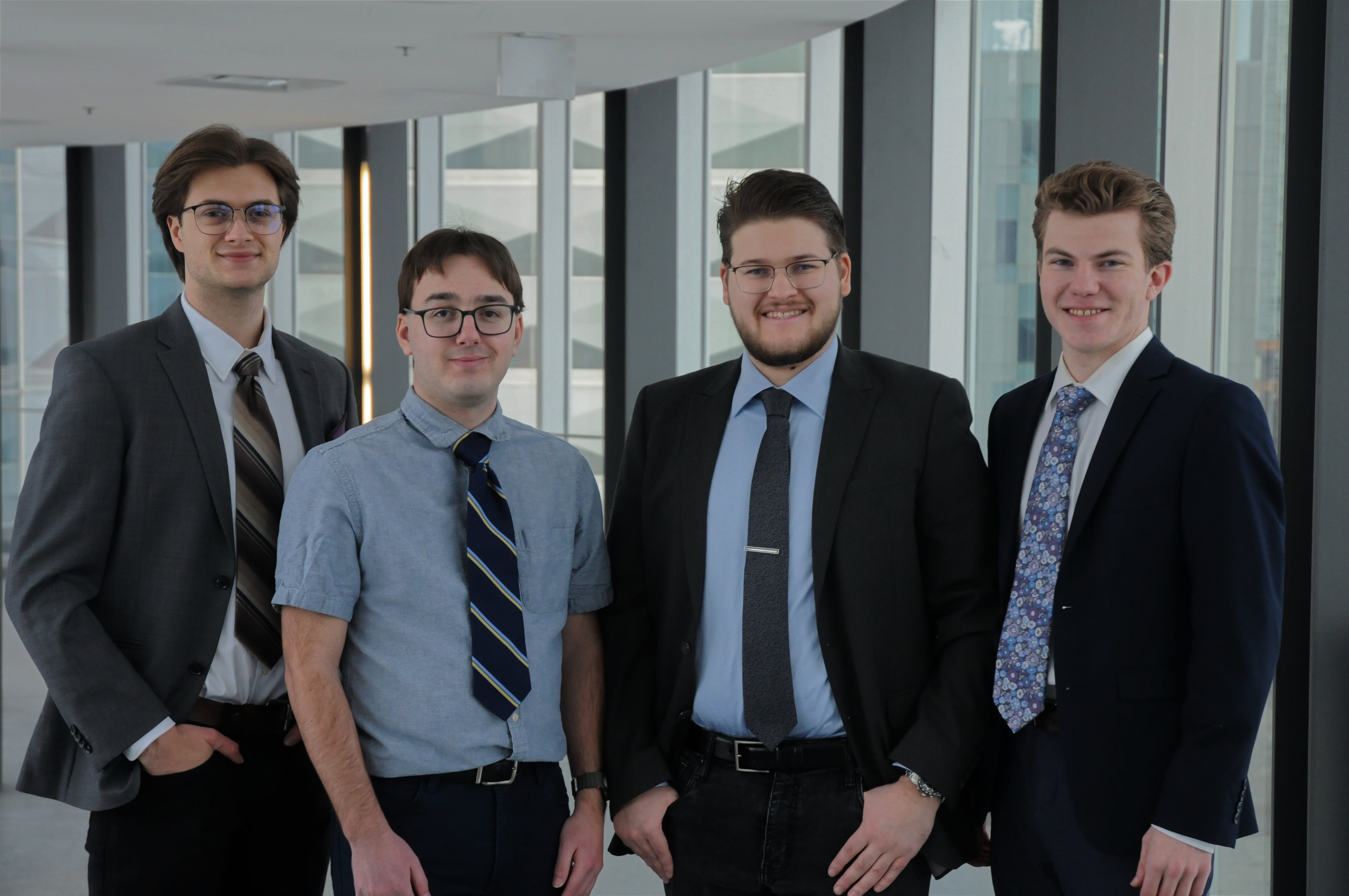
20. SunDOG
Ryan Becze, Alexandre Dufresne-Nappert, Nathan Frey, Ryan Miller
SunDOG (Solar Downconversion for Optimized Generation) is a luminescent downconversion and anti-reflective film that can be applied to rooftop solar panels. Our film is composed of a transparent polymer embedded with red-emitting quantum dots and is textured, creating a refractive-index gradient. By shifting high-energy photons that are not efficiently converted into electrons to lower-energy light, as well as reducing the panel's reflectance, we can increase the overall performance of existing solar cells.
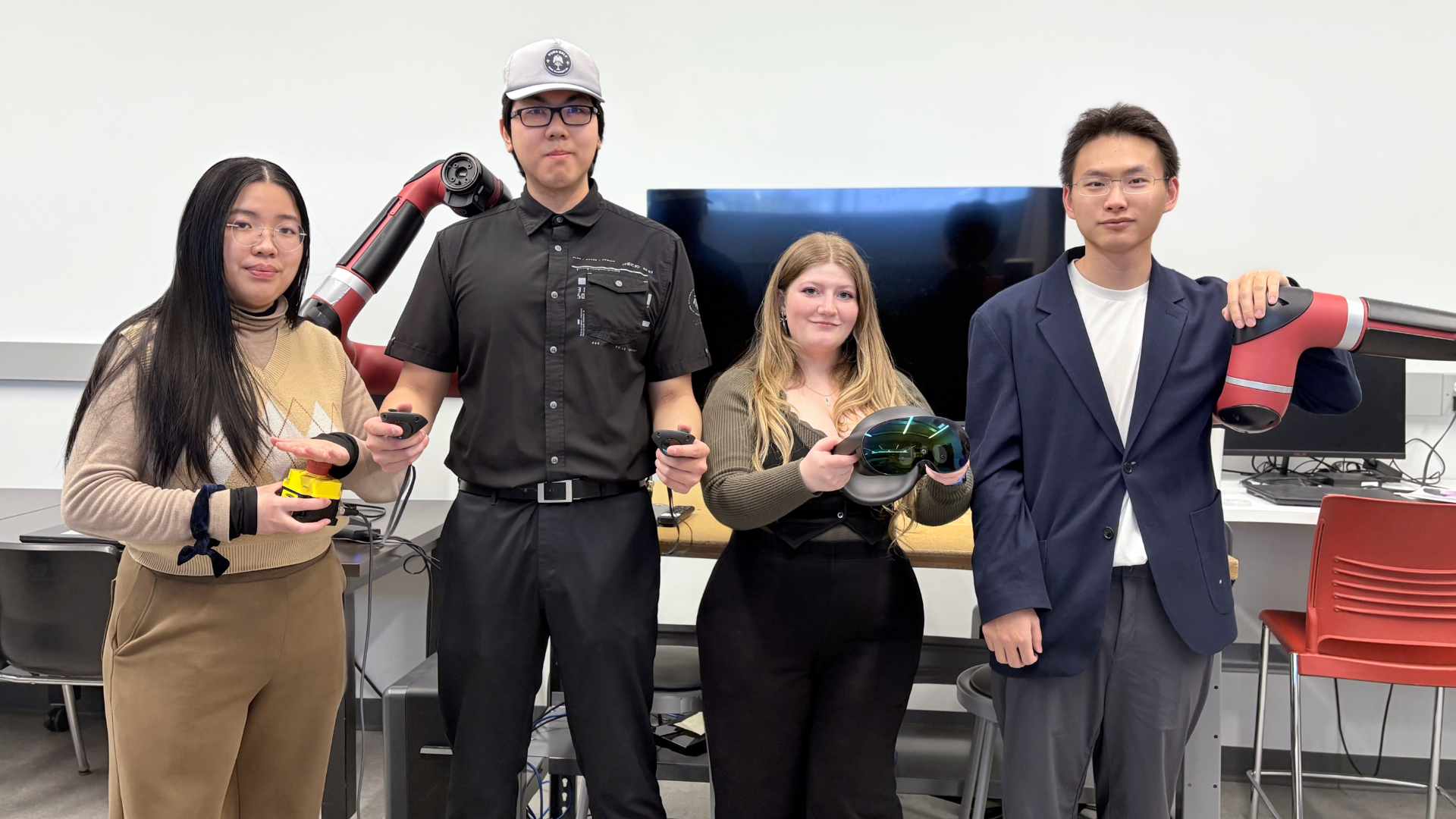
21. Dielectric Elastomer Actuators for Tactile Feedback
Daniel Chen, Gigi Sae-zheng, Aladara State-Ezust, Andy Yan
Robotic learning uses teleoperation, where humans remotely guide robots through complex tasks. However, current systems lack the fingertip sensitivity needed for precise control. We address this gap with a soft haptic module powered by dielectric elastomer actuators (DEAs). Using a rolled architecture of silicone and carbon nanotube electrodes, the actuator behaves like an "artificial muscle", converting electrical signals into controlled linear motion that applies localized force at the fingertip. This project demonstrates how compact DEAs can enhance remote robot control and immersive virtual reality interaction.
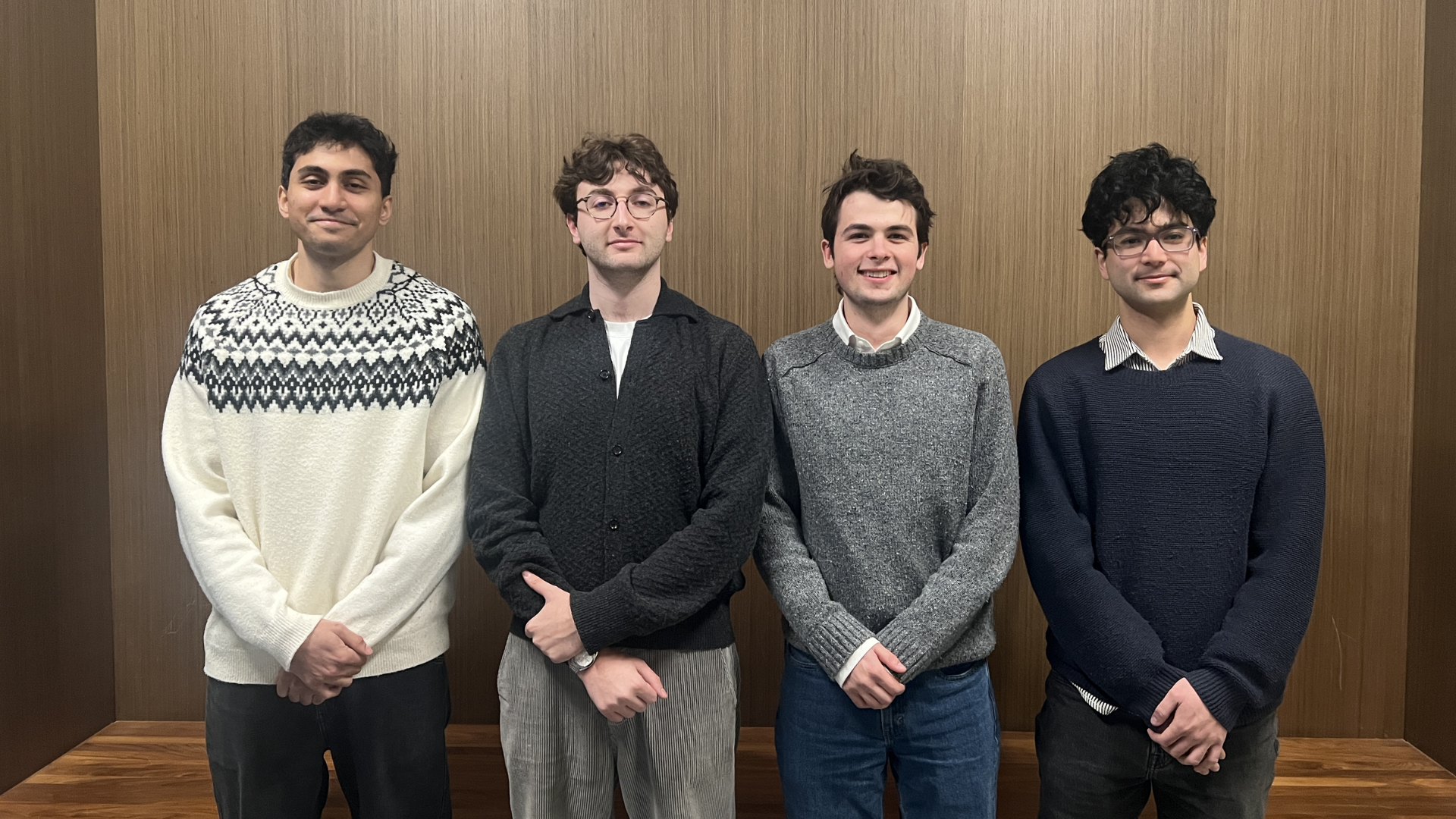
22. Detecting Mutations in Genes: A Microfluidic Lab-on-a-Chip Solution
Gabriel Ghrayeb, Declan Gunning, Cyrus Hatami, Alek Kechichian
DNA mutation detection is a time-consuming, lab-scale process. Our project introduces a benchtop microfluidic device designed to rapidly detect DNA mutations with high precision. The sample is fed along a microchannel with integrated controlled heating and cooling zones to perform tandem Heteroduplex Analysis (HA) and Single-Strand Conformation Polymorphism (SSCP). These processes feed directly into an automated gel electrophoresis and camera detection module. This design minimizes manual handling, reduces analysis time, and provides an efficient, cost‑effective, and portable platform for genetic screening and biomedical diagnostics.
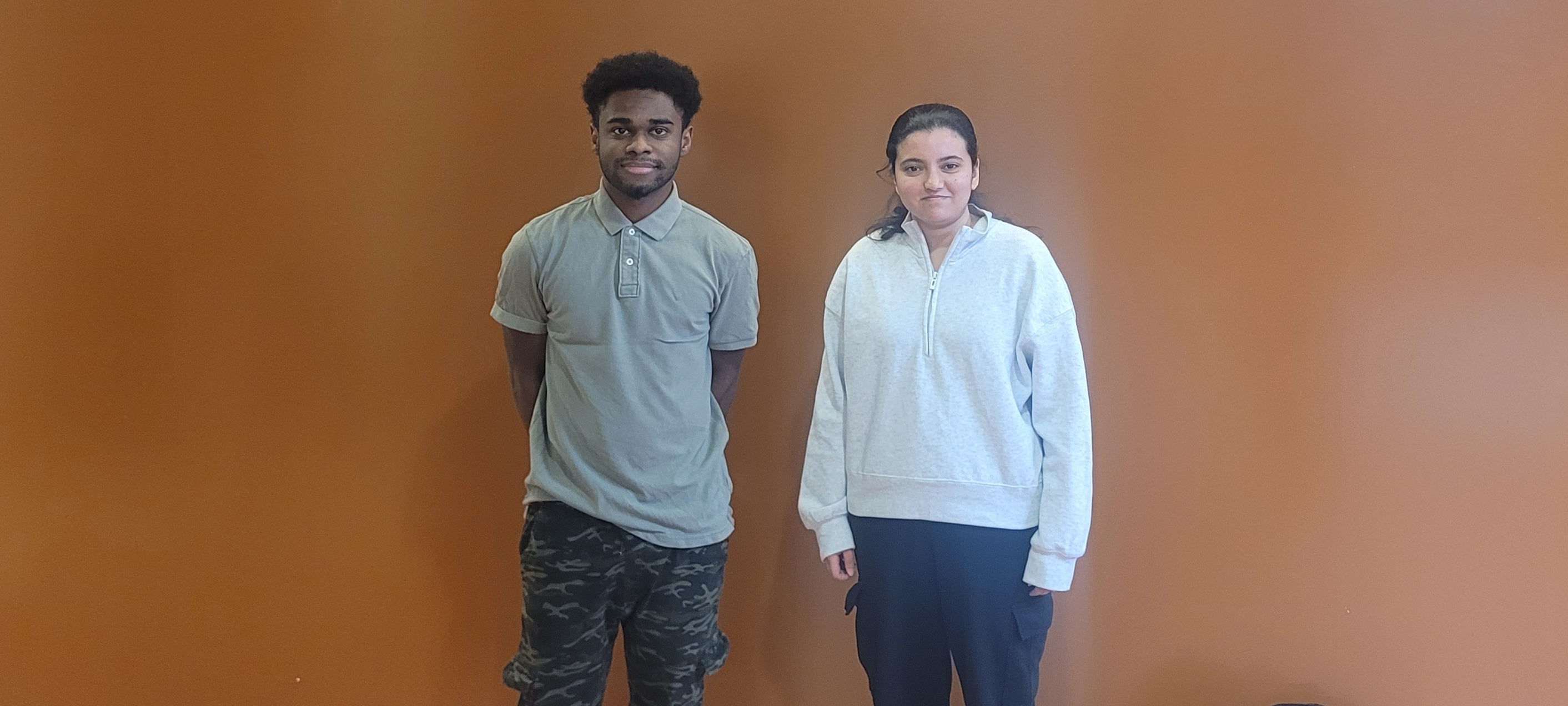
23. Cement Plant: Nano-Modifying Concrete to Build a Sustainable Society
Christian Parris, Maryam Khalid Piracha
Concrete is the most-used building material in the world as it is cheap, made of common materials and simple to produce and deploy. However, it's degradation due to cyclic loading and environmental conditions leads to frequent maintenance and replacement, causing increased costs, disruptions in operations, and inconveniences for the public. Additionally, cement manufacturing and deployment has a large carbon footprint. This project aims to employ cellulose and graphene as nano-additives to improve the lifetime and sustainability of concrete infrastructure and provide a method for crack detection in cement constructs using their mechanical, thermal, chemical and electrical properties.
THANK YOU
DESIGN PROJECT CONSULTANTS
Ahmad Ghavami
Yue Hu
Vassili Karanassios
Juewen Liu
Guo-Xing Miao
Patricia Nieva
Michael Pope
Elisabeth Prince
John Saad
Sebastian Schulz
Hamed Shahsavan
Siva Sivoththaman
Leonardo Simon
Michael Tam
Shirley Tang
Valerie Ward
COURSE INSTRUCTORS
Hany Aziz
Zbig Wasilewski
STUDENT TEAM SPONSORS/PARTNERS
Baylis Medical
Engineer of Future Fund
1517 Fund
SFF OEC Innovative Design Award
Yuen Family Foundation Awards for Healthy Aging
SUPPORT STAFF
Jenn Coggan
Wendy Gauthier
Ahmad Ghavami
Nicola (Niki) Kelly
John Saad
Bahareh Sadeghimakki
Howard Siu
Yael Zilberman-Simakov
Many thanks to all of the program’s professional, technical and administrative staff for your support throughout the students’ 2026 Capstone Design experience.
FUTURE CAPSTONE DESIGN PROJECTS
For more information about Nanotechnology Engineering design projects or to inquire about joining us in future design projects, please contact:
Hany Aziz
h2aziz@uwaterloo.ca
Share this page on social media:


