TERRITORIAL ACKNOWLEDGMENT
The Software Engineering program acknowledges that much of our work takes place on the traditional territory of the Neutral, Anishinaabeg and Haudenosaunee peoples. Our main campus is situated on the Haldimand Tract, the land granted to the Six Nations that includes six miles on each side of the Grand River. Our active work toward reconciliation takes place across our campuses through research, learning, teaching, and community building, and is co-ordinated within the Office of Indigenous Relations.
A MESSAGE FROM THE DIRECTOR

Victoria Sakhnini
Director of Software Engineering
Dear SE 2026 Graduates,
As you step into the final stretch of your undergraduate journey, I want to extend my heartfelt congratulations. Reaching this point is no small accomplishment, and you’ve done it with determination, curiosity, and a professionalism that continues to set SE students apart.
Your Capstone Design Projects reflect the range and ambition that define this cohort. From tools that rethink how we learn or collaborate to systems that push boundaries in AI, accessibility, finance, design, and student well-being, you’ve shown not only technical depth but genuine insight into real-world needs. These projects are more than deliverables; they are proof of how far you’ve grown and how thoughtfully you approach building meaningful solutions.
Along the way, you’ve balanced co-op, coursework, deadlines, team dynamics, and the pressures of a demanding program. You’ve navigated each challenge with resilience. You’ve strengthened your engineering judgment, leadership, and collaboration in ways that will stay with you long after graduation.
As you prepare to showcase your work, take a moment to reflect on the journey that shaped you, the setbacks that taught you to adapt, the breakthroughs that reignited your confidence, and the countless hours you poured into mastering your craft. Your Capstone is not just a project; it is a reflection of your creativity, values, and commitment to building solutions that matter.
Looking ahead, I have no doubt you’re ready for what comes next. You carry not only a degree but also a mindset, grounded in problem-solving, integrity, teamwork, and the drive to create positive impact. These qualities will guide you no matter where your career takes you.
Congratulations once again on reaching this major milestone. It has been a privilege to see your growth, and I’m excited for the remarkable things you will achieve in the years ahead. We’re incredibly proud of you.
Sincerely,

Victoria Sakhnini
Director of Software Engineering
CAPSTONE DESIGN PARTICIPANTS
1. UW Maps
2. SmartSlice
3. Team Zooba
5. Sensor-Driven Violin Performance Capture
6. UNIverse
7. Homies
8. Advectio
9. Five Guys
10. C.L.I.P.
11. The Gacha Ladies
12. Agentic Version Control Protocol
14. The Beetles
15. Radiel Health
16. Touch Grass
17. MAVA
19. TIN
20. Team 505
21. Entora
22. Shelf-Aware
23. Vertex Research
24. Hey Nala
25. Big Hero 5
26. Diabesties
27. Motion Impossible
28. DejaView
29. Fruit Box
30. Connect the Dots
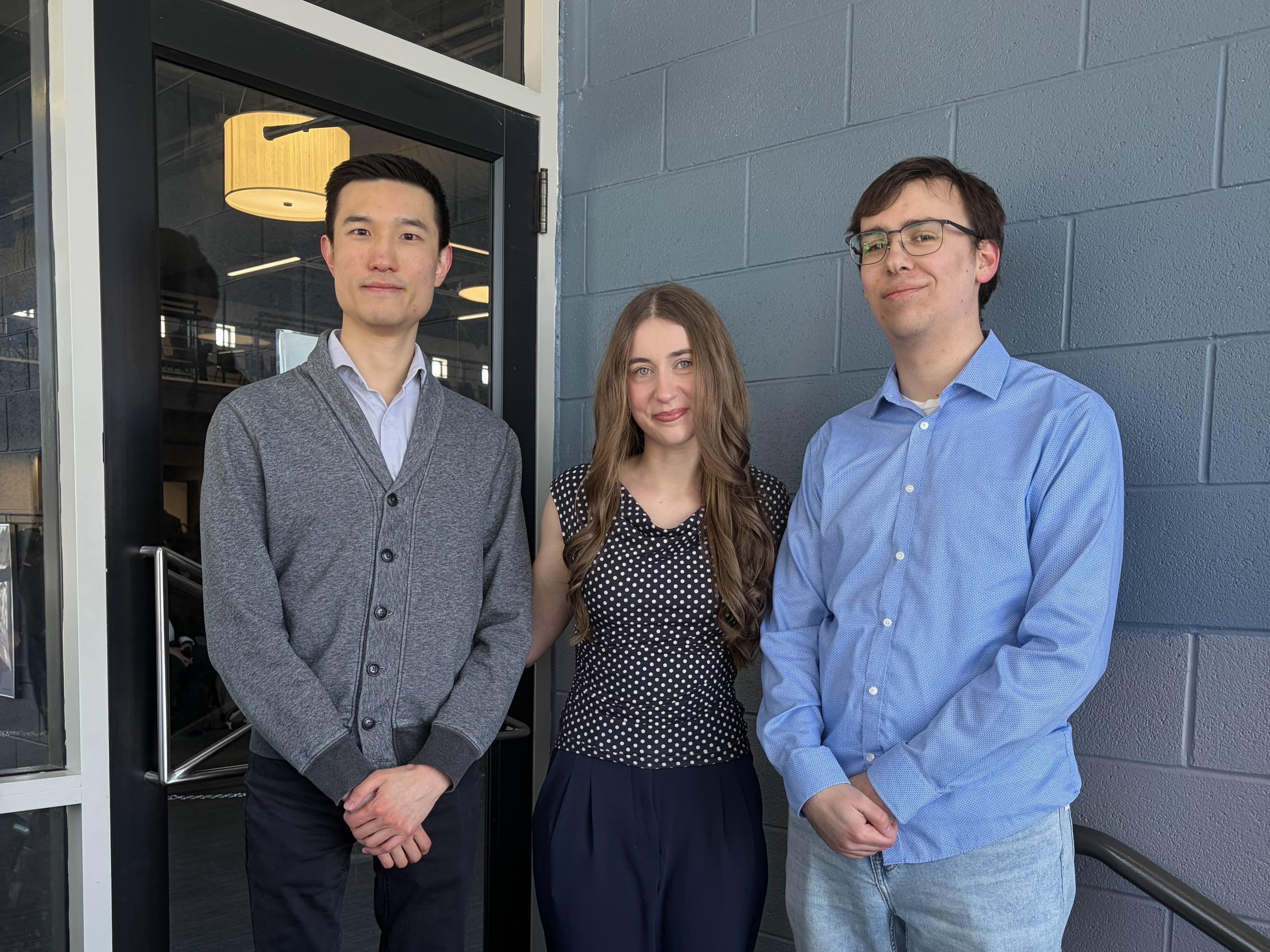
1. UW Maps
Jason Karapostolakis, Madison Mussari, Krish Parmar, Nigel Qiu
The UW Maps project is developing native Android and iOS apps to help everyone find their way around the University of Waterloo. View not just a map of the campus' buildings, but the individual floors and rooms too. Get step by step directions to and from any point on campus, factoring in navigation preferences such as indoors or elevators only. All of this data is kindly provided by Plant Ops, for the greatest accuracy and detail in our apps.
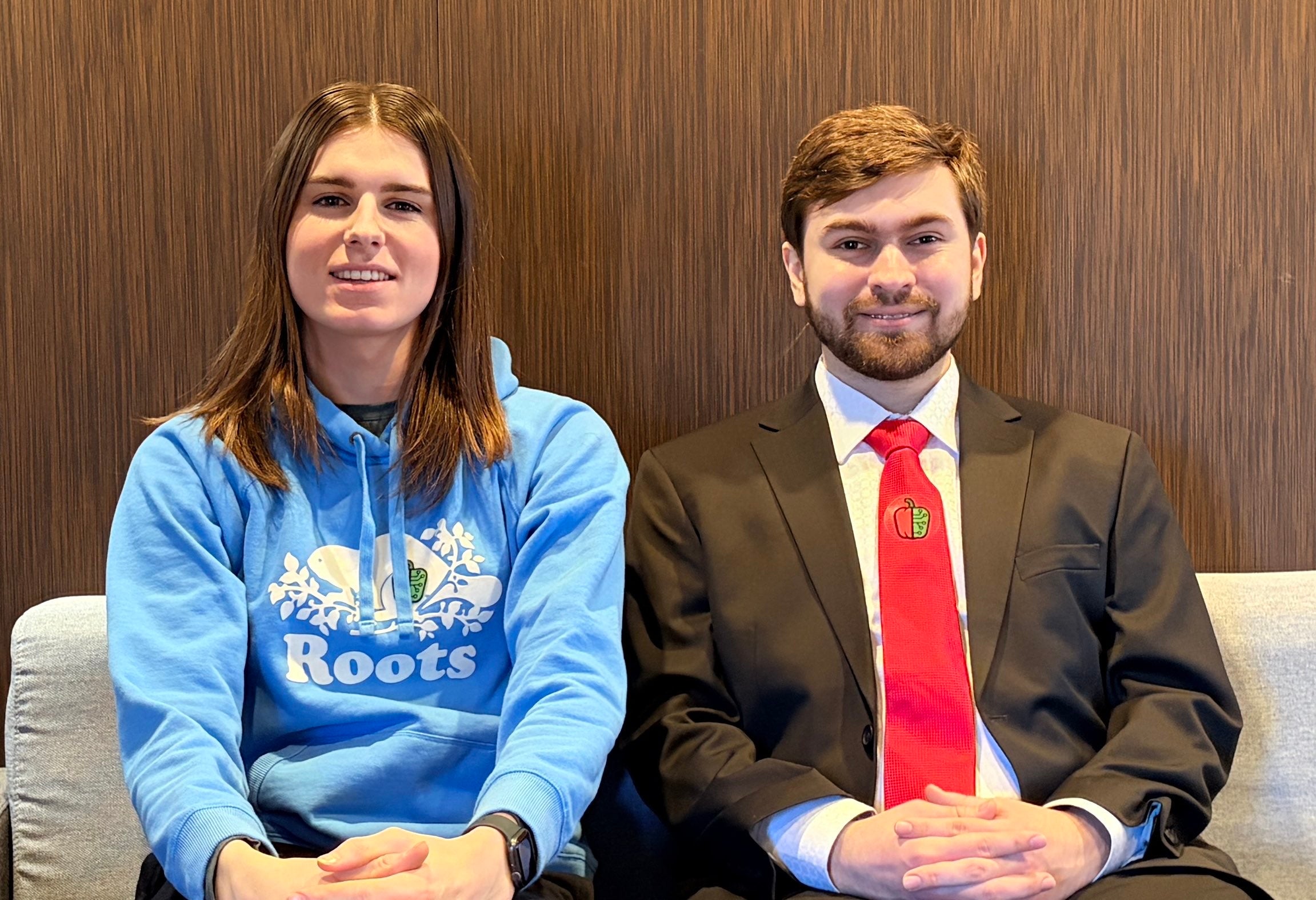
2. SmartSlice
Michael Denissov, Zac Waite
SmartSlice is a food chopping robot powered by computer vision and built with custom hardware. Load in your vegetables or fruits, set your selected preferences on cut style (slices, cubes, finely cut), and SmartSlice will use purpose-built robotic arms and blades to cleanly cut your produce per the requested style, outputting slices separate from compost. This can replace hours in the kitchen for meal prep while being far more accurate than blender-style food processors.
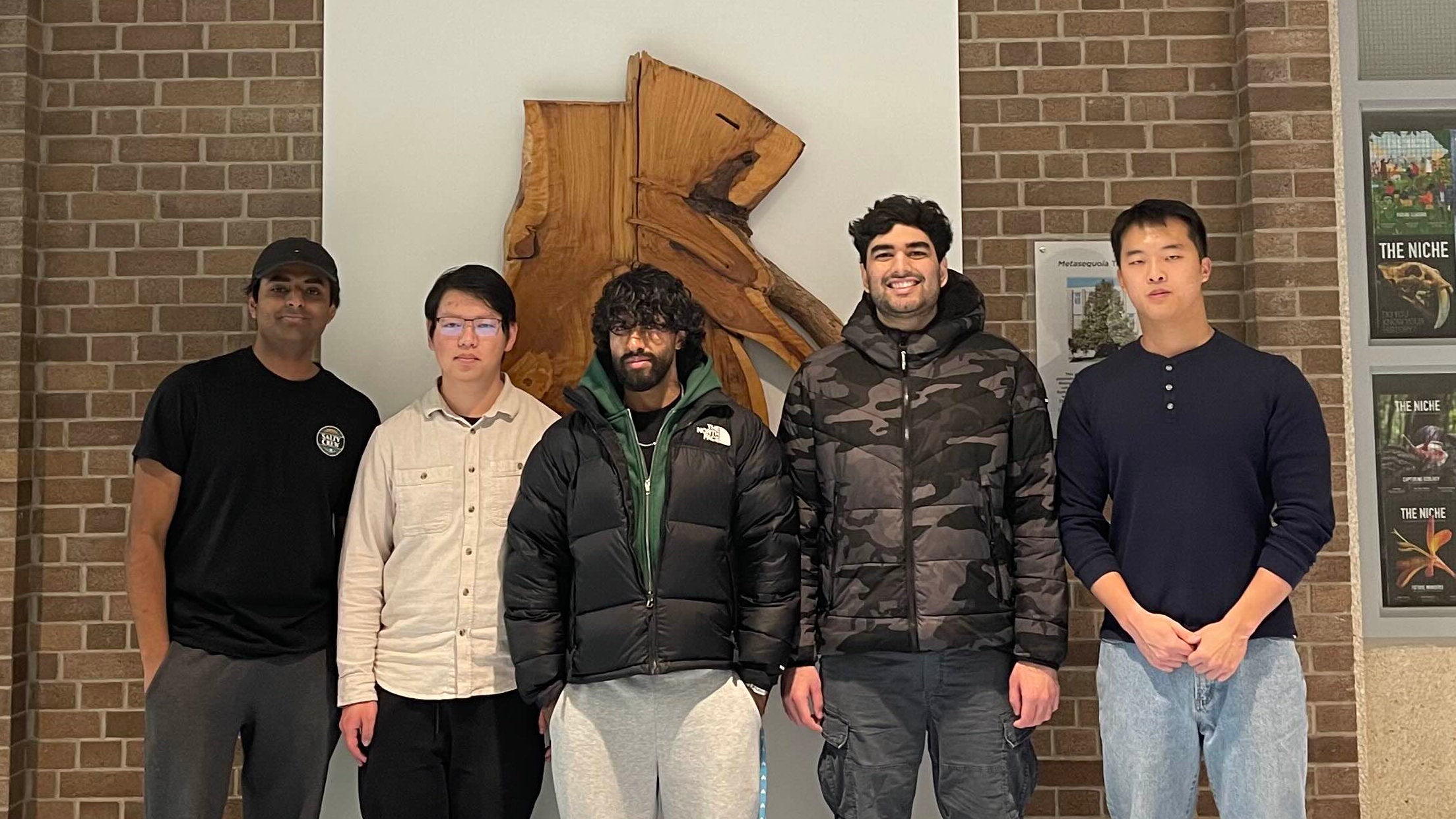
3. Team Zooba
Jonathan Huo, Maahir Mawla, Arnav Pal, Jerome Jeby Philip, Eric Xu
We're building LogWeaver, a suite of tools to bring dynamic log parsing into the hands of developers. PILAR is an algorithm that accurately converts raw logs into structured logs using entropy analysis.
LogWeaver builds on top of PILAR by making it easy to setup and integrate into developers' workflows. It provides a log database and an app for exploring and querying logs, with tools to cleanup and semantically label the log structures. Together, this suite makes it much easier to analyze messy logs.
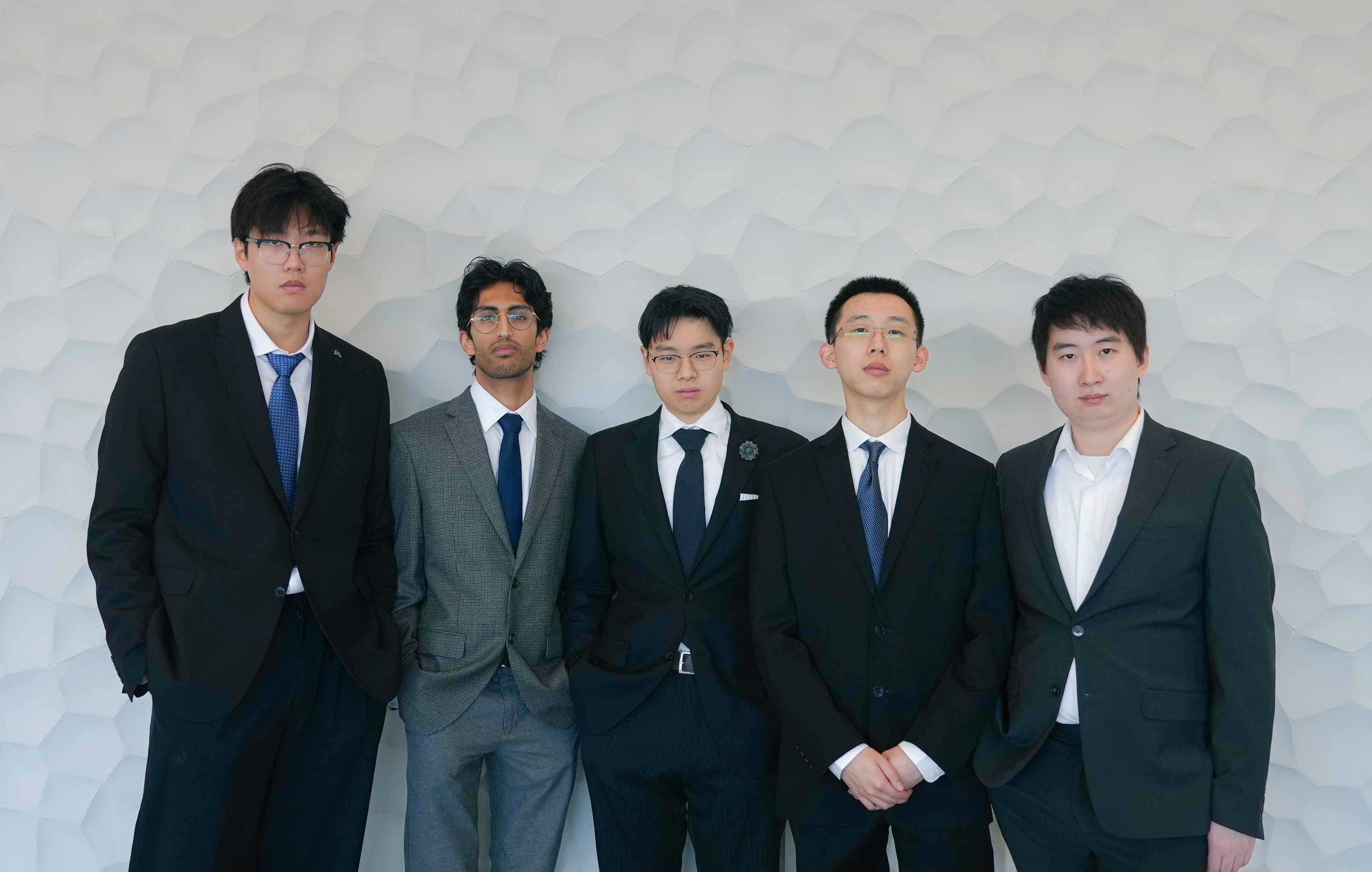
5. Sensor-Driven Violin Performance Capture
Trevor Du, Kevin Gao, Zhifan Li, Matthews Ma, Rohan Shetty
Expressivity is the key factor separating a great violin performance from a lacklustre one. To better understand this, we augmented a violin with sensors capturing finger positions, motion, and bow mechanics—including tilt, pressure, and contact point. We recorded skilled violinists to produce a quantitative dataset connecting physical parameters with artistic intent. This resource informs research in expressive modelling, musical pedagogy, and biomechanics, offering a detailed framework for understanding the complex relationship between technical gesture and musical expression.
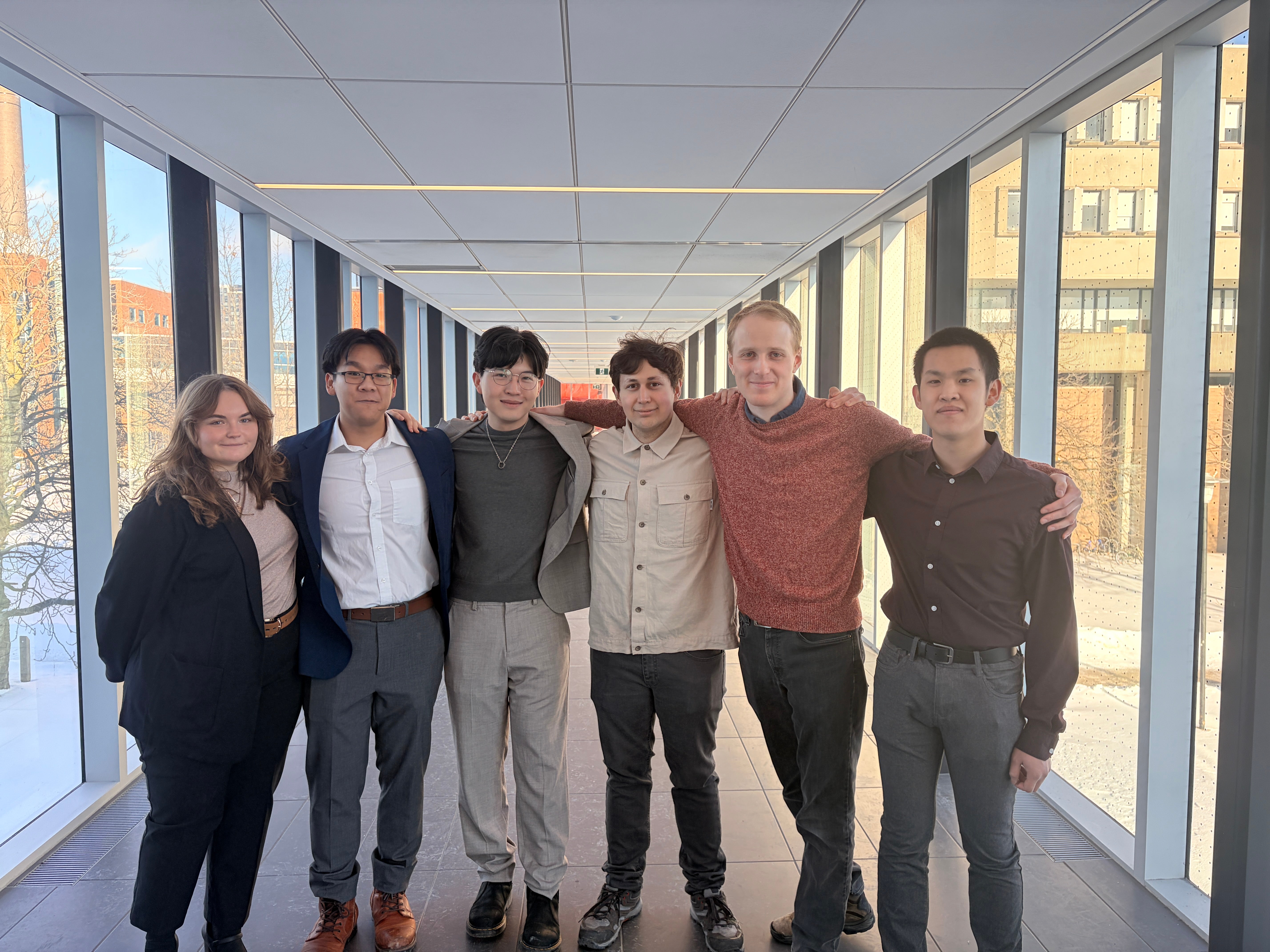
6. UNIverse
Emre Basaran, Olivia Honsinger, Ryker Lin, Jason Liu, Wilson Liu, Henry Stelle
UNIverse aims to help high school students find the post-secondary school that is right for them based on real student experiences. Currently, many ranking systems use irrelevant metrics such as the number of academic papers produced by the school or the ages of their buildings. Instead, UNIverse ranks schools based on the reviews of post-secondary graduates. These are formatted as an interactive exercise, guiding graduates through a comprehensive reflection. This information is then aggregated, enabling high school students to search for what matters to them.

7. Homies
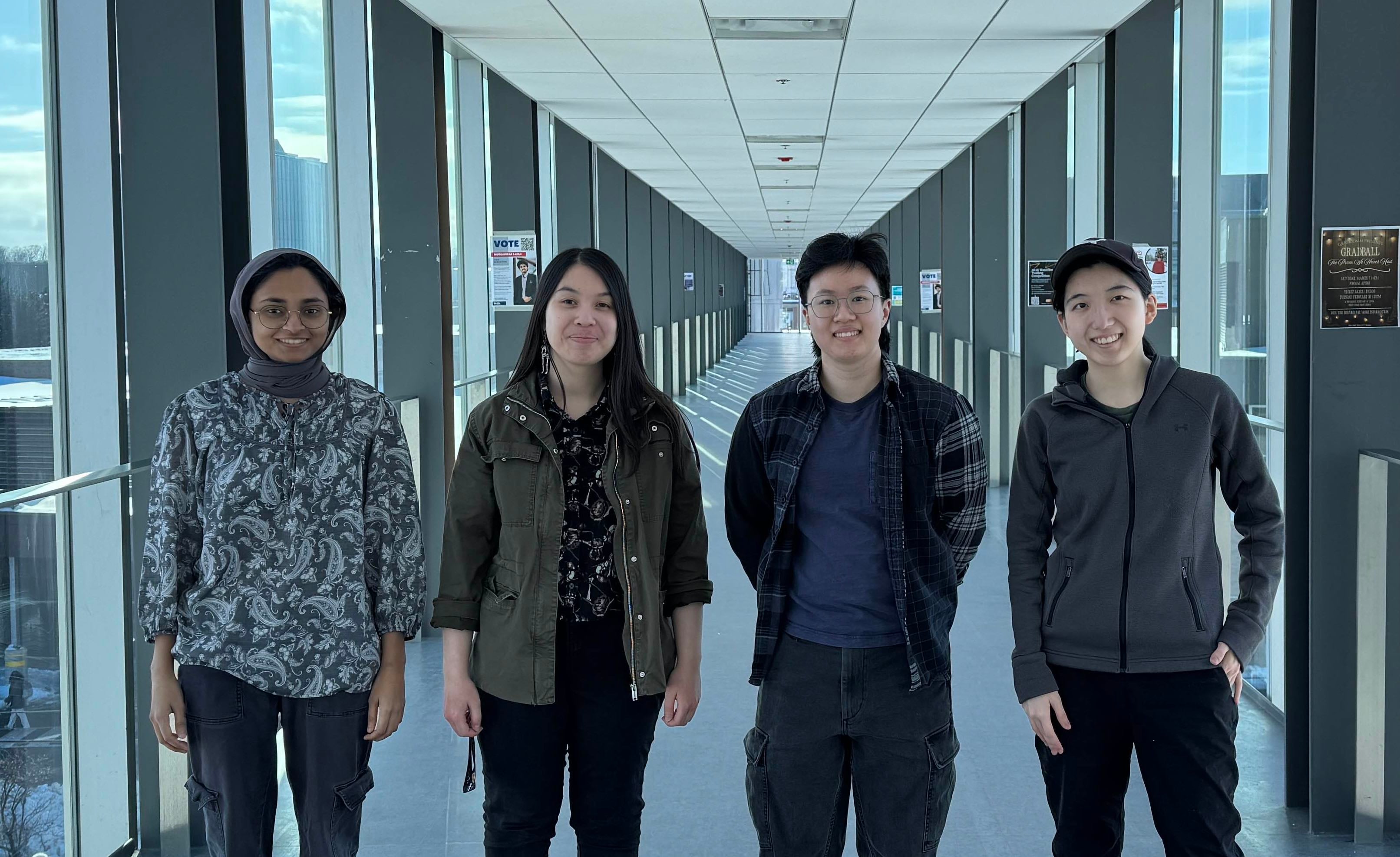
Chelsea Chen, Anish Khurana, Lisa Liu, Jen Tat
AccessWise is an application that evaluates urban accessibility on the University of Waterloo campus. The application uses computer vision on publicly available datasets and collected imagery to detect features like signage, obstructions, ramps, stairs, and sidewalk conditions. By combining automated analysis and community feedback, AccessWise centralizes accessibility data, highlights barriers, and encourages inclusive planning. This application is used to empower students, staff, and advocates to share experiences, prioritize upgrades, and promote compliance with Ontario accessibility standards.
8. Advectio
Aadila Ali Sabry, Amanda Chen, Sissy He, Julia Xie
Existing fluid simulation techniques include the highly accurate, but computationally expensive 3D simulation based on the Navier Stokes equations, and the cheaper, but less accurate and inflexible height field model based on the shallow water equations.
Our project, 2.5D Fluid Simulation, aims to find a middle ground between these techniques. We use multiple stacked height intervals to simplify the voxel geometry while allowing more flexibility than a simple height field. A polygon mesh supplements this representation to mitigate numerical errors in our discretization.
9. Five Guys
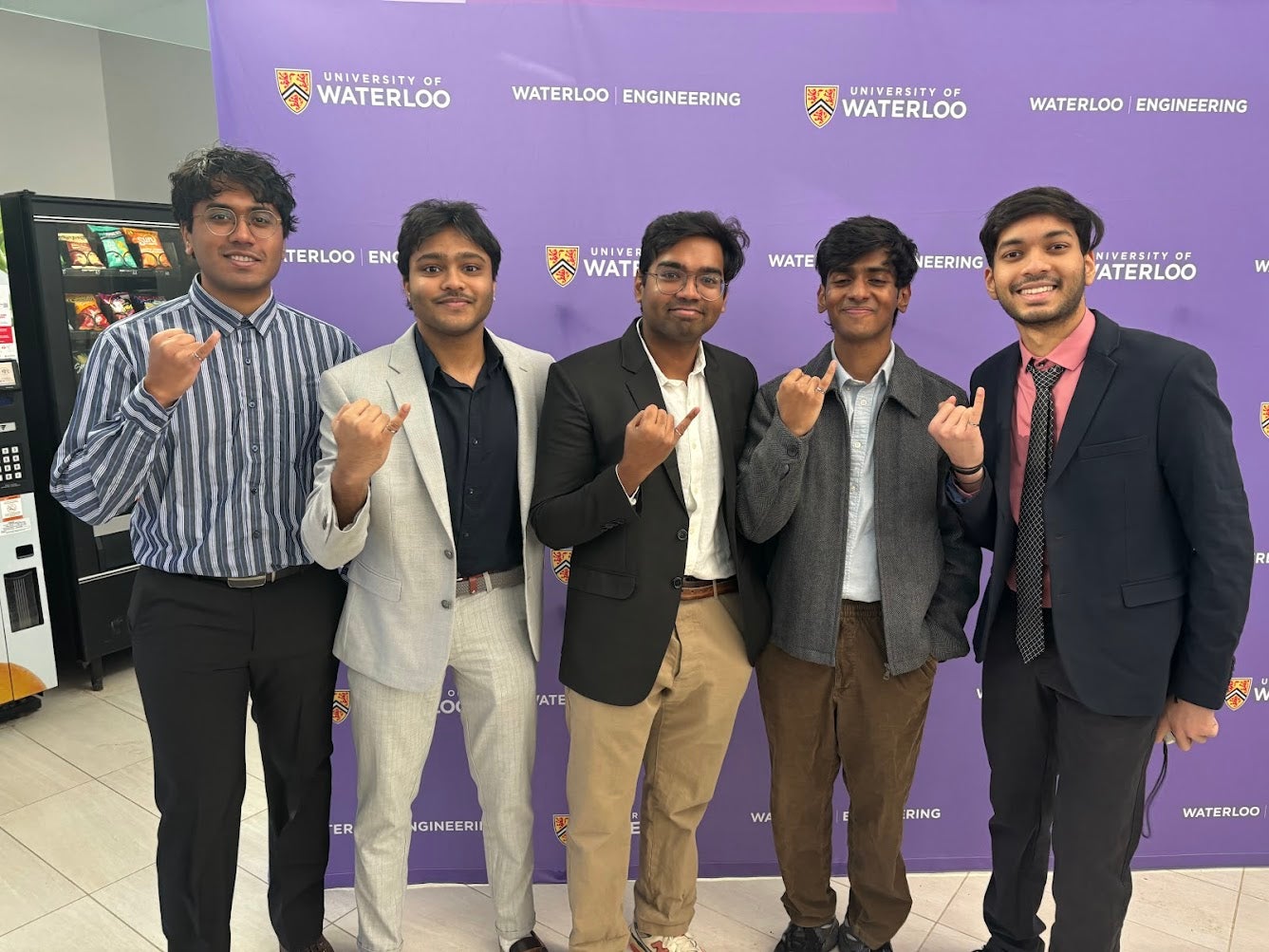
Jomills Jose Anand, Viraj Mehta, Tanmay Pilla, Ekanshh Danda Praveen, Rohit Bharadwaj Ramesh
We propose a real-time scheduling framework for ROS2 designed to support critical callback chains. The system introduces dynamic mode-switching, enabling the scheduler to adapt chain frequencies and thread priorities in response to shifting operational states. A dedicated dispatcher coordinates these updates, realigning thread assignments to satisfy varying multi-chain dependencies. This architecture will be benchmarked against existing static approaches to assess deadline adherence and system adaptability.
10. C.L.I.P.
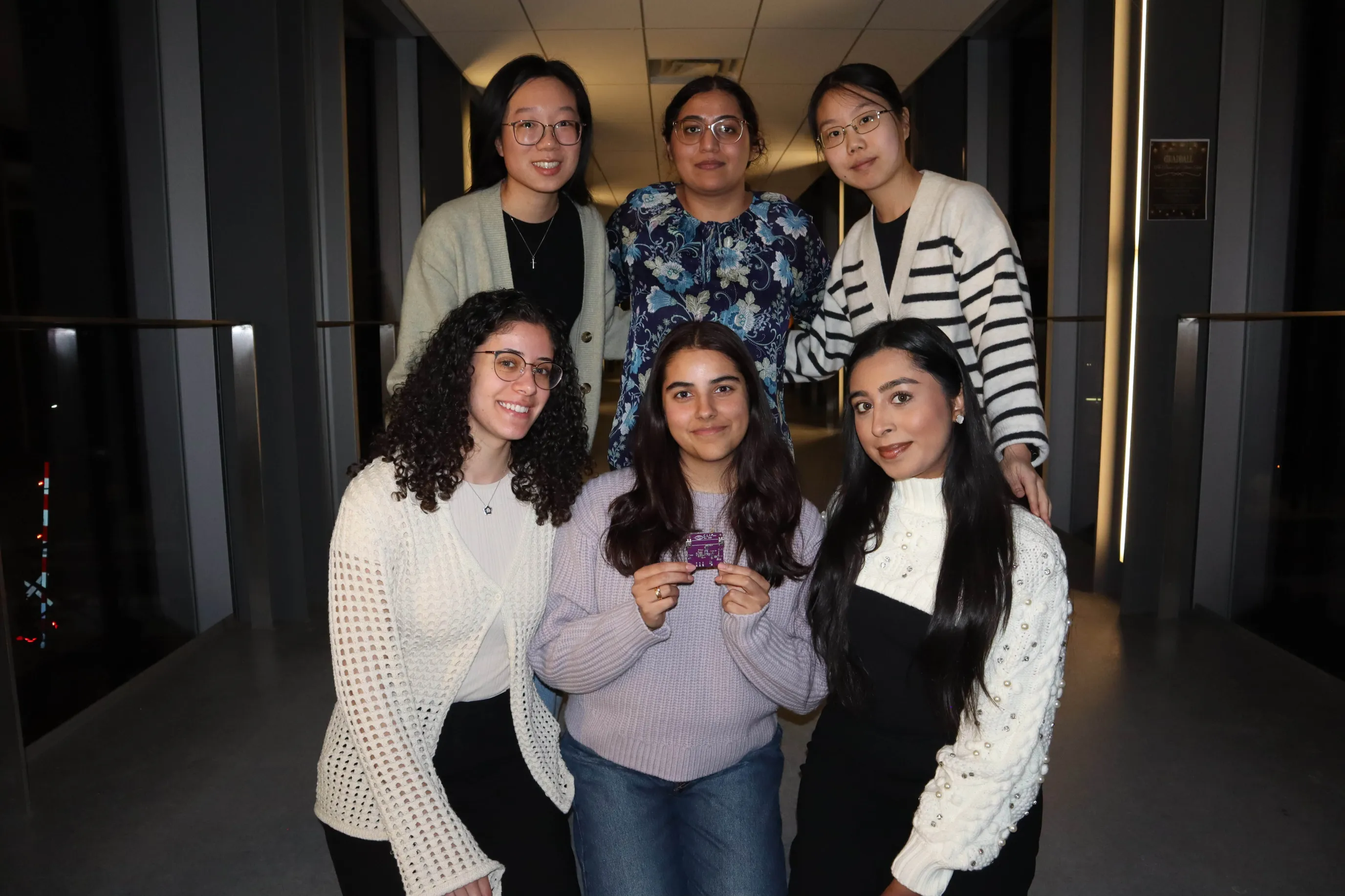
Sia Bhatia, Effiea Ponniah, Aditi Rajnish, Hanya Sakr, Tina Wang, Selena Zhang
Power consumption is very predictable on start-ups. Leveraging this, a boot process verifier (BPV) can verify a power trace against established boot-up traces. This helps detect power anomalies that may indicate the existence of malware on a device. The Cable Level Intruder Protection (C.L.I.P.) hardware is the first BPV that is retrofittable to any embedded system. Our project is the C.L.I.P. software application, which collects power data from the hardware, analyzes it using the BPV, and visualizes results in dashboards for admins to investigate anomalies.
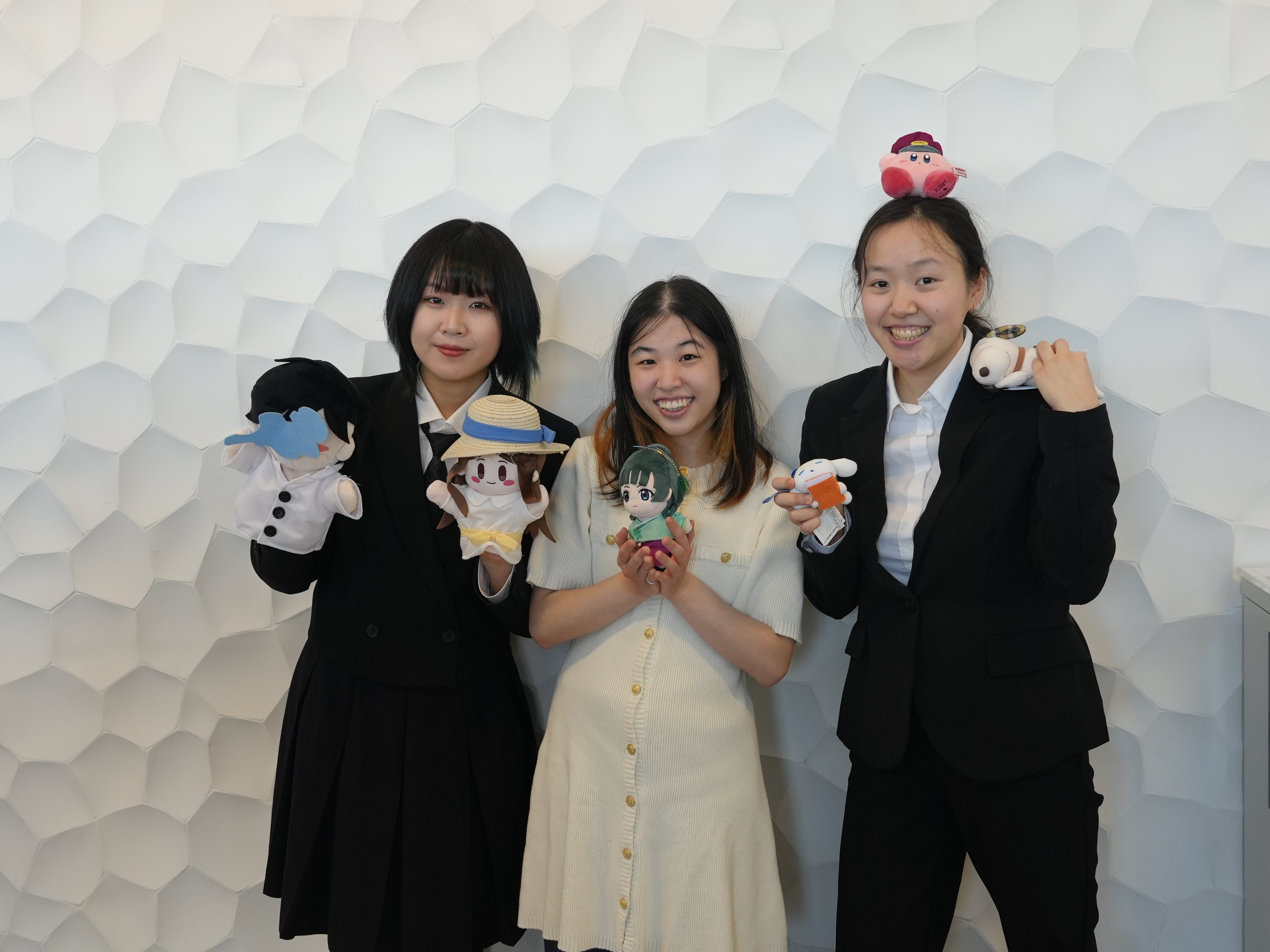
11. The Gacha Ladies
Kimberly Ko, Ingrid Qin, Candice Zhang
VSGacha is a VS Code extension that gamifies coding through gacha-style mechanics, where users earn currency by coding to unlock randomized in-game rewards. It supports programmers at any stage, from learning fundamentals to interview prep and project work. The extension offers daily coding tasks, an AI agent that recommends problems and provides hints based on user goals, and weekly or monthly progress reports. Completing tasks earns pulls for an idle, space-exploration gacha game, turning the addictive appeal of gacha gaming into motivation to code!

12. Agentic Version Control Protocol
Leen Kamalmaz, Paniz Ojaghi, Vaishnavi Ratnasabapathy, Charlene Rocha
Agentic Version Control Protocol (AVCP) addresses the growing complexity of building and iterating on AI agents by introducing structured version control for agent systems. As agents become more modular by combining prompts, tools, memory, and decision logic, developers lack a reliable way to compare configurations or reuse previously working setups. Rather than file versioning like Git, AVCP enables users to modularize, track, and compare compositions with ease. This allows developers to experiment safely, benchmark performance, and roll back to stable agents without rebuilding from scratch.

14. The Beetles
Arnav Gupta, Soumya Khanna, Lina Lin, Padena Rasouli-Baghban, Brianna Wang
Ledger brings the fun of tabletop role playing games like Dungeons and Dragons to beginners and seasoned players alike in a seamless virtual setting. Our platform reduces workload for Game Masters by streamlining tasks like map creation, storytelling, character and ruleset lookup, supported by AI features. While being a Game Master is typically daunting, we provide a guided tutorial to learn the ropes step by step. Ledger provides an interface that allows Game Master and players, regardless of their experience level, to enjoy an open and collaborative experience!
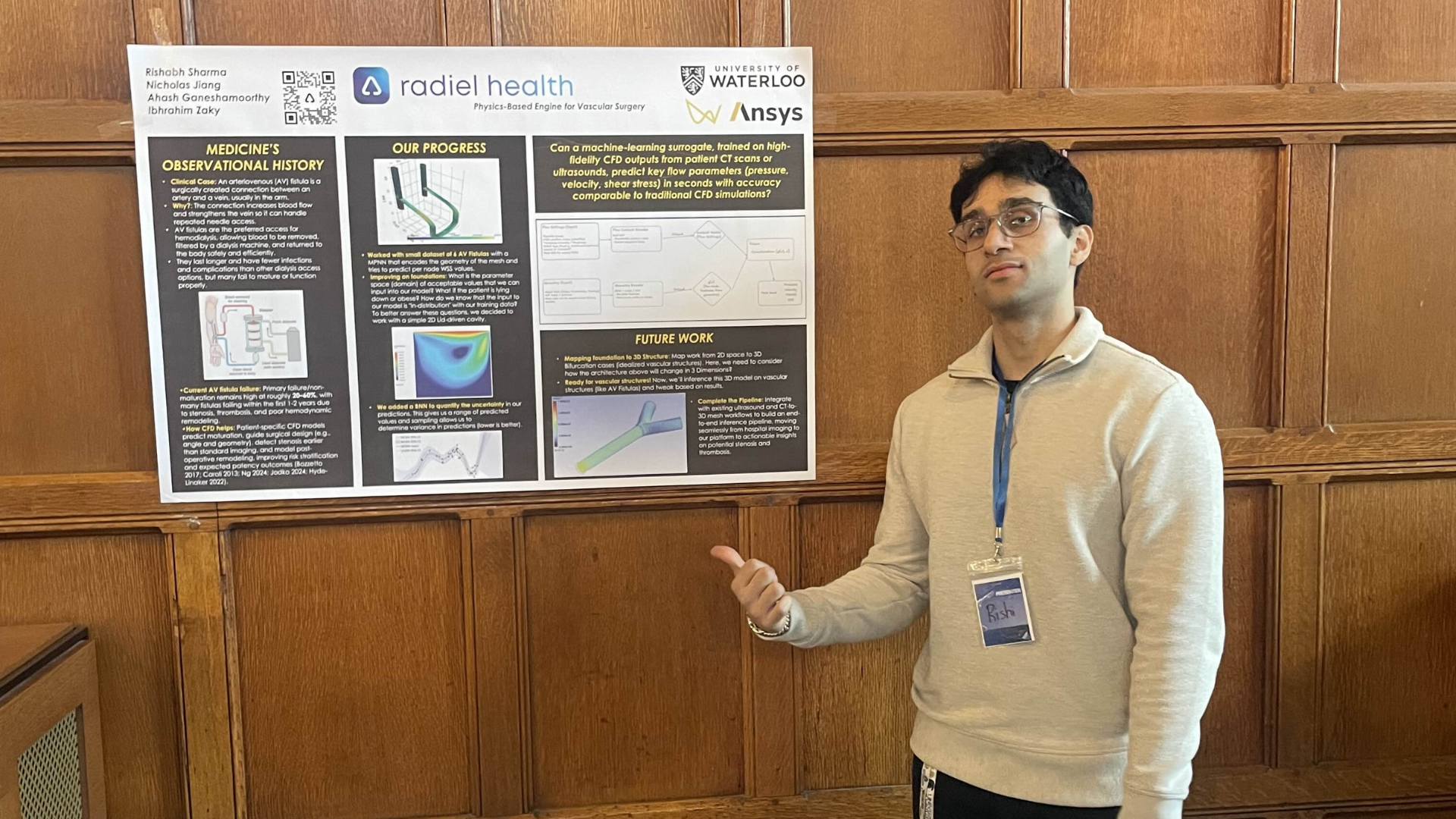
15. Radiel Health
Rishabh Sharma
Surgical diagnosis has traditionally been observational, relying on what can be seen, often leading to one-size-fits-all decisions. While quantitative metrics have improved medicine, true personalization remains limited. We are building a platform that lets surgeons upload arterial ultrasounds, automatically converting them into 3D meshes and running them through an ML model. Trained on geometric and physics-based data, the model rapidly predicts critical flow parameters for procedures like coronary interventions, making advanced, data-driven diagnosis accessible and affordable across clinics.
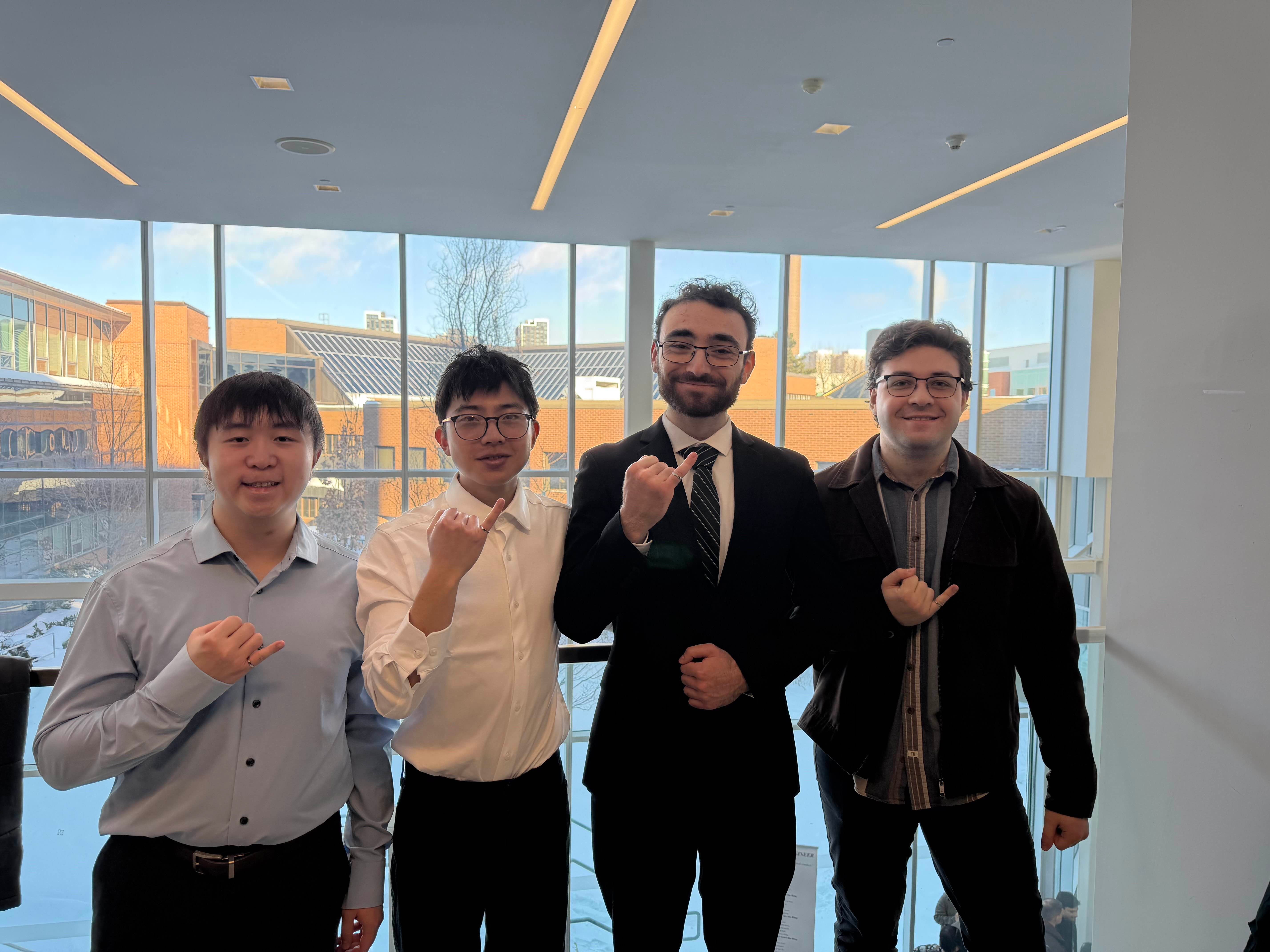
16. Touch Grass
Chester Chung, Brandon Gartner, Matthew Pechen-Berg, Jonathan Wei
NatureDex is a mobile app that aims to get more people to go outside and experience the nature around them. The core idea is that you can take a picture of a plant or an animal, and our app will use computer vision to identify what you’ve found. As you collect new species they will be added to your NatureDex, a digital handbook. We award points for capturing different species, allowing you to compete with friends, in groups, and across your region.

17. MAVA
Alex Chan, Valerie Fernandes, Melanie Foltak, Ayla Khan
We partnered with the non-profit Surgical Data Science Collective to democratize access to the world’s largest public repository of surgical video. Our team built a secure research platform that enables clinicians and machine learning researchers to collaborate, develop models, and extract insights from surgical data in a shared environment. By lowering barriers to data, compute, and technical expertise, the platform empowers underfunded hospitals and resource-limited researchers to accelerate reproducible research, support diverse clinical hypotheses, and scale surgical knowledge beyond traditional institutional boundaries globally.

19. TIN
Sufiyaan Nadeem, Suhana Nadeem
Preliant is an AI-powered platform that helps personal care brands stay compliant while they develop and sell cosmetic products across markets. Teams collaborate in a shared dashboard to manage formulas, packaging, marketing claims, and EPR information. Preliant continuously monitors products against FDA and Health Canada regulations, sending alerts when risk levels change and flagging both current and potential upcoming issues. It also summarizes relevant regulatory news and lets teams test proposed changes before launch, helping prevent delays, reformulations, and recalls.
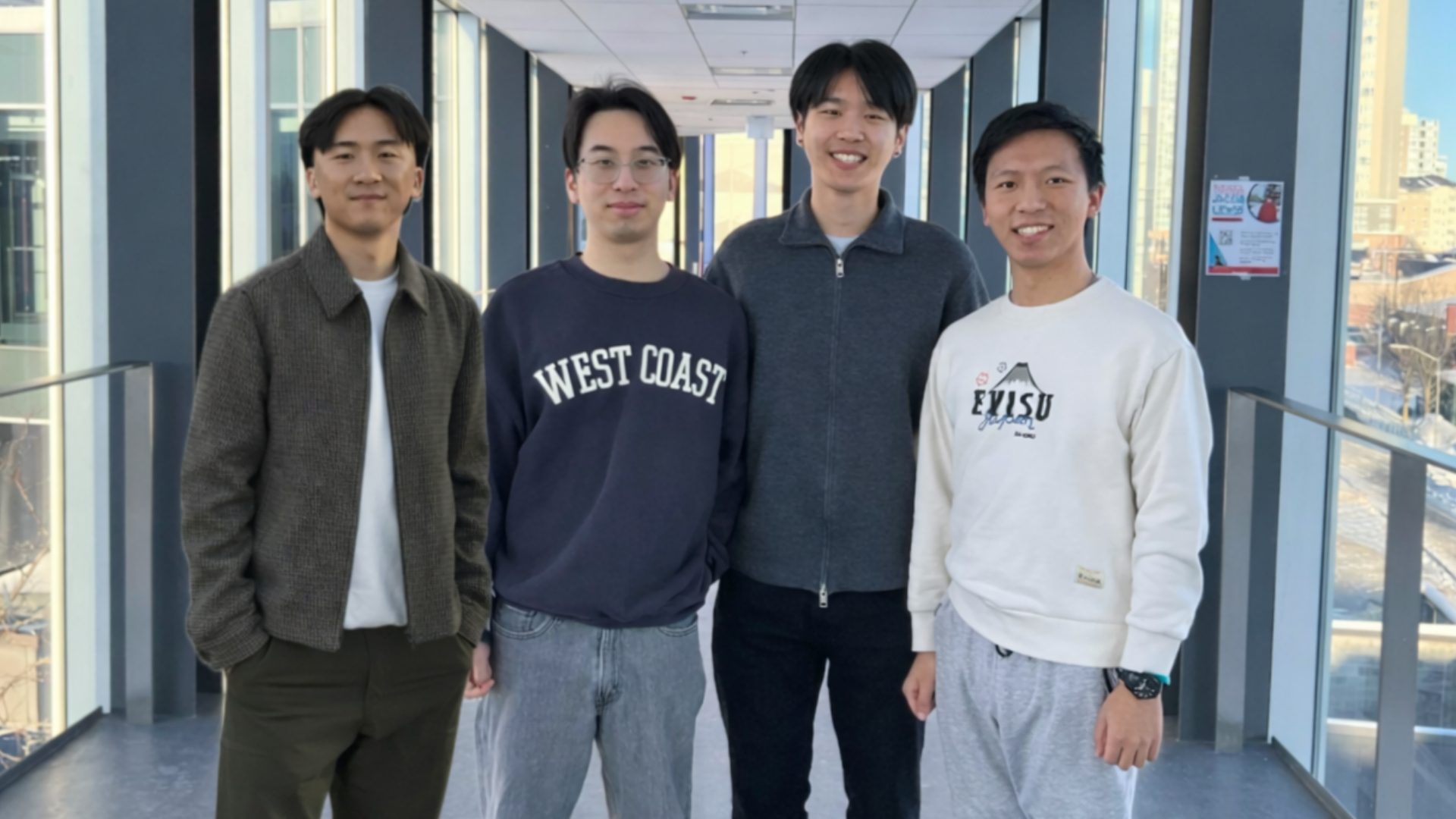
20. Team 505
Andrew Guan, Leo Huang, George Wan, Henry Xi
Patch is a browser extension that helps users take control of their web experience by detecting and transforming confusing or manipulative website designs. It highlights problematic elements in real time and reshapes interfaces to be clearer and easier to use. By making web interactions more transparent and user-friendly, Patch empowers people to make confident decisions online, promotes safer browsing, and restores clarity and fairness to digital platforms.
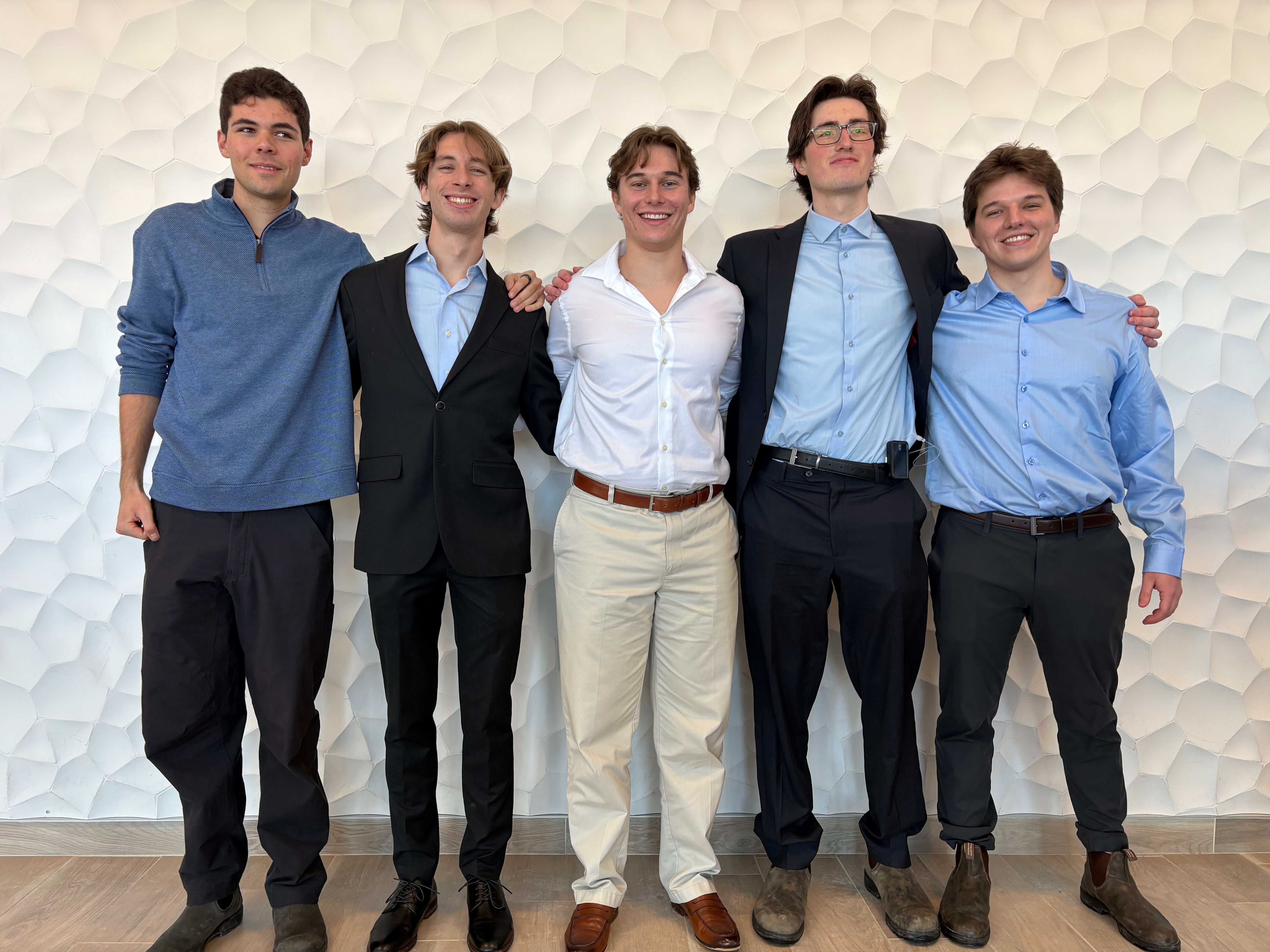
21. Entora
Benjamin Bates, Ross Cleary, Kristof Sochan, Nolan White-Roy, Richard Wills
Content creators increasingly distribute digital assets across platforms such as cloud storage, online communities, and social networks. However, there is no unified way to manage who is entitled to access this content. Existing tools such as Patreon or platform-specific bots provide partial solutions but confine creators to isolated ecosystems and require manual workarounds. This fragmentation creates technical and administrative challenges for creators who want to sell and manage access to digital assets across multiple services.
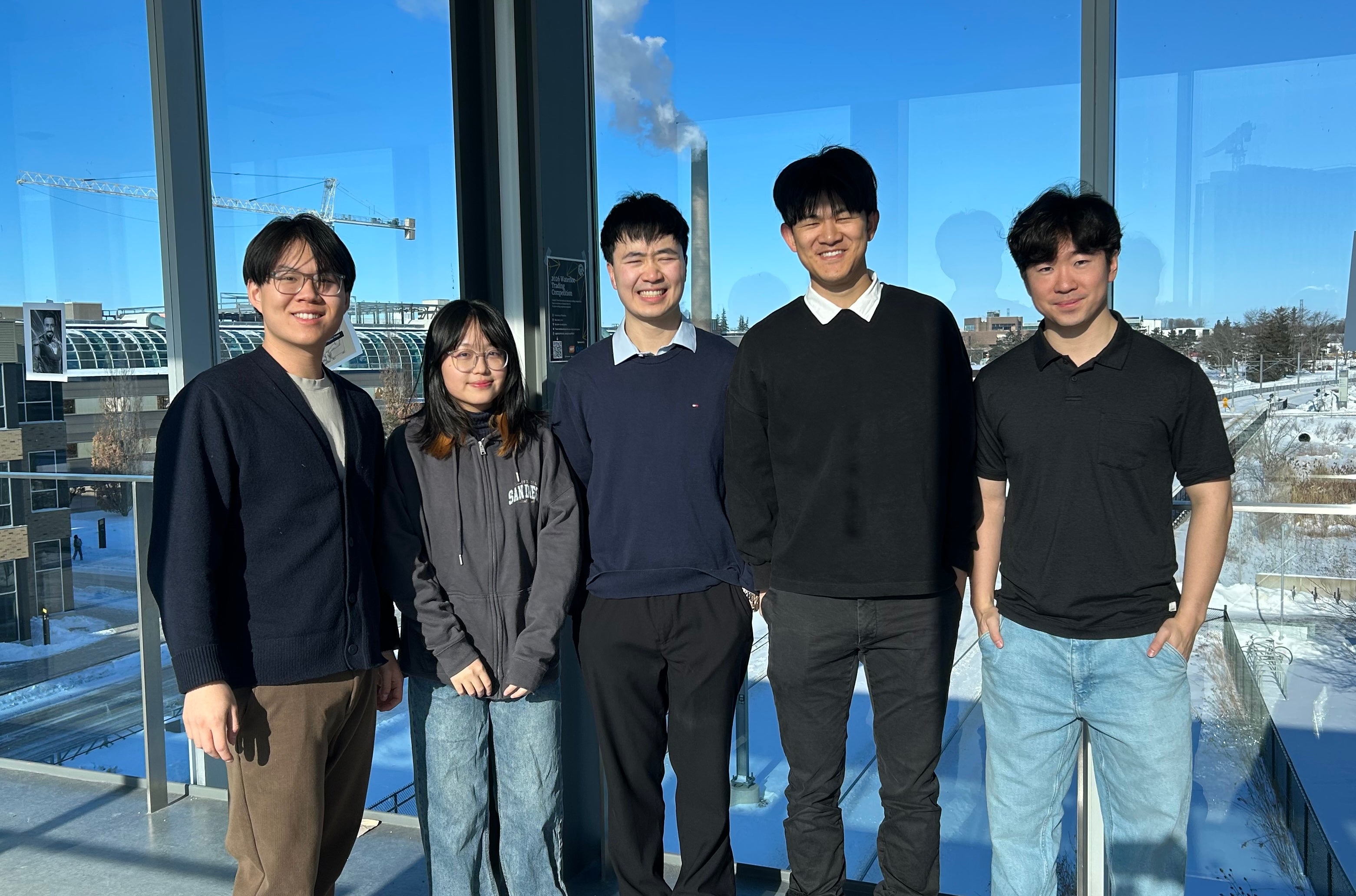
22. Shelf-Aware
Simon Ou, Ada Wang, Victor Wei, Jason Yuan, Rick Zhang
Our project is an IoT-driven ecosystem for kitchen management using smart containers with embedded weight sensors. The system transmits real-time telemetry to a mobile app through a cloud backend, delivering predictive analytics and automated restocking alerts. By integrating our custom hardware with a seamless digital interface, we eliminate manual oversight for residential and commercial kitchens. This scalable platform transforms traditional inventory tracking into a frictionless, smart kitchen experience.
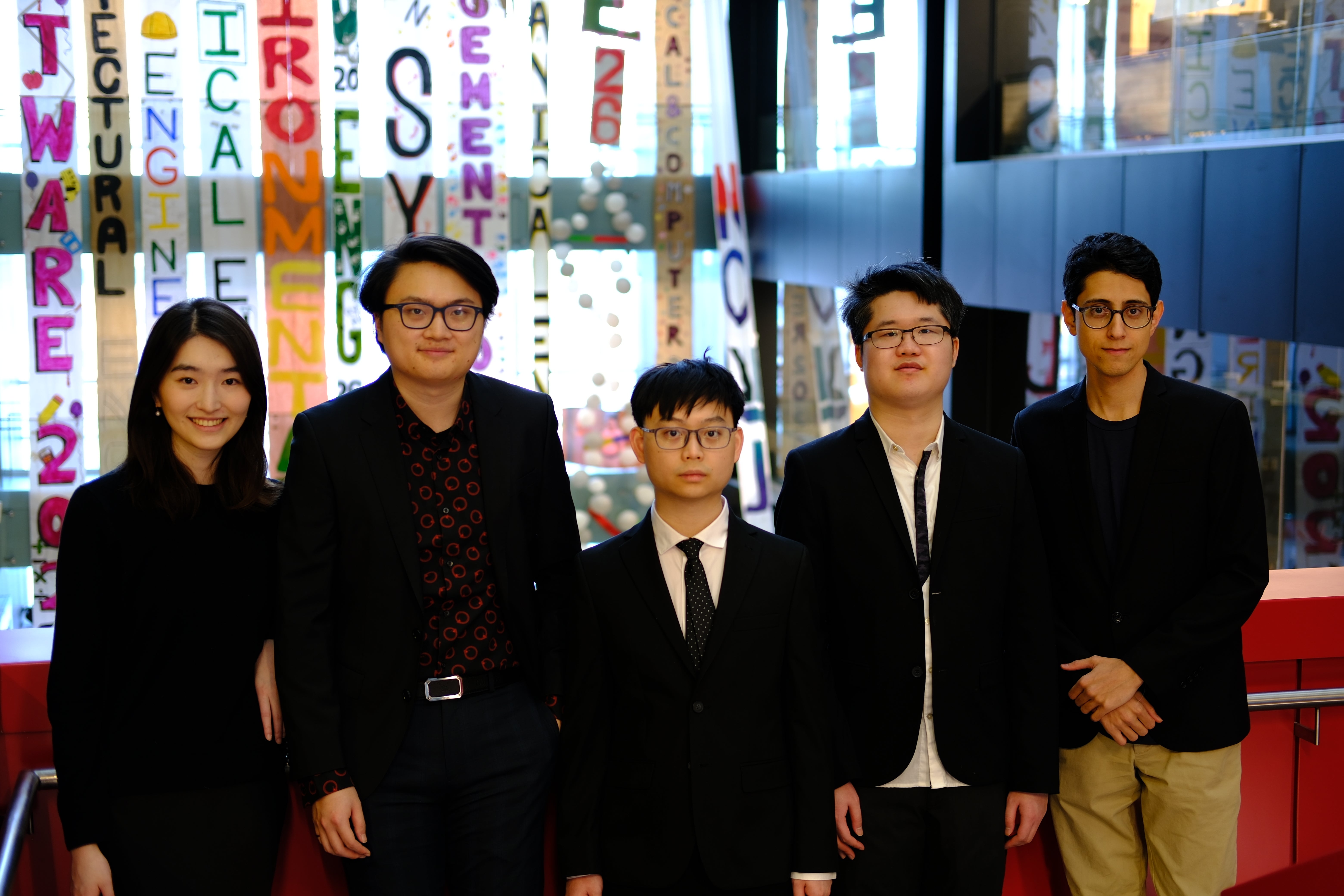
23. Vertex Research
Pouria Amini, Shirley Fang, Evan He, Tony Li, Alan Zhu
The Blank Operating System Layer (OSL) is an interface that enables intuitive OS control using natural language. It combines a large language model, a client, and specialized servers that communicate via the Model Context Protocol (MCP). Servers manage file operations, process control, and miscellaneous services. The client translates user requests into validated commands, seeks clarification when needed, and requires user approval before execution. Third-party applications can also interact with the system through the client’s interface.
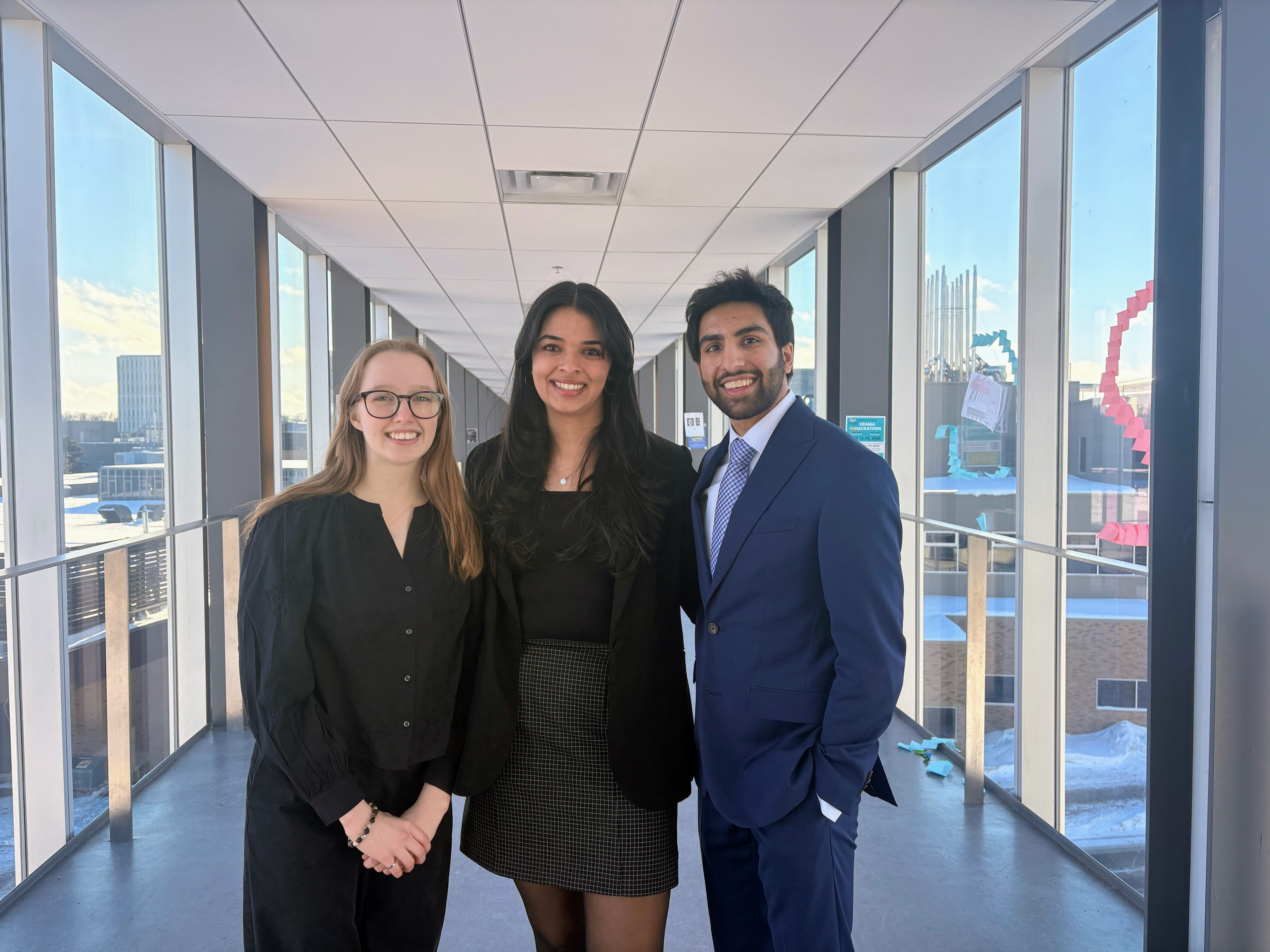
24. Hey Nala
Khushi Budhwar, Taran Gill, Lauren Rowe
Hey Nala is an AI-powered shopping assistant that helps online shoppers discover products through natural language queries. It can be integrated with Shopify stores to understand user intent, recommend relevant products, and provide contextual answers using real-time store data. By combining semantic search, vector embeddings, and conversational AI, Hey Nala delivers a personalized, intuitive shopping experience that reduces friction, increases engagement, and helps merchants convert browsing into confident purchases.
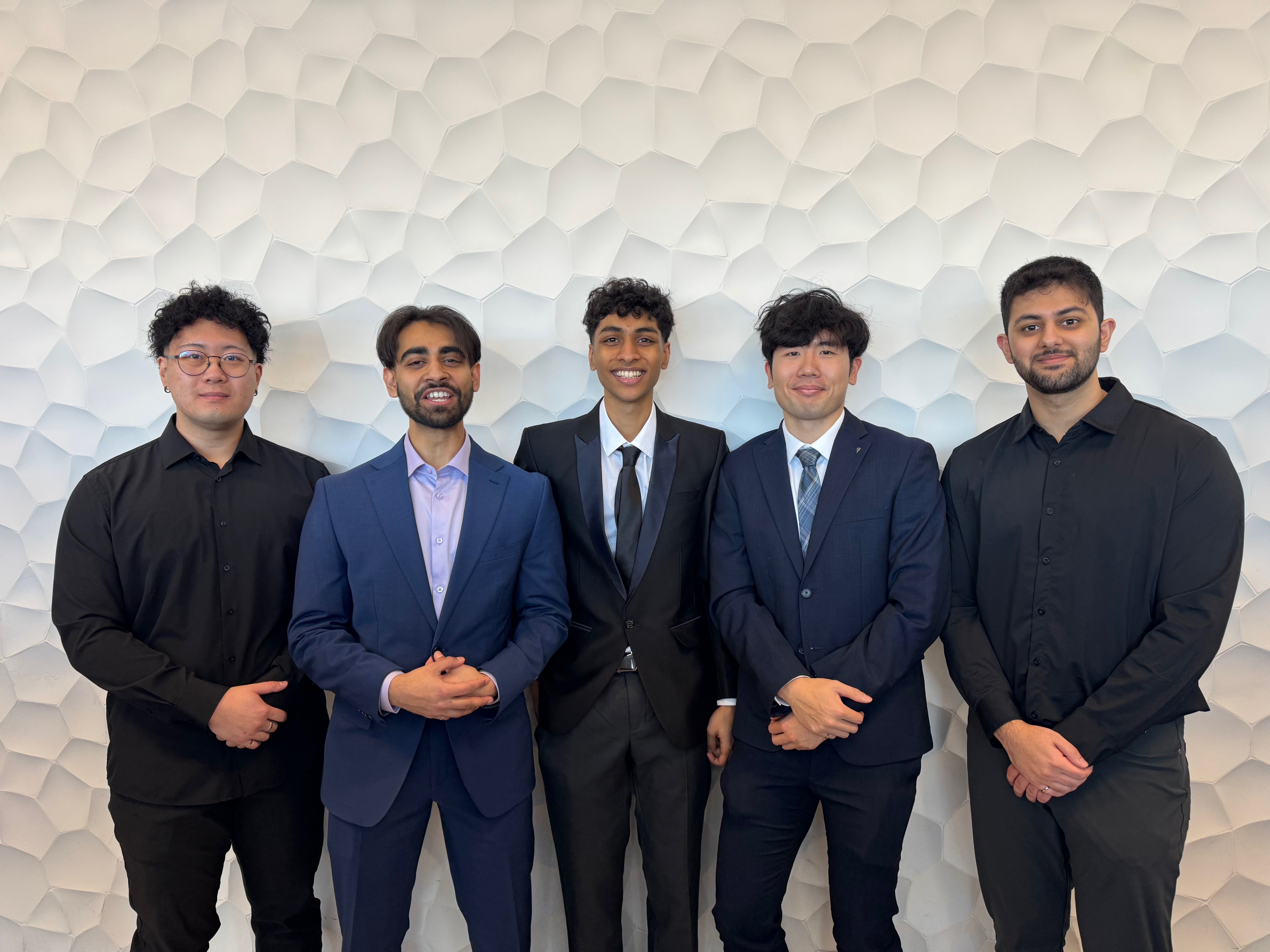
25. Big Hero 5
Dhruv Bhatia, Steven Gong, Krish Mehta, Krish Shah, Eddy Zhou
Big Hero 5 aimed at automating laundry folding. We use use two robot arms, and Vision Action (VA) models to help us do this! Our model doesnt rely on math written in a lab, but learns by watching humans try and fail at folding laundry.
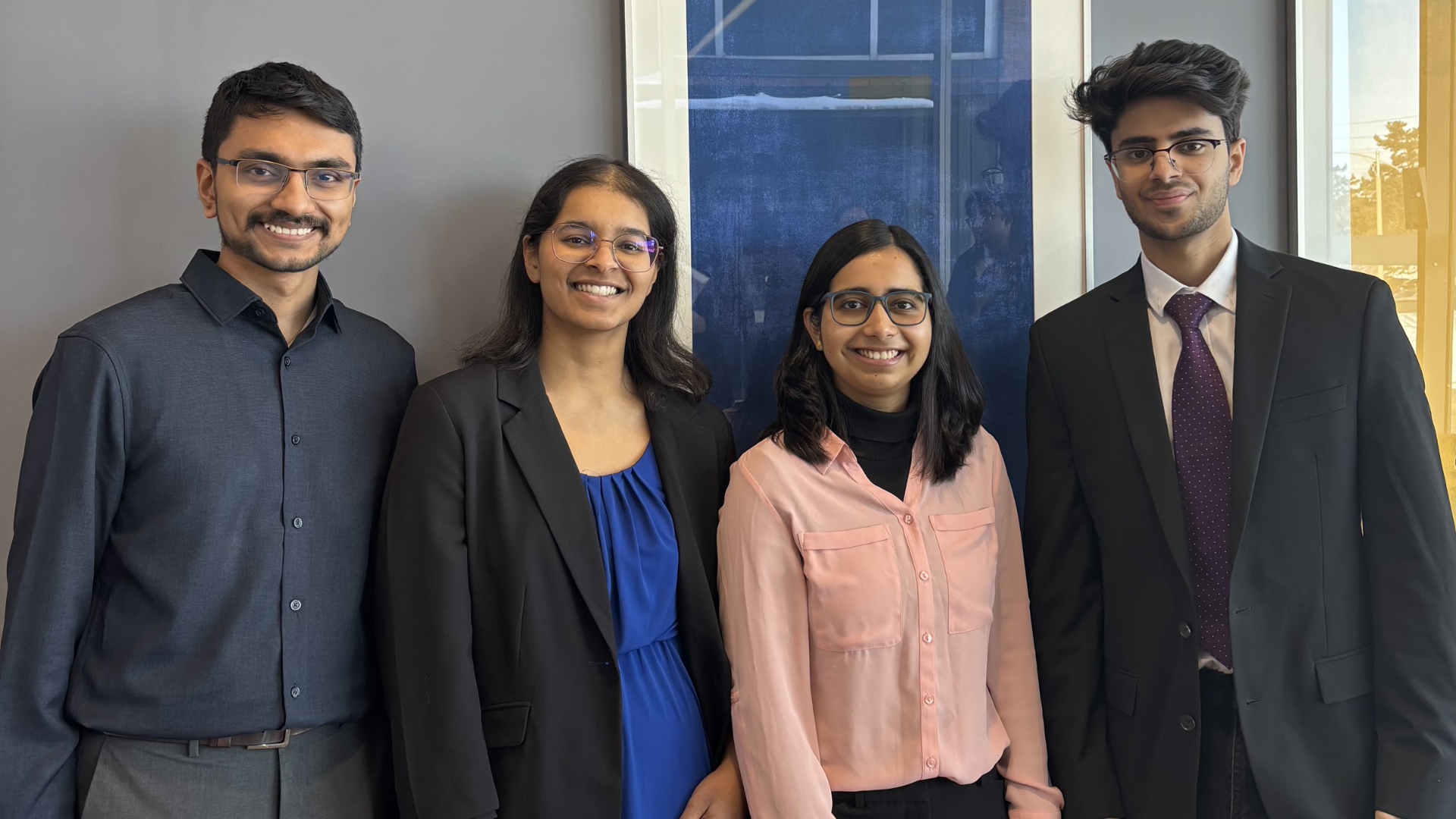
26. Diabesties
Divyansh Bhandari, Alyssa D'Souza, Arohi Gopal, Shivam Singal
Our project uses time series foundation models to predict blood glucose levels 4-8 hours ahead for Type 1 diabetics, targeting overnight periods when undetected lows can be fatal. Current methods struggle beyond 2-hour horizons due to limited dataset scale. We aggregate data from 820+ patients across public clinical trials and benchmark several foundation model families, framing this as a probabilistic forecasting problem where calibrated uncertainty matters as much as point accuracy. Our web app lets users upload data and view forecasts with uncertainty estimates.
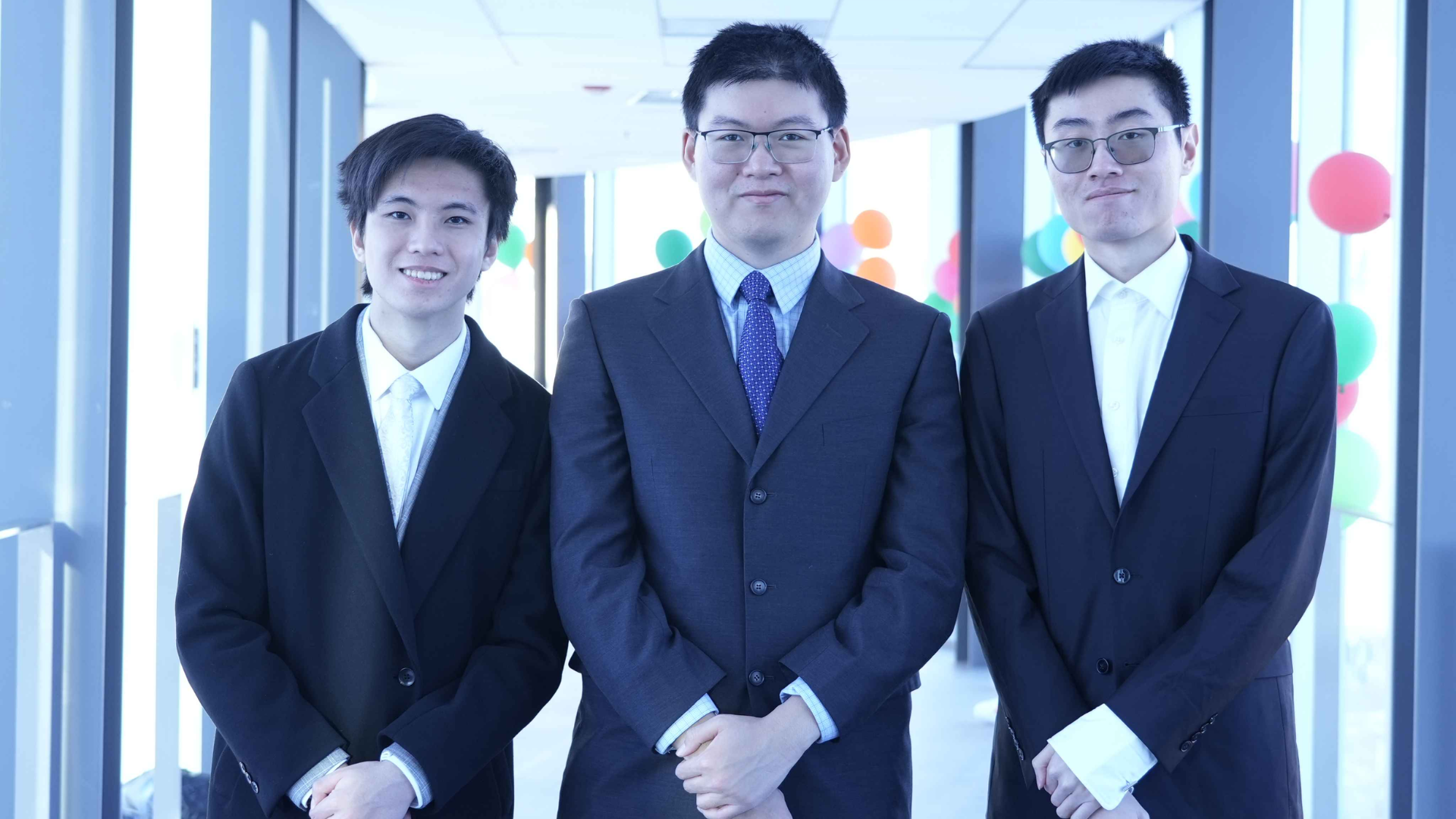
27. Motion Impossible
Ryan Chen, Jonathan Ge, Brian Zhang
Video generation has many real world applications in marketing, entertainment, robotics simulation, and world models. Even with recent advancements in open source video generation models, such as Wan2.1, CogVideoX and Hunyuan, it is evident that long-horizon generation still remains a challenge. This research project aims to explore inference-time scaling algorithms to improve long video generation. Our goal is to build upon pretrained open-source models and improve performance on established open-source benchmarks (e.g. VBench), particularly in temporal consistency and overall video quality.
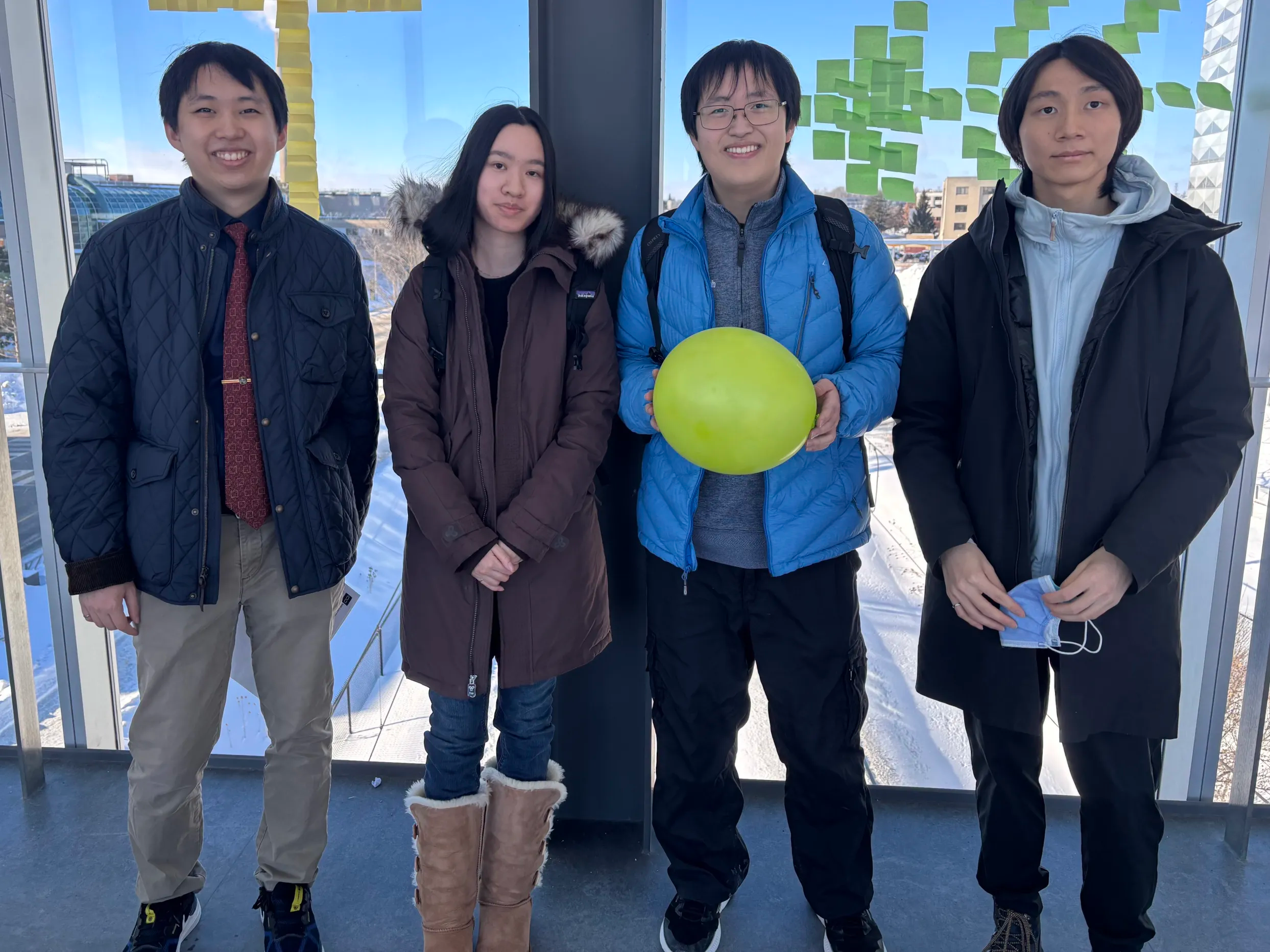
28. DejaView
Zeyu Chen, Gary Huang, Sophia Nguyen, Haoyu Weng
Traditional debuggers are limited by linear, forward-only execution, making it impossible to return to a missed breakpoint or an overshot error without restarting the entire program. Our debugger, DejaView, solves this for Python by implementing backward-stepping capabilities within a live VS Code extension. DejaView records program states to allow "Time-Travel Debugging." This enables users to reverse execution in real-time, effectively eliminating the "restart-and-replay" cycle and streamlining the root-cause analysis of complex bugs.
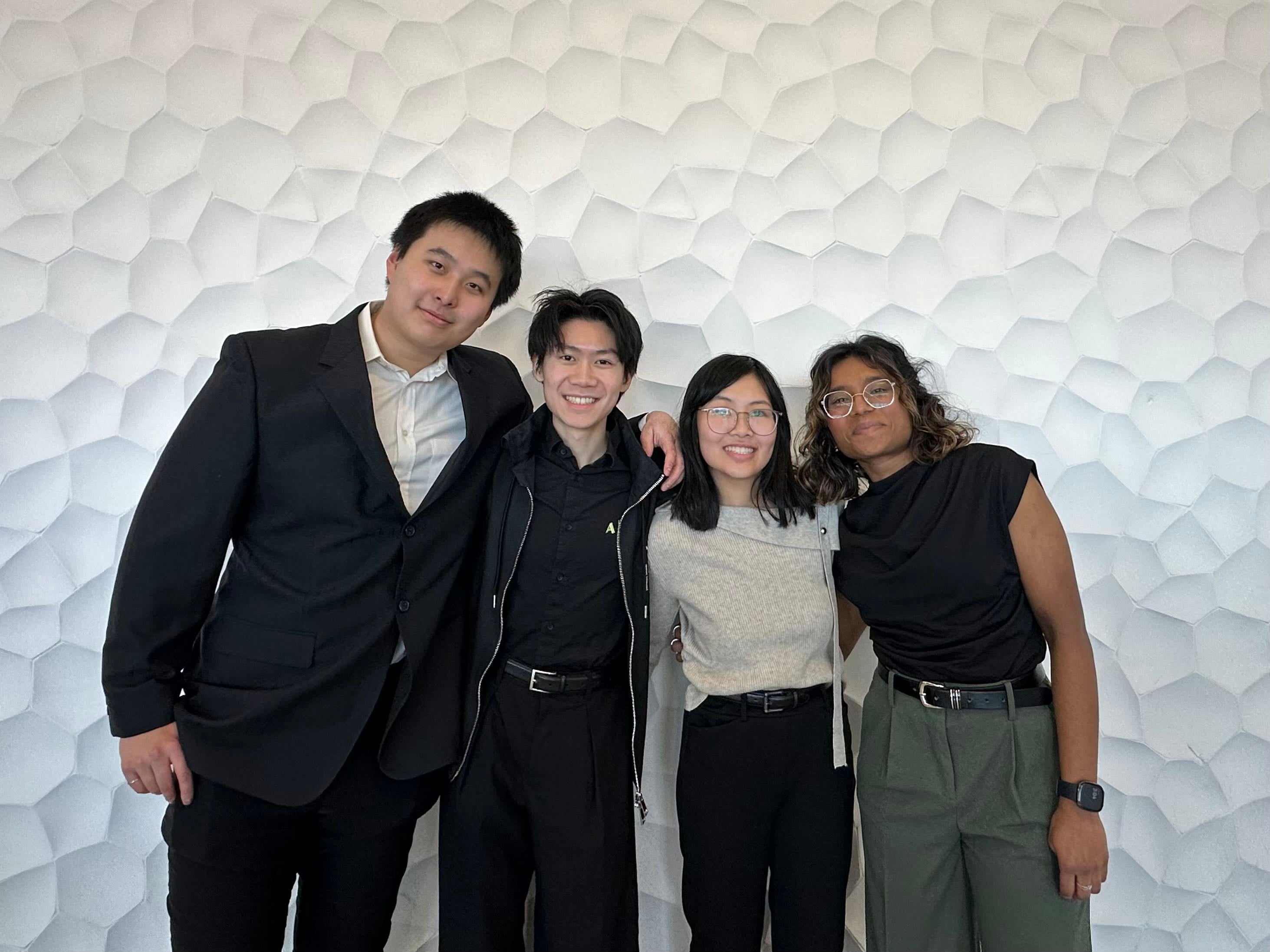
29. Fruit Box
Kristy Lau, Nicholas Lin, Varshaa Maxwell, Alex Shao
Coordinating a group trip can often be a lot,
Enter TripSink: where trip logistics flow into one spot.
Share photos and videos within the app,
Track real-time locations with an interactive map.
Forget manually calculating who owes who,
Log expenses and TripSink will do the math for you.
Communicate trip details without the hassle
In a unified cross-platform app that handles group travel.
TripSink sorts the chaos before the trip ends,
So you can spend more time making memories with friends.

30. Connect the Dots
Michael Adragna, Rushil Patel
PolySight uncovers predictive relationships between decentralized prediction markets and traditional financial markets. The platform aggregates data from Polymarket, reflecting crowd-implied probabilities of macroeconomic and political events like Fed decisions or elections, and contextualizes it alongside sector and index-level ETF movements. By correlating these data streams, PolySight helps users evaluate whether shifts in prediction-market odds precede, align with, or lag behind changes in market performance, bridging collective sentiment and price behaviour.
FUTURE CAPSTONE DESIGN PROJECTS
For more information about Sponsorship Opportunities, these Software Engineering design projects or to inquire about joining us in future design projects, please contact:
The Director or Associate Director of Software Engineering
se-director@uwaterloo.ca ; se-assoc@uwaterloo.ca
Share this page on social media:


