TERRITORIAL ACKNOWLEDGEMENT
The Department of Systems Design Engineering acknowledges that much of our work takes place on the traditional territory of the Neutral, Anishinaabeg and Haudenosaunee peoples. Our main campus is situated on the Haldimand Tract, the land granted to the Six Nations that includes six miles on each side of the Grand River. Our active work toward reconciliation takes place across our campuses through research, learning, teaching, and community building, and is co-ordinated within the Office of Indigenous Relations.
A MESSAGE FROM THE CHAIR

Lisa Aultman-Hall
Professor and Chair
It is my pleasure to recognize the continued relevance and impact of this year’s Systems Design Engineering and Biomedical Engineering Capstone Projects. Once again, our students have demonstrated remarkable creativity, technical excellence, and a commitment to designing systems that serve both humanity and the planet.
I am especially proud of how fully our students engaged with subject matter experts, industry partners and community representatives throughout their design journeys. Many participated in the Sustainability Stakeholder Café and Baylis Medtech Biomedical Stakeholder Café. These experiences equip our graduates with the critical skills needed to lead interdisciplinary teams and drive meaningful innovation in their future careers.
As we celebrate the accomplishments of the class of ’26, we also acknowledge the resilience they have shown throughout their time at Waterloo. Their adaptability, perseverance, and commitment to excellence have been evident at every stage of their education, and we are deeply proud of them.
Thank you to our Capstone lead instructors, Dr. Reem Roufail and Dr. James Tung, our dedicated lab instructors, the many faculty advisors, and the network of faculty and staff who support the event's organization. It’s a wonderful time for alumni to return to campus to see what students are working on and reconnect with the SYDE-BME community.
On behalf of the entire department, I extend our congratulations to our graduating students and wish them every success as they embark on the next chapter of their journeys.
Sincerely,
Dr. Lisa Aultman-Hall
Professor and Chair
Department of Systems Design Engineering
CAPSTONE DESIGN PARTICIPANTS
1. SkySweeper
3. DoseDock
4. Packulus
5. Bird-2-Bird
6. SpeakEasy
7. BlinkBuddy
8. BeeWare
9. TreadEasy
10. Cosmo
11. ERAS
12. SentinalAI
13. LockedIn
14. SensIQ
15. VacPac
16. Woodcarving Dexterity
18. MeshSOS
19. DotPal
20. Handl
21. JEFF
22. Guardians of the Greenhouse
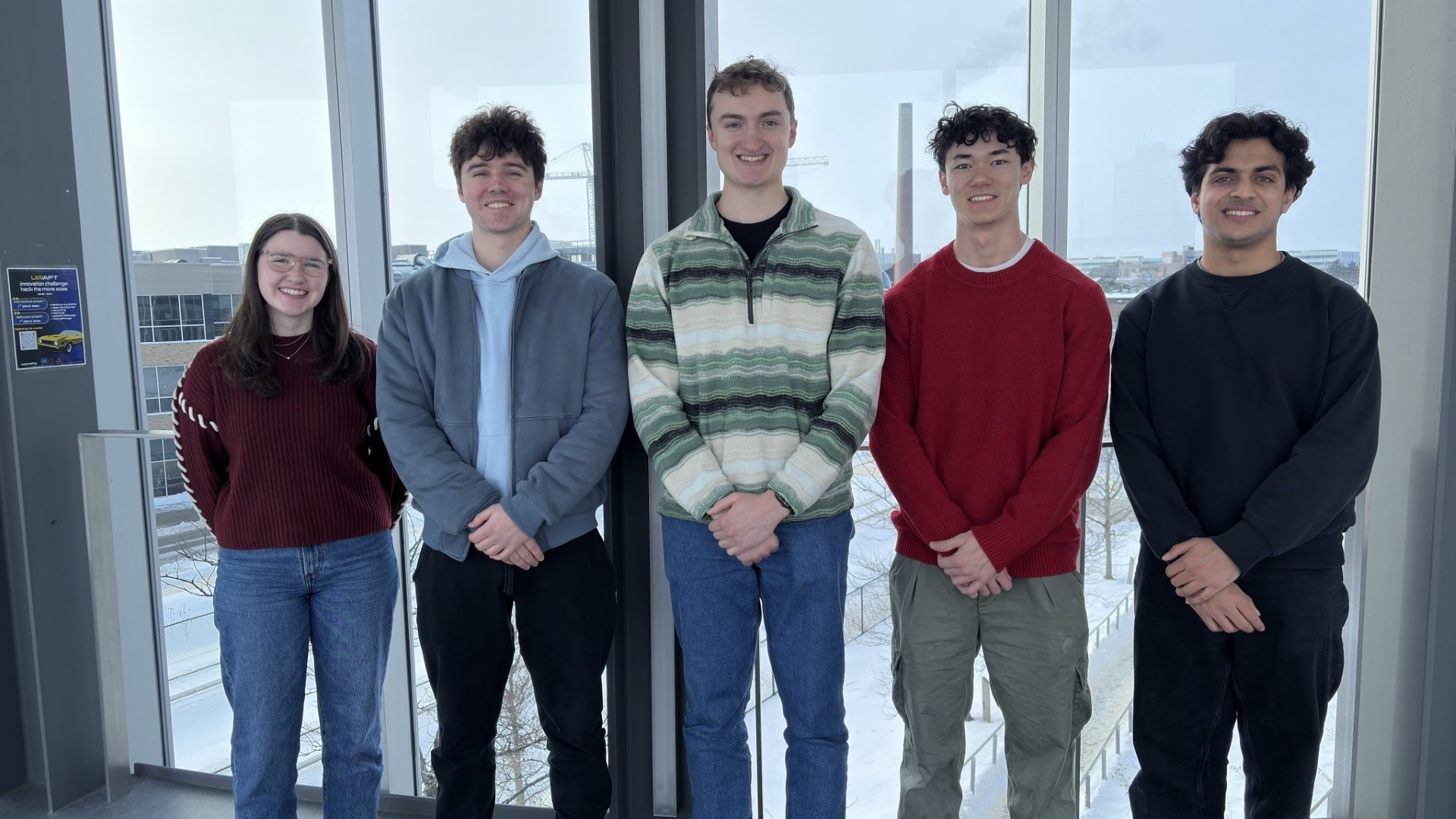
1. SkySweeper
Amy Darling, Sohail Sayed, Peter Whiting, Ben Young, Gaetano Rispoli
SkySweeper is a scaled proof of concept for a modular, cable driven robotic system targeting safer and more efficient mid-rise window cleaning. The design replaces human suspension with a semi-autonomous platform that leverages existing rooftop infrastructure to traverse and adapt to a variety of building facade geometries. SkySweeper aims to reduce operational cost, improve safety, and enable repeatability by decoupling cleaning from human risk and focusing on a scalable, semi-autonomous system architecture.
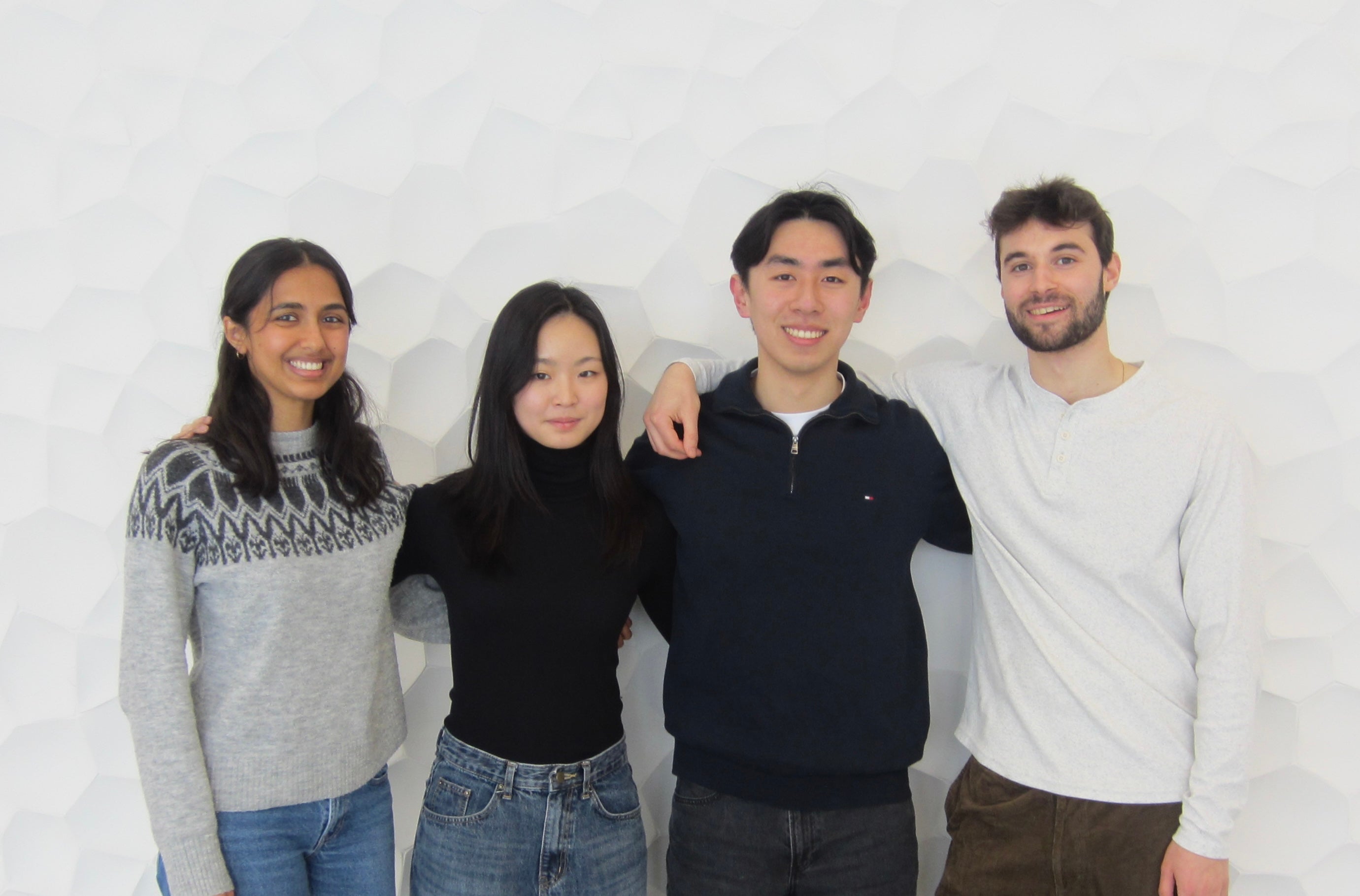
3. DoseDock
Da Yun Chung, David McGuire, Jinal Rajawat, Aaron Zhang
Medication non-adherence is a major issue among seniors, driven by cognitive and physical impairments that make managing prescriptions difficult. Existing pillboxes require frequent manual updates, lack accessibility, and are prone to error, while automated solutions are often expensive and subscription-based. Our project proposes an ergonomic, bulk-loadable pill dispenser that automatically delivers correct doses on schedule and integrates with a mobile app for caregiver monitoring and alerts, improving adherence, reducing caregiver burden, and supporting better health outcomes.
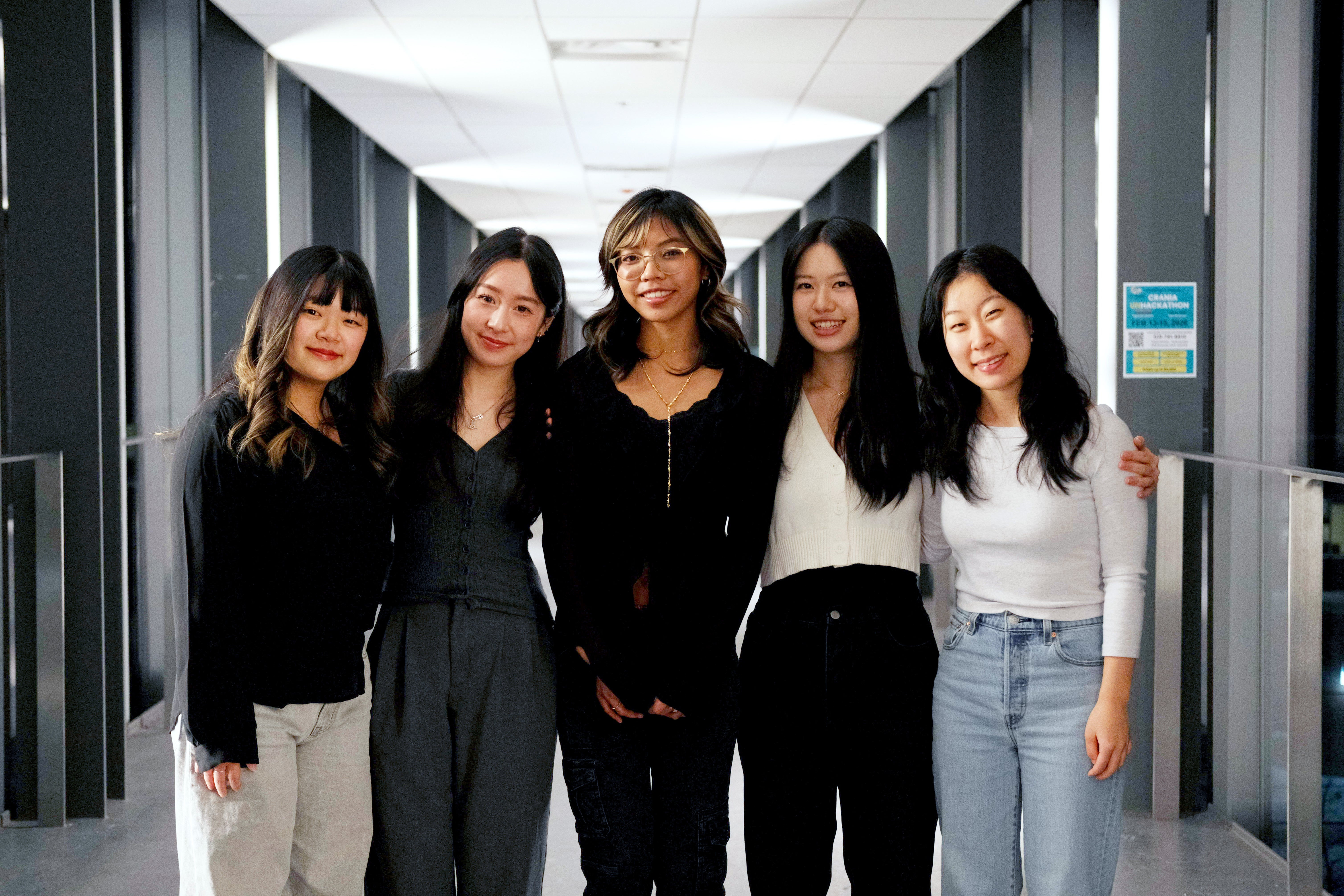
4. Packulus
Jasmine Sun, Kate Lee, Kyleigh Sacbibit, Rachel Baek, Roselyn Huynh
Packulus is a smart travel packing assistant designed to help travelers pack more efficiently by combining real-time object recognition, weight tracking, and smart recommendations. Using a mobile app and a physical sensing mat, the system identifies packed items, tracks weight and dimensions, and automatically checks items off a personalized packing list. Based on item importance, weight, volume, and travel context, the system provides recommendations on whether to keep, remove, or replace items, helping users avoid forgetting essentials, reduce overpacking, and minimize unexpected travel costs.
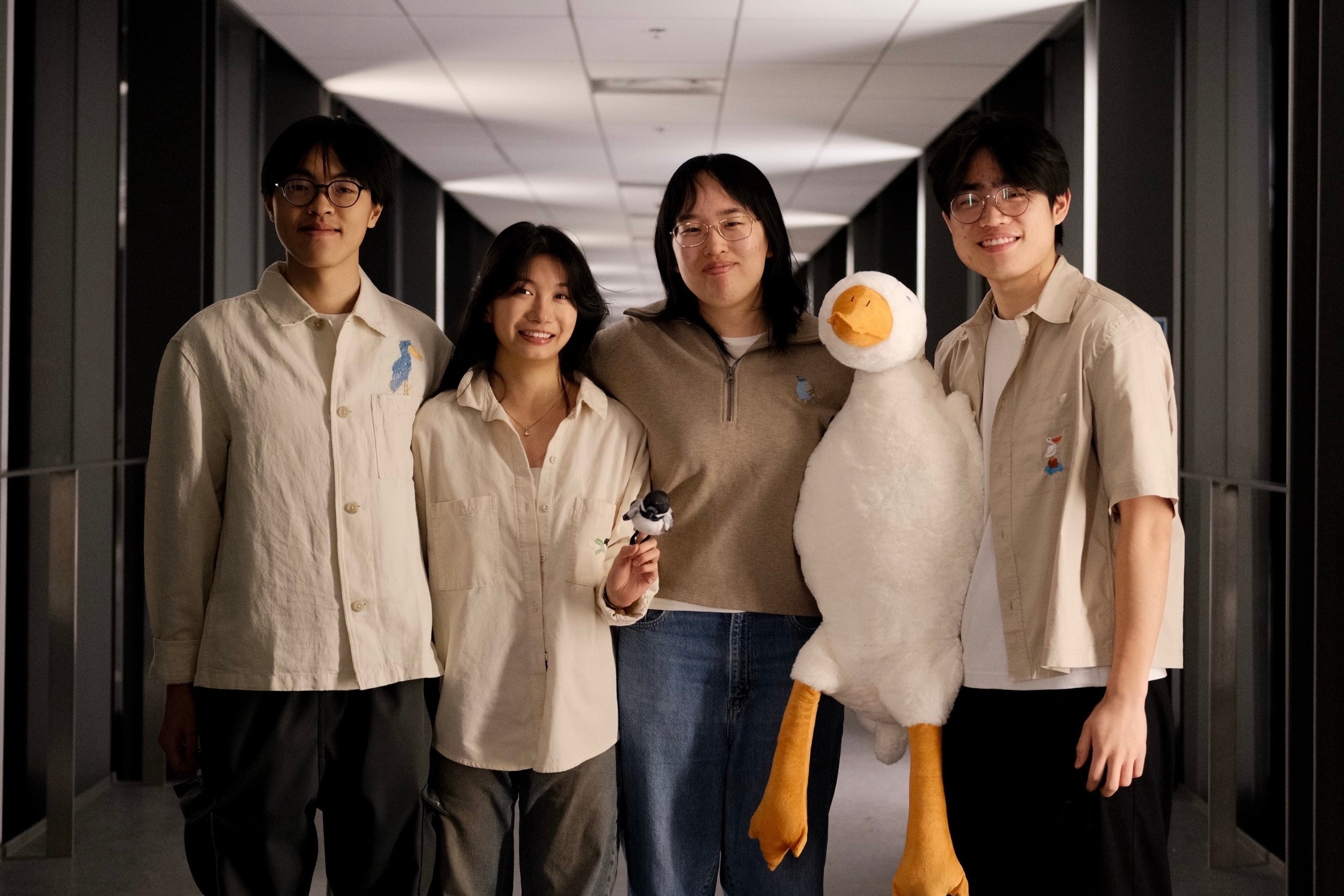
5. Bird-2-Bird
Marcus Chong, Eric Lin, Phoebe Wang, Jessica Zhu
Birds are key indicators of ecosystem health, and many North American songbirds are currently tagged with small radio transmitters. Our system mounts a lightweight radio receiver backpack on pelicans to detect songbird radio signals and log GPS locations along shared migration routes. This mobile approach addresses gaps in the geographic coverage of large, costly permanent receiver towers and provides researchers with higher-resolution movement data.
6. SpeakEasy
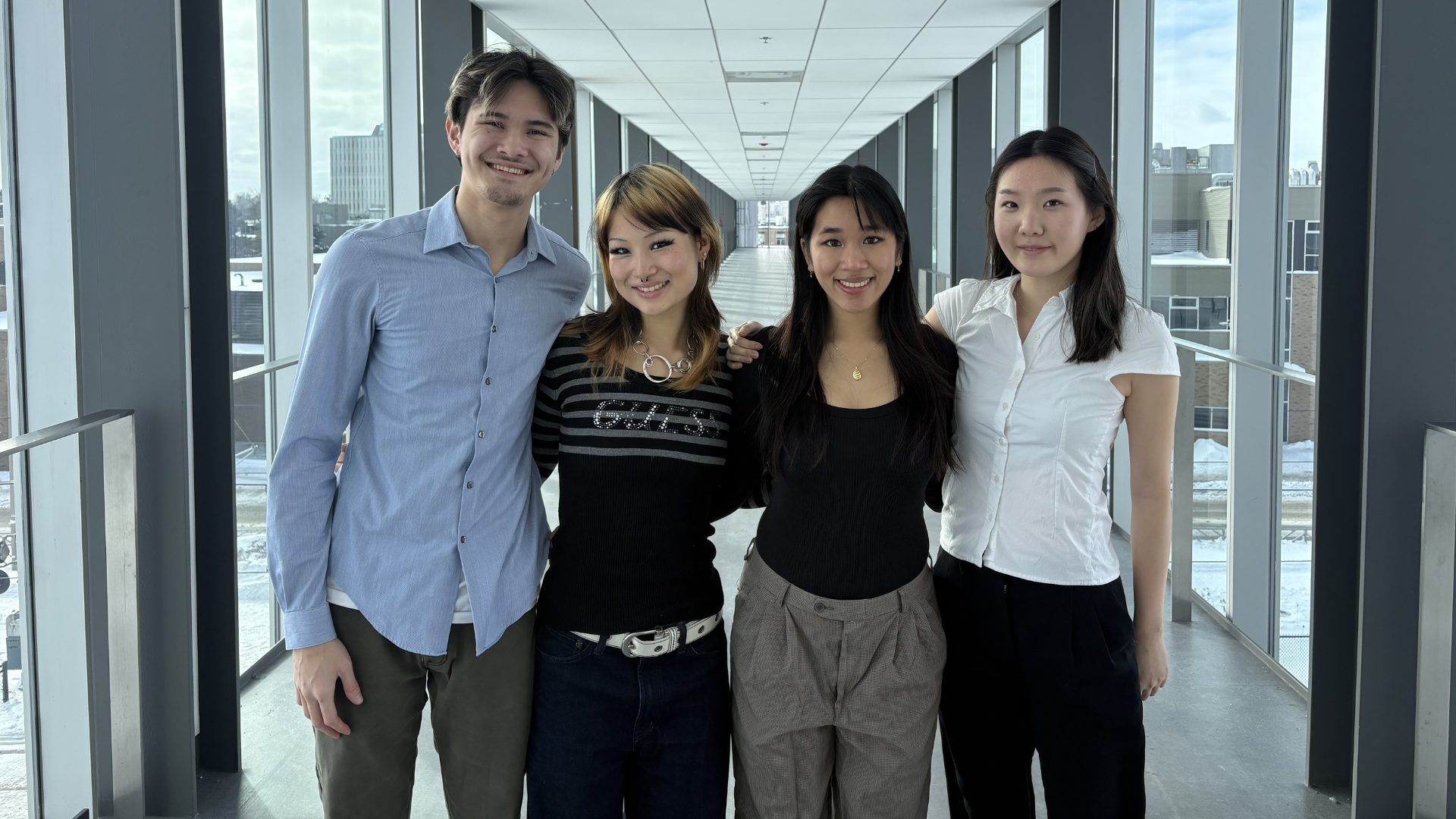
Alexander Hutchinson, Serena Li, Kelly Pham, Sophie Wang
Aphasia is a language disorder affecting ~30% of stroke survivors that impairs their ability to communicate. A key proponent of rehabilitation is practicing communication in everyday contexts, which supports other aspects of recovery such as improving social participation and quality of life. SpeakEasy provides a convenient way to practice real-life scenarios through situation-based simulations, adaptive prompts, and speech recognition, paired with live cueing feedback that emulates speech therapists. This ensures that people can build independence outside of in-person therapy sessions, which may often be inaccessible.
7. BlinkBuddy
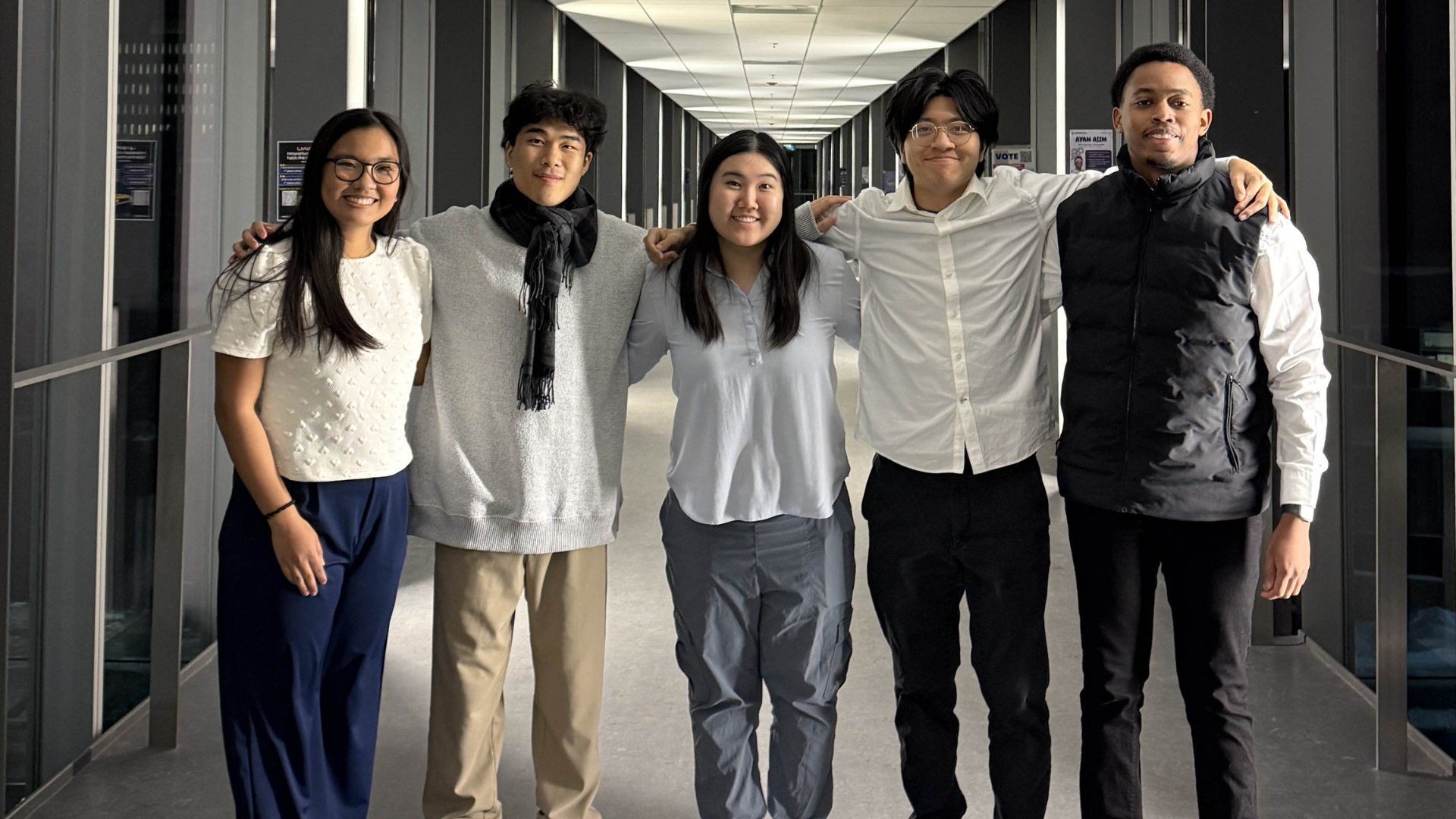
Michael Icharia, Jonathan Kim, Jana Llorin, Tracy Wai, Jason Wang
Approximately 74% of young professionals exhibit symptoms of digital eye strain, or Computer Vision Syndrome (CVS), characterized by headaches, ocular irritation, and blurry vision. BlinkBuddy is a desktop-based system that detects facial features and analyzes them to identify visual behaviour patterns and deliver targeted, low-disruption eye exercise protocols designed to mitigate accommodative stress, support tear film stability, and improve overall visual ergonomics.
8. BeeWare
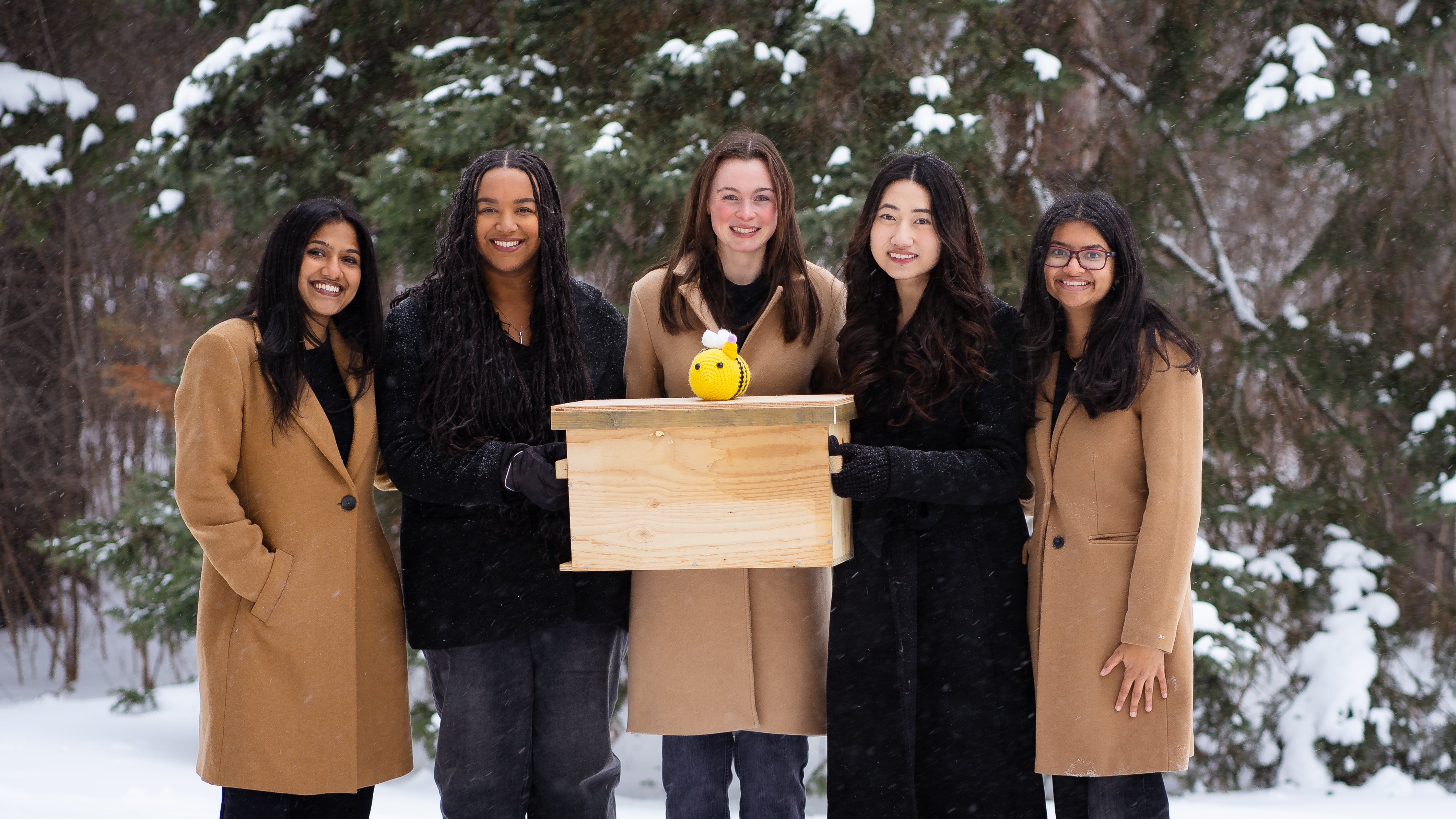
Tessa Baker, Ananya Jaikumar, Aashi Shah, Rachel Wormald, Diana Zhang
BeeWare is a solution designed for hobbyist beekeepers that aims to reduce the 50% annual honeybee mortality rate primarily caused by Varroa mite infestations. The system identifies mite infestations using a data-driven algorithm, recommends 1 of 3 proven treatment methods, and automatically applies the treatment directly to the hive. This all-in-one solution allows beekeepers to manage Varroa mites more effectively and prioritize the aspects of beekeeping they enjoy most.
9. TreadEasy
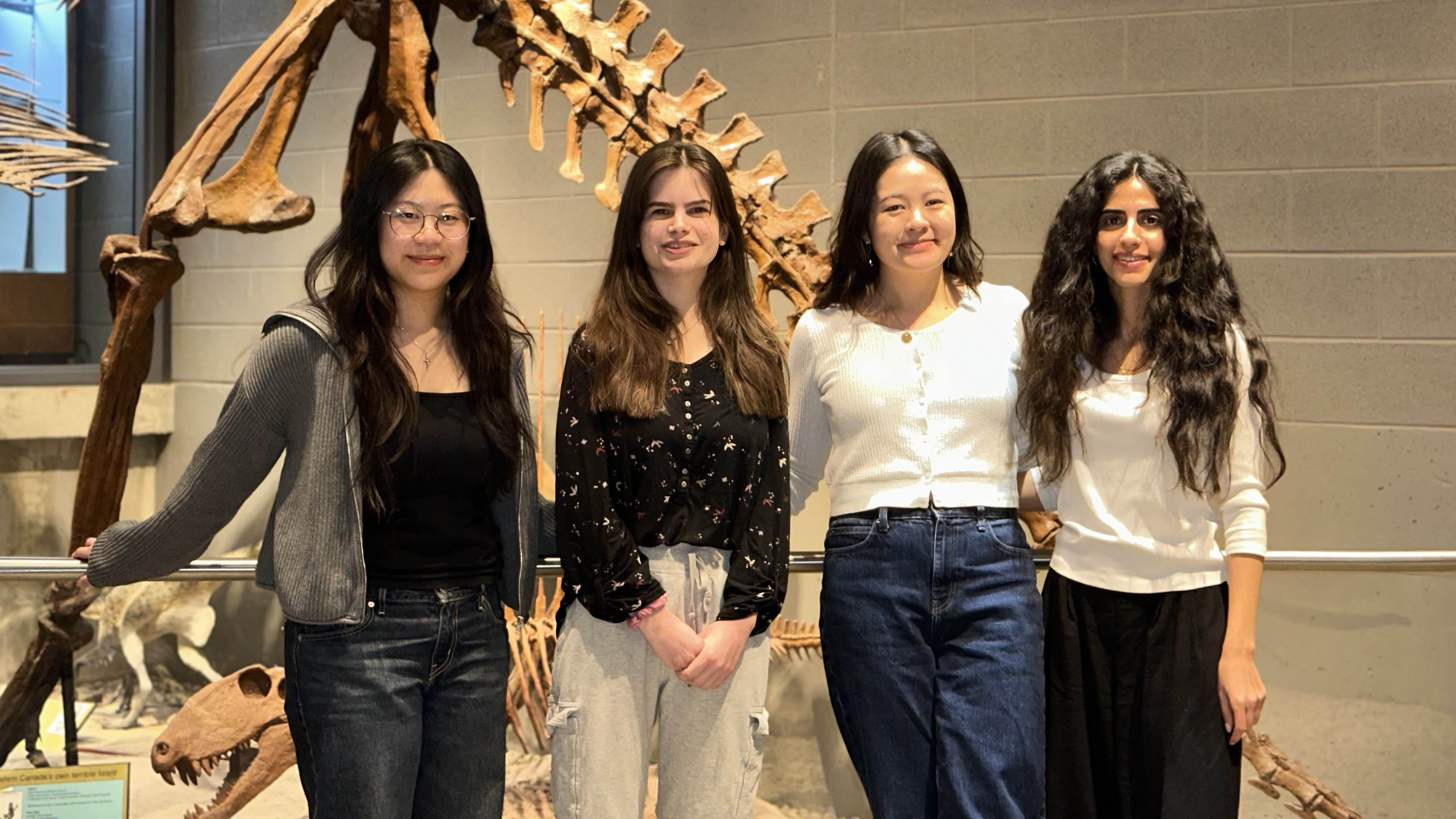
Selena Al Sahawneh, Heather Li Yam Nam, Iris Quan, Sonia Tinaz
Many vision loss conditions increase in severity with age, which requires additional mobility and balance considerations. These individuals struggle to remain physically active due to higher risk of serious injury and lack of equipment accessibility. TreadEasy is an assistive device that allows users to conveniently increase or maintain their level of physical activity without having to replace their treadmill. It features an ergonomic handle system that mimics natural upper-body movement during running and includes a braking mechanism for added safety.
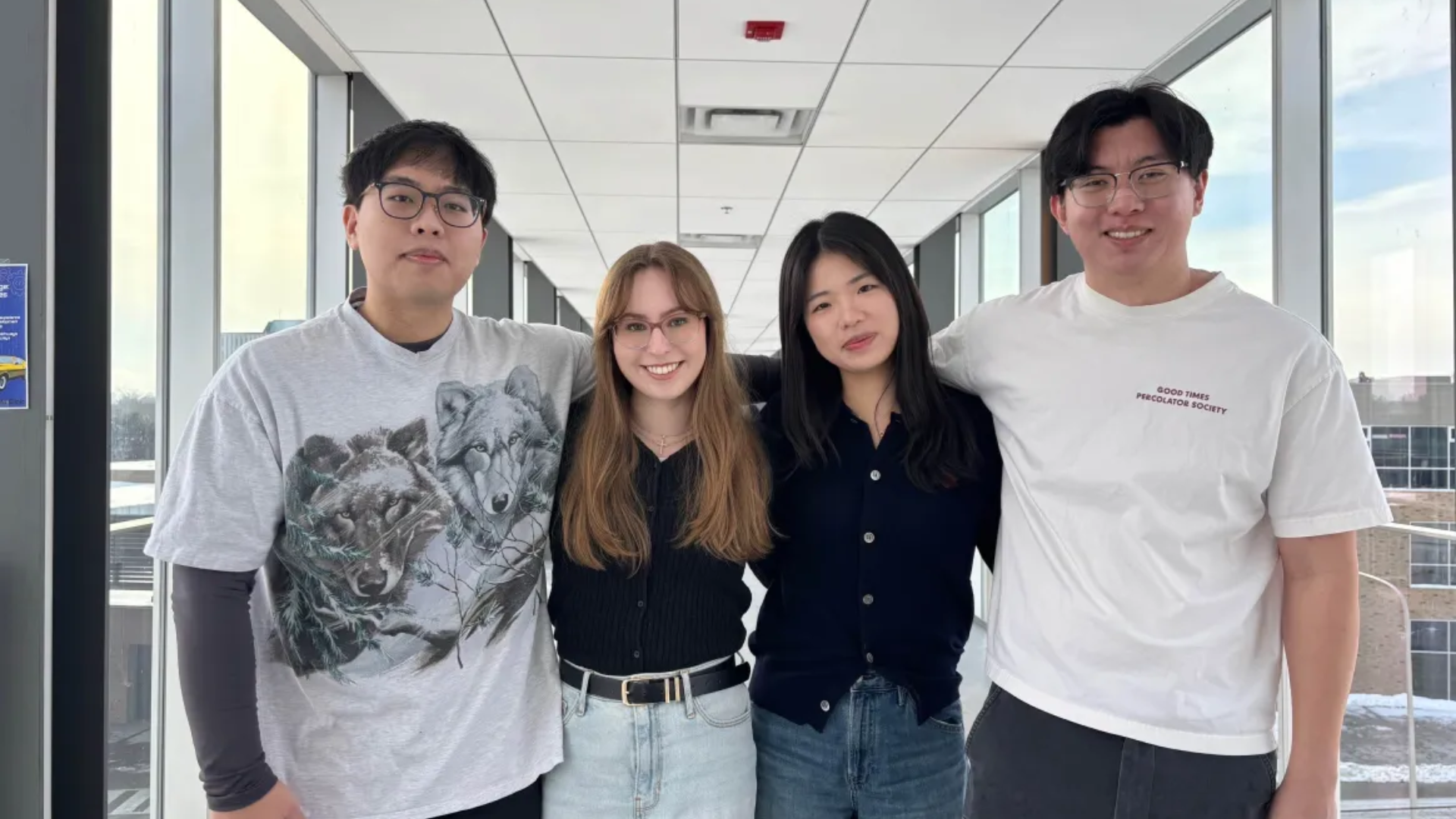
10. Cosmo
Ash Yu-Xiang Chen, Brian Gao, Juyeon Hong, Jessica Piirsalu
Loneliness is an increasingly significant issue among seniors in Canada. To address this, Cosmo provides an affordable, physically embodied alternative to social robots by integrating Amazon Alexa with expressive nonverbal cues such as arm gestures, facial expressions, and head movements. Equipped with a custom Alexa Skill that functions as a wellness coach, Cosmo supports seniors’ physical health while fostering meaningful social interaction. It serves as a friendly companion designed to enhance overall well-being.
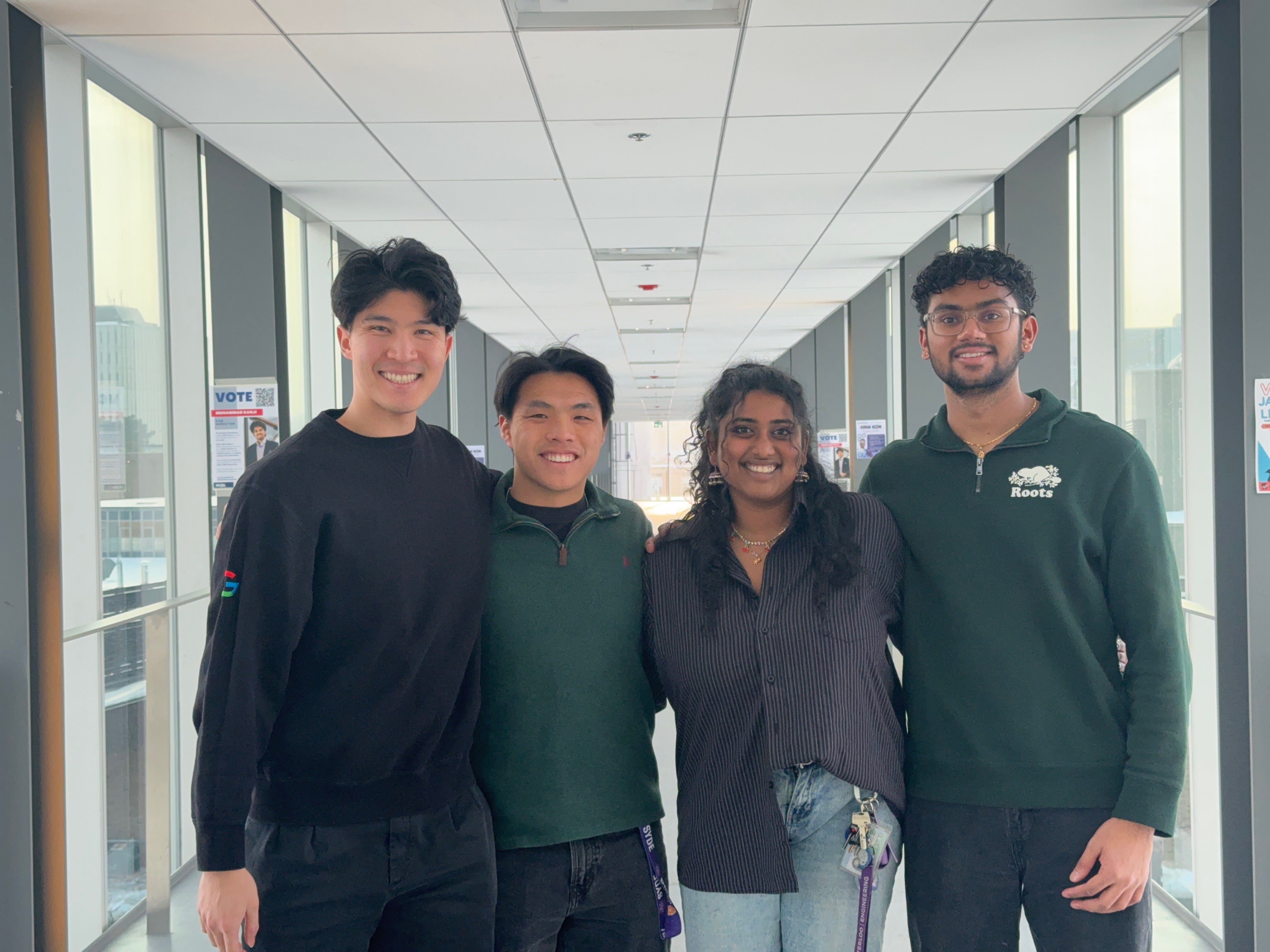
11. ERAS
Ryan Chang, Bryan Lee, Subeka Manokanthan, Het Patel
ERAS (Emergency Response Assistance System) is an intelligent decision-support platform designed to assist 911 call takers and ambulance dispatchers in high-pressure environments. It streamlines emergency response workflows through real-time call transcription, automated priority code suggestions, and optimized ambulance routing, all presented within an intuitive interface. By maintaining a human-in-the- loop design, ERAS reduces cognitive load and accelerates response times while ensuring operators retain full decision-making authority.
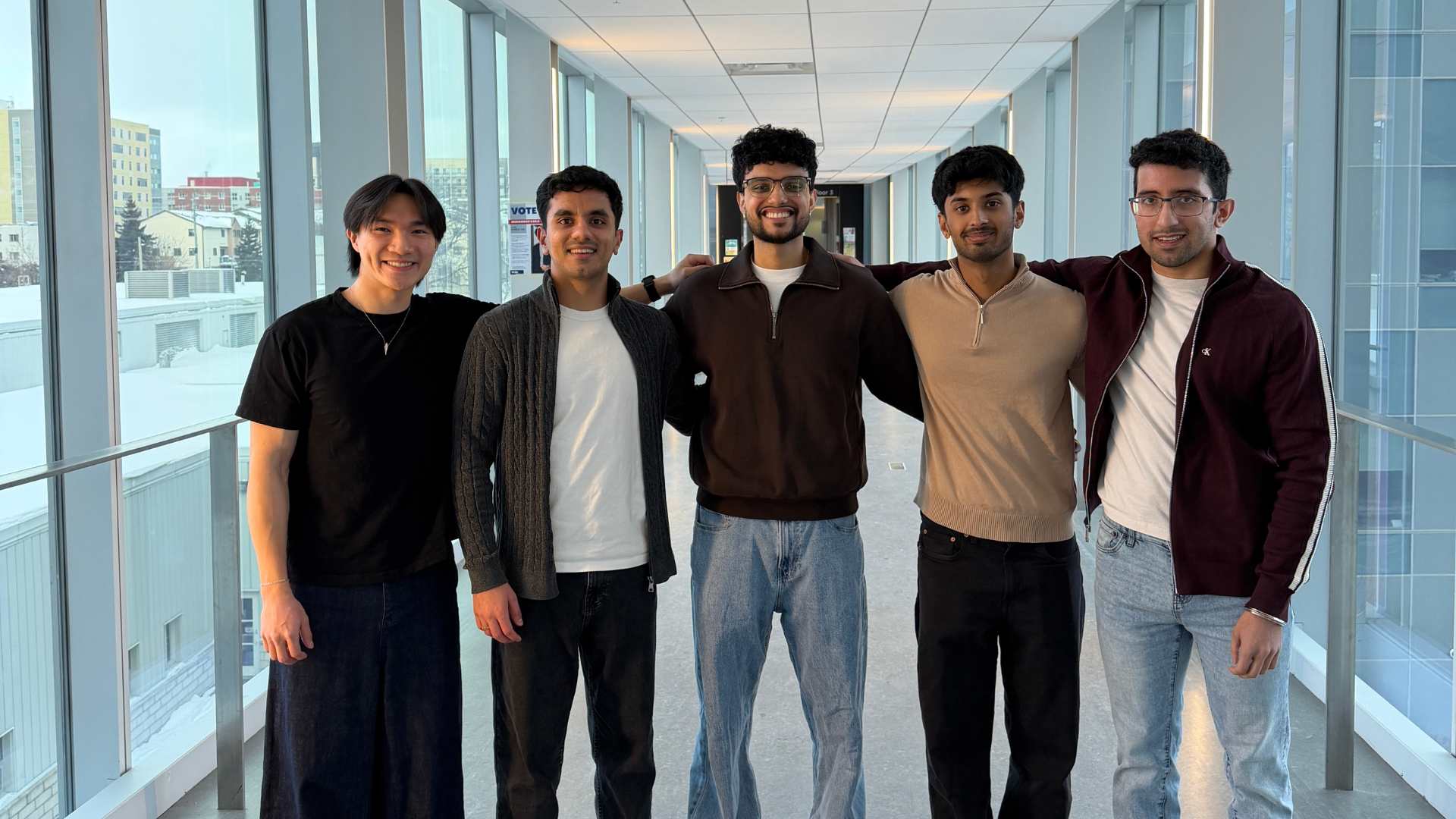
12. SentinalAI
Saransh Rajiv Duggal, Peter Li, Gurpreet Singh Multani, Hard Shah, Gunit Raj Waghrey
Construction sites struggle with enforcing PPE compliance, leading to avoidable injuries, delays, and rising liability costs. Vision Guard solves this with an AI-powered monitoring platform that verifies PPE in real time using computer‑vision cameras and optional RFID access checks. All events link directly to worker badge records and feed into a mobile dashboard, providing supervisors with clear, actionable insights. SentinelAI provides stronger accountability, fewer incidents, and more efficient, safer job sites.
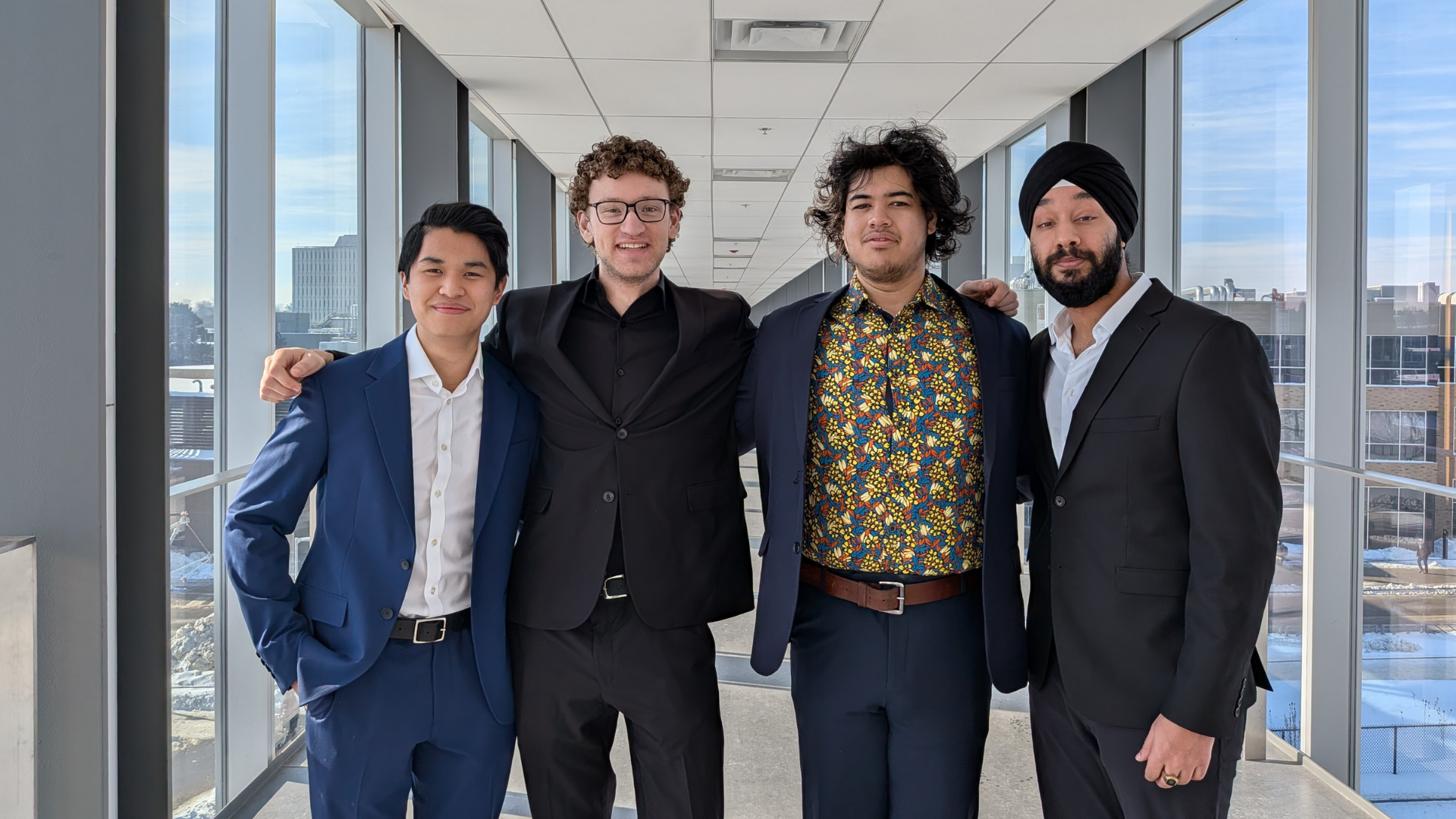
13. LockedIn
Matthew Ng, Aaryan Rawat, Dylan Ruth, Hargun Sibal
Petty theft rates have increased in urban areas across Canada, making laptop theft a growing concern in shared public spaces where devices can be stolen within seconds. LockedIn is a portable security device that individuals can use to protect their laptops in cafés, libraries, and study areas whenever they must step away. By leveraging suction-based attachment technology and an integrated mobile software system, the device physically secures the user's laptop and sends alerts for any unauthorized movement or tampering.
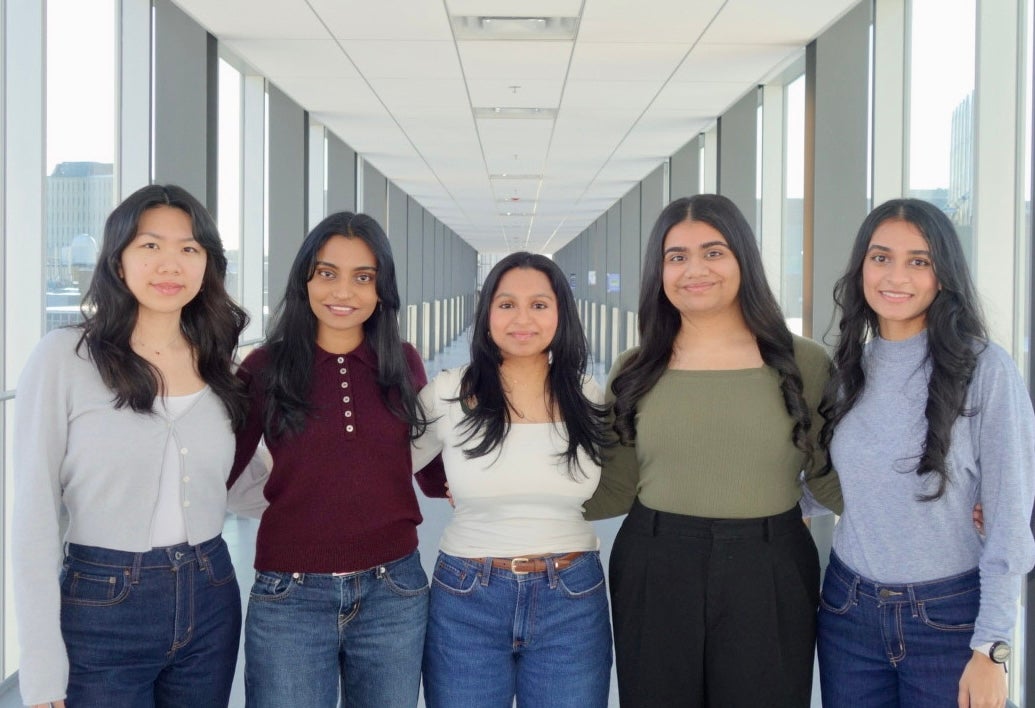
14. SensIQ
Carrie Albert, Janvi Ganatra, Vidhi Gokani, Elle Luo, Vedanshee Patel
During dental procedures, patients are unable to speak, making it difficult to communicate discomfort or urgent needs with their practitioner. Current methods like hand signals, are easy to miss and do not clearly convey what the patient needs, increasing patient anxiety. SensIQ addresses this gap with a handheld, wireless communication device that allows patients to signal “stop,” “suction,” “yes,” or “no” using simple tactile controls. These signals trigger real-time audio-visual alerts on a practitioner-facing web application, improving patient comfort and communication without disrupting clinical workflow.
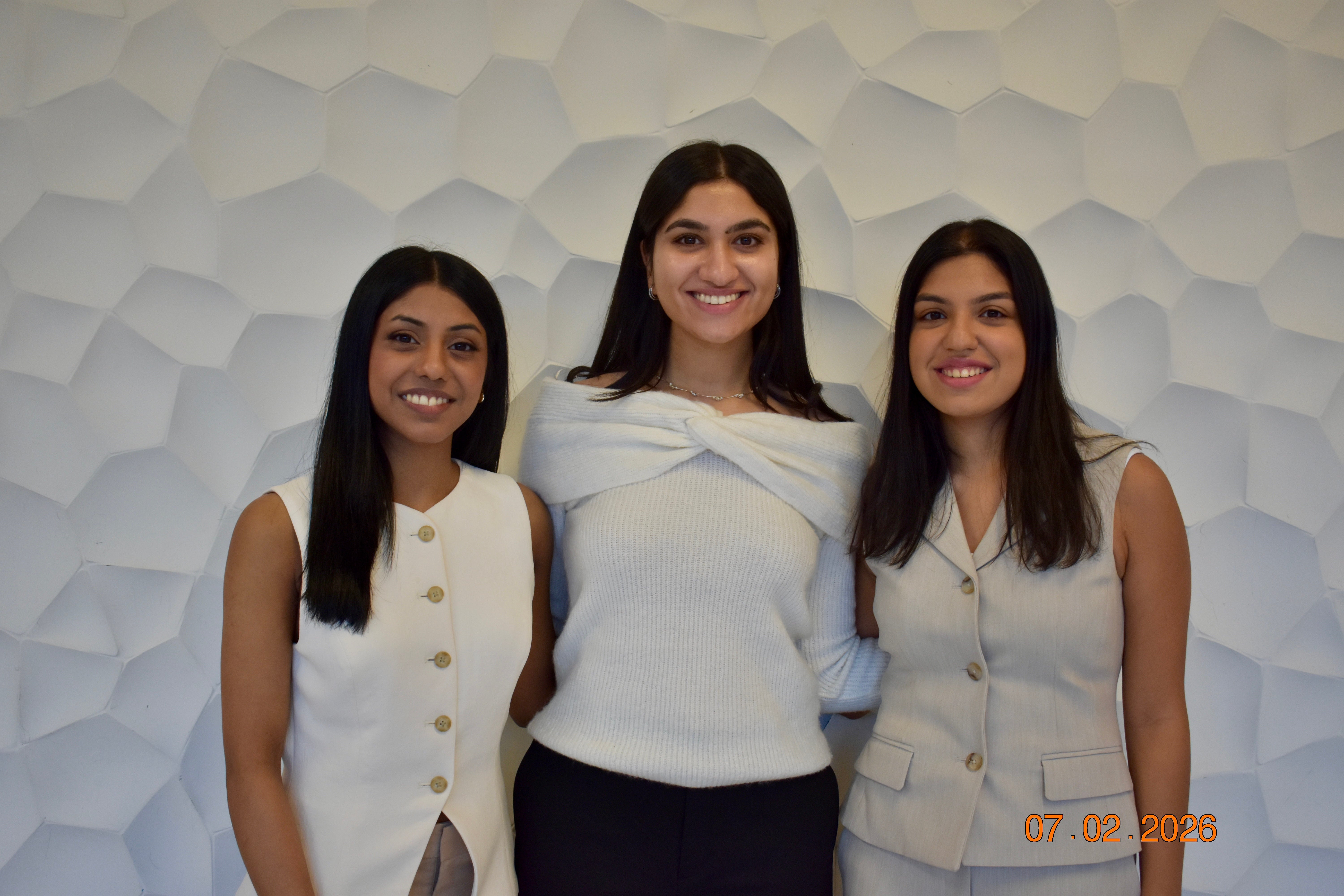
15. VacPac
Zaynah Bhanji, Sinthiya Krishnakumar, Tanisha Nigam
The World Health Organization estimates that 50% of vaccines are wasted globally each year. Much of this is due to poor temperature control during last-mile delivery, where community health workers often carry vaccines on foot through harsh weather. VacPac is a portable smart vaccine carrier that integrates passive insulation with active cooling to extend cold life. The system includes real-time temperature monitoring and alert mechanisms to ensure vaccines remain within the safe temperature range throughout transport.
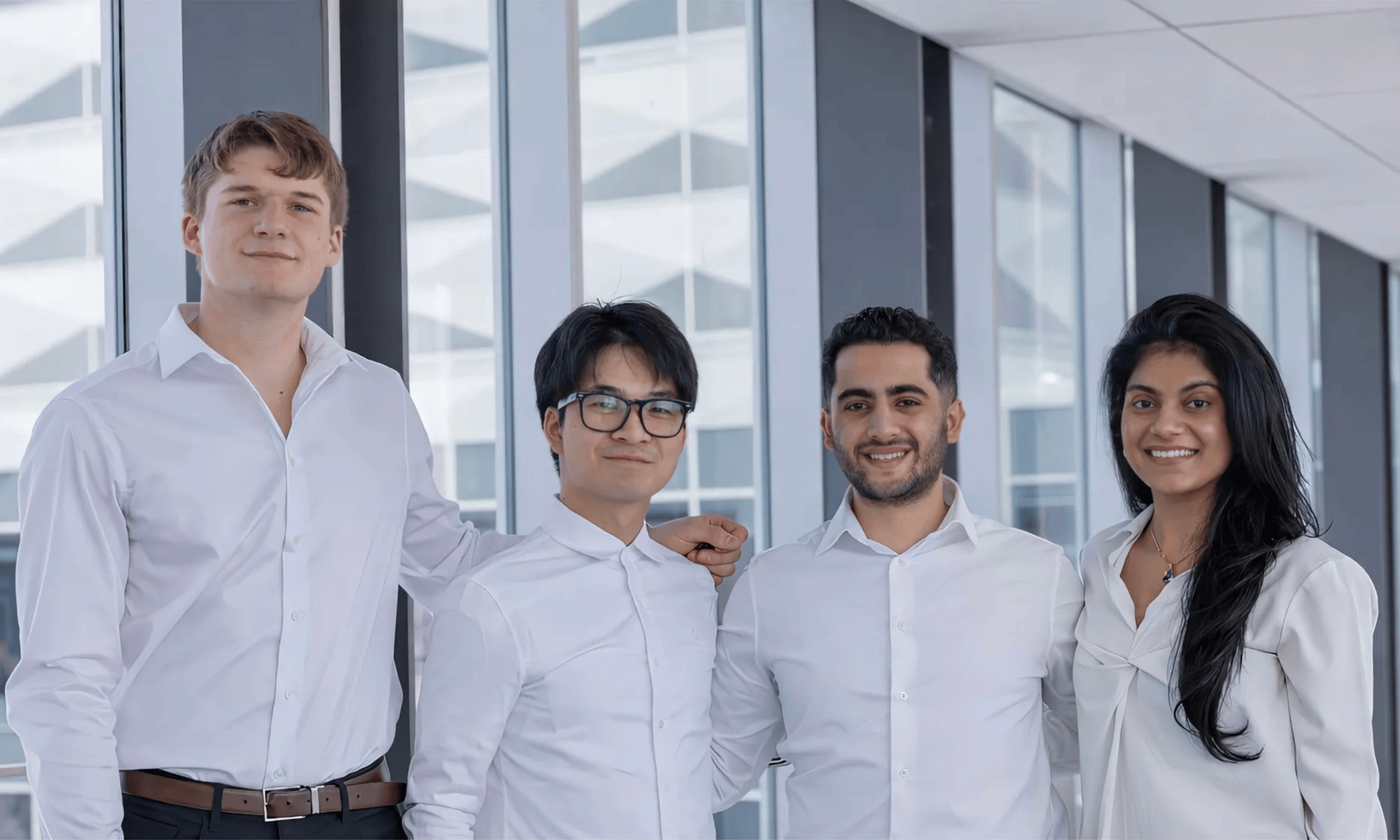
16. Woodcarving Dexterity
Thomas Fieguth, Prakruti Gajera, Yousef Al Sahawneh, Robin Xiang
Woodcarving Dexterity is an interactive training system that assists beginners in learning the skill of woodcarving through the projection of a real-time, depth-based colour map. The projection indicates the areas to be carved and the extent of the carve. The project utilizes a 3D vision system and a projector to compare the carved surface with the target model and project the dynamic colour map thus, lowering the barrier to entry for beginners to learn the skill of woodcarving.
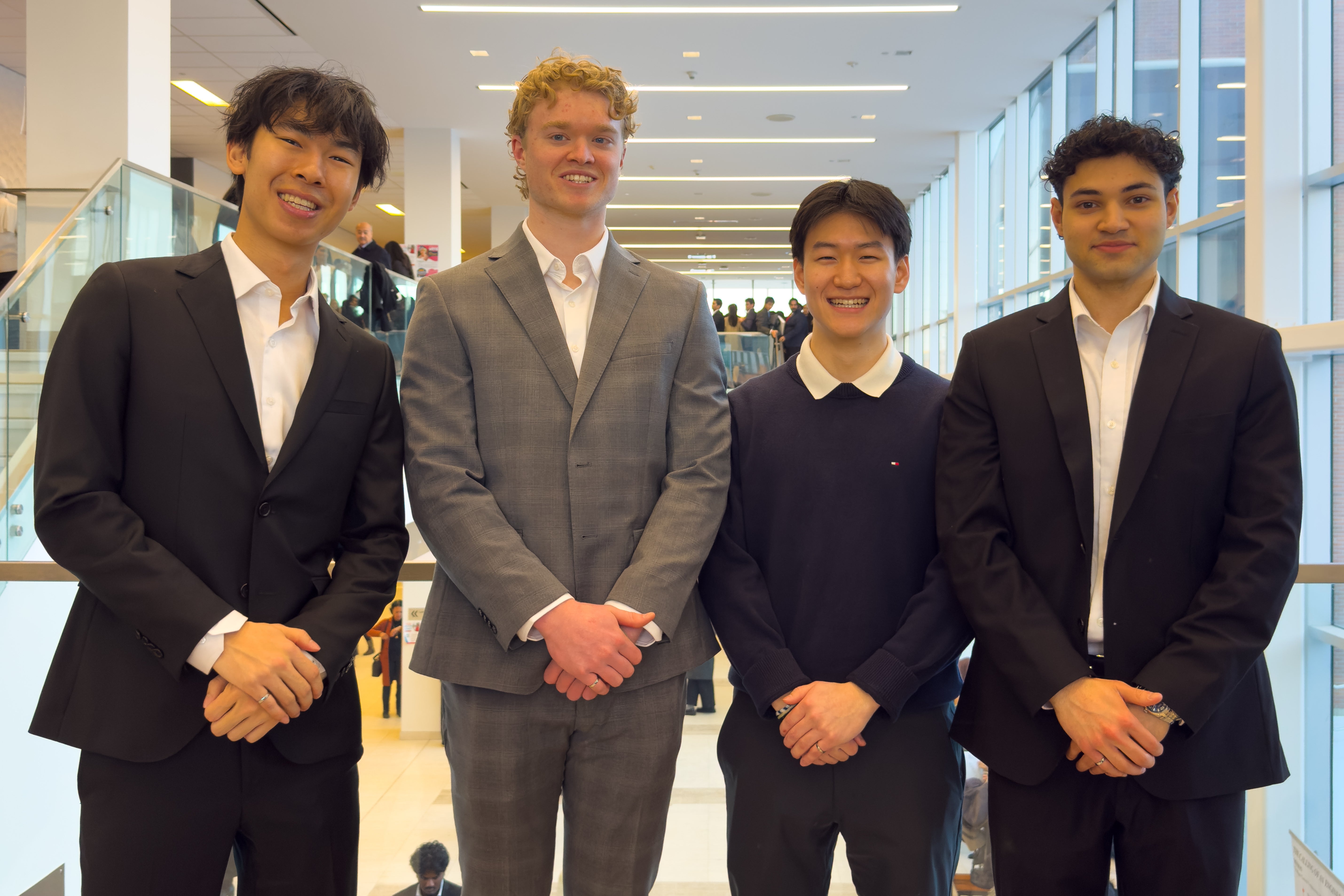
18. MeshSOS
Joshua Chang, Benjamin Chung, Arya Javadi, Logan Long
MeshSOS is an offline emergency communication system designed to support communities during natural disasters when cellular and internet infrastructure fails. Using LoRa mesh networks, the system enables civilians to send supply requests relayed through nearby LoRa devices to emergency relief organizations. MeshSOS includes a mobile interface for civilians and a centralized dashboard for responders, allowing critical information to be shared between both parties to improve coordination and save lives.
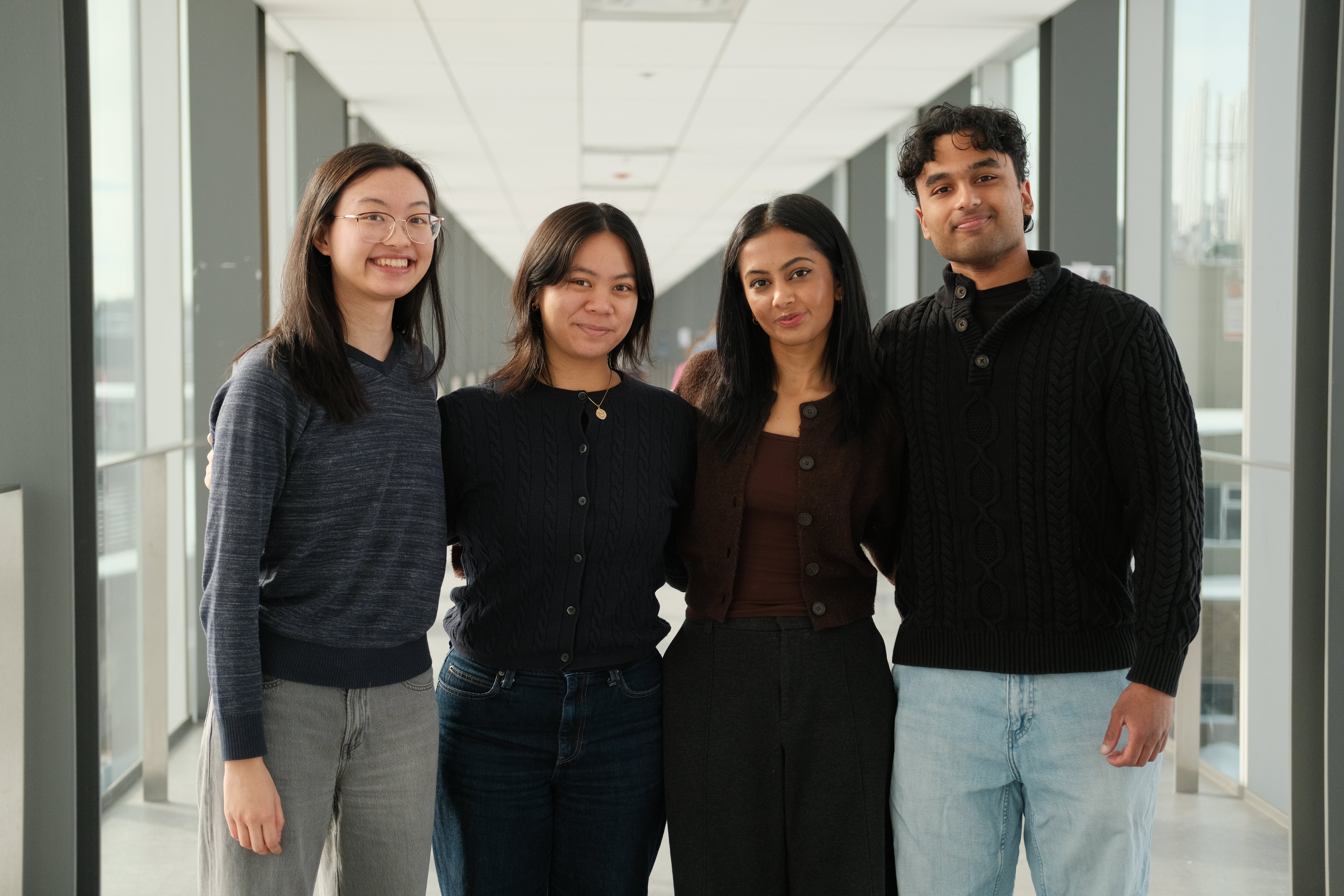
19. DotPal
Rachel Joy Copreros, Surya Sendhilraj , Niharika Srivatsa, Tiffany Yang
DotPal is a universal USB braille learning pad addressing the pre-literacy gap for blind children ages 3-5. While sighted children gain alphabet exposure everywhere, blind children arrive at formal instruction with zero braille exposure. DotPal features six press-and-pop dot switches for pattern exploration and 26 alphabet buttons with raised braille for letter recognition. This braille education tool builds foundational skills that make formal reading instruction possible.
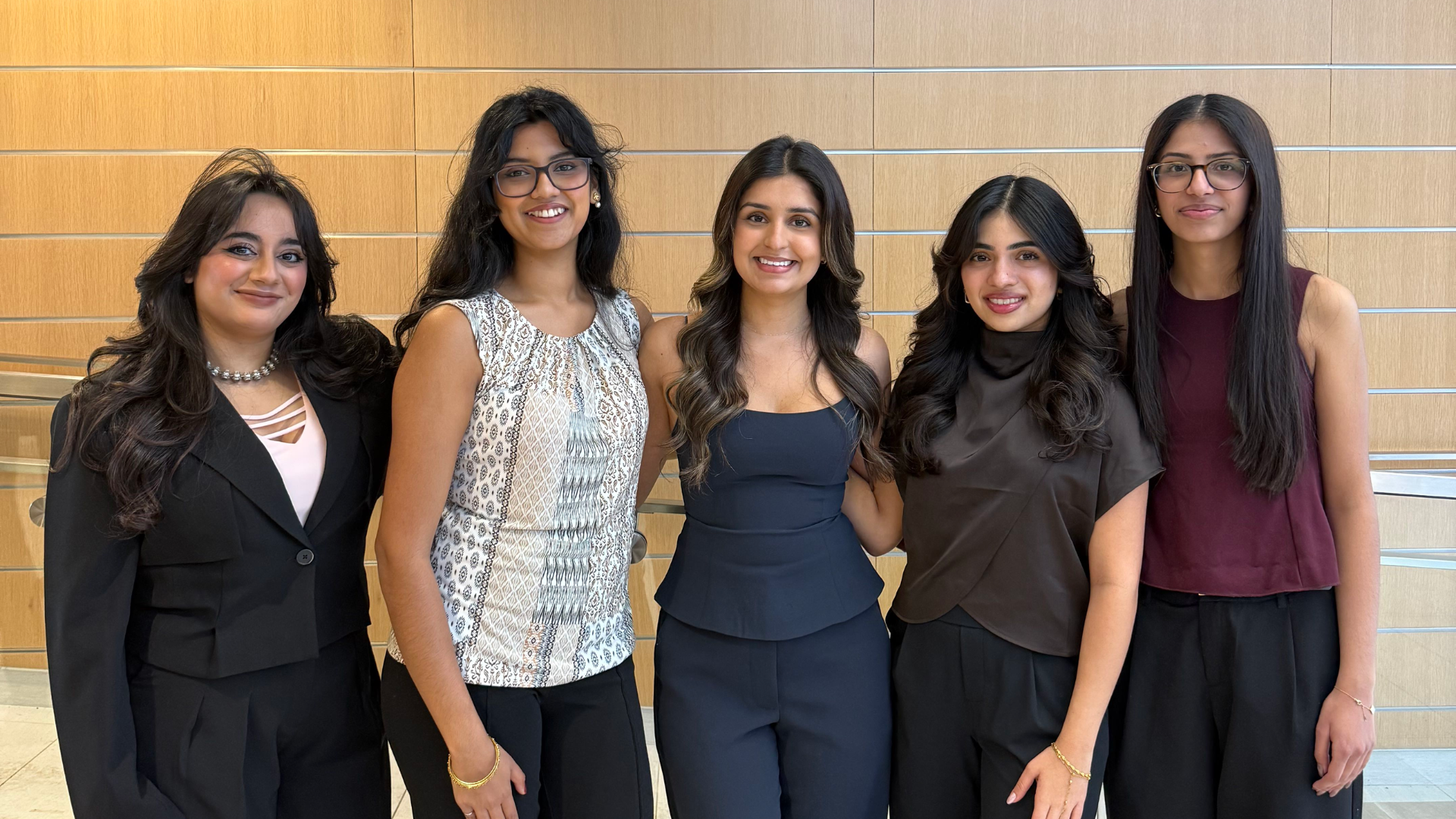
20. HANDL
Yosha Aneja, Nevedhaa Ayyappam, Mehak Dhaliwal, Arya Dixit, Aditi Sandhu
HANDL is a self-stabilizing utensil attachment that assists individuals with hand tremors by mechanically counteracting unintentional motion. The system leverages onboard inertial sensing and signal processing to distinguish tremor from intentional movement, enabling real-time stabilization within typical tremor frequency ranges. Designed with ergonomic, lightweight, and food-safe components, HANDL improves control, reduces spills, and supports independent eating in everyday environments.
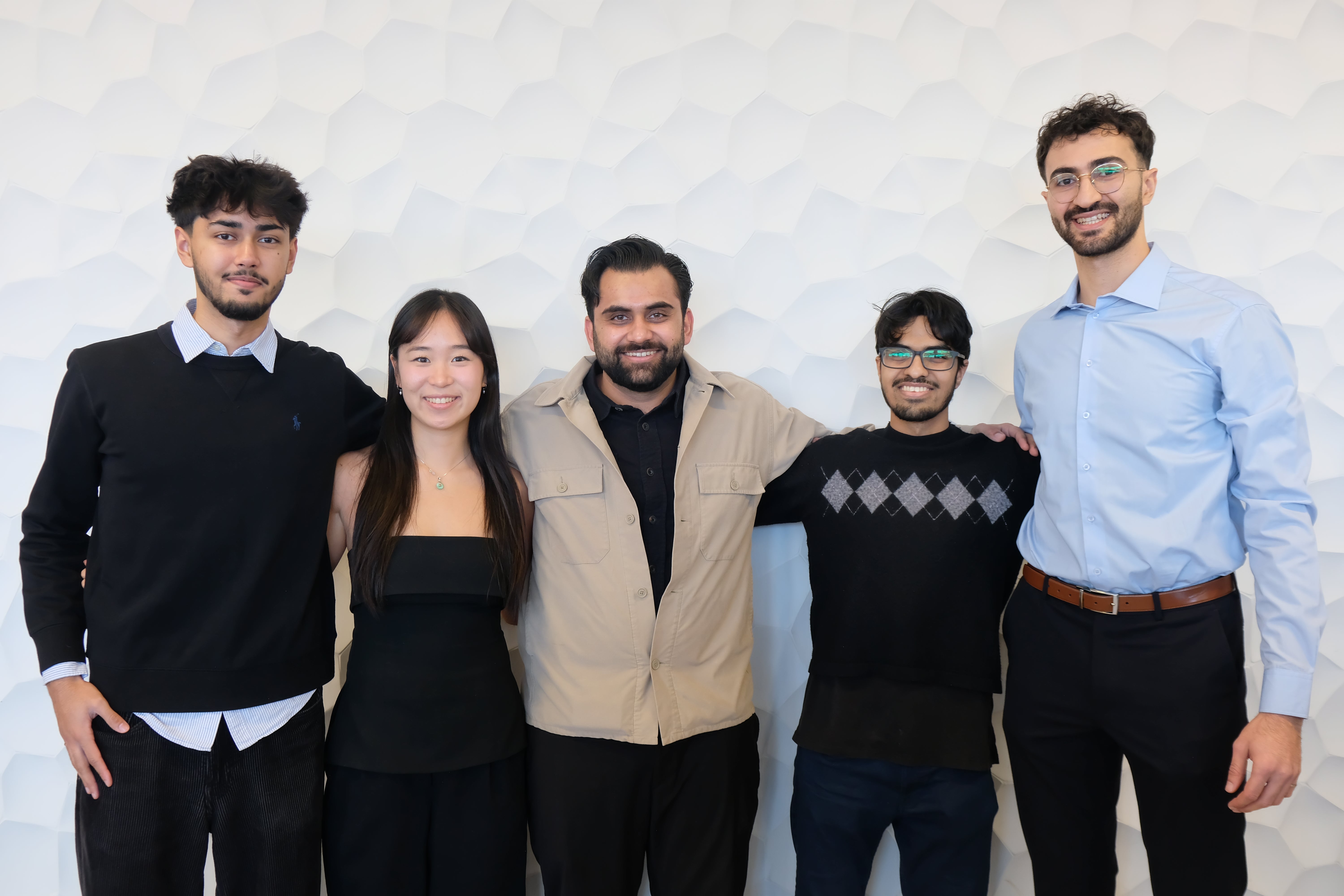
21. JEFF
Rizwan Hamidi, Emad Haq, Daud Khan, Zied Masmoudi, Anna Yang
At a time of lacking access to medical imaging, 90% of ultrasound technicians are scanning in pain and 20% of them leave the profession due to work-related injuries. While robotic systems offer a viable solution, teleoperation systems are often lacking when it comes to haptic feedback, creating an incomplete experience with a steep learning curve. JEFF is a haptic feedback device that enables ultrasound technicians to comfortably teleoperate robotic arms while providing real-time force feedback in multiple degrees of freedom.
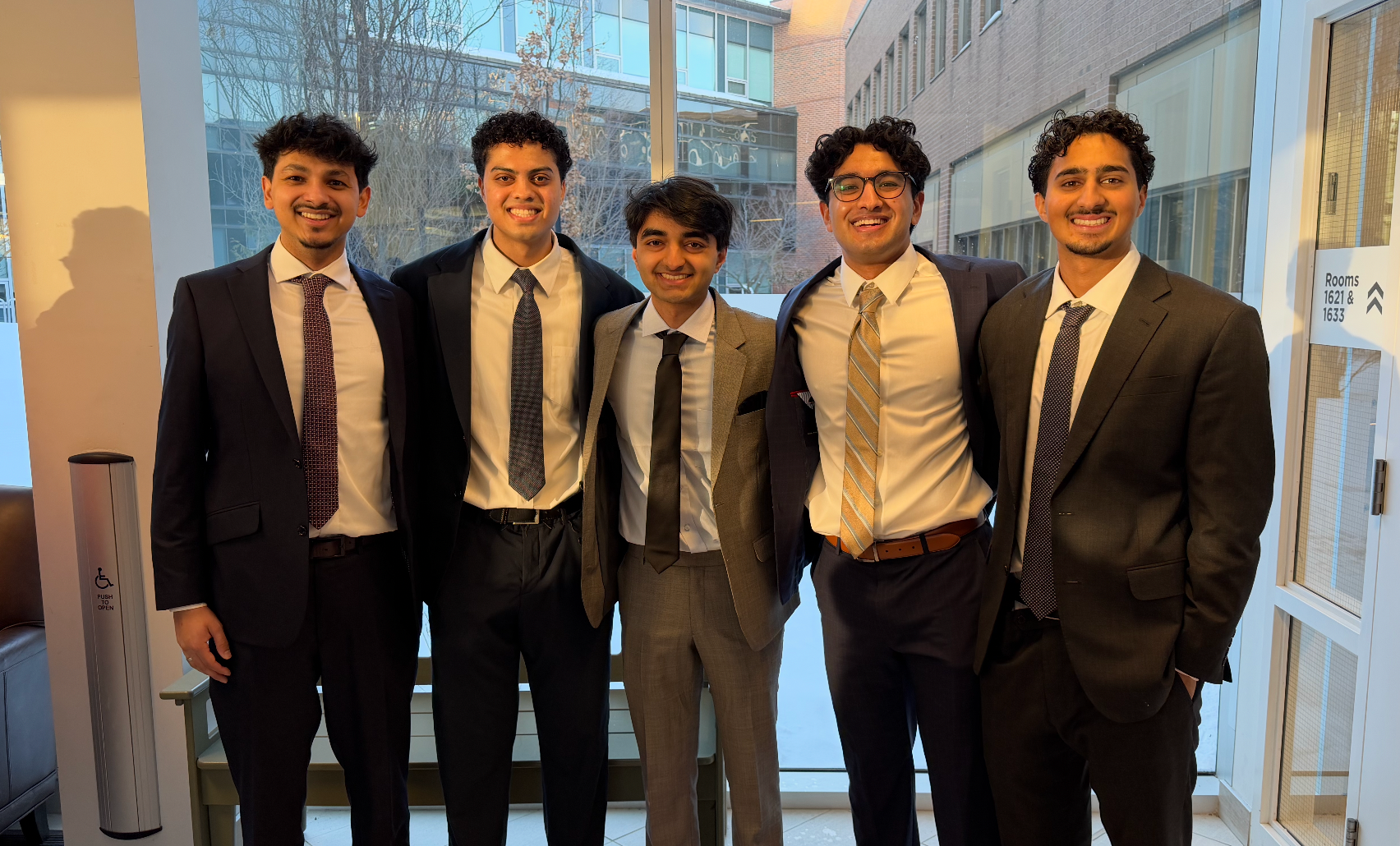
22. Guardians of the Greenhouse
Yousuf Zia Islam, Kayen Mehta, Deen Parak, Shushawn Saha, Ayush Shah
Climate change and rising global demand are straining food production, yet greenhouse growers still lack timely, detailed insight into crop development. Guardians of the Greenhouse is a cart-based imaging system that captures visual data of tomato plants and transforms it into actionable intelligence. By continuously tracking fruit growth, yield trends, and visual indicators of plant health, the system enables earlier detection of issues, data-driven decision-making, and more resilient, efficient greenhouse production.
THANK YOU
PROJECT SUPERVISORS
Baris Fidan
John Zelek
Charbel Azzi
Matt Borland
Cosmin Munteanu
Nadine Ibrahim
Roydon Fraser
Moojan Ghafurian
Elliot Creager
Siby Samuel
Robert Hunter
Yuhao Chen
Rodrigo Costa
Clark Dickerson
Chris Rennick
COURSE INSTRUCTION TEAM
Dr. Reem Roufail
Orion Bruckman
TEACHING ASSISTANT
Amirhossein Amirsoleymani
SUPPORT STAFF
Chris McClellan
Dr. Calvin Young
THANK YOU
Thank you to all the project advisors and support staff for their valuable assistance to the Capstone Design teams. Their support has allowed the students to explore complex, impactful projects and has given them the help and advice they need as they move on to the next stage of their lives.
FUTURE CAPSTONE DESIGN PROJECTS
For more information about Biomedical Engineering design projects or to inquire about joining us in future design projects, please contact:
Reem Roufail,
rroufail@uwaterloo.ca
Share this page on social media:


