
At WatCAR, our research community supports the collaborative development of advanced and sustainable solutions that meets industry and societal needs towards a sustainable and connected future.
Our Core Research Areas
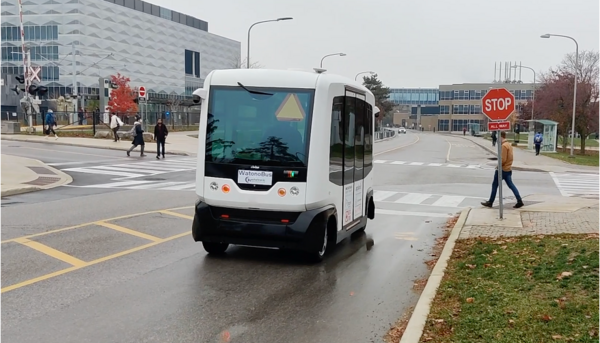
Autonomous and Connected Mobility Systems
Autonomous and connected vehicles are shaping the future of transportation, promising safer roads, less congestion, and better mobility. At Waterloo, we’re leading the way in autonomous systems research, including vehicle-to-vehicle (V2V) and vehicle-to-infrastructure (V2I) communication.
By partnering with industry, we’re helping to drive the development of cutting-edge autonomous technologies and connected mobility solutions. Our work focuses on intelligent algorithms, sensors, and communication protocols to power safer, more efficient systems across transportation, mining, farming, and even indoor applications.
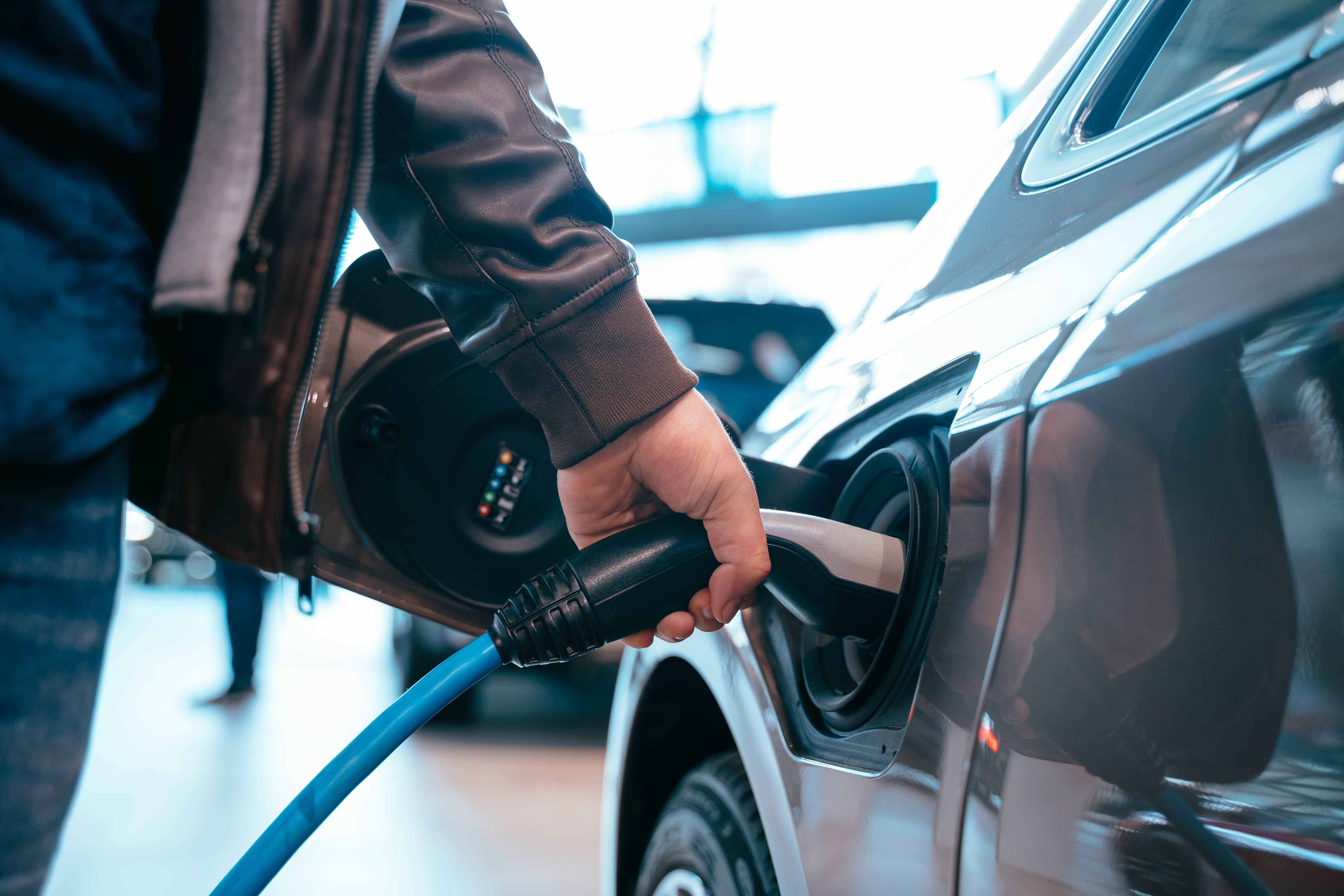
Electric Vehicles and Alternative Fuels
As the world moves toward sustainability, the automotive industry’s shift to hybrid and electric vehicles—and alternative fuels—is more important than ever. At the University of Waterloo, our research in EV battery technology, charging infrastructure, and alternative fuels like hydrogen and biofuels is helping both major manufacturers through to SMEs navigate this transition. By working closely with industry, we’re driving innovation in cost-effective, scalable EV solutions and green technologies, giving companies the edge in the growing sustainable mobility market.

Active Safety and Advanced Driver Assistance Systems (ADAS)
The push for safer vehicles has fueled the development of advanced driver assistance systems (ADAS), including adaptive cruise control, lane-keeping assist, and emergency braking. Our research focuses on making these systems more reliable, efficient, and seamlessly integrated into everyday vehicles. By collaborating with industry we help bring cutting-edge safety features to market, ensuring smaller companies have the tools to meet consumer expectations and regulatory standards.

Smart Infrastructure and Intelligent Transportation Systems (ITS)
The shift towards smart cities and intelligent transportation systems will create more efficient and sustainable urban environments. Our strong research in smart infrastructure aims to develop systems that optimize traffic flow, reduce congestion, and improve the overall transportation experience. By collaborating with city planners and industry in the development and deployment of ITS, we help bring innovative solutions to market that integrate advanced sensors, data analytics, and AI to improve mobility on a large scale.
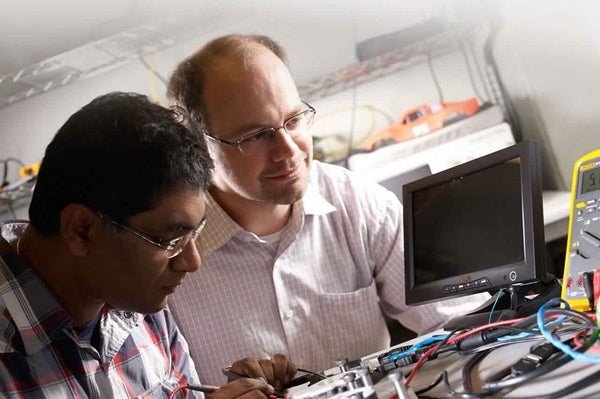
Cybersecurity and Data Privacy in Mobility
As vehicles become more connected, the need for robust cybersecurity and data privacy becomes critical. Our researchers are committed to advancing automotive cybersecurity to ensure the safety and privacy of both vehicle systems and consumers. We develop solutions that protect vehicles from cyber threats, ensuring the integrity of connected systems and user data. Through partnerships with industry, we aim to provide the tools and expertise needed to develop secure automotive technologies that meet the demands of a highly connected world.
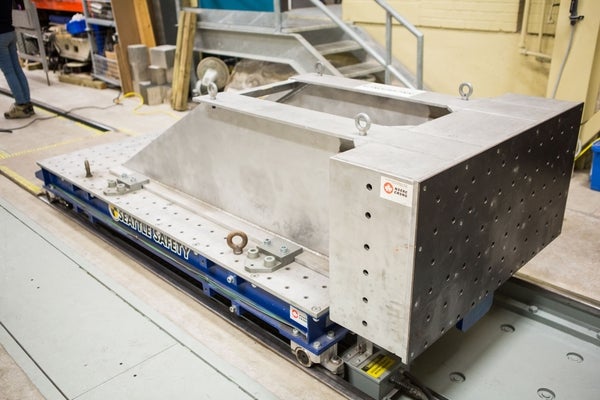
Crashworthiness and Advanced Manufacturing
As the automotive industry adopts new materials and manufacturing processes, ensuring vehicle safety in the event of a crash remains a top priority. Our strong research in crashworthiness and advanced manufacturing techniques is improving the structural integrity of vehicles while also optimizing manufacturing efficiency. By collaborating with the industry, we support the adoption of new lightweight materials, additive manufacturing, and other innovative production methods that not only improve vehicle safety but also enhance cost-effectiveness for manufacturers.