

The Waterloo Climate Institute brings together the research community and partners to advance strategic research and capacity building priorities at the local, national, and international scales. Our work empowers business, government and civil society to respond effectively to the climate crisis.
Based at the University of Waterloo, the Climate Institute harnesses a unique combination of strengths and depth of expertise to enhance the impact and excellence of innovative interdisciplinary research and education, and to deal head-on with the complexity and interconnectedness of social, political and technological dimensions of climate change.
Our key focus areas:

Research
Strategic research development and management across priority research areas (deep decarbonization and sustainability transitions; climate risks, resilience and adaptation; and climate science, modelling and observation).

Training and Capacity Building
Supporting climate action through targeted professional development opportunities and the integration of climate education in academic programs.

Knowledge Sharing
Informing decision makers in policy, practice and innovation through tailored reports, briefs, facilitated workshops, data visualization, media engagement, and partnerships.
Learn more about the work at the Waterloo Climate Institute:

Climate education resources
From Illuminate — our climate change simulation game — to our series of curriculum briefs, explore our list of internal and external resources that support climate education, research and action.
News
Leveraging urban planning for climate resilience
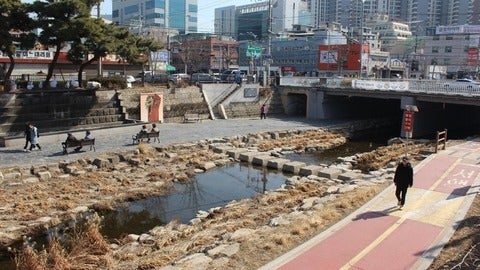
The UN-Habitat's World Cities Report 2024 highlights the urgent need for climate-resilient urban planning as 2 billion city dwellers face climate change impacts by 2040. Co-authored by Dr. Luna Khirfan from the University of Waterloo, the report emphasizes nature-based solutions, such as urban green spaces and flood defenses. It calls for inclusive, people-centered approaches to address vulnerabilities and promote equitable outcomes. The report aims to inspire cities to integrate climate action into their planning frameworks.
Global Stocktake: Unlocking Opportunities for Transformative Climate Action
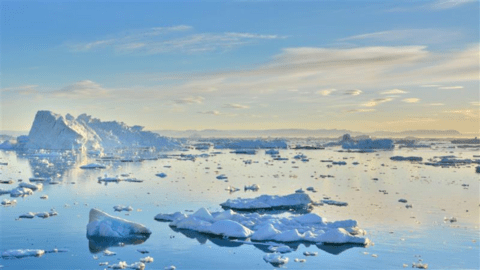
The Waterloo Climate Institute's new brief discusses the Global Stocktake's impact on climate action during COP29 in Baku. It emphasizes the need for nations to revise their Nationally Determined Contributions (NDCs) by 2025, integrating renewable energy strategies. Dr. Marie-Claire Cordonier Segger highlights the GST as a pivotal moment in climate law, urging collective action for a sustainable future.

Kwaku Owusu Twum: Student Climate Council Member Transforming Agriculture with Mapmate
Kwaku Owusu Twum, an Environment student and member of the Student Climate Council at the University of Waterloo, is making significant strides in agriculture with his startup, Mapmate. Alongside co-founder Daniel Buston Yankey, Twum aims to connect small-scale farmers with food manufacturers through a digital platform that enhances communication and collaboration. Inspired by his experiences in Ghana, where climate variability impacts food security, Twum's vision empowers farmers with data analytics and innovative tools, even in areas with limited internet access. His recent win at the Velocity Pitch Competition underscores Mapmate's potential to transform agricultural practices and improve livelihoods.