The 23rd Session of the Conference of the Parties (“COP23”) to the United Nations Framework Convention on Climate Change (UNFCCC) was held in 2017 in Bonn, Germany.
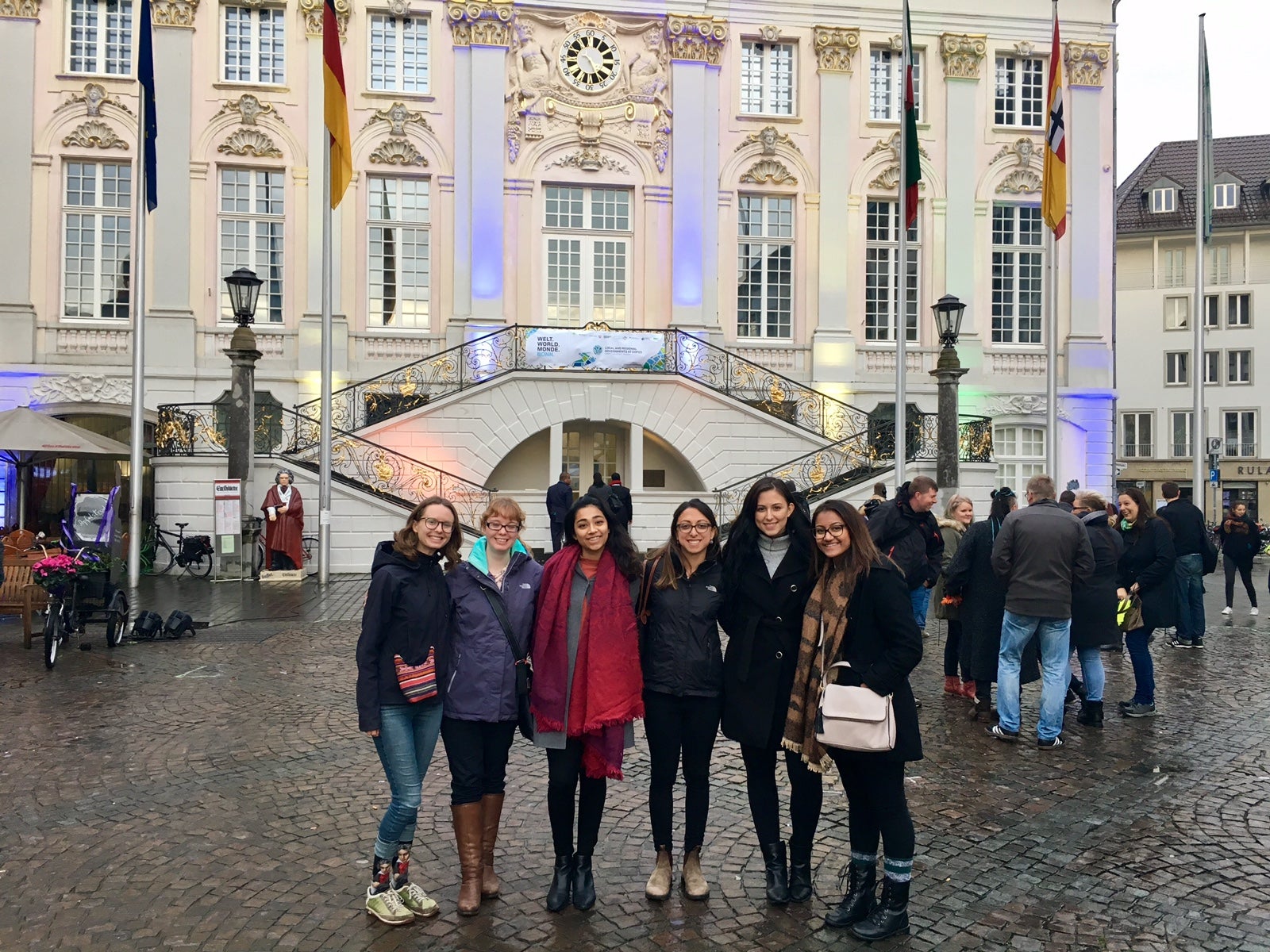
(L-R) Kristin Koetsier, Tia Driver, Siya Agarwal, Natalie Heldsinger (IC3, UWaterloo), Sandra Biskupovic, and Sanchi Sharma in Bonn, Germany.
The students shared their experiences with daily Instagram posts (@cop23uwaterloo), through various personal social media channels, and many reflected on their experiences in the blogs below.
The student delegate experience at COP23
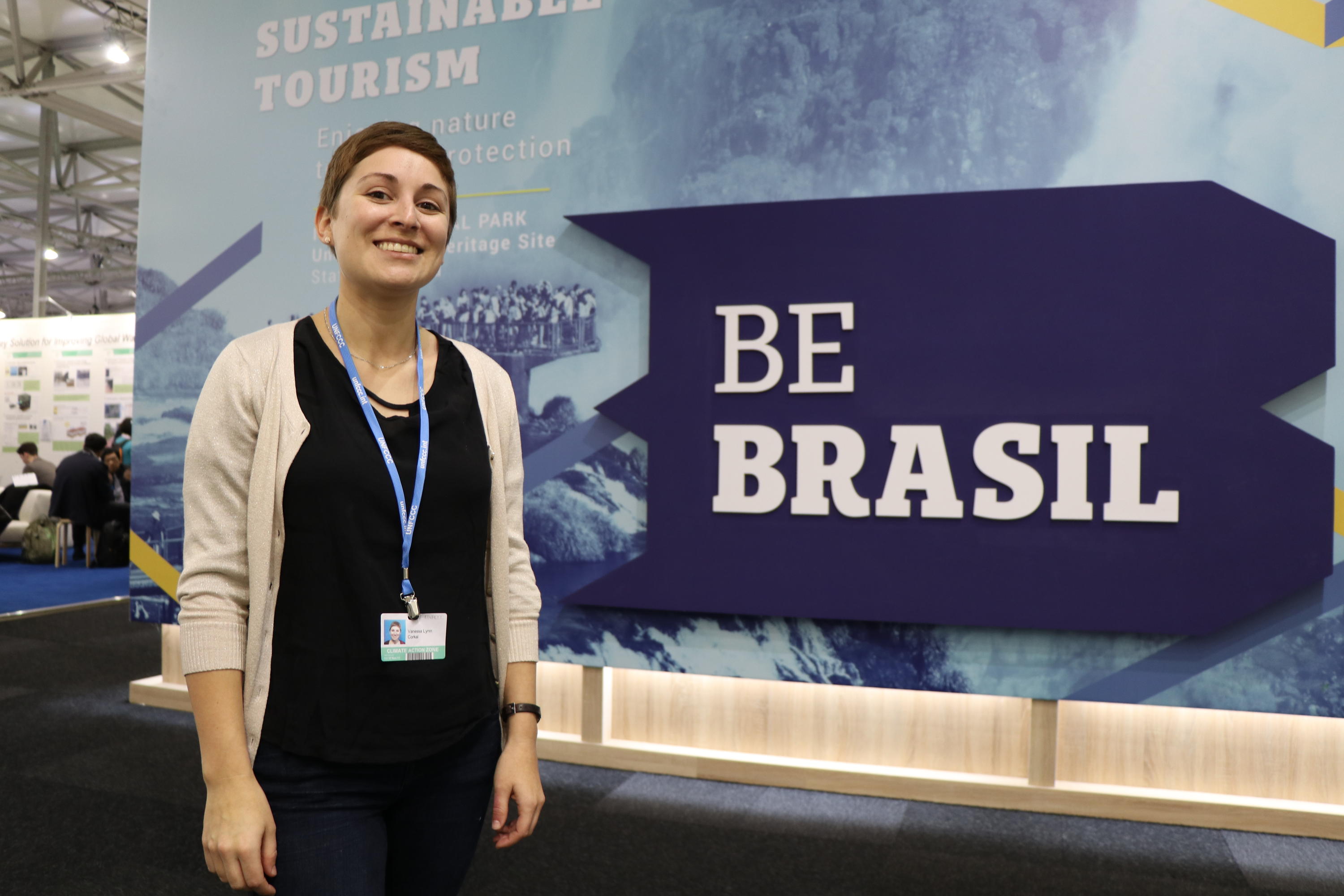
Vanessa Corkal
Building bridges through better collaboration at COP23
When it comes to international climate change negotiations, it’s an ongoing struggle not only to get consensus among countries, but to ensure marginalized voices get equal participation and representation in decision-making. Climate change is a complicated, multi-faceted problem. We need solutions coming from all sides, including from voices we don’t hear often enough.
In a recent Scientific American article, Christina Figueres, former chief of the UNFCCC, describes how bringing “female energy” into the negotiations was key to getting the Paris Agreement signed. Similarly, a big step forward was made this year with Fiji hosting the Presidency. They introduced an important indigenous perspective to the negotiations process through the Talanoa dialogue.
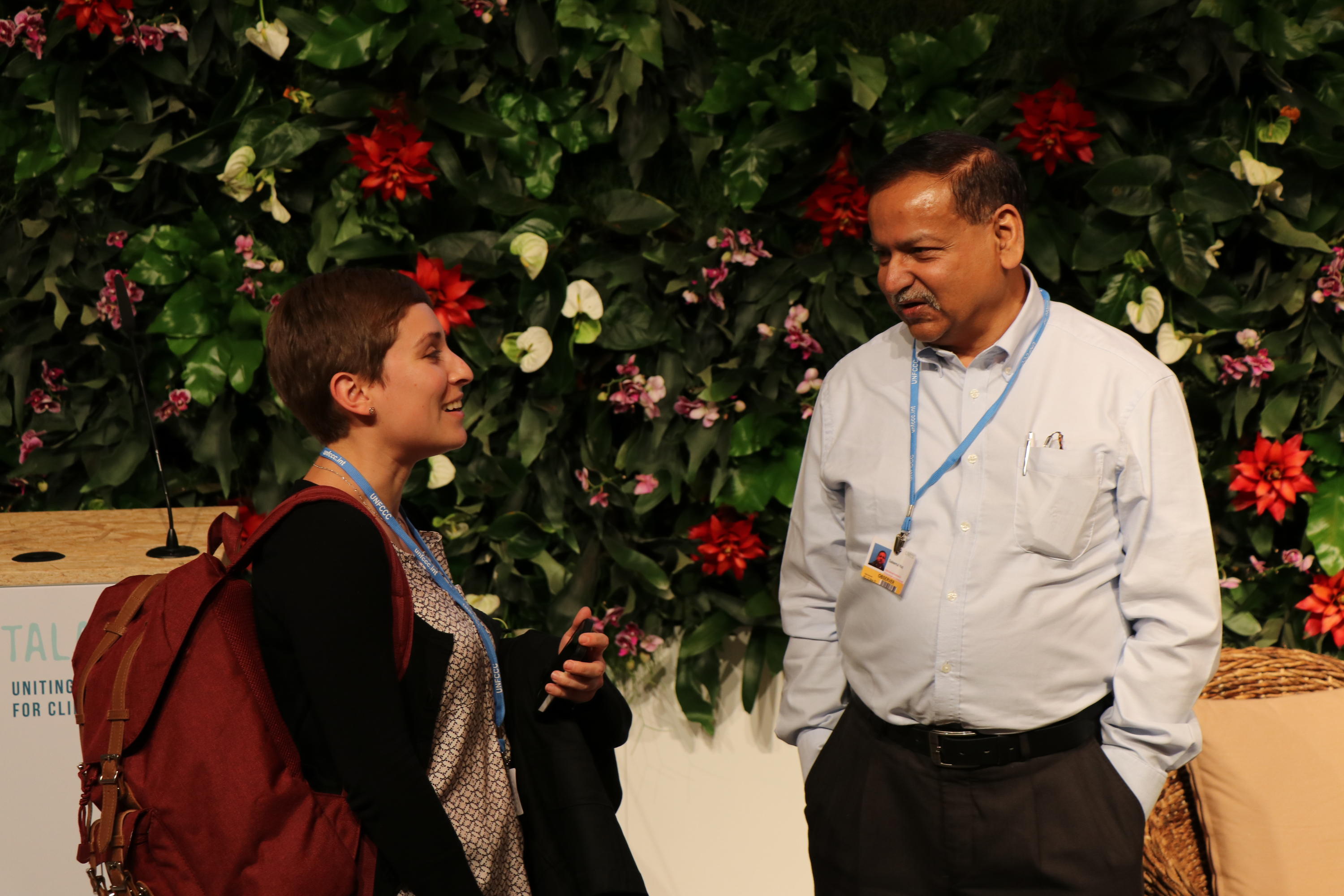
On a personal note, I was excited to go to COP23 to learn more specifically about food security and community development. But as with any big conference, plans are one thing, and reality is another. When I got to COP and started running around between events (after all, there is so much going on!), I found myself drawn to panels and meetings addressing how gender rights intersect with climate change.
One of the most memorable sessions I attended was at the Fiji Pavilion, featuring indigenous Pacific women from Tuvalu, Vanuatu, Fiji, and New Zealand who spoke first-hand about the impacts climate change was having on their communities. A young Maori woman gave a powerful speech arguing that for many indigenous people, climate change is simply the latest iteration of a long history of colonization. A woman from Vanuatu described that when Cyclone Pam hit in 2015, 75% of the country’s agriculture was affected. Women were often unable to go to market or harvest foods because of the damaged infrastructure. Violence against women rose by a massive 300% in the months following the disaster.
These themes were later echoed at the daily meetings of the Women & Gender Constituency, a network of women from around the world pushing for better gender inclusion in climate action. The energy in the room was unlike any other event I went to. There was an incredible spirit of unity, solidarity, optimism, and strong work ethic. Those who were there didn’t shy from the reality of what women are up against. During a ceremony conducted on Indigenous Women’s Day, a Chippewa woman from the Bad River Band (Wisconsin) commented: “They treat Mother Earth like they treat women.”
There are many amazing climate change organizations worldwide working on gender and indigenous rights issues, and I’m lucky to have met a handful at COP. There were also opportunities to gain practical knowledge about how to bridge some of these barriers. I went to a workshop run by GenderCC where I learned about doing gender assessments of urban climate change policies. They presented a useful tool to determine whether a city’s mitigation and adaptation strategies are equitable and to find synergies to integrate gender inclusion and advancement.
If we’re going to tackle climate change successfully, we have to acknowledge the larger social and political landscape that has enabled environmental degradation to happen in the first place. The good news is that thanks to the Talanoa dialogue and the continued activism of groups like the Women & Gender Constituency, progress is being made. This year’s COP saw the passing of the Gender Action Plan and the Local Communities and Indigenous Peoples’ Platform, which attempts to better incorporate gender and indigenous issues into climate action.
“If we take the time to understand, everything is possible. But a great deal of people worldwide don’t understand what’s in the [UNFCCC and Paris Agreement].” He emphasized that in addition to better education, civil society needs to put pressure on national governments to implement the Paris Agreement.
We have the framework, but national implementation is the next step. And that means harnessing some of the energy happening at the grassroots and channeling it into large-scale political action and governmental policy. It also means supporting what’s happening at the grassroots, from community-based adaptation to local justice struggles.
A special feature from Vanessa in UW's student newspaper, Imprint - COP23: Change starts at home
Samantha Gray
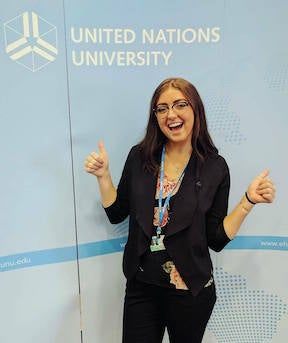
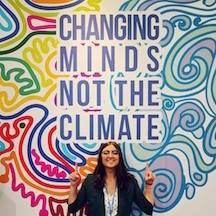
Tia Driver
What is COP really like? This was the first question posed to me when I returned from the first week of COP 23 in Bonn, Germany. To be honest, it wasn’t what I expected.
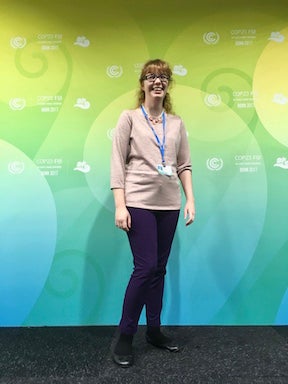
It became apparent during the first day that were a multitude of side events (or panelled lectures) to attend, and we could not attend them all. Many of these events occurred during the same time slot, so it was very difficult to decide on which one to attend. If there ever was a moment to invent a time-turner, COP 23 was it! I’ve learnt more about climate finance than I ever thought I would, and experienced an Al Gore presentation. The most interesting side event was a discussion regarding blockchain technology and sustainability. I knew of blockchain and how its algorithms are used for cryptocurrency (Bitcoin). However, the concept of applying this technology for eco-certification and monitoring for sustainable initiatives was new to me. For many of the side events, the panels were comprised of representatives from different organizations and you would think that the panelists for these events were experts in their field, but many openly admitted that they were not. Fortunately, many panelists were kind enough of offer some guidance on where or whom to contact for more information.
It was interesting to see the variety of booths and venues set-up. There were some groups I was already familiar with, such as the Centre for International Governance and Innovation (CIGI) and ICLEI - Local Governments for Sustainability. As well, there were pavilions by several nations, including Indonesia, Korea, Turkey and Brazil. Many pavilions provided an opportunity to view different technological projects designed to either assist with the adaption of climate change or provide new energy sources. Oddly, enough some of the more controversial booths, such as the Nuclear for Climate booth, never seemed to have a representative present. It should be noted that we didn’t have access to other groups working out of the Bula zone and I did not have much interaction with official delegates. Most of my time was spent talking with various civil society groups and NGOs.
Of all the pavilions and booths, the ITER booth was very impressive. It didn’t have any flashy promotional pens or buttons, and it didn’t have much by way of interactive experience. Nevertheless, this booth had an idea and sometimes this is more valuable than any pen. The ITER project aims to share any intellectual property and results with the 35 countries involved. This collaboration will not only provide developing countries with access to new technology but is also serves for a model of future international endeavours.
Overall, I anticipated more interaction or ability to converse with other researchers and delegates. But, the Bonn Zone for COP 23 was exclusively for civil society and NGOs. I learnt a lot while attending the convention, and was able to observe how different NGOs collaborate on large scale projects. In the end, COP 23 essentially expanded my understanding of international politics, and it left with me more questions than answers.
Benjamin Sanchez
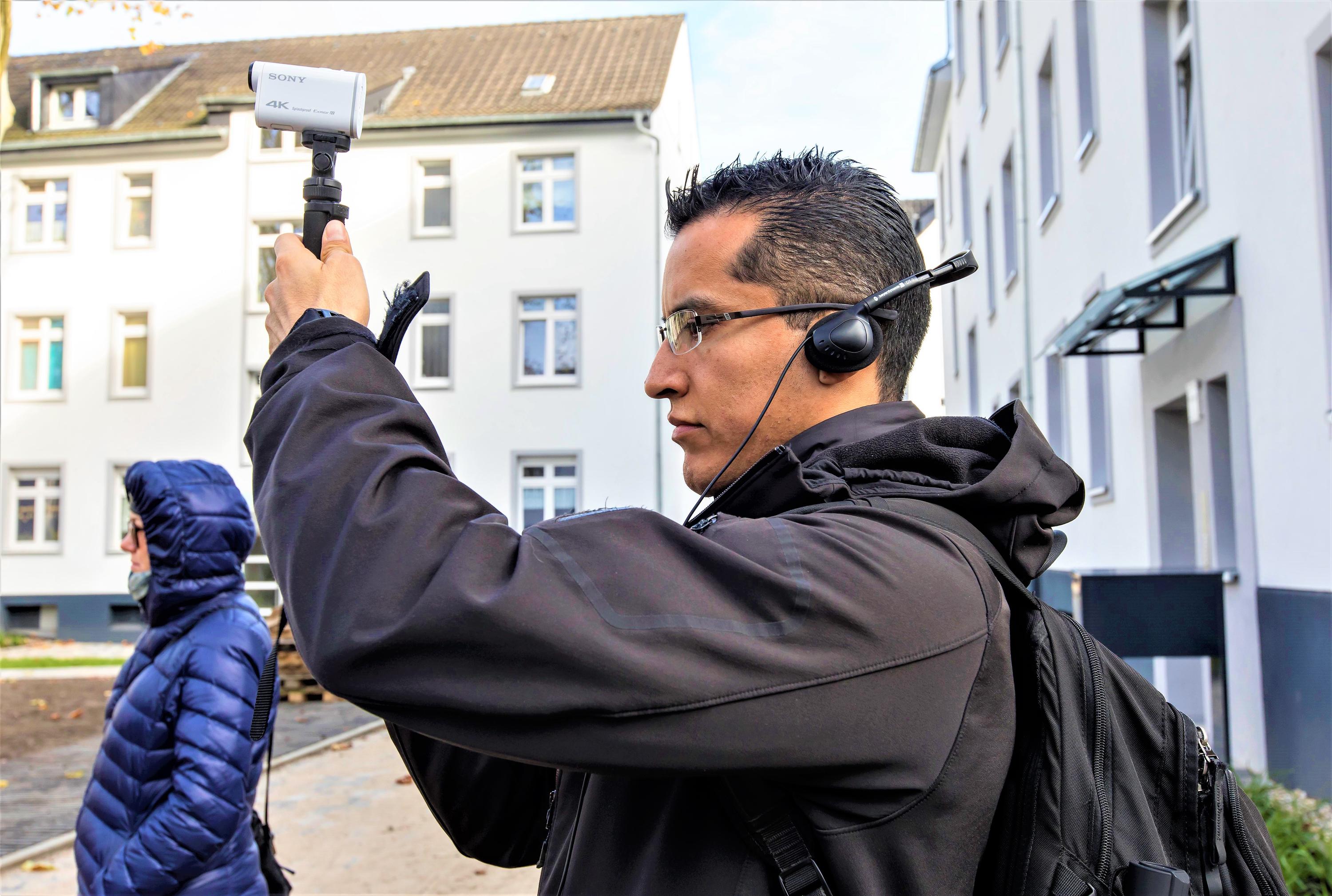
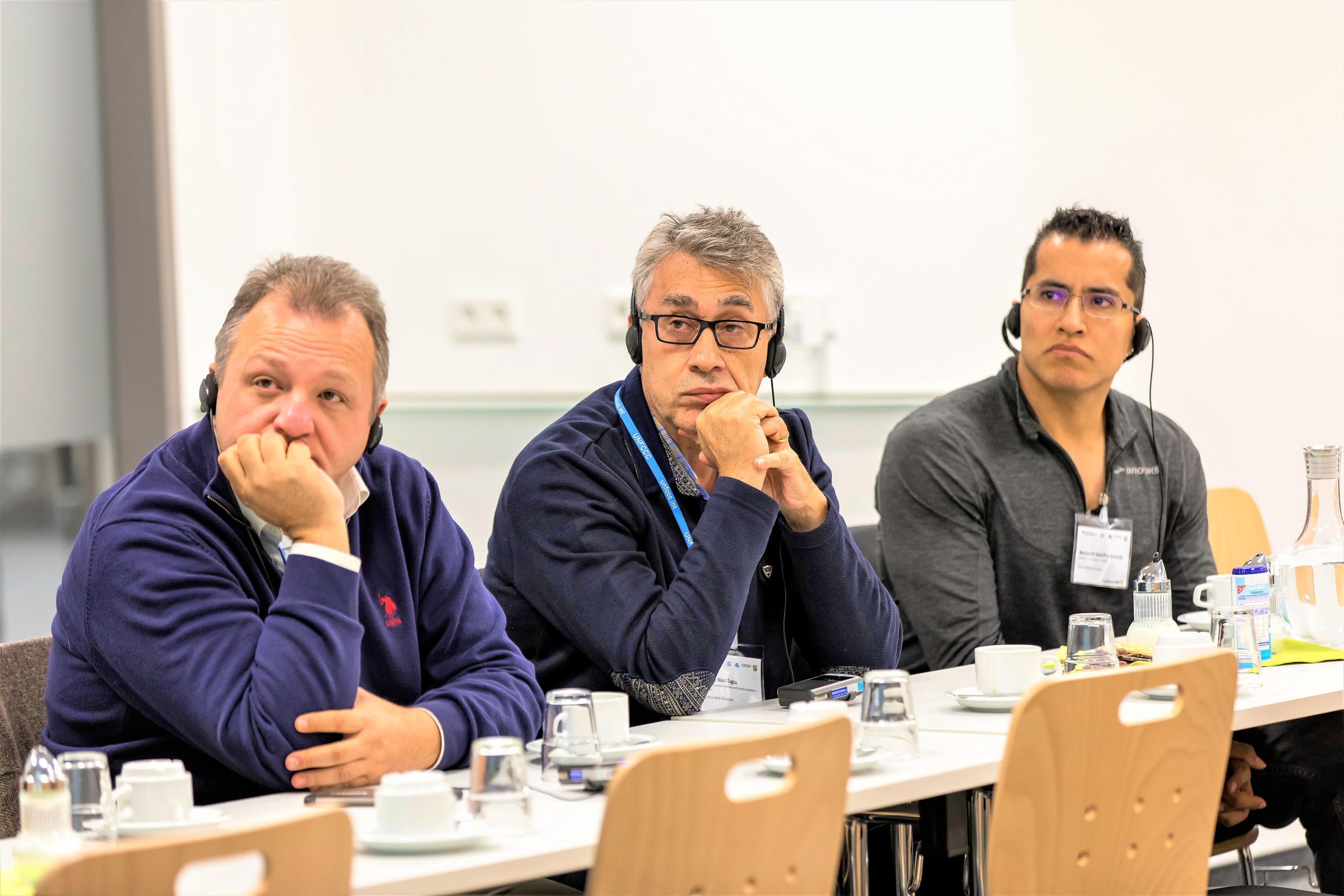
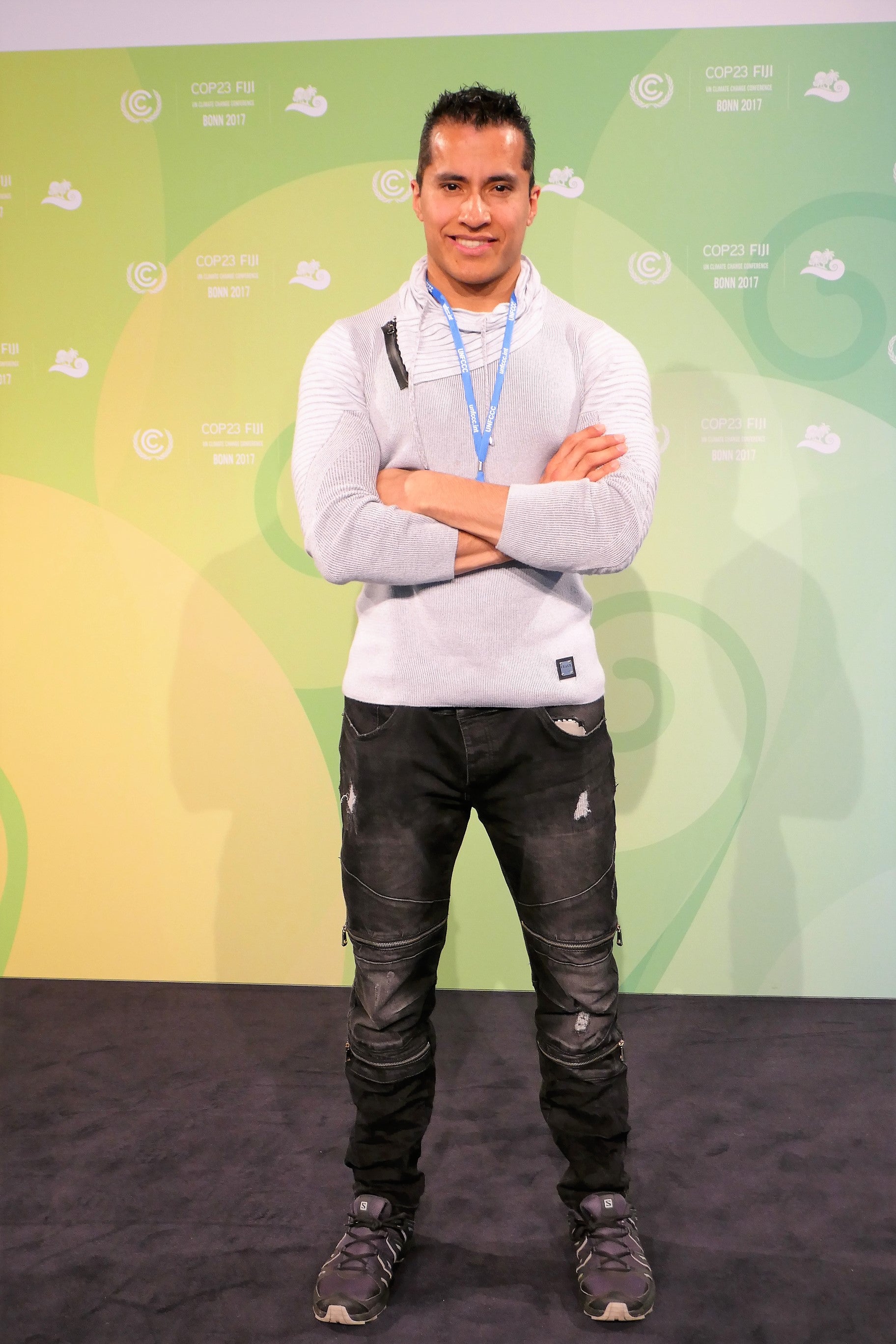
Also, I learned that there are different points of view about the same problem and that all of them changes according to the background of each nation. I really appreciate the enormous effort that the participating nations have to organize and promote this kind of international summits, and the good willing for keep pushing toward a more fair, efficient, and worthy human development. I was sensibly touched by the different presentations that showed how cruel could be an unbalanced development. In some way, I felt identified since I come from a developing country, México, and I am a witness of the big challenges for this kind of societies. After all, now I feel even more inspired and committed in order to create an impact in my sphere of action. I am so thankful for having the opportunity of participating and I would be eager for do it again in the future.
Steven Jia
Empowering Everyone to Take Climate Action
It has been my goal to attend a Conference of the Parties for quite some time and COP23 certainly did not disappoint. From the prospect of visiting Europe (in my case, for the first time) to furthering my knowledge of issues related to climate change, attending COP23 both humbled and motivated me.
In many ways, the experience was exactly on par with my expectations. There were numerous discussion panels and talks on a range of climate-focused topics. There were environmentally-conscious people from all over the world in attendance. There were cultural displays and presentations. There were protests. And of course, there were climate talks and negotiations led by each country’s government representatives. However, many aspects of COP23 also surprised me. In particular, the ideas presented at several discussion panels challenged my mental paradigm of how individuals and societies should go about tackling the massive and complex issue of climate change. It is these learnings that I found to be the most valuable takeaways of my experience.
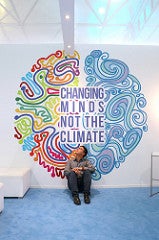

Overall, COP23 has been an immense educational experience and instilled in me a renewed sense of hope for our ability to fight climate change. As Washington state governor Jay Inslee puts it, “Without victory, there is no survival”. Since we have the capabilities to do so, the question becomes: How do we reach this victory as quickly as possible?