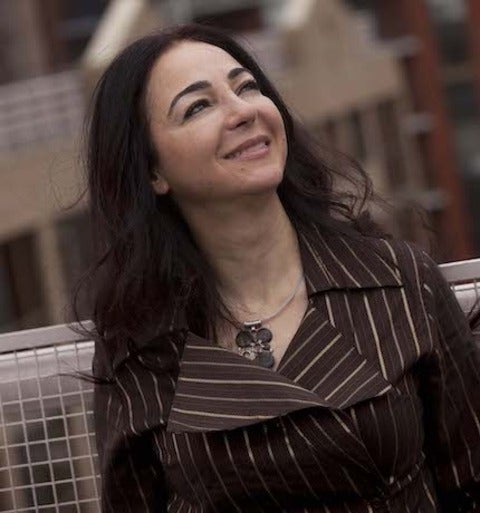
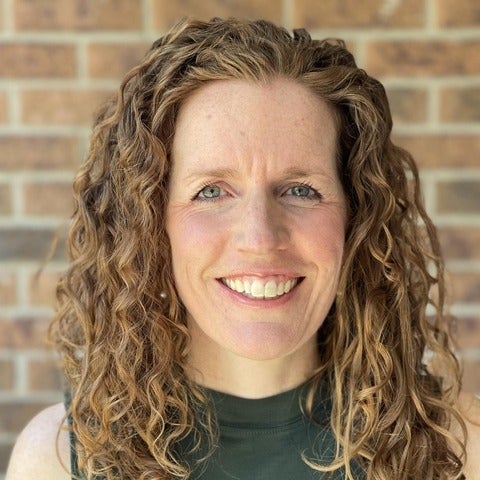
Carrie Mitchell
Carrie Mitchell's research interests include climate change and cities, gendered effects of urban services provision, and resilience theory and its application in urban planning.
Brian Mills' areas of research are transportation, road safety, construction, weather-related injury risk, and social and economic valuation of meteorological products and services.
Colleen Mercer Clarke's research includes coastal governance, landscape architecture, land use planning, coastal climate change impacts, and climate change adaptation.
Ashley Rose Mehlenbacher's areas of research include science communication (especially online), environmental communication (especially related to disaster or risk society), risk communication (especially related to nuclear energy generation), and citizen science.
Robert McLeman's areas of research include human dimensions of environmental change, with particular attention to the relationship between environment and human migration, rural adaptation to climatic variability and change, and fostering citizen participation in environmental science.
Brendon Larson's research interests are rethinking the conservation of biodiversity in the context of global change, social dimensions of biodiversity conservation, and metaphor, environmental science and society.
Sharon Kirkpatrick studies nutrition,food policy, the environmental sustainability of current eating patterns, food environments, and food access among marginalized populations.
Luna Khirfan's research interests are community climate change adaptation, urban design and place making, international development and comparative planning, participatory planning, historic preservation and cultural resource management, and museum studies.
Allison Kelly studies the roles of shame, self-criticism, and self-compassion in the development, maintenance, and remission of psychopathology, especially eating disorders; Interventions and therapist behaviours that can reduce shame and self-criticism, and increase self-compassion; Fears of self-compassion and outward compassion, and how best to target these barriers in people with eating disorders; The social contexts that facilitate versus undermine self-compassion, compassion for others, healthy body image, and intuitive eating.
Peter Johnson's focuses are the Geoweb, open data, mobile technology, public participation GIS, community-based geomatics, and geospatial technology in planning and government.