Sustainable Futures

Monday, January 15, 2024

Using idle trucks to power the grid with clean energy

by Media Relations

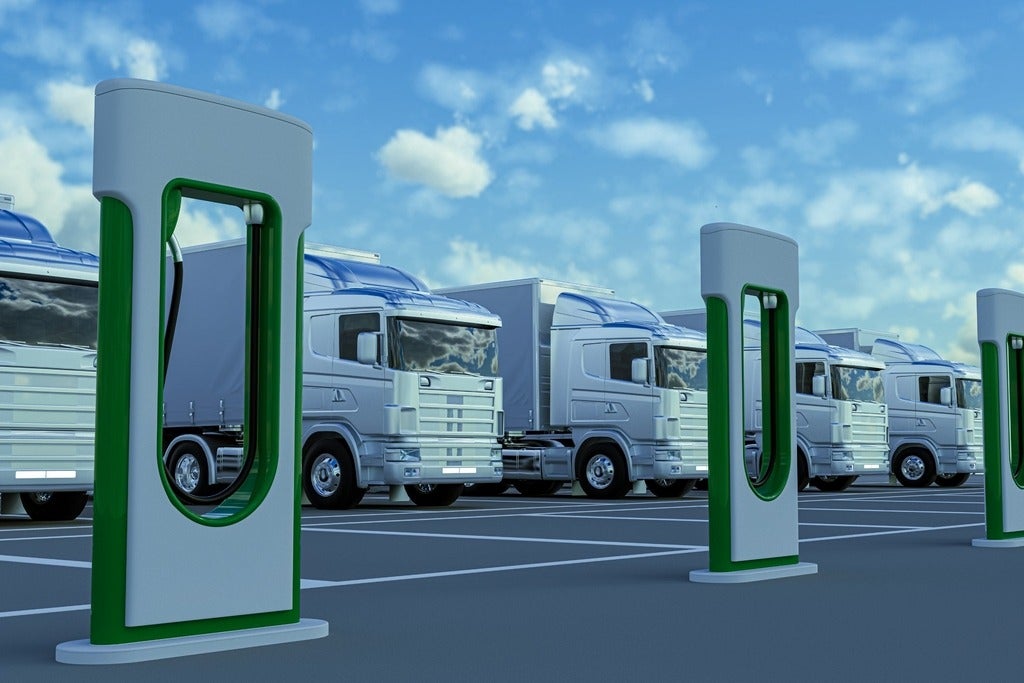
University of Waterloo researchers are tapping into idled electric vehicles to act as mobile generators and help power overworked and aging electricity grids.

After analyzing energy demand on Alberta’s power grid during rush hour, the research proposes an innovative way to replenish electrical grids with power generated from fuel cells in trucks.

“Canada’s power grids need to be upgraded,” said Dr. XiaoYu Wu, lead researcher and a professor in Waterloo’s Department of Mechanical and Mechatronics Engineering.

Wednesday, January 10, 2024

Driving up talent for Canada’s electric vehicle sector

by Jordan Flemming, University Relations

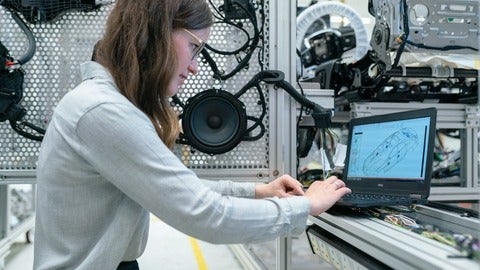
Canadians are buying more electric vehicles (EV) than ever, with one in 10 now owning EVs. The number is set to increase as consumers look for ways to reduce their environmental impact and capitalize on government incentives.

With the growing market share of EVs, there is also an increasing need for talent in the design, development and maintenance of electric vehicles as well as support infrastructure from charging stations, improved battery technology and energy generation.

Tuesday, January 9, 2024

New dimension of the genome discovered

by Media Relations

It has long been thought that an organism’s DNA provides clues only about its ancestry and how the various forms of life on Earth are related – the more similar their DNA, the more closely the species are related.

However, using machine learning, researchers at the University of Waterloo have discovered that the DNA of some species called “extremophiles” living in comparably harsh environments is strikingly similar despite these organisms being only very distantly related.

Wednesday, December 20, 2023

Our top 12 trending stories of 2023

by University Relations

The year 2023 has unfolded with a dynamic blend of challenges and opportunities, offering us a fresh page to write the story of our University of Waterloo community.

As we embark towards 2024, we can reflect with pride on the continued dedication and achievements of our students, alumni, researchers and staff — all of whom have played an integral role in shaping on-campus initiatives, global events and cutting-edge education and research.

These trending stories highlight just some of the community’s profound impact on our collective future.

Monday, December 18, 2023

Ahead of the flames

by Media Relations

In 2023, Canada experienced a wildfire season of unprecedented scale, shattering the previous record set in 1995 by twofold, and contributing to insurable losses estimated to exceed $3 billion (according to CatIQ). Fires burned an estimated 18.5 million hectares—eight times greater than the average annual area burned over the past 25 years. Smoke and flames triggered the evacuation of 200,000 residents and ignited nation-wide calls for large-scale investment in preventative action to create wildfire-ready homes and communities.

Friday, December 15, 2023

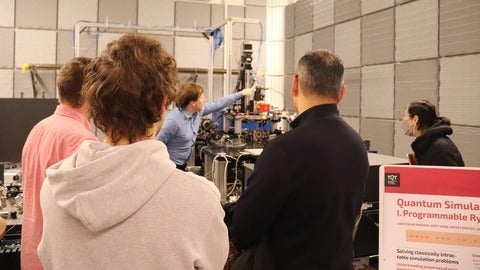
The future of quantum computing in environmental and health sciences

by Jordan Flemming, University Relations

Practical and scalable quantum computers are still in the early stages of development, and many technical challenges need to be overcome before they can be widely used for various applications. Researchers and companies globally, as well as right here at the University of Waterloo, are diligently pushing the boundaries of quantum computing technology, driving forward innovations in this emerging field.

The first Tourism and Climate Change Stocktake report has been released by the Tourism Panel on Climate Change (TPCC) timed with the UN COP-28 Climate Conference. Its 24 key findings aim to support policymakers and the tourism industry in accelerating planning and investment toward low-carbon and climate-resilient global tourism.

Tuesday, December 5, 2023

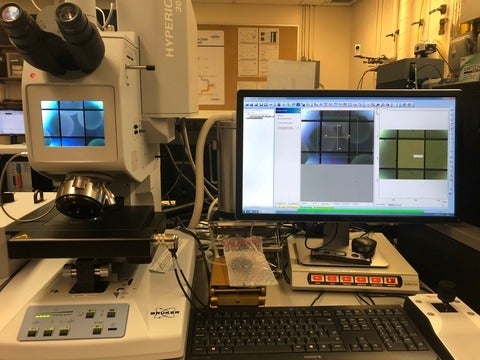
Using AI to find microplastics

by Media Relations

An interdisciplinary research team from the University of Waterloo is using artificial intelligence (AI) to identify microplastics faster and more accurately than ever before.

Microplastics are commonly found in food and are dangerous pollutants that cause severe environmental damage – finding them is the key to getting rid of them.

The research team’s advanced imaging identification system could help wastewater treatment plants and food production industries make informed decisions to mitigate the potential impact of microplastics on the environment and human health.

Tuesday, December 5, 2023

Waterloo is bringing back biodiversity

by Patricia Huynh, Sustainability Office

By spreading quickly, outcompeting native species for resources, invasive species are becoming a serious threat to biodiversity. As part of the University of Waterloo’s Sustainable Land Care Standard, Waterloo is working towards managing invasive species and increasing native and ecologically appropriate plants across campus.