Royal Society of Canada honours Waterloo researchers
The Royal Society of Canada welcomes new fellows and members to the 2023 class of the RSC College
Founded in 1882, the Royal Society of Canada (RSC), which comprises of the Academy of Arts and Humanities, Academy of Social Sciences and the Academy of Science, recognizes excellence, advises the government and promotes a culture of knowledge and innovation with other national academies around the world.
Each year, the RSC and its members elect their new cohorts —fellows of the RSC and members of the RSC College — who are recognized for their outstanding scholarly, scientific and artistic achievements. Five new fellows and four new RSC College members from the University of Waterloo are among other Canadian researchers elected today.
“Congratulations to the University of Waterloo’s 2023 Royal Society of Canada College Members and Fellows. We are proud of your significant achievements, testament to your high-calibre research and leadership in your respective disciplines,” says Dr. Charmaine Dean, vice-president of Research and International at Waterloo. “This year we are recognizing an outstanding group of researchers whose work spans cyber security, artificial intelligence, understanding societal change, health, robotics, materials research for energy, with substantive impacts to this research in areas related to climate and sustainability. We are also so proud of the recognition of the work on the Black and Free research projects.”
Waterloo is proud to host the RSC for the 2023 Celebration of Excellence and Engagement conference this November when the official induction ceremonies will be held.
The following Waterloo researchers will be joining the incoming cohorts of the RSC fellows and the new members of the RSC College.
Waterloo's new Royal Society of Canada Fellows
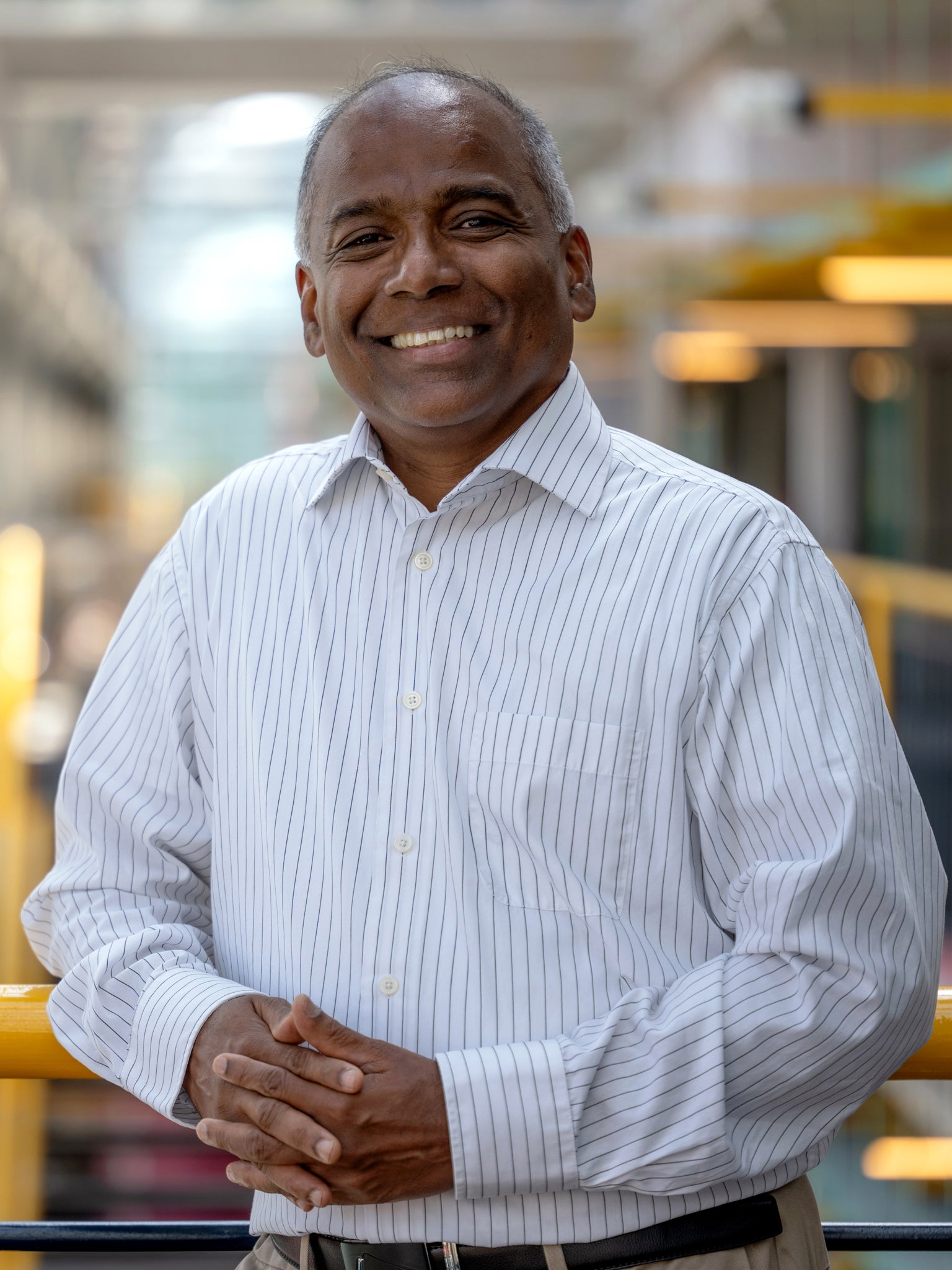
Asokan is a pioneering researcher of systems security broadly, with more than 50 granted patents and several pending patent applications. His research includes topics such as the development and use of novel platform security features, applying cryptographic techniques to design secure protocols for distributed systems, applying machine learning techniques to security and privacy problems, and understanding how to address the security and privacy of machine learning application themselves.
Learn more about Asokan's research on the Cheriton School of Computer Science website.
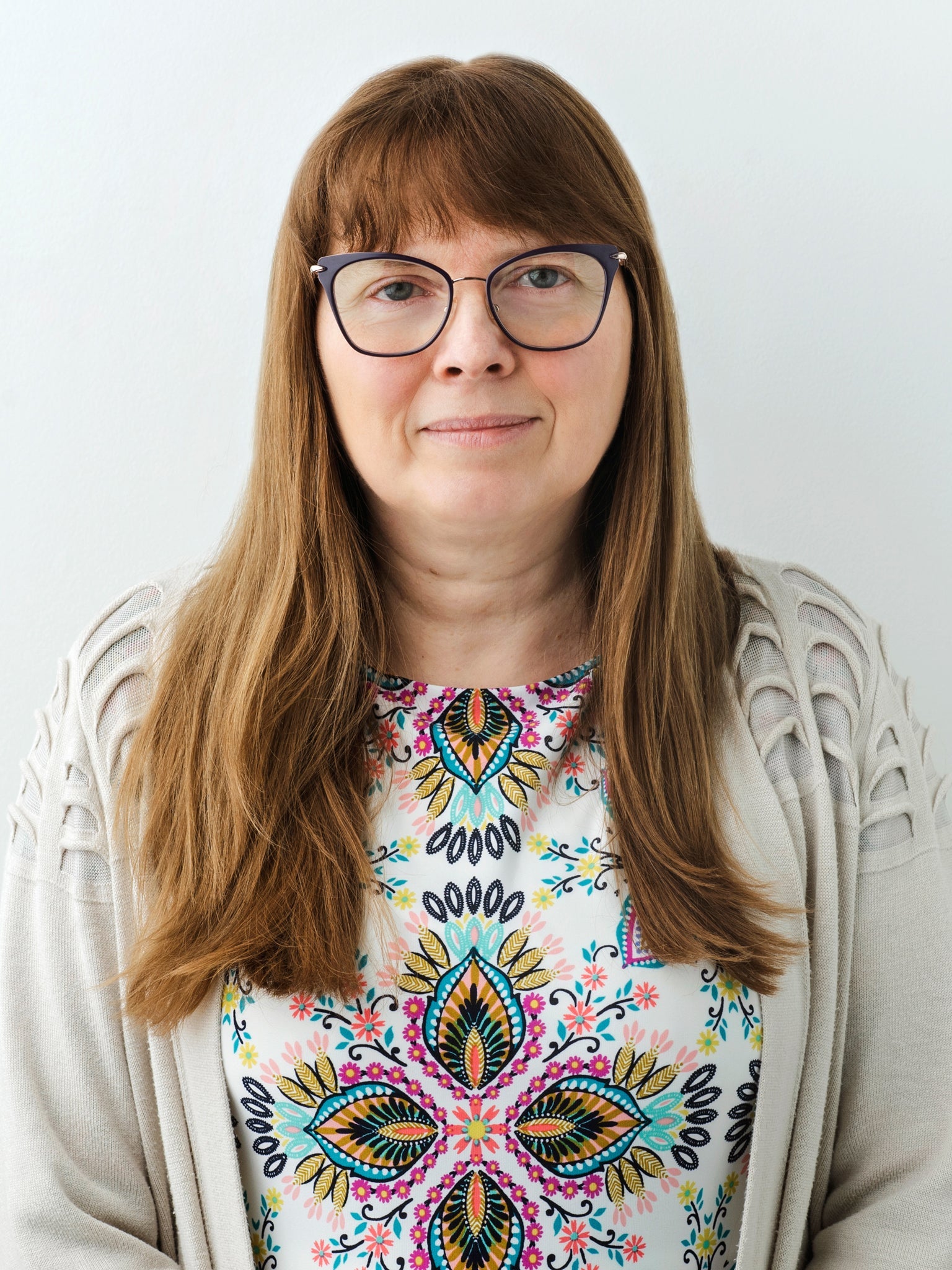
Since 2018, Dautenhahn has been a Canada 150 Research Chair in intelligent robotics. Where her main research interest is in human-robotic interaction, social robotics, artificial intelligence and assistive technology and health technologies.
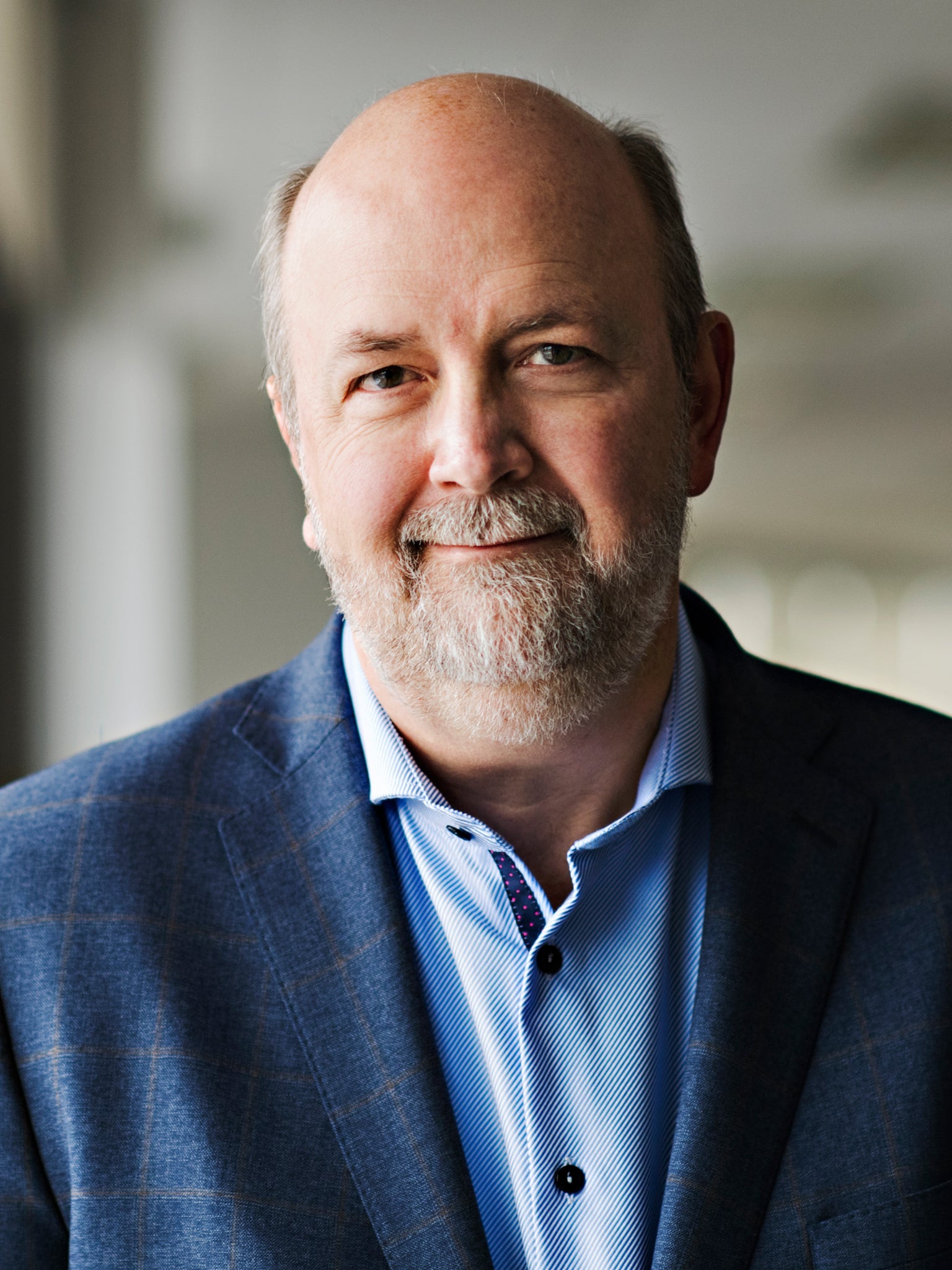
Hirdes has also been appointed as a fellow of the Canadian Academy of Health Sciences. Within the interRAI network — an international consortium of researchers from more than 40 countries — Hirdes is a senior Canadian fellow, a board member and a chair holder of the interRAI Network for Mental Health.
As an interRAI fellow, Hirdes serves on the international committee that produces assessment systems and care planning protocols for multiple health care settings, while leading the development of several interRAI instruments for mental health and community-based care.
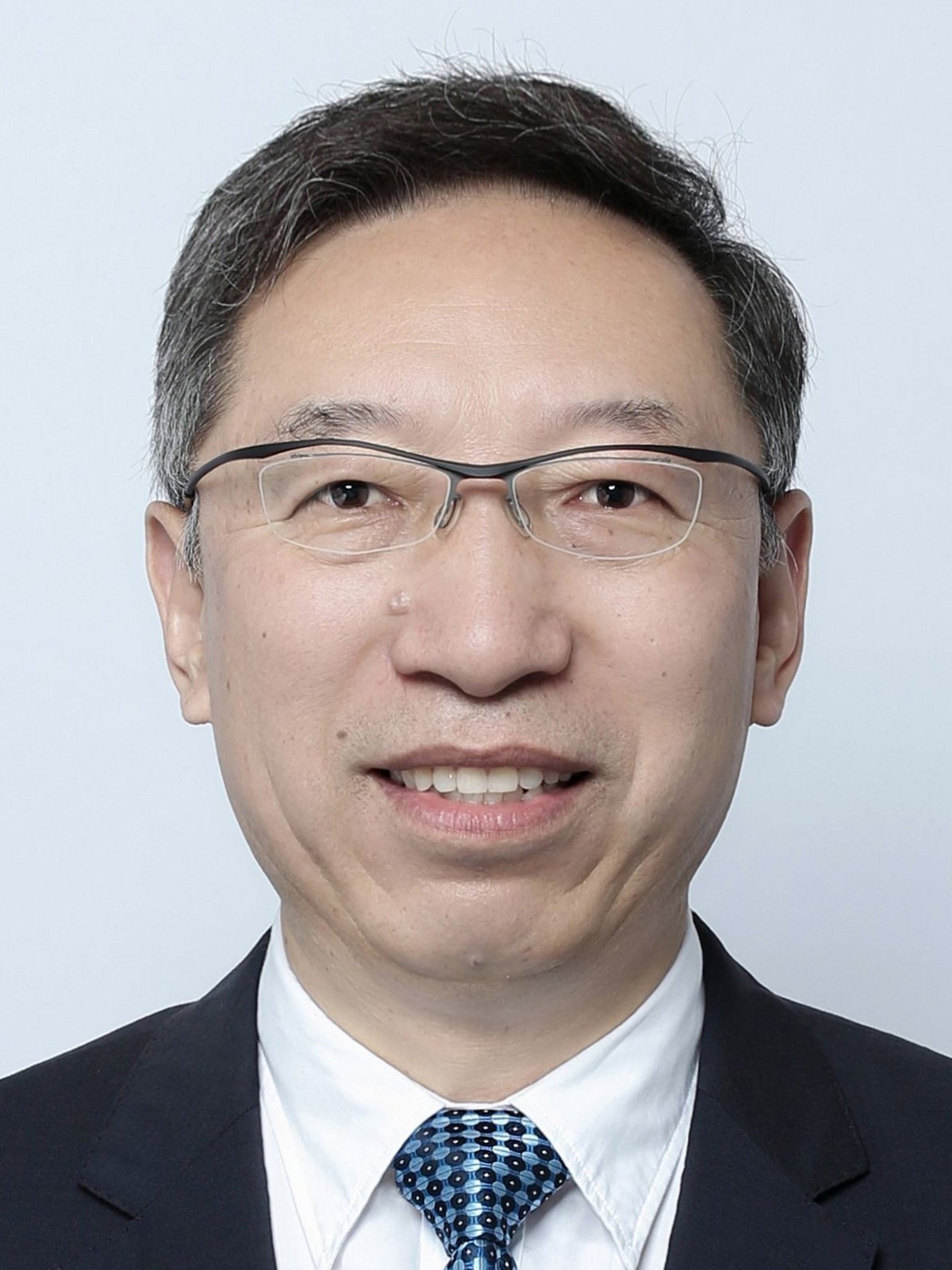
Li is a founding member of the Waterloo Artificial Intelligence Institute, the Waterloo Climate Institute, and the Waterloo Water Institute. Li is also the founder and head of the Geospatial Intelligence and Mapping (GIM) group since 2007. The GIM group develops and commercializes innovative sensing techniques and analytics methods for analyzing, visualizing and applying geospatial data.
Since 2021, Li has been identified the top two per cent of scientists worldwide in two areas: Geological and Geomatics Engineering, and Artificial Intelligence and Imaging Processing. He then became the president-elect of the Canadian Institute of Geomatics (2021-2023) and the editor-in-chief of the International Journal of Applied Earth Observation and Geoinformation.
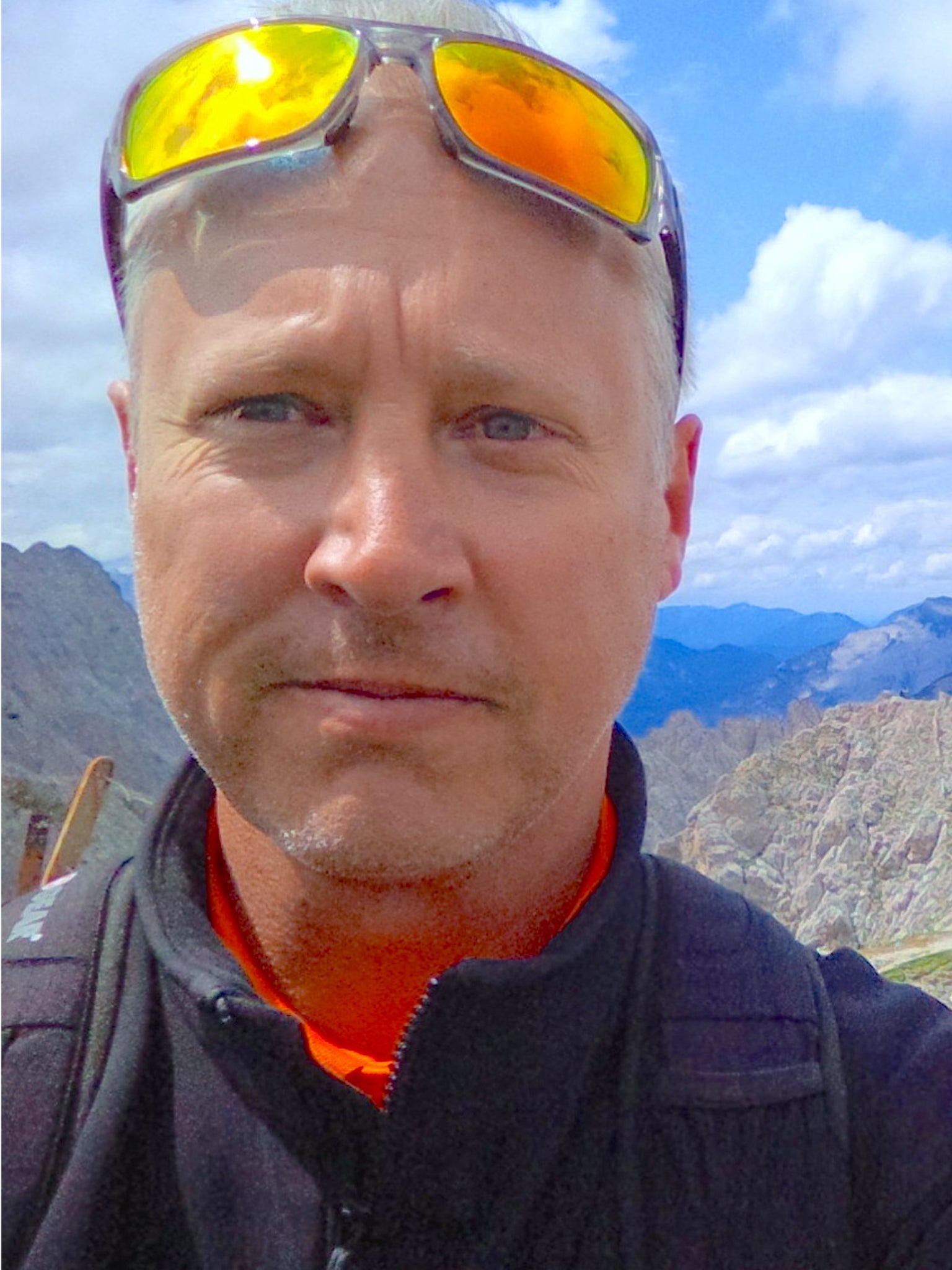
In 2021, he was ranked in the world top 300 climate change scientists by Thomson Reuters. In 2021 and 2022, he has been recognized by Clarivate as one of the most cited scientists in his field (top one per cent globally).
His publications have been downloaded more than a half million times and have been featured in many leading media outlets, including the New York Times, The Economist, Washington Post, The Times, National Geographic and many others.
Scott has been an advisor and project leader for a wide range of government agencies and tourism organizations around the world. He has also been a contributor to the UN Intergovernmental Panel on Climate Change, Third, Fourth, Fifth and Sixth Assessments and their 1.5 degree Celsius special report.
Waterloo's new Royal Society of Canada College Members
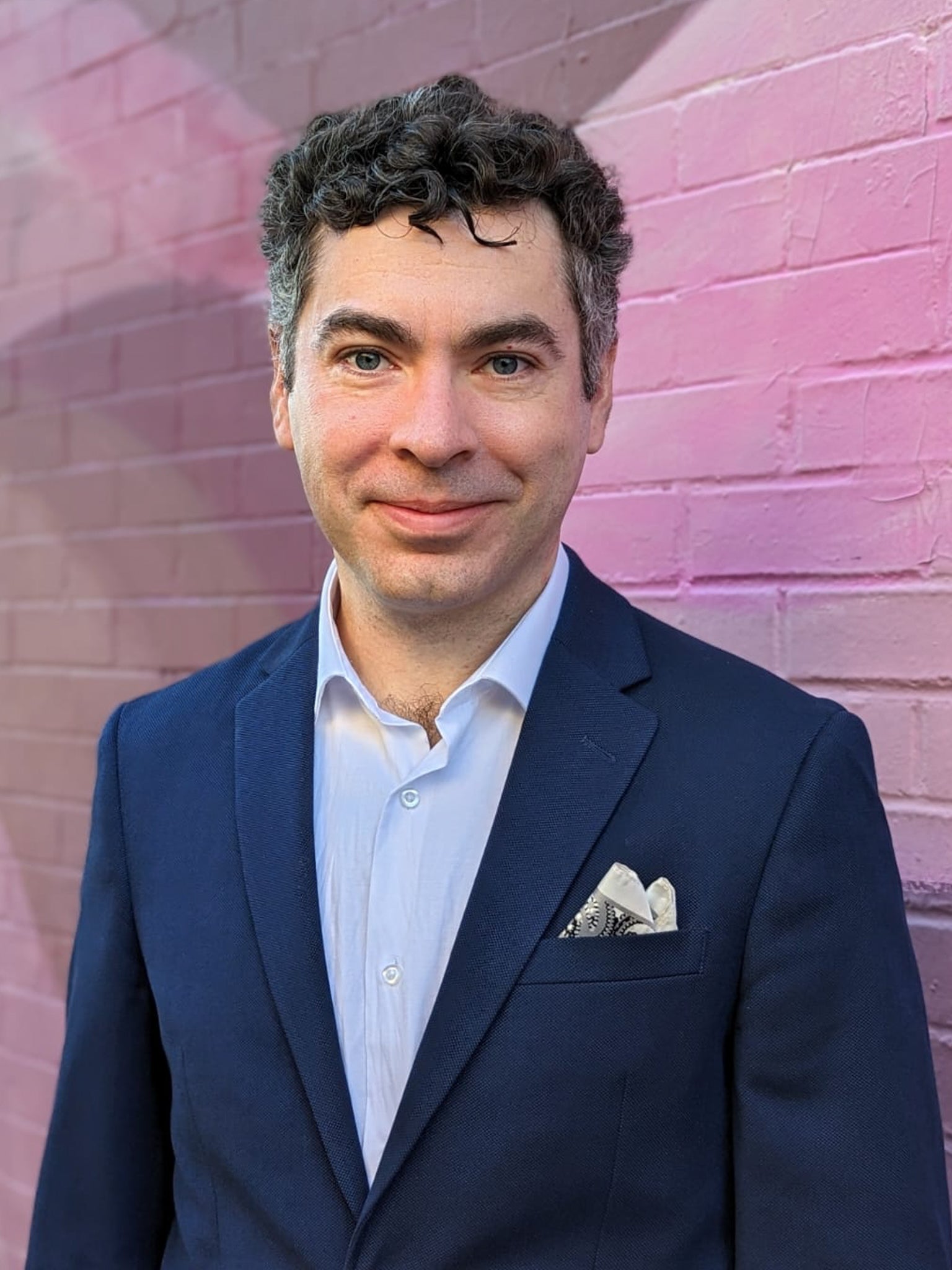
Grossmann’s current research is on wise judgement and modelling societal change. He also founded the Forecasting Collaborative — an international collaboration between researchers wanting to get a better picture on opportunities and challenges of expert judgement in social sciences, while using big team science to scrutinize the way social scientists make predictions. His interdisciplinary research draws from anthropology, behavioral ecology, computational sciences, economics, philosophy and psychology.
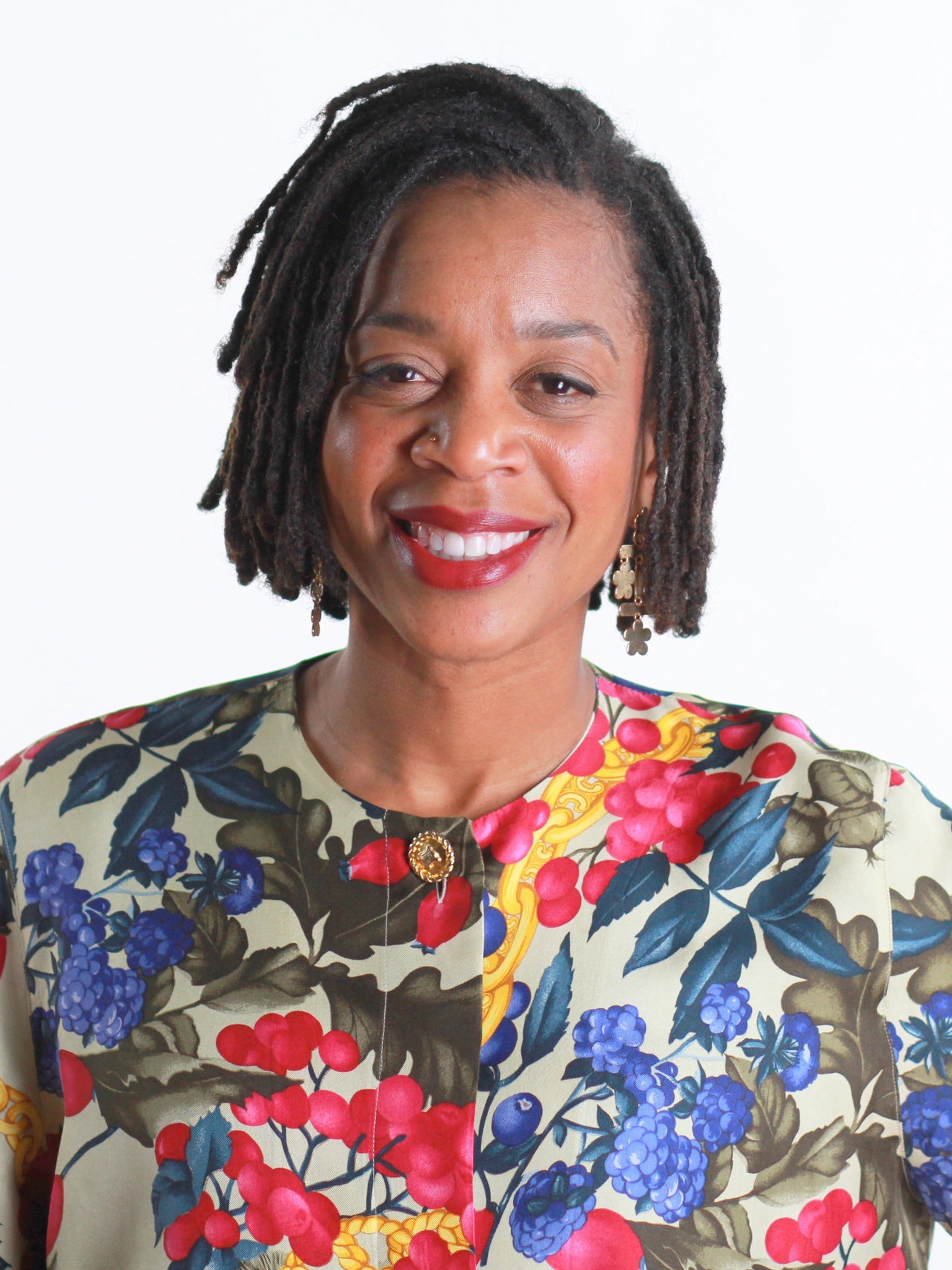
As the principal investigator of the Black and Free, Keleta-Mae currently leads multi-year research partnerships with Citizen Brand, Ken Seiling Waterloo Region Museum, NOR: The design commons for Canada, Studio Otherness, TheEDGE, THEMUSEUM, Wilfred Laurier University Press and the Young People’s Theatre.
In 2022, Keleta-Mae was the recipient of Waterloo’s Arts Award for Excellence in Research. Her main research and artistic contributions have been particularly notable in two related fields: Black Expressive Culture and Black Feminisms.
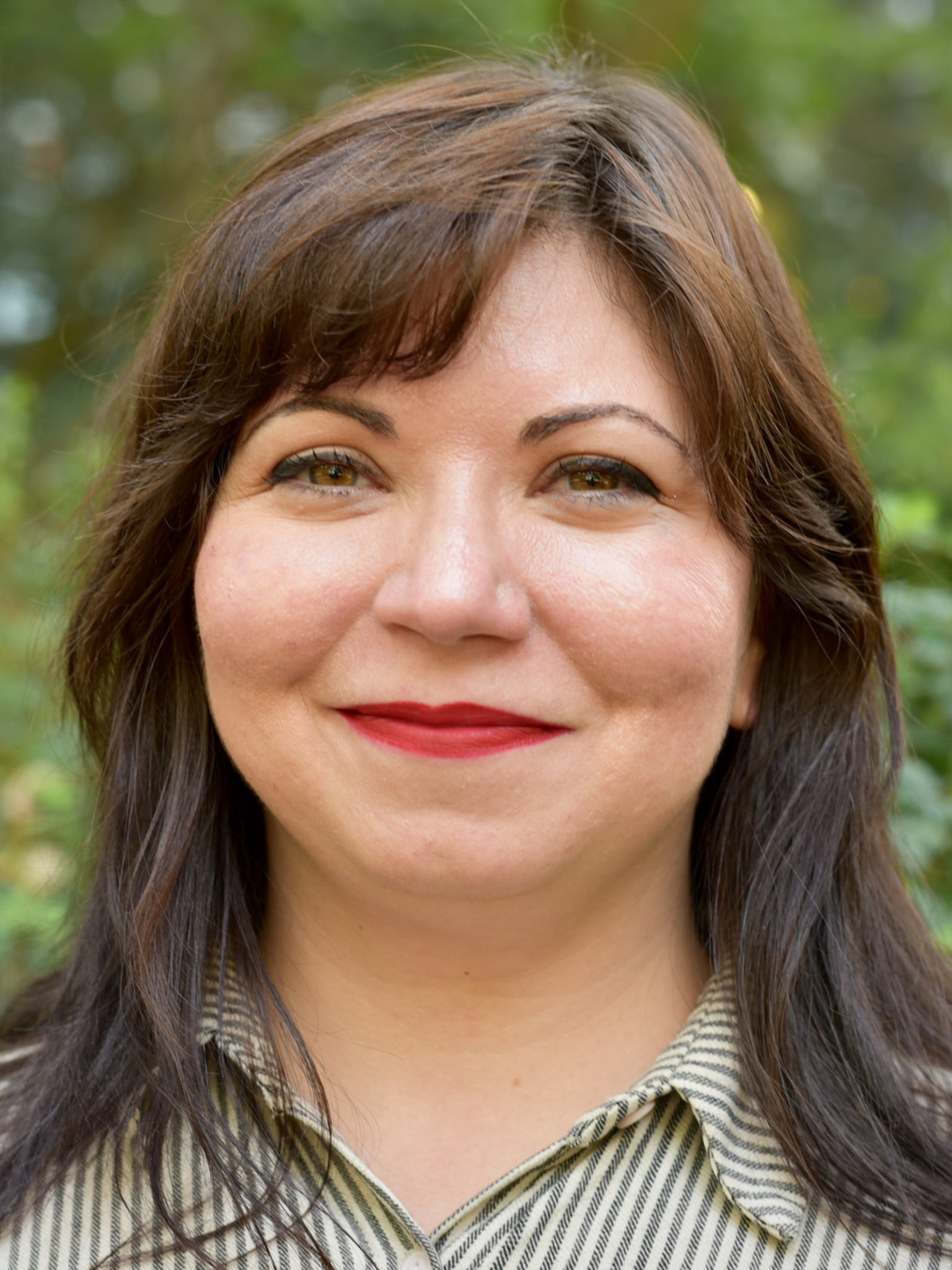
Nolette is also the president of the Société Québécoise d’études thréâtrales, a Québec-based association dedicated to the study of performance and theatre.
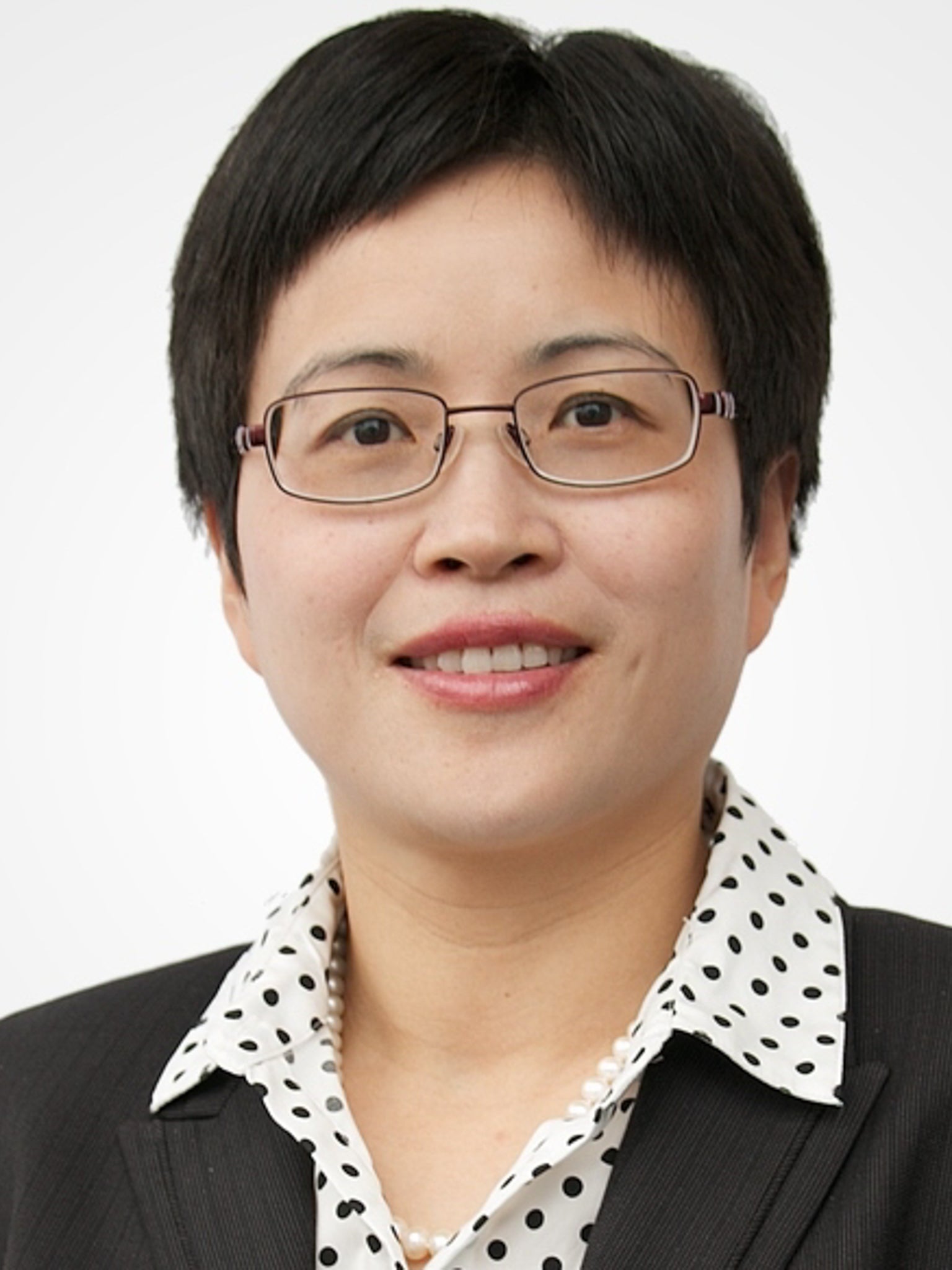
Yu's primary research is in materials development for energy storage and conversion, photocatalysts and nano composites. Her expertise in carbon nanotubes and graphene allows her to design the proper porosity and polarity of nanomaterials for high energy storage supercapacitors and ultra-strong nanocomposites. Yu's previous work in the plastics and carbon solutions industries has led her to dedicate her current research toward developing nanomaterials for practical applications.
In 2022, Yu was appointed as a University Research Chair and the recipient of the Rutherford Medal in Chemistry by the RSC for her outstanding achievements in advancing knowledge and innovation in Canada. Now, Yu is part of the 2023 class of the RSC College.
About the 2023 Celebration of Excellence and Engagement conference
The University of Waterloo is proud to host the Royal Society of Canada (RSC) for the 2023 Celebration of Excellence & Engagement (COEE) conference and present the symposium, Health and Wellbeing for All by 2030: Application of technology to global health problems.
From November 15 to 18, the COEE delegates will engage in sessions featuring the insights of hundreds of scholars, clinicians, artists and scientists on the key issues of our time. On Friday, November 18, the RSC will welcome the new fellows and members of the 2023 class of the RSC College and present the awards for outstanding research and scholarly achievement in Canada.