
Research

The collaborative effort resulted in the creation of an open-source hybrid quantum-classical machine learning software platform, called TensorFlow Quantum. 

TensorFlow Quantum integrates Google’s Cirq and TensorFlow and will allow for the rapid prototyping, training, inference, and testing of hybrid quantum-classical machine learning models to learn representations of classical or quantum data. 

Hybrid quantum-classical machine learning is a field of research that aims to combine the power of quantum computing with that of Artificial Intelligence (AI).

Friday, March 6, 2020

Sensing a breakthrough in wearable tech

by Brian Caldwell, Faculty of Engineering

Researchers at Waterloo Engineering have utilized 3D printing and nanotechnology to create a durable, flexible sensor for wearable devices to monitor everything from vital signs to athletic performance.

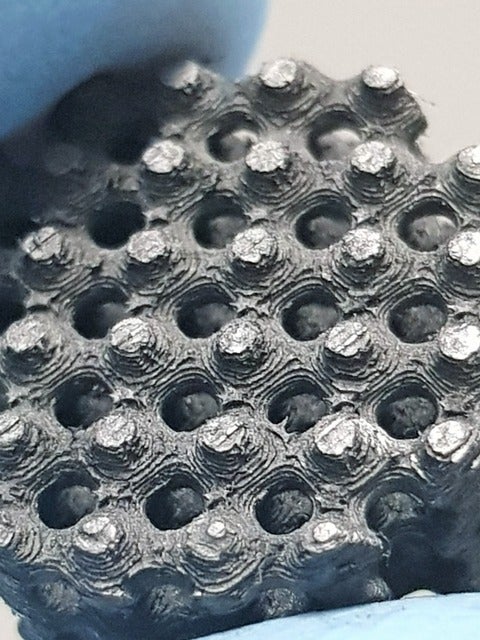
The new technology combines silicone rubber with ultra-thin layers of graphene in a material ideal for making wristbands or insoles in running shoes.

Friday, March 6, 2020

Tough, flexible sensor invented for wearable tech

by Media Relations

Researchers have utilized 3D printing and nanotechnology to create a durable, flexible sensor for wearable devices to monitor everything from vital signs to athletic performance.

The new technology, developed by engineers at the University of Waterloo, combines silicone rubber with ultra-thin layers of graphene in a material ideal for making wristbands or insoles in running shoes.

When that rubber material bends or moves, electrical signals are created by the highly conductive, nanoscale graphene embedded within its engineered honeycomb structure.

The study analyzed data from 100 children diagnosed with a mental disorder, such as depression and anxiety. It found that parental symptoms of depression and anxiety were associated with increased hair cortisol concentration in all children, but boys and girls reacted differently, depending on their diagnosis.

Tuesday, March 3, 2020

Game designers have new tool to evaluate player experience

by Media Relations

A free tool that will enable game developers to accurately evaluate the experience of video game players has been launched by researchers at the University of Waterloo.

The Player Experience Inventory (PXI) allows game designers to understand how choices like game rules or sound effects contribute to a player’s immersion in a game or curiosity in the story of a game.  

PXI is the first free tool that provides reliable, concise feedback on how players experience a game.

Thursday, February 27, 2020

Quantum researchers able to split one photon into three

by Media Relations

The occurrence, the first of its kind, used the spontaneous parametric down-conversion method (SPDC) in quantum optics and created what quantum optics researchers call a non-Gaussian state of light. A non-Gaussian state of light is considered a critical ingredient to gain a quantum advantage.

Monday, February 24, 2020

Better breast cancer screening

by Brian Caldwell, Faculty of Engineering

Researchers at Waterloo Engineering have developed new, inexpensive technology that could save lives and money by routinely screening women for breast cancer without exposure to radiation.

The system uses harmless microwaves and artificial intelligence (AI) software to detect even small, early stage tumors within minutes.

Monday, February 24, 2020

New tech takes radiation out of cancer screening

by Media Relations

Researchers have developed a new, inexpensive technology that could save lives and money by routinely screening women for breast cancer without exposure to radiation.

The system, developed by researchers at the University of Waterloo, uses harmless microwaves and artificial intelligence (AI) software to detect even small, early-stage tumors within minutes. 

Wednesday, February 19, 2020

AI agrees with mom

by Brian Caldwell, Faculty of Engineering

Sophisticated analysis by Waterloo Engineering researchers using artificial intelligence (AI) supports the conventional wisdom that taking care of yourself makes you feel good.

In a study involving more than 700,000 online journal entries, the researchers found strong associations between positive moods and getting enough sleep, eating well and exercising.

Even activities such as getting a haircut or having a manicure were linked to feeling calmer and happier.