Research

Founded by a Waterloo engineering student and a Waterloo science student as a senior-year project in 1990, the program is now one of Canada’s largest science and engineering summer camps for students between Grades 1 to 9.

Date: Wednesday, July 22, 2015
Time: 7:30 to 11 a.m. – speeches begin at 8 a.m. and tour of ESQ camp tours begin at 9:30 a.m.
Location: Sedra Student Design Centre, Engineering 5, University of Waterloo.
Tuesday, July 14, 2015

Palette puts you in charge of interface design

by Shane Schick, Faculty of Engineering

The term ‘plug and play’ — which suggests various pieces of computer hardware can be snapped together with ease — had a dubious history in the technology industry. What’s often described as plug and play turns out to be more difficult to use than expected. If Calvin Chu is successful, however, people will soon be combining technology in ways that make Lego pieces look complex in comparison.

Sunday, July 12, 2015

Two-way wireless technology

by Kira Vermond, Faculty of Engineering

Although texting, emailing and streaming movies wirelessly may all seem to hinge on highly-powerful and efficient technology, today’s wireless systems actually have much in common with low-tech walkie-talkies. They either send or receive data—never at the same time, which means they are one-way.

Thursday, July 9, 2015

Try the Track project brings cycling to recreational athletes

by Christine Bezruki, Applied Health Sciences

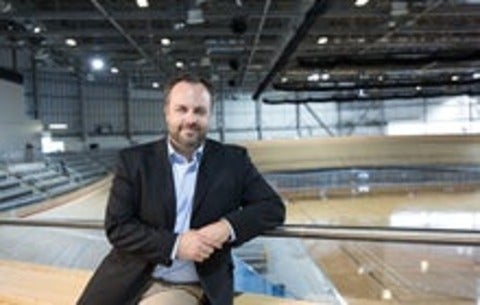
With no breaks and G-force speeds, the sport of track cycling kicks biking into high gear. But with a limited number of velodromes in Canada, it has long been out of reach for even the most adventurous of recreational athletes — until now.

This summer, Waterloo researcher Luke Potwarka will lead a unique project designed to leverage the legacy of the 2015 Pan Am Games and bring track cycling to athletes across the Greater Toronto Area.

Thursday, July 9, 2015

Doping in sport: New saliva tests will make it easier to catch cheats

by Victoria Van Cappellen and Katharine Tuerke, Faculty of Science

As officials gear up for a $4-million anti-doping program at the Pan Am Games, a team of chemists in the University of Waterloo’s Faculty of Science have developed a saliva test that could be cheaper, faster and an alternative to urine tests.

The revolutionary technology, which involves a specially coated  sampling device that sits under the tongue for five minutes, would make it harder for athletes to cheat.

Monday, June 29, 2015

Flexible displays may finally be within reach

by Shane Schick, Faculty of Engineering

First came the laptop, which we could close by folding down the screen. Then came smartphones and tablets, which fit into many pockets and bags. The next stage, according to Elahe Jabari, are electronic devices that act much more like paper and can be folded, rolled up or even crumpled up in a ball, potentially changing what we mean when we describe technology as “portable.”