Palette puts you in charge of interface design
Combining technology in ways that make Lego pieces look complex in comparison
The term ‘plug and play’ — which suggests various pieces of computer hardware can be snapped together with ease — had a dubious history in the technology industry. What’s often described as plug and play turns out to be more difficult to use than expected. If Calvin Chu is successful, however, people will soon be combining technology in ways that make Lego pieces look complex in comparison.
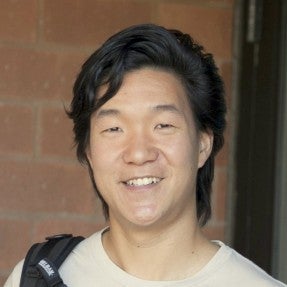
“A big problem we see is that we spend so much time on our computers and devices and are very connected to the digital world, but there’s a big gap into the interface to do that,” Chu says. “We’ve all been using a one-sized-fits-all generic keyboard and mouse. The designs for those came from what we’d had on typewriters, which are even older in terms of a design. We want to help people create the best tools for their work.”
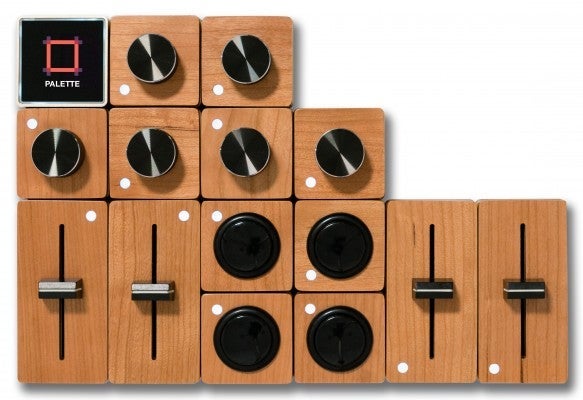
Palette is initially being aimed at creative professionals, Chu says. This could include photographers that would use its gear to more easily edit images, or filmmakers and musicians who want to customize their production processes. Over time, though, Chu believes Palette could be applied in a wide range of industrial, manufacturing or other sectors.
“I’d always been interested in computer interaction. My electives were in that,” Chu says, recalling that Waterloo engineering’s unique education not only provided him with great professors but opportunities for hands-on learning and engineering research.
“Co-op was definitely one of the highlights for me,” he says, citing stints in New Zealand and Sweden with Trimble Navigation, where he helped test next-generation cameras and satellite receivers, among other things. “Those were pretty memorable work experiences.”
Although still a young company, Palette has already conducted a very successful product launch for a photo editing kit and has raised $158k from 925 backers on popular crowdfunding platform Kickstarter. It was an experience that he says offered a lot more than money, though.
“We really got to connect with the community,” he said. “It became a close dialogue where people were offering suggestions or feedback that wouldn’t have been possible otherwise.”
As Palette grows, Chu recommended Waterloo Engineering students, who are looking to engineer the future, spend time thinking not only about breakthrough technology or business ideas, but with whom they want to pursue their dreams. Being part of a great university is a huge opportunity to start forming those relationships, he adds, and to become an engineering startup — 500+ Startups.
“It’s all about the team and the people around you,” he says. And much like Palette’s modules, success may be largely about how you put those people together.