Research

Three Waterloo academics are named among Canada’s Top Natural Sciences and Engineering Researchers for 2015 by the Natural Sciences and Engineering Research Council of Canada (NSERC) today.

The work of these researchers is advancing human brain research using computer models, decreasing the environmental impacts of mining and increasing our understanding of invasive species.

Waterloo’s award winners are:
Three Waterloo academics are named among Canada’s Top Natural Sciences and Engineering Researchers for 2015 by the Natural Sciences and Engineering Research Council of Canada (NSERC) today.

The work of these researchers is advancing human brain research using computer models, decreasing the environmental impacts of mining and increasing our understanding of invasive species.

Waterloo’s award winners are:
Monday, February 16, 2015

No humans required with autonomous flying vehicle research

by Julie Stauffer, Faculty of Engineering

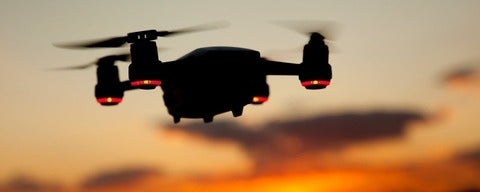
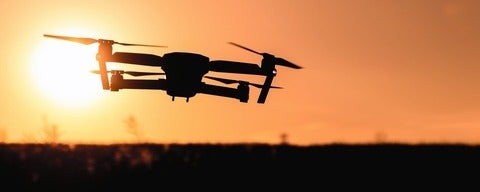
Some days walking into Steven Waslander’s lab feels like you’re entering the set of a science fiction movie. Drones hover and dance in front of a group of students, while wheeled vehicles scoot across the polished concrete floors.

Monday, February 16, 2015

Cleaning up dirty water lands major research award for Waterloo nanotechnology engineer

by Carol Truemner, Faculty of Engineering

Each day, contaminants from pharmaceuticals make their way into municipal water systems. Add in things like caffeine and artificial sweeteners poured down kitchen sinks and you have a mix of pollutants that can’t fully be removed by conventional treatments like filtration or chlorination.

Nanotechnology engineer Stuart Linley has been working on safely eliminating naphthenic acids, one of the most scientifically challenging contaminants in our water reservoirs.

Sunday, February 15, 2015

World’s smallest single-chip atomic force microscope is a really big thing

by Carol Truemner, Faculty of Engineering

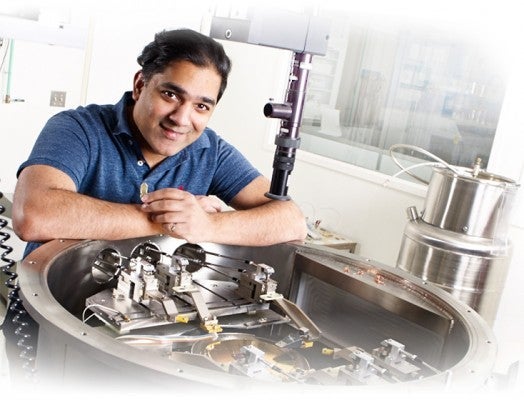
Neil Sarkar has given new meaning to the expression “put under the microscope.”

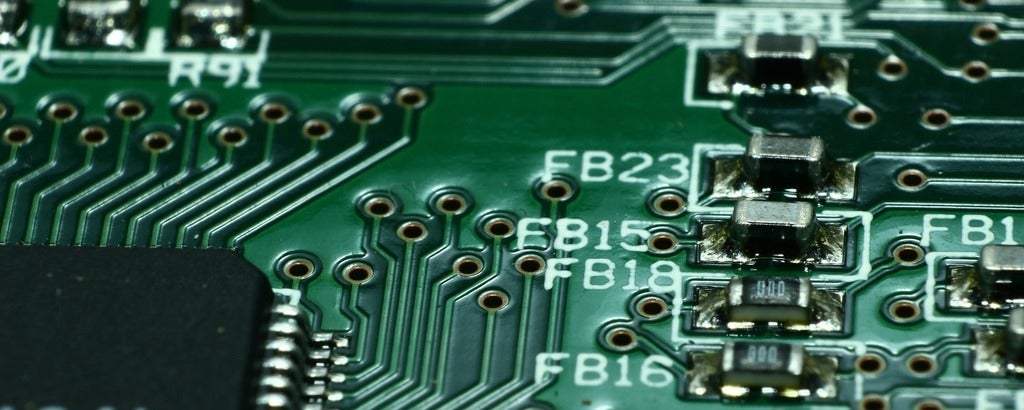
The electrical engineering post-doctoral researcher has developed the world’s first single-chip atomic force microscope (AFM) that opens up a world of possibilities for research and development in industries ranging from electronics to bioscience.

Portrait of Neil Sarker

Sunday, February 15, 2015

All-weather drones are eyes in the sky during disasters

by Julie Stauffer, Faculty of Engineering

When a 7.8-magnitute earthquake hit Nepal in April 2015 Aeryon Labs Inc. provided aerial support to disaster relief teams on the ground. In 2014 when Typhoon Hagupit hammered the eastern Philippines, it ripped up trees, overturned buildings, flooded roads and forced thousands of people to flee their ruined homes. To deliver aid, relief organizations first had to navigate the chaos.