
The Waterloo Institute for Hellenistic Studies (WIHS) supports international research, outreach, and pedagogy focused on the history, cultures, and intellectual traditions of the Hellenistic world. Through conferences, publications, and collaborative networks, WIHS brings together scholars, students, and the public to explore the ancient Mediterranean in global context.
The Hellenistic world was an age of profound transformation, defined by movement across borders, encounters between cultures, and new ways of understanding power, identity, and belonging. Emerging from the conquests of Alexander and extending across the Mediterranean, Near East, and beyond, it was a world in which ideas, peoples, and practices circulated with unprecedented intensity. Cities rose and fell, empires were negotiated as much through diplomacy as through force, and local traditions were reshaped through sustained contact with wider political and cultural horizons.
The Waterloo Institute for Hellenistic Studies exists to explore this complexity in all its dimensions. Bringing together scholars from history, archaeology, literature, philosophy, religious studies, and related fields, the Institute fosters interdisciplinary research that connects texts, material culture, landscapes, and lived experience. Through collaborative projects, international conferences, publications, and teaching initiatives, WIHS advances a global conversation about the ancient world—one that foregrounds nuance, diversity, and methodological rigor while remaining attentive to the human realities behind historical change.
We invite you to explore the work of the Institute throughout this website. Learn more about upcoming lectures, workshops, and conferences; discover publications produced by WIHS scholars and collaborators; and engage with the people and ideas that shape our research community. Whether you are a scholar, student, or interested member of the public, we welcome your curiosity—and encourage you to connect with us, support our work, and take part in the ongoing study of the Hellenistic world.
The acquisition of a knowledge of history is of the greatest utility for every conceivable circumstance of life.



News
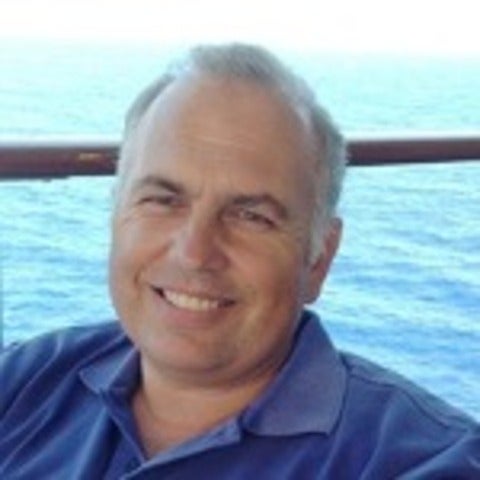
Welcome Mustafa Adak as New Member of the Executive Committee
There is more exciting news about the Institute’s Executive Committee. We are honoured that Dr. Mustafa Adak has accepted our invitation to join our executive council. His work on the Athenian polis gained him his MA (1995) and PhD (1999) in Ancient History at the Albert Ludwigs University in Freiburg. After teaching as lecturer in the Department of Ancient Languages and Cultures at Akdeniz University in Antalya (1999-), he became Professor of Greek Language and Literature in 2005. For a quarter century, he has been working incessantly on the history of ancient Asia Minor especially based on the Greek inscriptions of the Hellenistic and Roman Imperial periods. His surveys along the ancient roads of Lycia, Pisidia, and Pamphylia have yielded several discoveries, most famously the Stadiasmus Patarensis (published with the subtitle Itinera Romana Provinciae Lyciae, Istanbul 2007, together with Sencer Şahin). His recent focus has shifted to the even richer epigraphic record of Ionia, especially Teos (cf. Teos and Abdera. Two Cities in Peace and War, Oxford 2022, with Peter Thonemann). He is the editor of the journal Philia, a title well chosen to express his outstanding qualities as a team player, always enthusiastic to share the latest inscriptions that may elucidate Hellenistic Anatolia, and to assist scholars and students towards publishing their findings at the highest level. Please, join us in welcoming Mustafa Adak!
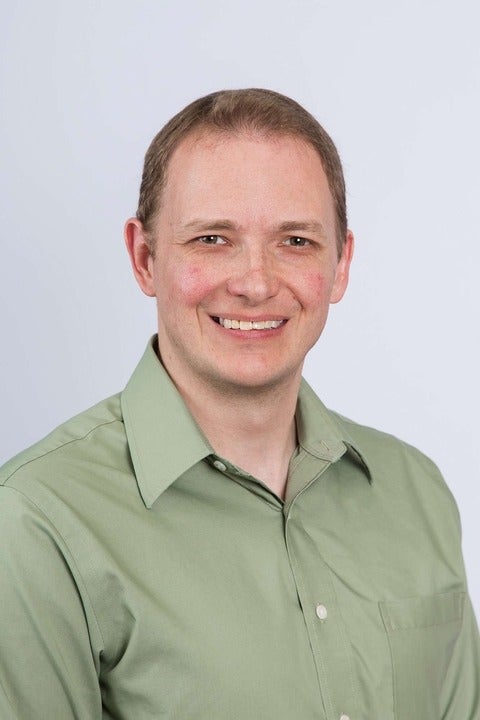
Welcome Scott Gallimore as New Member of the Executive Committee
We are very grateful that our colleague from Wilfried Laurier University (also in Waterloo), Dr. Scott Gallimore, has accepted our invitation to the work of the Institute’s Executive Committee. Scott is Associate Professor of Archaeology. He has a long-standing research focus on Crete, with a particular interest in the transition from the Hellenistic to the Roman period (cf. his 2015 monograph An Island Economy: Hellenistic and Roman Pottery from Hierapytna, Crete). And since 2013, he has been part of the excavations at the Hellenistic and Roman city-state of Sikyon, which is located in the northeast Peloponnese just to the west of Corinth. He is now the Assistant Director of those excavations, which is currently concentrated on exploring the periphery of the Agora, with a specific focus on finding Hellenistic-period activity. It is great to have his support!

Seleukid Study Days VIII: The Afterlife of the Seleukids - upcoming in Utrecht, Nov. 12–15, 2025
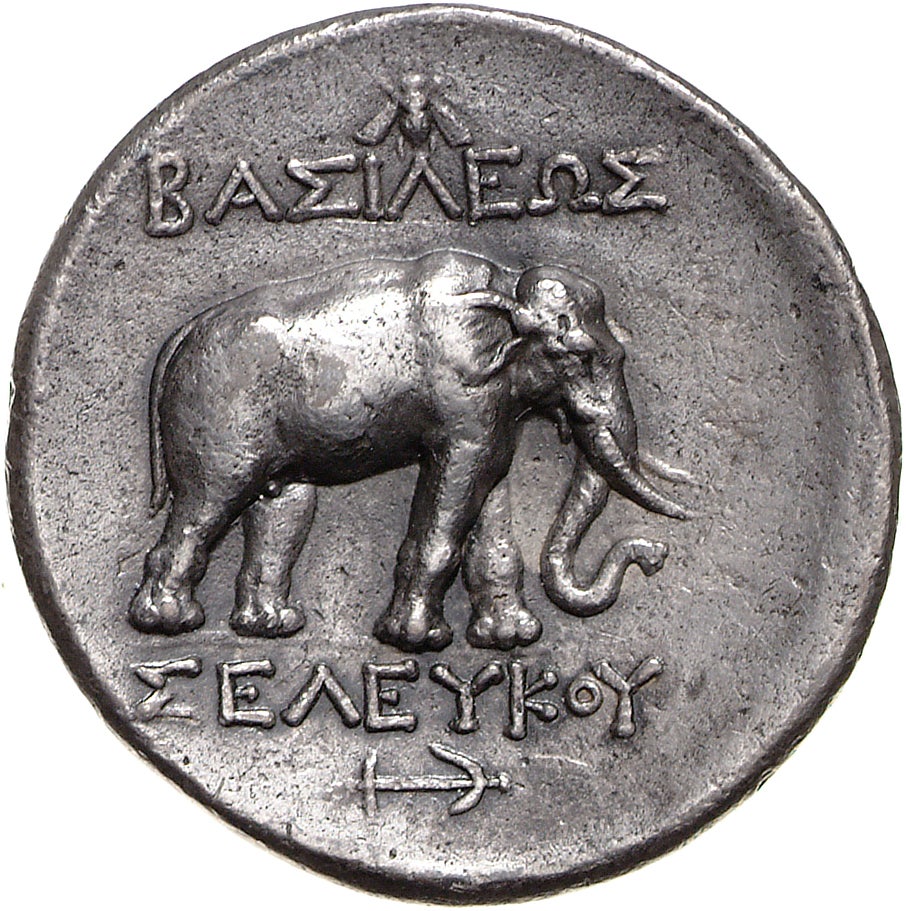
The study of the Seleukid dynasty and its multiethnic kingdom stretching from the Aegean over the Levant and Babylonia to the eastern Iranian territories has been one of the core initiatives of WIHS from its inception until Seleukid Study Days IV: Seleukid Royal Women (Montreal 2013, published 2016). The conference series continued until Seleukid Study Days VII: The Seleukid Army (Sopot, Poland, 2019, published as The Seleukids at War, 2024). When the COVID-19 pandemic slowed down international collaboration, the near-monthly Seleukid Lecture Series (2021-2025) kept the loosely-defined Seleukid Study Group together. We are pleased that the Seleukid Study Days are now being revived, with WIHS among its co-sponsors and Utrecht University as its local host.