Using AI to find microplastics
Researchers use AI to identify toxic substances in wastewater with greater accuracy and speed
Machine learning is now helping researchers analyze the makeup of unfamiliar cells, which could lead to more personalized medicine in the treatment of cancer and other serious diseases.
Award-winning technology promises earlier diagnosis of macular degeneration and more independence for people with visual impairments
MedChat wins the Retreival Augumentation Generation Hackathon hosted by Waterloo.AI and Cohere with the Wat.ai Design Team and the Data Science Club on Sunday.
A new low-cost air quality platform hopes to change the way we quantify the adverse health impacts of air pollution in low-income countries
Expert highlights importance of understanding the uses of artificial intelligence at work
Waterloo professor introduces AI in his course and equips students with skills to respond to big problems in tech
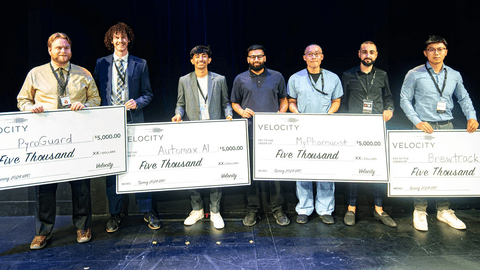
UW design team WATOLink wins Best Demo Award at CUCAI.
PLAN 211: Design Studio Foundations course taught by Dr. Katherine Perrott, has partnered with the Sustainability Office to produce urban design visualizations that explore what the future of the UWaterloo campus could look like while meeting the University’s sustainability goals.
For most of us, social interactions are taxing, tedious or time well spent. For the 1.5% of Canadian children and youth who have been diagnosed with autism, they can be inscrutable. With the rise of new technologies such as artificial intelligence (AI) and machine learning (ML), however, facial expression classification (FEC) systems could help autistic and neurotypical people engage better.