
How do women contribute to peacebuilding in their communities? New Grebel Peace Incubator participant, Women and Peace Studies Organization-Canada (WPSO), illuminates the critical role of women in building peace and community wellbeing. Through supporting women's informal networks and grassroots leadership, WPSO recognizes that sustainable peace is often nurtured through relationships of trust, mutual support, and community resilience long before it is reflected in formal institutions and processes. Grounded in the Women, Peace, and Security agenda developed by 80 Canadian non-governmental organizations and individuals, WPSO works to strengthen women's agency as peacebuilders and to elevate the often-overlooked contributions of women-led community peace infrastructures in Canada, and beyond.
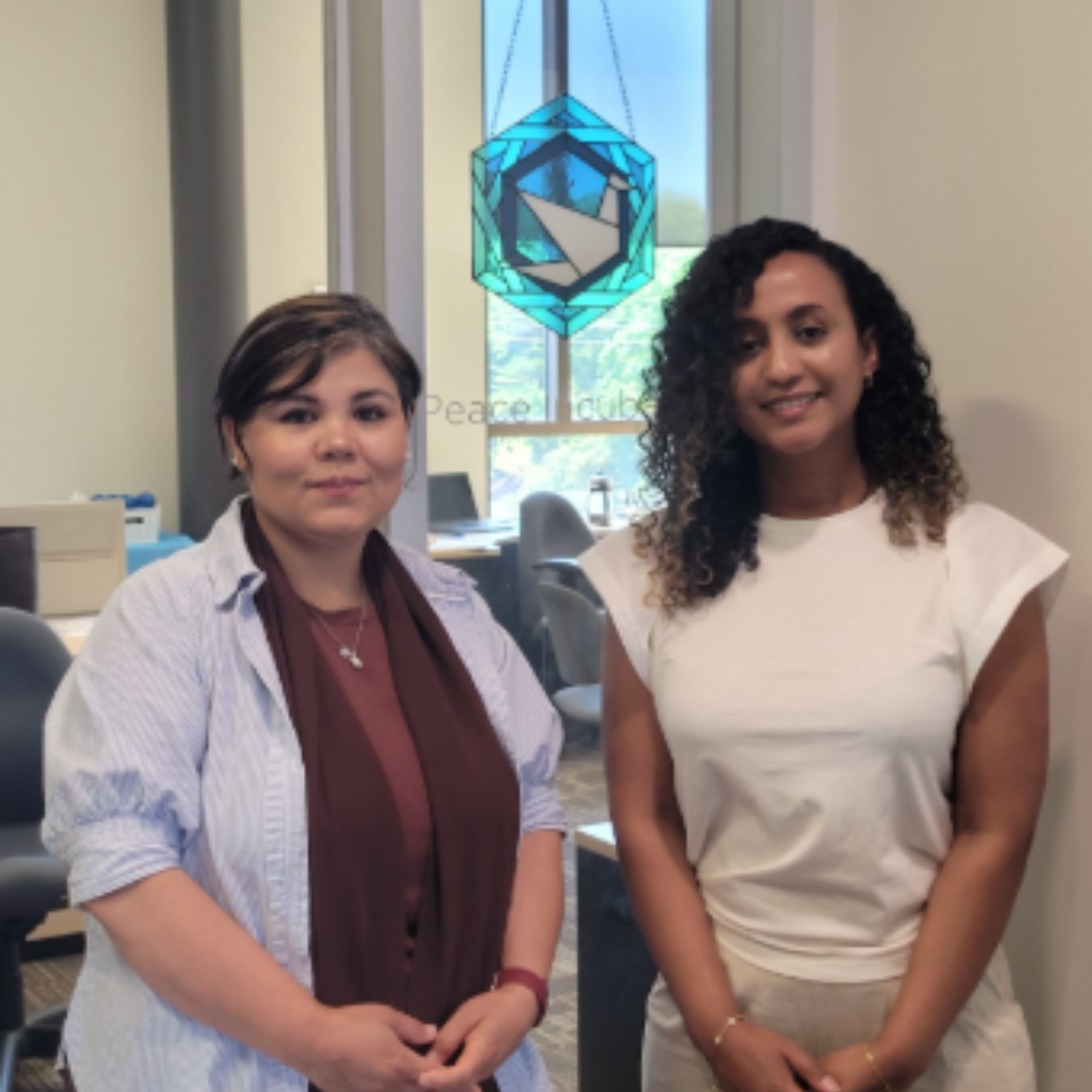
While new to the incubator, WPSO is part of a rich history with groups in many countries including Afghanistan and is part of the Women Alliance for Security Leadership that is women building peace in over 40 countries of the world, mostly the global south. Originally founded in Afghanistan in 2012, the Canadian branch of the organization incorporated as a nonprofit in 2021 under the leadership of renowned peacebuilding expert Wazhma Frogh. What began as a group of four volunteers in Canada, now includes three staff members, an intern, and 21 volunteers working from Waterloo Region, Hamilton, Toronto, Ottawa, and Calgary, Alberta. Together, they aim “to support Afghan women and girls in Canada to safely integrate, thrive, and reach their potential through culturally relevant services in their own languages.”
Many of WPSO’s members came to Canada as refugees and have experienced challenges related to communication, cultural differences, system navigation, and economic inclusion. Often female family members are excluded from resettlement discussions. “Women – even now – are very much missing from the conversation,” explained Wazhma. Yet, women are often the ones that bring together households and communities. The social structures women build have the potential to create sustainable change by targeting the root causes of both peace and radicalism.
To scaffold these women’s networks from the ground-up, WPSO provides workshops and community groups, culturally appropriate information sessions, and one-on-one guidance for women. WPSO strives to support women and girls to find their paths and become self-reliant contributors in Canadian society, offering supports such as system navigation, English conversation and interpretation, service coordination, and mediation. This helps members find their way through the education, legal, medical, and social services systems around them. Because this population is often overlooked, WPSO also works to “amplify the voices of Afghan women and girls by generating evidence-based, community-led research that informs programs, policy, and advocacy.” They collaborate with a wide range of partners from local churches and family centres, to national and global committees like Women Alliance for Security Leadership, and the International Civil Society Action Network. As part of Women, Peace and Security Network Canada, WPSO also contributes to advocacy and research initiatives that monitor the implementation of Canada’s National Action Plan on Women, Peace, and Security.
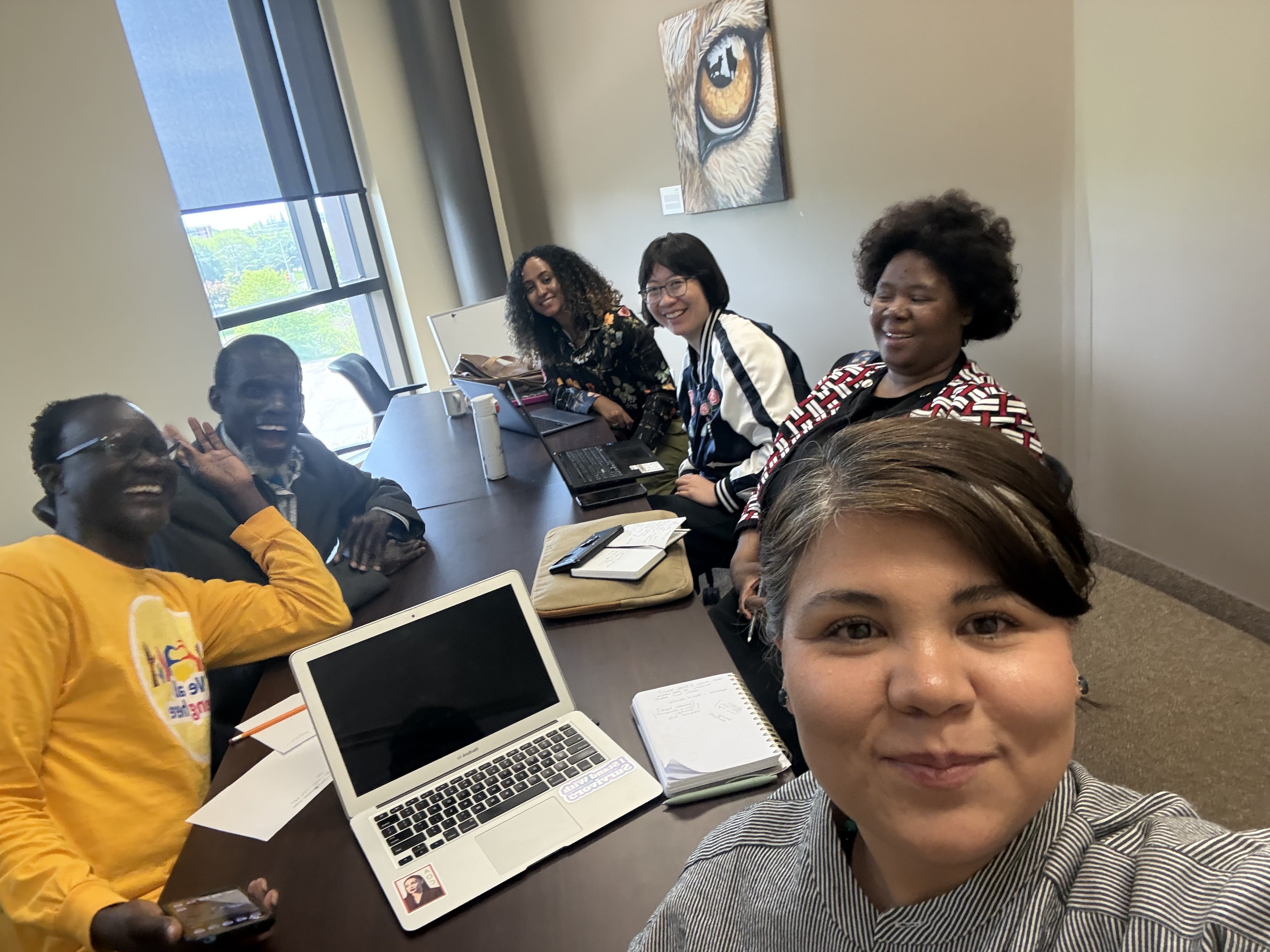
In addition to being a skilled collaborator, Wazhma is an experienced peacebuilder with an academic background in Law, Women and Public Policy, and Peace and Conflict Studies. Having lived in 15 countries over the last 25 years, she has a deep understanding of many of the internal and external barriers facing marginalized communities. As an example, she recalled an instance where she was the only woman on a peacebuilding committee with 33 men and there was no conversation on how women are involved. When she drew attention to this, the dismissive reply was “When women are not fighting or part of [an] insurgency, why should we even talk about them?” In response, Wazhma works tirelessly to empower women’s voices in decision making and to communicate how women are a positive power for peace.
Part of what drew Wazhma to the Grebel Peace Incubator is how the Centre for Peace Advancement facilitates collaboration among peacebuilders. WPSO “didn’t even have an office until now,” she shared. “The space is helping us become more organized so we can work on securing more funding” for future growth. Since joining the incubator in May, Wazhma and Master of Peace and Conflict Studies intern Addisalem Jiru have been fostering connections with the organizations in the Centre for Peace Advancement’s community. To learn more about what Peace for All Canada and WPSO are doing together for example, subscribe to the Centre’s newsletter or return to our News page for future articles.