Climate Institute member, Richard Kelly's snow study takes flight
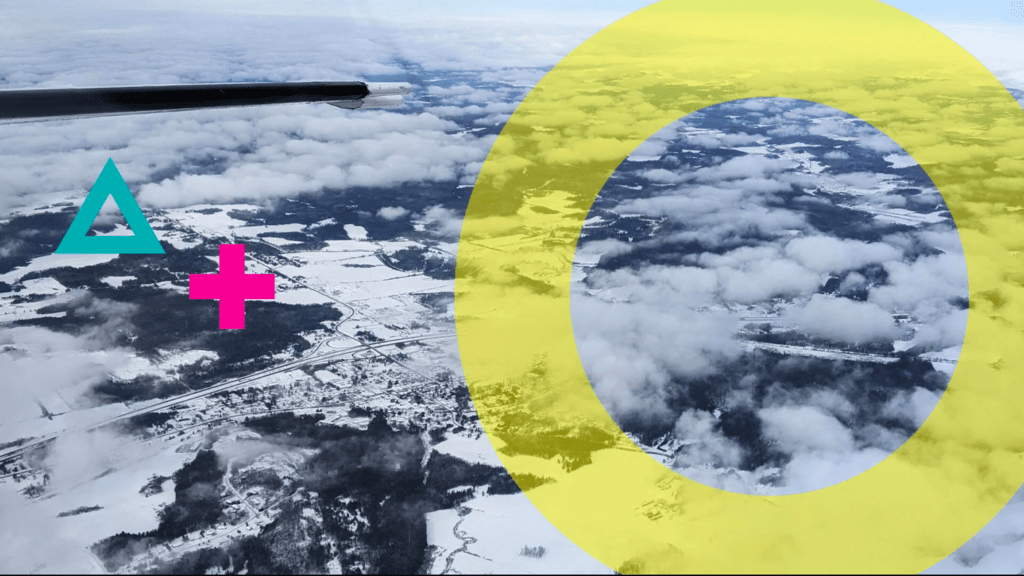
Climate Institute member, Richard Kelly research into remote snowpacks unveils insights into climate change, water resource management and the future of our planet.
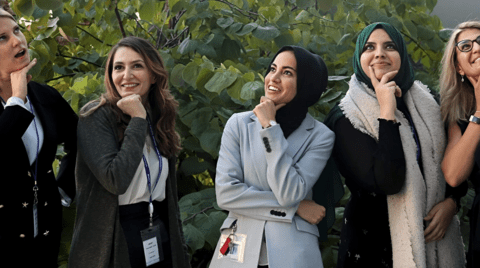
Climate Institute member empowers future engineers through diversity and sustainability
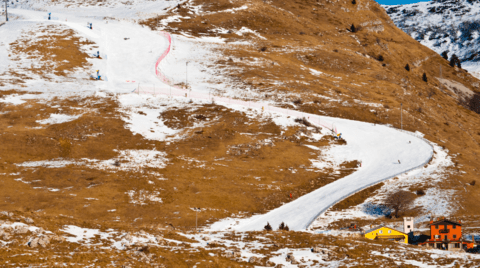
First-of-its-kind study with Climate Institute member Dr. Daniel Scott, estimates the economic damages climate change has had on the U.S. ski industry over the past two decades.
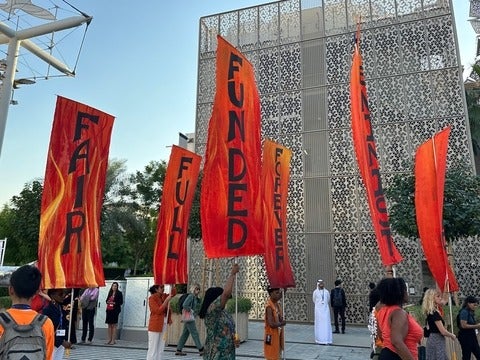
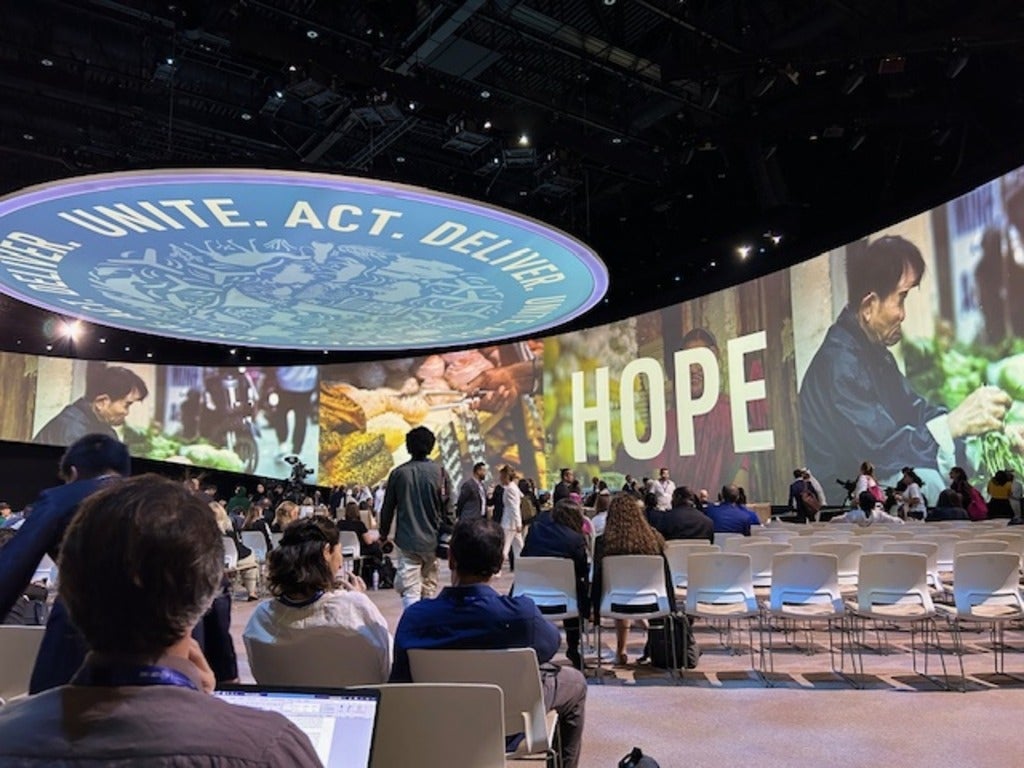
Sarah Greene, a COP28 delegate with the Waterloo Climate Institute and a PhD candidate at the Balsillie School of International Affairs, shares insight into the Loss and Damage Fund, addressing Canada's role on the global stage while attending COP28.
Sarah Greene, a COP28 delegate from the Waterloo Climate Institute and a PhD candidate in the Balsillie School of International Affairs, shares her in person experience witnessing nations take action for #ClimateJustice as Columbia signs the Fossil Fuel Non-Proliferation Treaty.
Miswar Syed, a virtual COP28 delegate and a master’s student in the Department of Electrical & Computer Engineering, illustrates the topic of recently established funds, goals and more. In his reflection, he elaborates on significant outcomes from the launch of new funds and the implications of them.
Jacqueline Harper, a virtual COP28 delegate with the Waterloo Climate Institute and a Master's student in Geography, shares how the tourism industry has planned to adapt and mitigate the current impacts of the changing climate in our most recent blog.
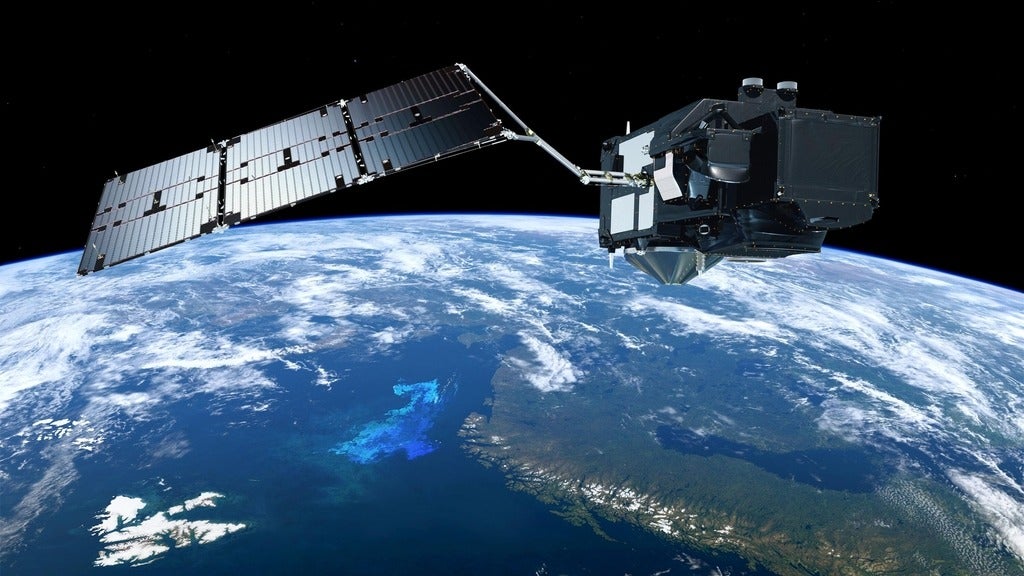
Researchers at the University of Waterloo, led by Climate Institute member Claude Duguay have developed new tools using machine learning models to identify lake ice conditions with unprecedented accuracy. These tools will significantly advance climate change monitoring and public safety. By processing satellite radar altimetry data, the algorithm can differentiate between open water, thin ice, growing ice, or melting ice with 94% accuracy.
After attending COP 28 in December, Shahan Salim, a PhD candidate in Public Health shares his opinion piece on the role of observers and the need for advocacy of voices less heard at the annual global climate change conference. Salim was invited to give a statement at the closing plenary on behalf of research and non-governmental organizations. In his reflection, he explains the thinking behind the words shared on this global stage.
Amy Hall, a Masters of Climate Change Student interested in nature-based solutions for climate change problems reflects on her experience attending COP 28 virtually. She explores themes of biodiversity and regenerative agriculture as key efforts needed to progress on global climate action goals.