News

Filter by:

Limit to news where the title matches:
Limit to items where the date of the news item:
Date range
Limit to news items tagged with one or more of:
Limit to news items where the audience is one or more of:

Canada’s National Adaptation Strategy (NAS) provides a framework to move the country toward a climate-resilient future. The strategy lays out a critical foundation for Canada’s adaptation efforts but experts agree that this is only the first step, and that the success of the strategy will be measured by how we implement and carry out the adaptation plan. To better understand the strategy and its potential impact, the University of Waterloo’s Climate Institute hosted a webinar that brought together several of Canada’s leading adaptation experts who participated in its development.

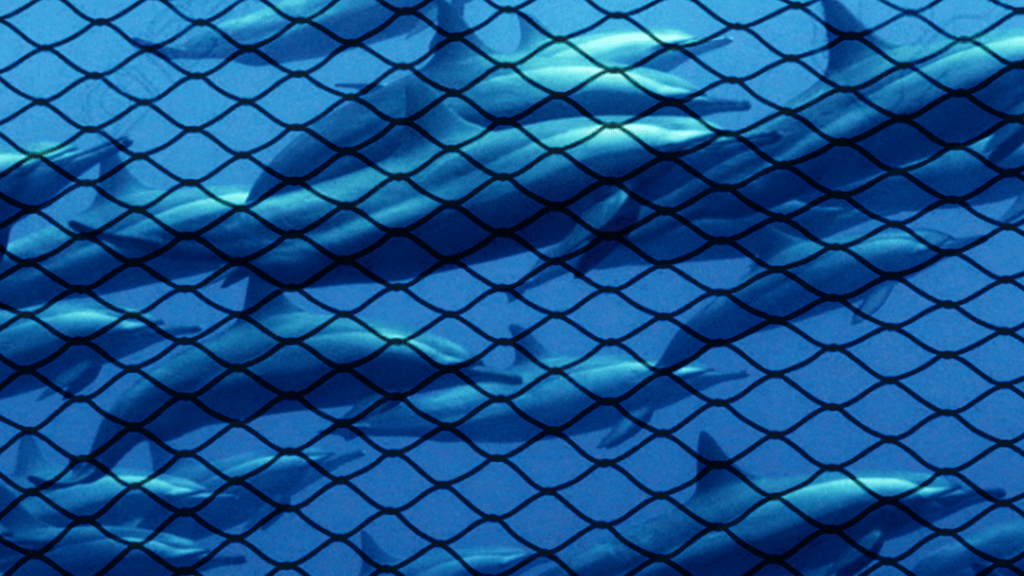
Waterloo professor is part of an emerging field that calls for establishing a governance framework for ocean-based climate interventions

Dr. Neil Craik, law professor in the School of Environment, Enterprise and Development and Waterloo Climate Interventions Strategies Lab member, is part of a growing area of research critically assessing the impacts and governance challenges of large-scale climate interventions in the world’s oceans.

The summer school, open to students and professionals, offers daily, one-hour online sessions, from June 5 to June 23, 2023, showcasing leading-edge thinking and understanding from a wide array of University of Waterloo professors focusing on the intersection between climate, water, and energy.

The Intergovernmental Panel on Climate Change (IPCC) releases the Synthesis Report (SYR) of the IPCC Sixth Assessment Report (AR6) summarizing the state of knowledge of climate change, its widespread impacts and risks, and climate change mitigation and adaptation.

Small isolated wetlands that are full for only part of the year are often the first to be removed for development or agriculture, but a new study, led by researchers at the University of Waterloo, including Waterloo Climate Insitute member Nandita Basu, shows that they can be twice as effective in protecting downstream lake or river ecosystems than if they were connected to them. 

Researchers from the University of Waterloo and Seneca College, including Olaf Weber environment professor and Waterloo Climate Institute member, have developed a new grading system for waste that could divert a billion pounds of clothes and other fabric items from landfills. The new method will evaluate an item’s quality from A to F and whether it can be resold, recycled or tossed. In testing this method, they found that more than half of textile waste in Canada could be reused and almost a quarter could be recycled.