Deep decarbonization and sustainability transitions

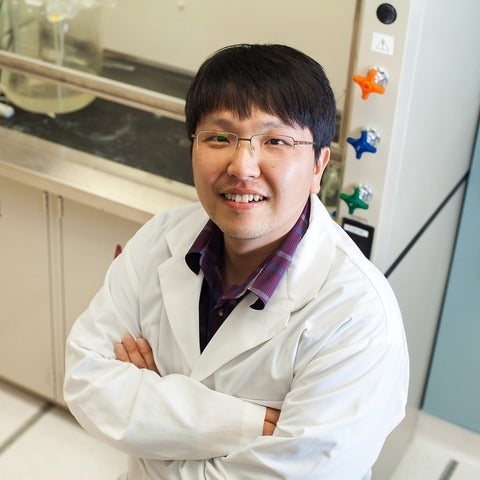
Hyung-Sool Lee

Associate Professor, Civil and Environmental Engineering

Hyung-Sool Lee's areas of research include production of bio-energy (electricity, H2, and CH4) and bio-chemicals from biomass including microbial electrochemical cells, wastewater treatment including nutrient recovery from organic waste and wastewater, thermodynamic/kinetic analyses of microbial metabolisms in engineered and natural systems, anaerobic membrane bioreactors including integration of anaerobic digestion with membrane separation, and anaerobic oxidation of methane, especially as part of the global carbon cycle.

Ali Elkamel

Professor, Chemical Engineering

Ali Elkamel looks at process systems engineering, computer-aided product formulation and design, systems biology, carbon management, energy and environmental systems, optimization of oil, gas, petroleum refining and petrochemical operations, process modeling, and simulation and optimization of complex systems.

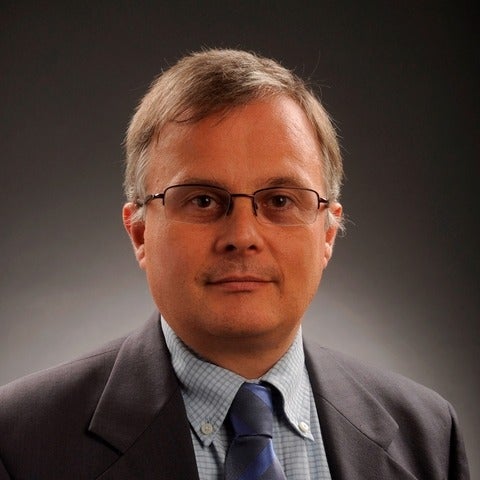
Eric Croiset

Professor, Chemical Engineering

Eric Croiset's research interests include reaction engineering, solid oxide fuel cell (SOFC), syngas/hydrogen production, carbon capture and sequestration (CCS), process simulation, reactions in supercritical water, green reaction engineering, large scale optimization of energy systems, and CO2 capture from large point sources.

Neil Craik

Professor, School of Environment, Enterprise and Development

Neil Craik studies the role of procedural obligations in governance structures addressing transboundary and global commons environmental issues, the intersection of international and domestic environmental policy, climate and geoengineering governance and environmental impact assessment.

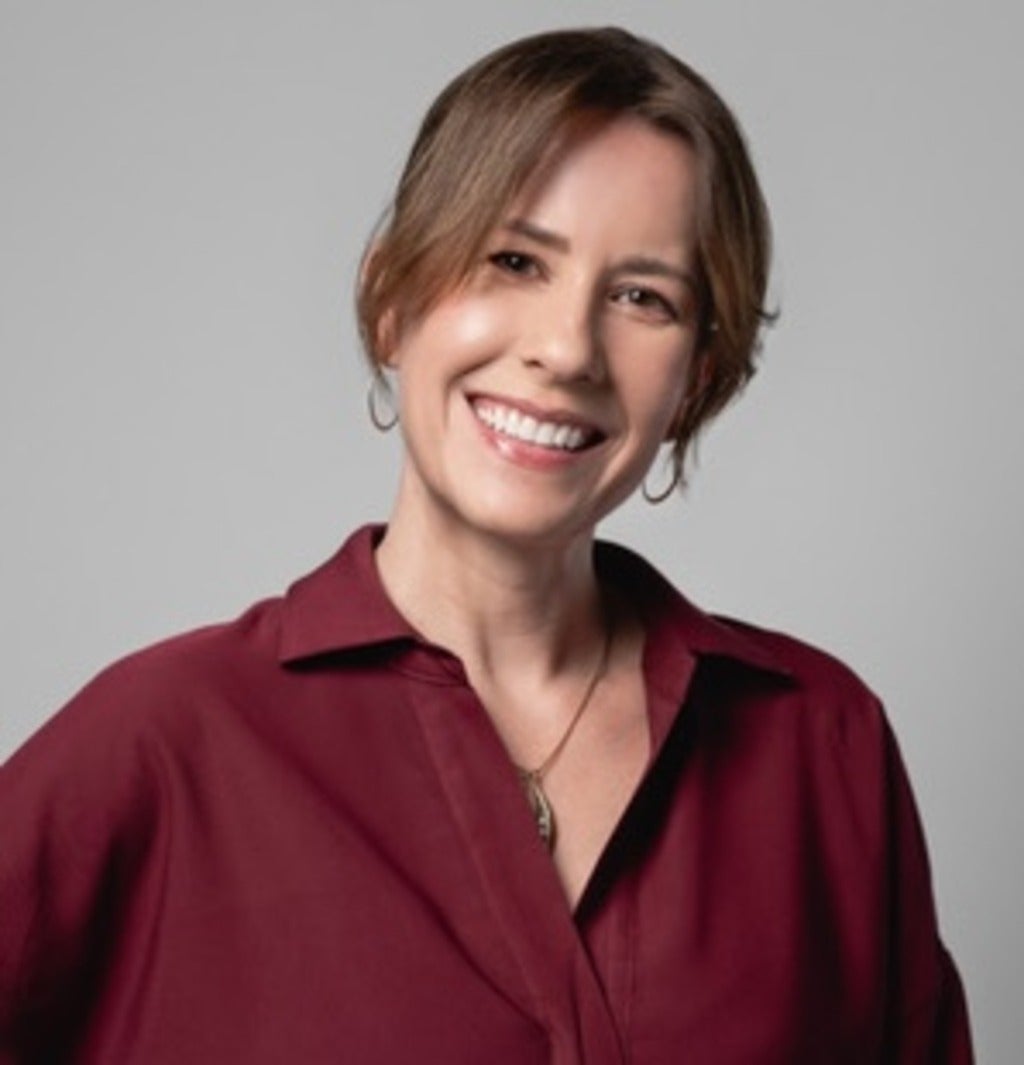
Amelia Clarke

Professor, School of Environment, Enterprise and Development; Associate Dean, Research

Amelia Clarke studies deep decarbonization in cities, sustainability strategies, corporate social and environment​al responsibility, collaborative strategic management, cross-sector partnerships, and youth impact.

Sarah Burch

Executive Director, Waterloo Climate Institute; Professor, Geography and Environmental Management; Canada Research Chair

Sarah Burch is an expert in transformative responses to climate change at the community scale, innovative strategies for making progress on sustainability, and the unique contributions that small businesses can make to solving this complex challenge.