
Exploring traditions, celebrations and meanings across cultures
What is Halloween?
Halloween is celebrated in many different ways around the world, where its meaning can vary from culture to culture. The name “Halloween” comes from “All Hallows’ Eve,” referring to the evening before All Saints’ Day, a Christian observance on November 1 that honours saints. Halloween’s history reflects a combination of Christian observances and older seasonal customs, which have influenced how the holiday is celebrated today. For some, it can mean the changing of seasons; for others, it can be a time to honour spiritual remembrance and connect with family and friends. While traditions such as costumes, pumpkins and trick or treating are familiar in Canada and the United States, other cultures have their own celebrations and customs surrounding remembrance, ancestors and the changing of seasons. Although some of these traditions share historical or thematic connections with Halloween, many are distinct celebrations with their own histories and cultural significance.
The traditions below offer just a glimpse of the many ways people celebrate around the world. If there’s a tradition or story you’d like to see showcased, we invite you to share it with us using our intake form.

Samhain
- Ancient Gaelic seasonal festival commonly associated with Irish and Scottish traditions
- Begins the evening of October 31
- Marks the end of the harvest season and the beginning of winter
- Traditional customs often include bonfires, feasting, disguises, and fortune-telling or divination
- Folklore often associates this holiday with a time when the boundary between the human and spirit worlds was believed to come together
- For more information about this tradition, visit National Museum of Ireland
All Hallow’s Eve / Saint’s Day / All Soul’s Day

- Associated with Western Christian traditions
- Honours saints and remembering those who have died
- All Hallow's Eve (Halloween) occurs October 31
- All Saints' Day occurs on November 1
- All Souls' Day occurs on November 2
- Traditions may include church services, prayers, lighting candles and visiting ceremonies
- For more information about this tradition, visit English Heritage
Halloween

Fewings, N. (2020, October 21). A house window celebrating Halloween with a Trick or Treat sign. Unsplash. https://unsplash.com/photos/text-oPVNGh0hzdI
- Typically celebrated in Canada and the United States
- Practices can include costumes, trick or treating, pumpkin carving, decorations and parties
- Modern Halloween customs have been passed on and developed through older traditions and religious influences
- For more information about this tradition, visit Headlines & Heroes
Día de los Muertos

Hernandez Belmonte, C. (2024, October 24). La familia por encima de la muerte. Unsplash. https://unsplash.com/photos/a-group-of-people-standing-around-a-bunch-of-candles-DdZyYsJ6SoU
- Associated with Mexican traditions
- Occurs between November 1 to November 2
- Families come together to welcome and remember their deceased loved ones
- Families prepare ofrendas – offerings with food, candles, flowers and meaningful objects – and visit their loved ones' graves
- For more information about this tradition, visit UNESCO Intangible Cultural Heritage
Undas, Pangangaluluwà

Simonova, O. (2022, October 20). A child in sheets with cutout for eyes like a ghost costume in the kitchen decorated for the Halloween holiday. A kind little funny ghost. Halloween Party. Unsplash. https://unsplash.com/photos/a-person-in-a-white-robe-in-a-kitchen-hnZZ6UxEpFs
- Associated with Filipino traditions
- Occurs on November 1 to November 2
- Emphasis on family connection, prayer and remembrance rather than Halloween’s spooky theme
- Pangangaluluwà is a tradition where groups go from house to house singing and asking for prayers or offerings for the souls who have departed
- Children tend to dress up in a white sheet to look like ghosts and sometimes receive treats from the doors they knock on
- For more information about this tradition, visit apnews
Obon

- Associated with Japanese Buddhist traditions
- Also known as the Bon Festival
- Dedicated to honouring spirits of the deceased which are believed to temporarily return home and bridge the gap between the living and the dead
- Occurs between July or August, depending on the region
- Practices include tending graves, offerings and community dances
- For more information about this tradition, visit japan.travel
Hungry Ghost Festival

Van Elk, S. (2022, October 21). Haunted Pumpkin Patch. Unsplash. https://unsplash.com/photos/a-group-of-pumpkins-on-the-ground-wyPZrkpuyu4
- Associated with Chinese traditions (East Asian and Southeast Asian)
- Also known as Zhongyuan Festival or Ghost Month
- Occurs during the 7th month of the traditional Chinese Lunar Calendar
- Honours ancestors and shows respect for the wandering spirits who are believed to cross the border to the living world
- Families and communities come together to offer food, burn incense or paper offerings, and participate in ceremonies and other rituals
- For more information about this tradition, visit apnews
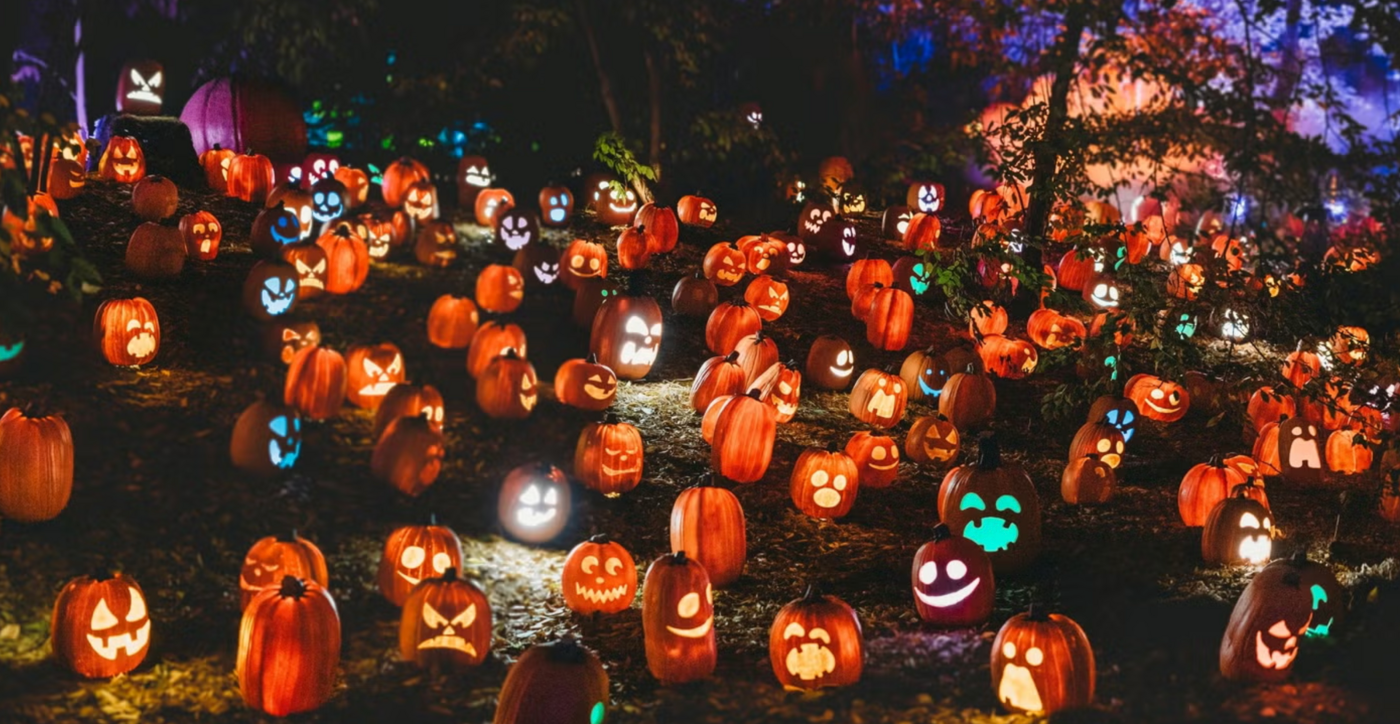
Van Elk, S. (2022, October 21). Haunted Pumpkin Patch. Unsplash. https://unsplash.com/photos/a-group-of-pumpkins-on-the-ground-wyPZrkpuyu4
Beyond Halloween
Halloween and the traditions explored can look very different across cultures, yet reflect similar themes of remembrance, community, family and connection. From seasonal celebrations to religious observances and ancestral traditions, each carries its own history and meaning. Learning about these traditions can help us appreciate the different ways people celebrate, remember and connect with one another. Taking the time to learn about traditions allows us to better understand diverse perspectives and experiences, helping us create inclusive spaces where differences are recognized and valued.